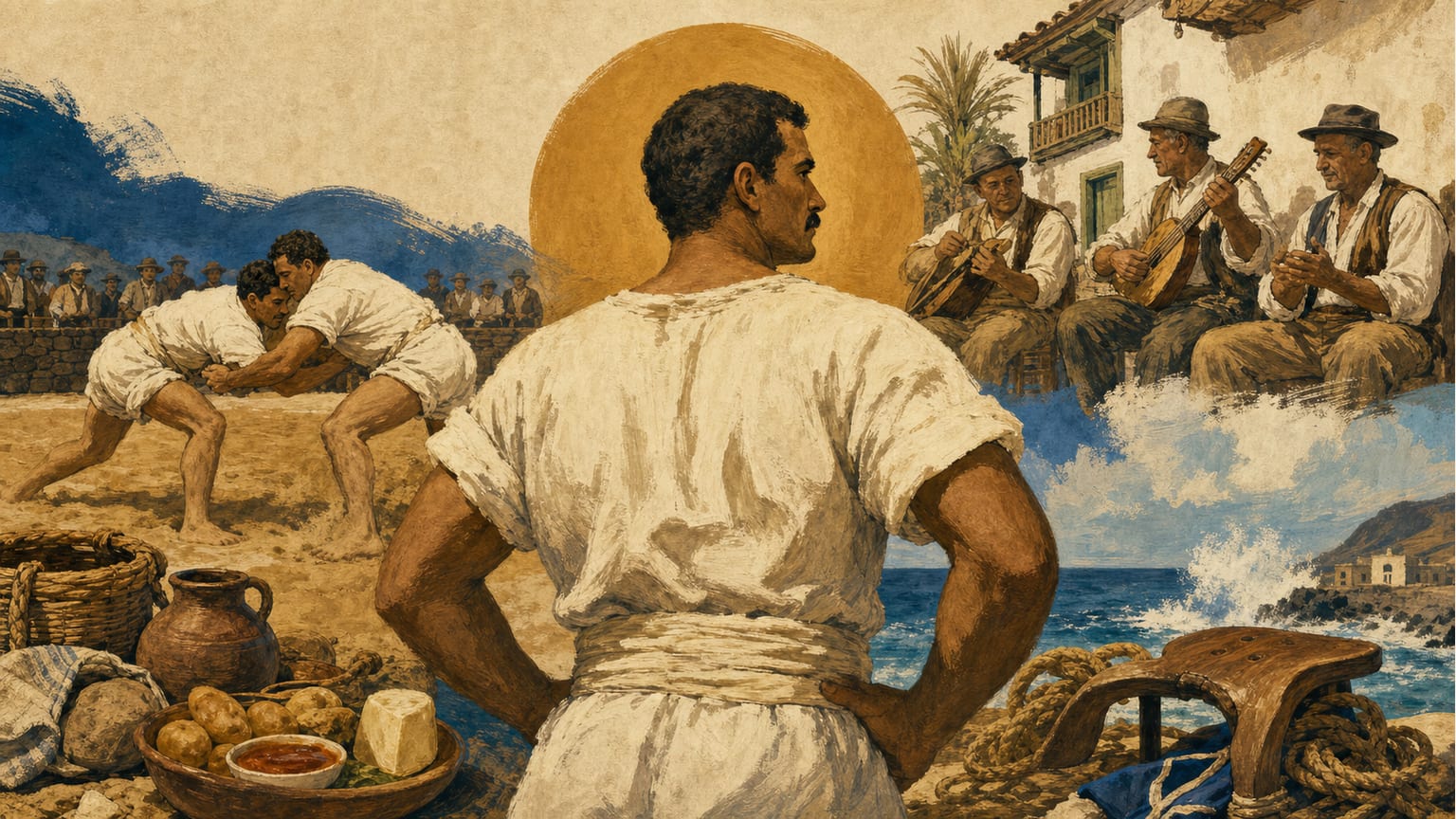
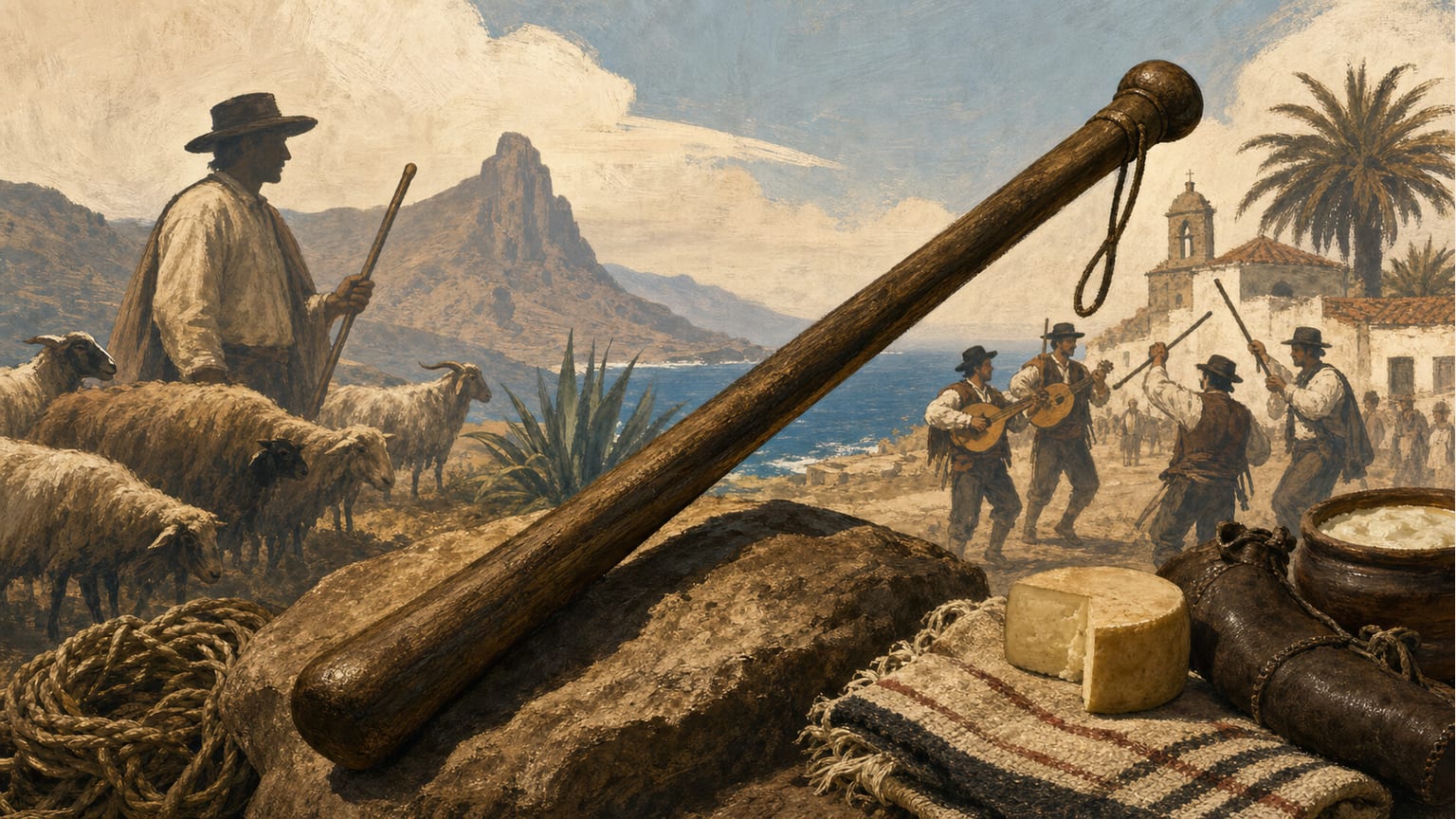
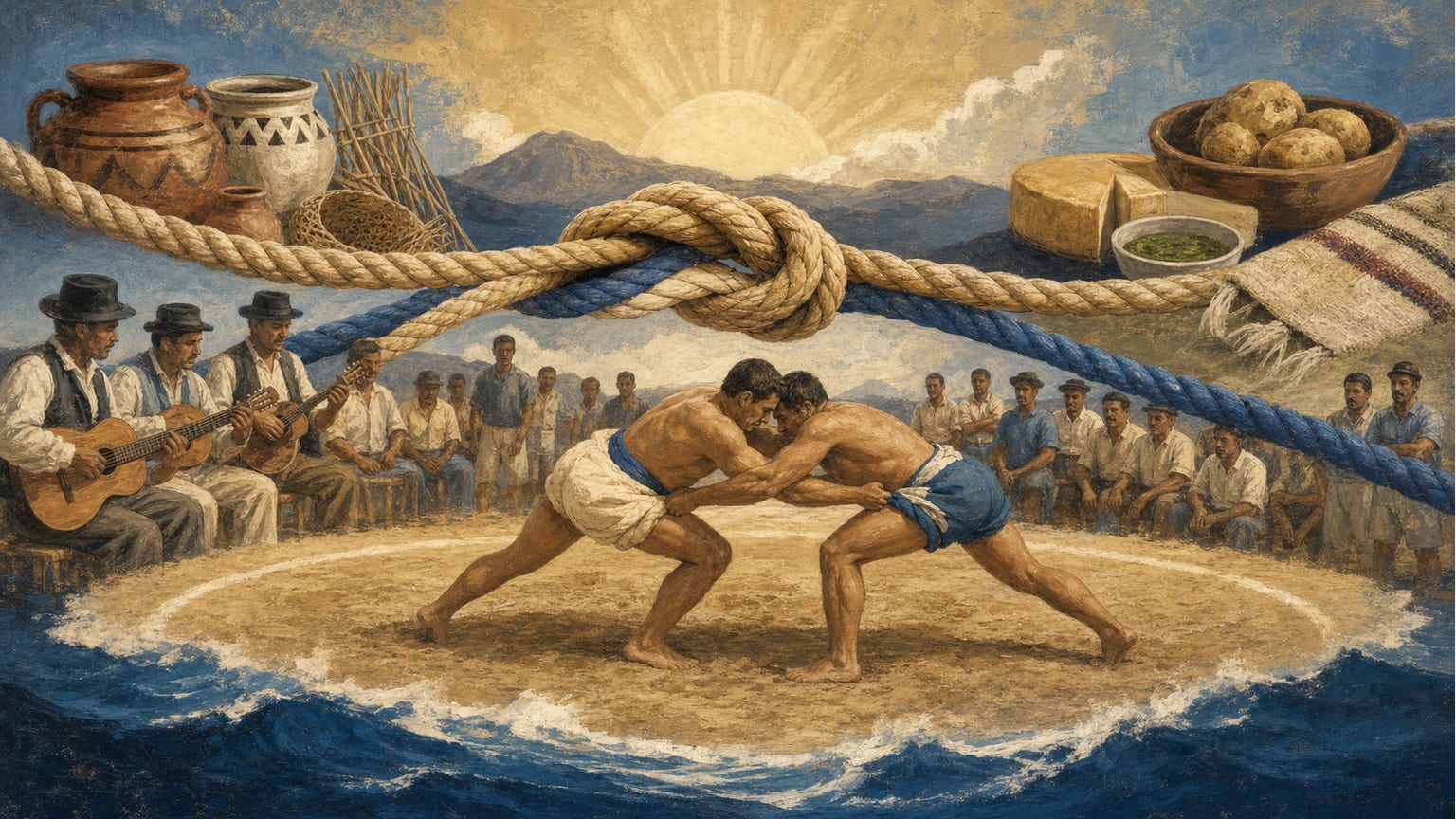
The nickname 'Mandarria', adopted by wrestler Miguel Cabrera Castillo, became a reference in Canarian popular language and culture, linked to strength and the wrestling style of the late 19th and early 20th centuries.
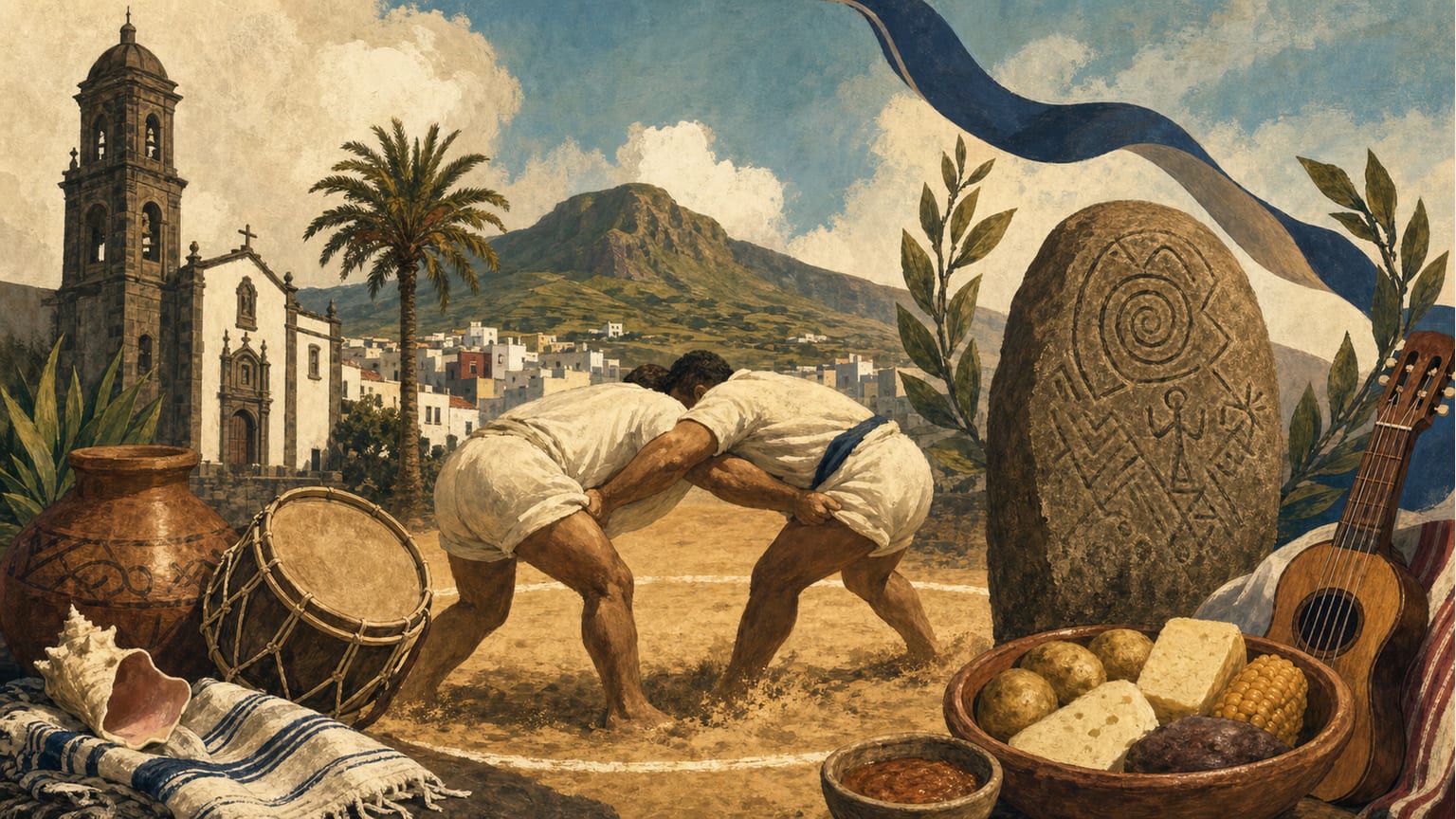
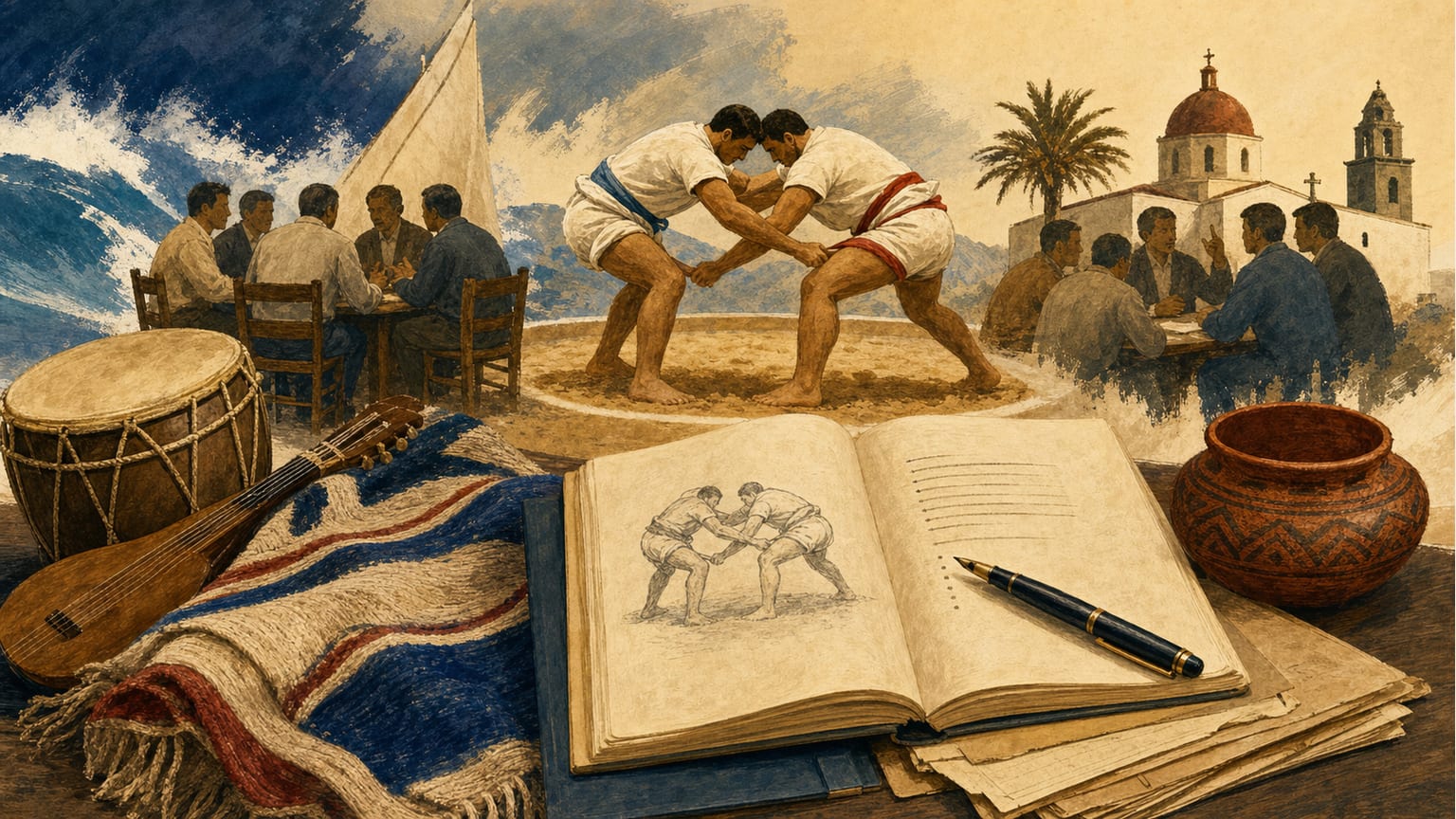
According to José Roque Falcón Falcón, Los Guanches de Arucas are considered the oldest Canarian wrestling team in Gran Canaria due to their early organization and federation, as opposed to other historic clubs.
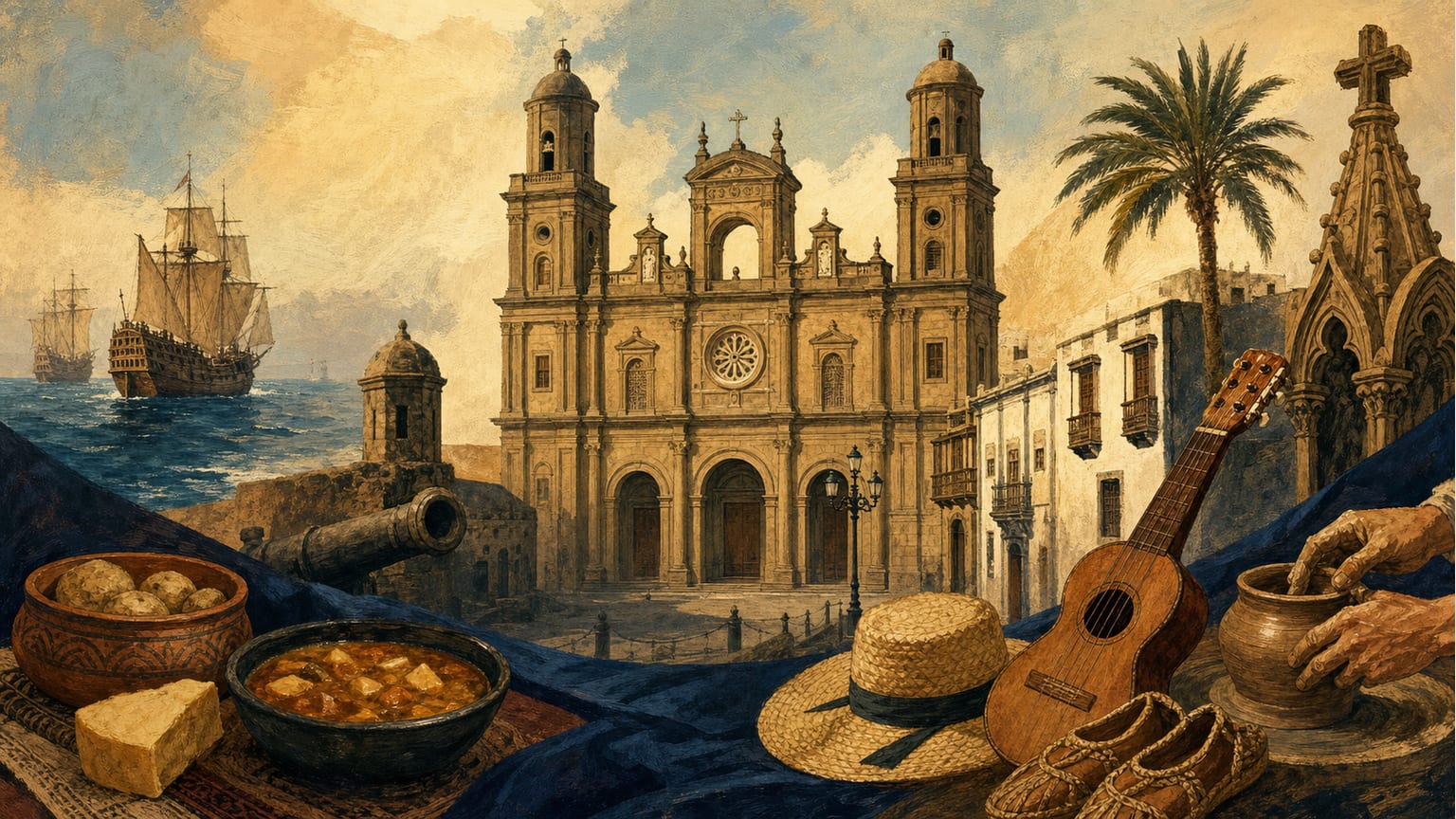
Pablo Artiles, in 1937, describes the Cathedral of Las Palmas as a key symbol of Gran Canaria’s history and art, emphasizing its architecture, role in the conquest, and meaning for the island’s identity.
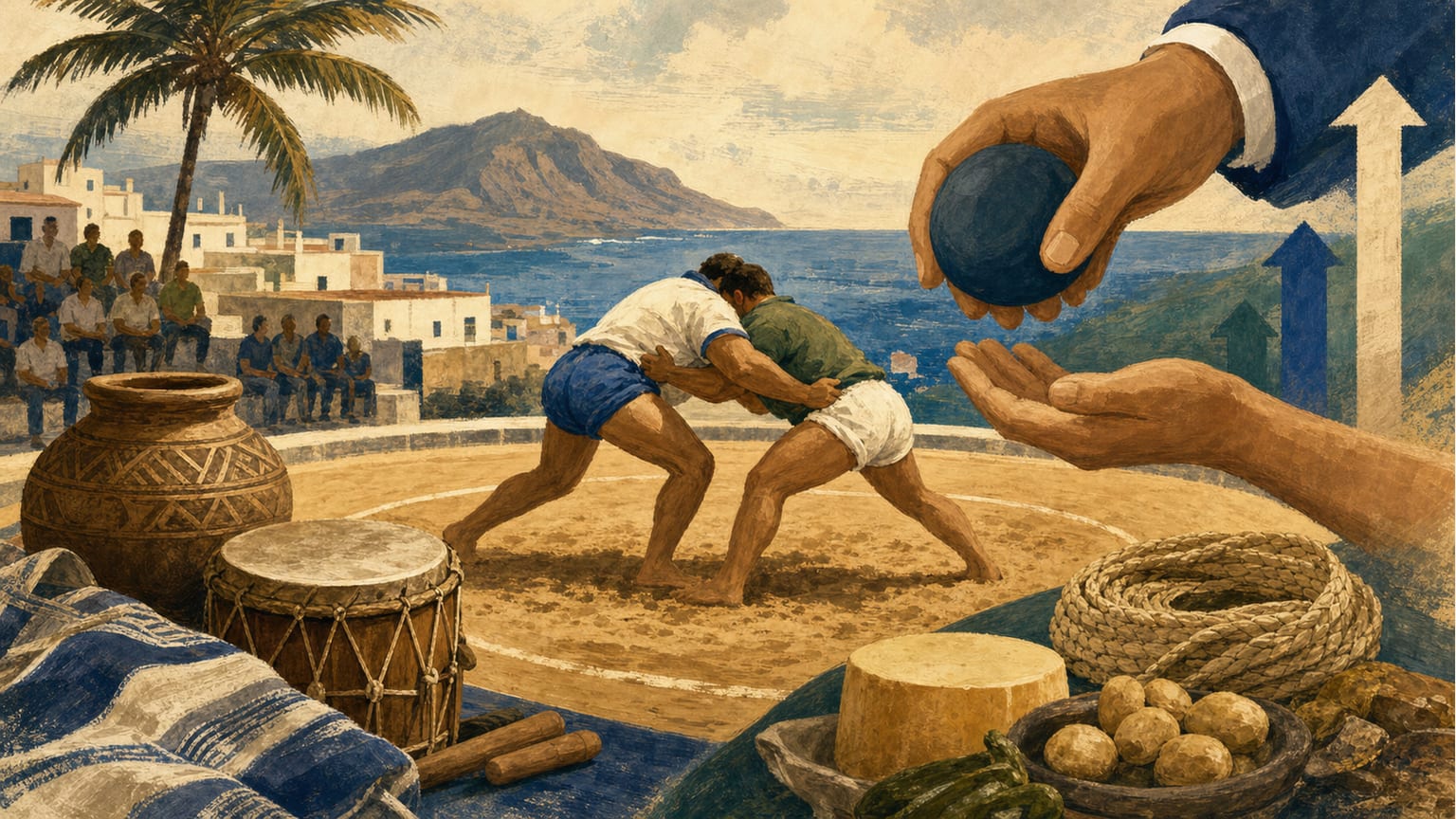
A detailed analysis of sponsorship forms in Canarian Wrestling during the 2006/07 season, highlighting challenges and opportunities as described by Emmerichs.
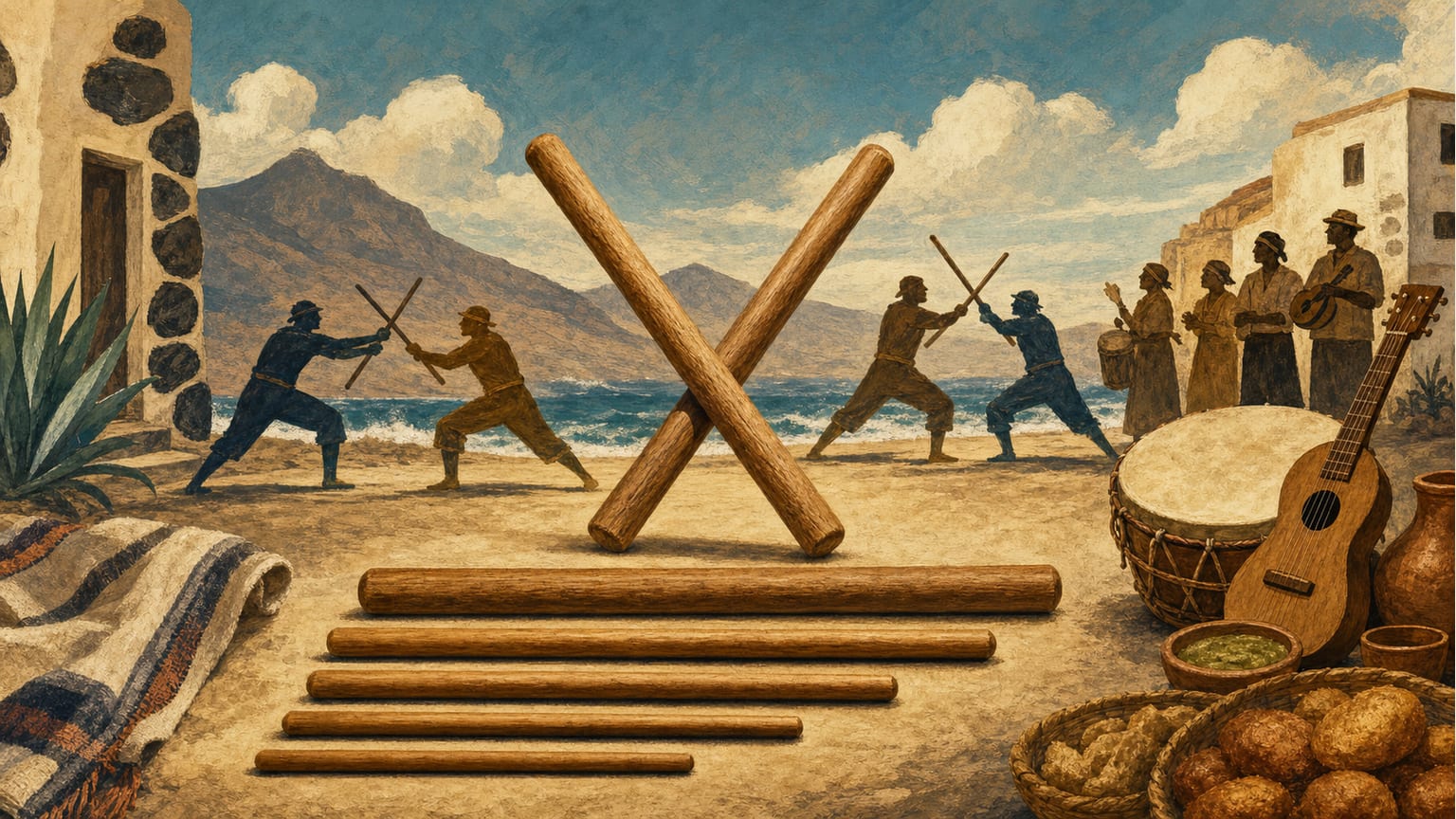
The Canarian Stick Game features several modalities and styles, mainly defined by stick size and traditional transmission, according to the Centro Universitario del Palo Canario (C.U.P.C.).
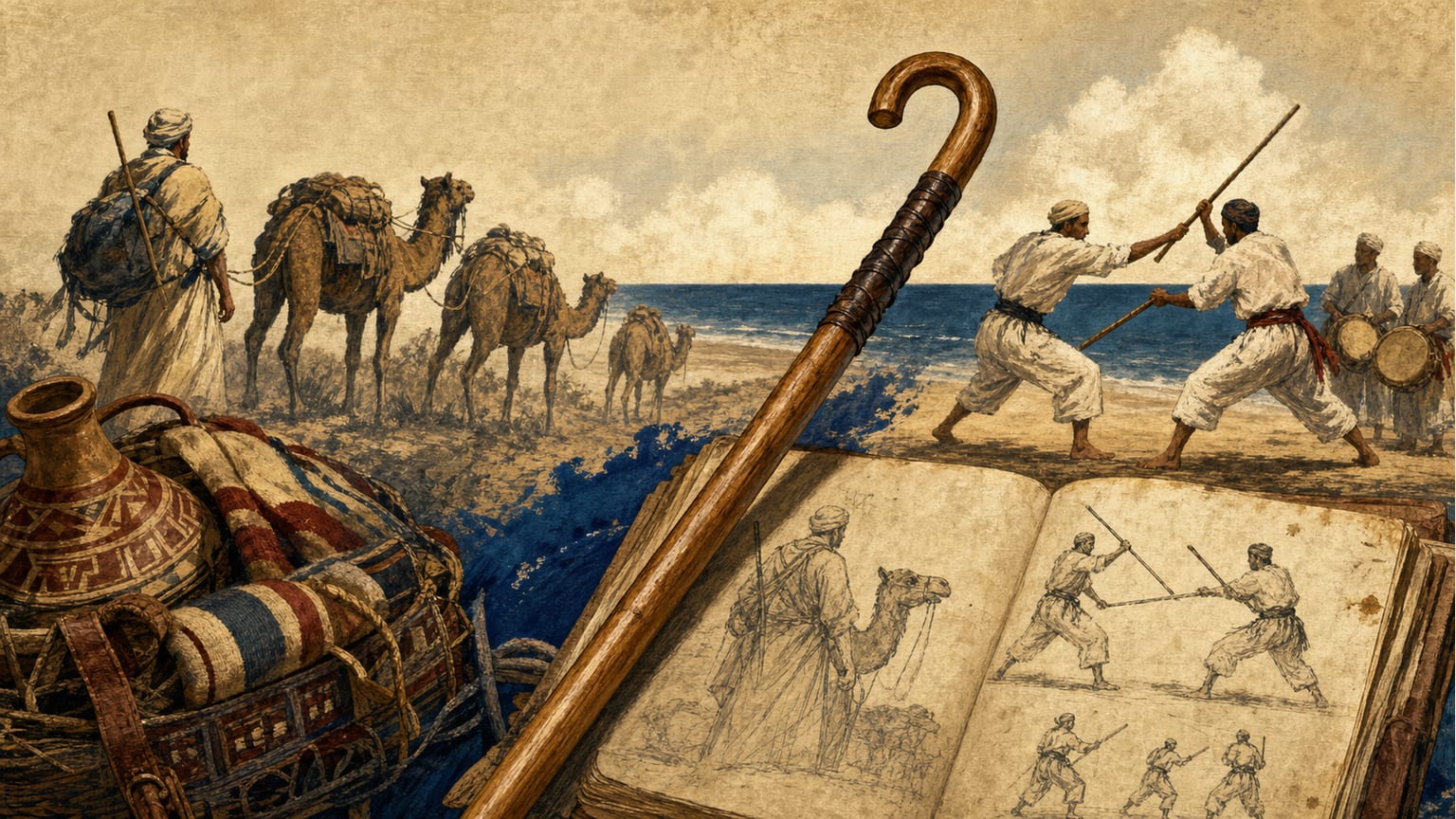
A detailed examination of the theory connecting the camel driver's stick to the origin of Juego del Palo, with Morales Magyín arguing that this link lacks documentary support.
The first Technical Regulations for Canarian wrestling emerged after years of debate and disagreement between island federations, finally being approved in 1960 after complex negotiations over the unification of rules.
The Inter-Island League was a key effort to unify Canarian wrestling between islands, facing organizational challenges and insular rivalries according to Ayala, Antonio (1977).
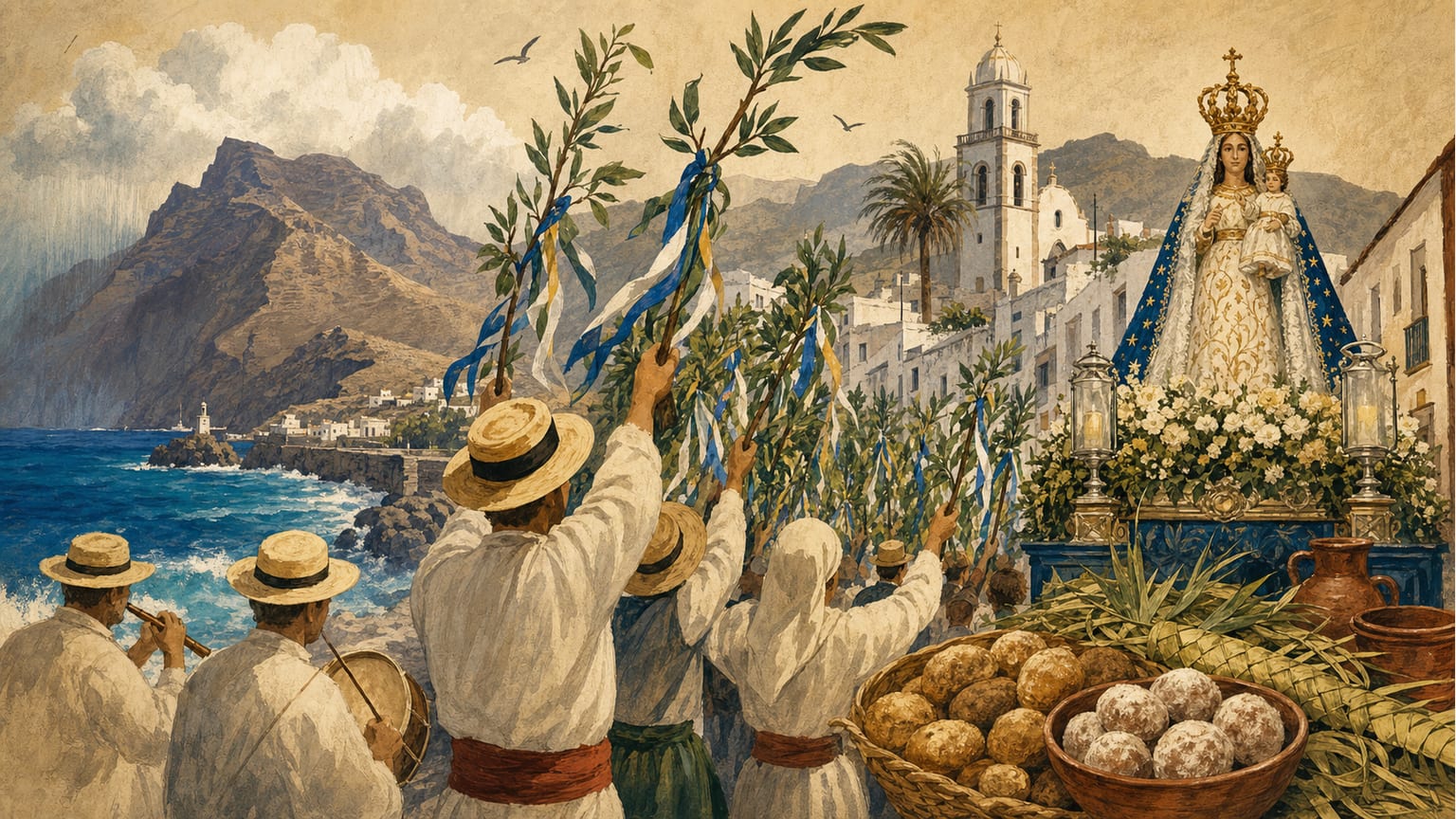
Every 4 August, thousands of people dance through Agaete carrying branches in a festival that brings together Indigenous imagery and devotion to Our Lady of the Snows.
Nesology, or the science of islands, offers a multidisciplinary approach to the study of insular spaces, with special attention to the Canary Islands and their rich mythological and nomenclatural heritage.
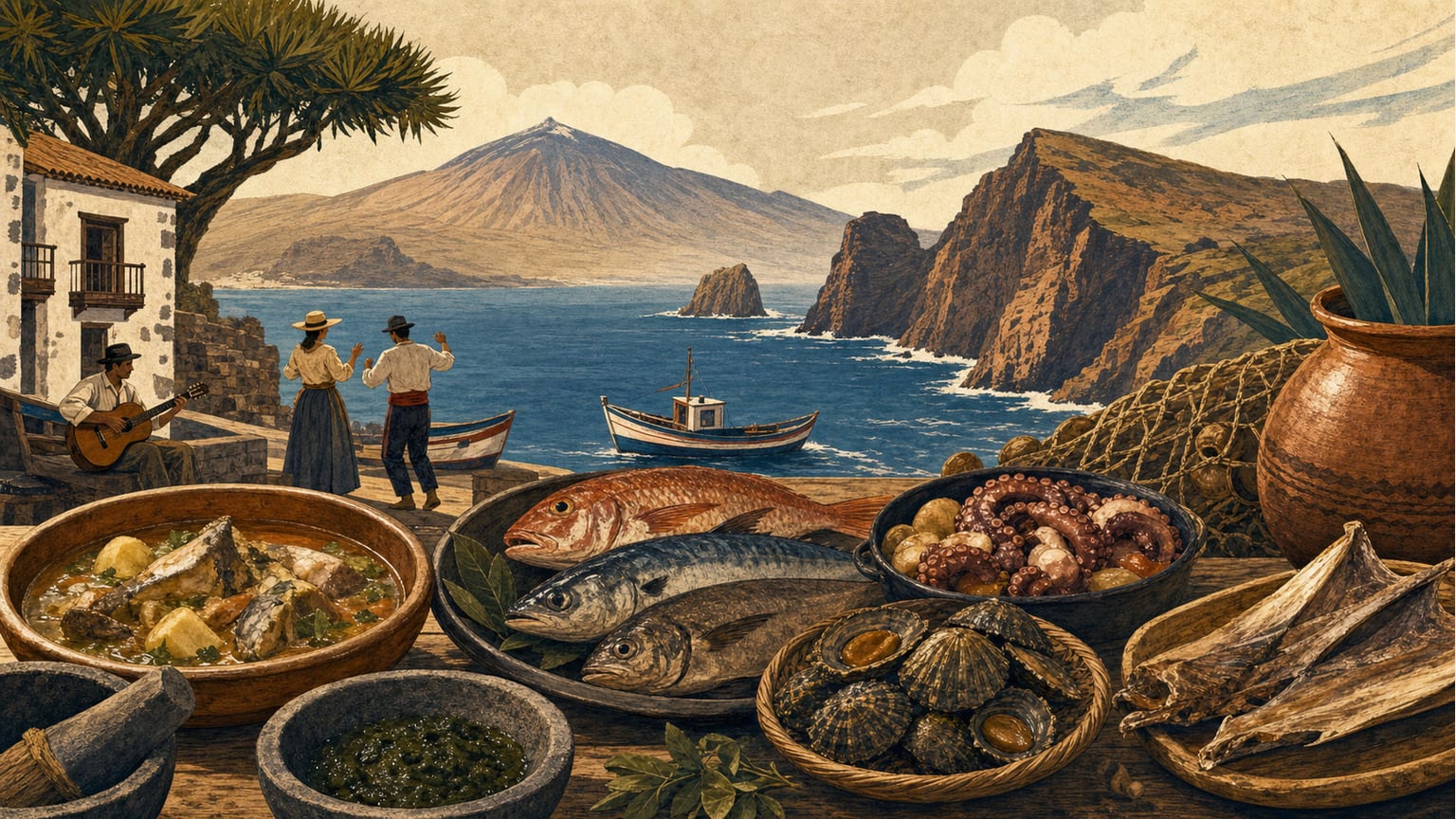
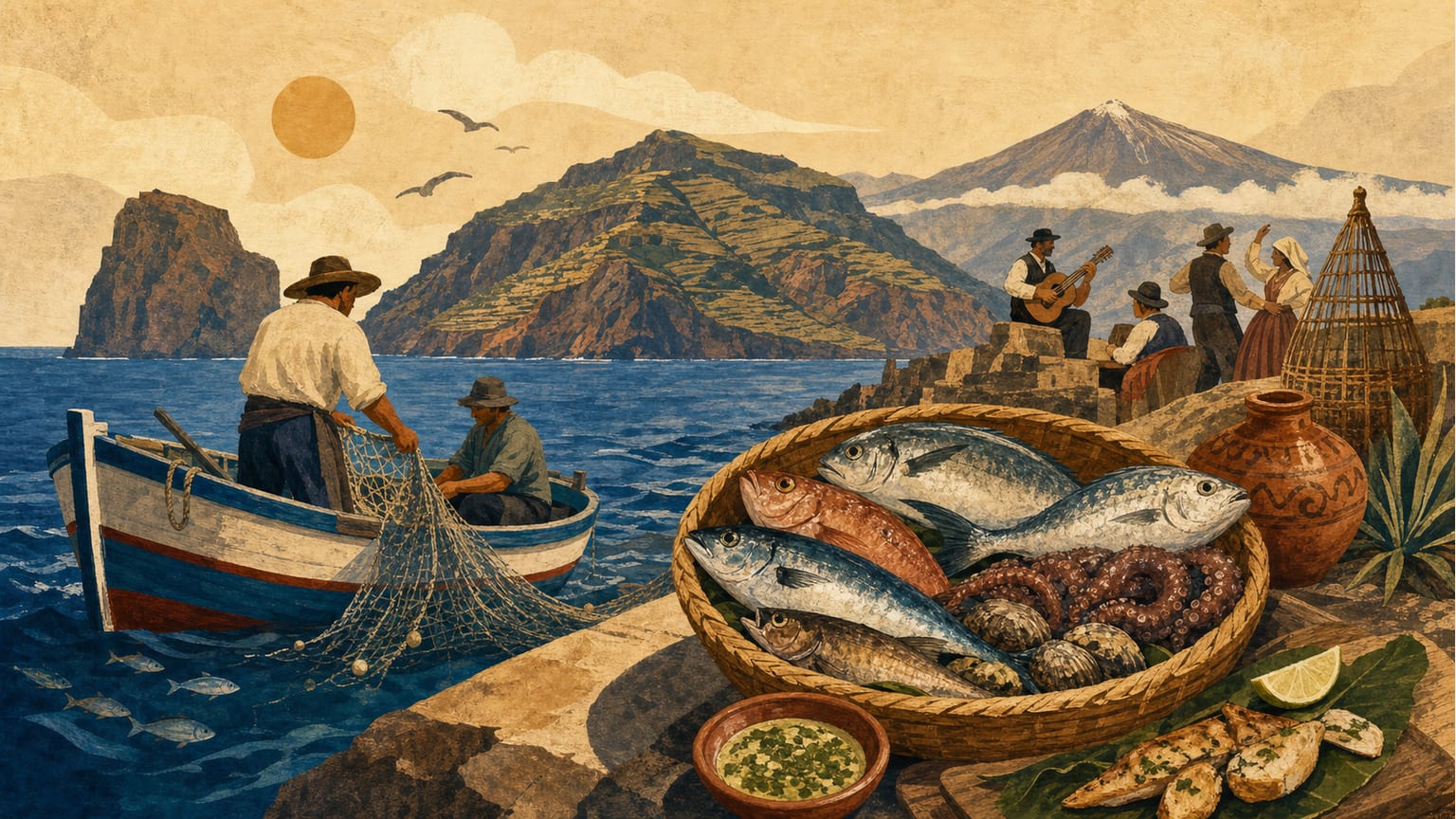
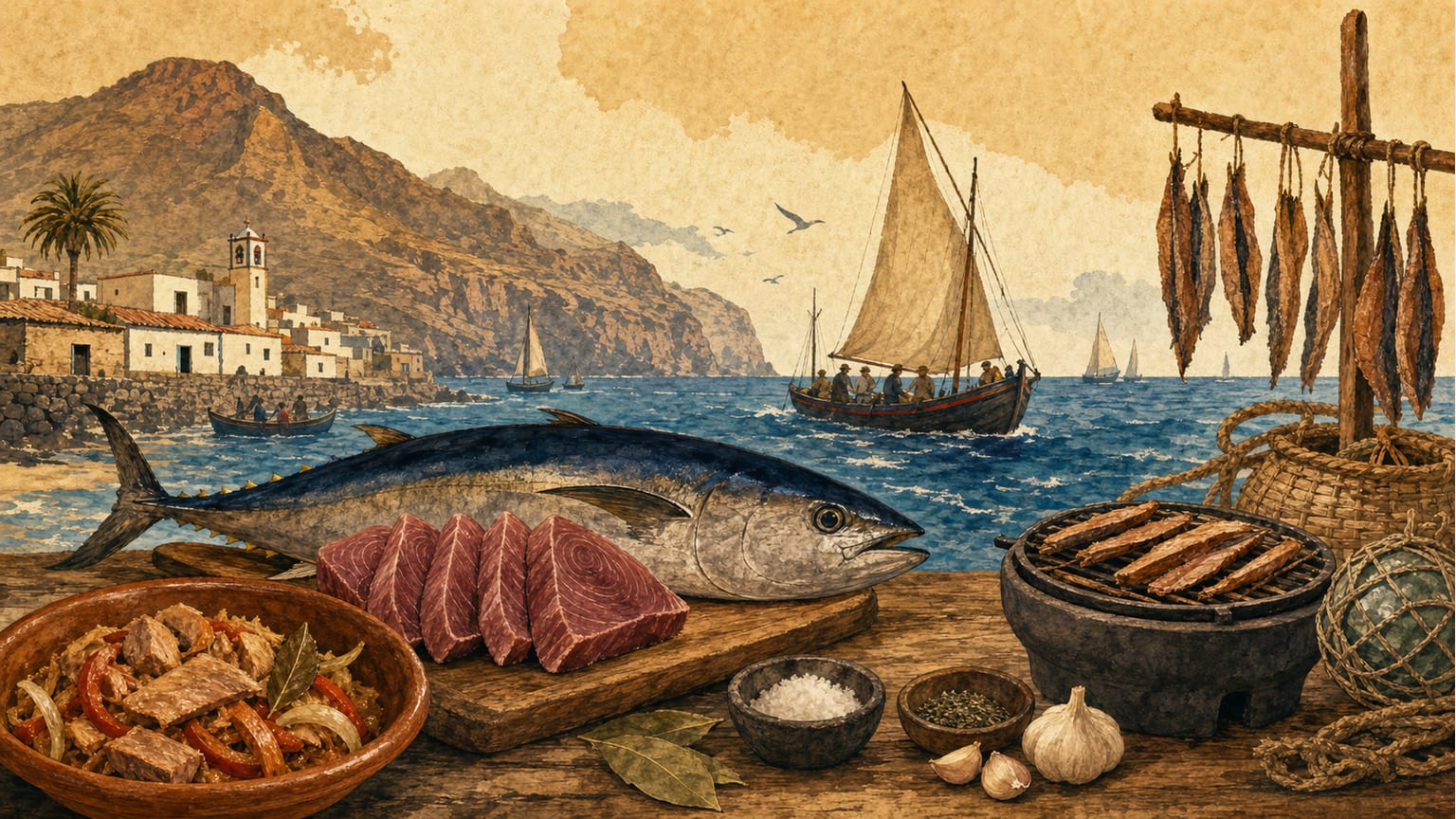
An analysis of the role of artisanal fishing in the economy and culture of La Gomera, El Hierro, and Tenerife, and its connection to sustainability and local gastronomy.
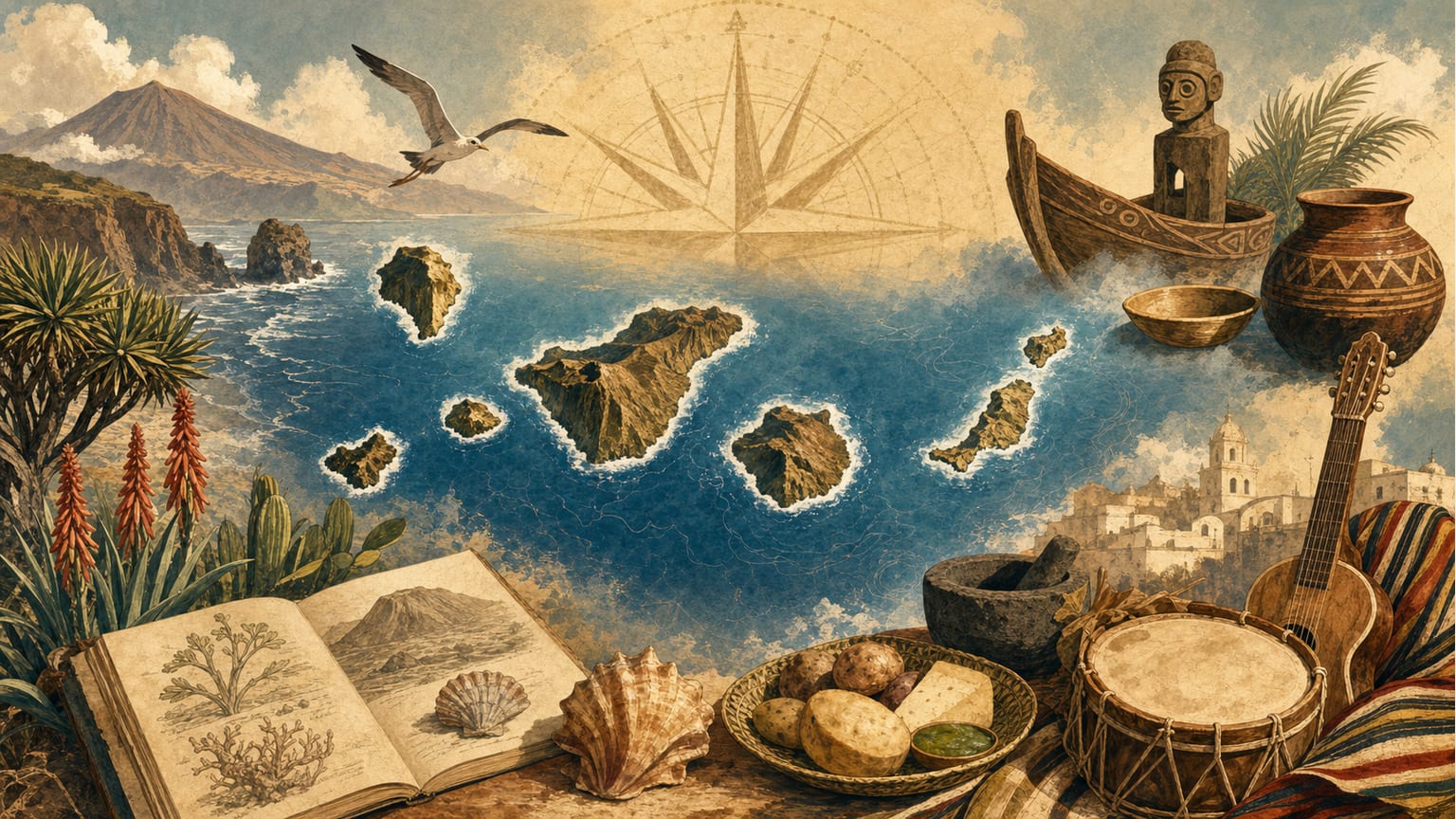
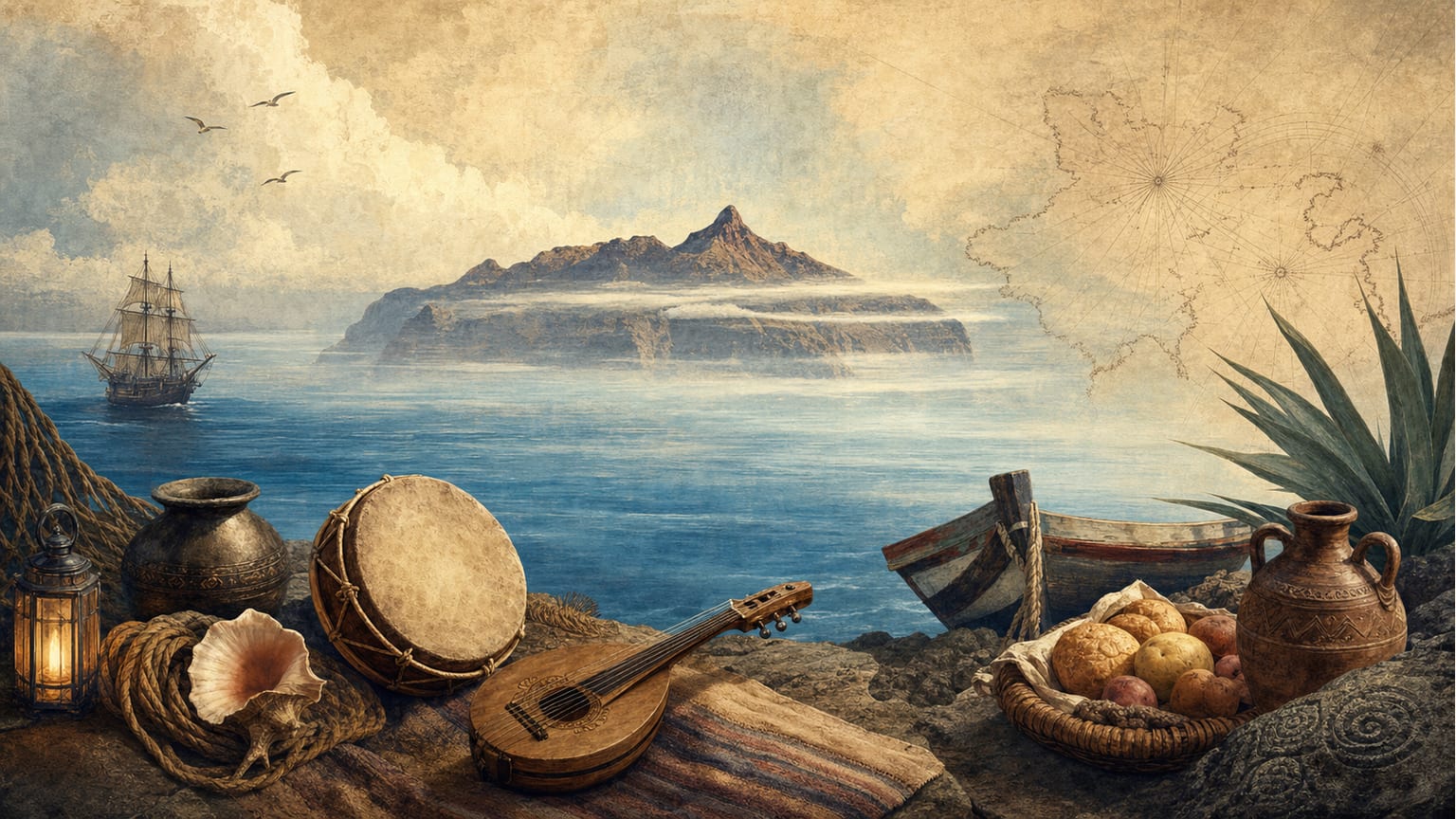
San Borondón, the island that appears and disappears, holds a unique place in Canarian and Atlantic imagination. This article explores its origins, development, and the literary and cartographic sources linking it to the Canary Islands.
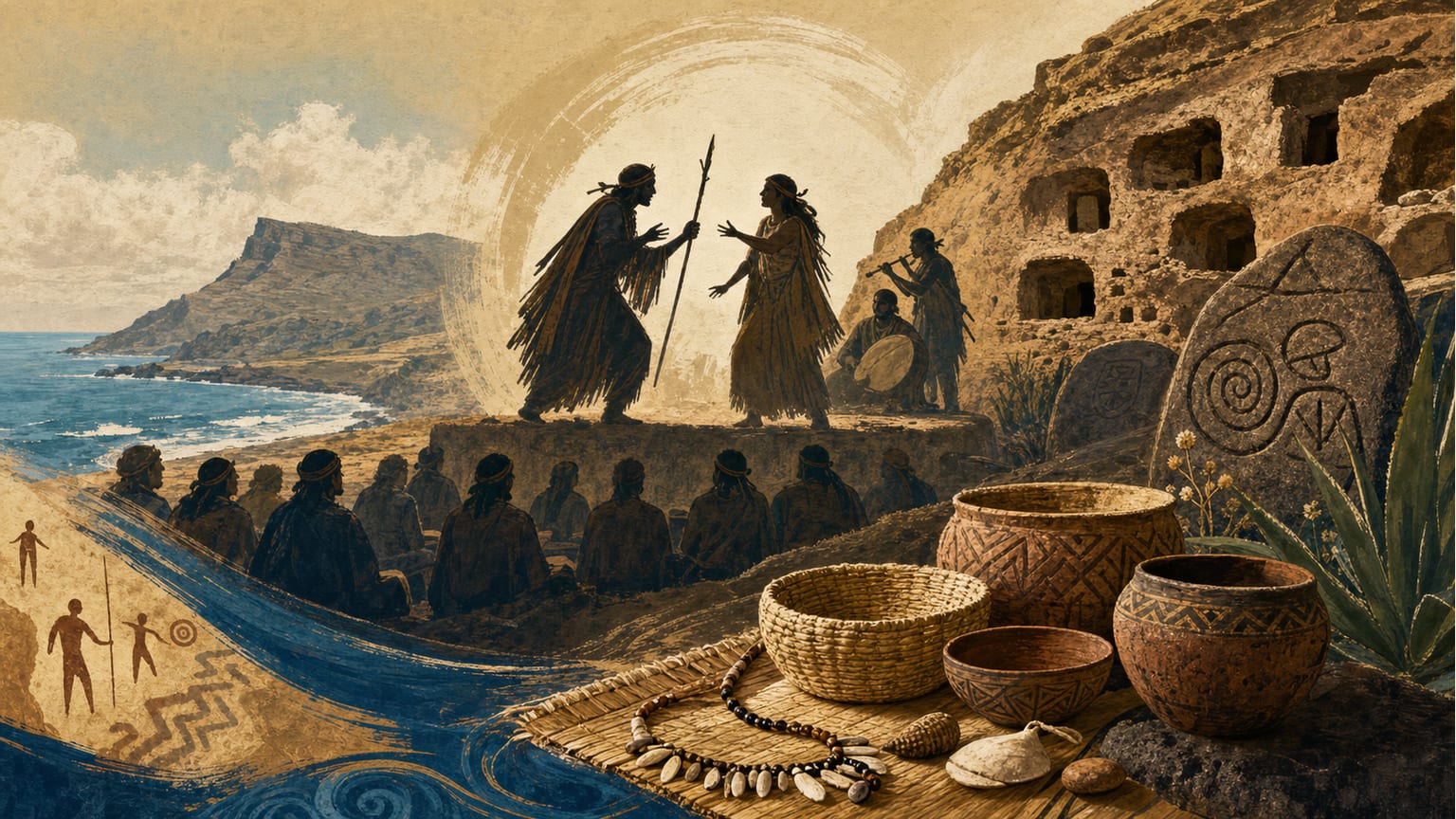
In 1988, the Ajódar Theatre Group staged 'Nariz de Perro' at La Guancha Necropolis, blending theatre and archaeological heritage to highlight Canarian aboriginal culture.
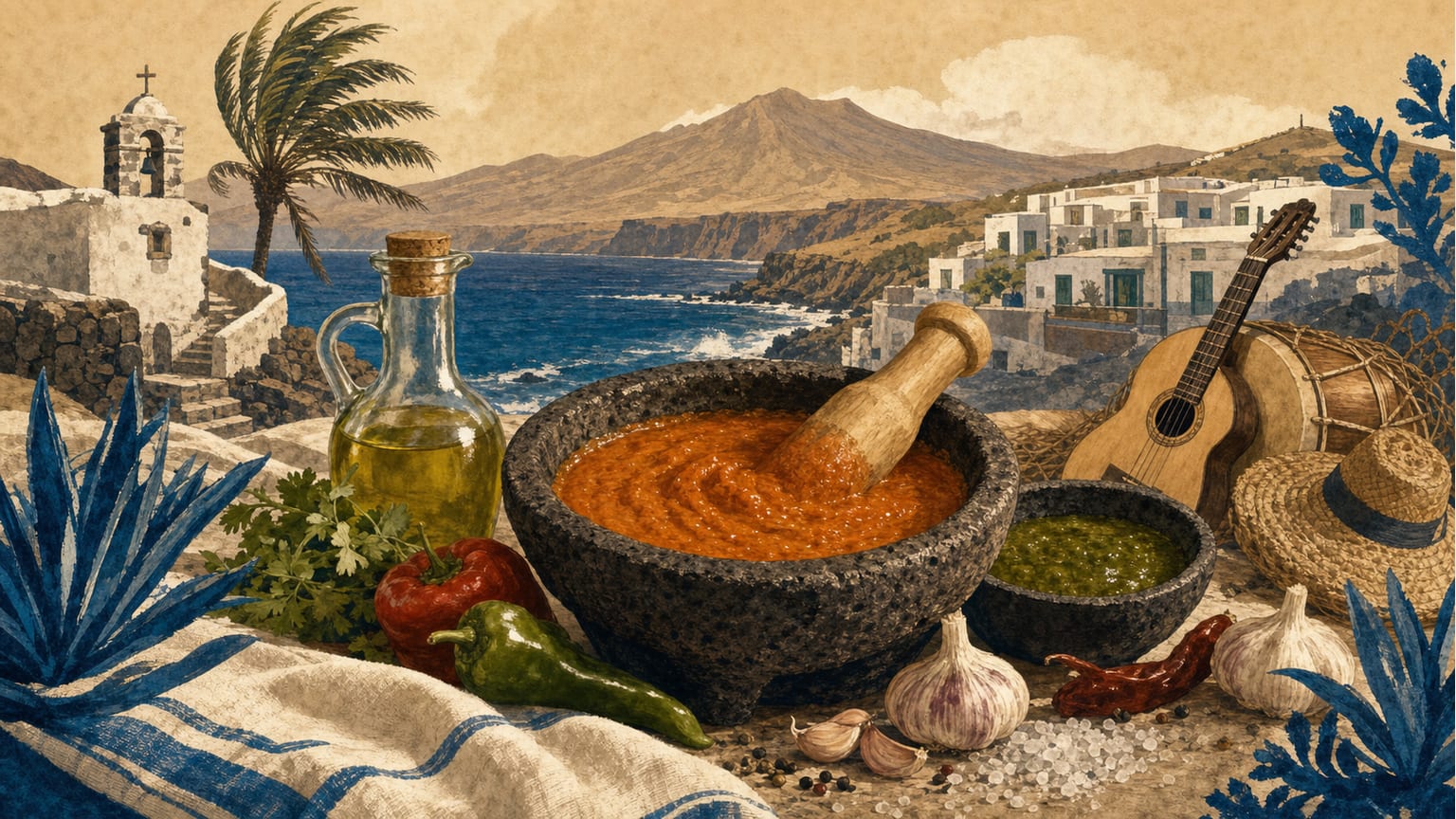
Canarian mojo is one of the most iconic sauces of the Canary Islands' cuisine. This article examines its traditional recipes and variations as presented in the 1974 cookbook.
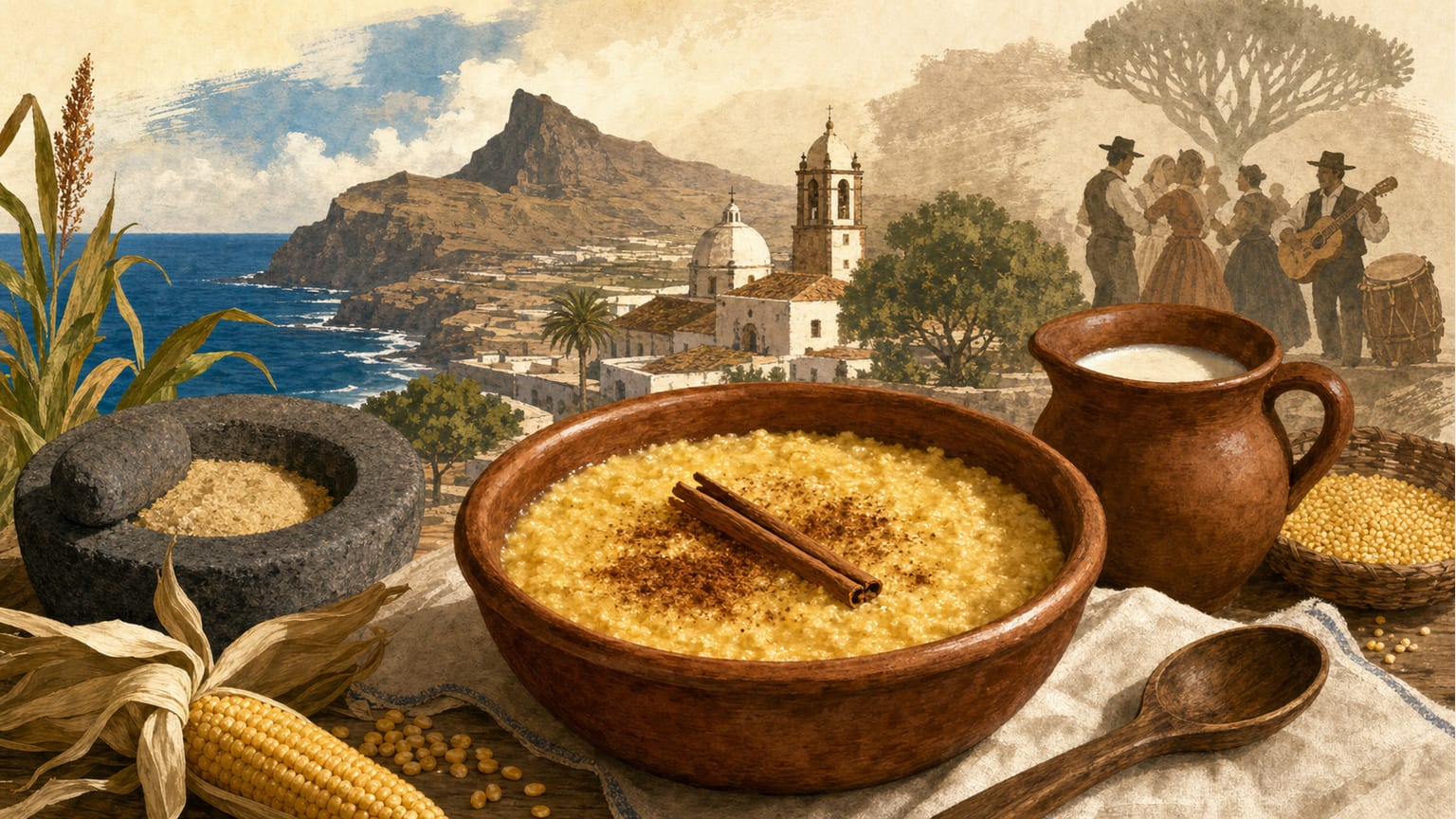
Frangollo is a traditional dessert from Gran Canaria made with ground corn, milk, and sugar. Though less common today, it remains part of Canarian celebrations like Canary Islands Day.
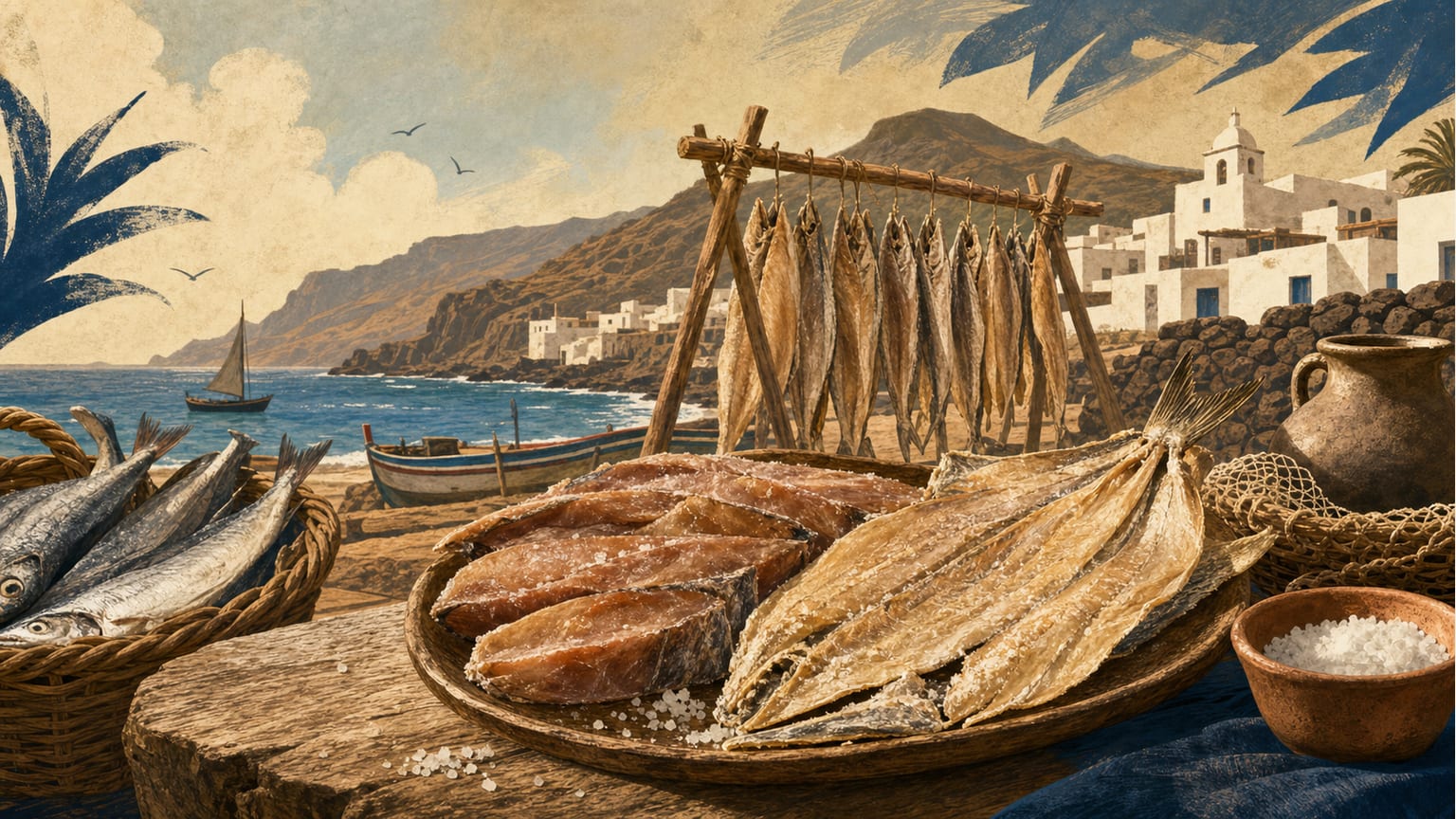
Traditional salted fish, such as tollos and jareas, have played a key role in food preservation and consumption in the Canary Islands. This article examines their preparation, history, and place in Canarian cuisine.
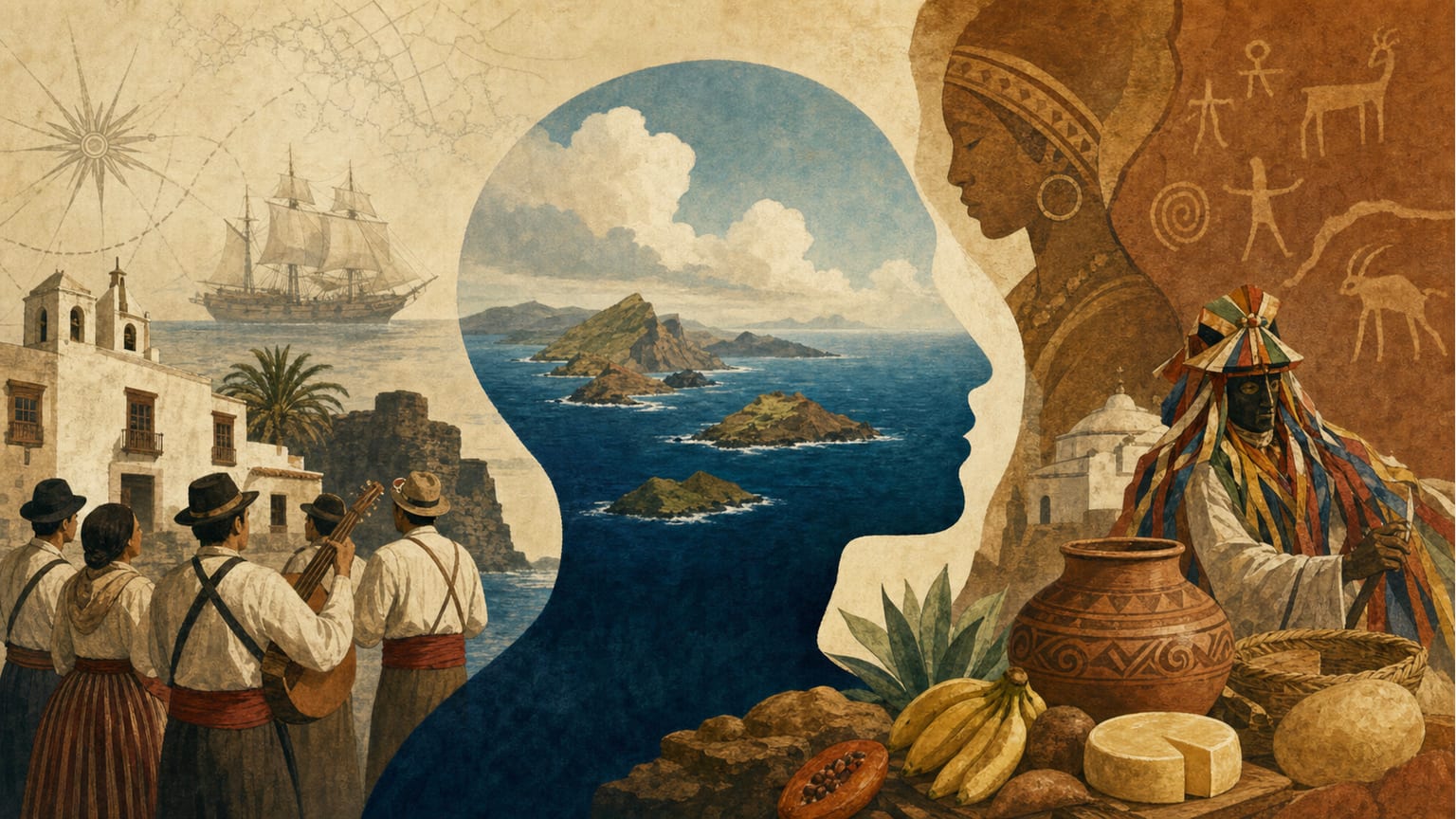
The insularity of the Canary Islands has long been a myth that conceals their complex social reality and African ties. This article explores how this image has shaped Canarian identity and its representation.
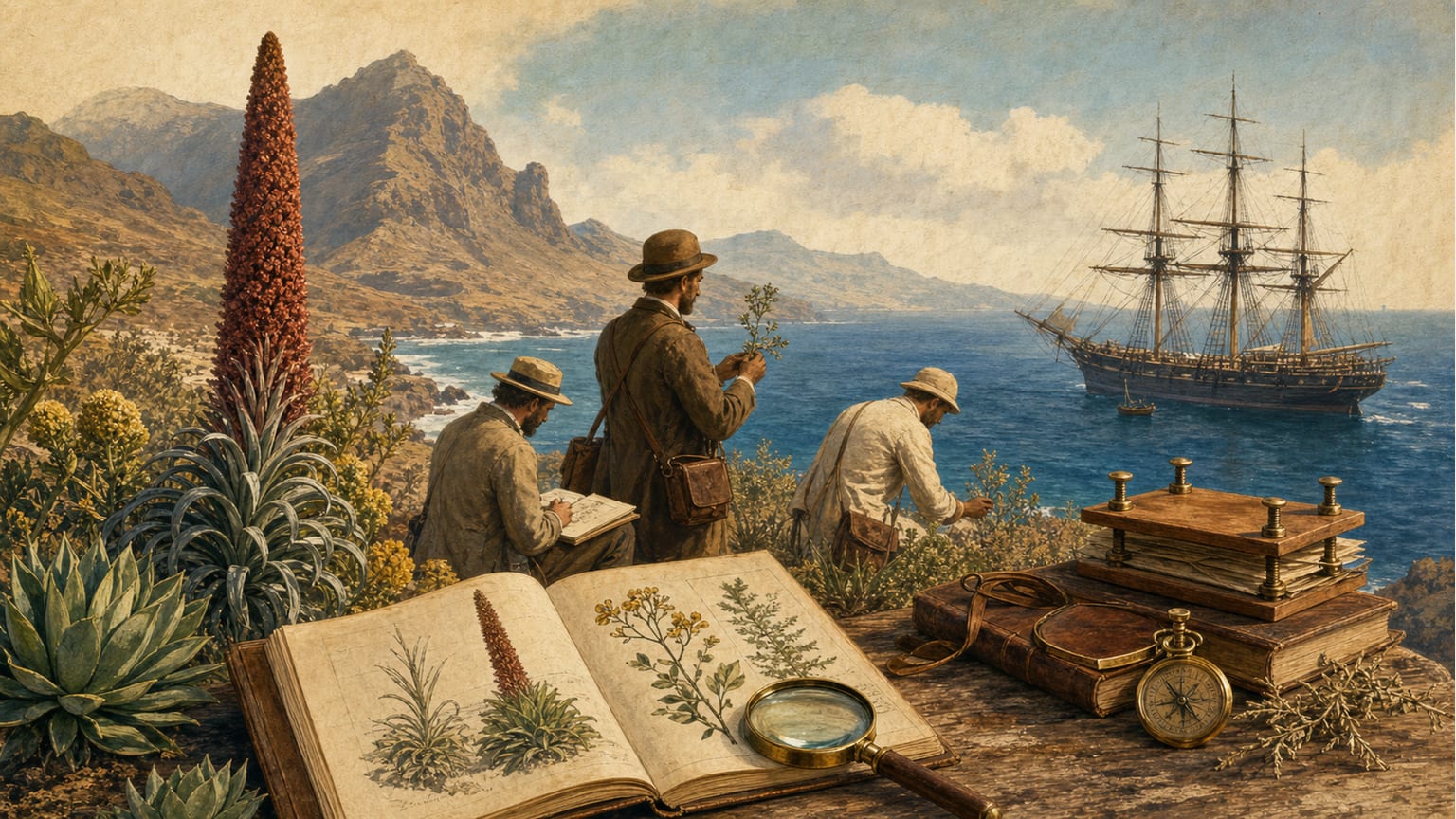
In the 19th and early 20th centuries, botany in the Canary Islands flourished thanks to the work of foreign scientists, especially from Britain, Germany, and France. This period marked the internationalization of Canarian natural history.
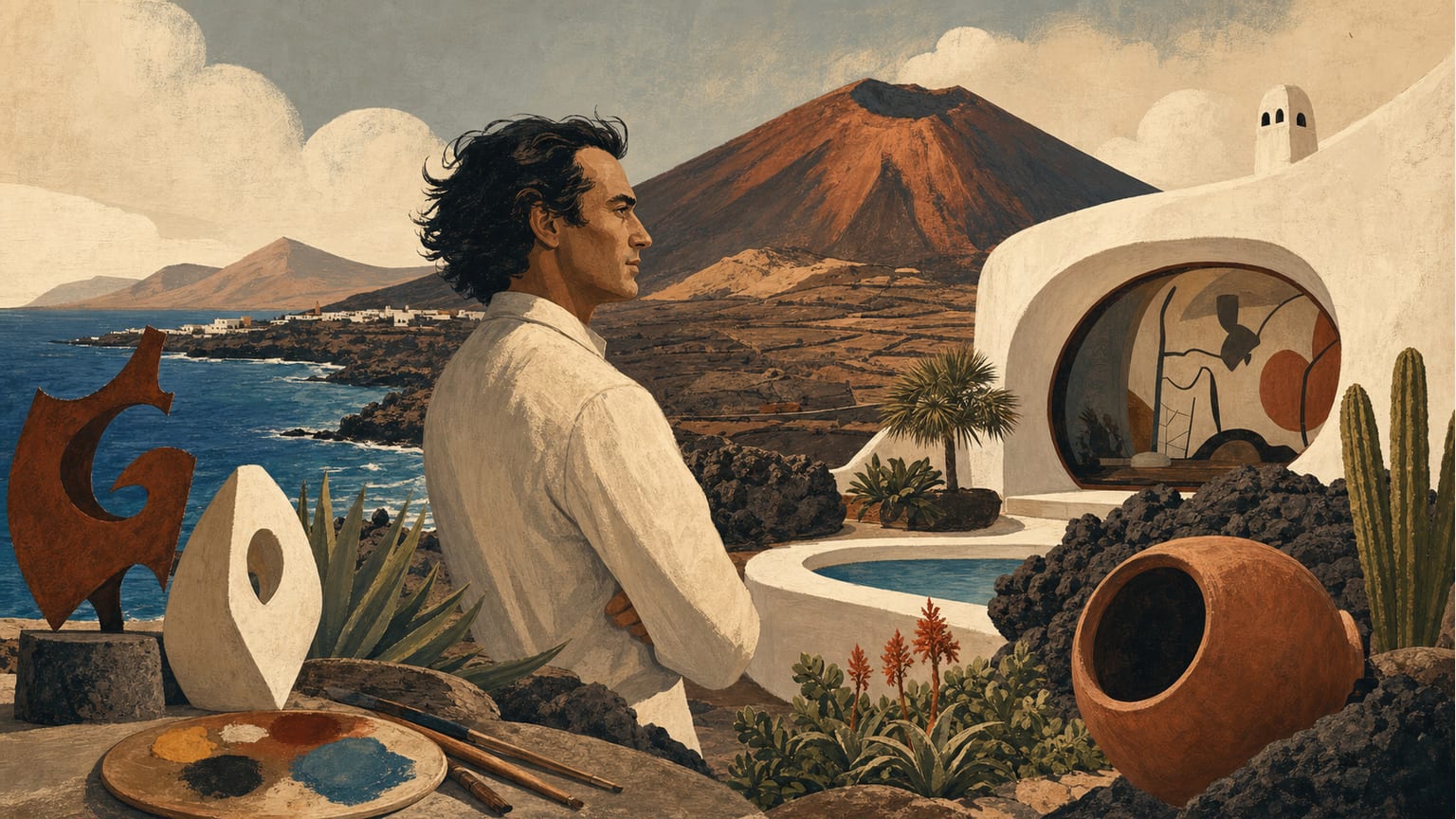
César Manrique transformed Lanzarote into a global model of art and sustainability, blending his creations seamlessly with the island’s volcanic landscape.
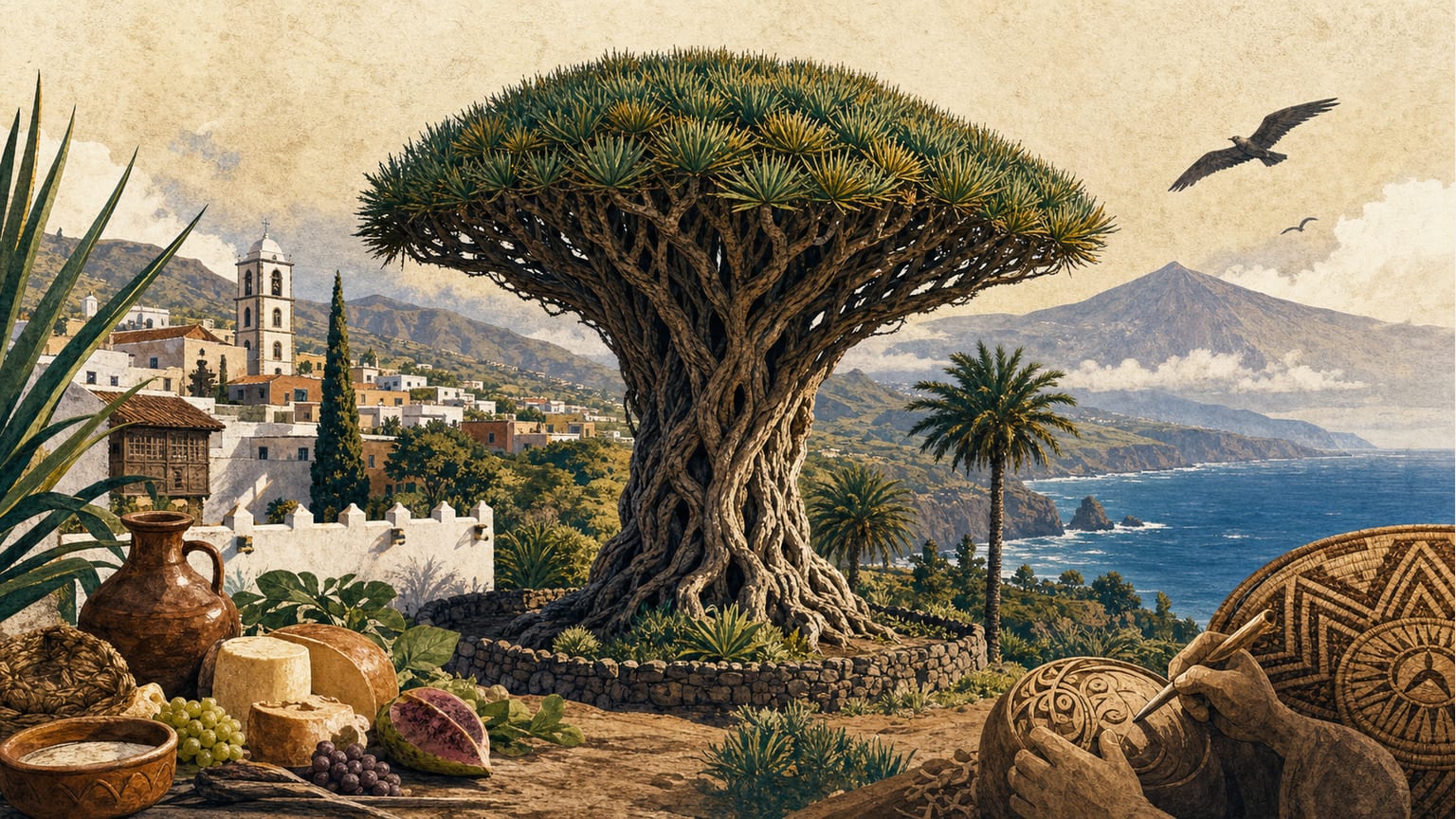
Explore the history and cultural significance of the Millennial Dragon Tree in Icod de los Vinos, one of the most iconic plants of the Canary Islands.
Canarias Historia
Cookies and analytics
We use consent choice to decide whether usage analytics should be enabled. You can accept or reject analytics cookies; strictly necessary technical elements will still operate.