Culture and Myths

Cultural overview

Canarian culture is not a single uniform block but a network of memories, rites, speech forms, landscapes and ways of life that shift from island to island. Indigenous inheritances, colonial adaptations, popular devotions, rural trades, port culture and contemporary artistic expressions all coexist within it.

This section offers a cross-cutting reading: from ancient beliefs and narratives to practices that remain alive today, through a material and intangible heritage that helps read the archipelago’s history from everyday life.

Symbolic landscape of the Canarian imaginary

Guanche Legacy

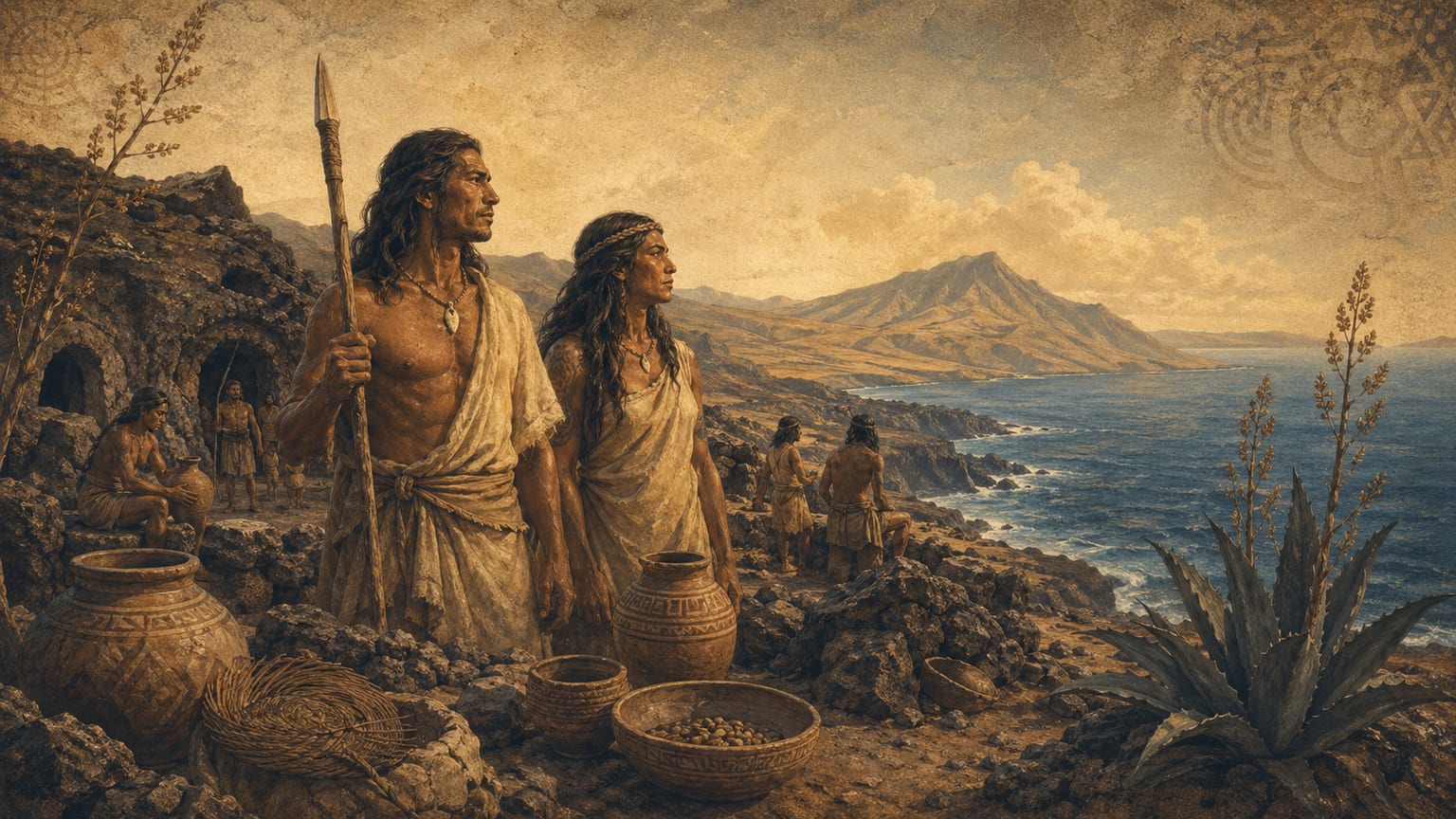
Before the conquest, the islands already had their own symbolic, ritual and funerary systems. That legacy survives not only in archaeological remains, but also in names, mountains, stories and ways of interpreting territory.

Editorial image about the indigenous world of the Canary Islands
Ancestral beliefs

Religion and Mythology

The Guanches worshipped Achamán (supreme god) and believed in Guayota, the demon who dwelt in Mount Teide. Their rituals included offerings of milk and butter, and mummification of the dead.

  • Achaman: Creator god of the sky
  • Guayota: Demon of the underworld
  • Magec: God of the sun
  • Chaxiraxi: Celestial mother
Funerary practices

Mummification and Burials

The Guanches developed advanced mummification techniques. The bodies were dried in the sun, anointed with animal fat, and wrapped in goat and sheep skins.

  • 15-day drying process
  • Use of aromatic plants
  • Cave burials
  • Differentiation by social status

Legends and Popular Myths

Canarian myths are not a folkloric margin of history, but a way of encoding fears, volcanoes, ravines, seas and the limits of the known world. Many of these narratives blend indigenous roots, Christian reinterpretation and modern oral transmission.

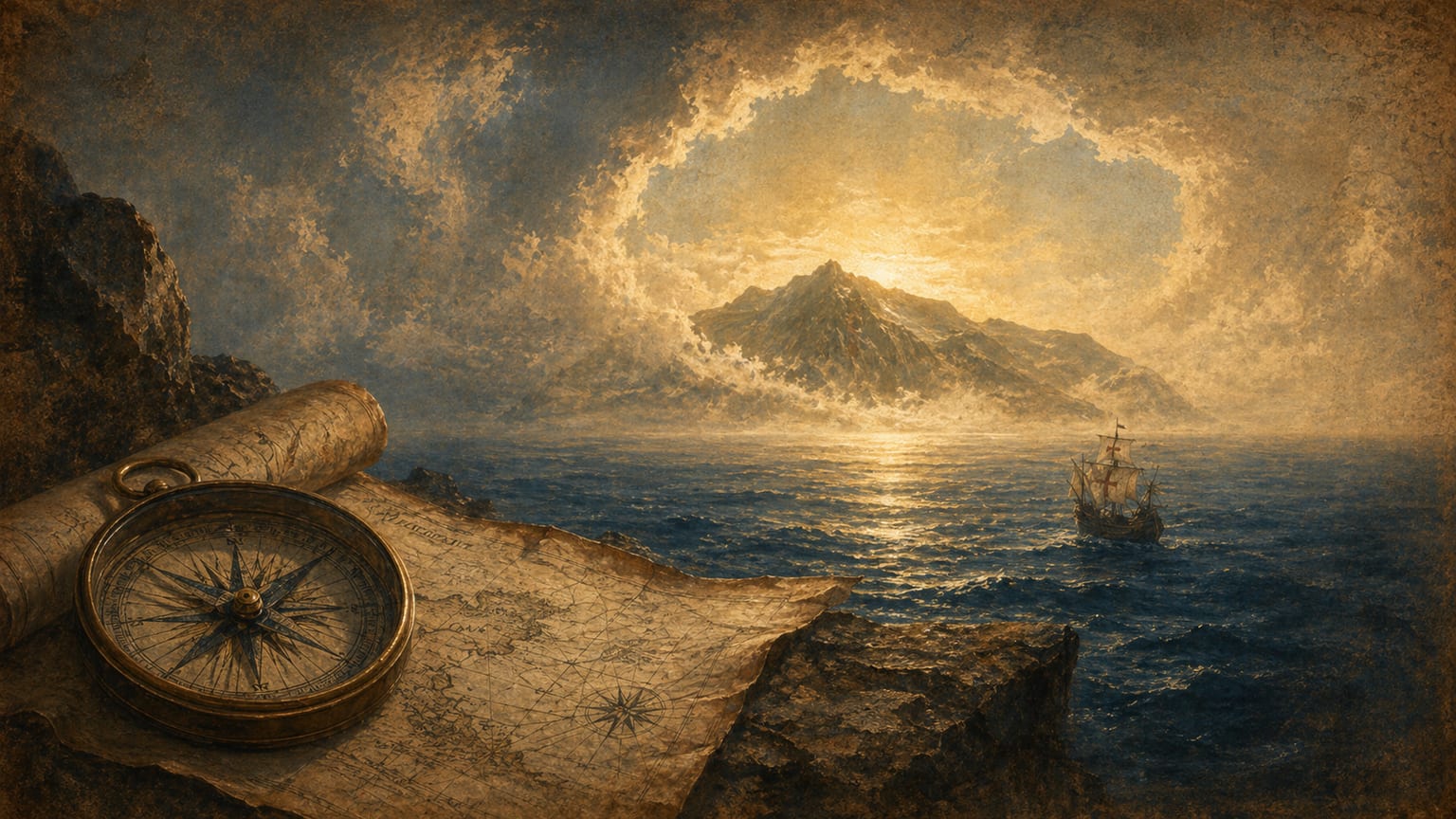
Editorial image about myths and Atlantic narratives
Mythological origin of Mount Teide

The Legend of Guayota

According to Guanche mythology, Guayota was a demon who dwelt inside Mount Teide (Echeyde). One day he kidnapped the god Magec (the sun), plunging the world into darkness. Achamán had to fight him to free Magec, ultimately trapping Guayota inside the volcano.

Supernatural guardians of Gran Canaria

The Tibicenas

Mythical creatures of Gran Canaria, described as large demonic dogs with red eyes and black fur. They were believed to guard the caves and torment the living, especially appearing on moonless nights.

Luminous apparition of Gran Canarian folklore

The Light of Mafasca

In Gran Canaria, there is a legend of a mysterious light that appears in the ravine of Mafasca. Locals believe it is the spirit of a shepherdess who died searching for her goats and still wanders the area lighting the way.

Maritime mythology of the aborigines

The Gods of the Sea

The Guanches believed that the ocean was inhabited by gods and spirits. Legend tells of Aiterguaite, lord of the waters, who could calm storms or unleash his fury against sailors who did not respect the sea.

The phantom island of the Atlantic

San Borondón

The legend of San Borondón tells of an island that appears and disappears on the Atlantic horizon, to the west of La Palma and La Gomera. Recorded on European maps since medieval times, it has been sighted on numerous occasions across the centuries. Its name comes from Saint Brendan, the Irish monk who according to tradition sailed the seas in search of Paradise. No one has ever been able to reach it.

Guanche apparition and religious syncretism

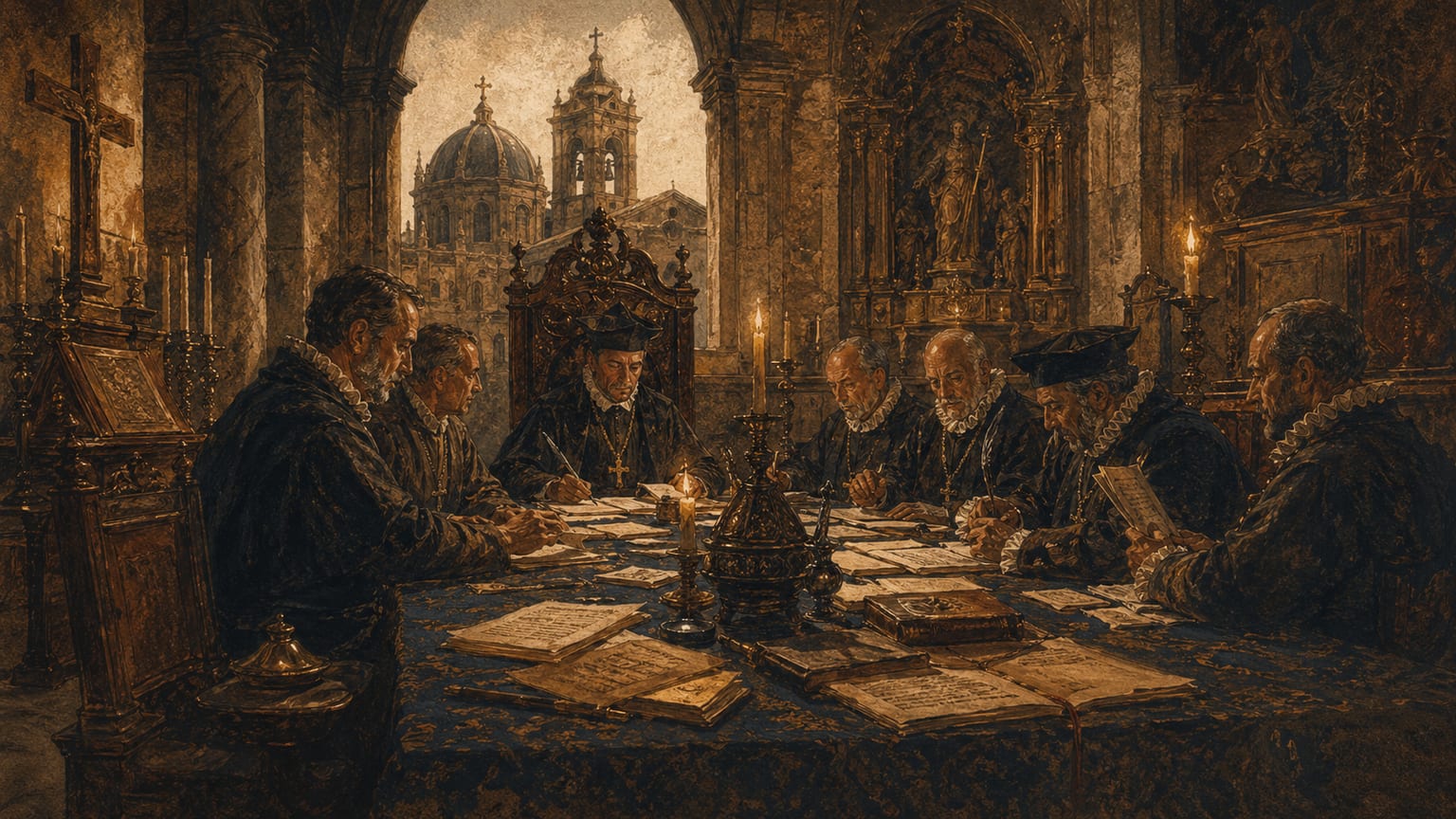
The Virgin of Candelaria

According to tradition, two Guanche shepherds found an image of the Virgin on the southern coast of Tenerife before the European conquest. The figure, venerated by the menceyatos as a sacred being, became after the conquest the patron saint of the Canary Islands. Her sanctuary in Candelaria is today the archipelago's main place of pilgrimage.

Living Traditions

The archipelago’s living culture still reads territory through sound, celebration, food, sport and vernacular architecture. These are not frozen pieces, but practices that adapt and continue to shape community life.

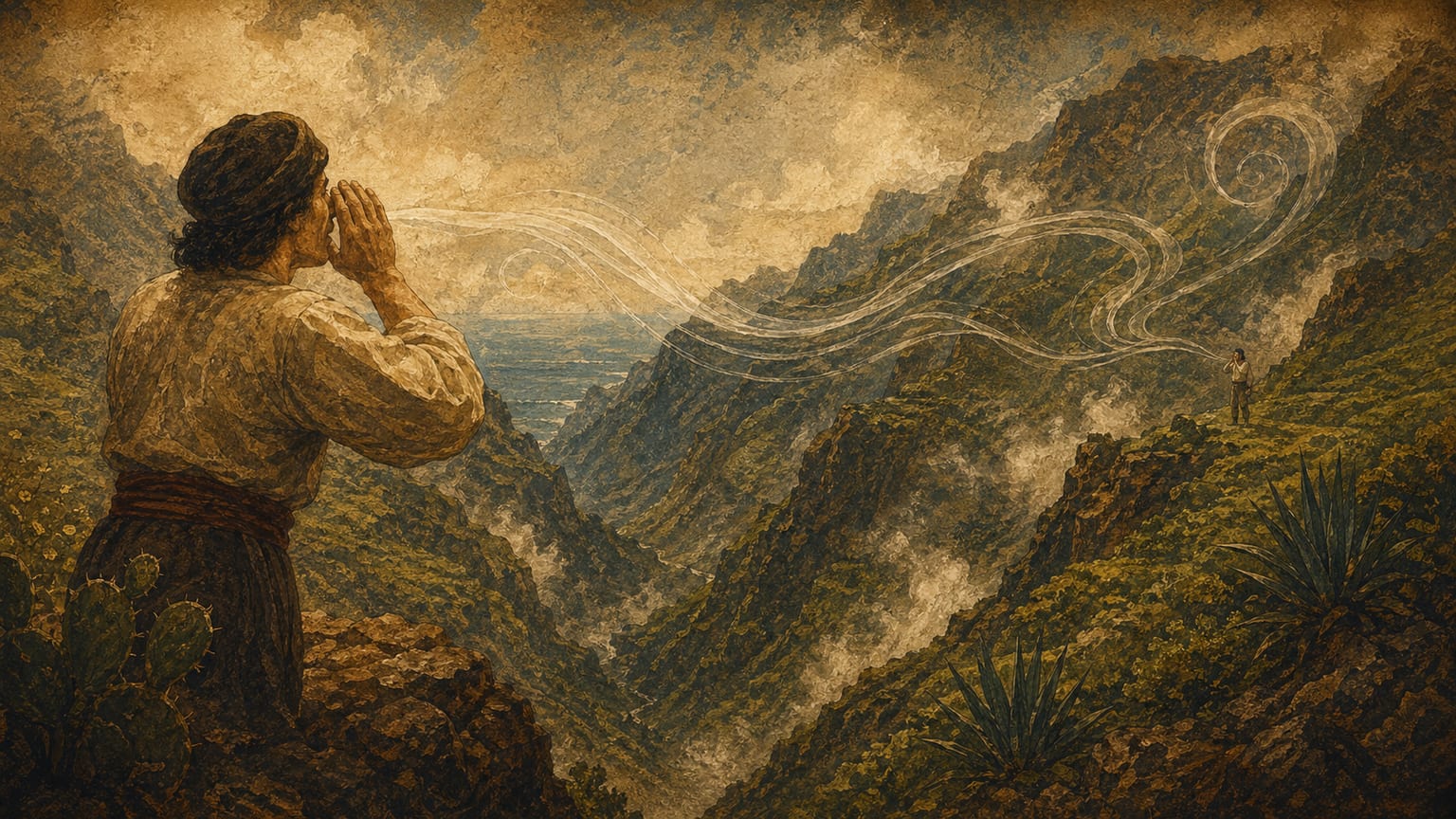
Editorial image about Silbo Gomero
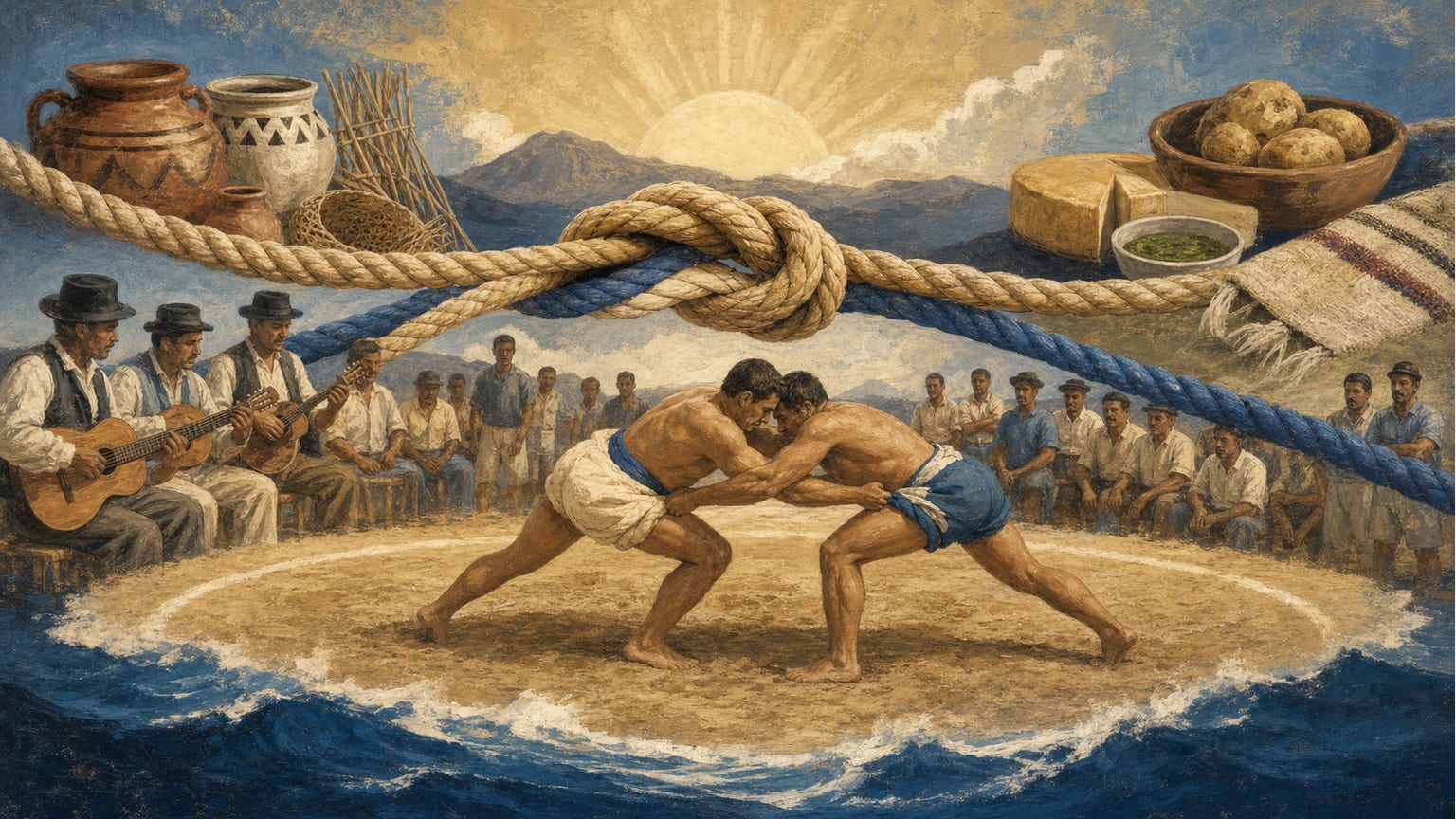
Editorial image about gofio in Canarian culture
UNESCO Heritage

El Silbo Gomero

Whistled language of La Gomera, declared Intangible Cultural Heritage of Humanity by UNESCO. It allows communication across ravines and great distances.

Popular celebrations

Carnivals

Canarian carnival celebrations, especially in Tenerife and Las Palmas, combine European, American and African traditions in a unique spectacle.

Traditional gastronomy

Gofio and Papas Arrugadas

Gofio, a toasted cereal flour, is a direct legacy of the Guanches. Papas arrugadas with mojo sauce are the most representative dish of modern Canarian cuisine.

Typical architecture

Canarian Architecture

Traditional houses with tea-wood balconies, central courtyards and flat roofs reflect adaptation to the climate and the blend of Mediterranean and American architectural influences.

Performing arts

Musical Folklore

The Canarian isa, folía and malagueña, along with instruments like the timple, constitute a unique musical heritage that blends Spanish, American and African influences.

Popular religious celebrations

Las Romerías

Romerías are festive pilgrimages in which local residents, dressed in traditional costumes and decorating ox-drawn carts with farm produce, honour the patron saint of each municipality. Alive on all the islands, they blend religious devotion, music, gastronomy and the reaffirmation of local identity.

Pre-Hispanic craftsmanship

Pella Pottery

The pella ceramic technique — made without a wheel, using pinching and coiling methods inherited from the indigenous Canarians — is still practised in communities of Gran Canaria and Lanzarote. Passed from mothers to daughters for centuries, it is one of the most direct material links to the pre-Hispanic culture of the archipelago.

Wine culture

Wine and Harvest

Canarian viticulture has a five-century history and produces wines of unique character, shaped by volcanic soils, altitude and island microclimates. In Lanzarote, the viñedos en hoyos — hollows dug into black volcanic rock to shelter the vines from wind and retain overnight moisture — form an agricultural landscape without equal. The malvasía of La Palma and the wines of Tacoronte-Acentejo or Abona in Tenerife complete a viticultural map that sets the archipelago apart in the Spanish and international wine scene.

Livestock tradition

Arrastre del Ganado

The arrastre del ganado is a traditional competition in which pairs of oxen, guided by their owners, pull a stone-loaded sledge — the rastro — along a dirt track. The handler's skill in communicating with the animals, the training of the oxen and the strength of the pull determine the outcome. Rooted in the farming culture of Tenerife and La Palma, it is one of the most popular rural events at fairs and festivals in inland municipalities, where the finest oxen of each area become genuine local figures.

Music and Dance

Canarian music is an Atlantic inheritance: it carries the memory of the indigenous past, the weight of colonisation, the rhythms brought from the African continent and the emotional to-and-fro with Latin America. The timple, the isa, the folía and the punto cubano are expressions of a people who have lived between worlds and turned that tension into a voice of their own.

Emblematic instrument

El Timple

The timple is a five-stringed chordophone with a rounded body, regarded as the musical symbol of the Canary Islands. Its origins are debated — Arab, African and mainland Spanish influences have all been proposed — but its presence on the islands is documented from the eighteenth century. Long an accompanying instrument at rural celebrations, it generated in the twentieth century a school of virtuosos who elevated it to concert status.

Folk genres

Isa, Folía and Malagueña

The three major genres of traditional Canarian music have distinct roots and temperaments. The isa is lively and danceable, heir to sixteenth-century mainland Spanish forms. The folía, slower and more melancholic, carries in its name an echo of European baroque music; in the Canary Islands it acquired a distinctive local character. The Canarian malagueña, derived from Andalusian flamenco, was reinterpreted on the islands with modulations that set it apart from its origin. All three coexist in the repertoire of folk groups and at local festivals.

Cultural round trip

The Atlantic Connection

Canarian emigration to Cuba, Venezuela and other Caribbean and South American countries during the nineteenth and twentieth centuries created a two-way musical exchange. Emigrants took their rhythms, their singing styles and their instruments; returning, they brought back the punto cubano, bolero influences and Afro-Caribbean cadences that became incorporated into local folklore. This Atlantic dialogue explains why Canarian music shares traits with the musical traditions of the Caribbean and Spanish-speaking Americas.

Active transmission

Folk Groups

Folk groups are the principal mechanism for transmitting traditional Canarian music and dance. Organised around municipalities, neighbourhoods or communities, they bring together people of different generations who learn and practise local repertoires: dances, songs, regional costumes, sticks and castanets. They perform at romerías, patronal festivals and folk gatherings, keeping alive a tradition that would otherwise struggle to survive the accelerated cultural change of the twenty-first century.

Art and Craftsmanship

Canarian craft traditions are the result of centuries of adaptation to the territory, the climate and the materials available on each island. Tea pine wood, volcanic stone, plant fibres and textiles define a heritage of trades that today is preserved in family workshops, cooperatives and municipalities that have recognised in craftsmanship a form of living memory.

Textile crafts

Bordados y Calados

The calados of Tenerife — needle lace worked on fabric — and the bordados of La Palma, Gran Canaria and Lanzarote represent some of the most refined textile traditions of the archipelago. Passed on in family workshops and local cooperatives, these pieces combine Flemish, Portuguese and mainland Spanish influences with an aesthetic language specific to each island. Thread-embroidered drawn-work fabrics are particularly well known outside the Canary Islands as a benchmark artisanal object.

Canarian pine wood

Carpintería de Tea

Tea — the resinous core of the Canarian pine, dark reddish in colour and extraordinarily durable — is the defining material of the islands' vernacular architecture. It was used to make the carved balconies, coffered ceilings, doors and furniture that today characterise the historic centres of La Orotava, Teror and Garachico. Tea carpentry demands deep knowledge of the wood, its curing and joinery techniques that go back to the first centuries of colonisation.

Plant fibres

Cestería y Palma

The plaiting of Canarian palm leaves to make baskets, hats, mats and decorative objects is one of the most widespread crafts in the archipelago, especially in Fuerteventura and Lanzarote. The raw material, Phoenix canariensis, has been part of the island landscape since pre-Hispanic times. Craftspeople split, dry and treat the leaves before plaiting them into forms that combine utility and aesthetics. The practice, maintained mainly by women, connects directly with agrarian ways of life that persist in certain rural communities.

Traditional weaving

Telares y Tejidos

Loom weaving has a long tradition on the islands, especially in La Gomera and the rural interiors of Tenerife and Gran Canaria. Fringed blankets, hand towels and rayadillo fabrics — striped cloths with geometric patterns inherited from centuries past — are among the most representative pieces. Today, various municipalities and craft associations keep historic looms active, partly as cultural preservation and partly as a supplementary economic activity for rural communities.

Indigenous Sports

Canarian indigenous sports are not mere competitive games. They grew from the everyday practices of the Aboriginal people — herding, territorial contests, movement across steep terrain — and survived centuries of cultural transformation. Today they are practised on terreros and at festivals across all the islands, with formalised rules and active federations ensuring their continuity.

The archipelago's principal sport

Lucha Canaria

Lucha Canaria is the most widespread and organised indigenous sport in the archipelago. Two wrestlers face each other in a circle of sand — the terrero — attempting to make their opponent touch the ground with any part of the body other than the feet. The techniques, called mañas, are specific to this discipline and passed from generation to generation. Rooted in Guanche combat practices, it today has federations on all seven islands and an active presence at patronal festivals and island championships.

Canarian martial art

Juego del Palo

The juego del palo is an indigenous martial art based on the handling of a long staff, heir to the stick-fighting techniques practised by the Aboriginal Canarians. Unlike other European staff traditions, the Canarian style uses circular movements and specific footwork that distinguish it as a system of its own. It was at risk of disappearing in the twentieth century, but the work of various masters and cultural associations has revitalised it as a sporting practice and as an element of identity.

Pastoral acrobatics

Salto del Pastor

The salto del pastor is a movement and acrobatic technique used by Canarian shepherds to descend cliffs and ravines with the aid of a long pole — the lanzón or astia. The jumper plants the pole in the slope, suspends the body from it and slides down in a movement of great precision and elegance. Traditional especially in Gran Canaria, it has been recovered as a sport and spectacle, and its practice forms part of the programme of Canarian indigenous games and sports.

Precision game

Bola Canaria

Bola canaria is a precision game in which teams throw metal balls trying to land as close as possible to a small target ball — the boliche or mingo. With parallels in European boules games, it developed on the islands its own rules, format and vocabulary. It is played on dirt or sand courts in teams of four, and is especially popular in Tenerife and Gran Canaria. Its social character has made it a regular feature of neighbourhood life and local festivals.

Cultural Preservation

Talking about heritage in the Canary Islands means going beyond isolated monuments. Cultural value also appears in paths, historic quarters, silos, rituals, music, agrarian landscapes and knowledge passed between generations.

Editorial image about Canarian historical heritage

Canarian cultural heritage is not a static archive but a set of practices, knowledge, spaces and narratives that successive generations have updated, adapted and handed on. Its diversity reflects the singular character of the archipelago: a crossroads of worlds, a laboratory of identities, a meeting point between the indigenous, the Atlantic and the continental.

Protecting that heritage demands more than cataloguing monuments or maintaining museums. It requires understanding the logics that produced it and ensuring that the communities which sustain it have the means to continue doing so.

Intangible Heritage

  • Silbo Gomero (UNESCO)
  • Culinary traditions
  • Folk music and dance
  • Traditional craftsmanship
  • Ranchos de Ánimas (La Palma)
  • Pre-Hispanic pella pottery

Tangible Heritage

  • Archaeological sites
  • Historic architecture
  • Guanche ceremonial centres
  • Rock art
  • Terraced agrarian landscapes
  • Vernacular tea-wood architecture