Articles
Knowledge pills about the history, culture and nature of the Canary Islands

The Guanche Language: Clues to a Lost Tongue
The extinct Guanche language reveals its North African roots and agglutinative structure through surviving words and names. Explore how Guanche speech connects us to the ancient history of the Canary Islands.

Canarian Aboriginal Names: Revival and Identity in Modern Naming
Aboriginal Canarian names have seen a remarkable revival in recent decades, reflecting both a search for identity and the impact of social and political changes in the Canary Islands.

The Guanche as a Mirror: Invention, Identity, and Raciology in the Canary Islands
The image of the Guanche was historically constructed as a mirror for Canarian identity, shaped by raciology and European ideologies. This article explores how science and politics created this foundational myth.

The Isles of the Blest: Myth and Reality in Canary Islands History
Discover how the myth of the Isles of the Blest shaped the identity and perception of the Canary Islands from ancient Greek literature to modern times.

Doramas: The Last Indigenous Hero of Gran Canaria
Doramas, born into humble origins, rose to become a symbol of resistance and leadership against the Castilian conquest of Gran Canaria in the 15th century.

The Subtle Presence of Canarians in Galdós' Episodios Nacionales
Benito Pérez Galdós rarely highlights his fellow Canarians in the Episodios Nacionales, a literary choice that reflects both his personal ties to the islands and his vision of Spanish history.

Ángel Guerra and Canarian Regionalism: Lanzarote’s Role in Shaping Identity
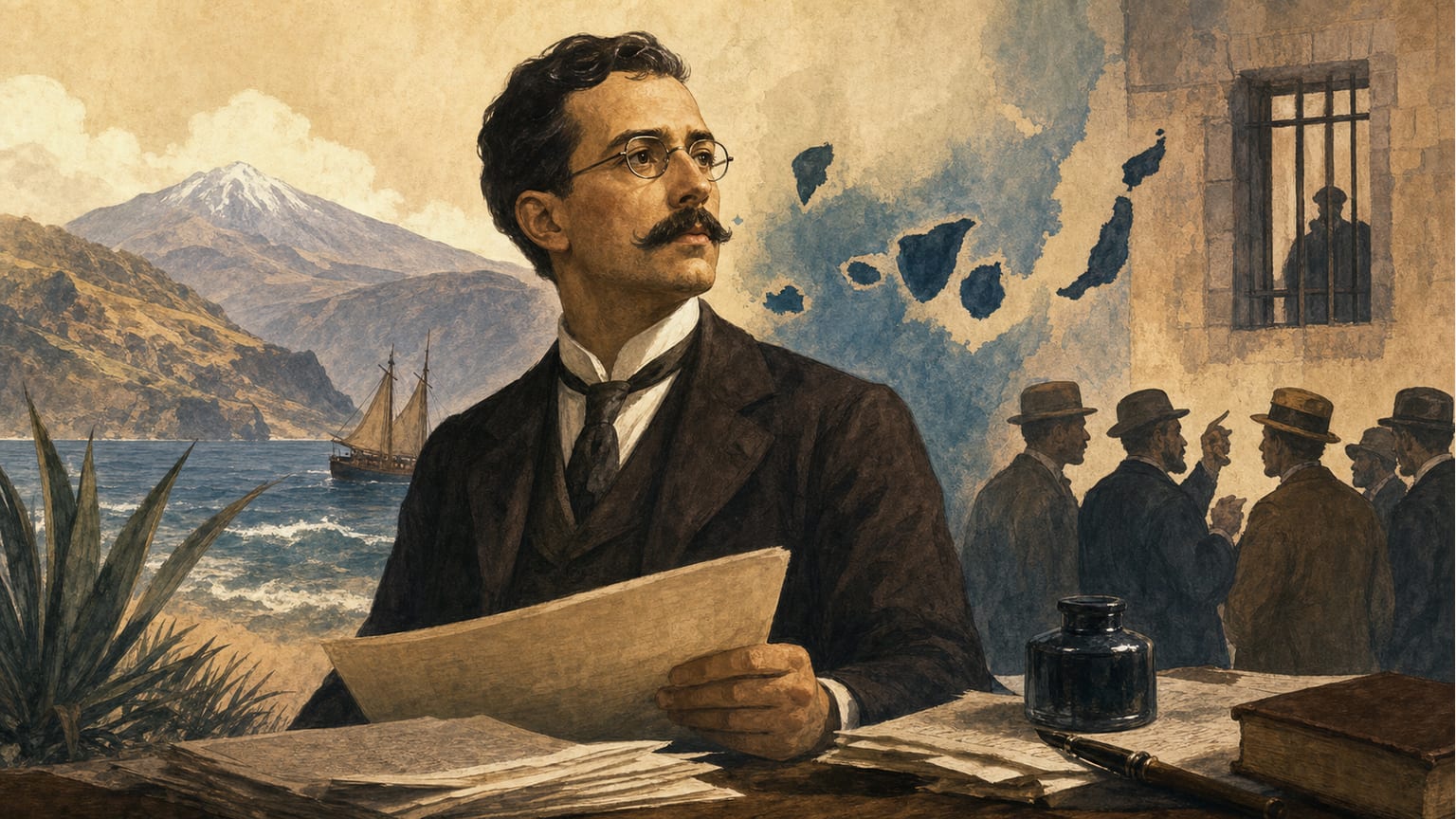
The figure of Ángel Guerra (José Betancort Cabrera) highlights Lanzarote’s influence on the rise of Canarian regionalism and the debate on insular identity at the turn of the 20th century.

Guanche Cave Dwellings: Archaeology of an Ancestral Home
Caves were the primary dwellings of the Guanches in Tenerife, chosen for their habitability and proximity to resources. Archaeology uncovers how these spaces reflect daily life and the evolution of aboriginal society.

The Database Revolution in Canary Islands Archaeology and Anthropology
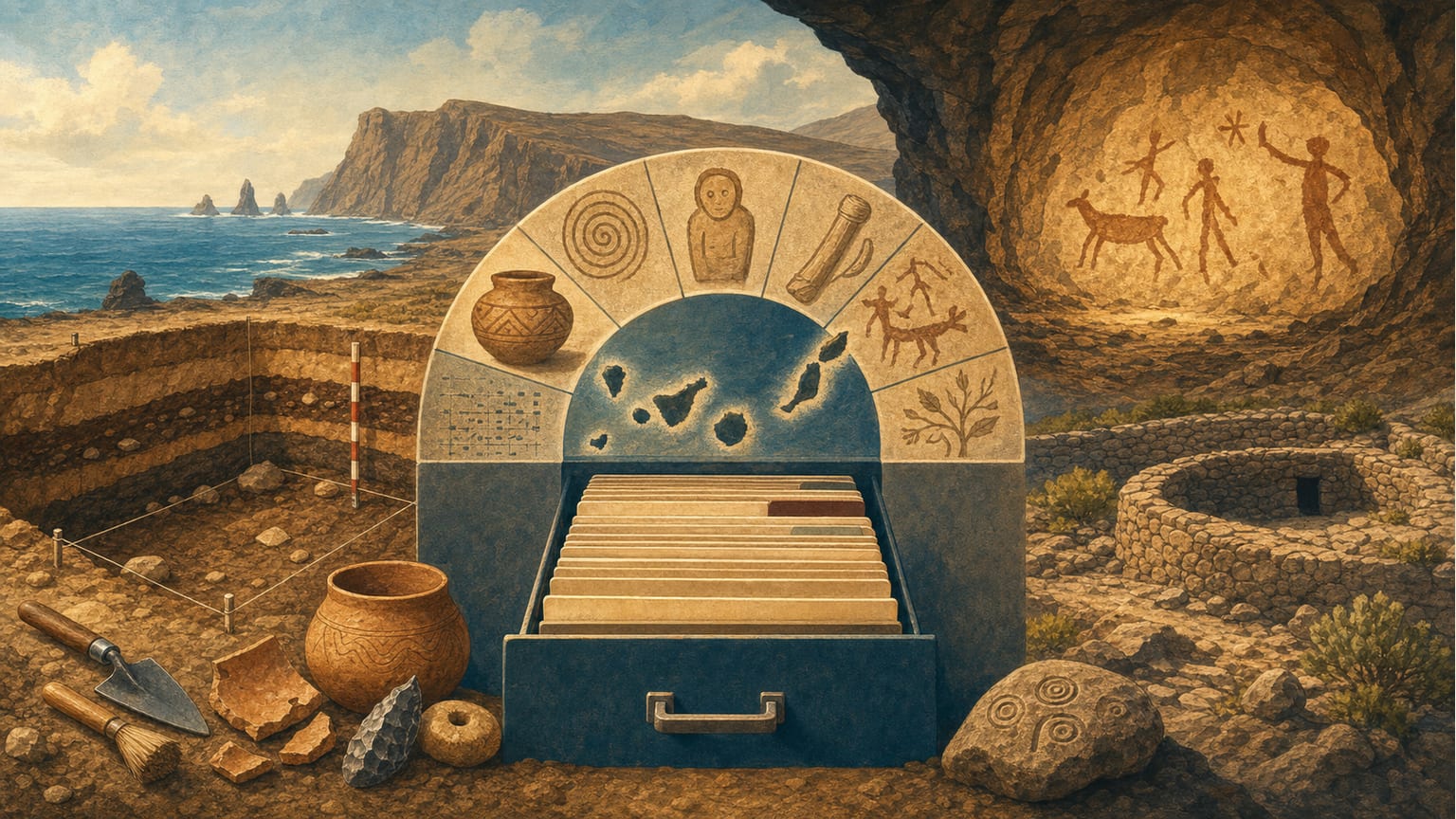
The digitization of scientific bibliography has transformed research in Canary Islands prehistory and anthropology, offering a broader and more up-to-date perspective on the islands' heritage.

Chemical Reconstruction of Ancient Diets: How Bones Reveal the Eating Habits of the Past
Discover how chemical analysis of bones allows archaeologists to reconstruct ancient diets, offering insights into the lives and adaptations of past populations in the Canary Islands and beyond.

What Did the Guanche Look Like? The Shaping of Their Physical Image Through History
The physical appearance of the Guanches has been a subject of debate and myth for centuries. This article explores how their image evolved from early conquest chronicles to modern scientific studies.

Guanche Mummification: Ancient Funerary Art in Tenerife
The Guanche practice of mummification in Tenerife reveals a complex funerary tradition and a unique cultural legacy. This article explores the techniques, social meaning, and archaeological significance of Guanche mummification.

The Amazigh Roots of the Ancient Canarians: Identity, Archaeology, and Silences
The Amazigh influence on the indigenous culture of the Canary Islands is undeniable, yet its recognition has long been silenced in academia and museums. This article explores how archaeology and politics have shaped perceptions of Amazigh identity in the Canaries.

La Cerera: Stratigraphy and Human Occupation in Arucas
The La Cerera site in Arucas offers a unique stratigraphic sequence that documents pre-Hispanic occupation and the natural and human processes that shaped this archaeological enclave.

Aeonium and Adaptive Radiation: The Remarkable Evolution of Veroles in the Canary Islands
The Aeonium genus, locally known as veroles, showcases how the unique environment of the Canary Islands has driven extraordinary plant diversification through adaptive radiation.

Reconstructing Guanche Diets: Insights from Mummy Analysis
Bioanthropological studies of Guanche mummies reveal a diet rich in meat, with limited plant and marine foods, shedding light on their lifestyle and social structure.

The Role of the Sea of Clouds in Shaping Canary Islands Ecosystems
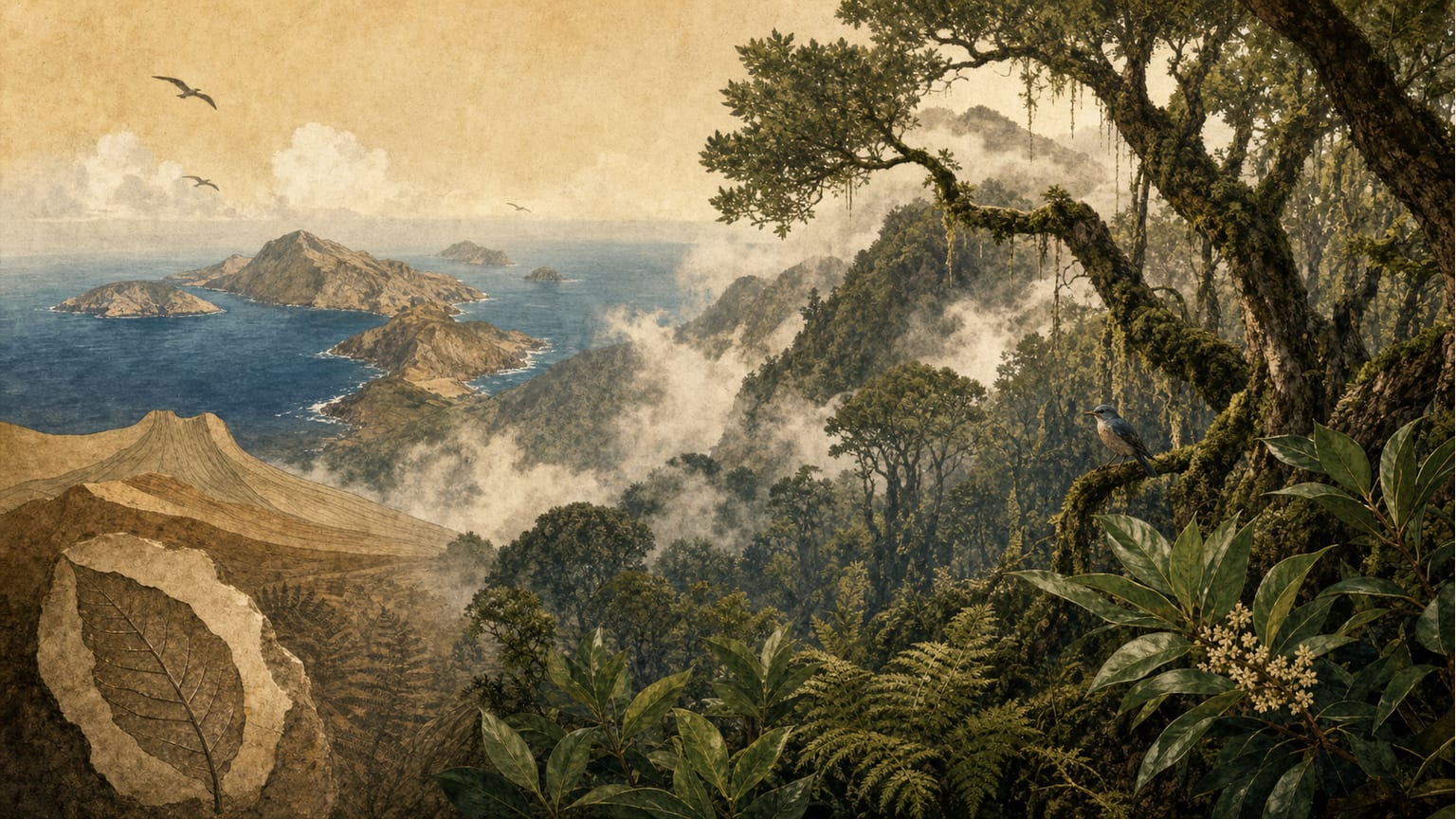
The sea of clouds is a key phenomenon that shapes the distribution and richness of ecosystems in the Canary Islands, influencing both flora and fauna.

The Endemic Flora of the Canary Islands: A Unique and Threatened Treasure
The Canary Islands are home to over 500 endemic plant species, many of which are endangered. Discover what makes this natural heritage so special and the challenges it faces.

The Arguineguín Pine Forest: A Living Witness to Gran Canaria's Forest History
The relic pine forest of Arguineguín in Gran Canaria is a unique example of the resilience and ancient diversity of Canarian forests, reflecting the impact of climate, volcanism, and human activity.

The Last Laurisilva Forests of Gran Canaria: A Natural Treasure at Risk
Gran Canaria's laurisilva forests, relics of a prehistoric era, survive in small remnants like Los Tilos de Moya, facing ongoing threats and conservation challenges.

The Dragon Tree: Myth, Science, and Symbol of Tenerife
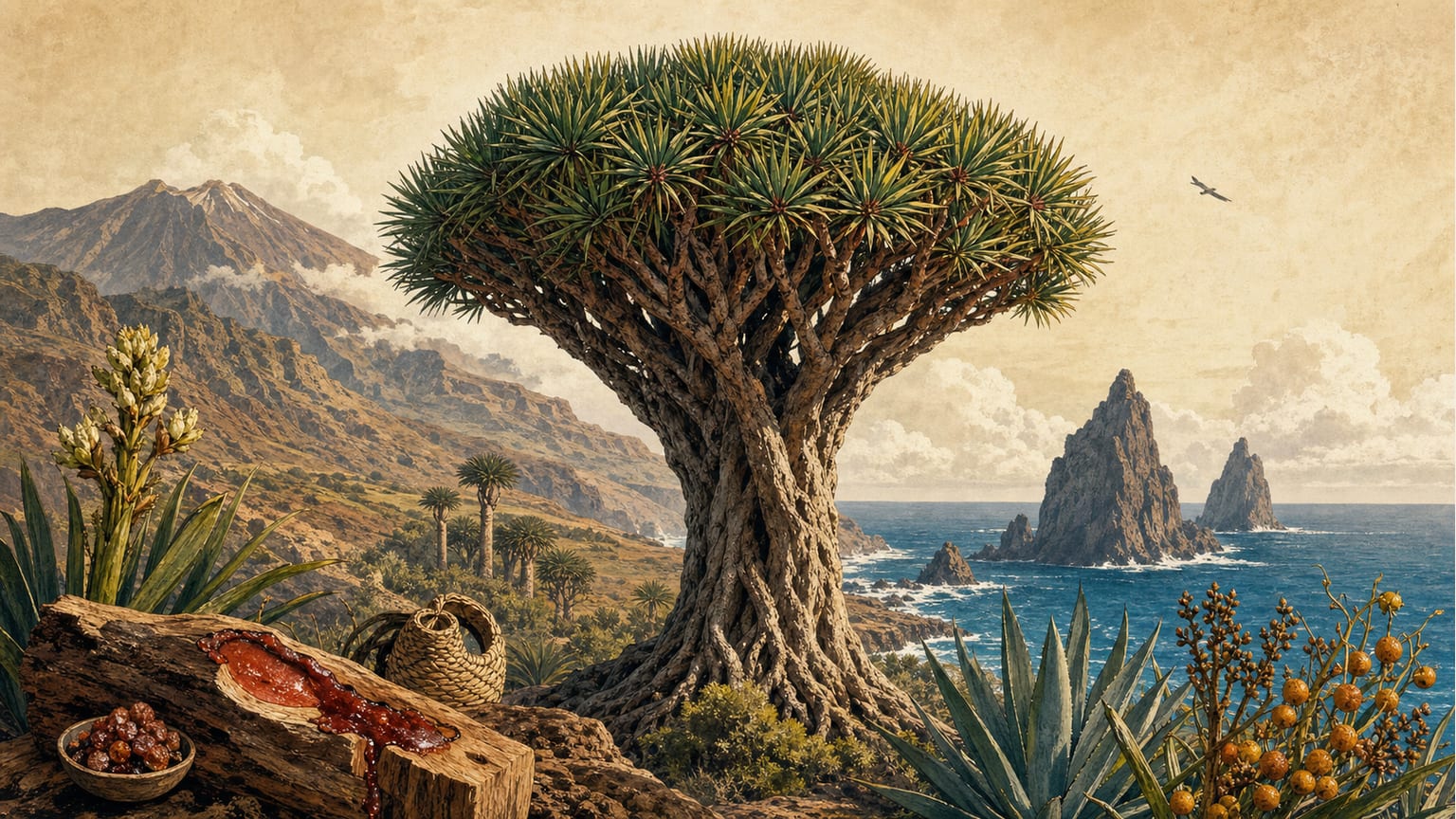
The Dragon Tree, botanical symbol of Tenerife, is one of the Canary Islands’ most iconic plants, blending myth, history, and environmental importance.

The Impact of Colonization on Guanche Society: Transformation and Resistance
European colonization radically transformed Guanche society, dismantling its culture and economy, but also sparked resistance and cultural blending.

The Béthencourt Lineage: Origins and Expansion of a Family Key to the Conquest of the Canary Islands
Explore the medieval roots of the Béthencourt family and their pivotal role in the conquest of the Canary Islands.

Atlantis and the Canary Islands: Myth, Science, and Reality
The legend of Atlantis has long been linked to the Canary Islands. Discover how this myth shaped both historical and scientific views of the archipelago.

Sugarocracy and the Privatization of Water in Sugar-Era Canary Islands (1480-1525)
In the 16th century, the rise of the sugar elite in the Canary Islands led to the privatization of water, reshaping the islands' hydraulic system and legal culture.

Double Insularity: How Fragmented Geography Shaped Canary Islands’ Cities
The fractured geography of the Canary Islands deeply influenced the development and isolation of its cities during the Early Modern period.

The Uniqueness of Canarian Historiography: From Chronicles to Microhistory
Canarian historiography has evolved from early conquest chronicles to modern microhistorical approaches, mirroring the islands’ complex identity.

Water in Fuerteventura: A History of Perpetual Thirst
Fuerteventura's history is shaped by its chronic water scarcity, a challenge that has defined its people and landscape. Learn how the islanders and their council fought to secure every precious drop.

The Lordly Conquest of the Canary Islands: Normans, Power, and Social Change
Explore how the lordly conquest led by Normans like Jean de Béthencourt and Gadifer de La Salle reshaped the Canary Islands and laid the foundations for a new society.

The Port of La Luz: Engine of Change in Las Palmas de Gran Canaria
The Port of La Luz has played a pivotal role in the modernization and economic, social, and cultural development of Las Palmas de Gran Canaria since the 19th century.

The Mystery of the Guanches: First Inhabitants of Tenerife
We explore the origin and culture of the Guanches, the first inhabitants of Tenerife, and their legacy in the history of the Canary Islands.

The Mystery of San Borondón: Myth and Reality
We delve into the captivating legend of San Borondón, a geographical enigma that has captured the imagination of generations in the Canary Islands.

The Legacy of the Guanches: A Story of Resistance
Discover how the Guanches, the first inhabitants of the Canary Islands, left a legacy of resistance and adaptation in the face of European conquest.

Francisca de Gazmira: The Voice of the Canarian Aborigines
Discover the story of Francisca de Gazmira, a Canarian woman who fought for the rights of the aborigines during the conquest of La Palma.

The Chapter of the Canary Islands Cathedral in the 17th Century
We explore the role of the Chapter of the Canary Islands Cathedral in the 17th century, highlighting its influence on society and its conflicts with other institutions.

The Lanzarote Rebellion: A Chapter of Struggle for Freedom
Discover how the inhabitants of Lanzarote rebelled against their lords in the 15th century, seeking justice and autonomy.

The Fortunate Isles: Myths and Realities of the Canary Islands
Discover how the Canary Islands became the legendary Fortunate Isles of classical mythology.

The Holy Tree of El Hierro: Myth and Reality
Discover the history and myth of the Holy Tree of El Hierro, a central figure in Canary Islands' aboriginal culture.

The Gomeran Whistle: A Language That Crosses Mountains
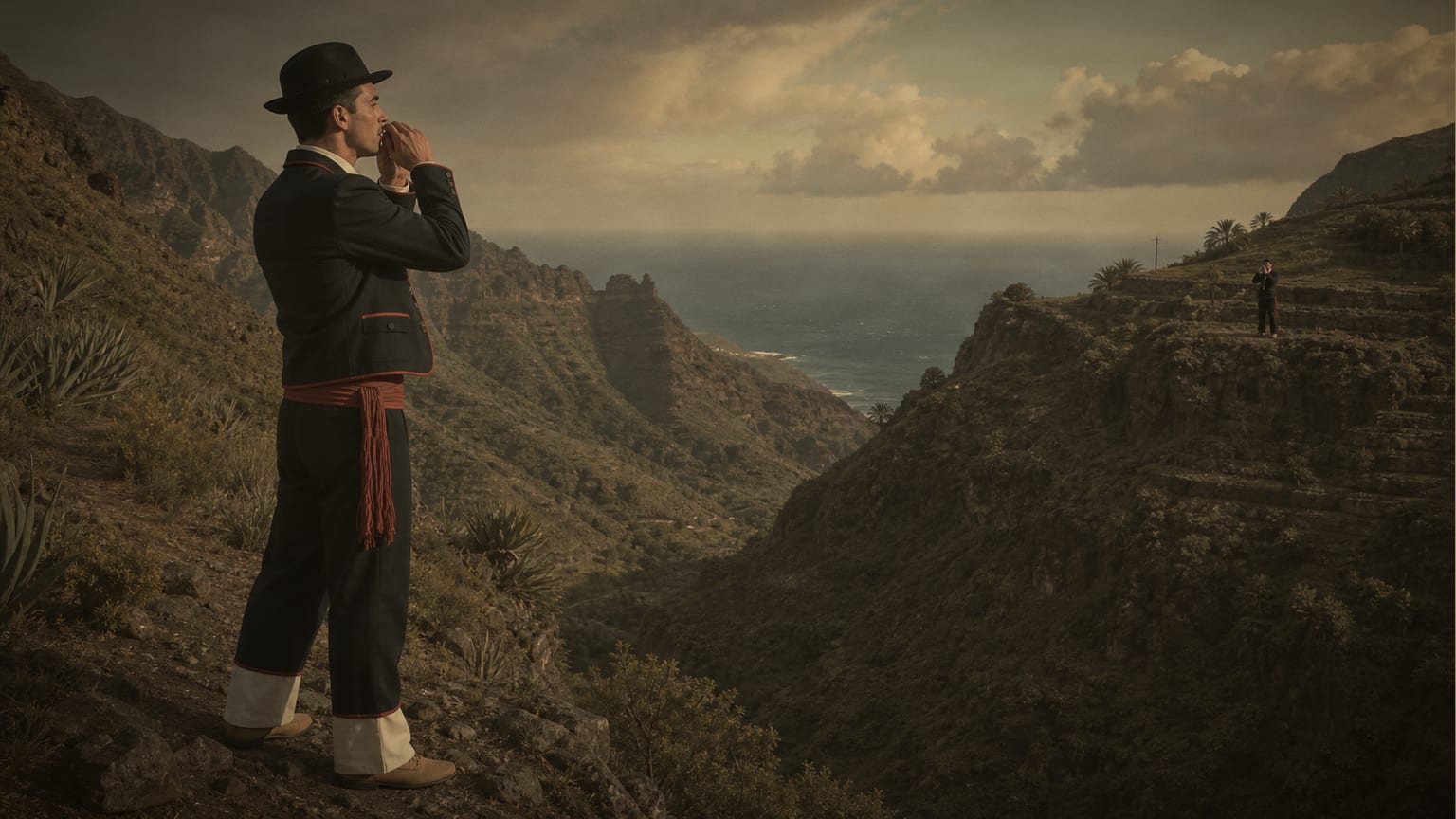
The silbo gomero is a unique whistled communication system that allowed the inhabitants of La Gomera to communicate across the island's deep ravines.

Canarianisms: The Words That Define Us
Canarianisms are the words and expressions unique to the Spanish spoken in the Canary Islands, a lexicon reflecting centuries of confluence between aboriginal languages, Castilian, Portuguese and other influences.

The Guanches: The First Inhabitants of the Canary Islands
An overview of the origins, social organization and culture of the Guanches, the first settlers of the Canary Islands, who arrived from North Africa.

Gofio: Ancestral Food of the Canary Islands
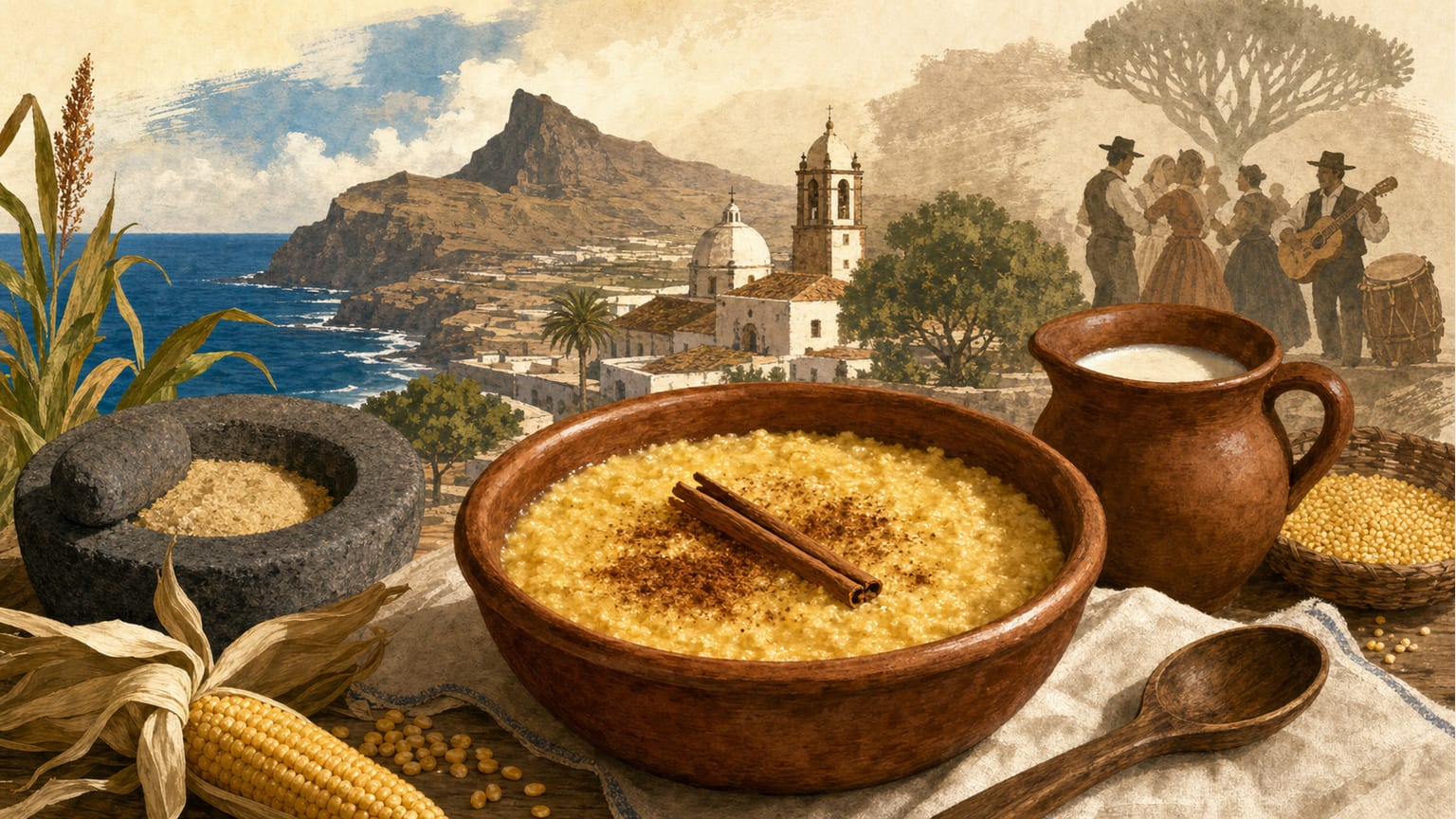
Gofio, a toasted cereal flour of pre-Hispanic origin, is much more than a food: it is a symbol of Canarian identity that has endured for centuries.

The Norman Conquest of 1402
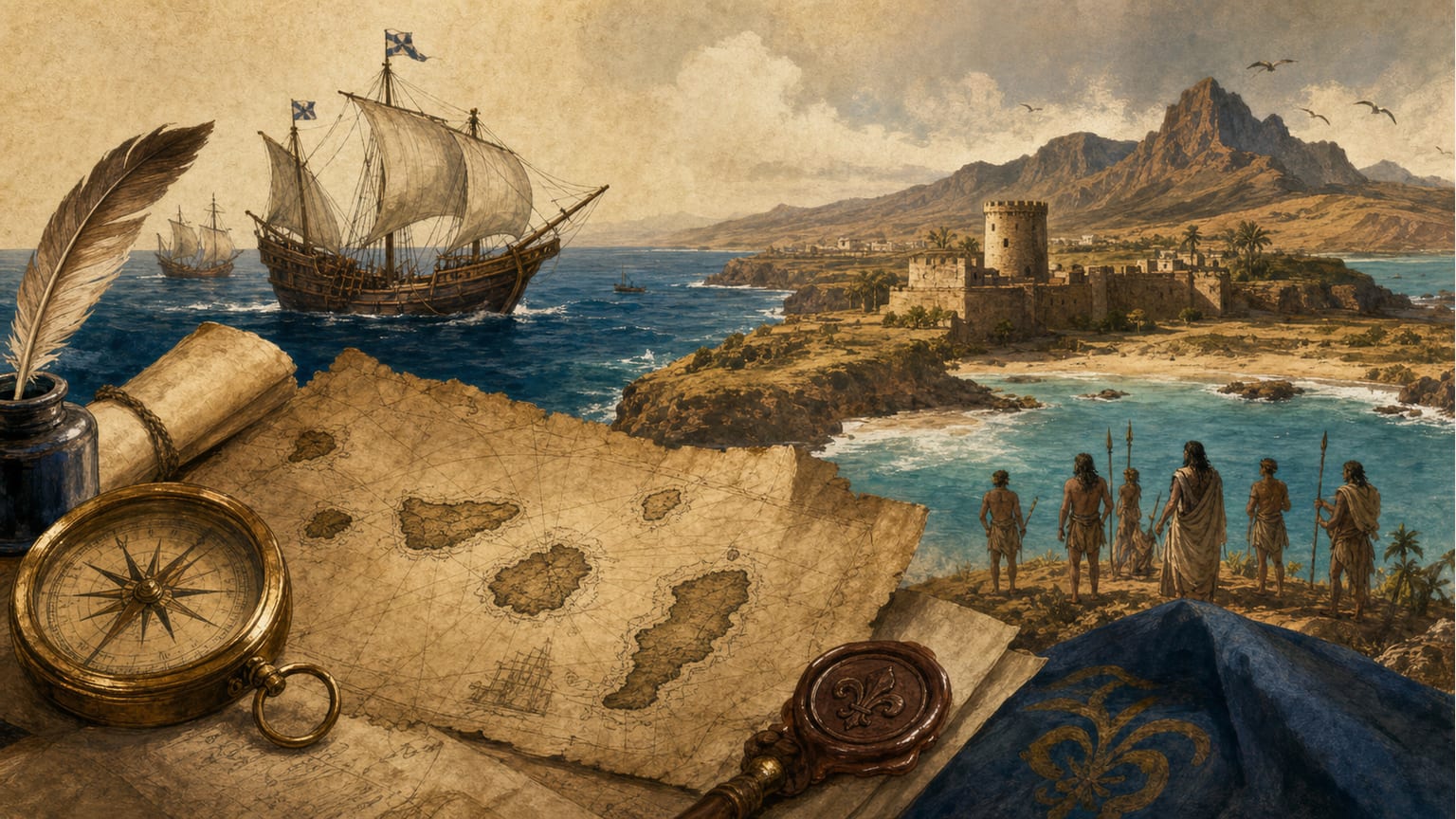
The expedition of the Norman Jean de Bethencourt in 1402 marks the beginning of the European conquest of the Canary Islands, starting with Lanzarote and Fuerteventura.

Welcome to Canarias Historia
We inaugurate the articles section of Canarias Historia with a brief introduction to our project.