

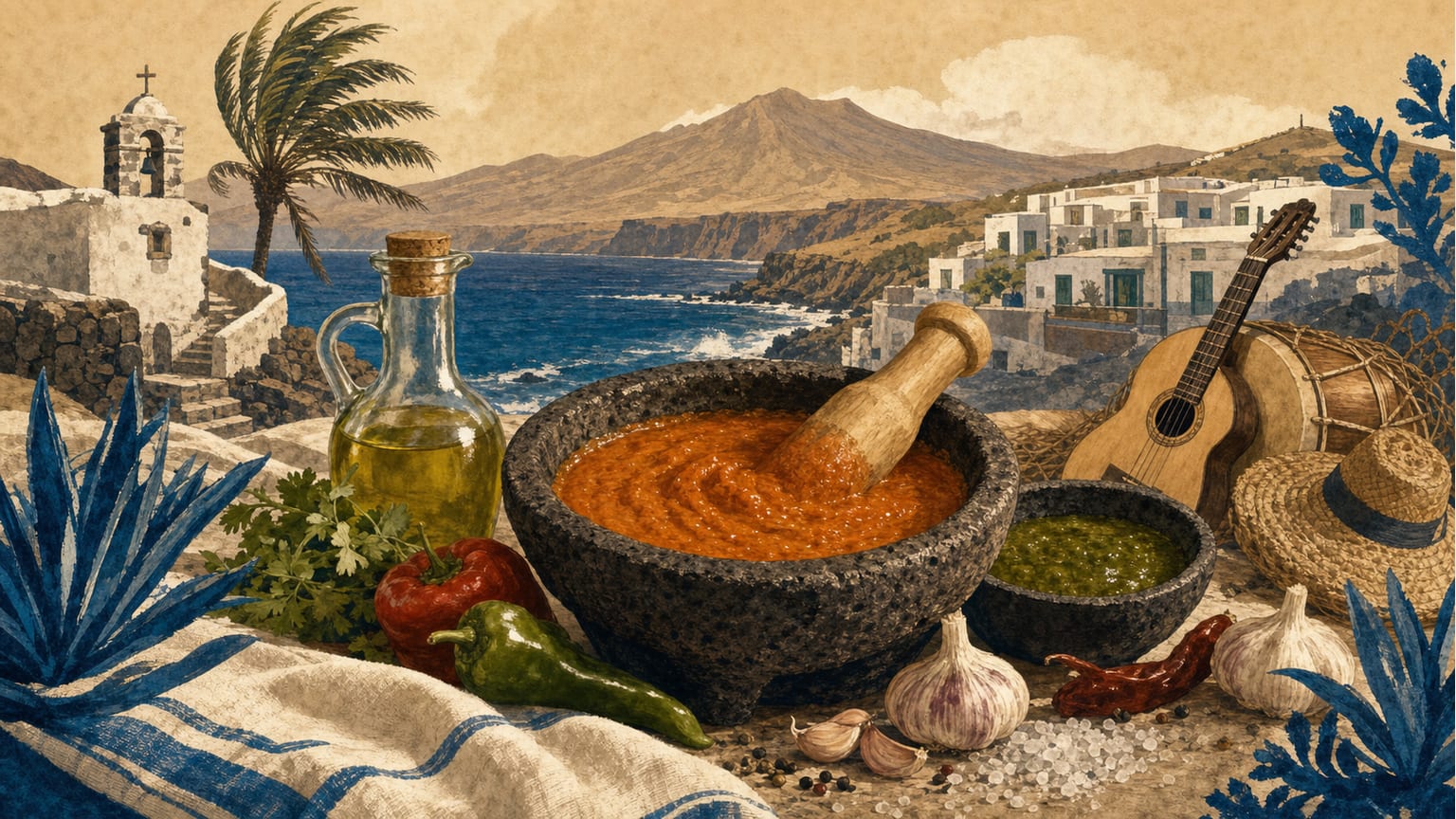
Canarian Mojo: Traditional Recipes and Variations
Canarian mojo is one of the most iconic sauces of the Canary Islands' cuisine. This article examines its traditional recipes and variations as presented in the 1974 cookbook.
Knowledge pills about the history, culture and nature of the Canary Islands
Canarian mojo is one of the most iconic sauces of the Canary Islands' cuisine. This article examines its traditional recipes and variations as presented in the 1974 cookbook.
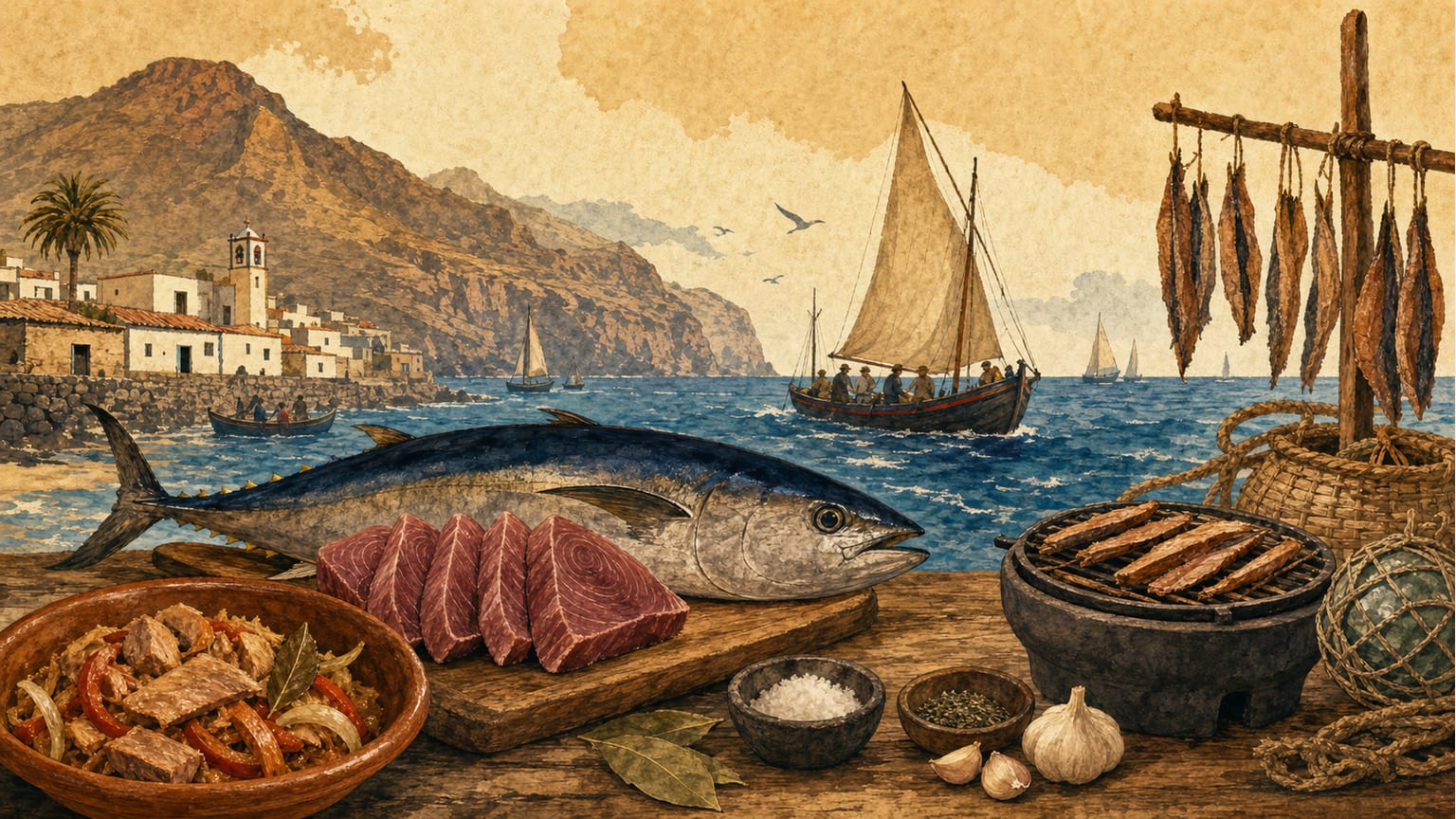
Tuna is central to La Gomera's traditional cuisine, with recipes and techniques that reflect the island's maritime history and identity.
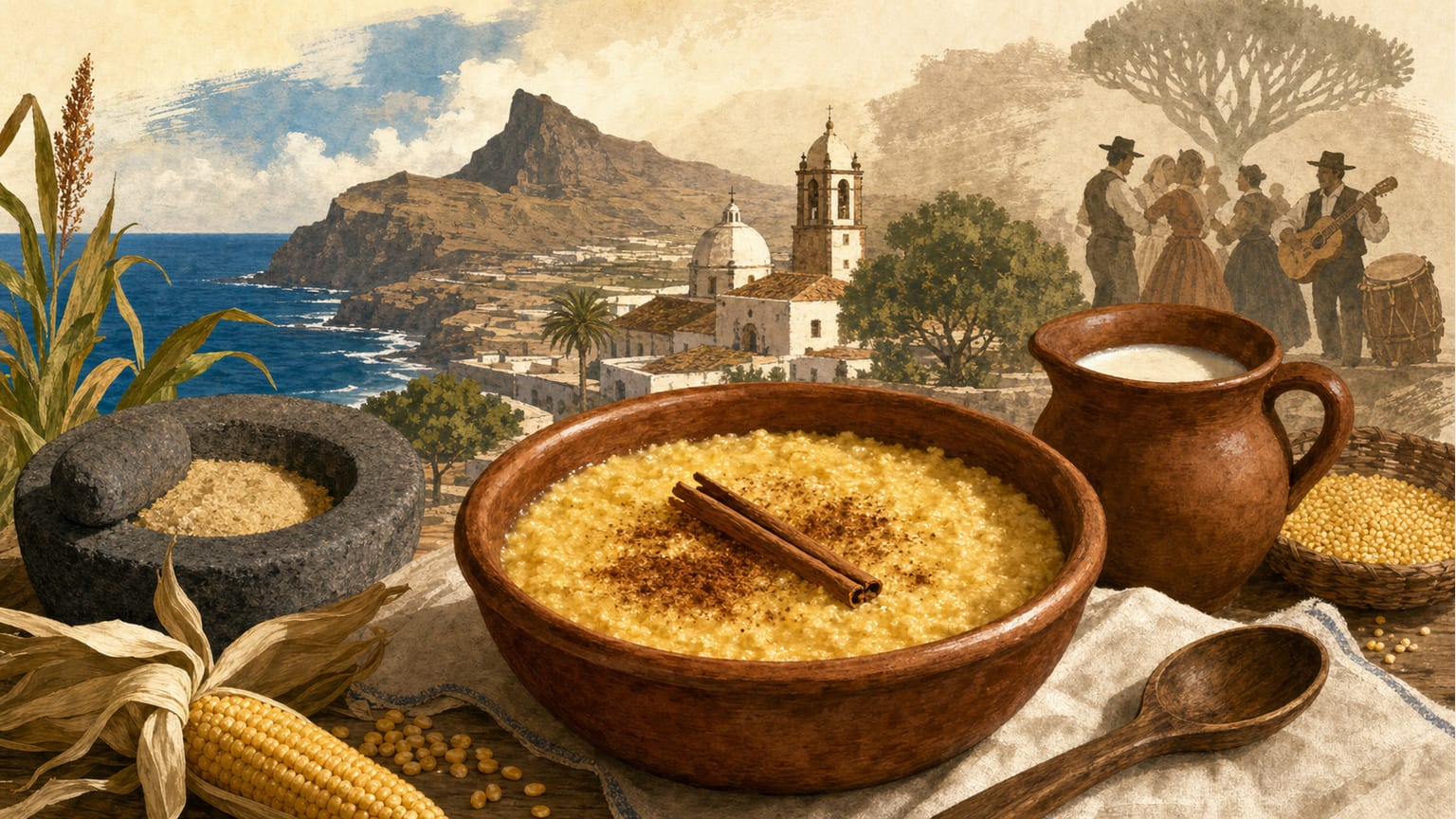
Frangollo is a traditional dessert from Gran Canaria made with ground corn, milk, and sugar. Though less common today, it remains part of Canarian celebrations like Canary Islands Day.
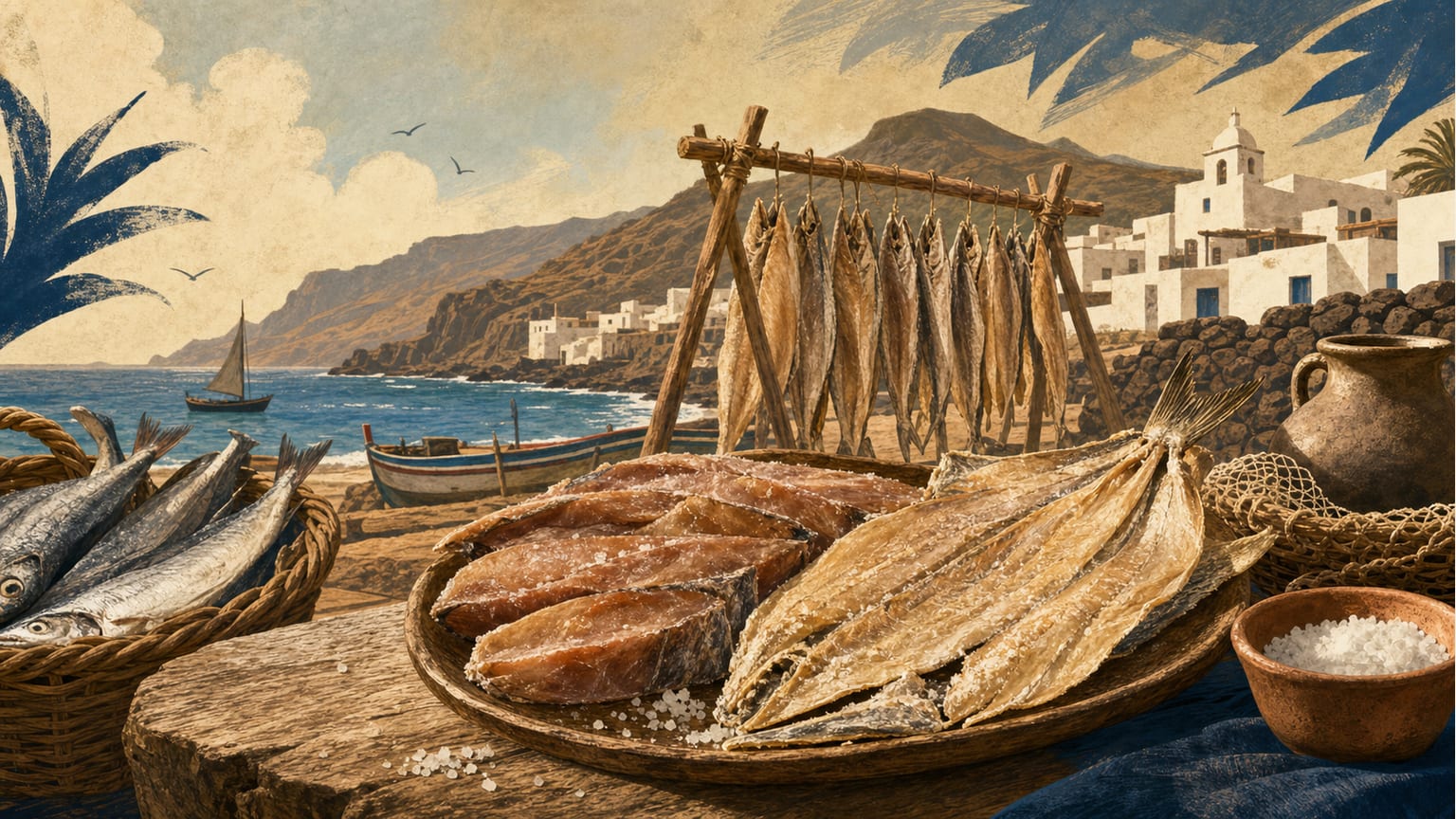
Traditional salted fish, such as tollos and jareas, have played a key role in food preservation and consumption in the Canary Islands. This article examines their preparation, history, and place in Canarian cuisine.
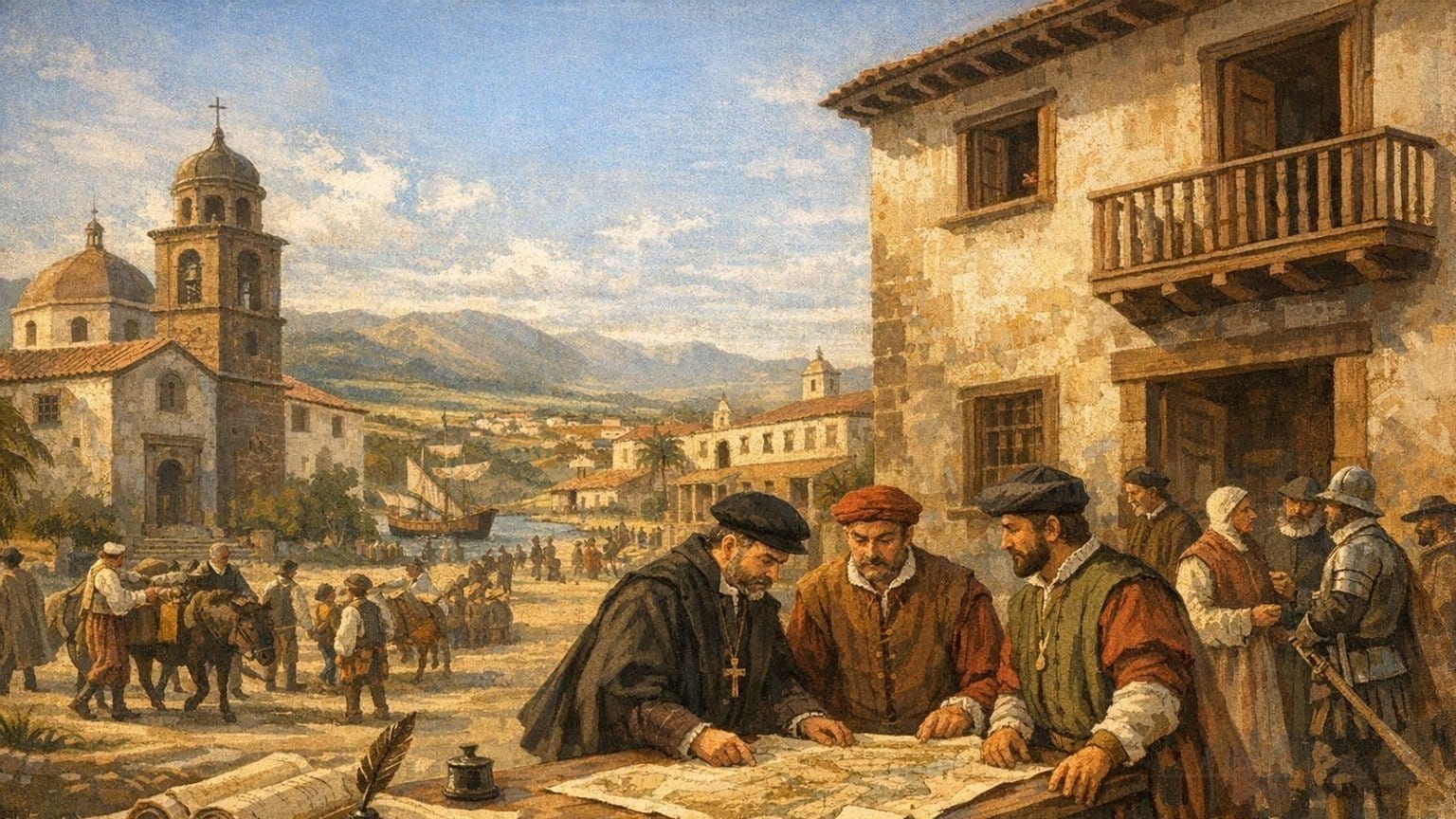
San Cristóbal de La Laguna was an open, planned Atlantic city that anticipated decisive features of Spanish-American colonial urbanism.
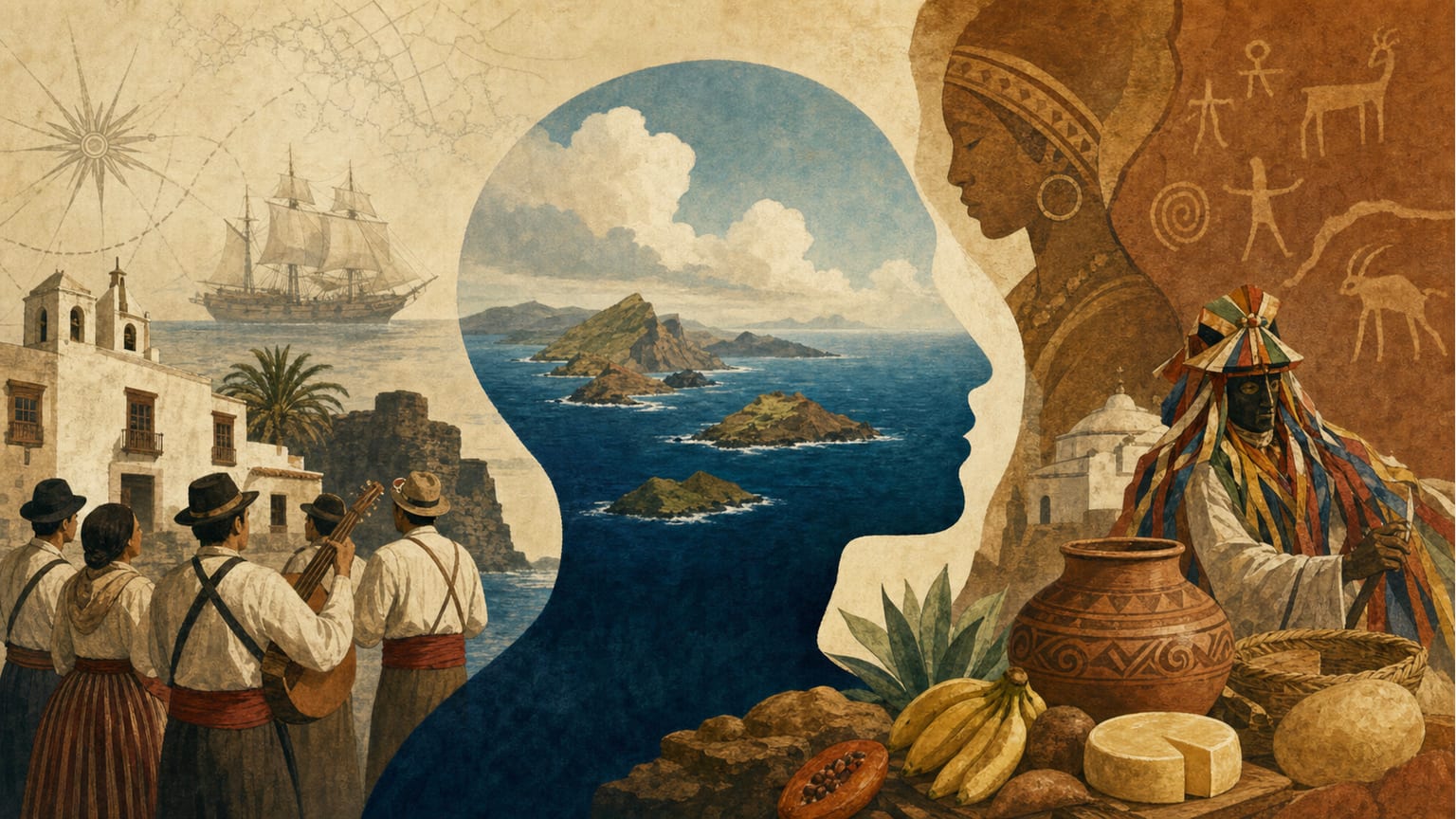
The insularity of the Canary Islands has long been a myth that conceals their complex social reality and African ties. This article explores how this image has shaped Canarian identity and its representation.
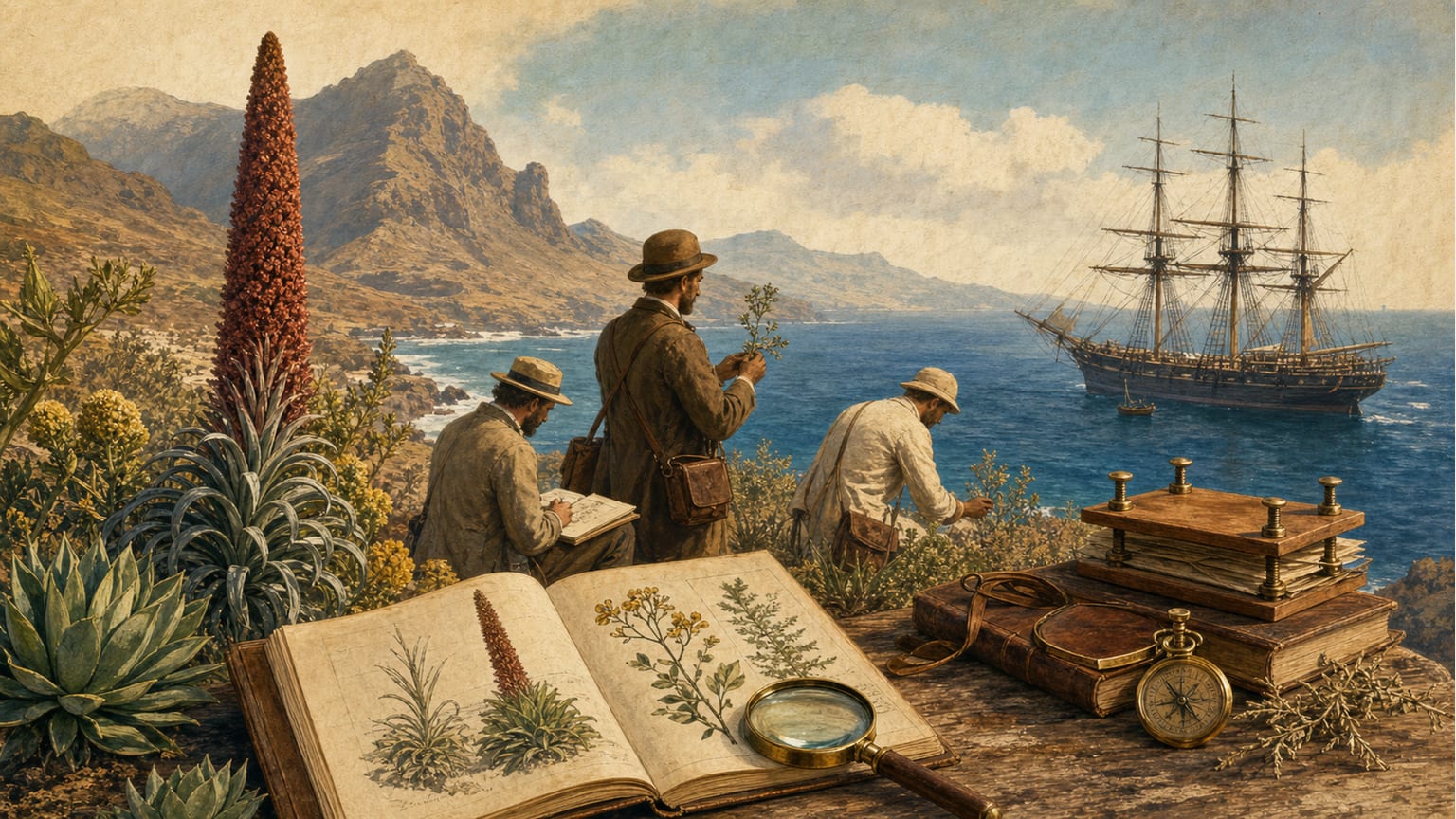
In the 19th and early 20th centuries, botany in the Canary Islands flourished thanks to the work of foreign scientists, especially from Britain, Germany, and France. This period marked the internationalization of Canarian natural history.
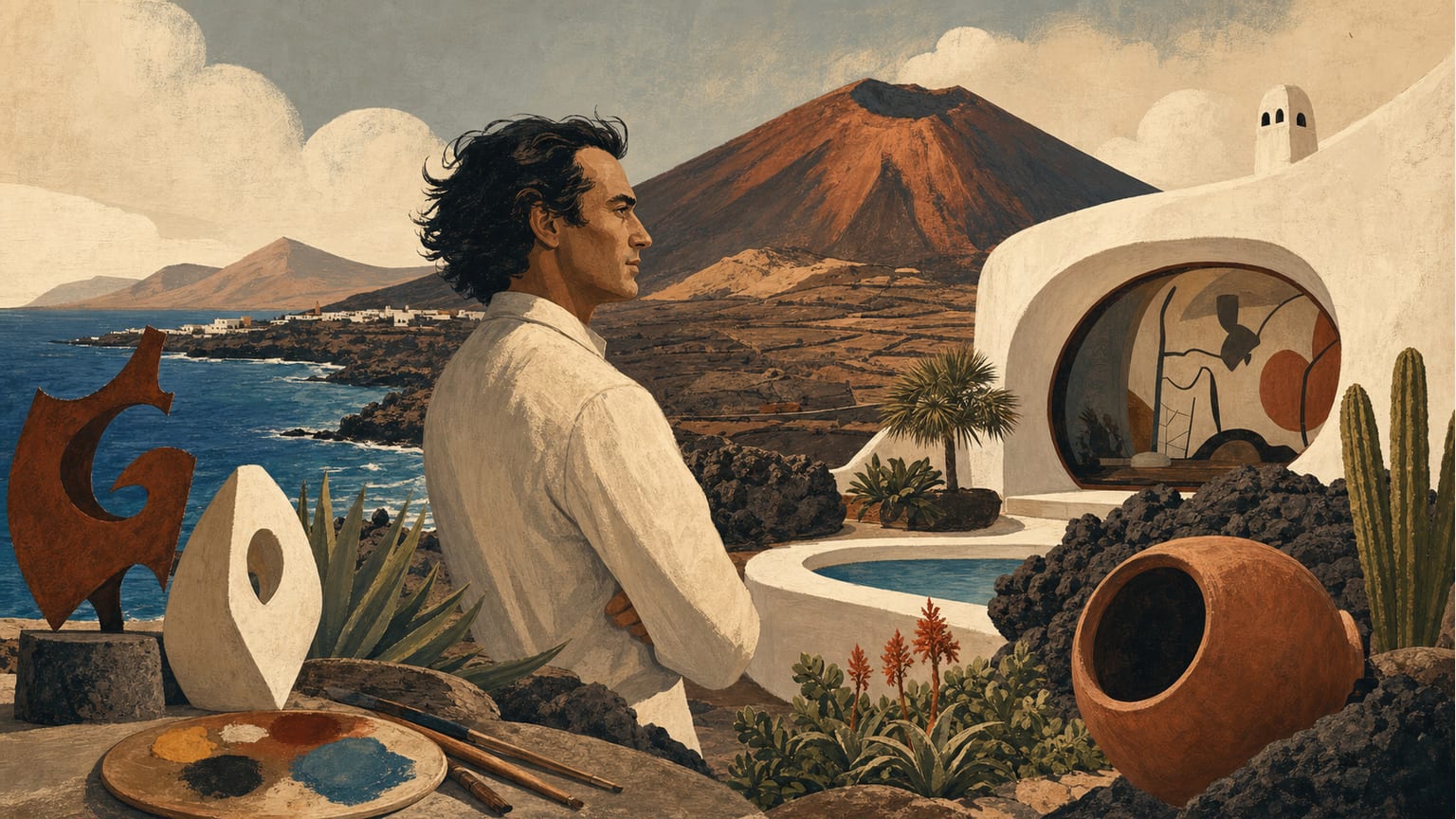
César Manrique transformed Lanzarote into a global model of art and sustainability, blending his creations seamlessly with the island’s volcanic landscape.
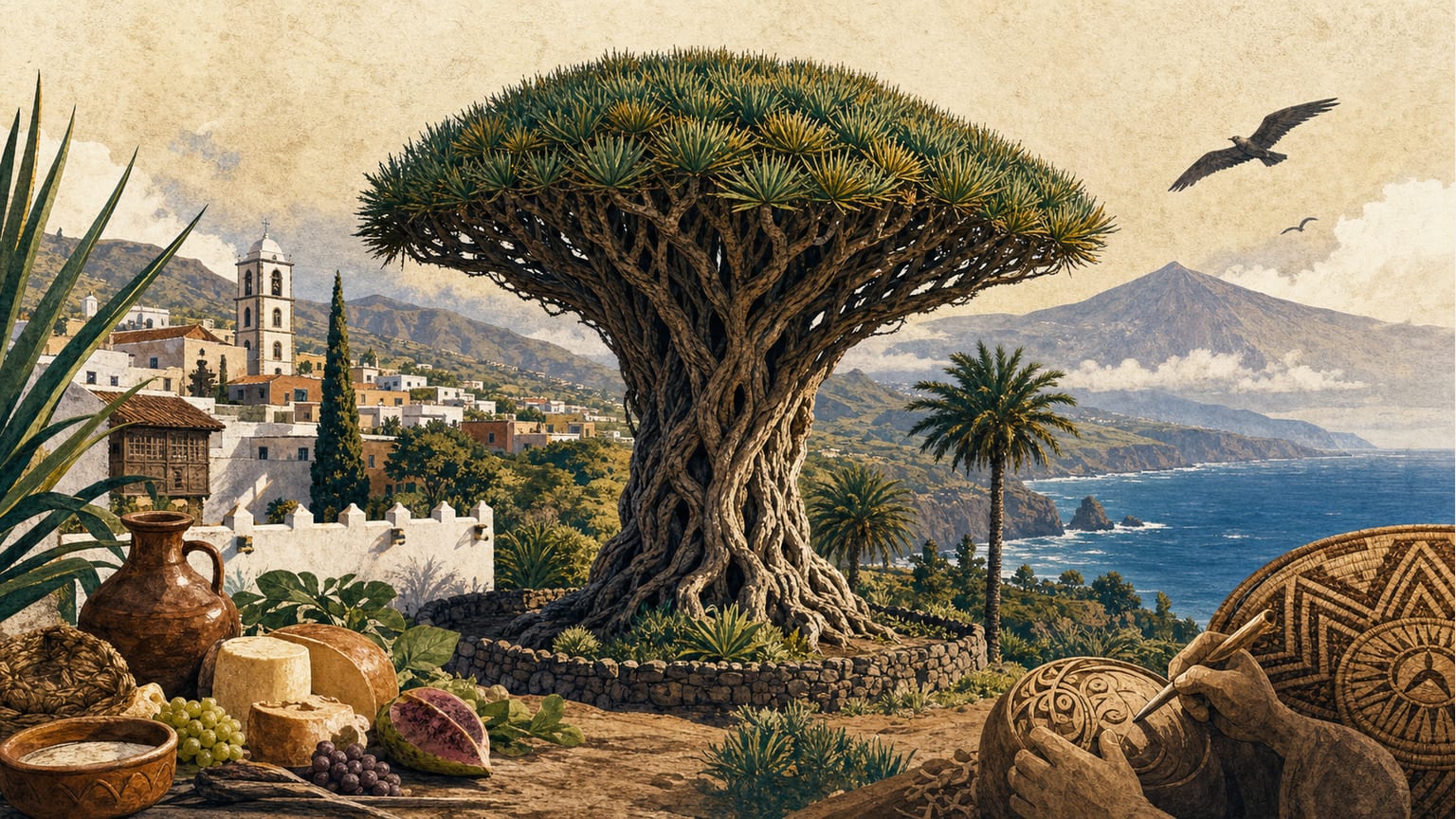
Explore the history and cultural significance of the Millennial Dragon Tree in Icod de los Vinos, one of the most iconic plants of the Canary Islands.
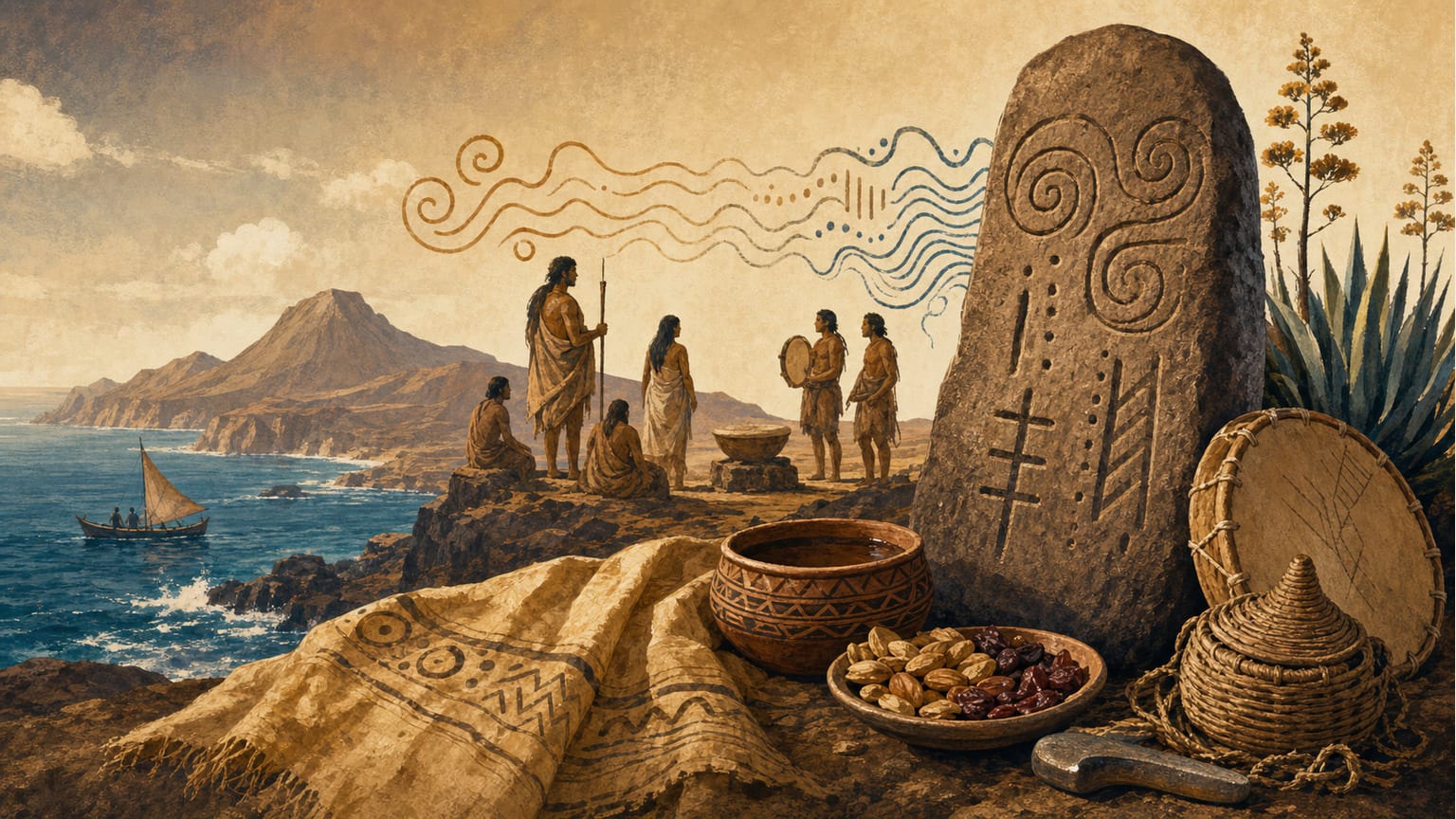
The extinct Guanche language reveals its North African roots and agglutinative structure through surviving words and names. Explore how Guanche speech connects us to the ancient history of the Canary Islands.
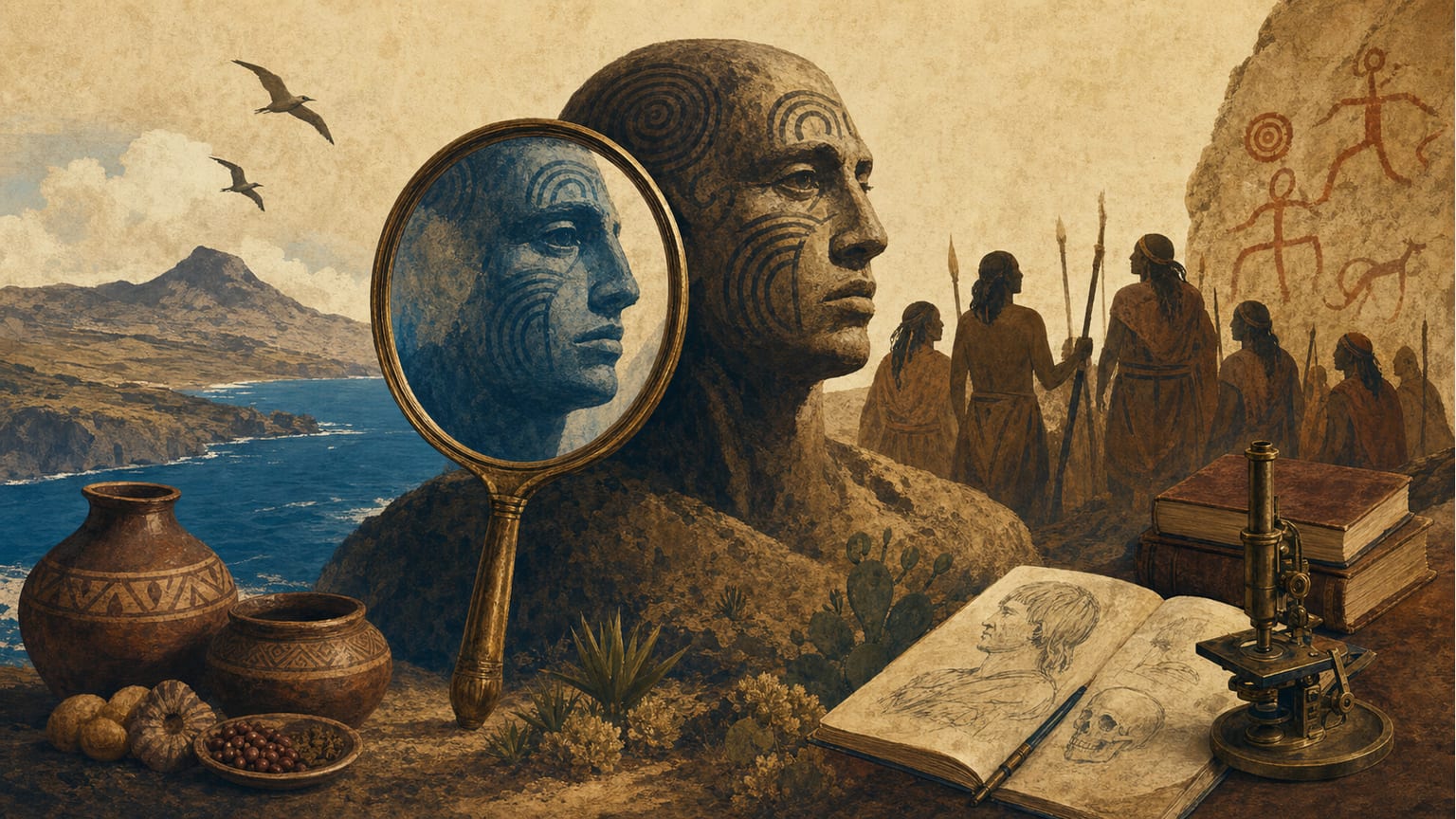
The image of the Guanche was historically constructed as a mirror for Canarian identity, shaped by raciology and European ideologies. This article explores how science and politics created this foundational myth.
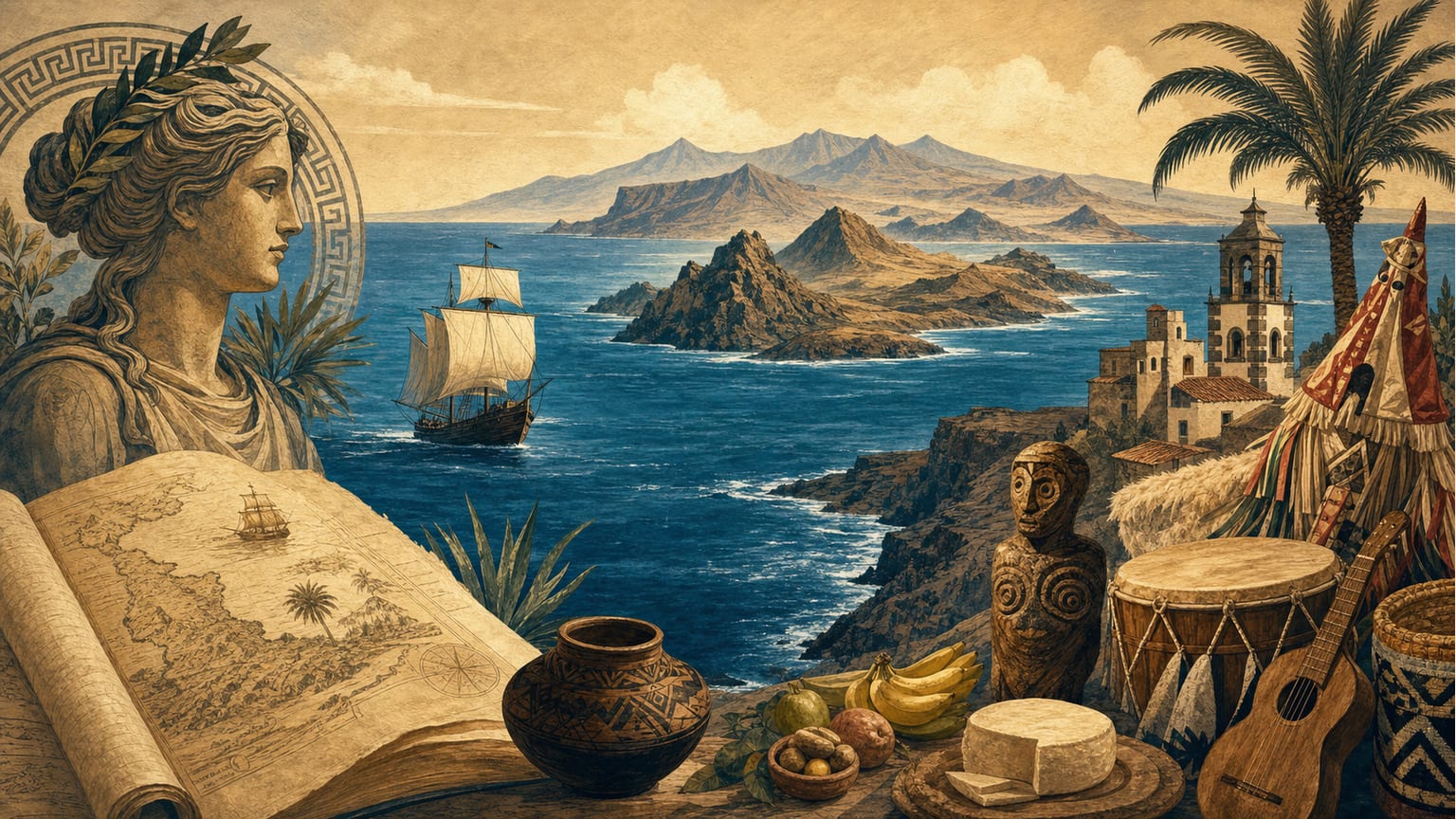
Discover how the myth of the Isles of the Blest shaped the identity and perception of the Canary Islands from ancient Greek literature to modern times.
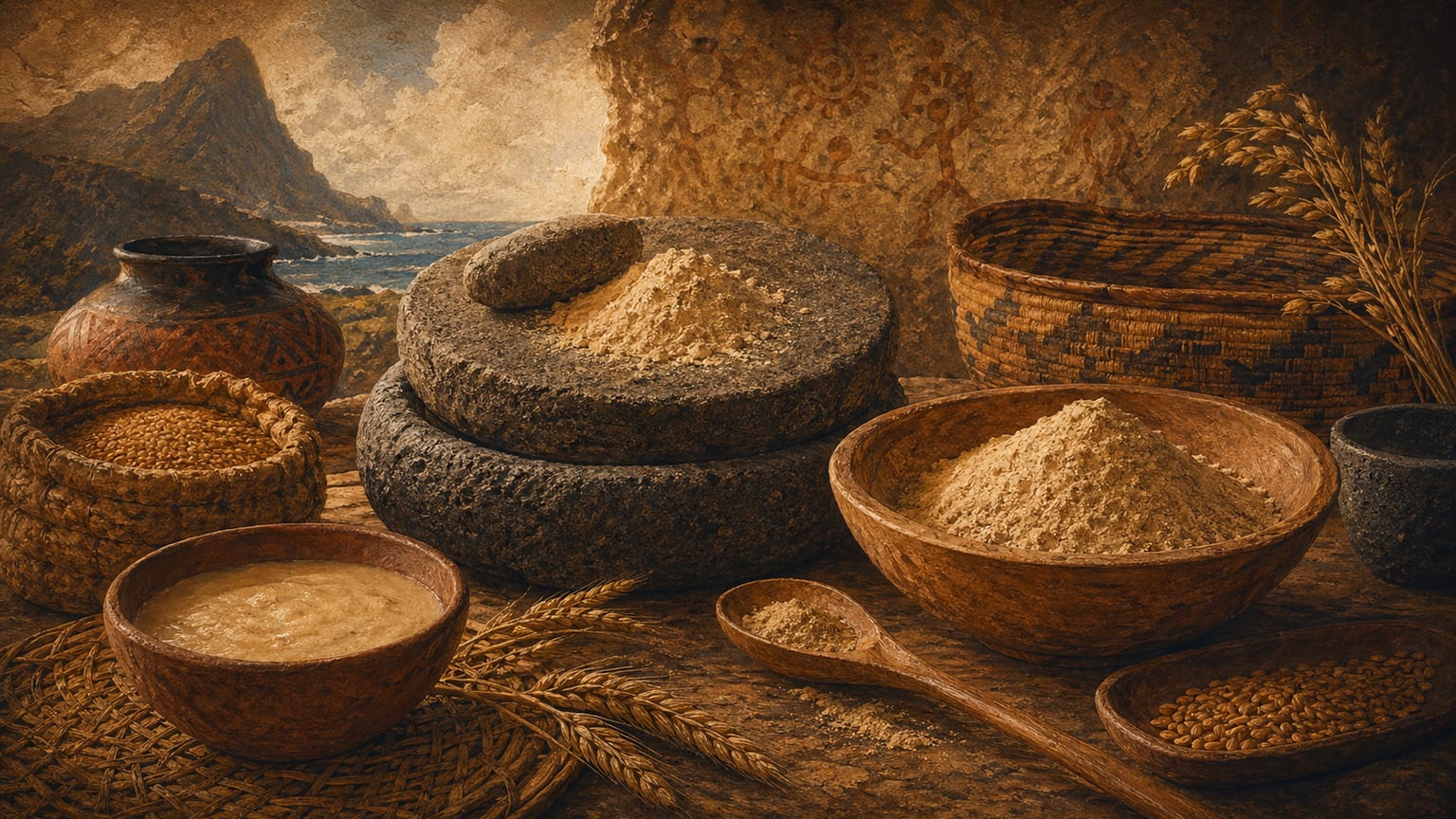
Gofio, a toasted cereal flour of pre-Hispanic origin, is much more than a food: it is a symbol of Canarian identity that has endured for centuries.