An educational and cultural initiative that preserves, disseminates and promotes the rich history of the Canary Islands. Discover the legacy of our archipelago through an immersive digital experience.
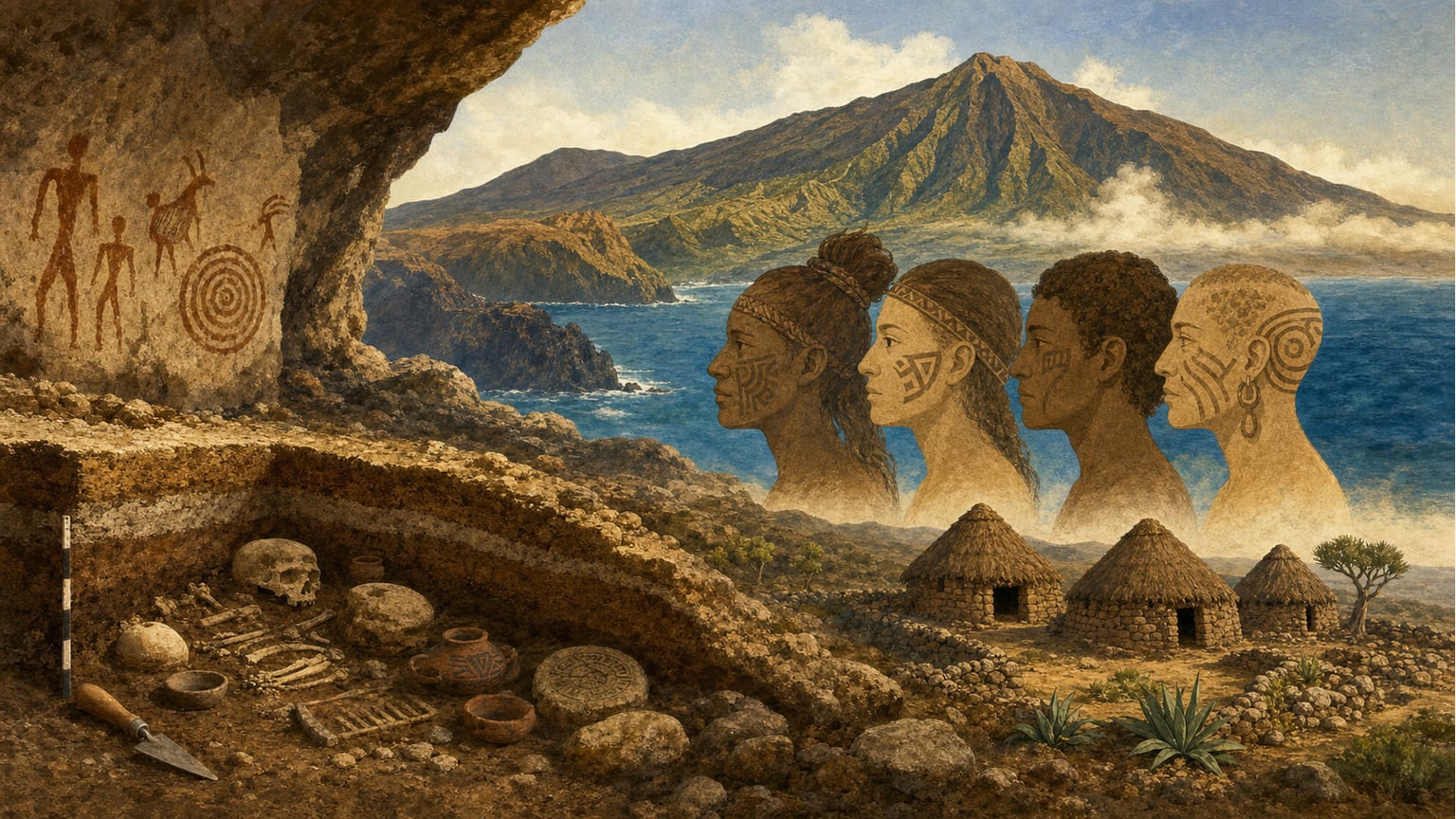
Isolation and Internal Diversity among the Guanche Population of Tenerife
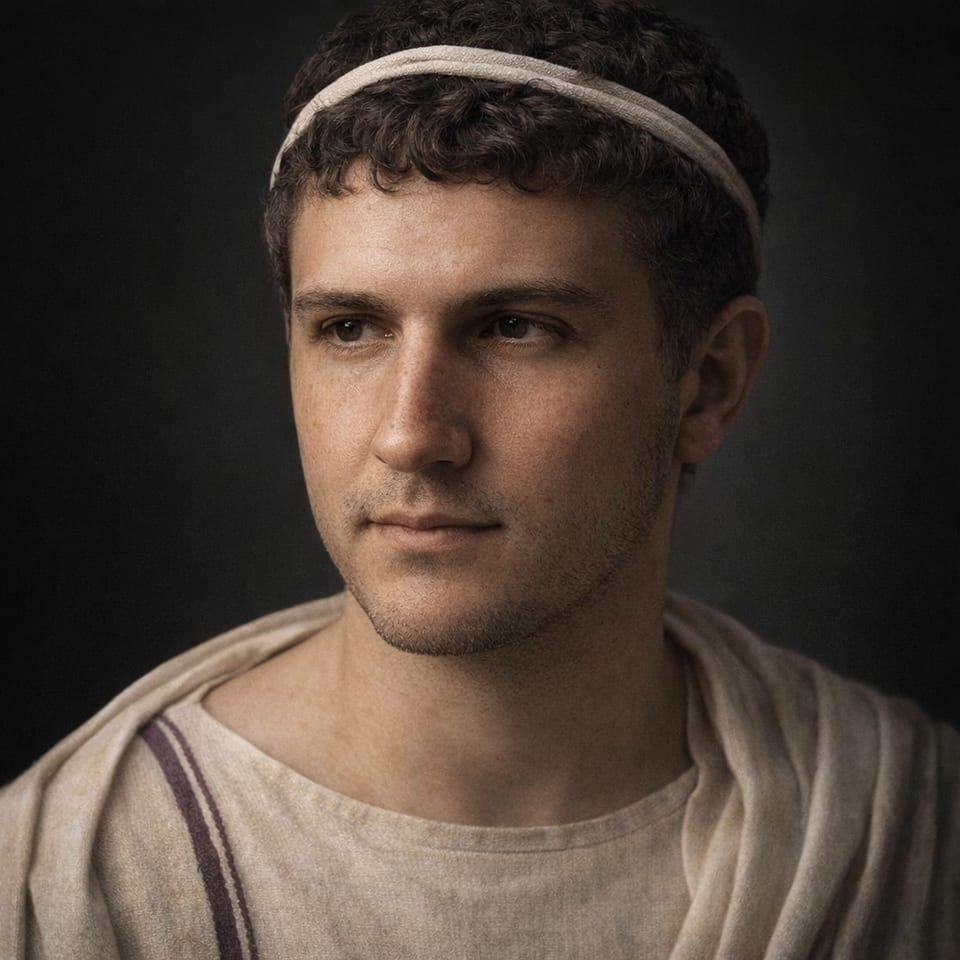
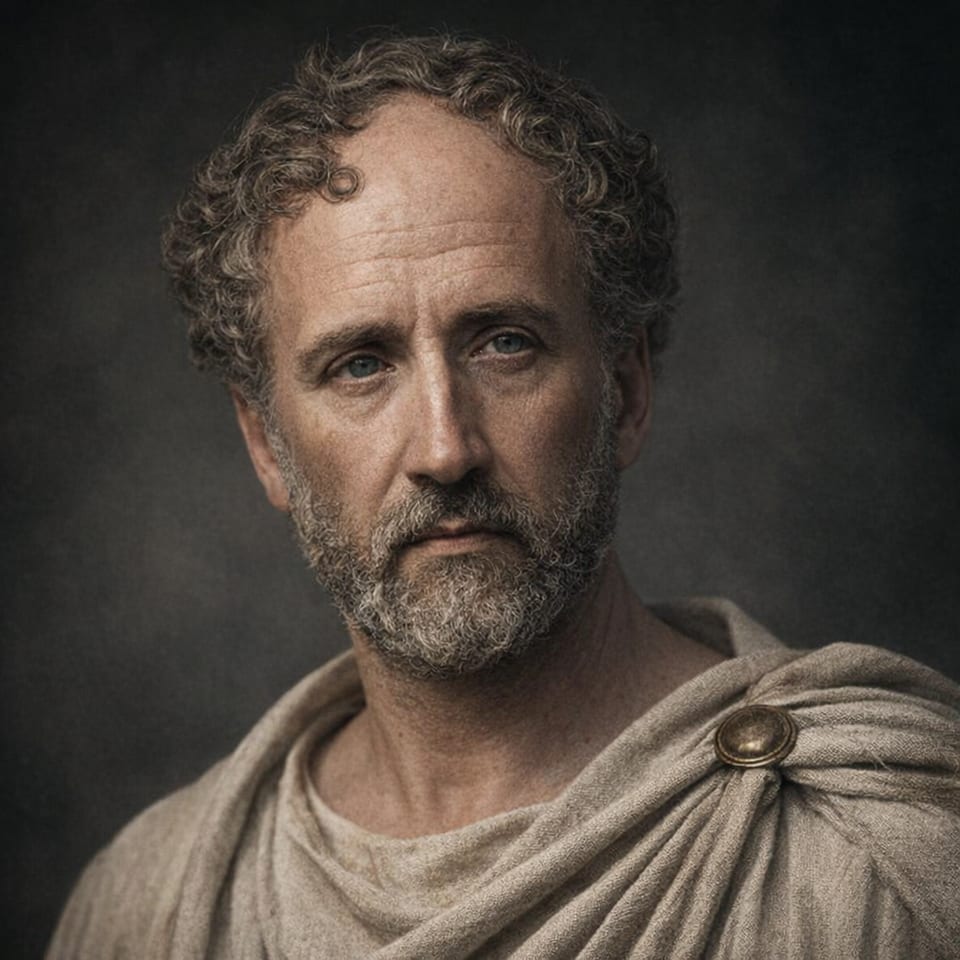
Geographical isolation and internal diversity significantly shaped the physical and cultural variability of the Guanche population in Tenerife, according to recent bioanthropological research.
Nature
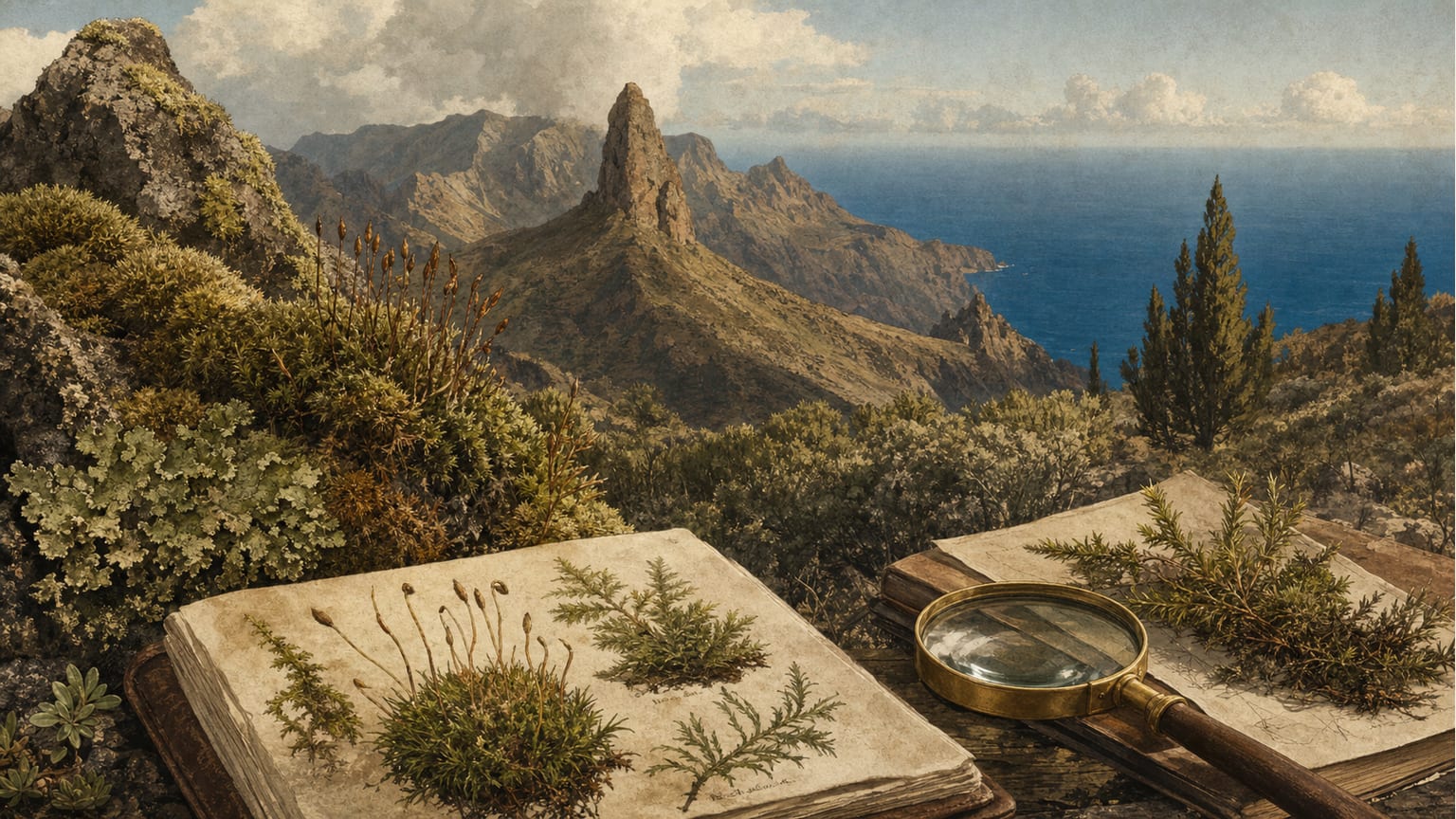
The Diversity of Mosses in the Canary Islands According to Webb and Berthelot (19th Century)
Webb and Berthelot's 19th-century study documents the richness and distribution of mosses in the Canary Islands, highlighting their affinity with European and Mediterranean flora.
Culture
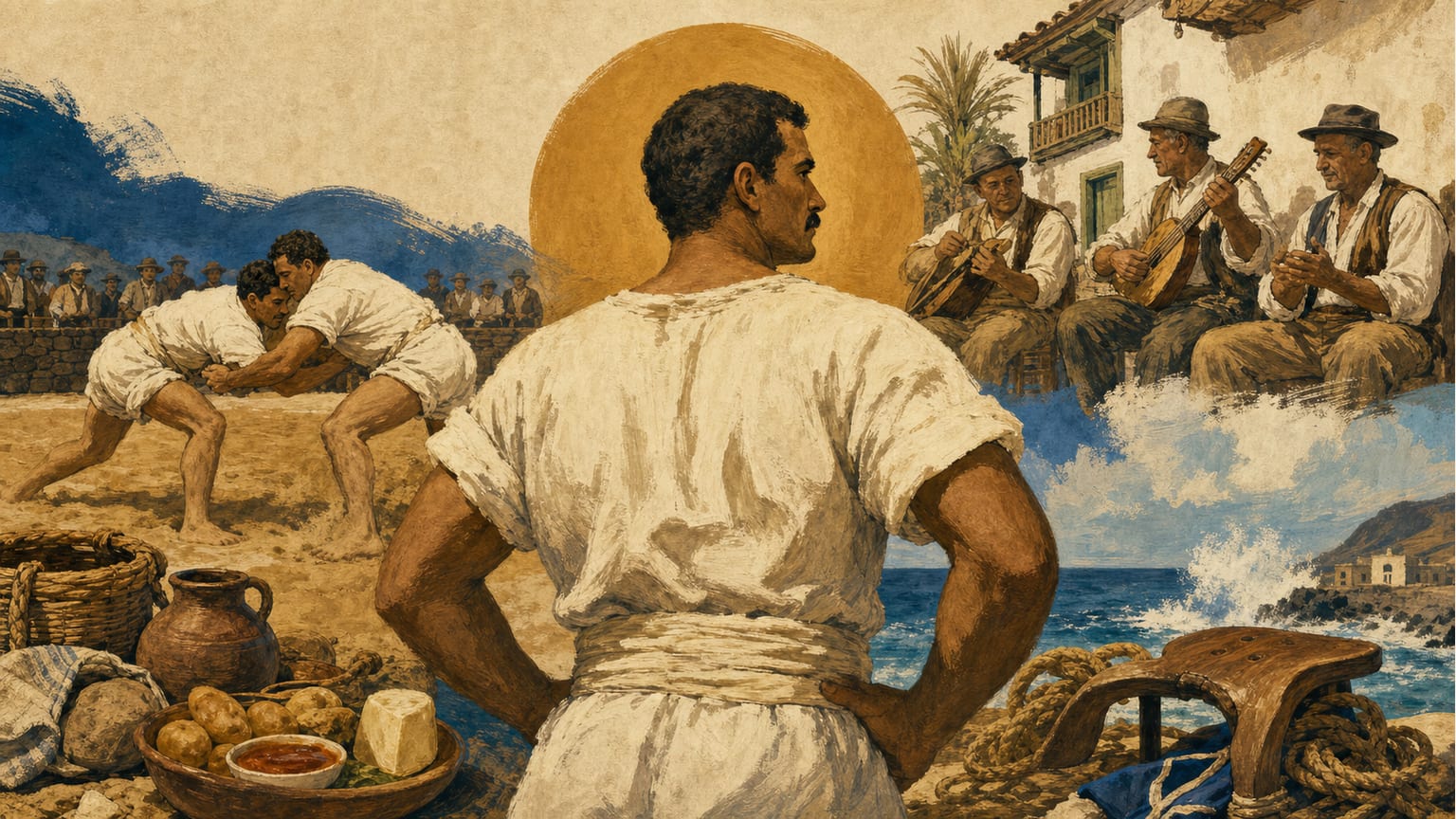
The Nickname 'Mandarria': Origin, Meaning, and Use in Canarian Wrestling
The nickname 'Mandarria', adopted by wrestler Miguel Cabrera Castillo, became a reference in Canarian popular language and culture, linked to strength and the wrestling style of the late 19th and early 20th centuries.
Eight islands, age-old cultures, living traditions and a unique identity in the Atlantic. Canarias Historia is the digital archive that future generations deserve.
We use consent choice to decide whether usage analytics should be enabled. You can accept or reject analytics cookies; strictly necessary technical elements will still operate.


_Vista_general.jpg)