

Literature of the Canary Islands
An initial guide to organise authors, works, periods, oral tradition and sources on Canarian literature.
Authors
Literary biographies, places, works, sources and links with already published articles.
Explore subsection ->
Works
Entry readings for fable, novel, poetry, avant-garde, children’s literature and criticism.
Explore subsection ->
Periods
Enlightenment, modernism, avant-garde, contemporary island writing and children’s literature.
Explore subsection ->
Oral tradition
Ballads, tales, popular memory and writing that transforms oral transmission into literature.
Explore subsection ->
Library
Catalogue sources for expanding authors, works, proceedings, literary criticism and links with language and art.
Explore subsection ->Initial readings
Curated entries for beginning with works, periods and oral tradition inside the editorial map.
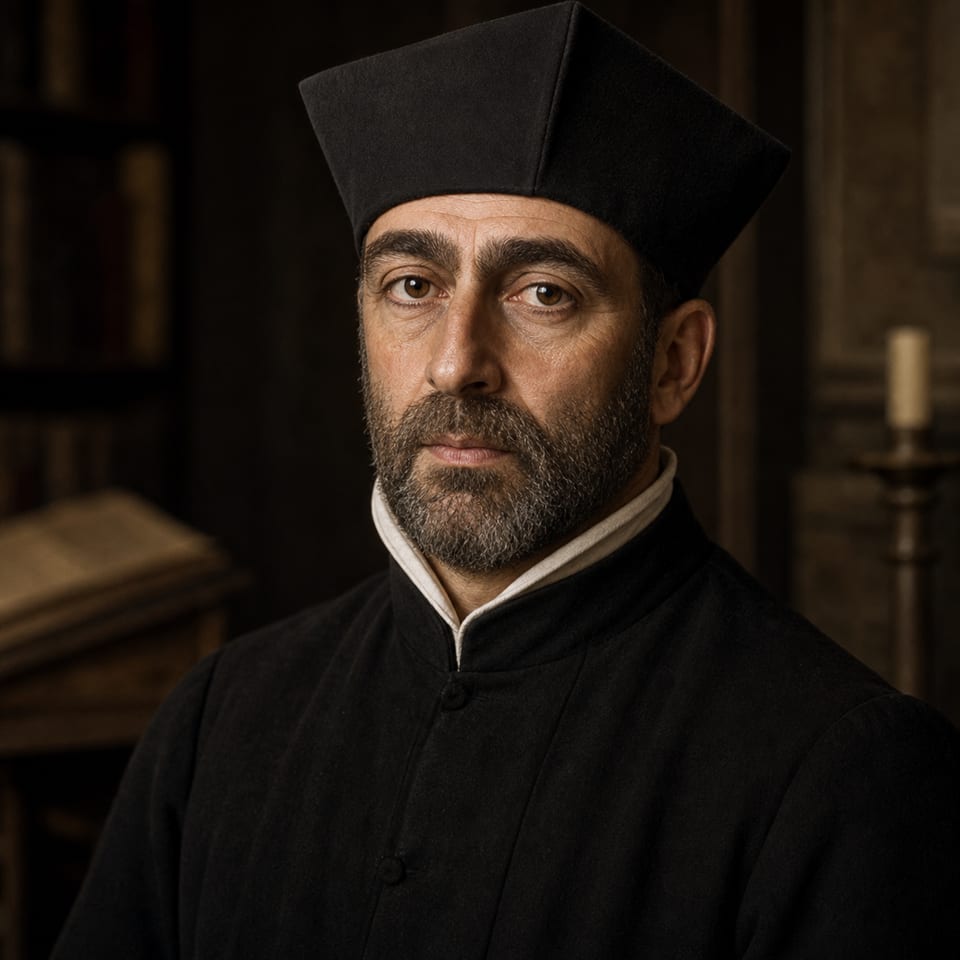
Bartolomé Cairasco de Figueroa
Canon of Santa Ana and cultural organiser in Las Palmas, associated with esdrújulo verse and works such as Templo militante.
Open path ->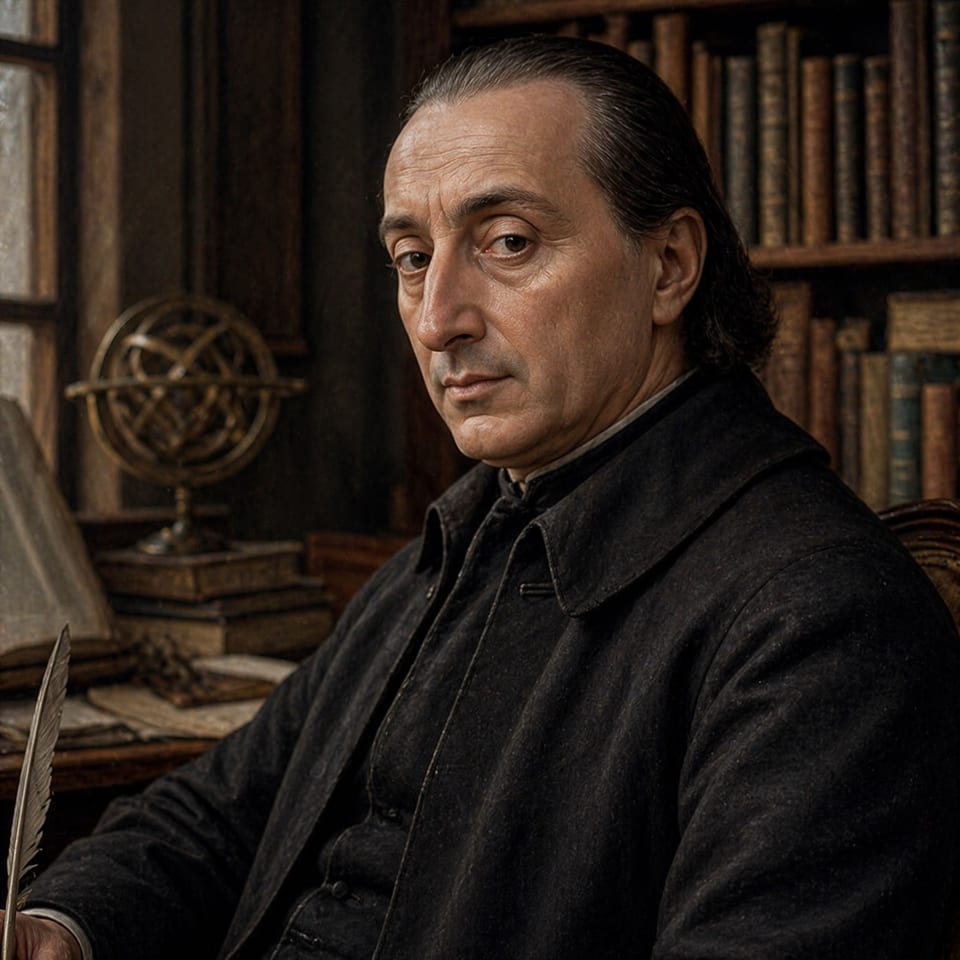
José de Viera y Clavijo
A wide-ranging eighteenth-century author, best known for Noticias de la Historia General de las Islas Canarias and Diccionario de Historia Natural.
Open path ->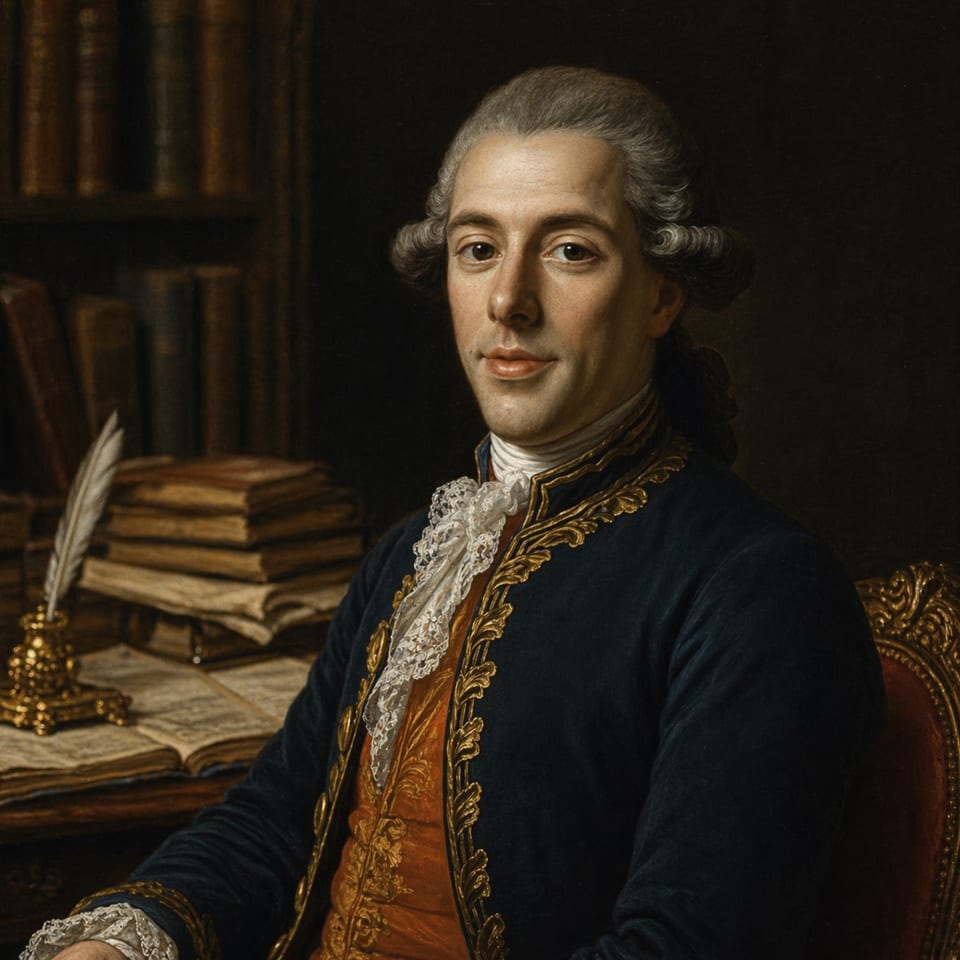
Tomás de Iriarte
Born in Puerto de la Cruz, he owes his literary reputation chiefly to Fábulas literarias, published in 1782.
Open path ->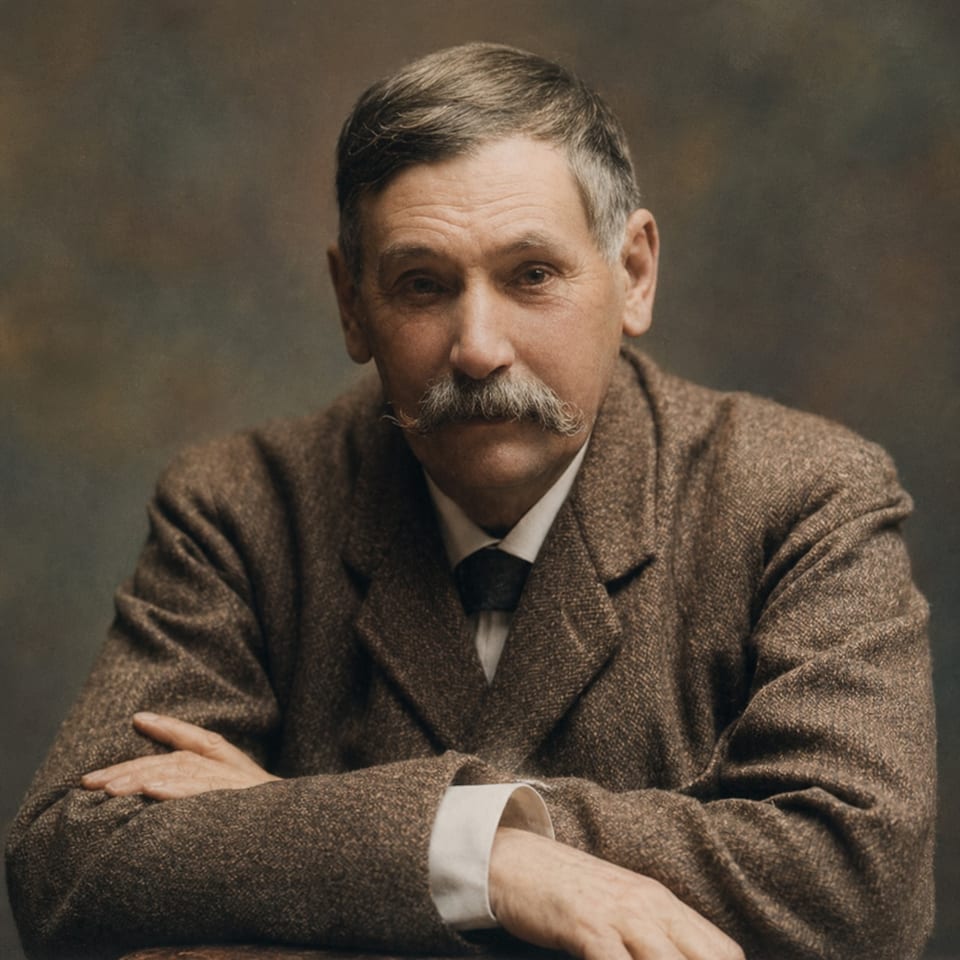
Benito Pérez Galdós
Born in Las Palmas de Gran Canaria; his Episodios Nacionales form a narrative fresco of nineteenth-century Spain.
Open path ->Fábulas literarias
Entry point to Tomás de Iriarte and eighteenth-century didactic writing linked to the Canaries through authorial origin.
Open path ->Episodios Nacionales
Reading line connecting Galdós’ work, Spanish history and Canarian presence in national narrative.
Open path ->Verifiable literary map
Entries grouped by type for moving across authors, works, periods, journals, orality and critical studies.
Authors
14Bartolomé Cairasco de Figueroa
Canon of Santa Ana and cultural organiser in Las Palmas, associated with esdrújulo verse and works such as Templo militante.
Open path ->José de Viera y Clavijo
A wide-ranging eighteenth-century author, best known for Noticias de la Historia General de las Islas Canarias and Diccionario de Historia Natural.
Open path ->Tomás de Iriarte
Born in Puerto de la Cruz, he owes his literary reputation chiefly to Fábulas literarias, published in 1782.
Open path ->Benito Pérez Galdós
Born in Las Palmas de Gran Canaria; his Episodios Nacionales form a narrative fresco of nineteenth-century Spain.
Open path ->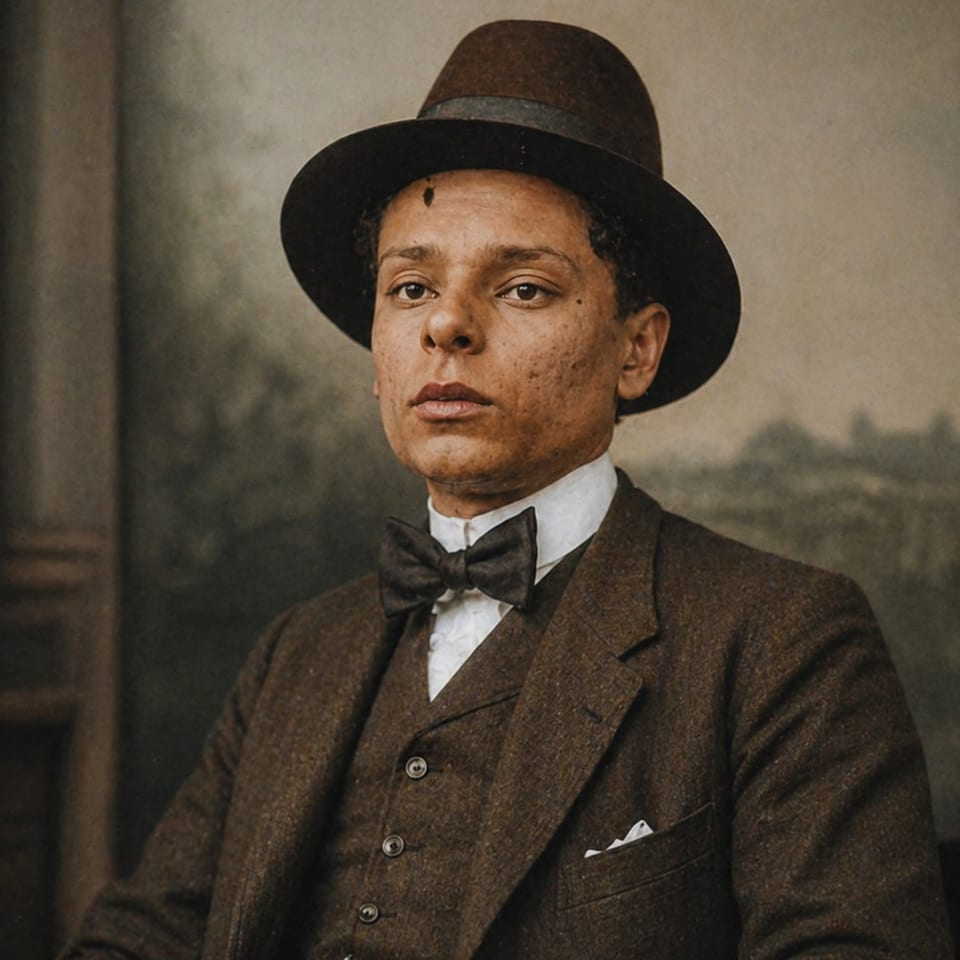
Alonso Quesada
Pseudonym of Rafael Romero Quesada; he cultivated poetry, theatre, fiction and chronicle, including El lino de los sueños.
Open path ->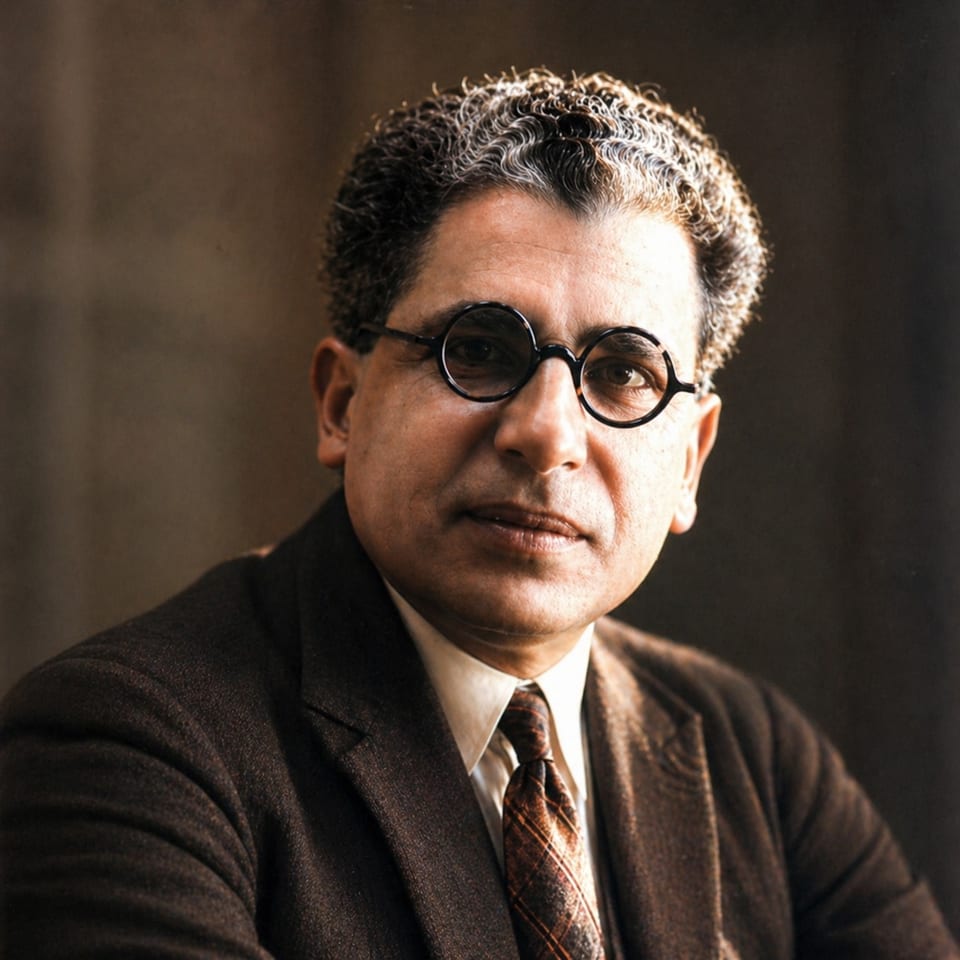
Saulo Torón
Gran Canarian poet whose work is read as an expression of intimism and public silence.
Open path ->Works
5Fábulas literarias
Entry point to Tomás de Iriarte and eighteenth-century didactic writing linked to the Canaries through authorial origin.
Open path ->Episodios Nacionales
Reading line connecting Galdós’ work, Spanish history and Canarian presence in national narrative.
Open path ->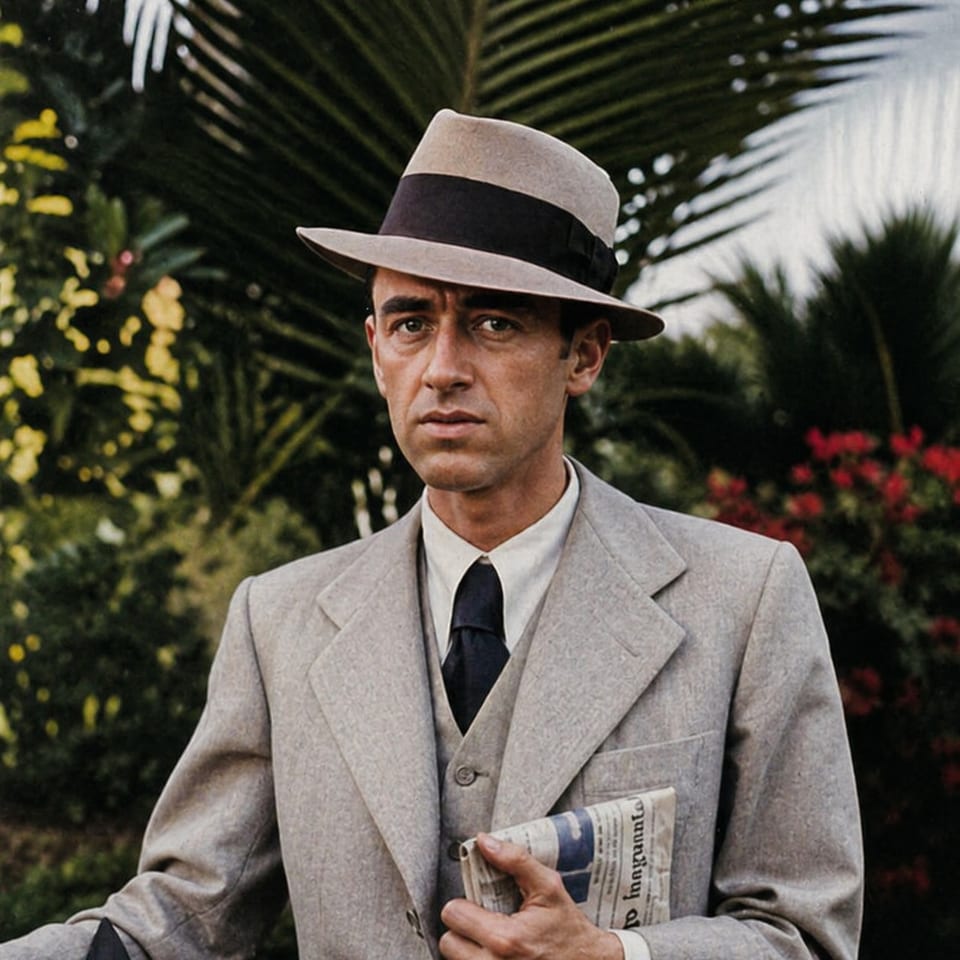
Lancelot, 28º-7º
Key work for opening the relation between literature, island landscape and Agustín Espinosa’s experimentation.
Open path ->Children’s tale, poem and wordplay
Pepa Aurora’s biography opens a line on childhood, orality, school and literary creation in the Canary Islands.
Open path ->Álbum de Literatura Isleña
The first regional Canarian poetry anthology, issued in La Reforma instalments from 1857.
Open path ->Periods
6Golden Age
Cairasco de Figueroa and Antonio de Viana place the Canaries within humanist networks, theatre, poetry and historical imagination of the Hispanic Atlantic.
Open path ->Enlightenment and didactic writing
Tomás de Iriarte opens Canarian literature in dialogue with the Spanish and European Enlightenment.
Open path ->Nineteenth century
Álbum de Literatura Isleña opens a regional poetic consciousness and Galdós projects from the Canaries a historical novel of Spanish scope.
Open path ->Modernism and intimism
Alonso Quesada and Saulo Torón offer an entry to poetry, silence, literary modernity and island urban life.
Open path ->Avant-garde and surrealism
Agustín Espinosa, Pedro García Cabrera, Domingo López Torres and Gaceta de Arte shape a line of Atlantic modernity.
Open path ->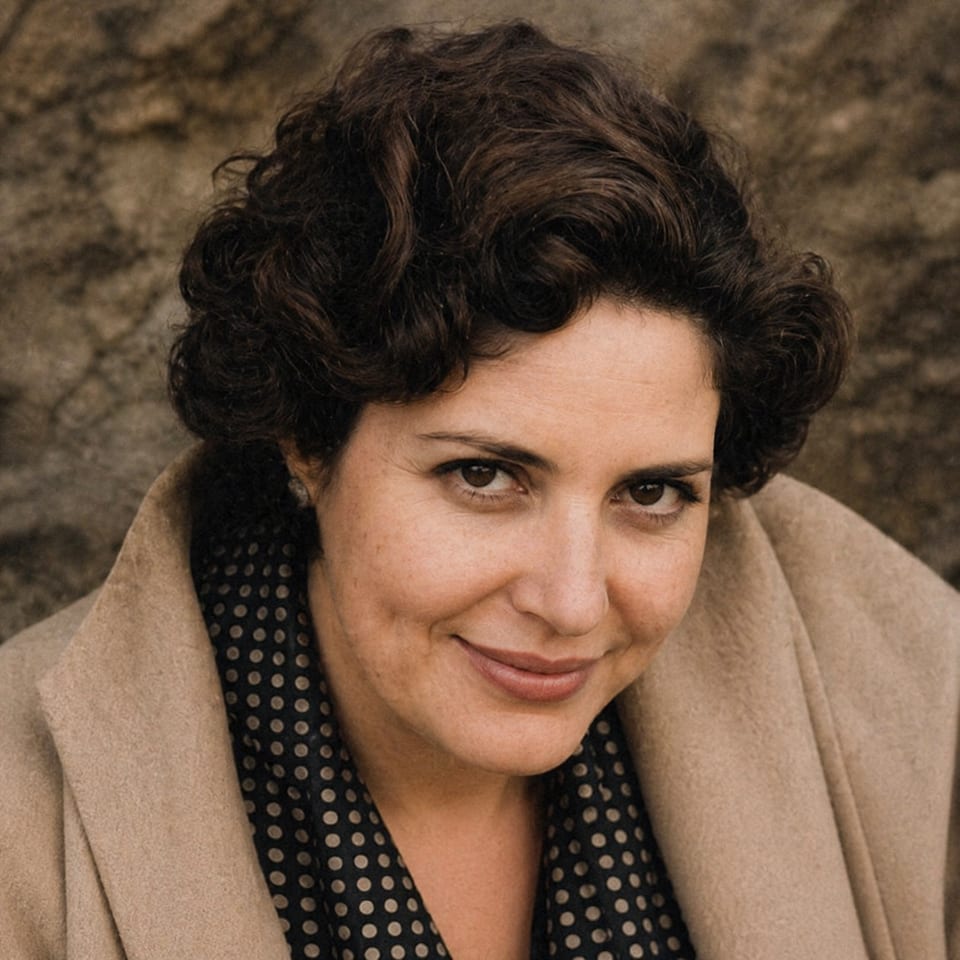
Postwar, transition and contemporary writing
Pino Ojeda, Elsa López, Andrés Sánchez Robayna and Pepa Aurora support readings of poetry, publishing, criticism, translation and childhood from the second half of the twentieth century.
Open path ->Journals and nodes
1
Oral tradition
3Canarian ballad
Entry for connecting the glossary, oral memory and future ballad sources without duplicating unverified content.
Open path ->Ballad tradition of La Gomera
The Gomeran ballad tradition survives as lived popular expression, a useful case for linking oral literature and community practice.
Open path ->Orality and children’s literature
Pepa Aurora supports work on tales, poems, tongue-twisters and school as creative continuities of oral tradition.
Open path ->Critical studies
3Archive of oral tradition
Article by Antonio Perdomo Molina arguing for the need for an archive of oral tradition in the Canaries.
Open path ->Oral-tradition literature in the Canaries: present survival
Article by Andrés Monroy Caballero in Boletín de Literatura Oral reviewing documentation and studies on Canarian oral literature.
Open path ->FABLAS: a Canarian journal of poetry and criticism
Article by Santiago José Henríquez Jiménez studying FABLAS as a Canarian journal of poetry and criticism.
Open path ->