

Geology of the Canary Islands
An evidence-led guide to how these volcanic islands are built, reshaped and monitored.
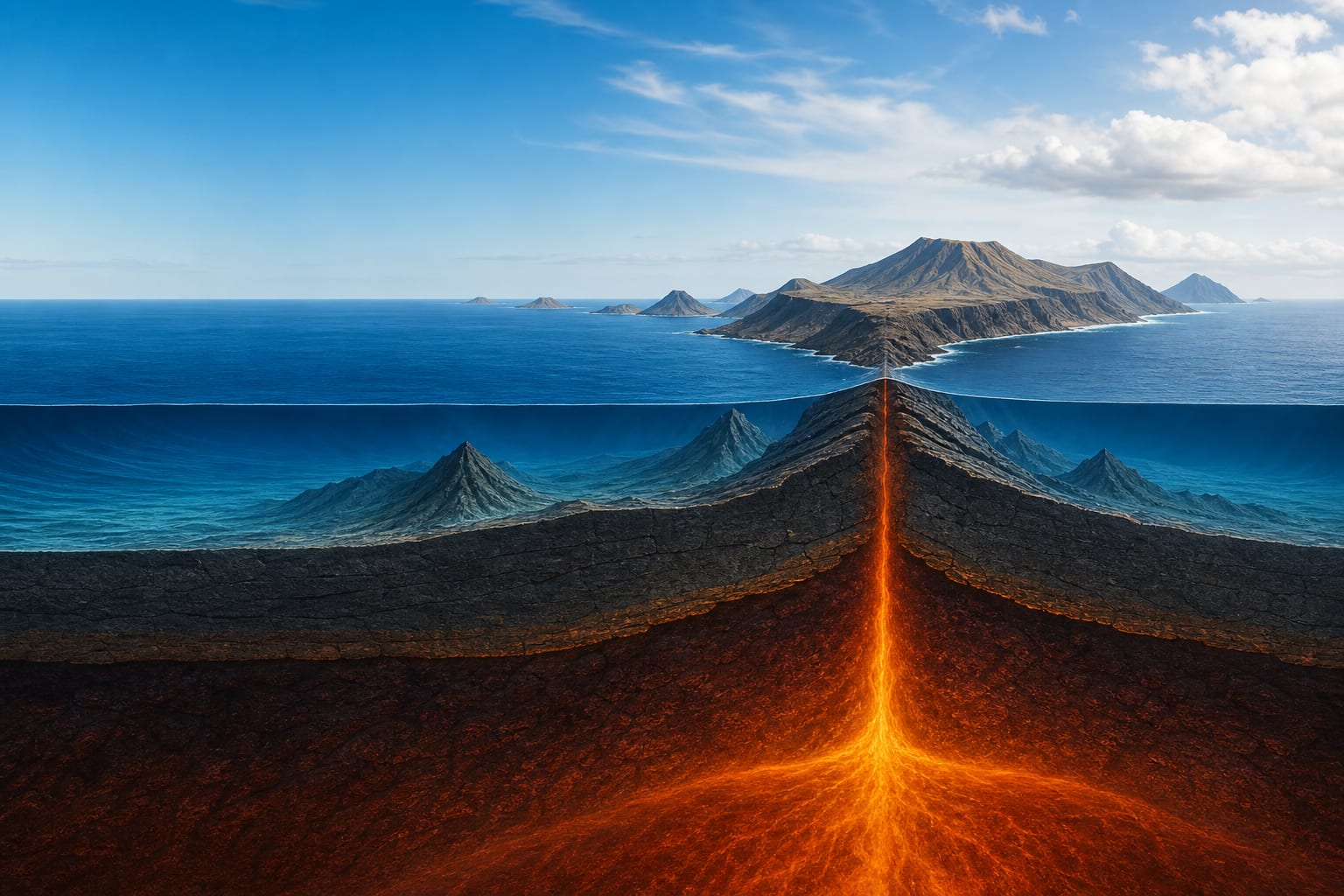
Origin and evolution of the archipelago
From the ocean floor to island edifices shaped by growth, erosion and renewed volcanism.
Explore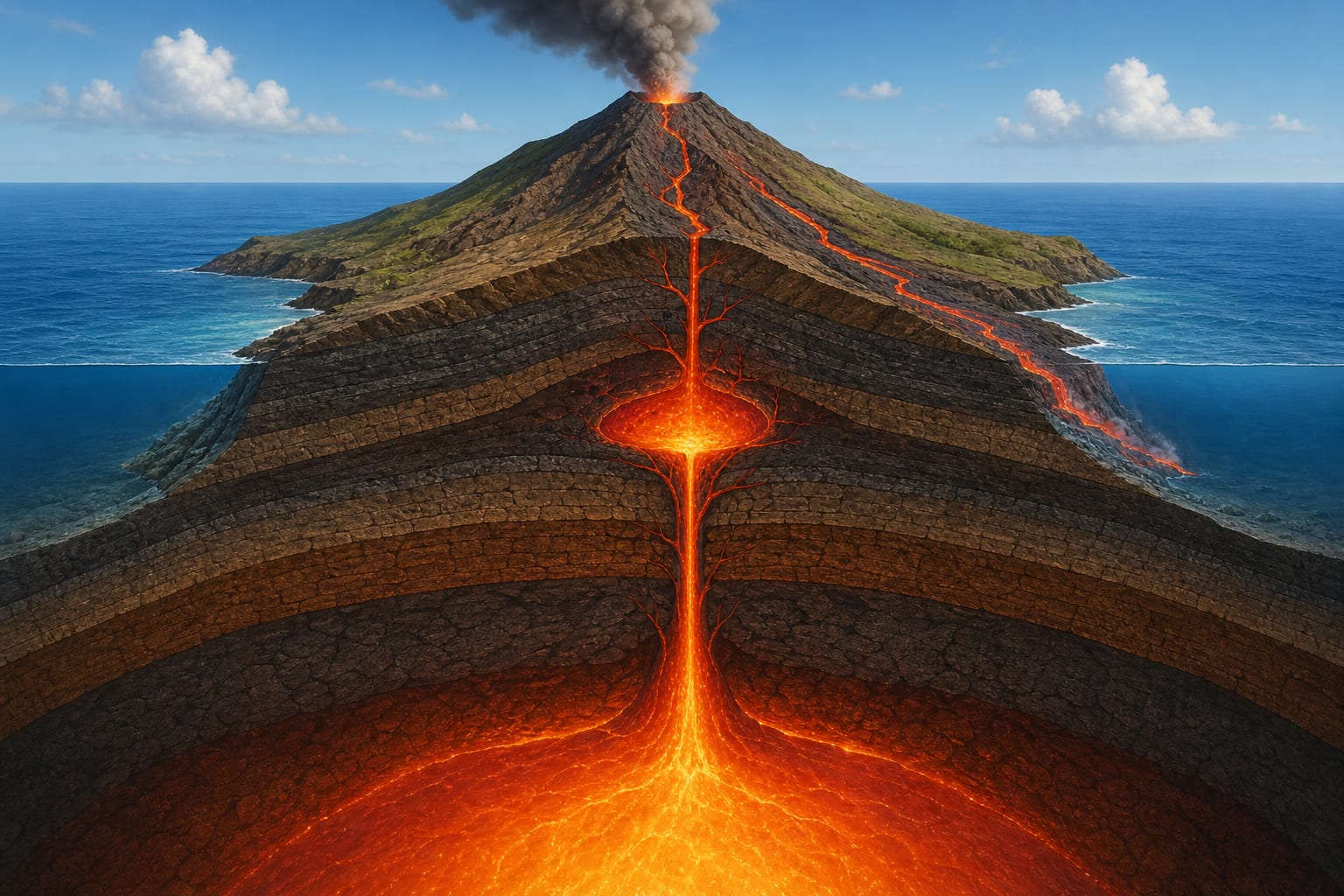
Volcanism and eruptions
From magma generation in the mantle to eruptive styles and the most recent historical crises.
Explore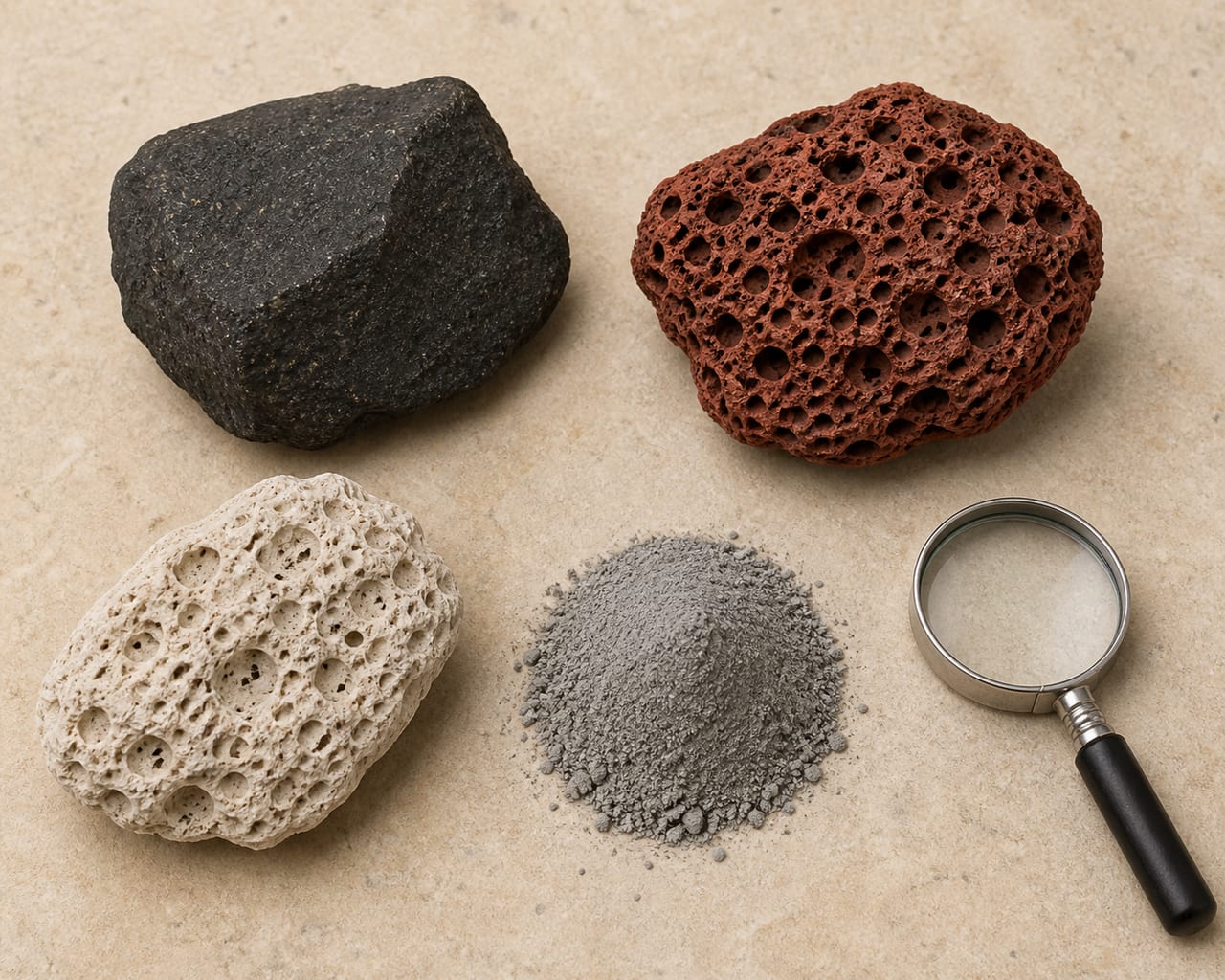
Rocks and volcanic materials
From magma to rock: basalt, scoria, pyroclasts, tubes and dikes as keys to reading each island’s history.
Explore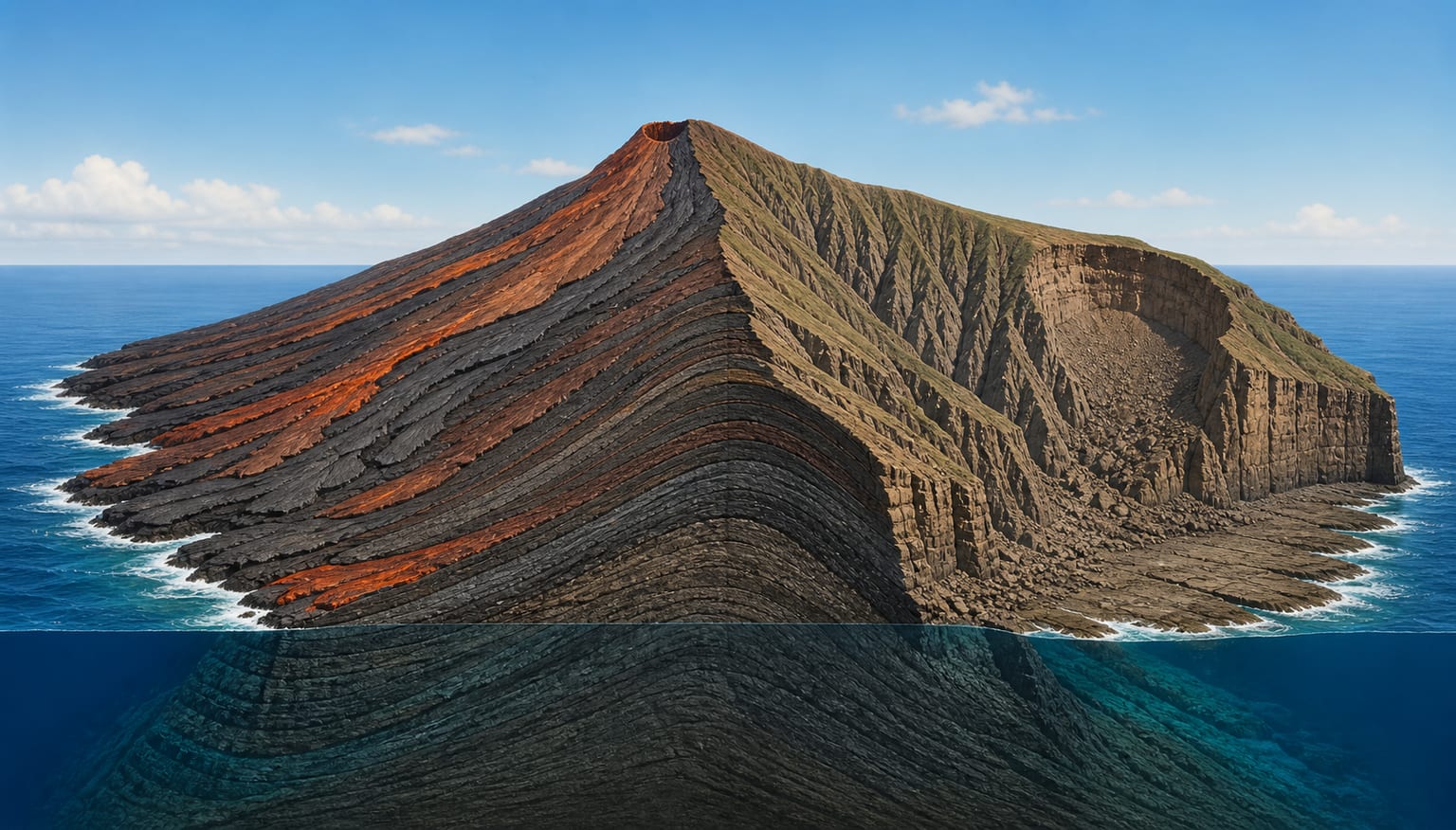
Relief, erosion and large landslides
Volcanic construction and erosional dismantling: ravines, cliffs, valleys and collapses that sculpt the present landscape.
Explore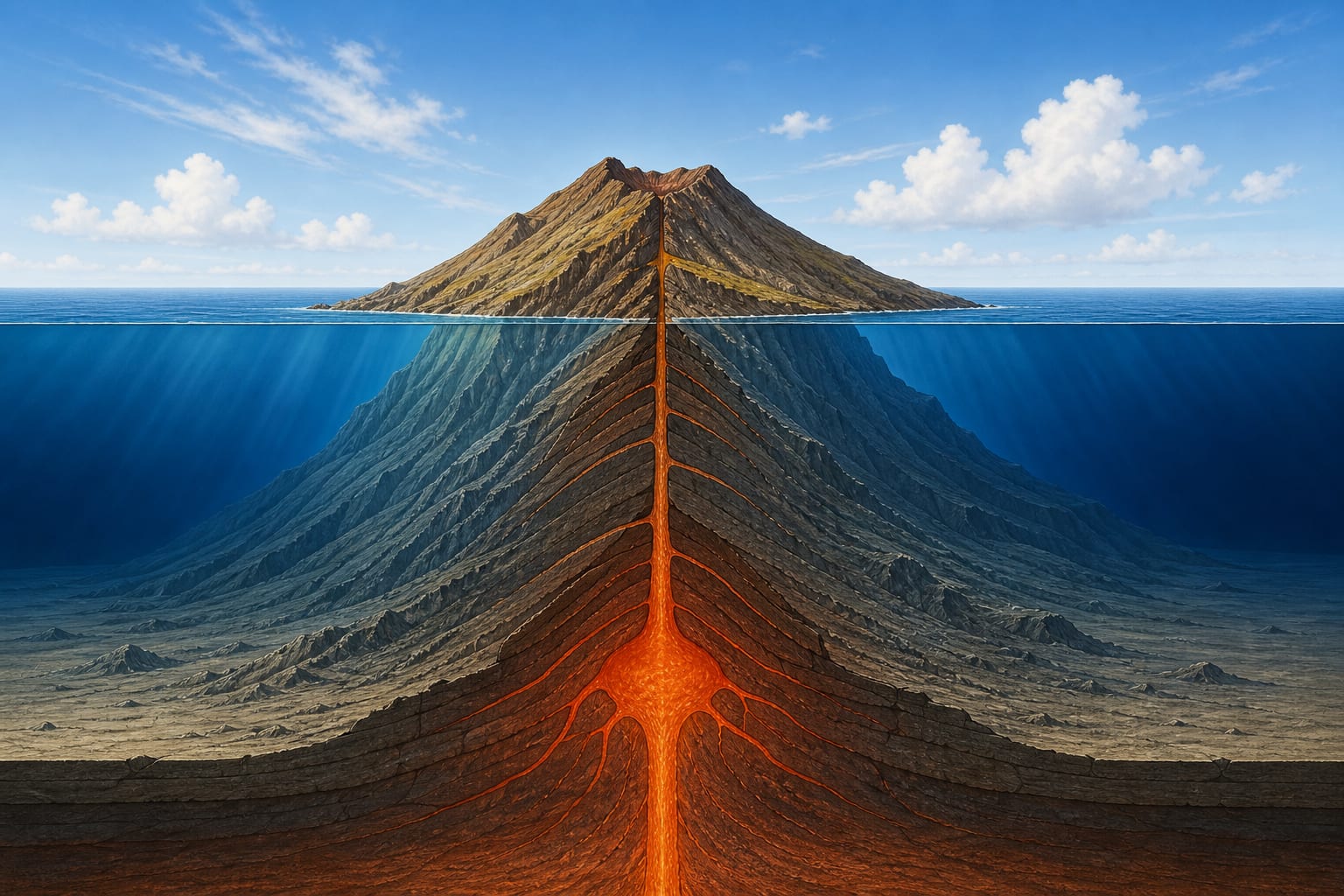
Submarine geology
Most of each Canarian edifice remains beneath the sea: platforms, submarine slopes, seamounts and lava flows that only bathymetry and geophysics reveal.
Explore
Volcanic hazards and monitoring
Distinguishing hazard, exposure, vulnerability and risk to monitor the Canarian volcanoes with dated data and official protocols.
Explore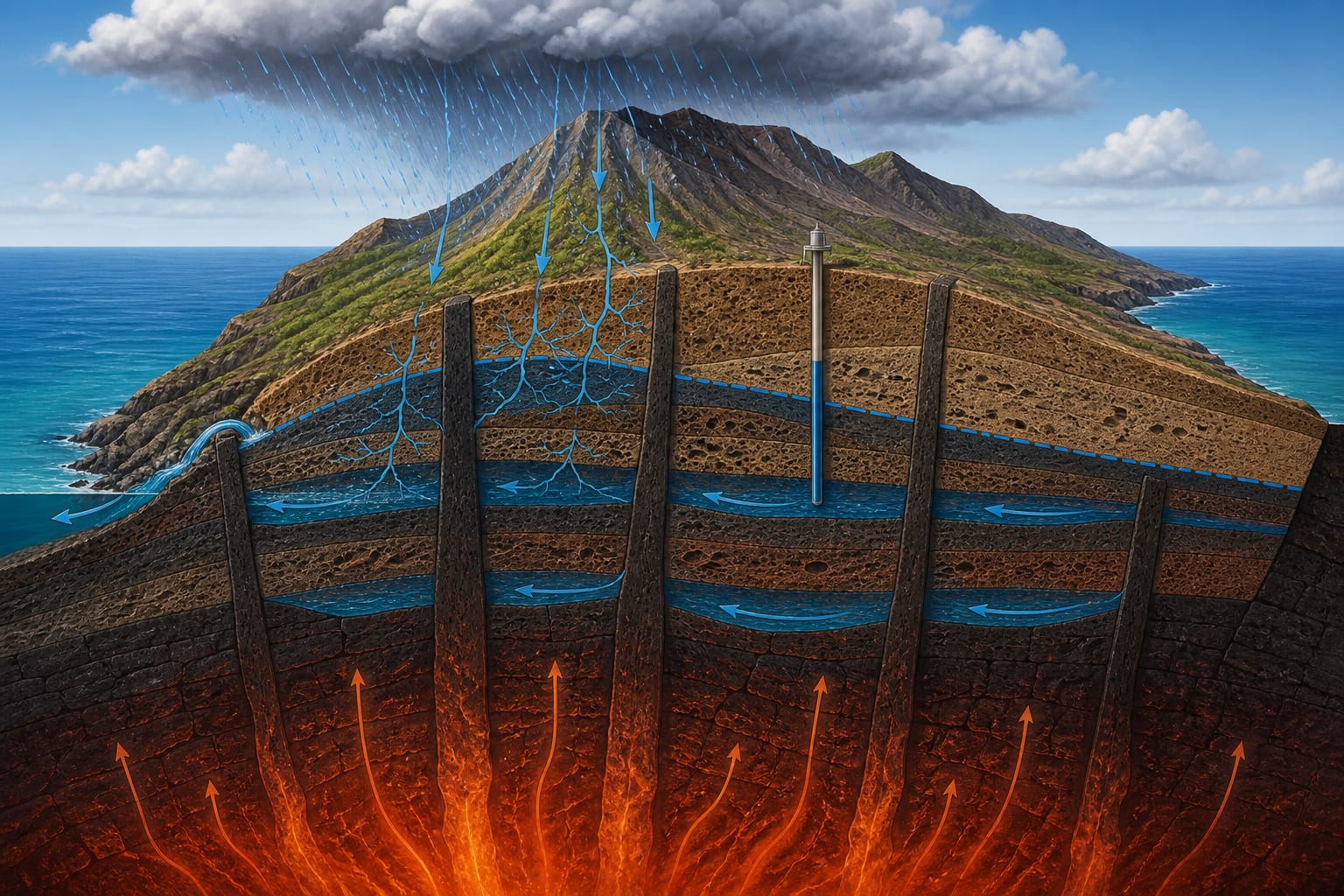
Hydrogeology, aquifers and geothermal energy
How water circulates in volcanic terrains, which aquifers feed the islands and what geothermal potential lies in their depths.
ExploreRelated reading
Archive articles that expand the geology from rifts, the sea and water.
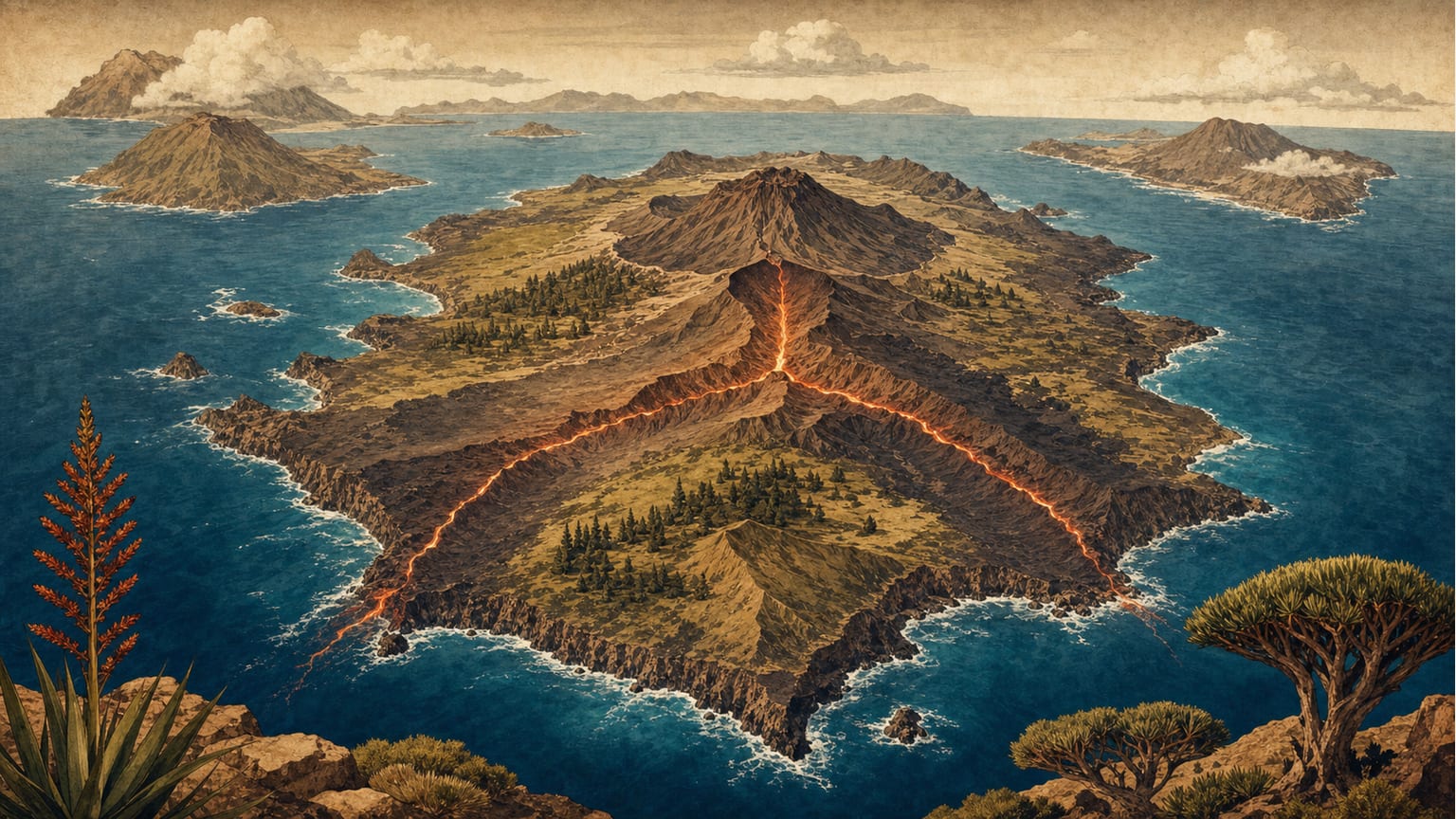
Triple rifts: the hidden key to volcanic evolution in the Canary Islands
Triple rifts, star-shaped geological structures, control the growth and volcanic activity of the Canary Islands and explain many of their natural hazards.
Read more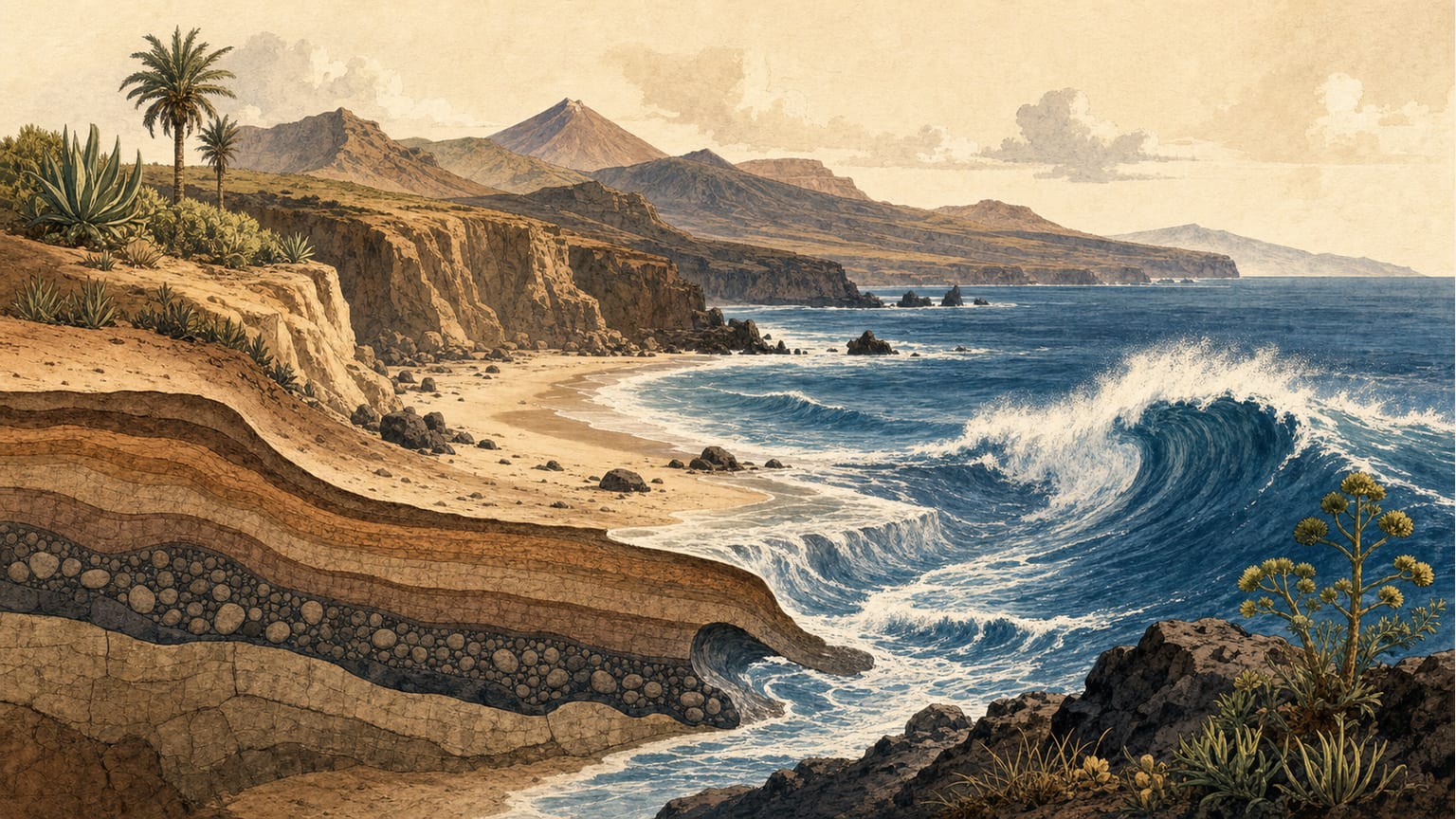
How the Sea Shapes the Canary Islands: Erosion, Cliffs, and Beaches
The sea is the main force shaping the Canary Islands' coasts, responsible for both erosion and the creation of beaches and cliffs. Discover how waves and currents have sculpted the archipelago's unique shorelines.
Read more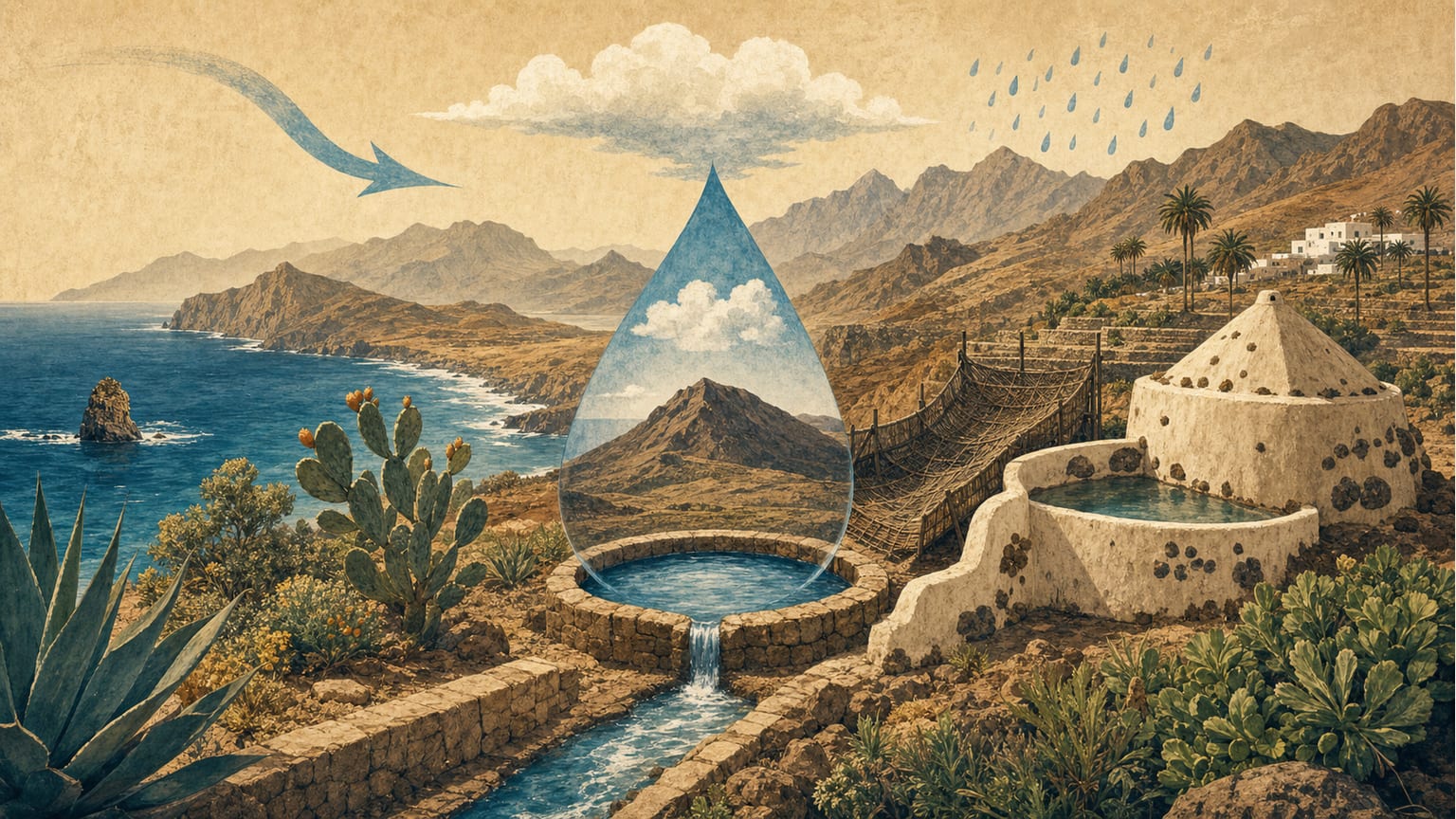
Water in the Canary Islands: resources, management, and challenges
Water is a limited and essential resource in the Canary Islands. This article examines its origins, management strategies, and the challenges of its use.
Read more