

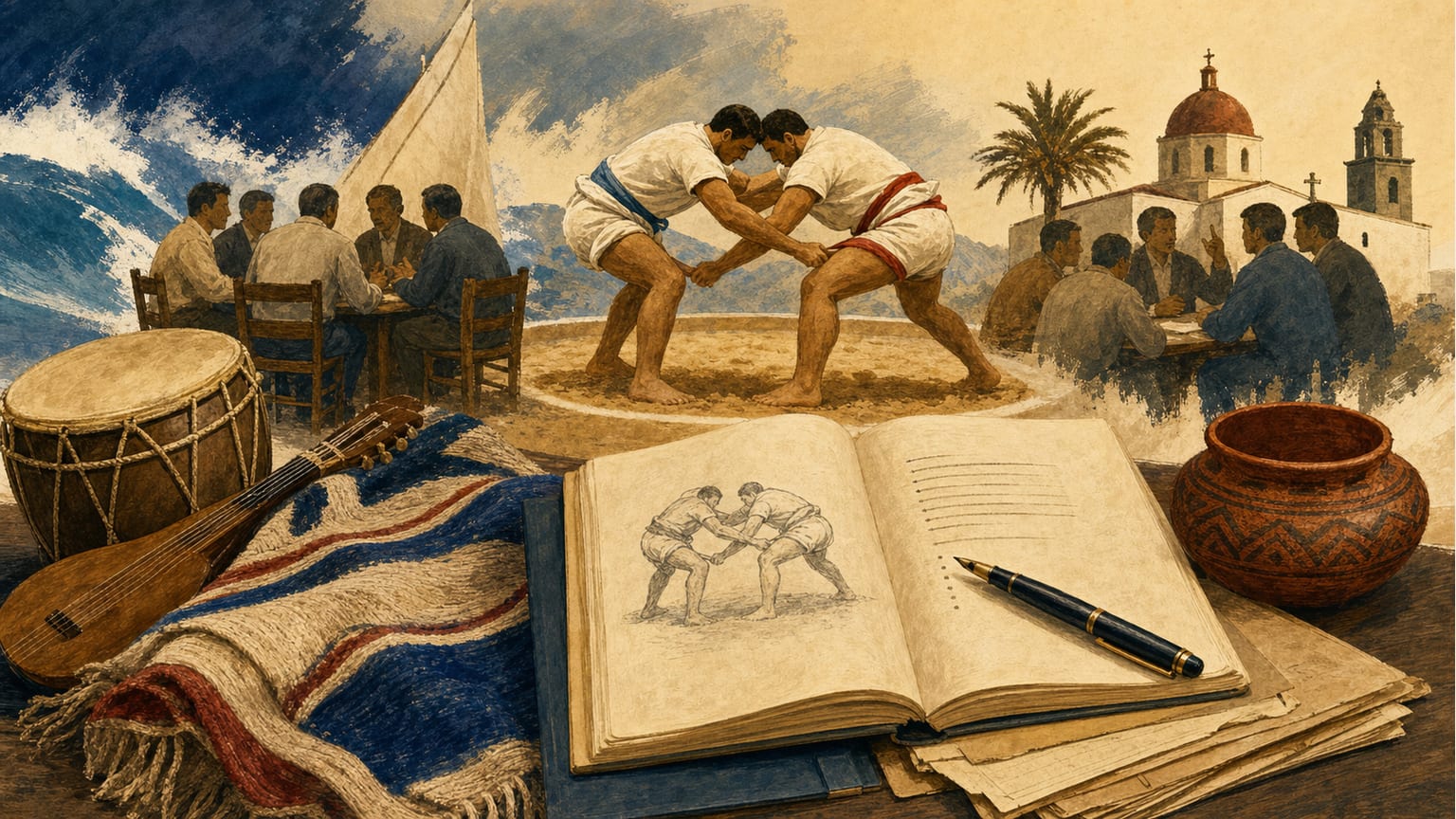
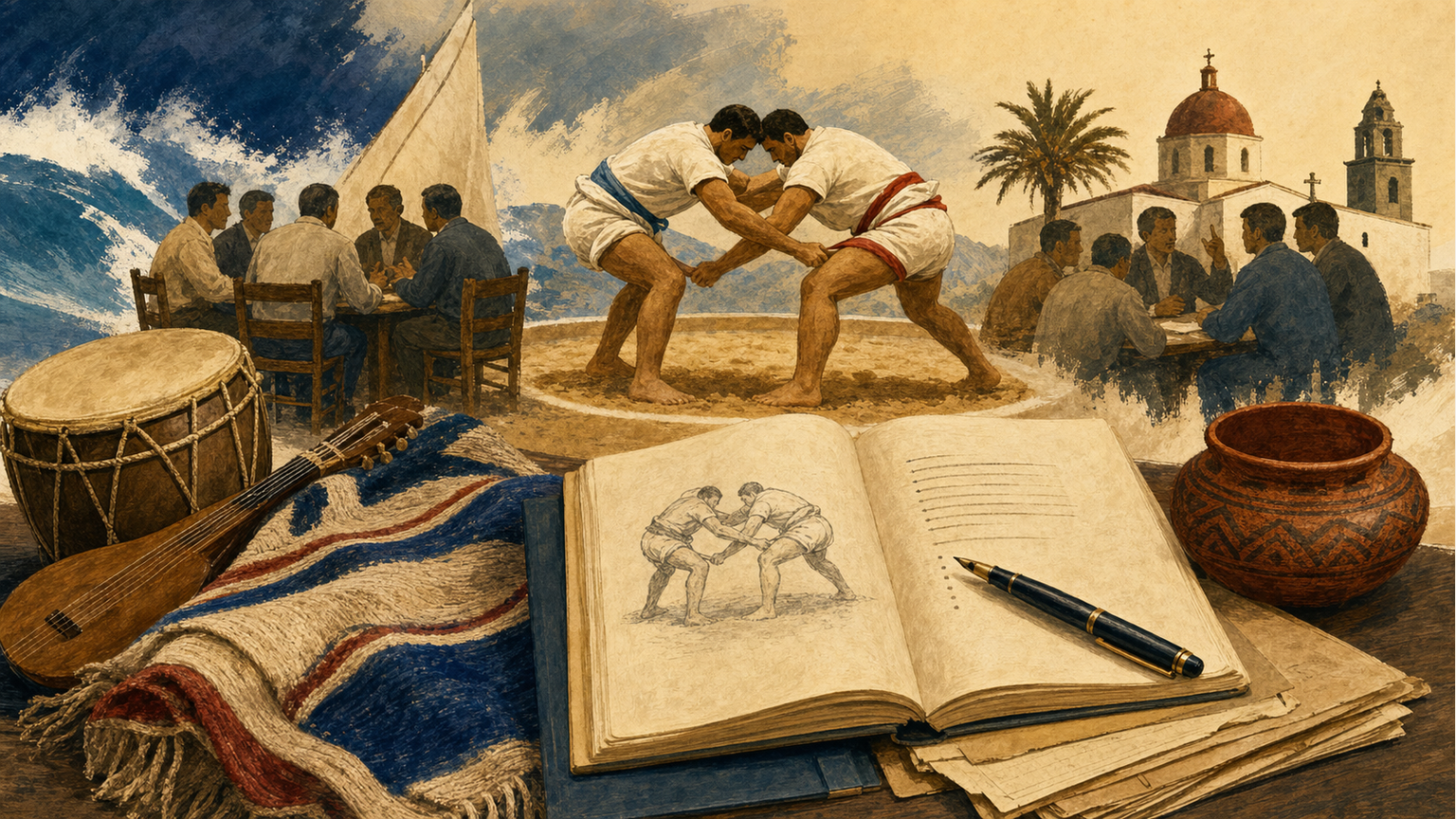
Canarian wrestling, a sport deeply rooted in the archipelago, was governed for centuries by custom and occasional decisions rather than a formal set of technical rules[1]. According to Antonio Ayala, it was not until 1957 that a formal regulation was proposed to unify the sport’s rules[1].
The initiative for a technical regulation began when Luis Doreste Silva, upon assuming the presidency of the Las Palmas Federation, made his acceptance conditional on the national approval of a Technical Regulation. This document needed to be recognized by the Spanish Federation and serve as the foundation for organizing and disciplining Canarian wrestling[1].
The drafting and approval process was marked by intense debates between the federations of Las Palmas and Tenerife, each defending its own customs and practices. Ayala recounts that after the resignation of a police inspector who had served as president, wrestling in Las Palmas lacked federative control for two years, until efforts to regulate the sport resumed in 1957[1].
In August 1957, representatives from both island federations and the Spanish Federation met in Las Palmas’ Gabinete Literario to discuss the insular regulations. The meeting lasted all night but failed to reach a definitive agreement on unifying the rules[1].
Key differences centered on technical aspects such as how to decide draws, the definition of falls, and the organization of wrestling grounds. For example, the Tenerife federation proposed articles that, according to Ayala, did not fit the traditional spirit of Canarian wrestling, such as declaring a wrestler victorious without a fall, which the Las Palmas delegation rejected[1].
Ayala notes that after several exchanges of letters and meetings, the Spanish Federation pressed for a resolution, even suggesting approval of the most recent regulation with mutually acceptable amendments[1]. The deadlock continued until October 1960, when a unified regulation was finally approved, respecting the essence of Canarian wrestling and simplifying the rules for wrestlers and fans[1].
According to Ayala, the approval of this first Technical Regulation was a fundamental step in the modern organization of Canarian wrestling, though the process was marked by resistance to change and a strong defense of insular traditions[1].