

There is a geographical paradox that deserves more attention than it receives, but in what sense? Some of Latin America’s most recognisable cities —Havana, Lima, Cartagena de Indias, San Juan de Puerto Rico— have an original model that is not in continental Europe, but on an Atlantic island of barely one hundred square kilometres.
It is called San Cristóbal de La Laguna, it is in Tenerife, and most people who have walked its streets, and listened to the stories told about them, do not know that they were, in a sense, repeating a route five hundred years old.
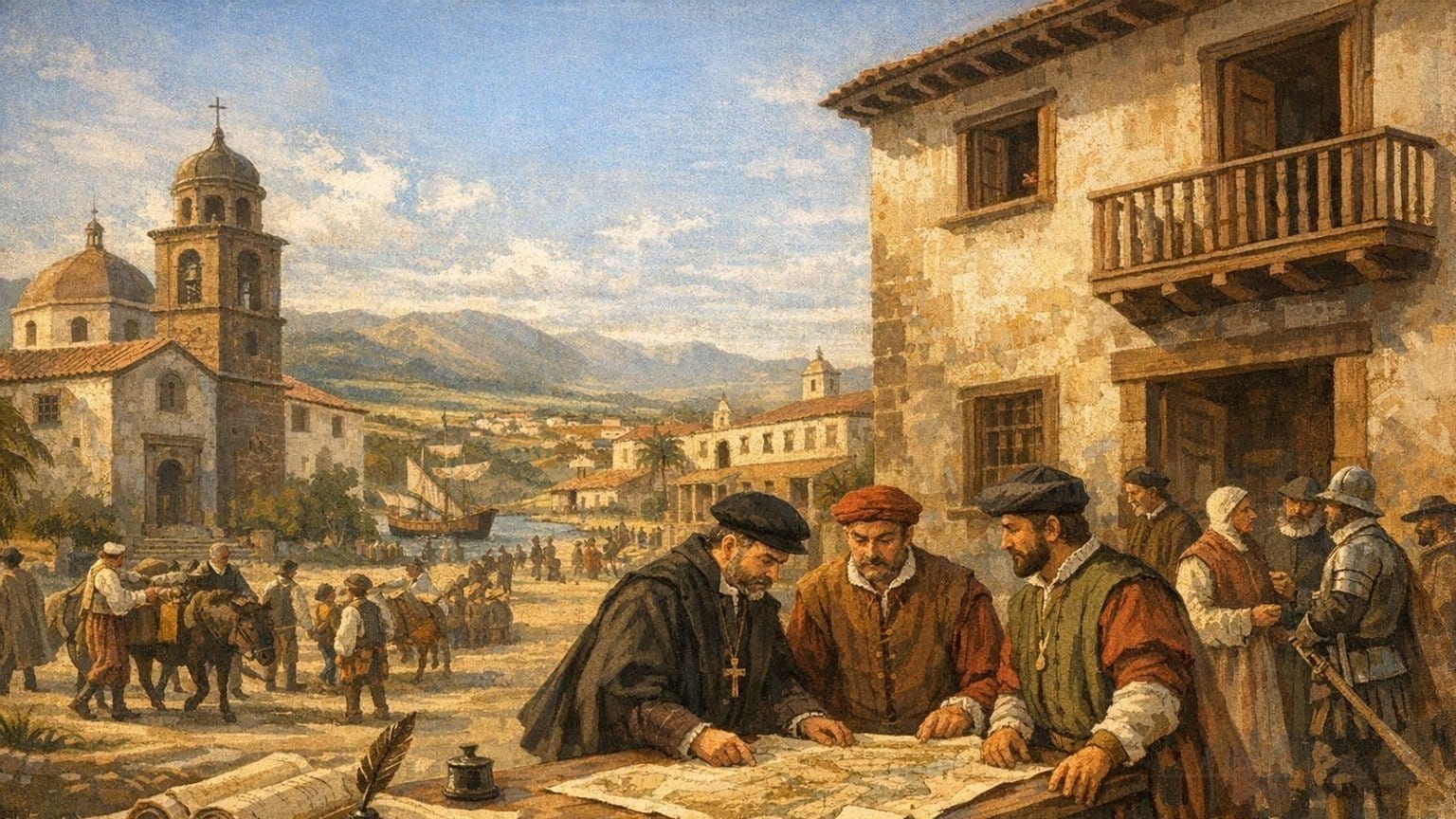
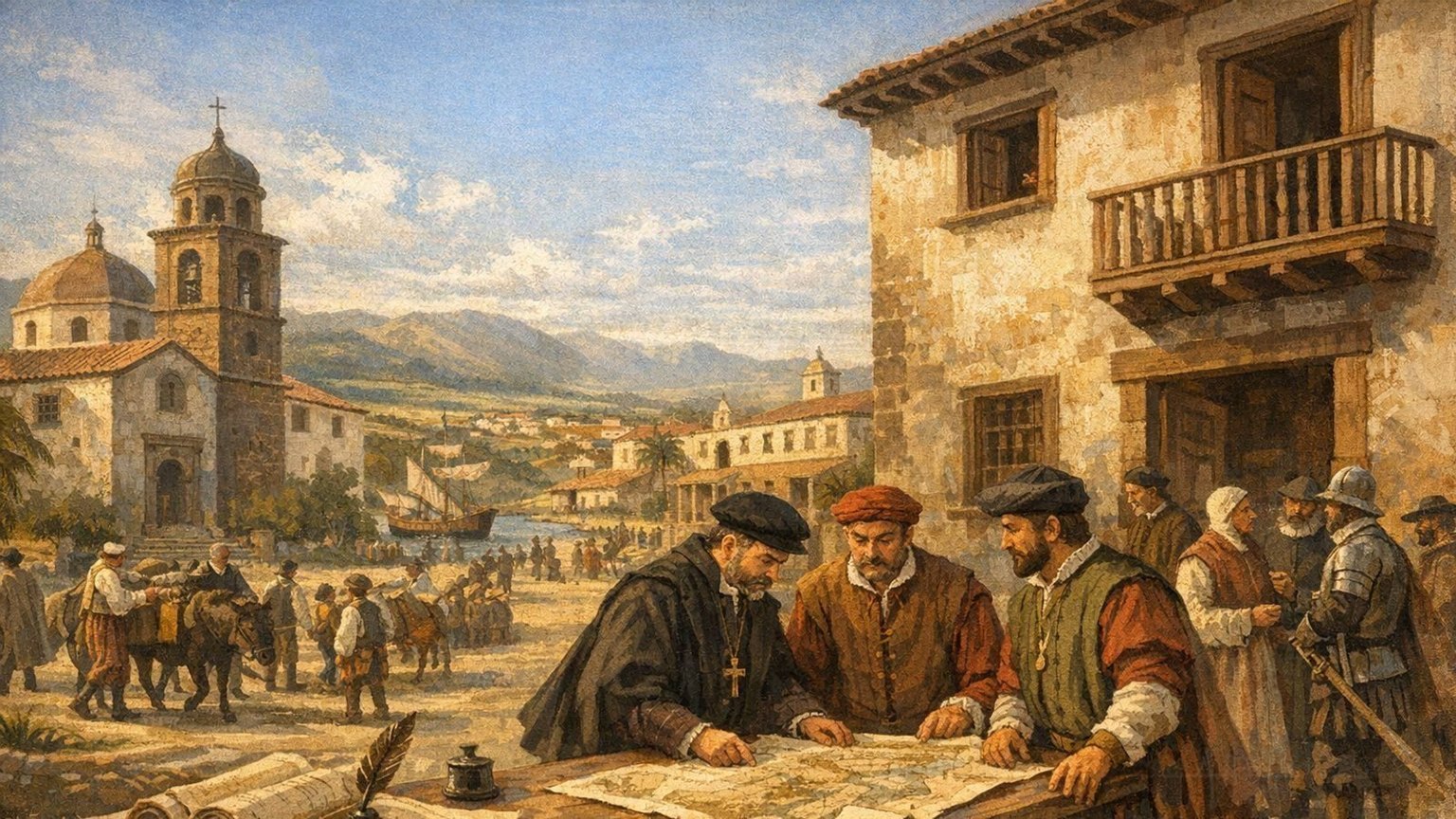
La Laguna was founded in 1497, just after the conquest of Tenerife. The adelantado Alonso Fernández de Lugo, charged with building the new capital, made a decision that at the time was almost scandalous: he would not raise walls. In the fifteenth century, when every reasonably important city protected itself with stone and moat, La Laguna was born open. Straight streets, regular blocks, a central square from which civil and religious power radiated, houses of moderate height so that air and light could circulate. A Renaissance and different urban experiment, put into practice in the Atlantic before the Renaissance had fully reached many corners of Europe.
What followed is almost logical, seen in retrospect. The ships leaving for America passed through the Canary Islands —the islands were the last stop before the great ocean crossing— and their crews, administrators and architects knew La Laguna well. When the Spanish Empire needed to found cities in the New World, it had at hand a model that had already worked: the orthogonal grid, the city without walls, public space as the axis of collective life. Havana, Lima, Cartagena de Indias and San Juan de Puerto Rico were created in the image and likeness of San Cristóbal de La Laguna.
La Laguna is, according to the City Council itself, the first example of an unfortified city-territory of its time, built according to a model inspired by navigation and the science of the period, and exported to the new settlements of America during the sixteenth century. In fact, UNESCO recognised this in 1999, declaring it a World Heritage Site. The official criterion speaks of “outstanding universal value as an urban design”. Which is usually the academic way of saying that someone did something brilliant before anyone called it that.
Today La Laguna lives with its own historical weight without too much drama. The facades of its stately houses, the inner courtyards full of vegetation and the elaborate balconies of carved wood clearly recall American cities —or rather the other way round, although visual habit deceives us. Through its streets pass students from the oldest university in the Canary Islands, tourists who have come down from Teide, and residents who buy bread on the same corners as always. The city has not been preserved in formaldehyde: it remains a living place, with bars, bookshops, concerts at the Teatro Leal and that mix of generations that only university cities have.
Perhaps that is the most curious thing of all. That La Laguna does not need to claim itself as the cradle of anything. The influence has already happened, it is in the plans of half of America, and the city simply remains there, with its open streets and without walls, just like the first day, from the date of its birth.