

Artisanal Fishing and the Blue Economy in La Gomera, El Hierro, and Tenerife
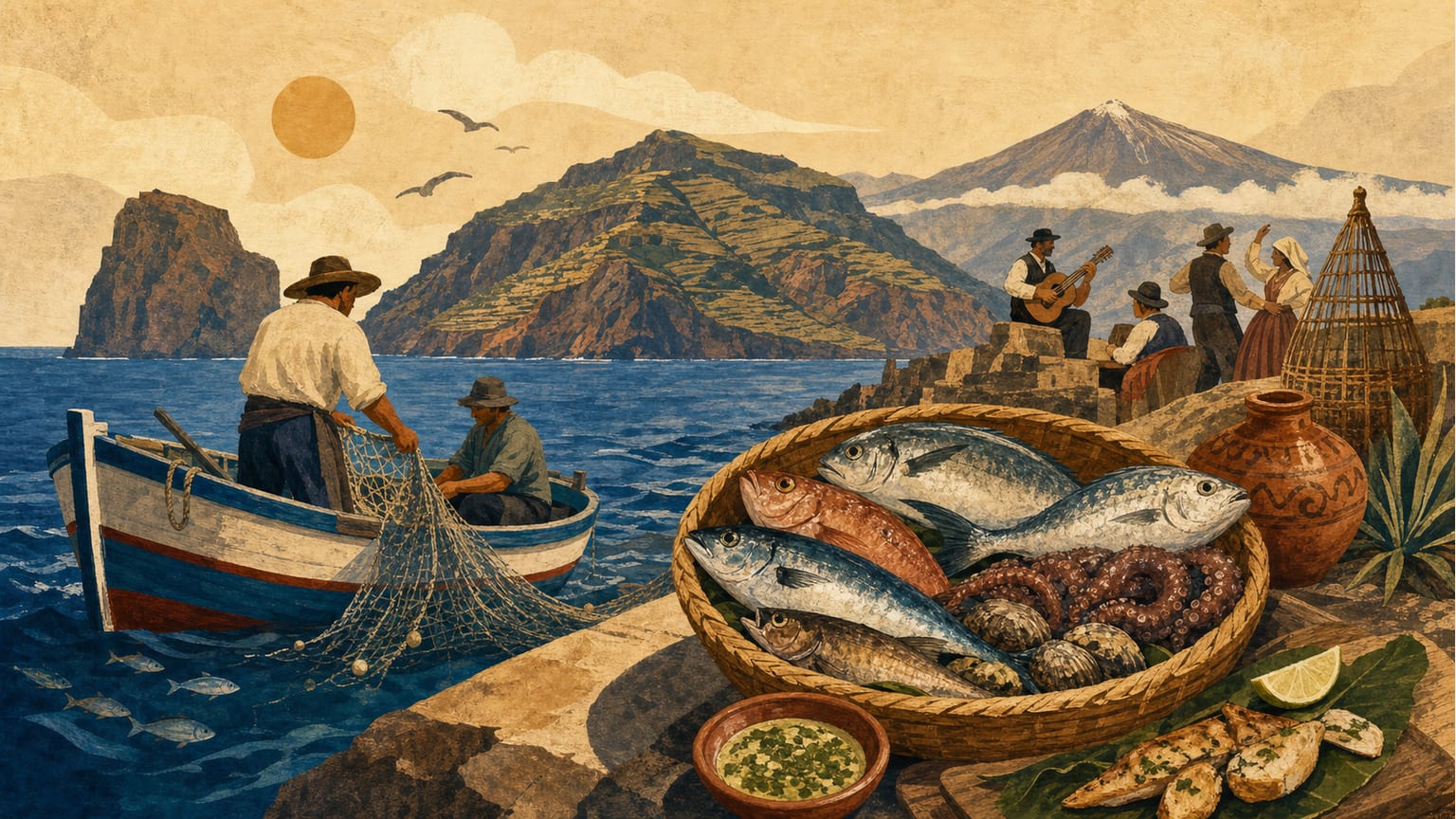
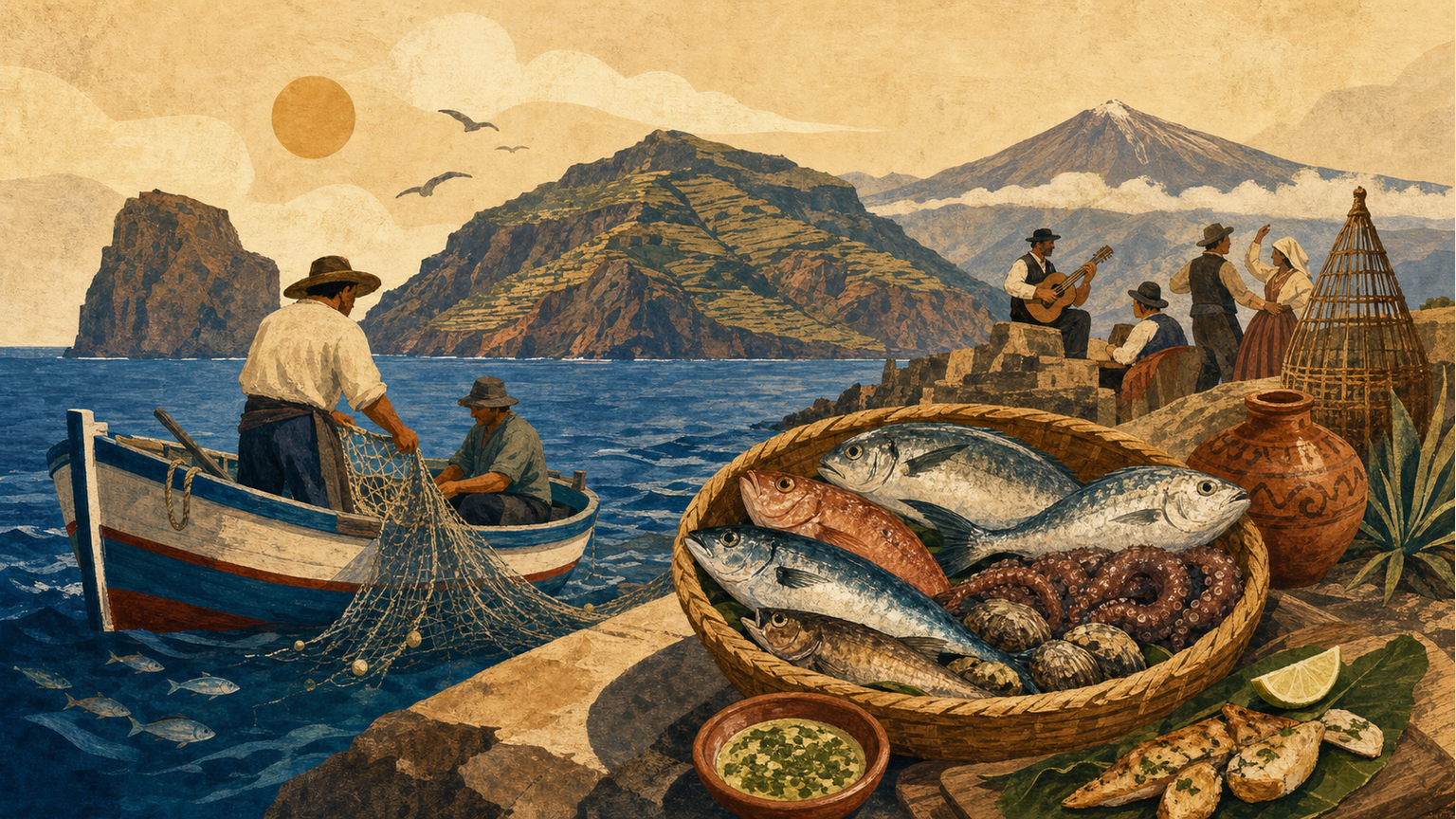
Artisanal fishing has played a fundamental role in the history and culture of La Gomera, El Hierro, and Tenerife, serving as a cornerstone of the local economy and the gastronomic identity of the Canary Islands[1]. Initially, fishing was closely linked to agriculture, providing basic foodstuffs and supporting the transport of agricultural goods, but it became an autonomous sector at the end of the 19th century with the emergence of canneries and the growth of tourism[1].
In its early stages, fishing was a supplementary activity for landless laborers and sharecroppers, with consumption limited to what could be gathered through shellfishing and line fishing from the coast, especially during periods of low agricultural activity[1]. The arrival of canneries at the end of the 19th century led to the establishment of fishing communities in the south of the islands and opened up a local market with the influx of holidaymakers and tourists, consolidating the consumption of fresh and local fish in both restaurants and homes[1].
The blue economy, understood as the sustainable valorization of marine resources, finds a paradigmatic example in artisanal fishing in these islands[1]. The project “Dinamizando la economía azul: el patrimonio gastronómico marítimo de Tenerife, El Hierro y La Gomera” specifically aims to deepen the diversity of marine resources in traditional cuisine and promote responsible consumption of local products[1].
Artisanal fishing is characterized by the use of small boats and traditional gear, enabling sustainable exploitation and a low environmental impact[1]. In La Gomera, for example, the Valle Gran Rey fishermen’s guild had a fleet of 25 registered boats in 2023, while in El Hierro, the Ntra. Sra. de los Reyes guild grouped 40 boats using artisanal techniques[1]. In Tenerife, the artisanal fleet reached 235 boats, organized in 10 guilds across the island[1].
The importance of artisanal fishing lies not only in its economic contribution but also in its role in conserving marine biodiversity and transmitting traditional culinary knowledge and techniques[1]. The recipes collected in the book “Entre olas” highlight the richness of preparations based on local species and preservation methods such as salting, pickling, and oil preservation[1].
The current challenge for artisanal fishing and the blue economy in these islands is to maintain the viability of local fleets in the face of competition from imported products and pressure on marine resources[1]. Promoting the consumption of local fish, recovering traditional techniques, and raising awareness about the nutritional and cultural value of seafood are key strategies for advancing food sovereignty and a more sustainable economy[1].
The experience of La Gomera, El Hierro, and Tenerife demonstrates that artisanal fishing, far from being a thing of the past, remains a driver of economic, social, and cultural development, and an example of how the blue economy can contribute to sustainability and the appreciation of insular gastronomic heritage[1].