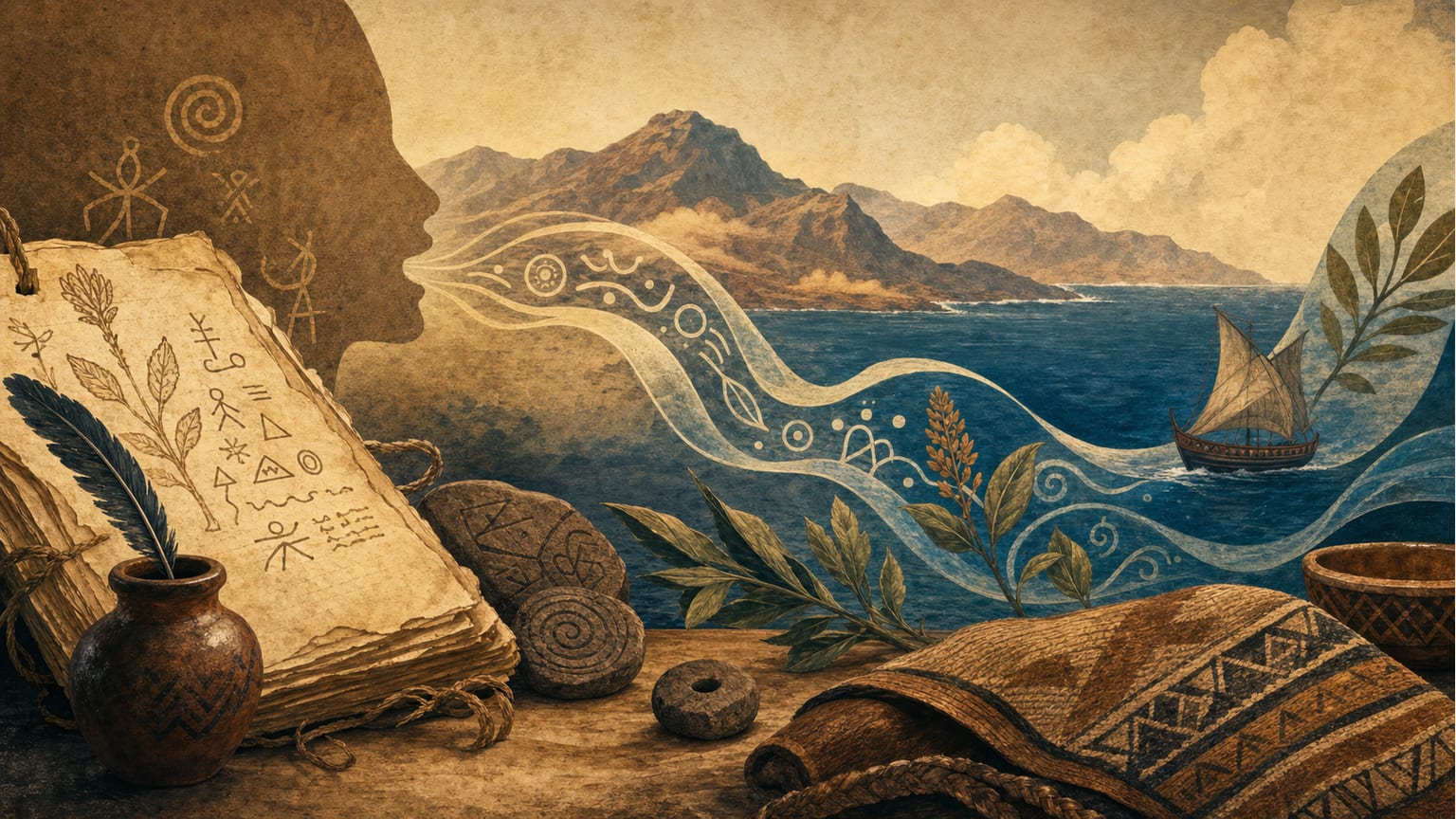
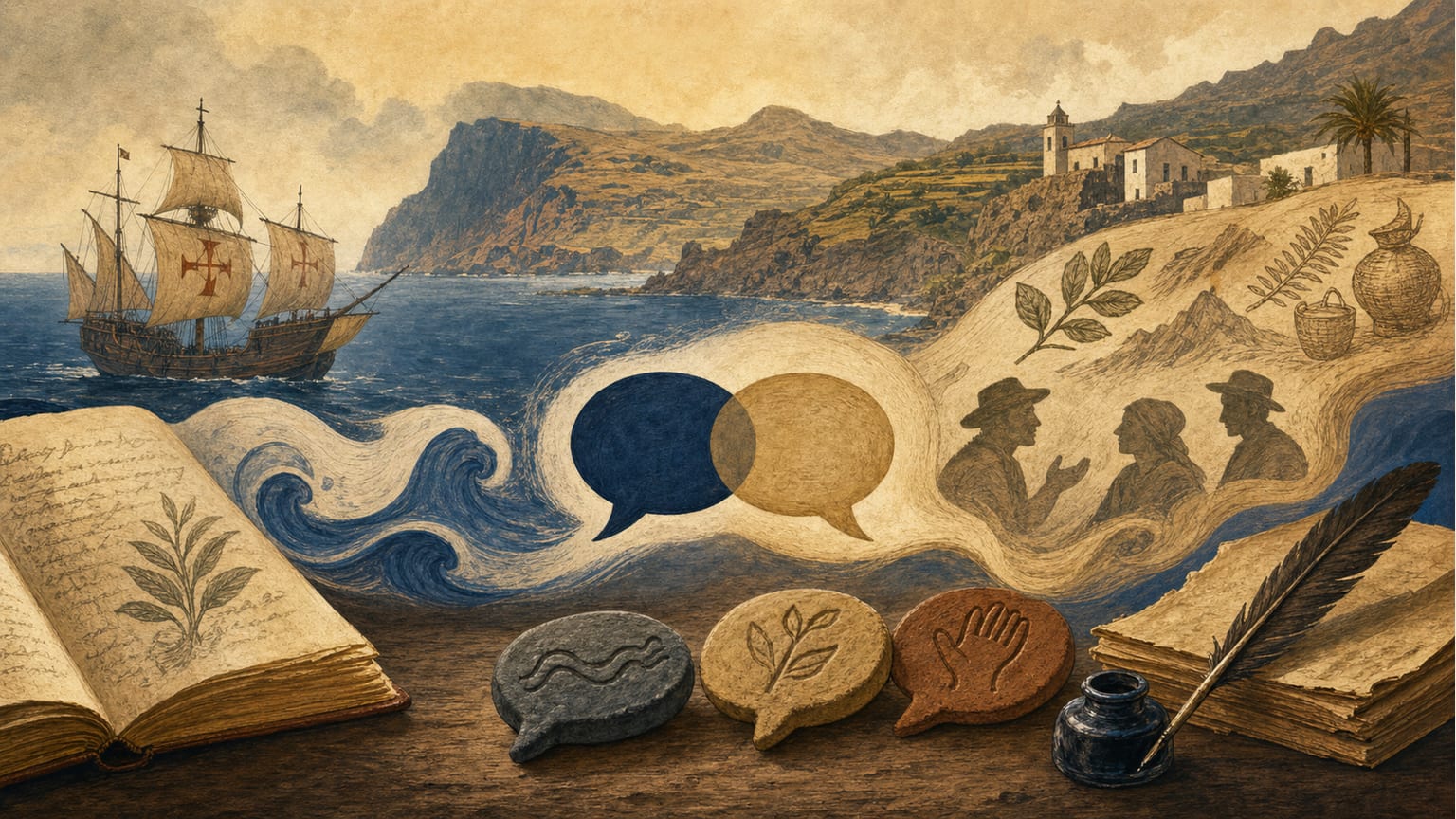
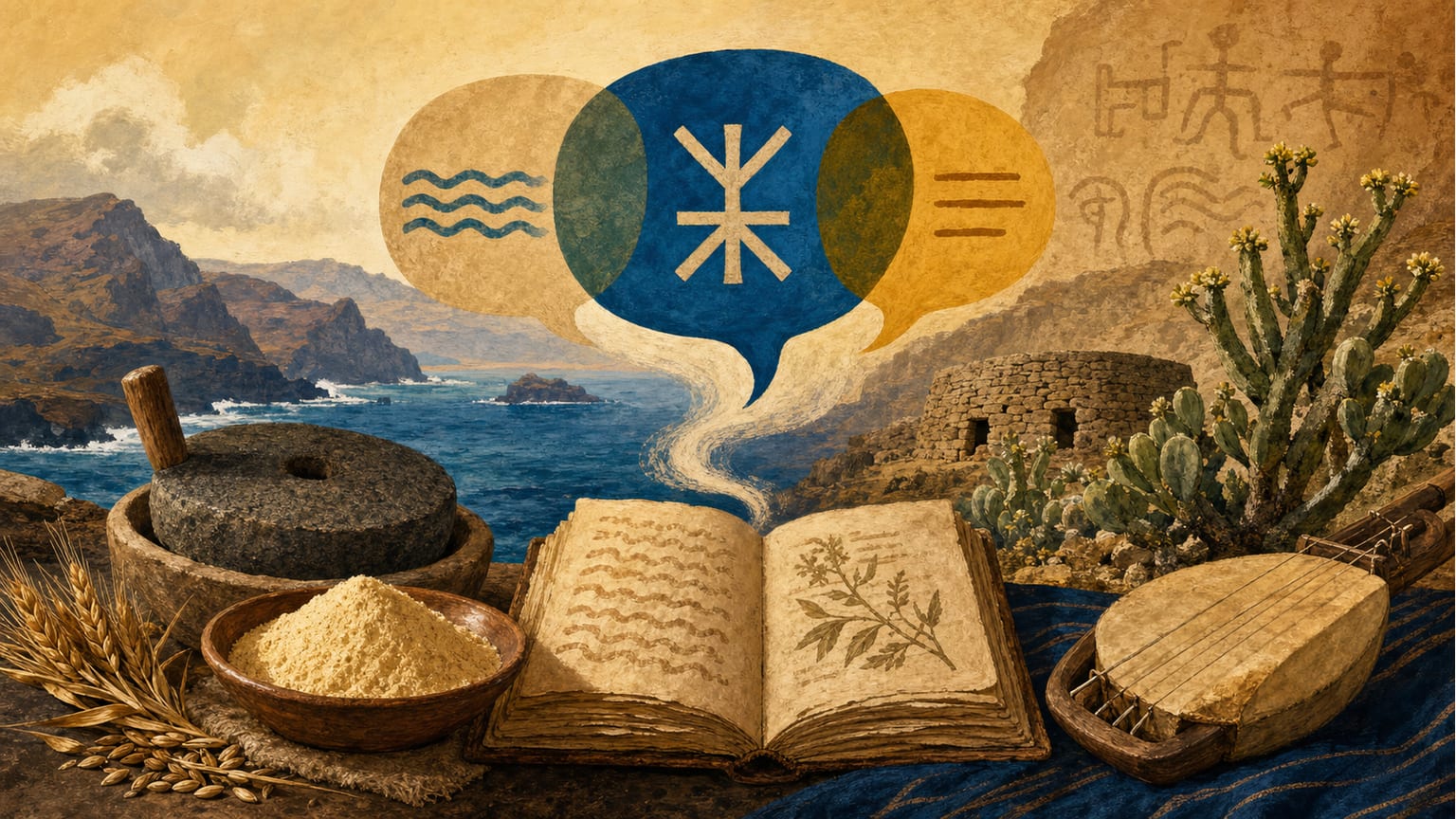
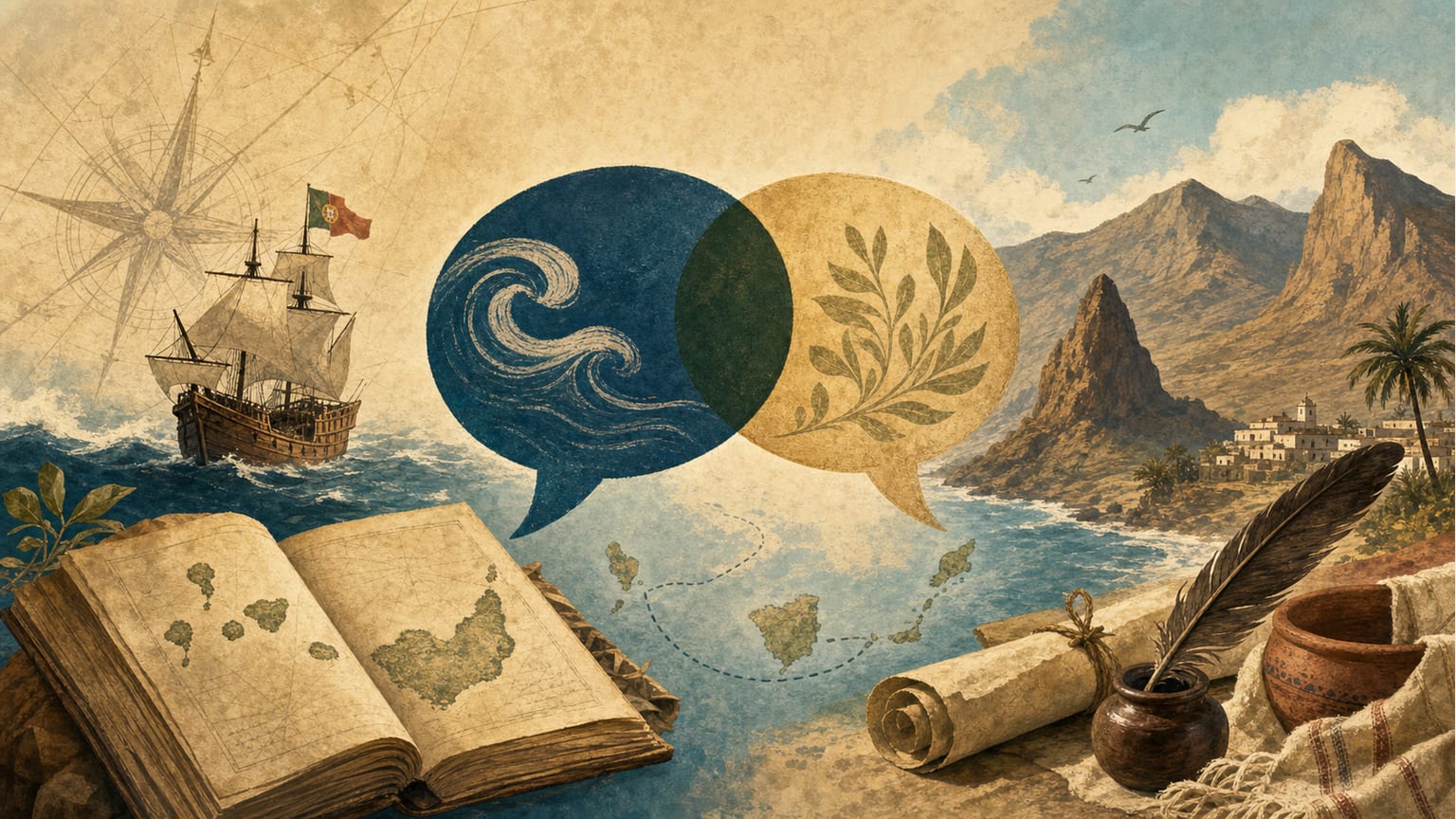
Canarian Spanish preserves numerous indigenous words, reflecting the influence of pre-Hispanic languages, especially in place names, personal names, and vocabulary related to nature and traditional culture.
This article examines the digitization process of documents by the Academia Canaria de la Lengua, outlining its methodology and the challenges encountered as described in the source.
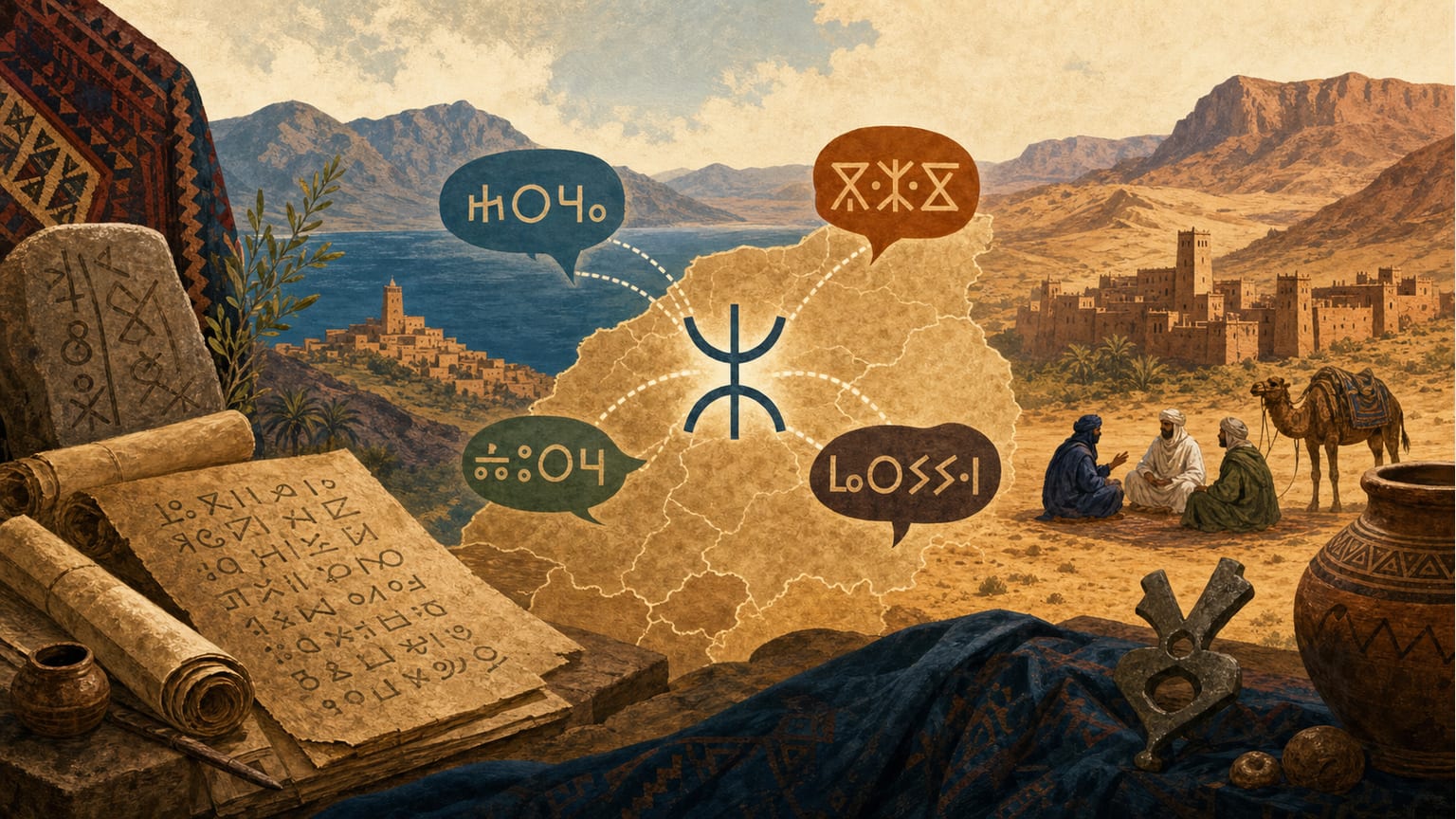
Amazigh, the language of the Imazighen, displays significant dialectal diversity across North Africa, with variants such as Riffian, Tamazigh, Tacelhit, and Tuareg Tamaceq, as detailed by GEA.
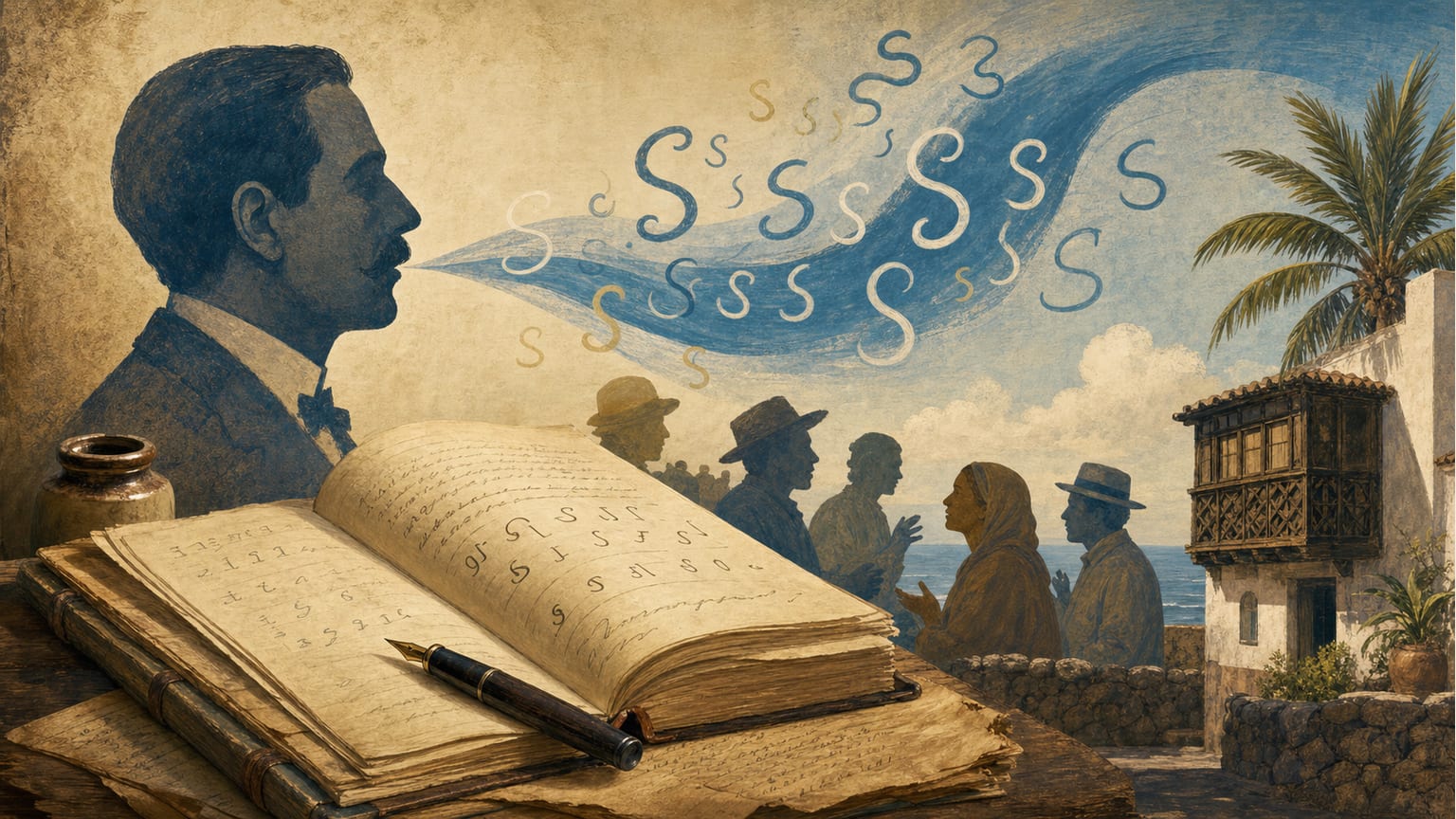
Seseo, a distinctive phonetic feature of Canarian Spanish, is thoroughly analyzed by Francisco Navarro Artiles, who documents its presence and characteristics in the islands' popular speech.
The Catalogue of Canarian Gentilics by Gonzalo Ortega Ojeda features a detailed structure and rigorous methodology for documenting and analyzing both regular and mock gentilics in the Canary Islands.
A detailed analysis of the forms and grammatical role of the definite article in the indigenous language of Tenerife, based on Crichton-Stuart's 1891 study.
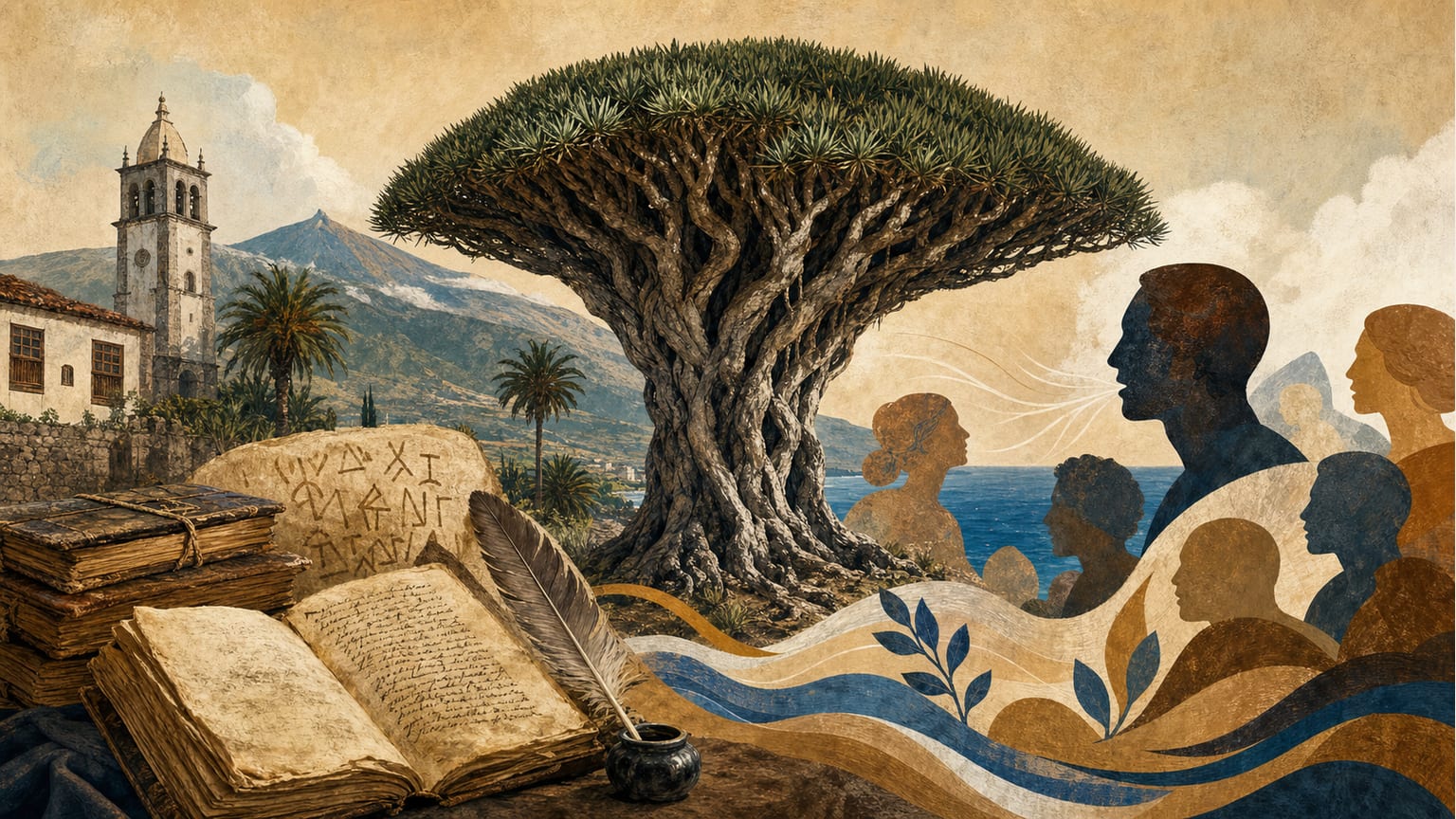
The millennial dragon tree of Icod de los Vinos, described as Spain's oldest living being according to the source, is a historical symbol and a setting for discussions about Canarian language and culture.
Gonzalo Ortega Ojeda's *Catálogo de los gentilicios canarios* analyzed the DRAE's treatment of Canarian gentilics in 2008. Eighteen years later, the DLE has corrected some of his critiques, but other omissions and nuances remain relevant.
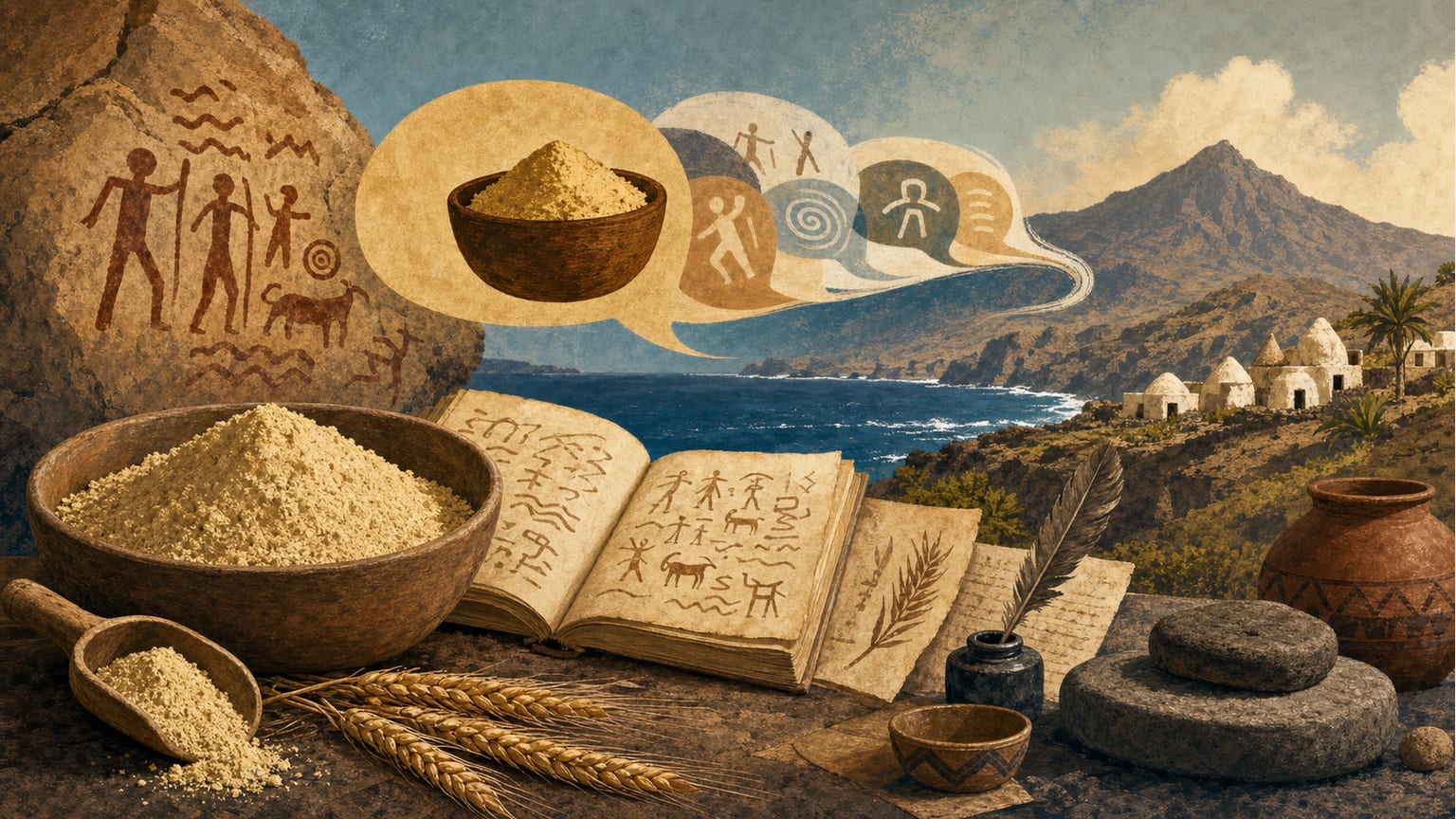
Gofio, heir to the roasted grains that fed the indigenous peoples of the Canary Islands, preserves a vocabulary of its own that reflects its cultural and social importance.
An exploration of how seseo and other phonetic features shape the Canarian popular lexicon, based on Pablo Artiles' analysis of Gran Canaria's vernacular expressions.
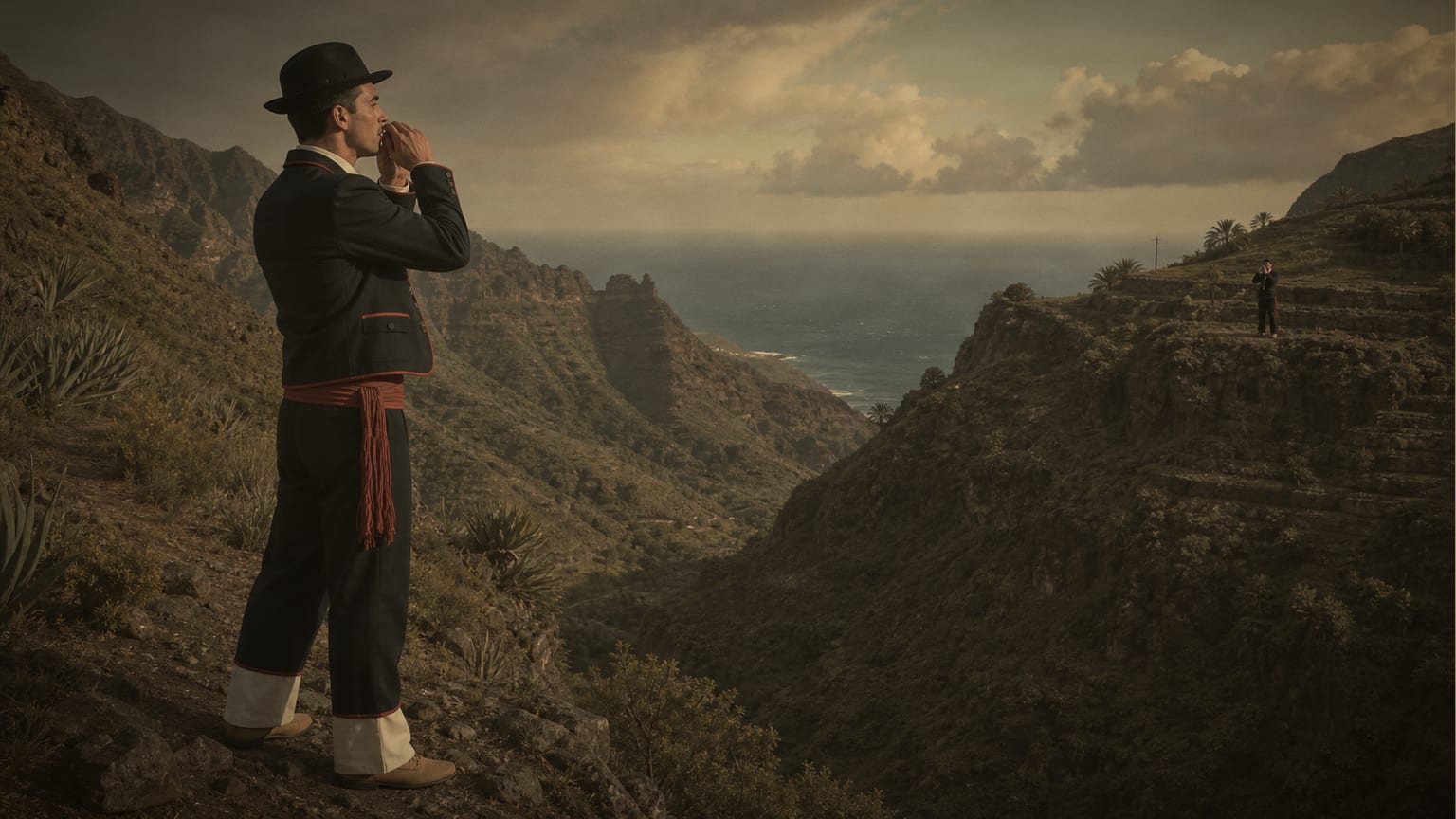
Silbo Gomero is one of the world's most singular linguistic phenomena: a whistled communication system that carries messages across the deep ravines and mountains of La Gomera.
Oral tradition preserves words and place names of Guanche origin. Trapero proposes studying them alongside written evidence, taking their transformations into account.
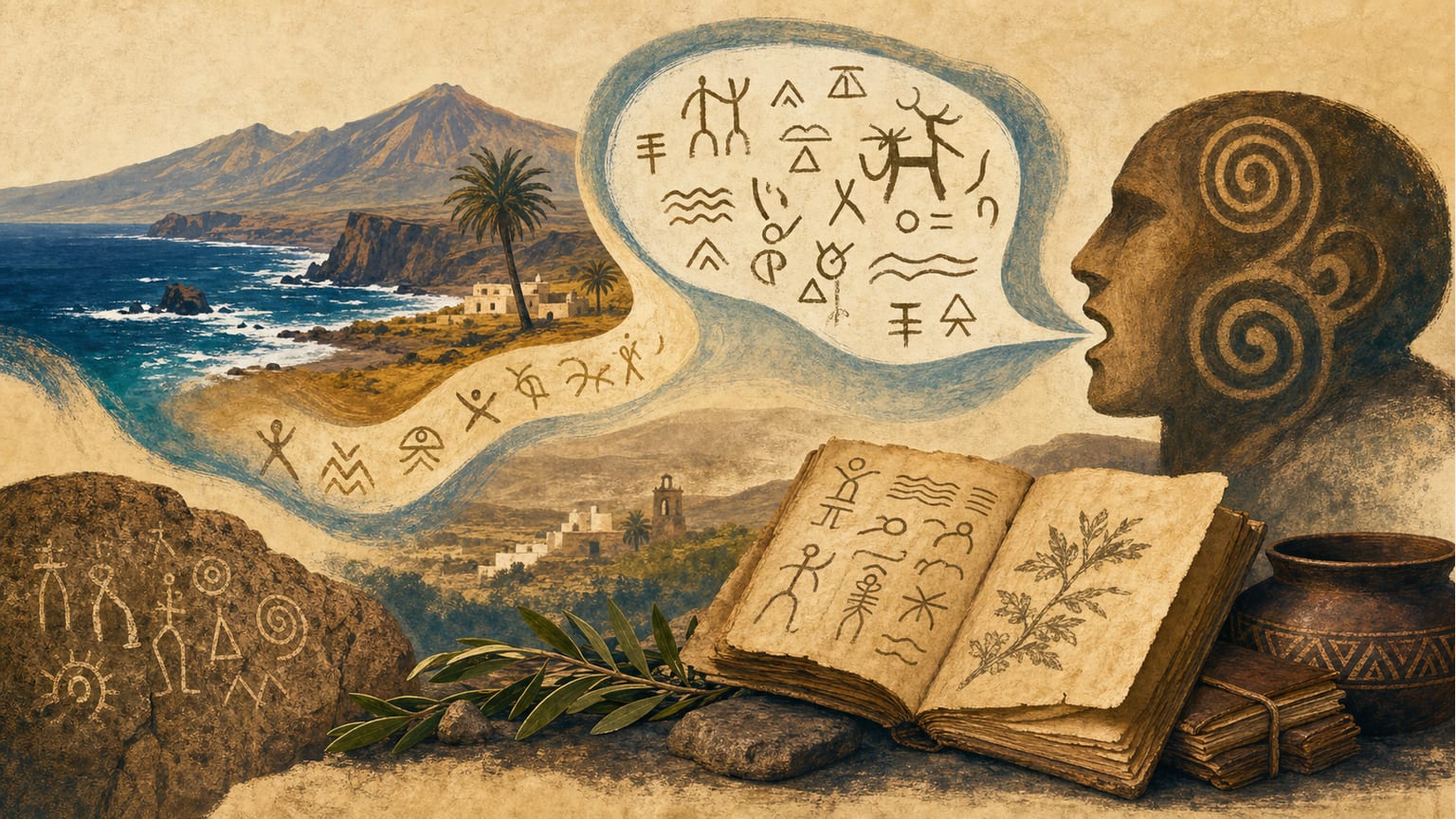
A comparative study of El Hierro and Lanzarote inscriptions reveals a striking homogeneity in the Libyco-Berber alphabet, challenging the idea of multiple scripts in the Canary Islands.
The word amolán, referring to a healing butter made from goat or sheep milk, is a linguistic remnant of the aboriginal Canarian culture and a testament to the richness of the islands' livestock vocabulary.
Navarro Artiles combined speakers’ testimony, dialect word lists and documents in his lexicographical work. Vocabulario de Fuerteventura, Lienda and Teberite illustrate its different strands.
The speech of Valle Gran Rey in La Gomera is marked by unique phonetic traits, such as aspirated 'h', consonant vocalization, and the preservation of archaic forms.
Before modern dialectology, Canarian Spanish was documented through word lists, learned notes, and popular collections. This is how a local research tradition took shape.
Canarias Historia
Cookies and analytics
We use consent choice to decide whether usage analytics should be enabled. You can accept or reject analytics cookies; strictly necessary technical elements will still operate.