

The Debate on Archaism in Canarian Spanish
Throughout history, Canarian Spanish has sometimes been described as archaic, with claims that its peripheral status led to linguistic stagnation. However, according to Manuel Alvar in his “Atlas lingüístico y etnográfico de las islas Canarias: cuestionario” (1964), this hypothesis is misleading and does not withstand detailed linguistic analysis[1].
Alvar notes that Italian linguists G. Bertoni and M. G. Bartoli established that marginal regions tend to preserve older forms, but he cautions that this rule cannot be directly applied to the Canarian case. The main reason is that the Canary Islands, as a region of conquest, cannot be equated with the hereditary territories of the Iberian Peninsula. In the Canaries, traditional linguistic structures were replaced by those of the conquerors and settlers, mainly from Andalusia[1].
Alvar emphasizes that “the main expeditions for the conquest and colonization of the Canaries came from Andalusia,” and that Alfonso Fernández de Lugo, the first adelantado of Tenerife, was Andalusian and brought people from Seville and Sanlúcar. There is also documentation of people from Cádiz participating in the occupation of Gran Canaria[1].
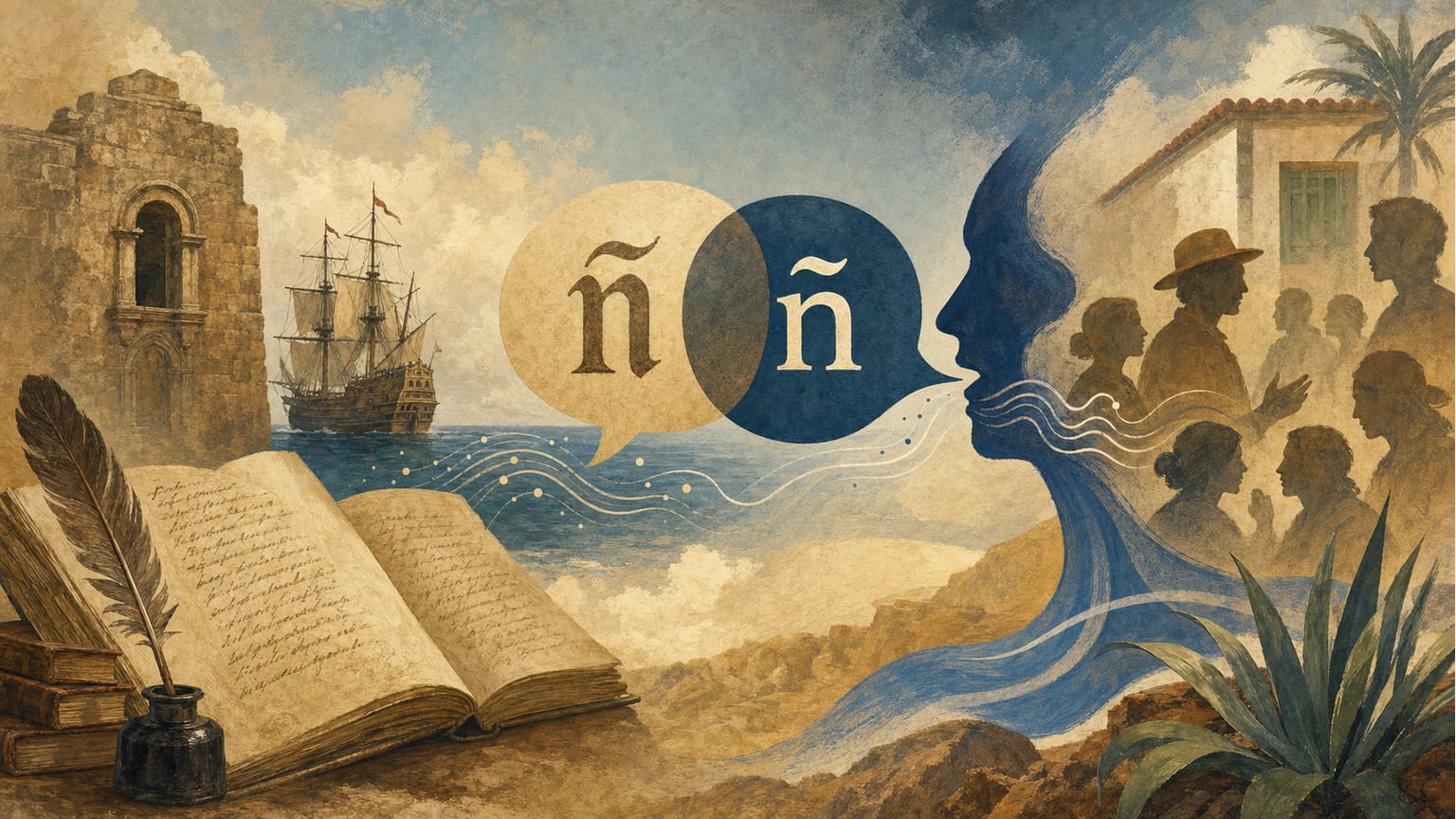
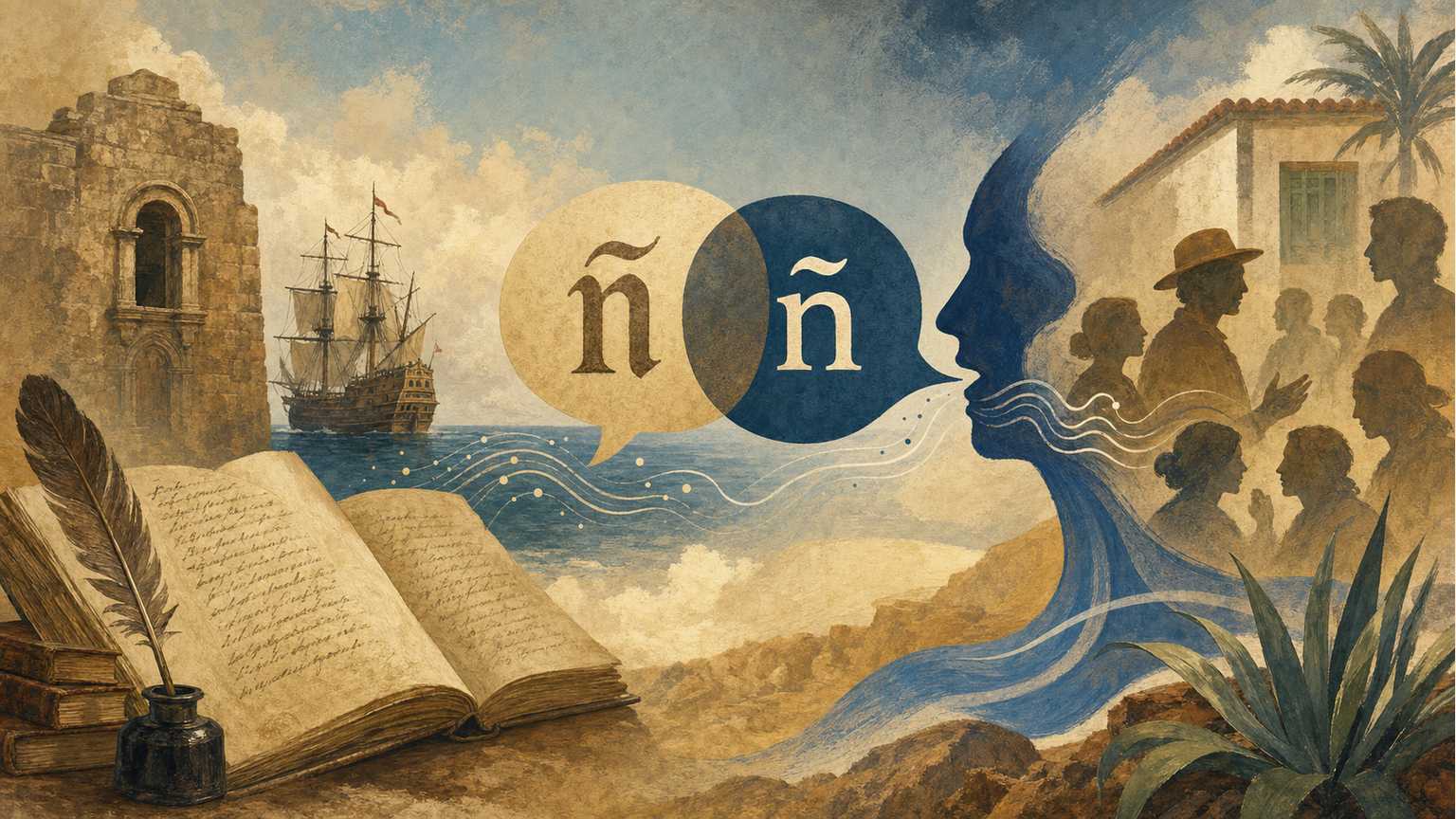
Therefore, Canarian Spanish is not an isolated dialect or a linguistic fossil, but a regional variety within the broader group of southern Hispanic dialects, with strong ties to Andalusia and Atlantic Spanish. Alvar insists that the Canary Islands cannot be simply called peripheral; since Columbus’s first voyage, the islands became a central link between the Peninsula and America, and their language reflects this position of contact and transition[1].
Regarding so-called archaisms, Alvar argues that many terms considered archaic in the Canaries (such as “aguisiar”, “antie1”, “cadenado”, “gago”, “barruntar”, “mercar”, “mesmo”) are actually regionalisms or dialectal forms also found elsewhere in the Spanish-speaking world. Their presence does not necessarily indicate linguistic stagnation[1].
In summary, according to Alvar, Canarian Spanish should be understood as a living, dynamic manifestation, the result of specific historical processes and interaction with other varieties of Spanish, especially Andalusian. The idea of a static, archaic Canarian Spanish does not match the linguistic reality documented in the archipelago[1].