

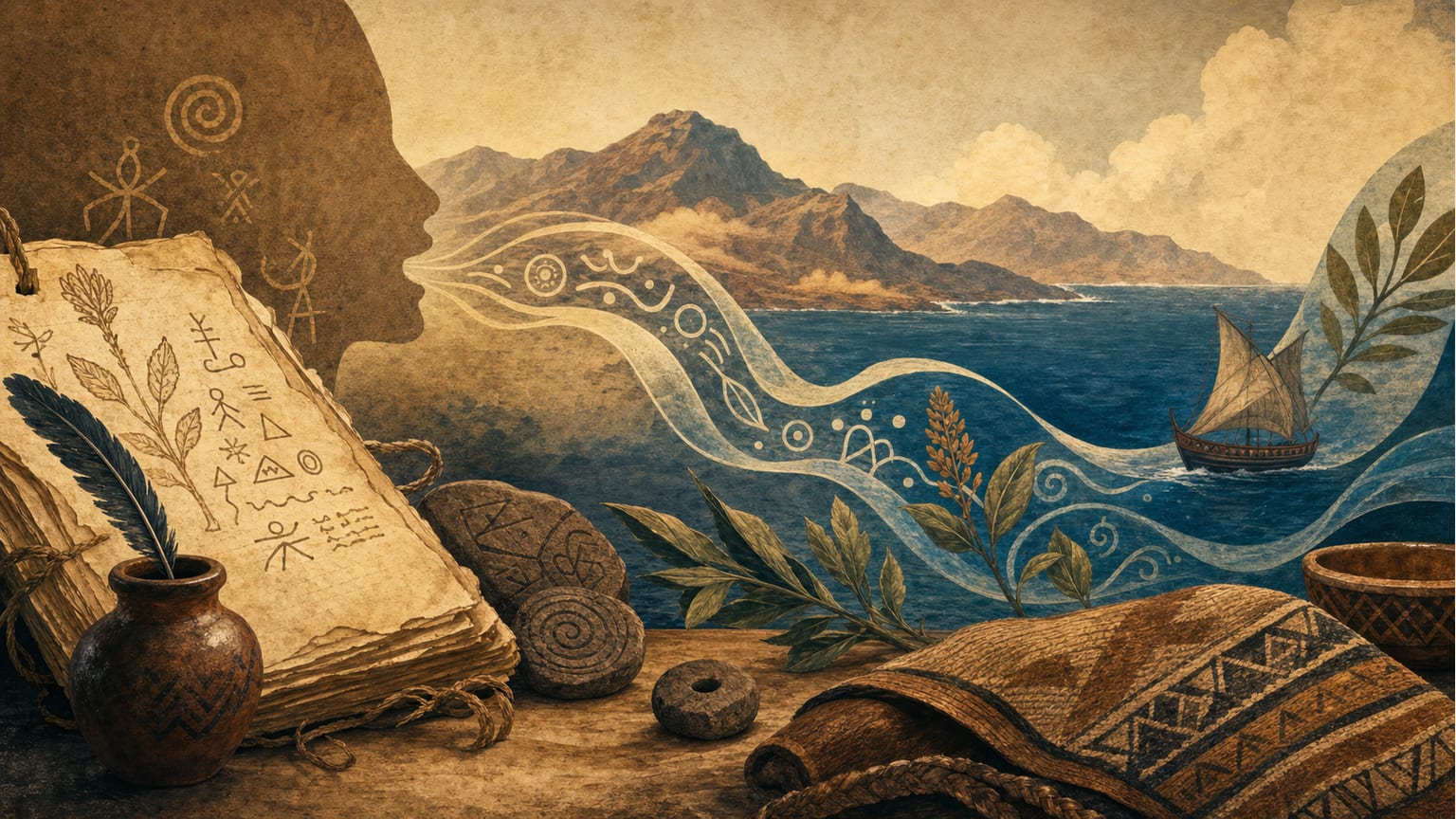
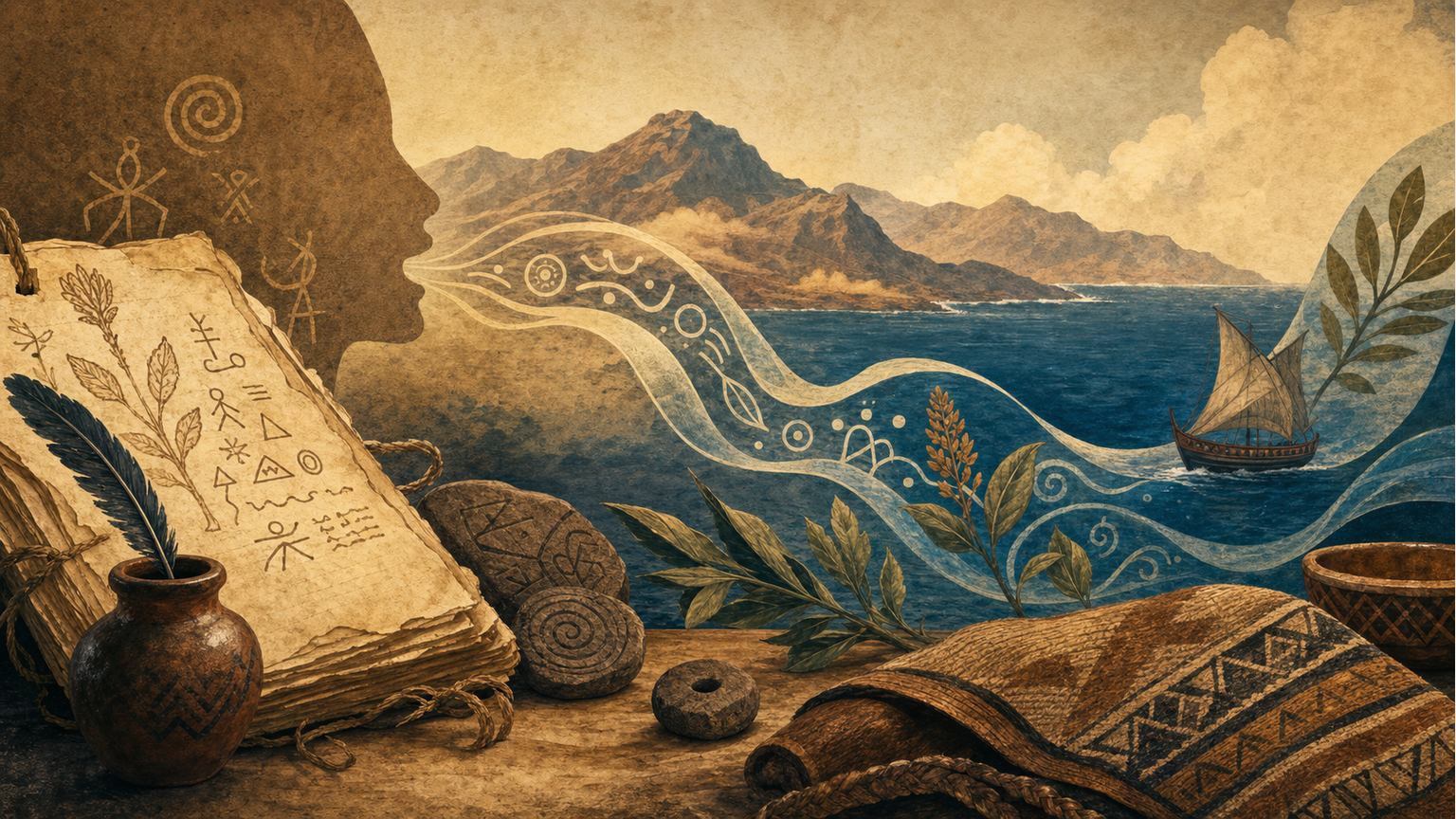
The arrival of Castilian settlers in the Canary Islands in the 15th century triggered a process of transculturation for the indigenous populations, including the replacement of their languages by Castilian. According to Dolores Corbella Díaz, this was not a convergence of linguistic systems but a drastic substitution, with indigenous influence on Canarian Spanish manifesting mainly at the lexical level and in a limited way[1].
Corbella Díaz notes that the contribution of pre-Hispanic languages to Canarian Spanish is largely restricted to areas such as toponymy and anthroponymy, as well as a selection of terms present in the islands’ plant and animal vocabulary. These indigenous words are generally denotative, used to name new geographical realities, natural elements, or specific cultural practices of the islands[1].
Examples cited by Corbella Díaz include “jameo,” “tajinaste,” “tabaiba,” “tagasaste,” “tasaigo,” “gánigo,” “gofio,” “tafeña,” “teberite,” “mago,” and “tagoror.” These words, taken from the pre-Hispanic linguistic substrate, address the need to designate elements unique to Canarian nature or social practices that lacked equivalents in Peninsular Castilian at the time[1].
The author highlights that the impact of indigenous words on Canarian Spanish is minimal compared to the influence of other languages, such as Portuguese. This is partly due to the nature of the contact and the limited impact of indigenous culture on the formation of post-conquest Canarian society, as cultural assimilation occurred rapidly[1].
Most adopted indigenous words have restricted use and are usually linked to very specific realities, such as names of plants, animals, places, or traditional utensils. For example, “gánigo” refers to a type of vessel, while “gofio” names a staple food made from roasted cereals[1].
In summary, according to Dolores Corbella Díaz, indigenous words are among the most visible traces of pre-Hispanic languages in Canarian Spanish, though their impact is mainly lexical and does not affect other structural levels of the language. These terms, though few, contribute to the uniqueness and differentiation of Canarian Spanish from Peninsular Castilian[1].