

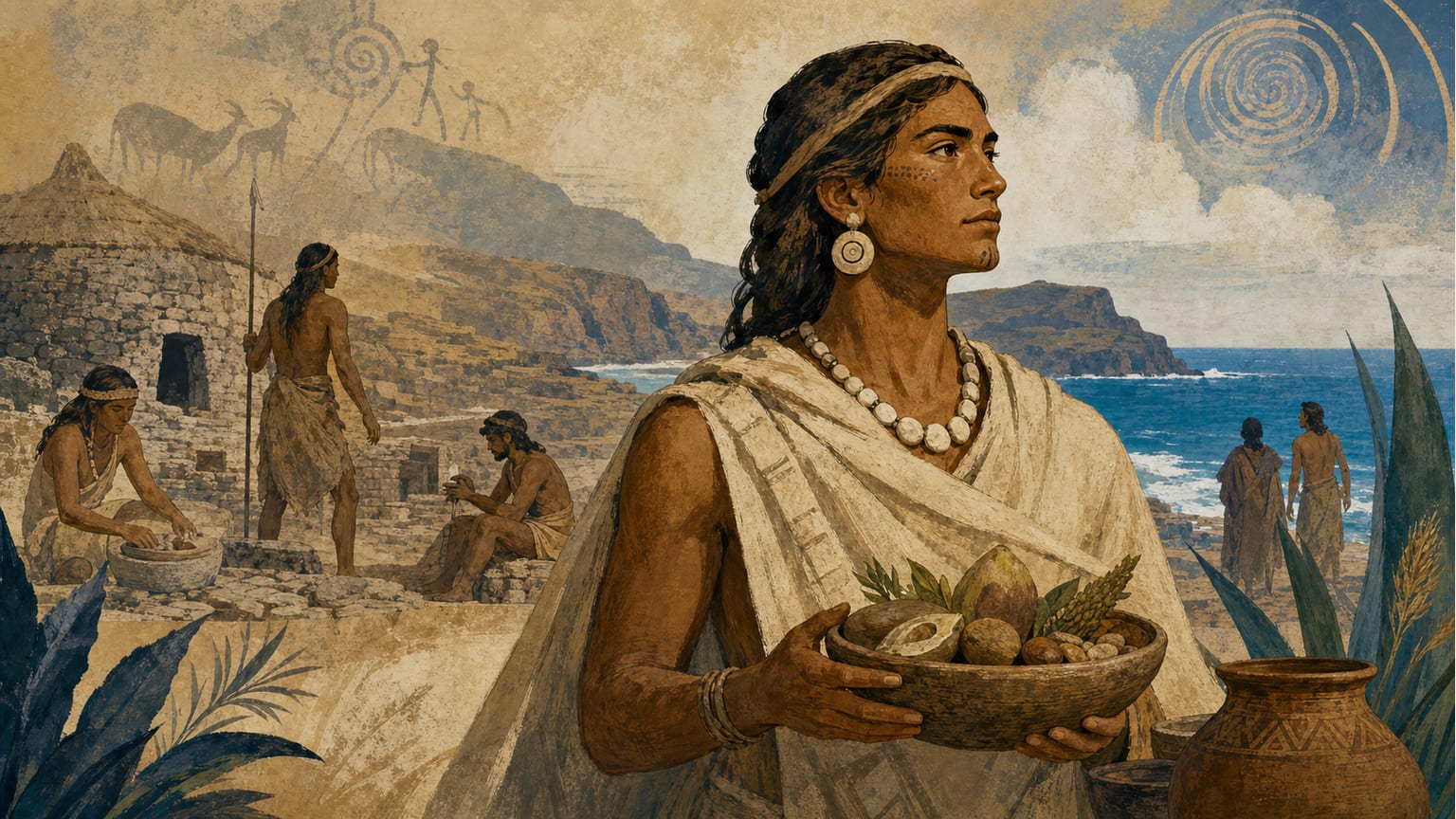
Diet and Daily Life of the Ancient Canarians According to Agustín Millares Torres
A detailed look at the food, clothing, and daily customs of the ancient inhabitants of Gran Canaria as described by Agustín Millares Torres.
Knowledge pills about the history, culture and nature of the Canary Islands
A detailed look at the food, clothing, and daily customs of the ancient inhabitants of Gran Canaria as described by Agustín Millares Torres.
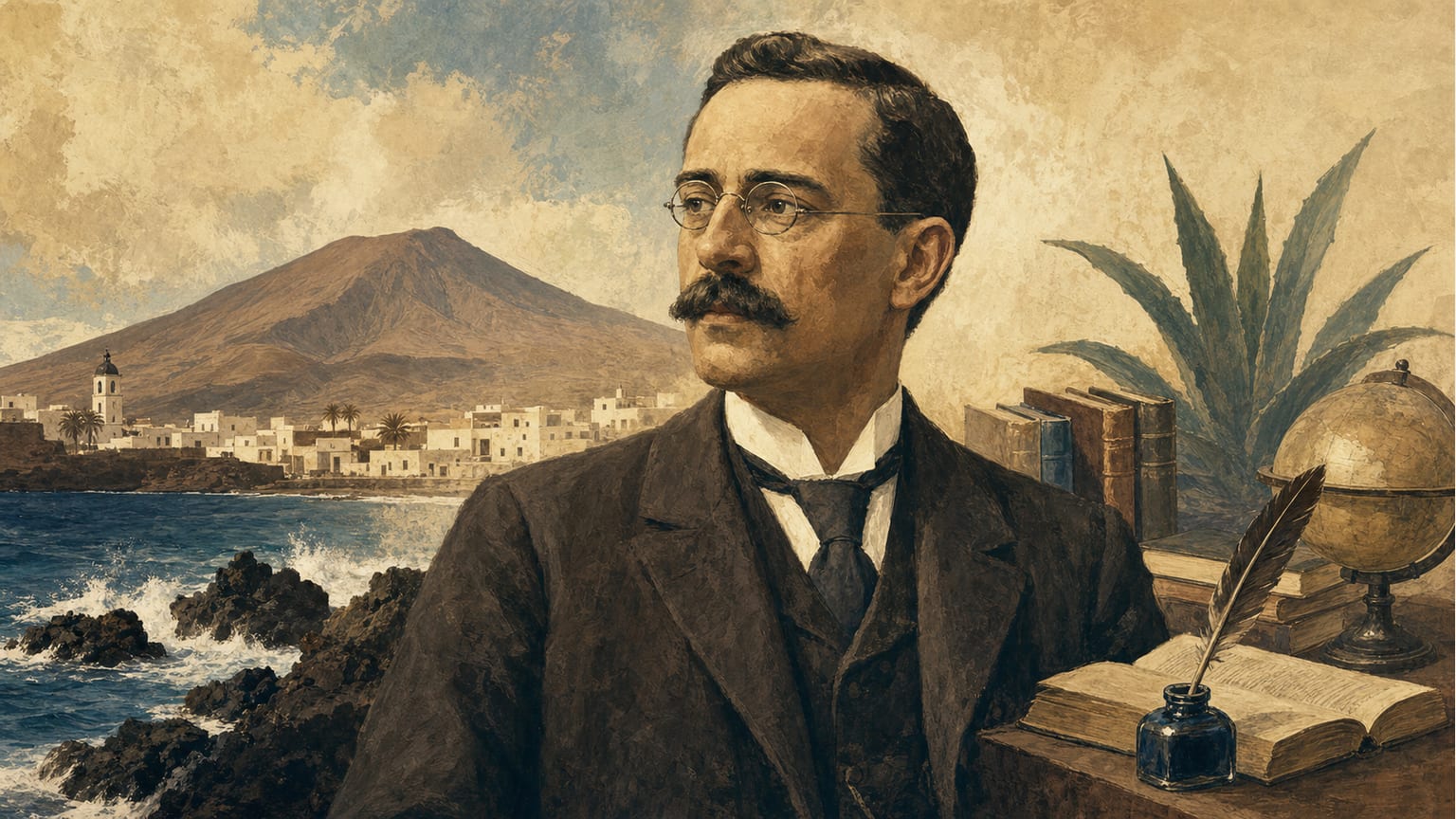
Isaac Viera y Viera, born in Lanzarote in the 19th century, is recognized by Canarian historical memory for his intellectual and cultural contributions during the transition to the 20th century.
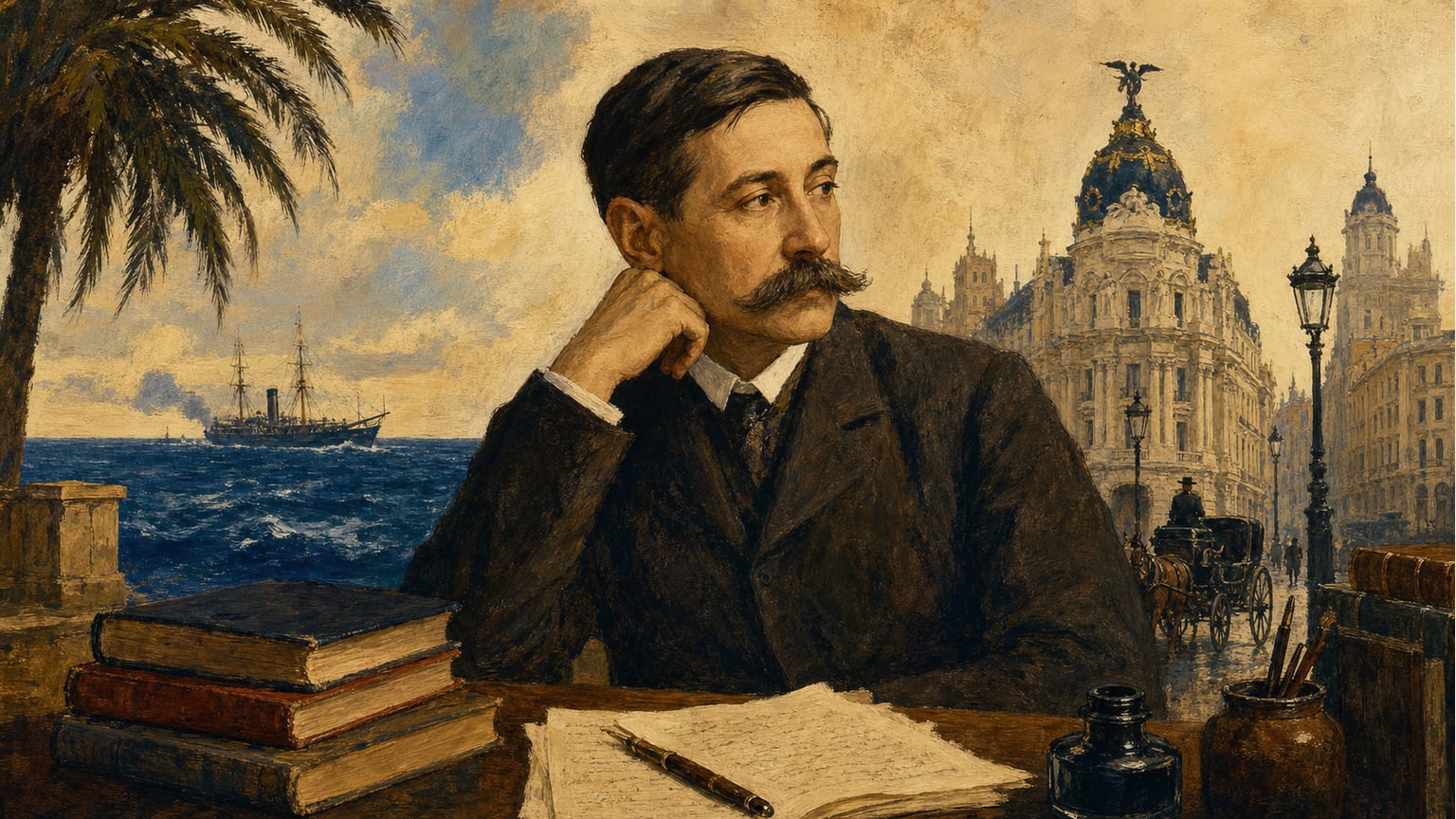
Benito Pérez Galdós, regarded as the greatest Spanish novelist after Cervantes, was born in Las Palmas de Gran Canaria in 1843 and became the chronicler of 19th-century Madrid without ever stopping to look across the Atlantic: the office of the publishing house he founded in 1897 was known as 'la canariera'.
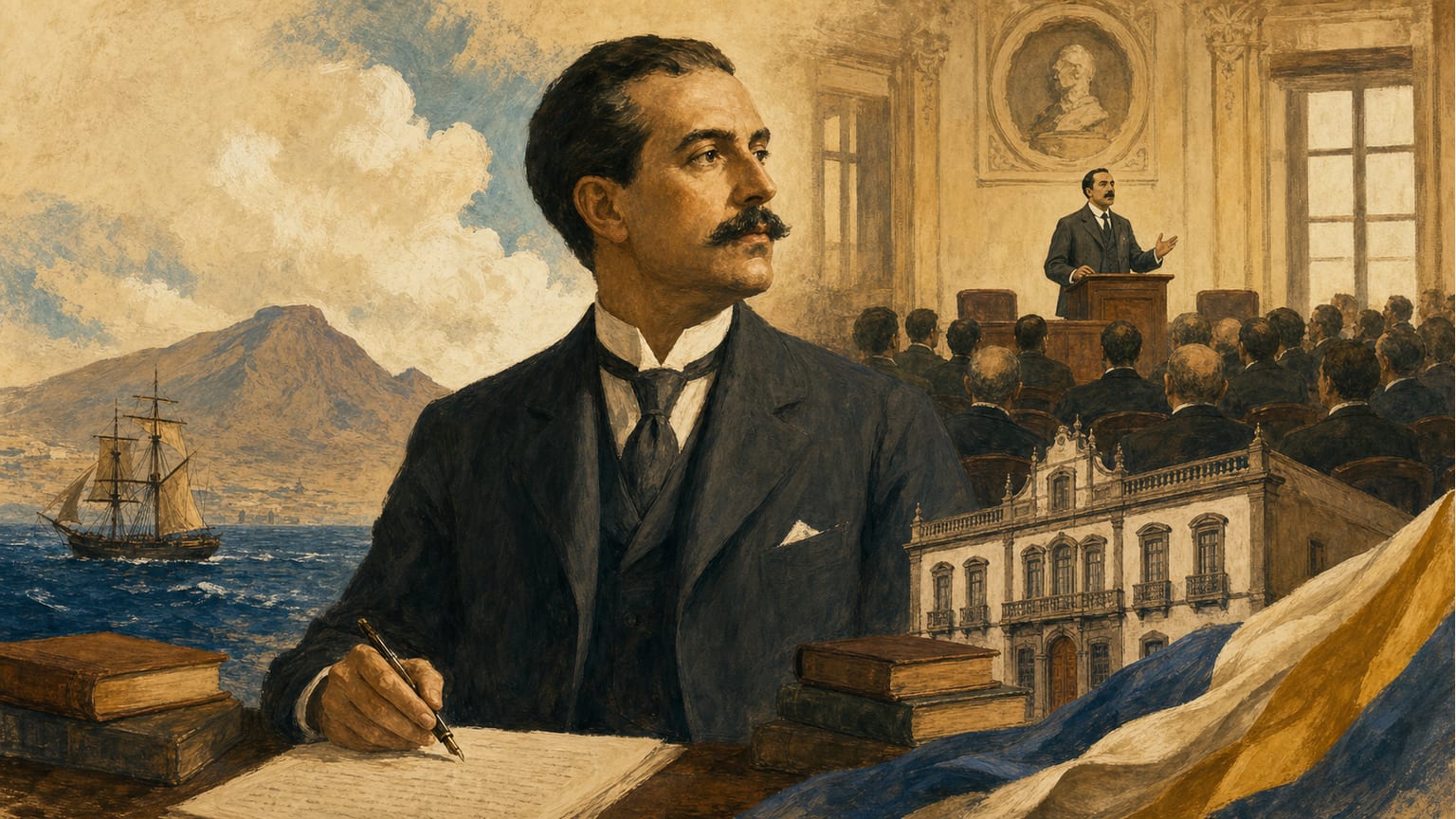
In 1906, journalist Leoncio Rodríguez González presented his perspective on Canarian regionalism at the Ateneo de La Laguna, advocating for administrative and economic autonomy and analyzing the role of island identity in Canarian history.
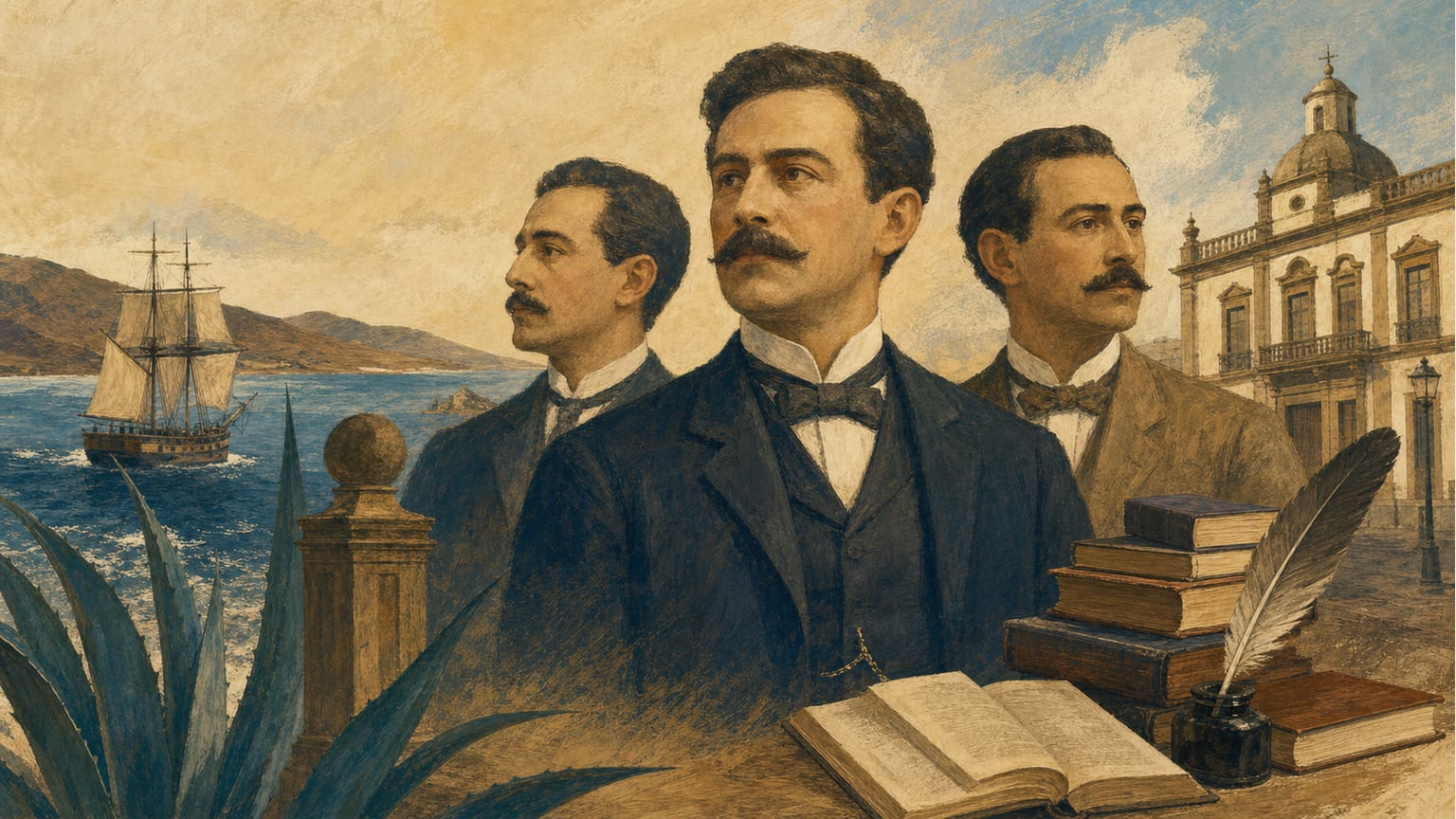
The Zerolo Herrera brothers from Lanzarote played a notable role in Canarian political and cultural life between the 19th and 20th centuries, according to the research of Nicolás Reyes González.
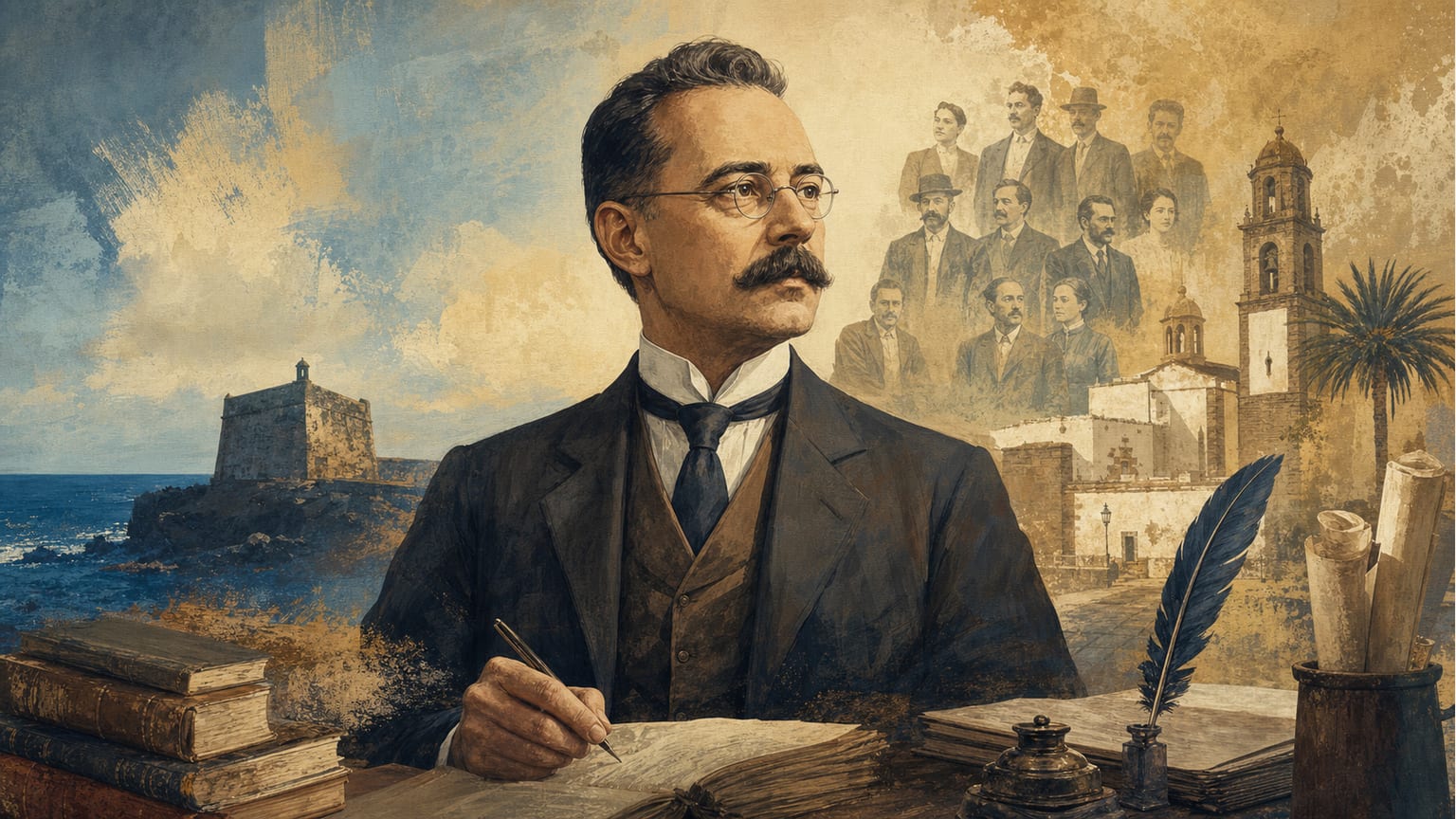
Francisco Fernández de Bethencourt was a prominent figure from Lanzarote in the 19th and 20th centuries, known for his work as a genealogist and politician, and his influence on Canarian identity according to Nicolás Reyes González.
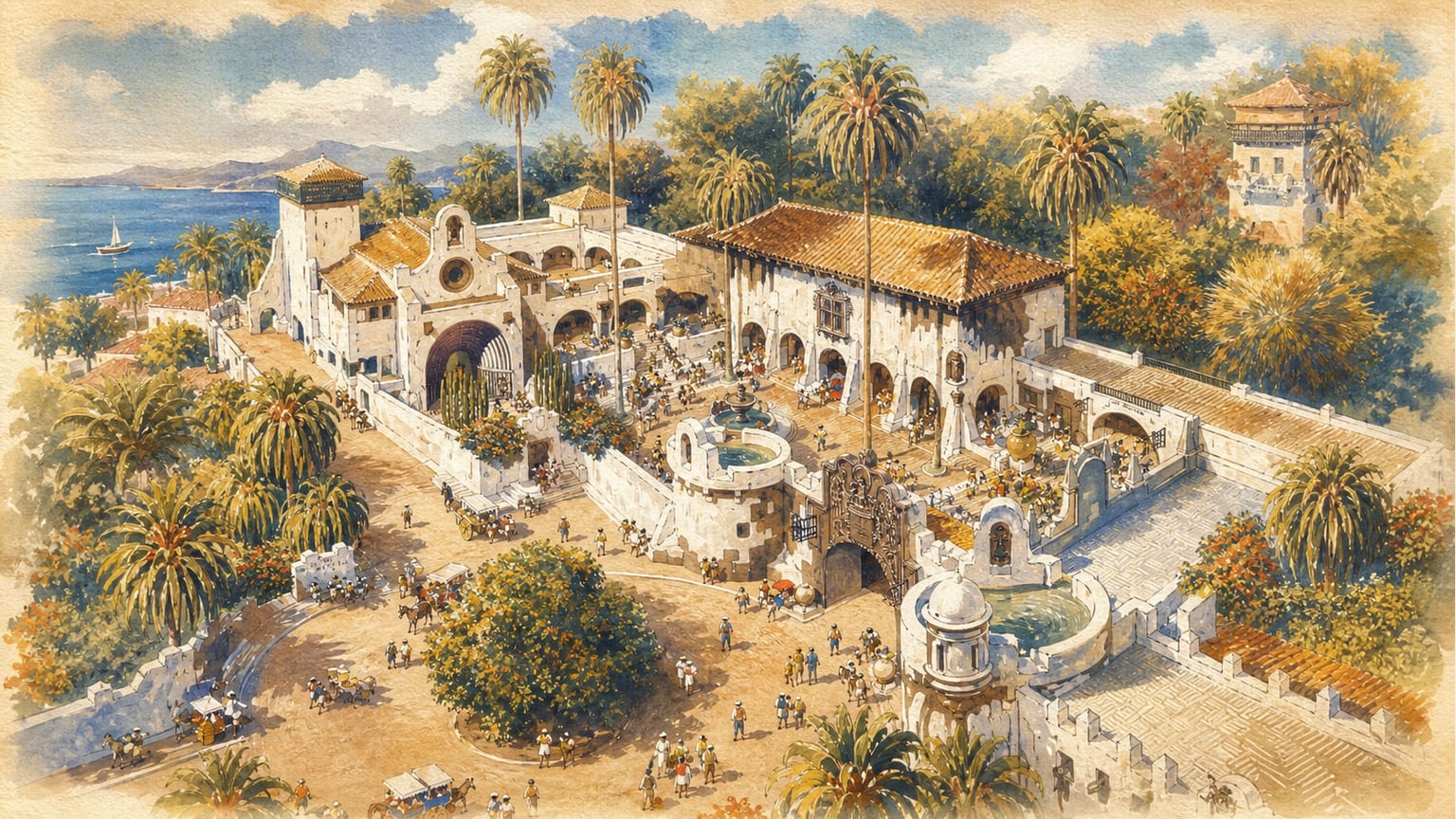
Néstor Martín-Fernández de la Torre was the modernist painter who, through his 'tipismo' campaign and the design of the Pueblo Canario, forged a distinctive and recognizable image of Canarian architecture and identity.
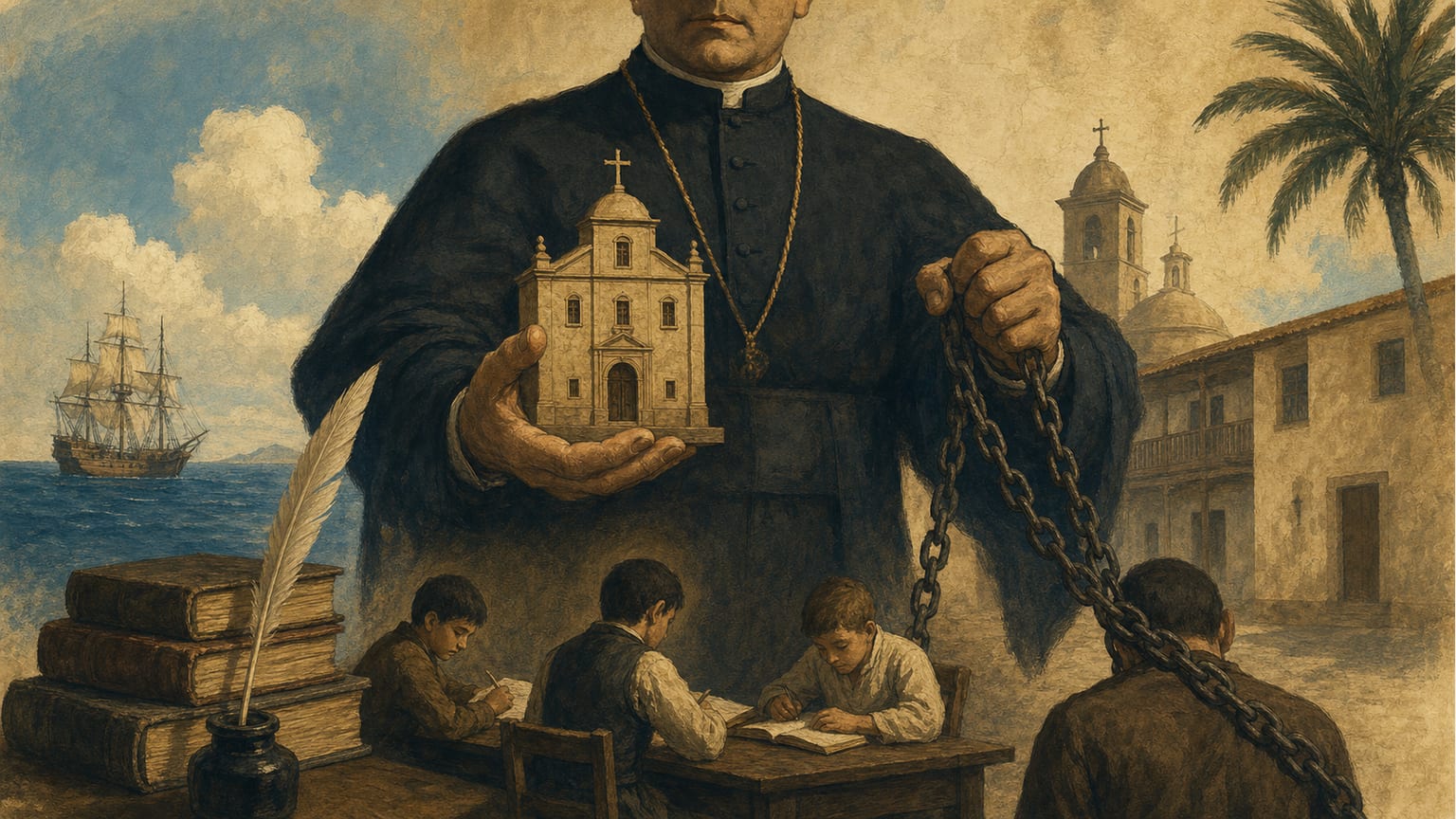
Agustín Millares Torres details how the clergy dominated education, censorship, and intellectual life in the Canary Islands during the 17th and 18th centuries.
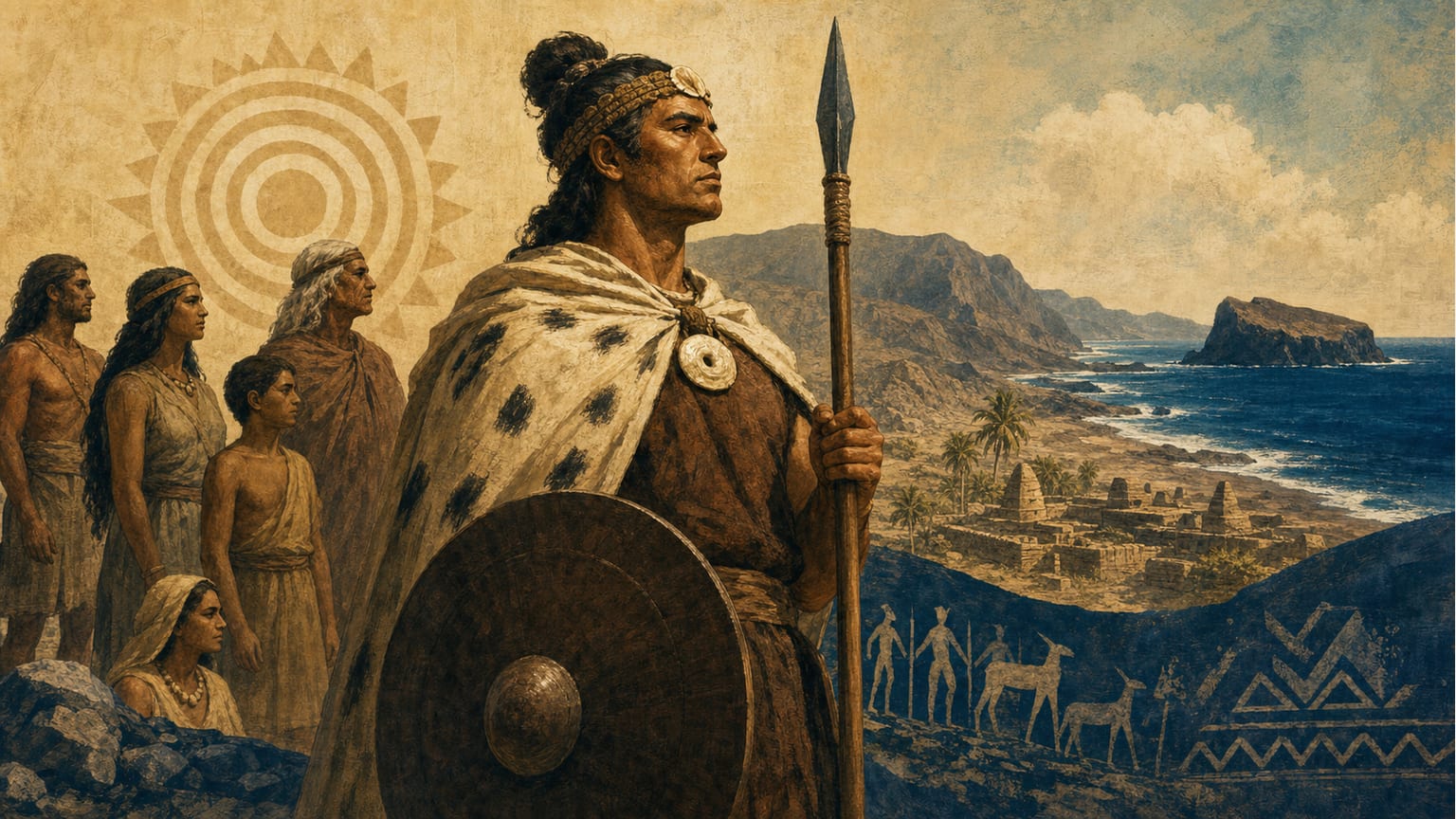
An exploration of Agustín Millares Torres' description of the caste system and the role of the warrior nobility in indigenous Gran Canaria society before the conquest.
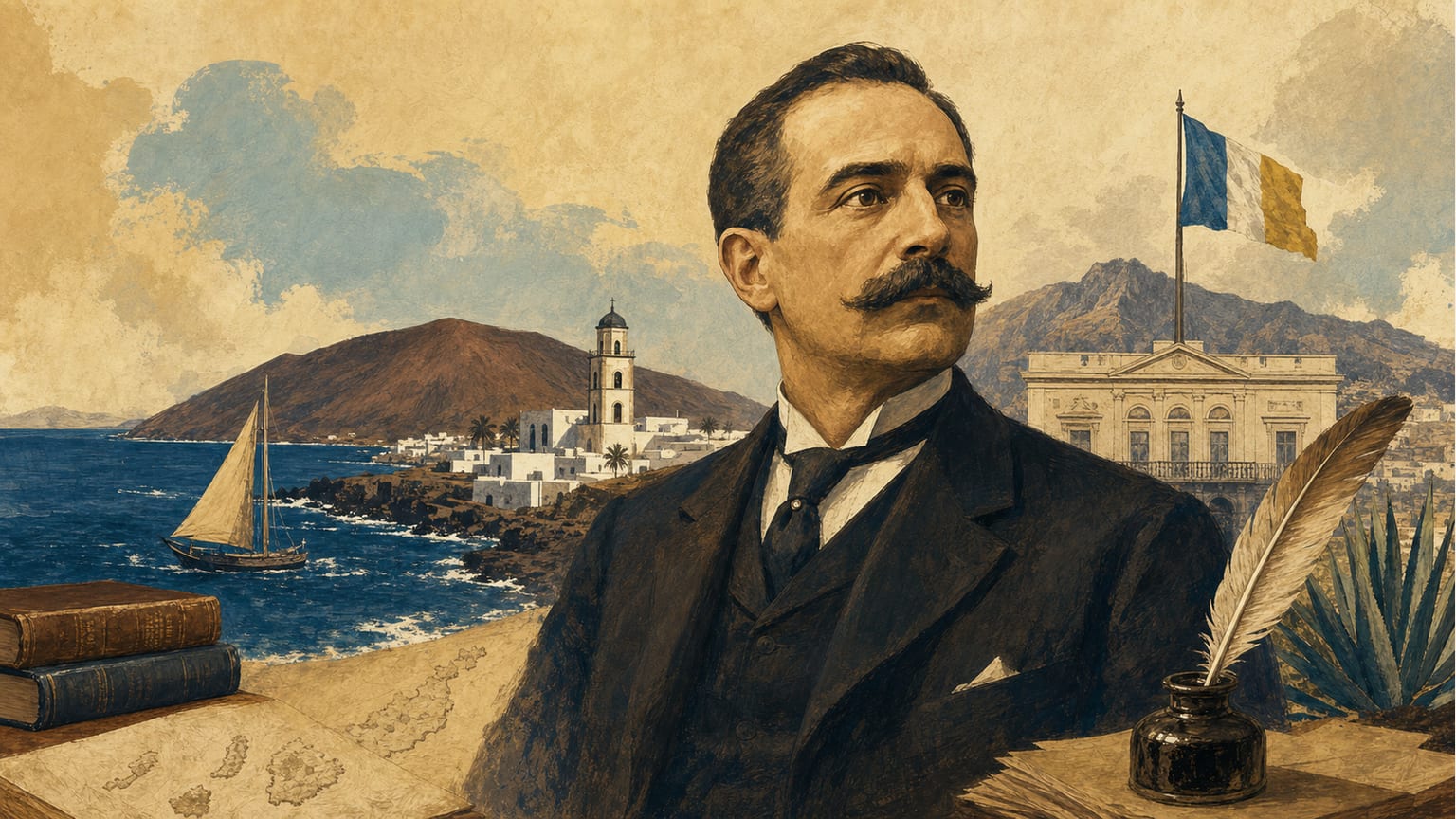
Benito Pérez Armas, born in Lanzarote, played a key role in Canarian politics and culture during the transition from the 19th to the 20th century, contributing to the development of regionalism and island identity.
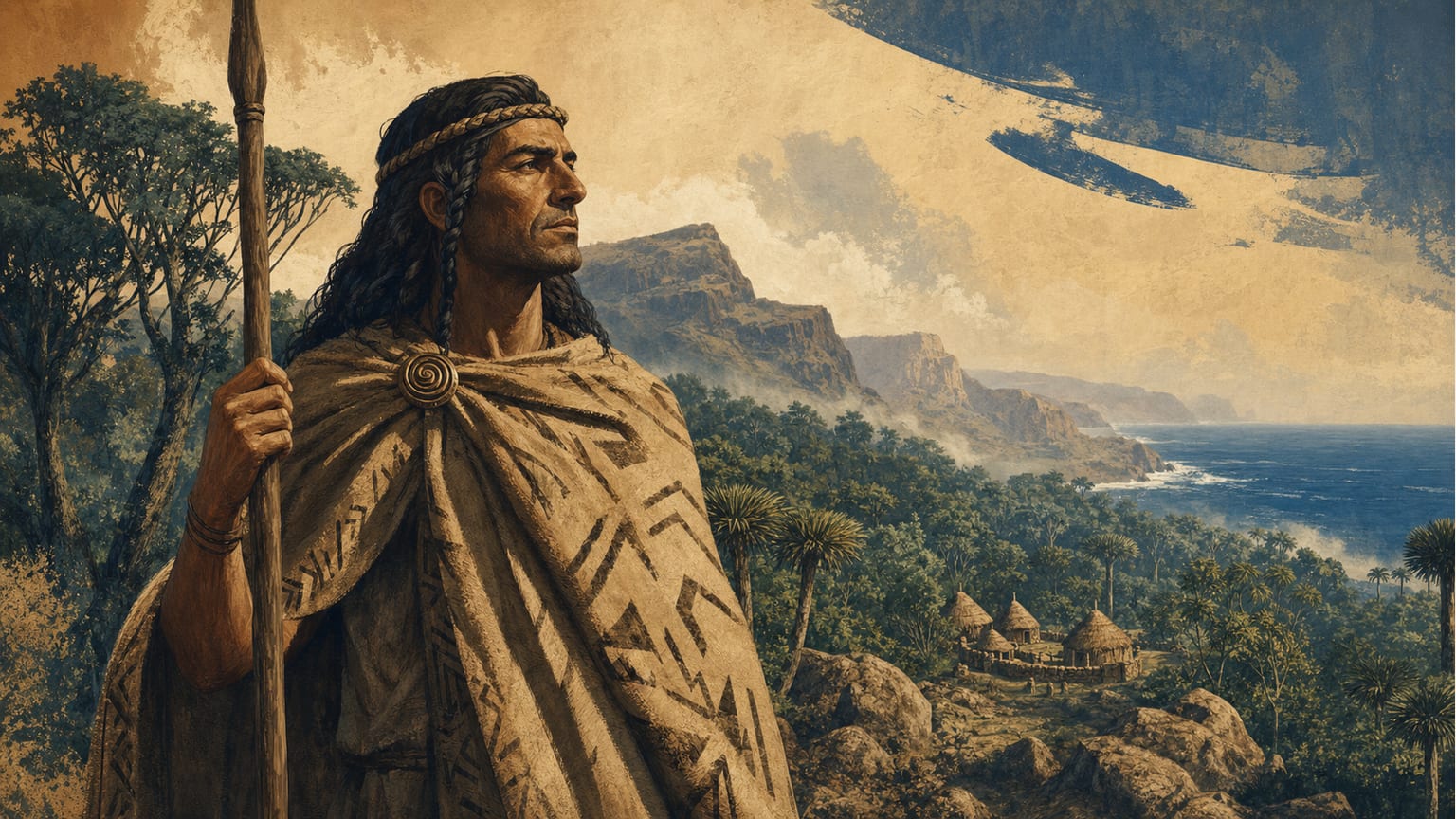
The Doramas Forest, a vast woodland in northern Gran Canaria, was a key natural and historical landmark in the 15th century, noted for its lush vegetation and its association with the figure of Doramas.
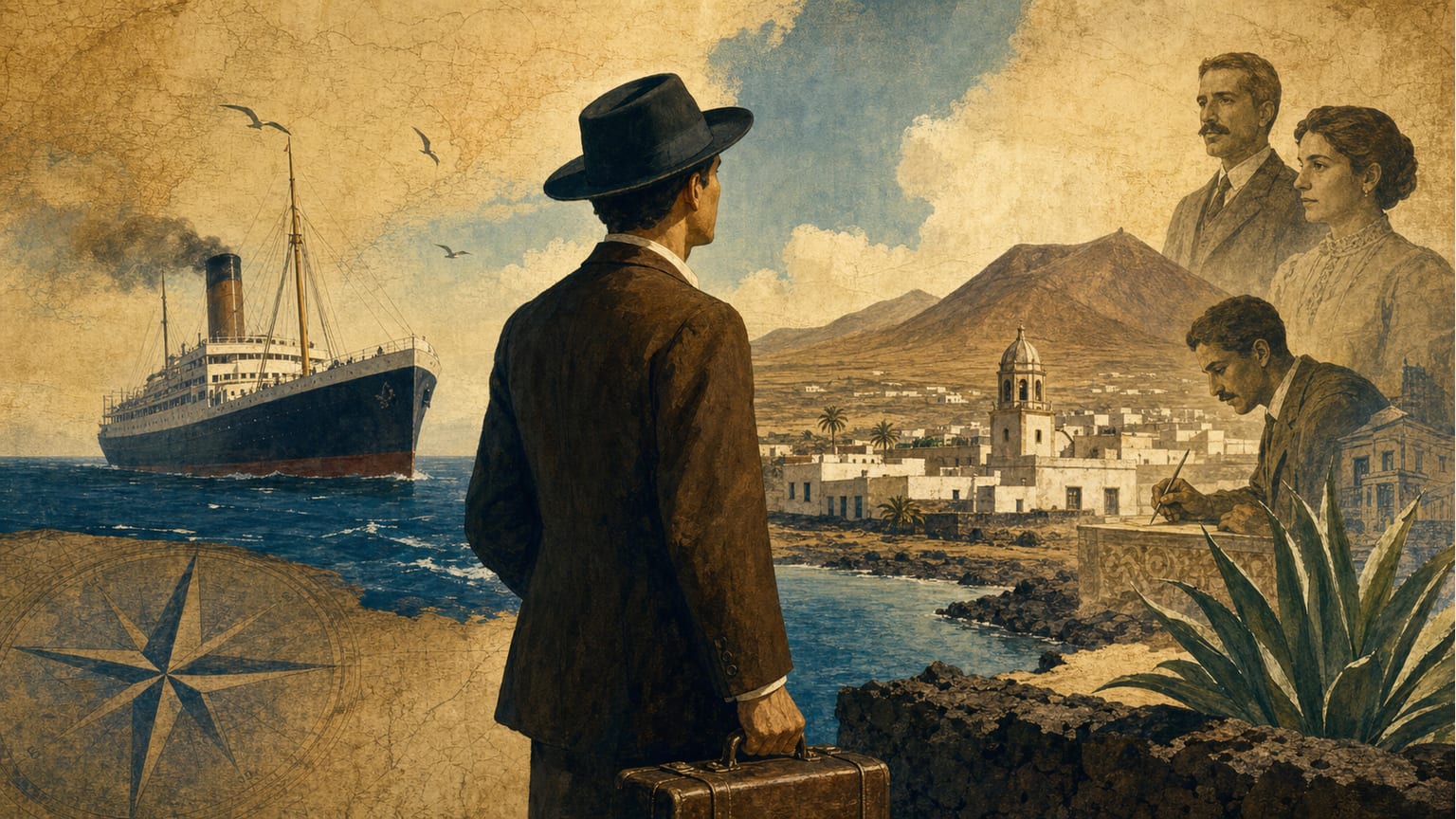
An analysis of the emigration of prominent Lanzarote figures in the 19th and 20th centuries, their destinations, and the impact of their return on the island.
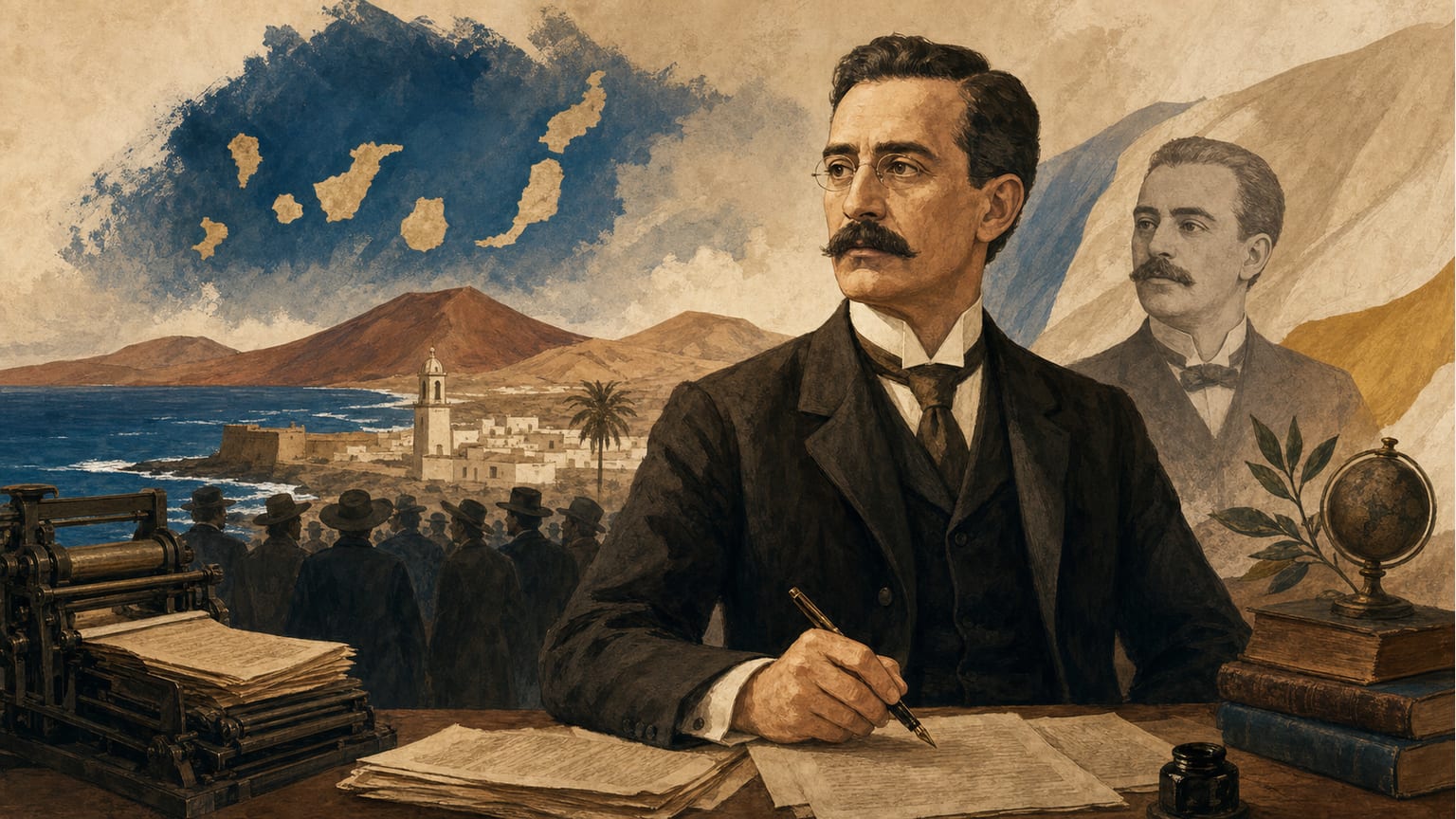
Manuel Déniz Caraballo was a Lanzarote-born teacher, typesetter and journalist who founded the newspaper ¡Vacaguaré! in 1902. His career as an educator, his work in the labour press and his involvement in the demands of the minor islands give him a biography of his own, beyond his link to Secundino Delgado.
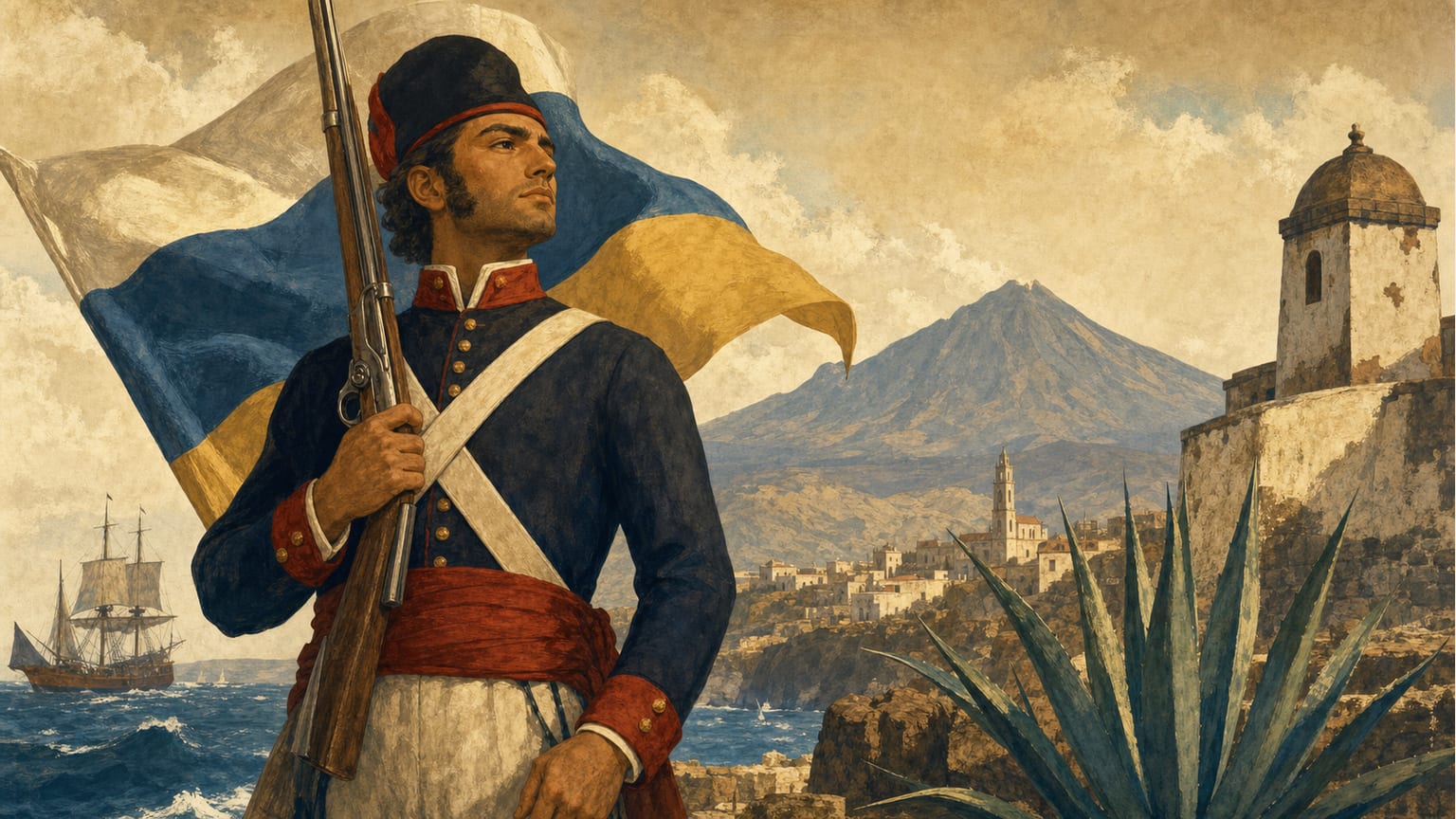
The Canary Militias played a central role in shaping Canarian identity and regionalism during the 19th and 20th centuries, frequently invoked as a symbol of autonomy and insular distinctiveness.
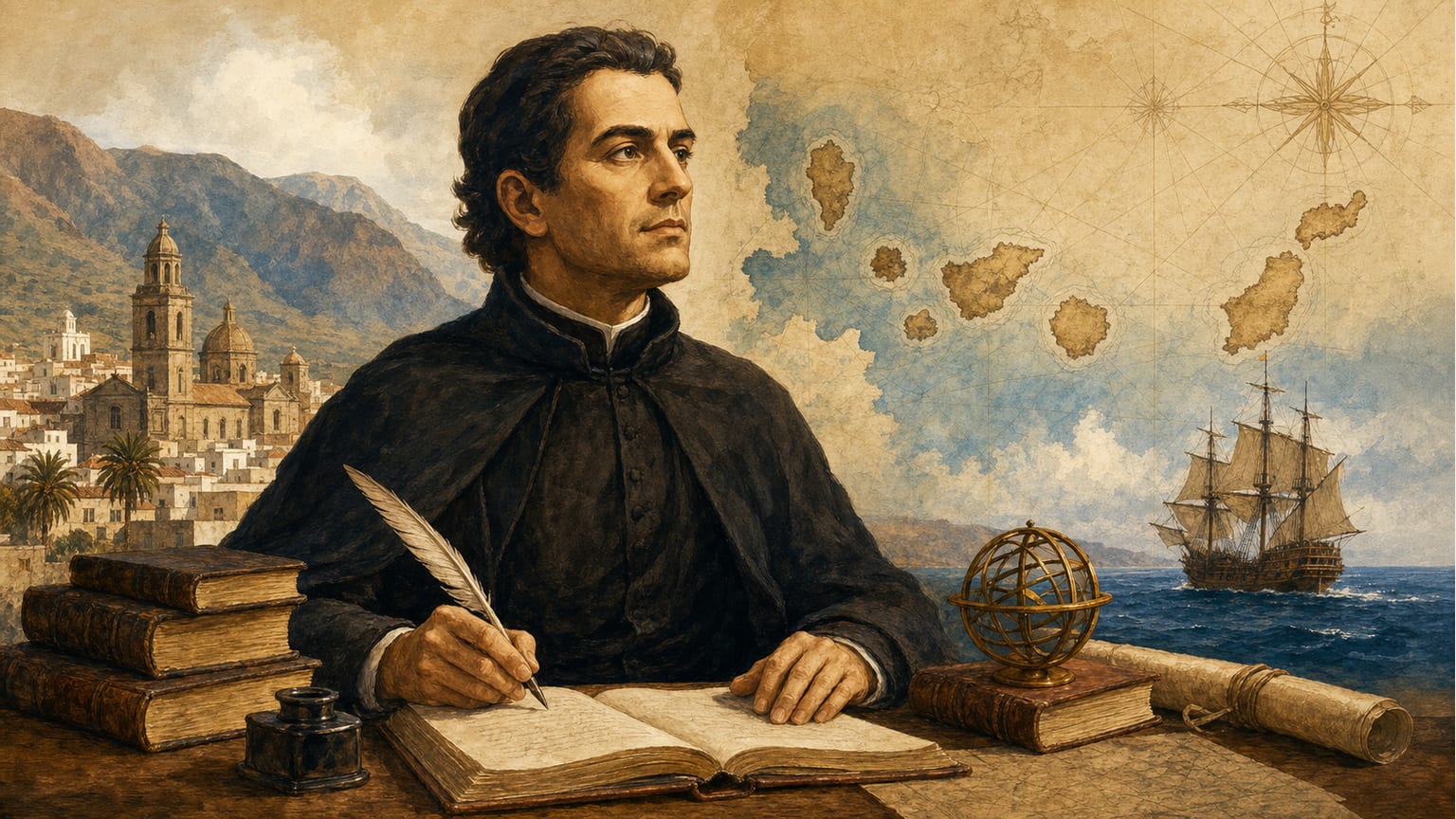
Father Luis de Anchieta, born in La Laguna in 1648, was a Jesuit, preacher, and author of a key historical work on the Canary Islands in the 17th century.
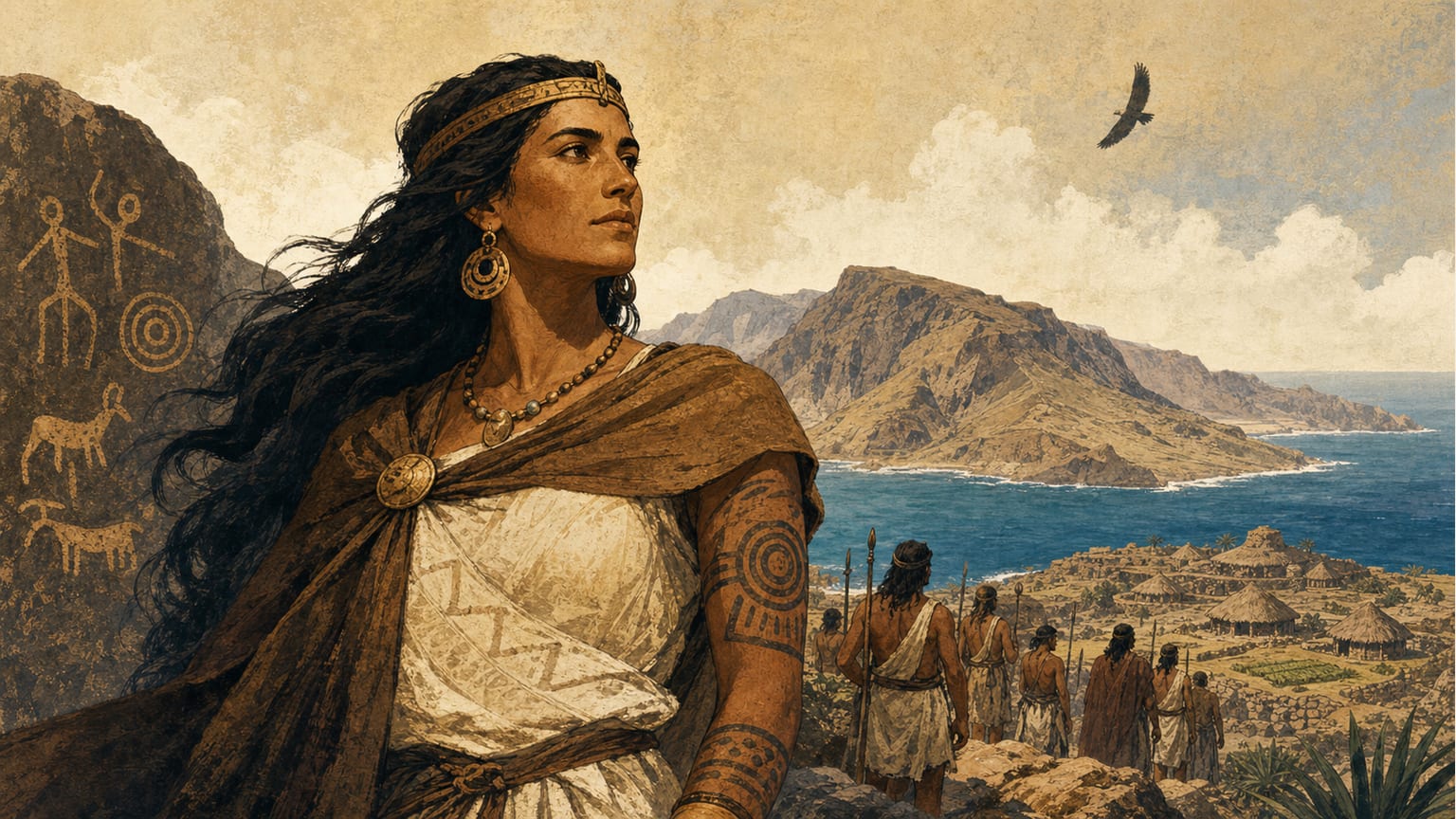
Andamana was a prominent leader in 14th-century Gran Canaria, uniting the island under a single monarchy and becoming the earliest documented historical figure of the Canary Islands.
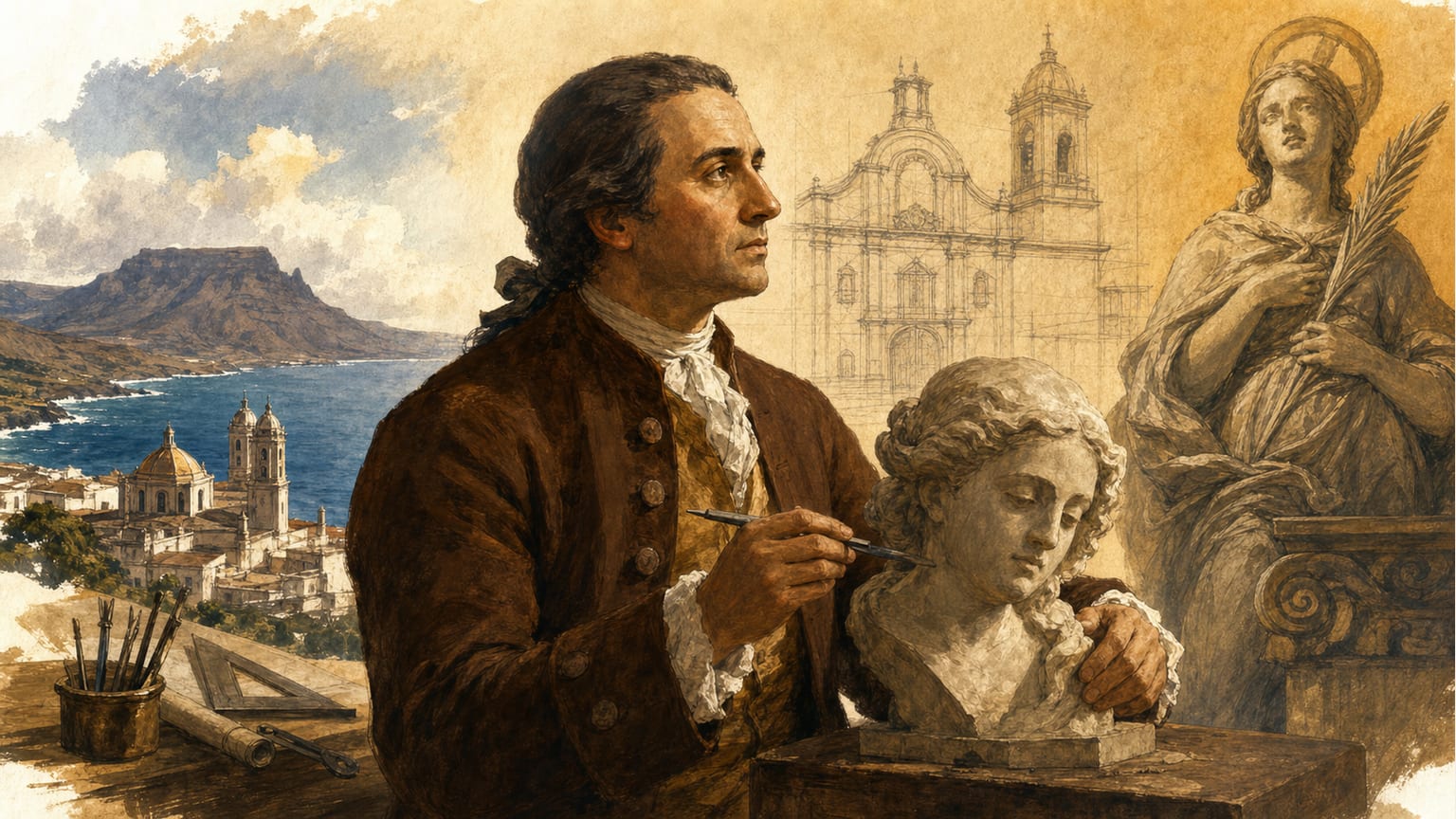
José Luján Pérez, born in Guía in 1756, became a prominent sculptor and architect in Gran Canaria, leaving a significant artistic mark on the island.
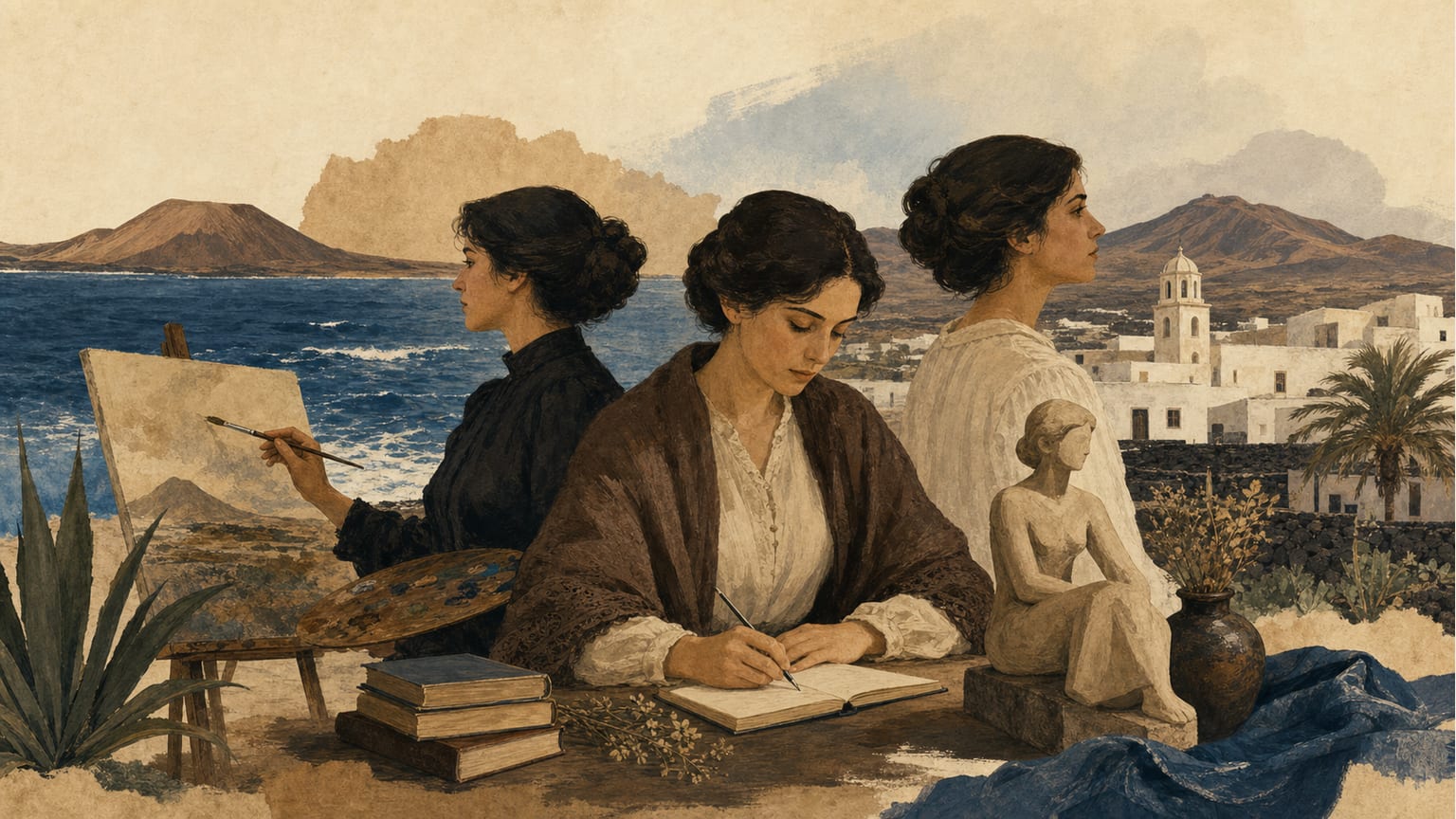
A look at the women of Lanzarote who excelled in painting, sculpture, and literature between the 19th and 20th centuries, as highlighted by historical research.
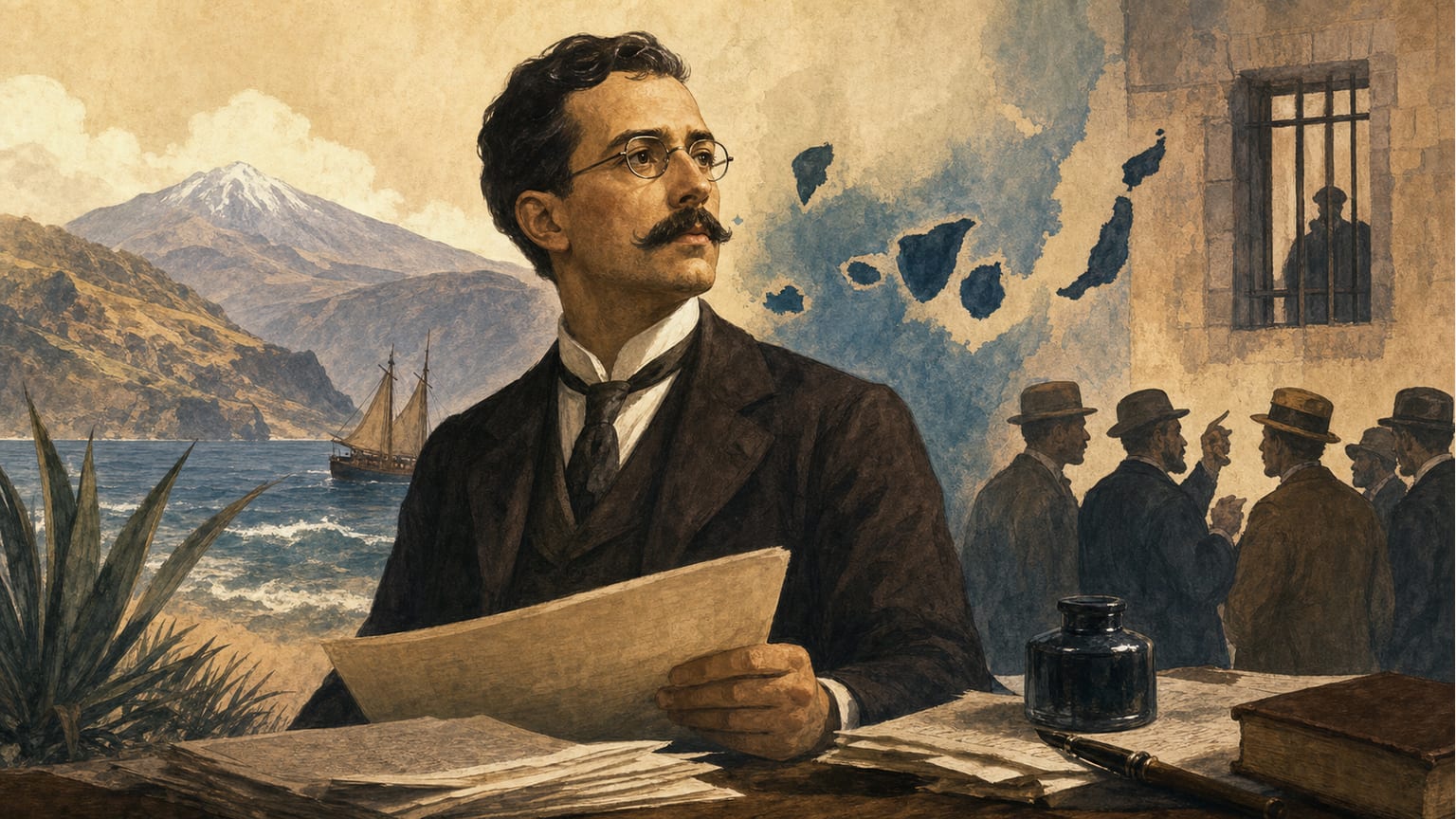
The case of Secundino Delgado and the newspaper ¡Vacaguaré! highlights the debate on Canarian autonomy and the response of the press and authorities in the early 20th century.
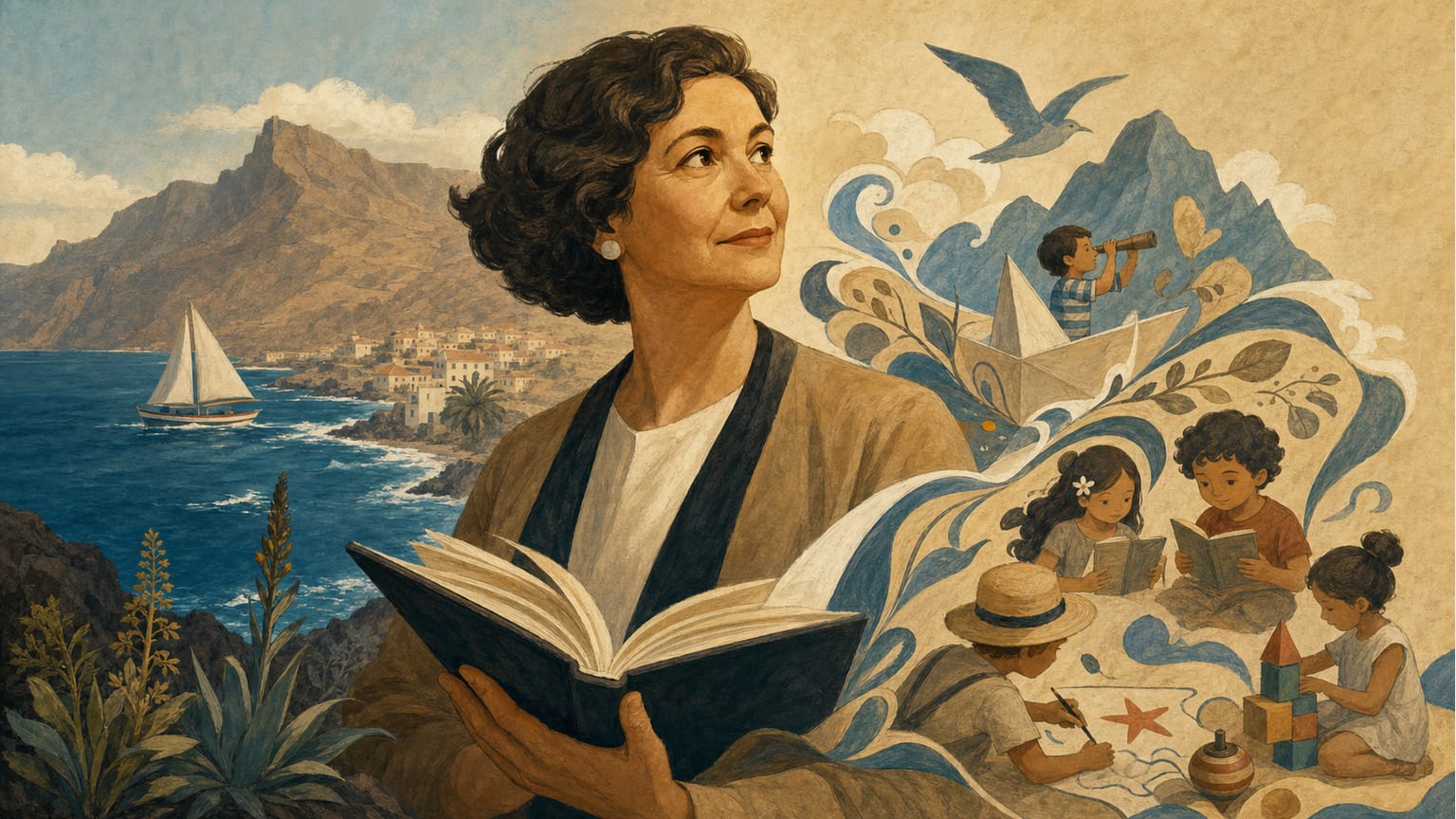
Pepa Aurora has transformed children's literature in the Canary Islands, creating a vibrant world of stories and poems that have inspired generations of children and educators.
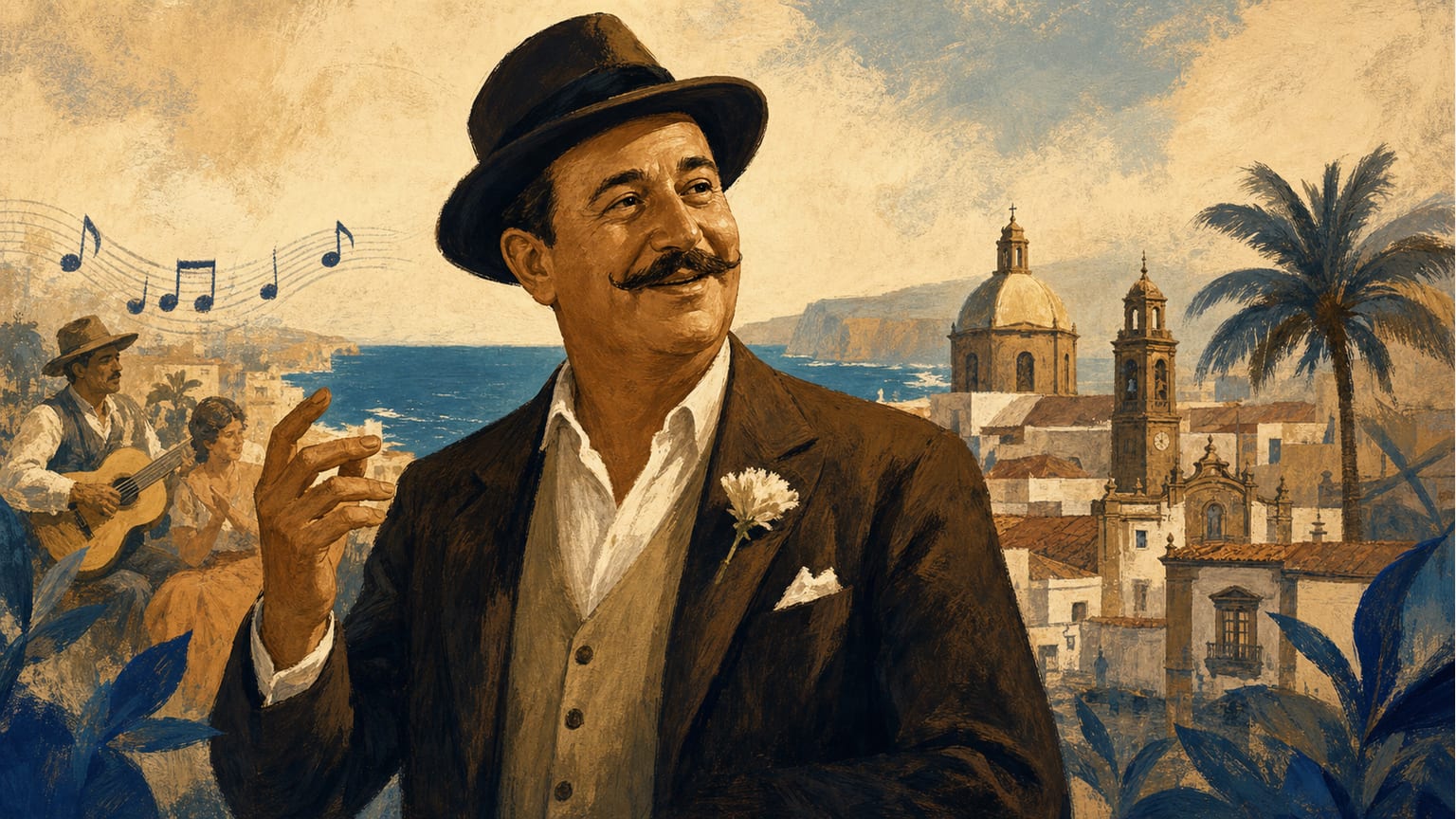
José González, affectionately known as José “El Lindo”, was a beloved figure in Guía de Gran Canaria, celebrated for his joyful spirit, musical passion, and central role in the town’s social life.
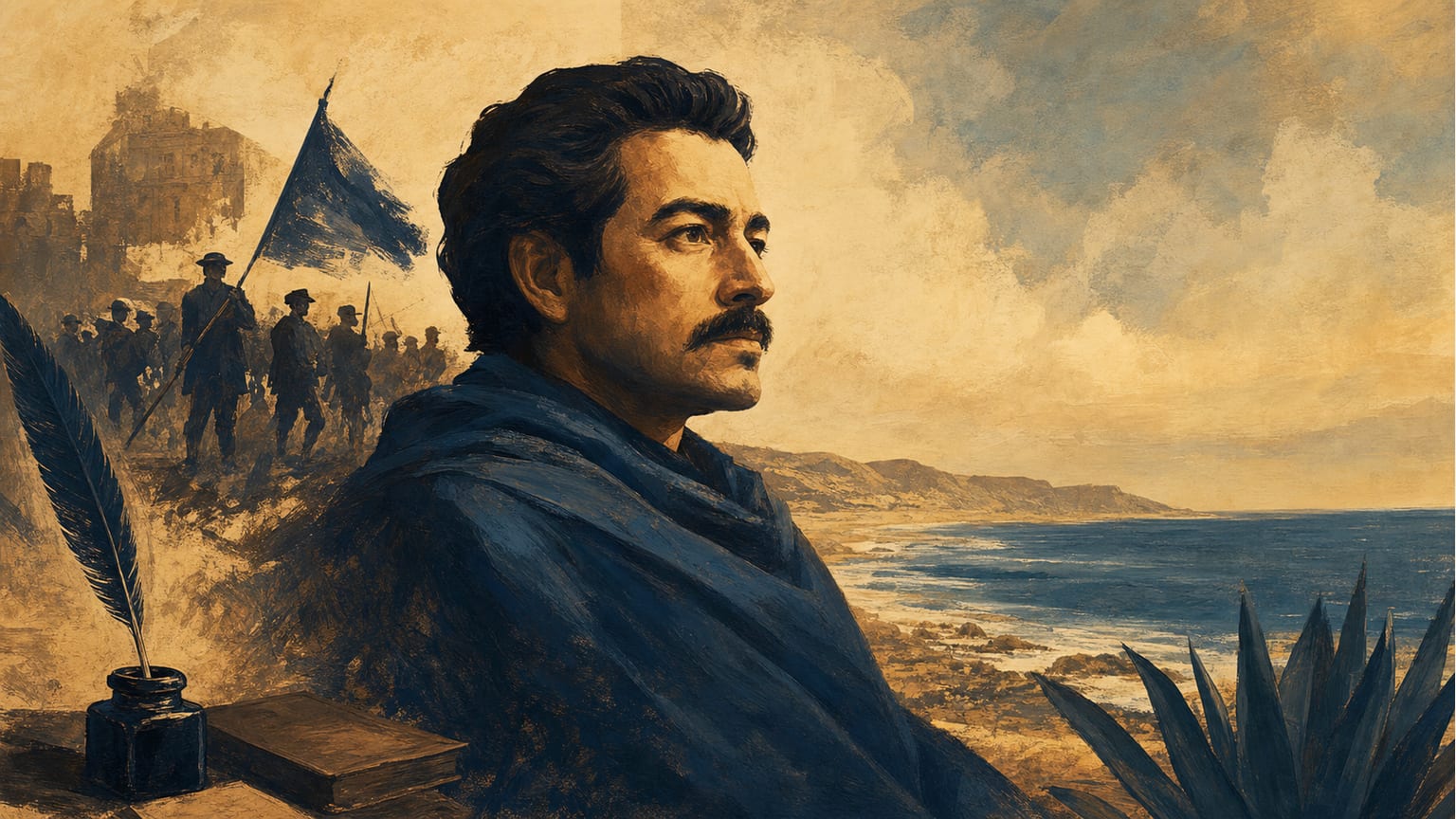
Saulo Torón’s long public silence as a poet was a personal and political response to historical upheaval, revealing his deep commitment to poetry and freedom.
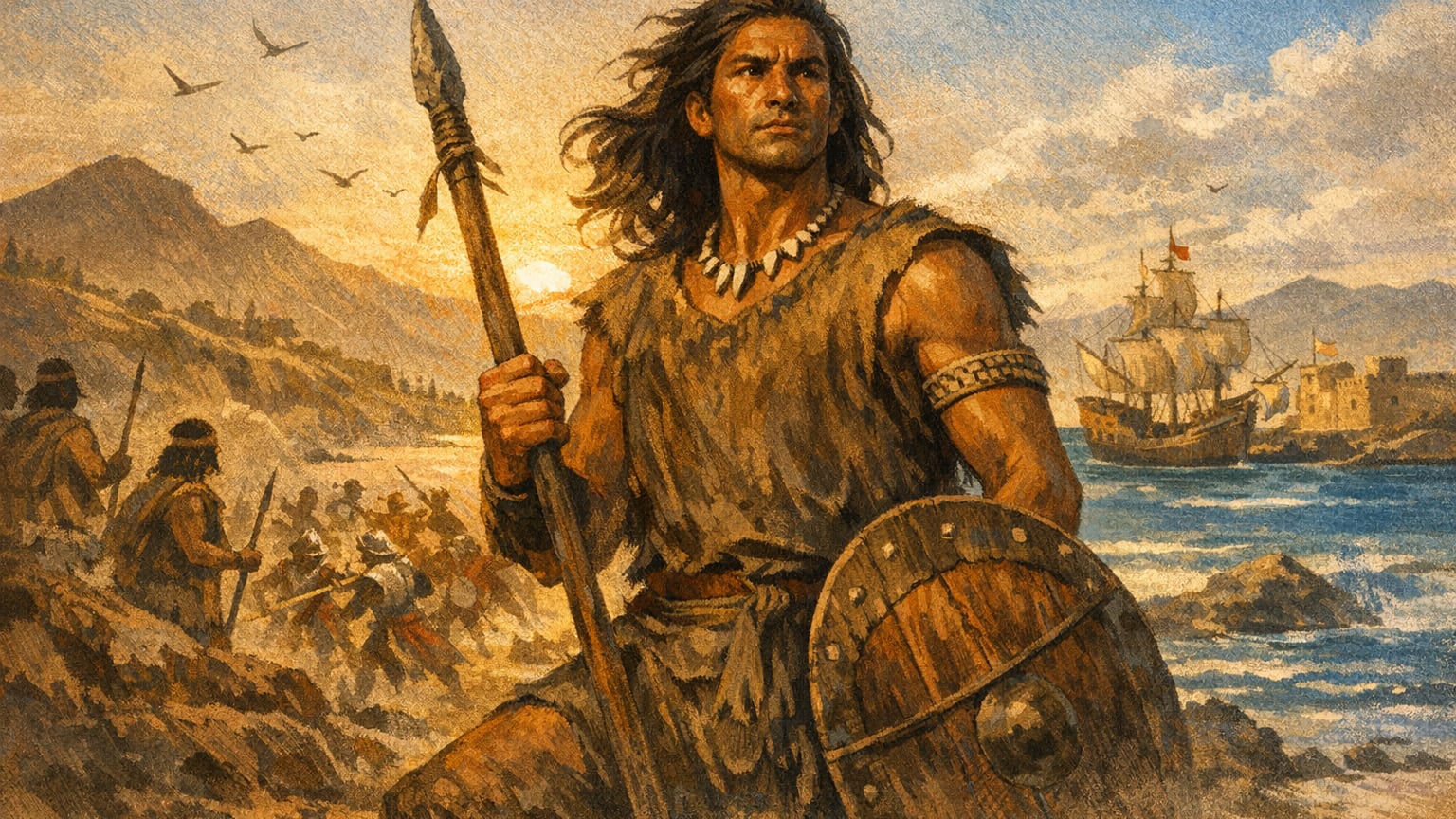
Doramas, born into humble origins, rose to become a symbol of resistance and leadership against the Castilian conquest of Gran Canaria in the 15th century.
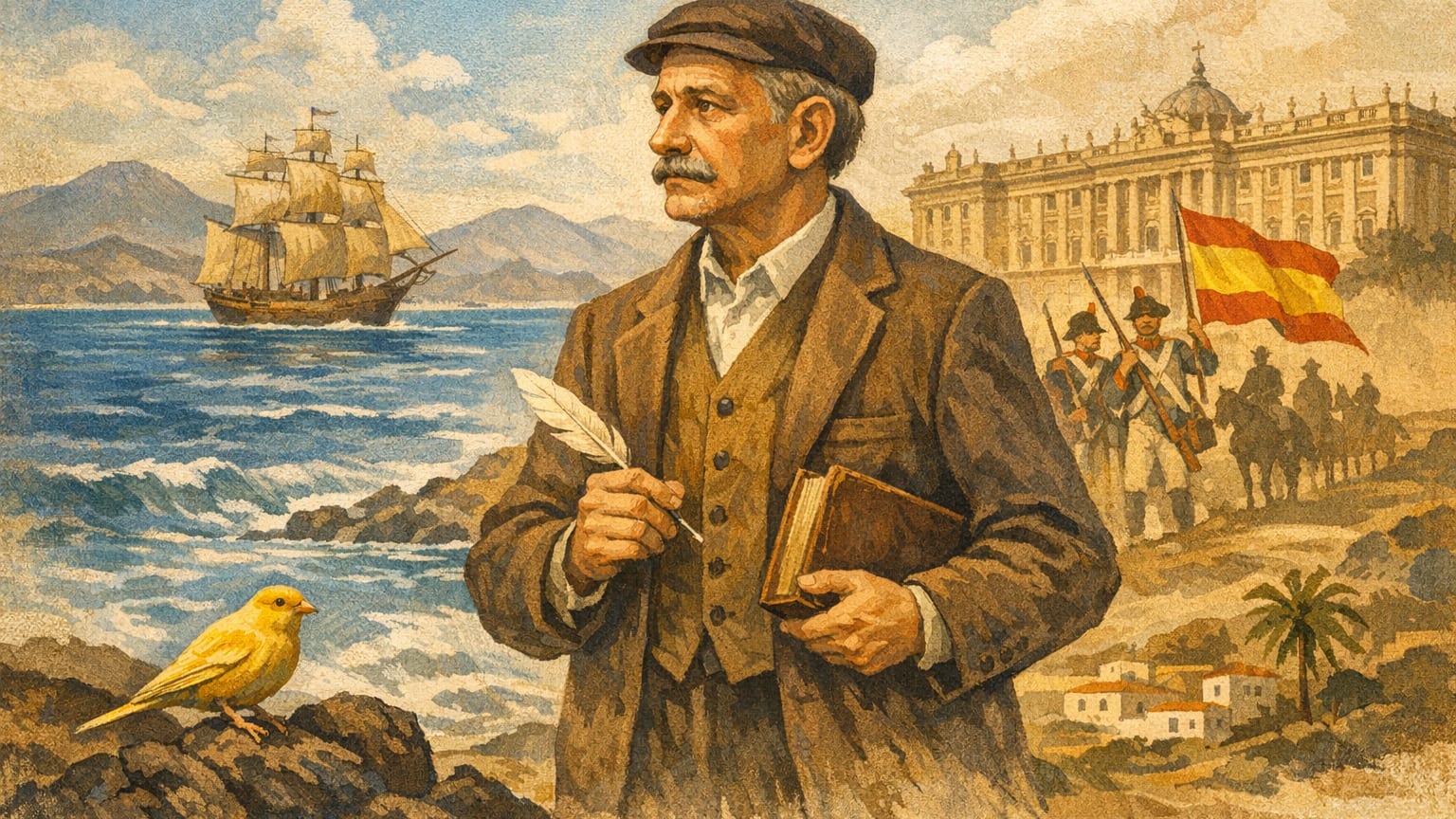
Benito Pérez Galdós rarely highlights his fellow Canarians in the Episodios Nacionales, a literary choice that reflects both his personal ties to the islands and his vision of Spanish history.