

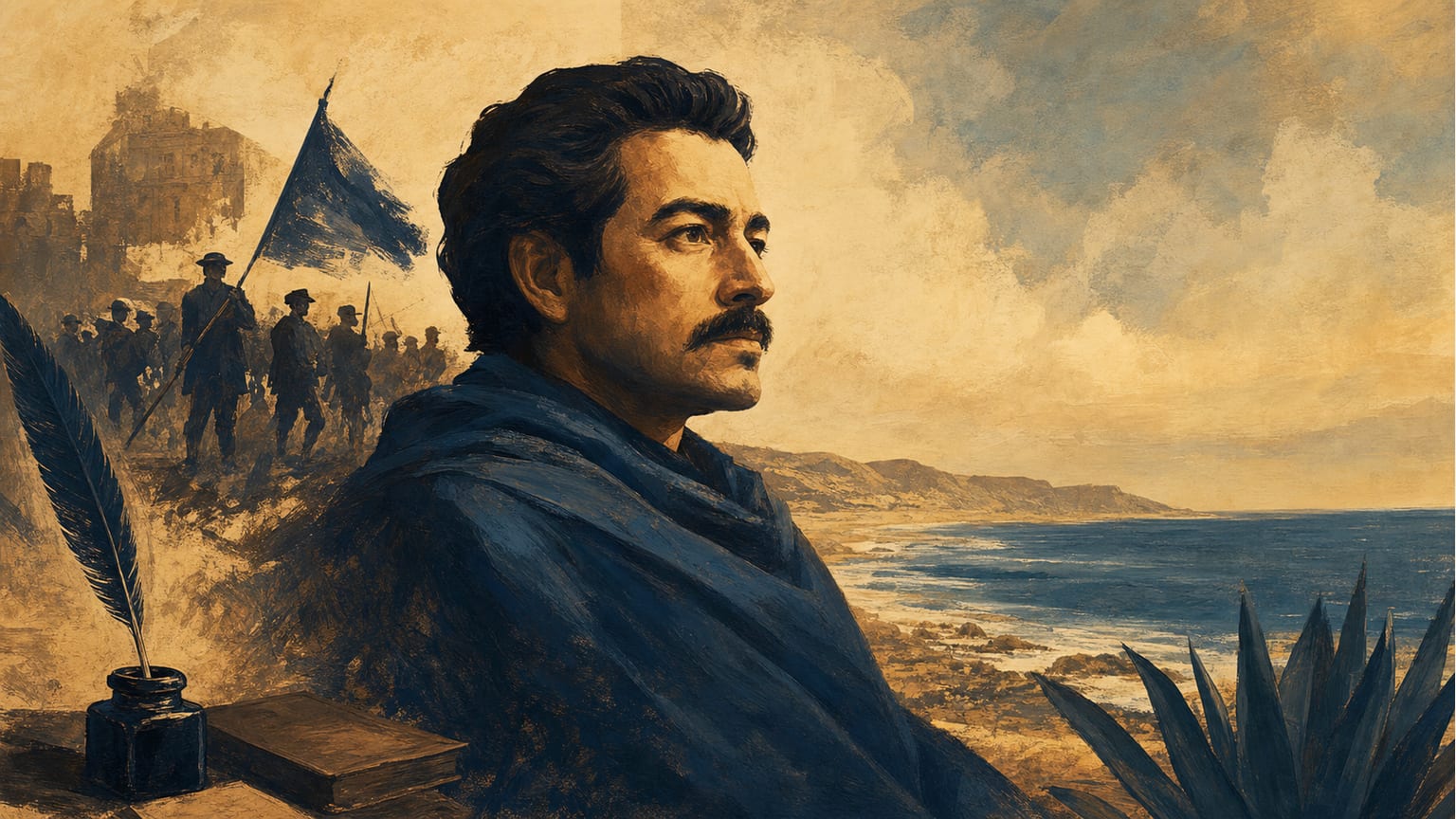
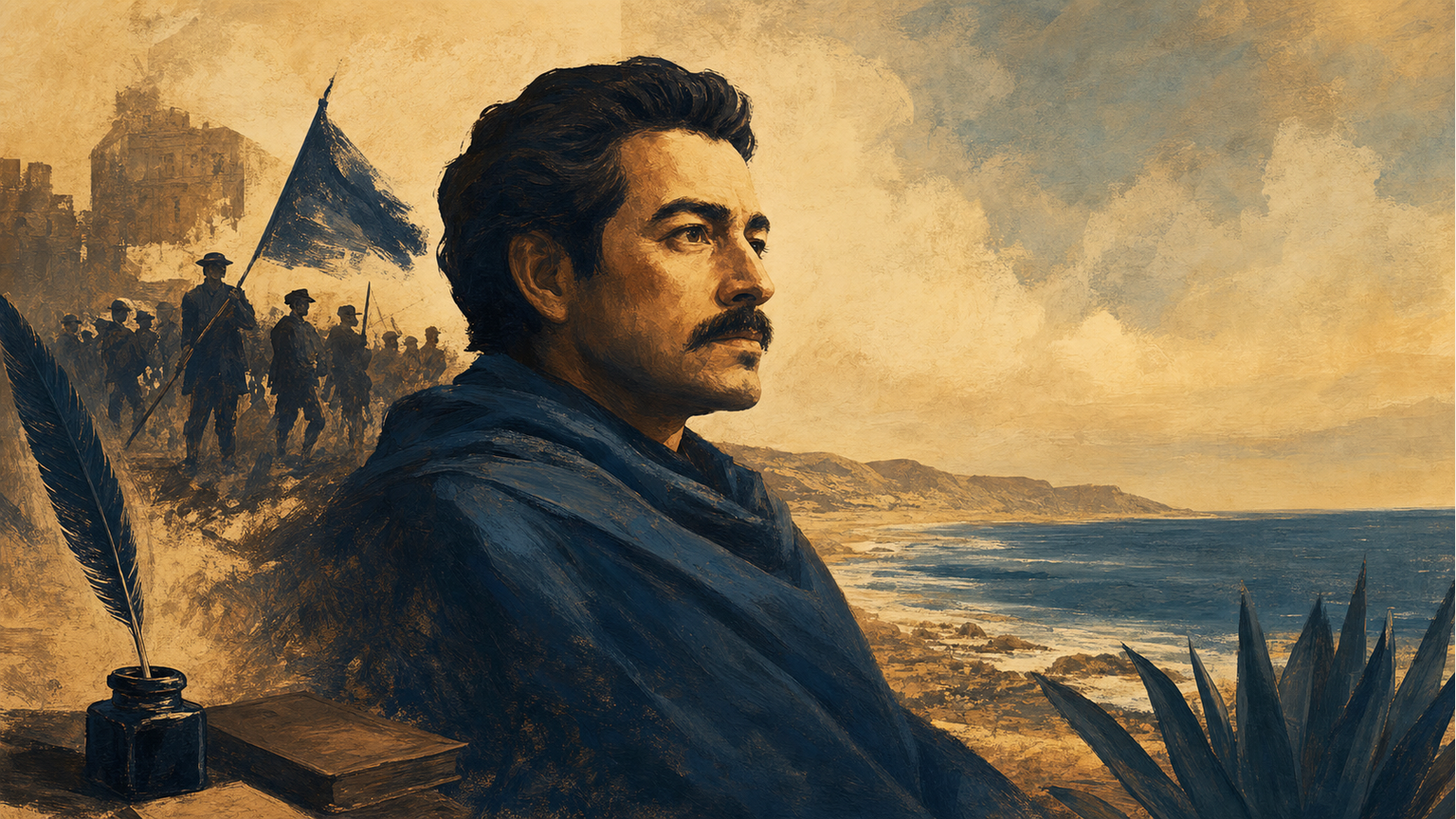
Saulo Torón’s Poetic Silence: A Choice Shaped by History
One of the most intriguing aspects of Saulo Torón’s life and work is his extended public silence as a poet. Far from being a mere personal withdrawal, this silence reflects a complex web of intimate, political, and generational reasons that shaped the trajectory of this poet from Telde and his relationship with Canarian literature[1].
A Silence That Speaks
After publishing his first three books—Las monedas de cobre (1919), El caracol encantado (1926), and Canciones de la orilla (1932)—Saulo Torón withdrew from the public literary scene for more than thirty years. It was not until 1963, with Frente al muro, that he published again, already in his later years. What motivated such a long silence?
Personal and Political Reasons
In interviews and testimonies from his contemporaries and family, Torón attributed his silence to several causes: the deaths of his close friends and fellow poets (such as Tomás Morales and Alonso Quesada), the start of a more private family life after his marriage in 1936, and, above all, the impact of the Spanish Civil War and Franco’s dictatorship. The poet himself told Alfonso Armas: “No, no, Alfonso, I will not publish a single verse while this general continues to suffocate us”[1].
This refusal to publish during the dictatorship reveals an ethical and political stance that goes beyond mere withdrawal. Deeply affected by the loss of freedom and cultural repression, Torón chose silence as a form of resistance and a way to preserve the purity of the word: “Honest and humble word / That prays or sings, / According to the feeling that animates it, / But that is neither sold nor stained.”[1]
Silence as Intimacy and Refuge
Alongside this political context, there was also a deeply personal dimension. Saulo Torón was known for his shyness and his attachment to family and local life. His home became a cultural refuge, a space of freedom where young poets and musicians gathered, far from public scrutiny and censorship. Thus, his public silence did not mean abandoning creation, but rather a change of setting: poetry remained alive, sheltered in intimacy.
A Legacy of Resistance
Saulo Torón’s silence was not emptiness, but a form of resistance and loyalty to his principles. His decision not to publish during the dictatorship, his attachment to intimacy, and his profound ethical sense make him a unique figure in Canarian literature. When he finally returned to publishing, it was with a renewed voice, capable of transforming the experience of silence into poetry.
The story of this silence invites us to reflect on the power of the word, the dignity of the creator, and the relationship between literature and freedom. From his apparent retreat, Saulo Torón left us a lesson in integrity and commitment that continues to resonate in the cultural memory of the Canary Islands.