
Pepa Aurora: The Storyteller Who Transformed Canarian Children’s Literature
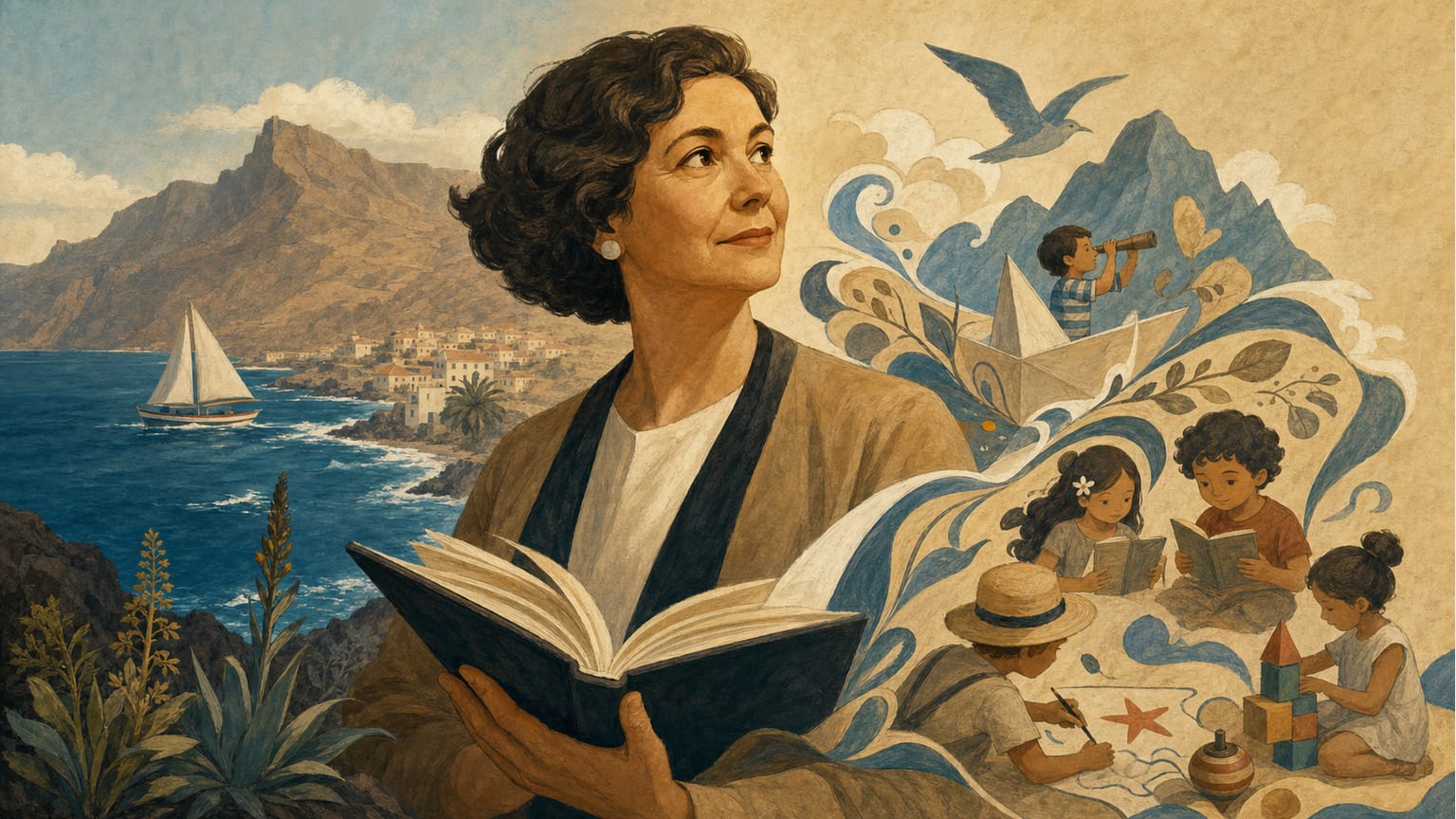
In the picturesque town of Ingenio, described by Pepa Aurora Rodríguez Silvera as the “town of the Trade Winds or Fantasy Town,” a unique voice in Canarian children’s literature was born. Surrounded by a rich oral tradition, Pepa Aurora grew up listening to stories told by mothers, grandmothers, teachers, and neighbors—tales that filled the cobbled streets with legends of Tibicenas and Mahíos, sparking her imagination long before she learned to read or write[1].
Her love of reading began early, devouring every book in her grandfather’s library, and later those of her town and city. But Pepa Aurora was not content to simply read; she became a tireless creator of stories, following the footsteps of the old storytellers who played with words and dreams. For over forty years, she has dedicated her life to creating and retelling stories and poems for children, hoping to awaken in them the same creativity and passion for reading that shaped her own childhood[1].
Pepa Aurora’s literary output is impressive: she has published over three hundred stories in more than fifty books, along with seven poetry collections and dozens of tongue-twisters, songs, and playful word games. Her style is marked by musicality, humor, and inventive vocabulary, encouraging children to play, invent, and reinvent their everyday language. Many of her poems have been set to music by renowned Canarian composers and are featured in educational projects and albums for children[1].
As a teacher, Pepa Aurora has brought stories and poetry to children across the Canary Islands, mainland Spain, and Latin America. She has led workshops and reading animation courses for teachers, families, and senior groups, notably her workshop “Literature as Therapy” aimed especially at women and the elderly[1].
Her work has been recognized with numerous national and international awards, such as the Chamán Prize for oral storytelling, the Alhóndiga Prize for popular poetry, and honors including the Ingenio de Oro, the Can de Plata, and having her name given to streets, parks, and school libraries in Gran Canaria and Tenerife. She has also been honored by over a hundred school communities and is an Honorary Member of the Canary Islands Academy of Language[1].
Pepa Aurora’s legacy is more than literature: she has built a bridge between Canarian oral tradition and contemporary creativity, inspiring new generations to discover the power of words and imagination. Her work stands as living proof of how children’s literature can transform culture and education in the Canary Islands.