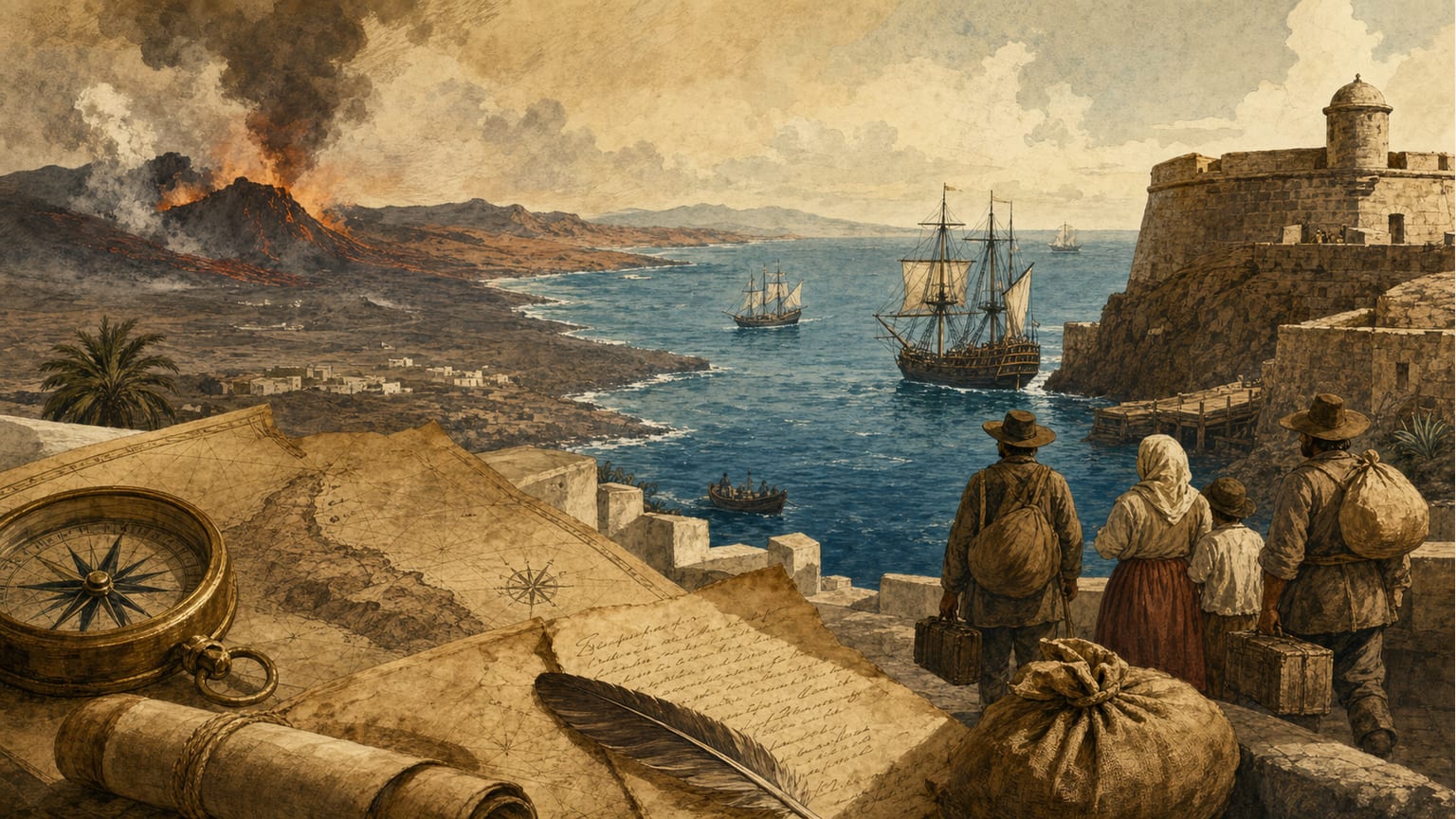
In the 17th and 18th centuries, agricultural crises and the Timanfaya eruption triggered large-scale migrations from Lanzarote and Fuerteventura to other Canary Islands.
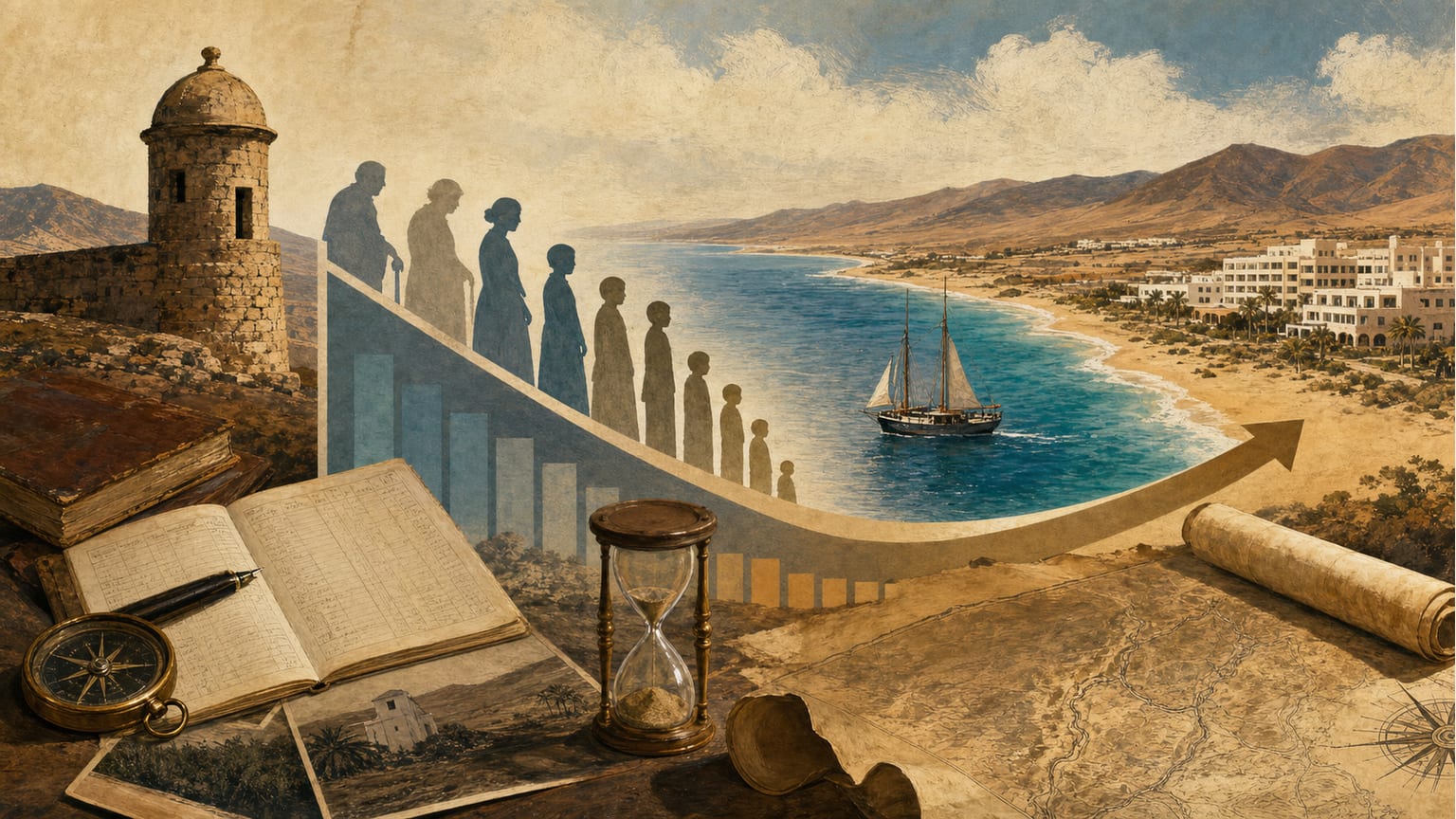
Between 1970 and 1991, Fuerteventura underwent a demographic transition marked by declining birth and death rates, the rise of tourism, and shifts in the age structure of its population.
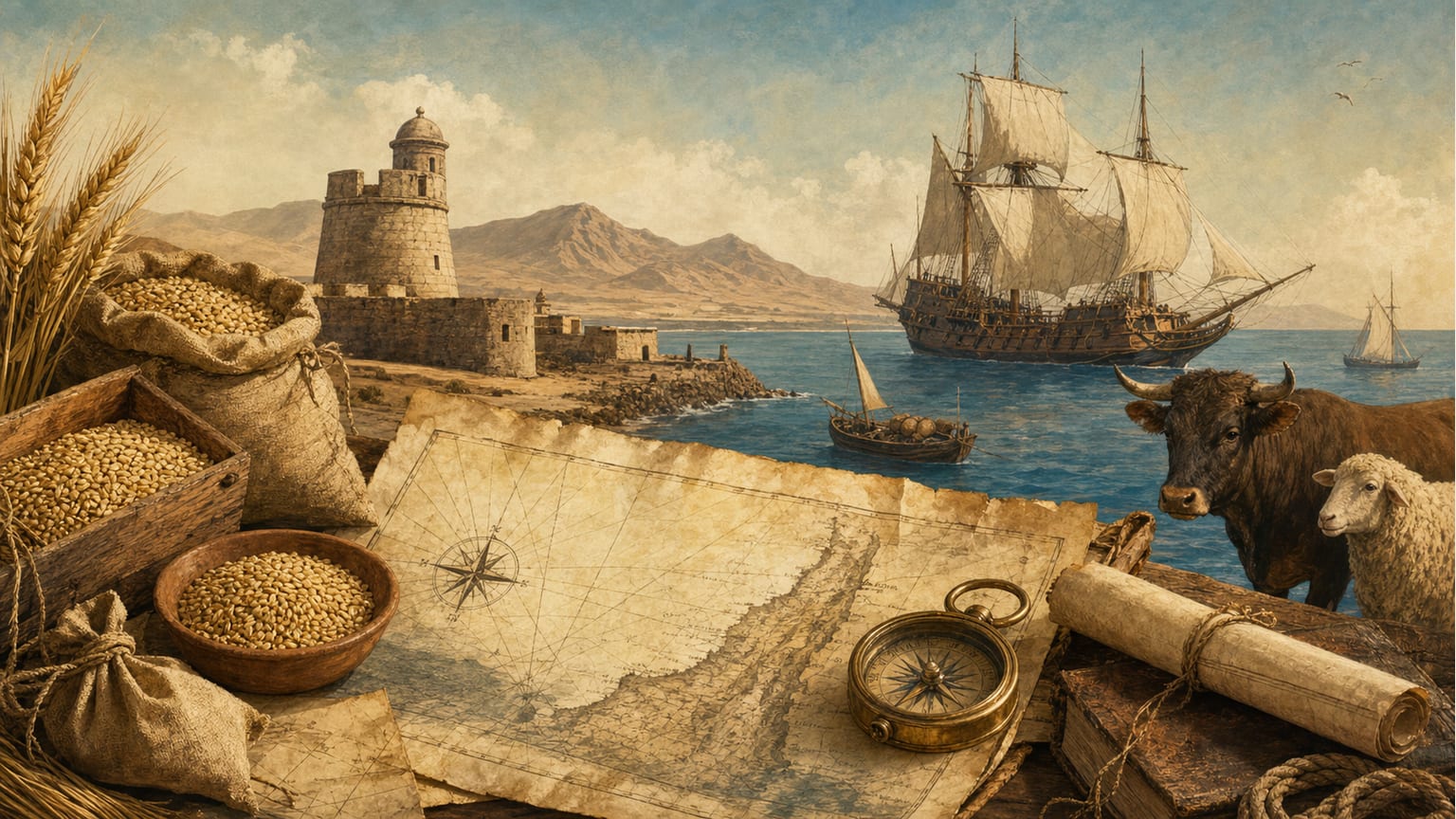
In the 17th century, Fuerteventura played a key role as a supplier of cereals and livestock to other Canary Islands, with inter-island trade shaped by climate vulnerability and reliance on external agents.
Maximiano Trapero emphasizes the crucial role of orality as a primary source for researching the Guanche language, contrasting it with the traditional reliance on written documents.
Early twentieth-century Canarian regionalism grew out of centralisation, inter-island rivalry, economic imbalances and inadequate representation. El Progreso’s 1906 survey revealed the movement’s diversity.
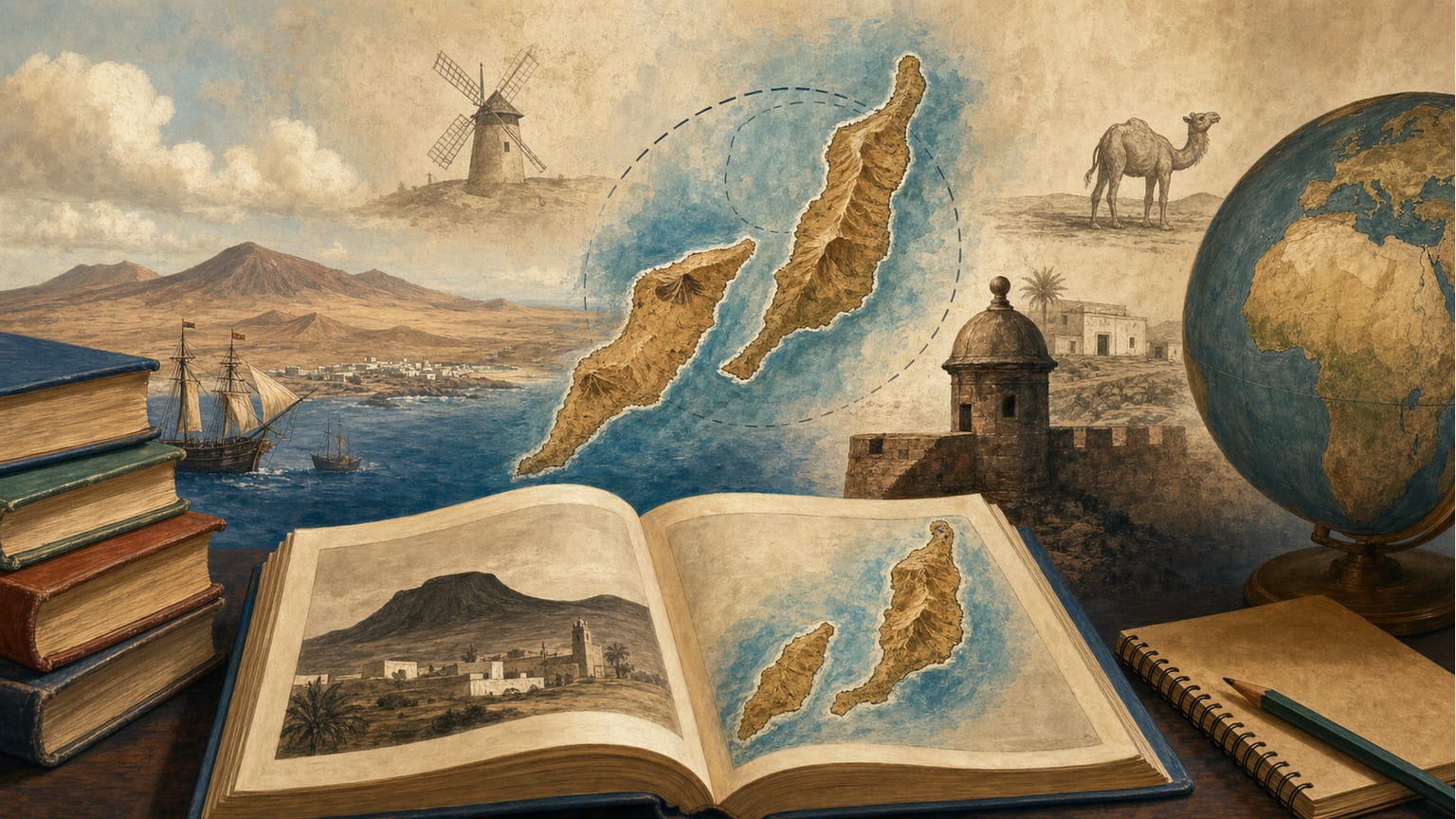
A detailed analysis of the representation of Lanzarote and Fuerteventura in school textbooks published between 1978 and 1987, highlighting the lack of specificity and prevalence of stereotypes.
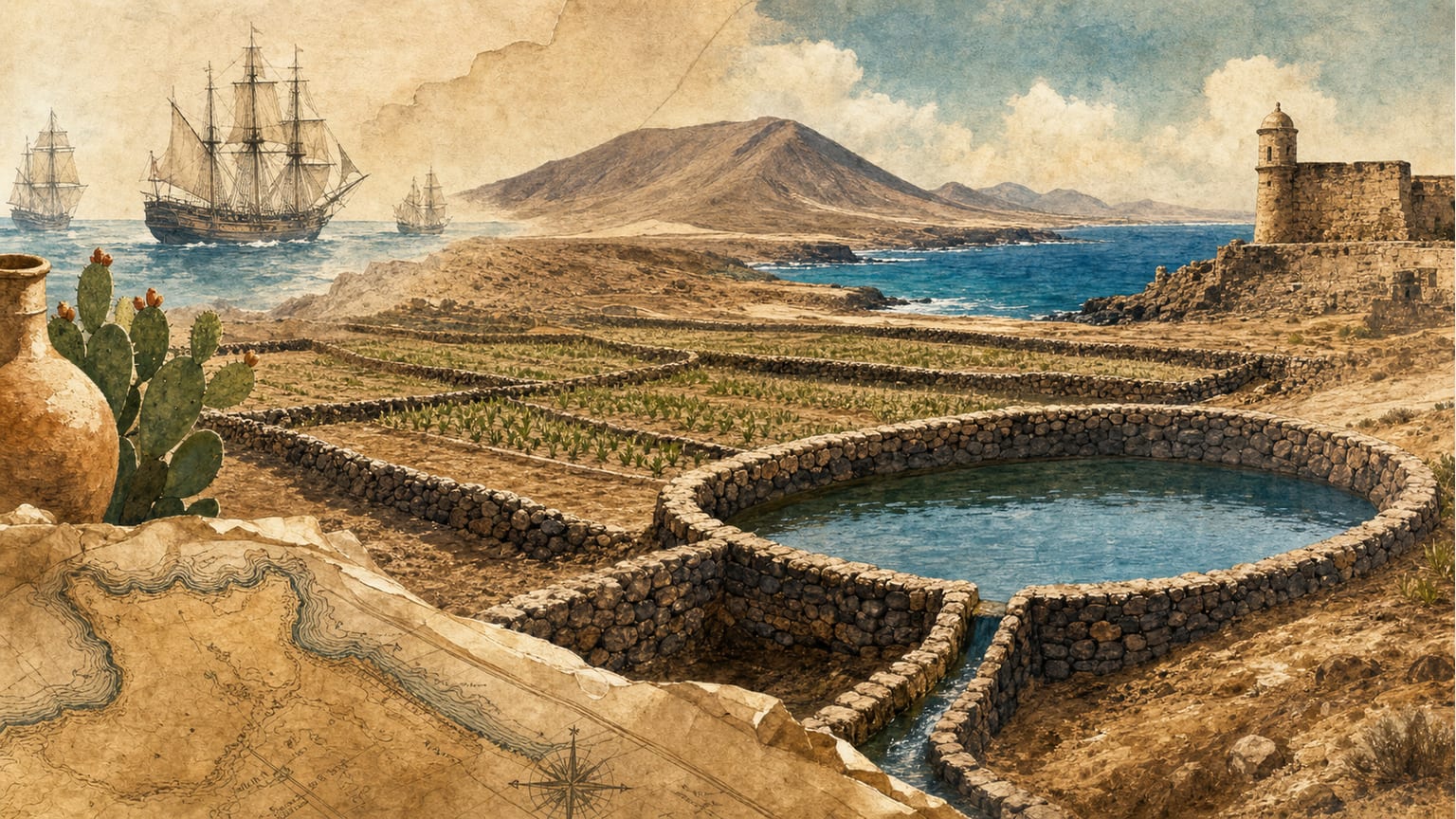
Gavias and nateros are traditional systems that have enabled agriculture in Fuerteventura by capturing and managing scarce surface water in an arid environment.
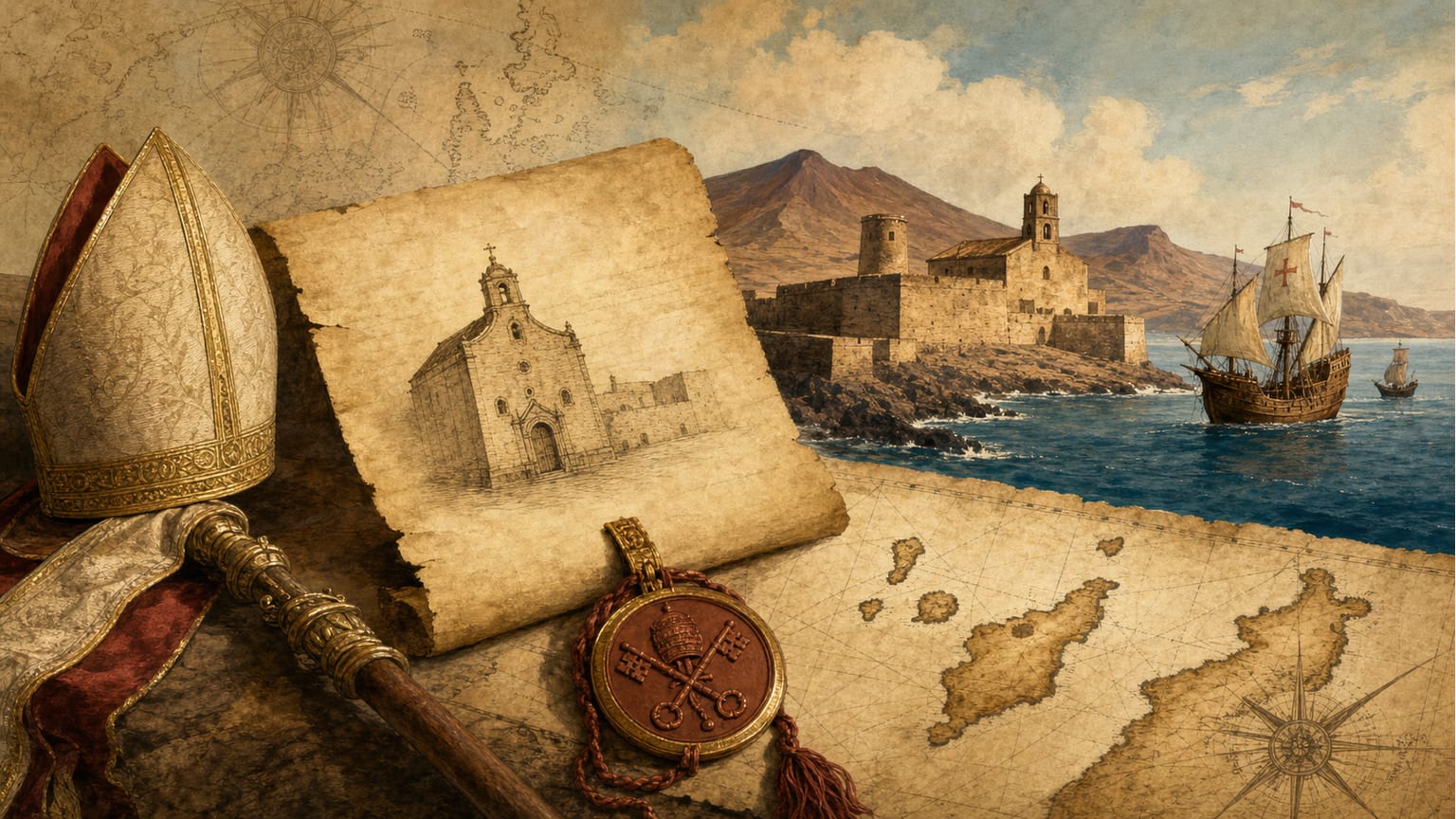
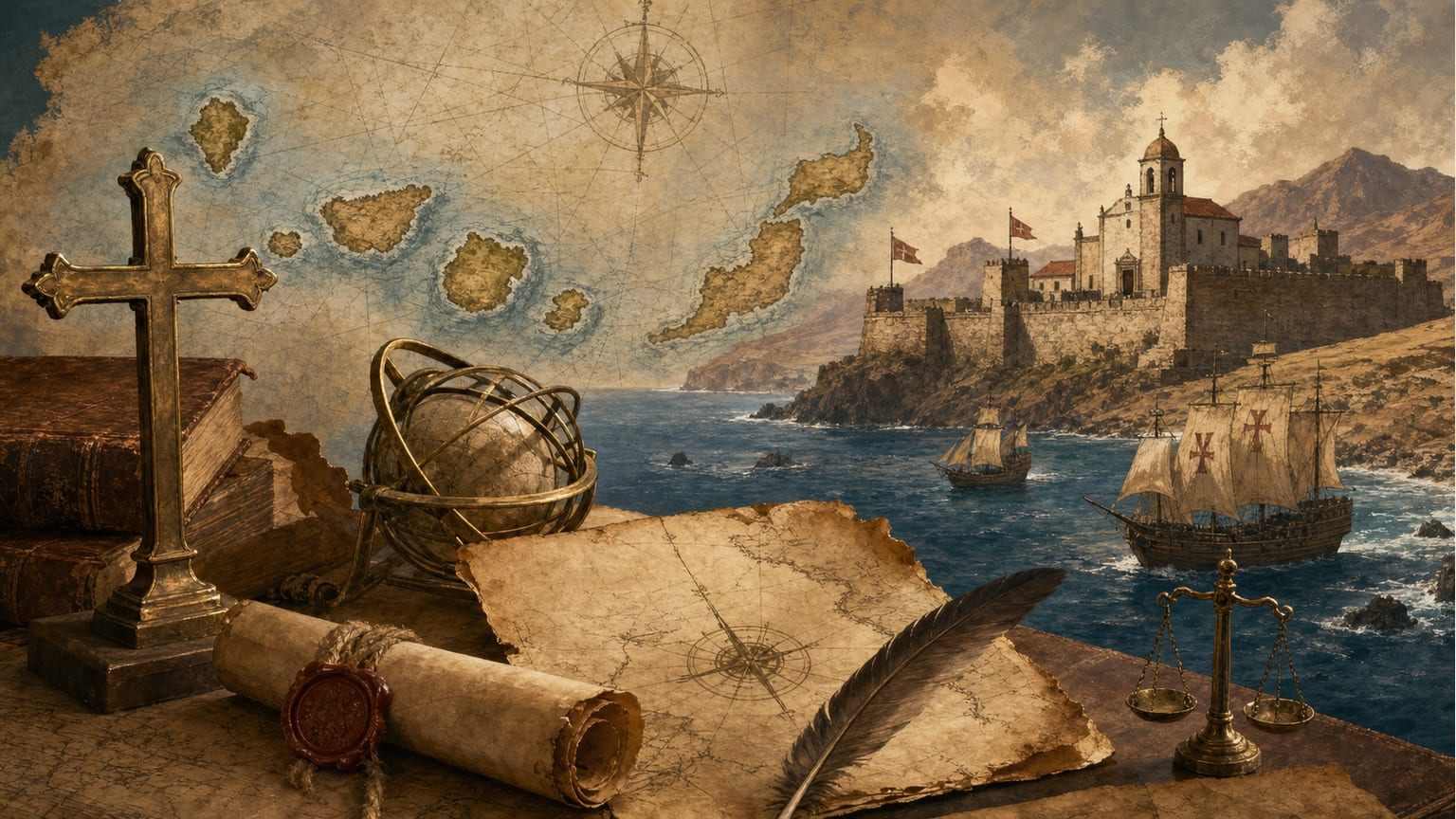
The 1404 papal bull by Benedict XIII established the first Canarian diocese in Rubicón, Lanzarote, marking the beginning of ecclesiastical organization in the islands.
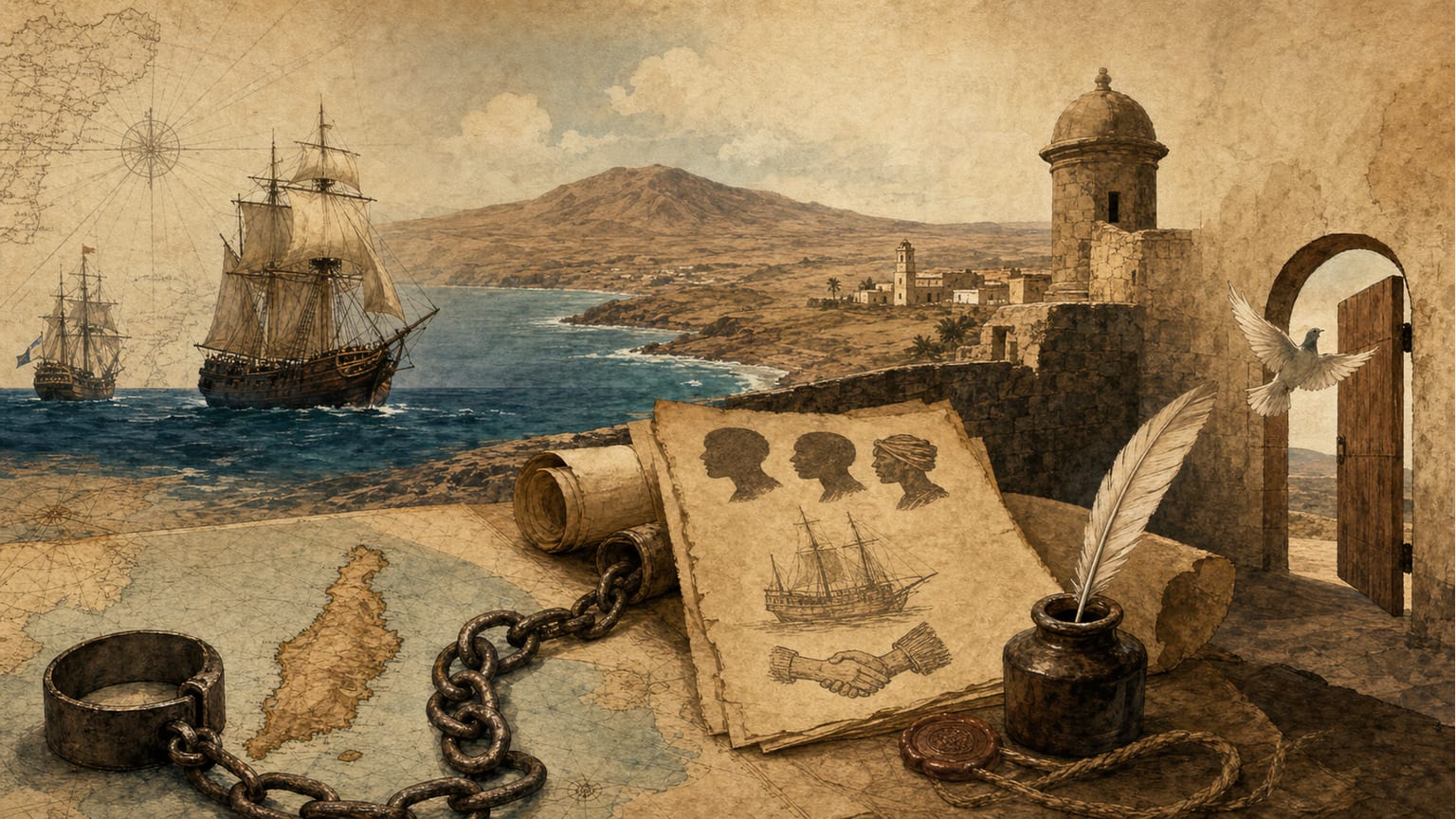
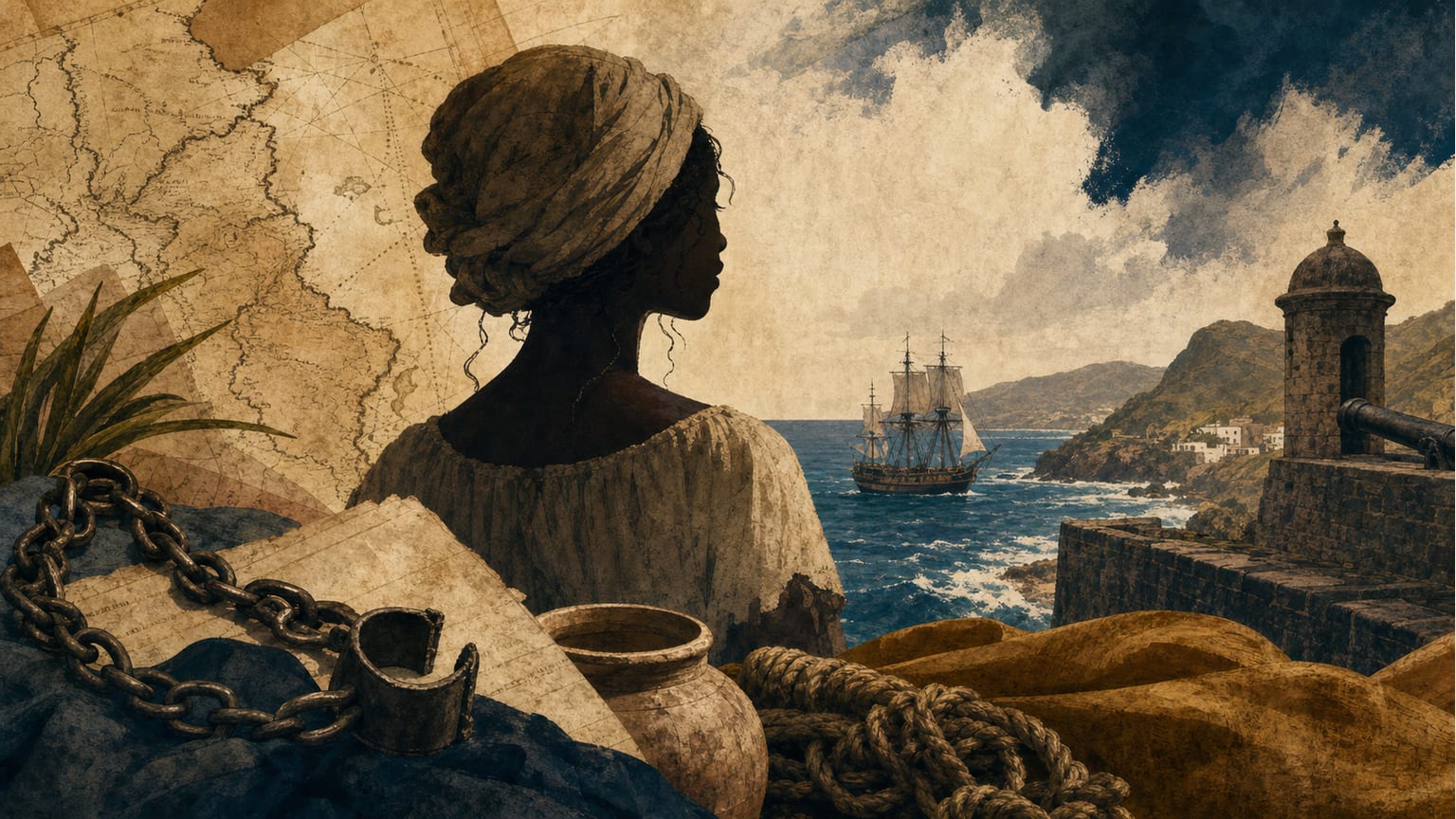
A documentary analysis of slavery in Fuerteventura during the 16th and 17th centuries, focusing on the origins of slaves, the slave market, and manumission processes.
Canarian art is underrepresented in digital educational resources for secondary education, limiting its teaching and awareness in Canary Islands classrooms.
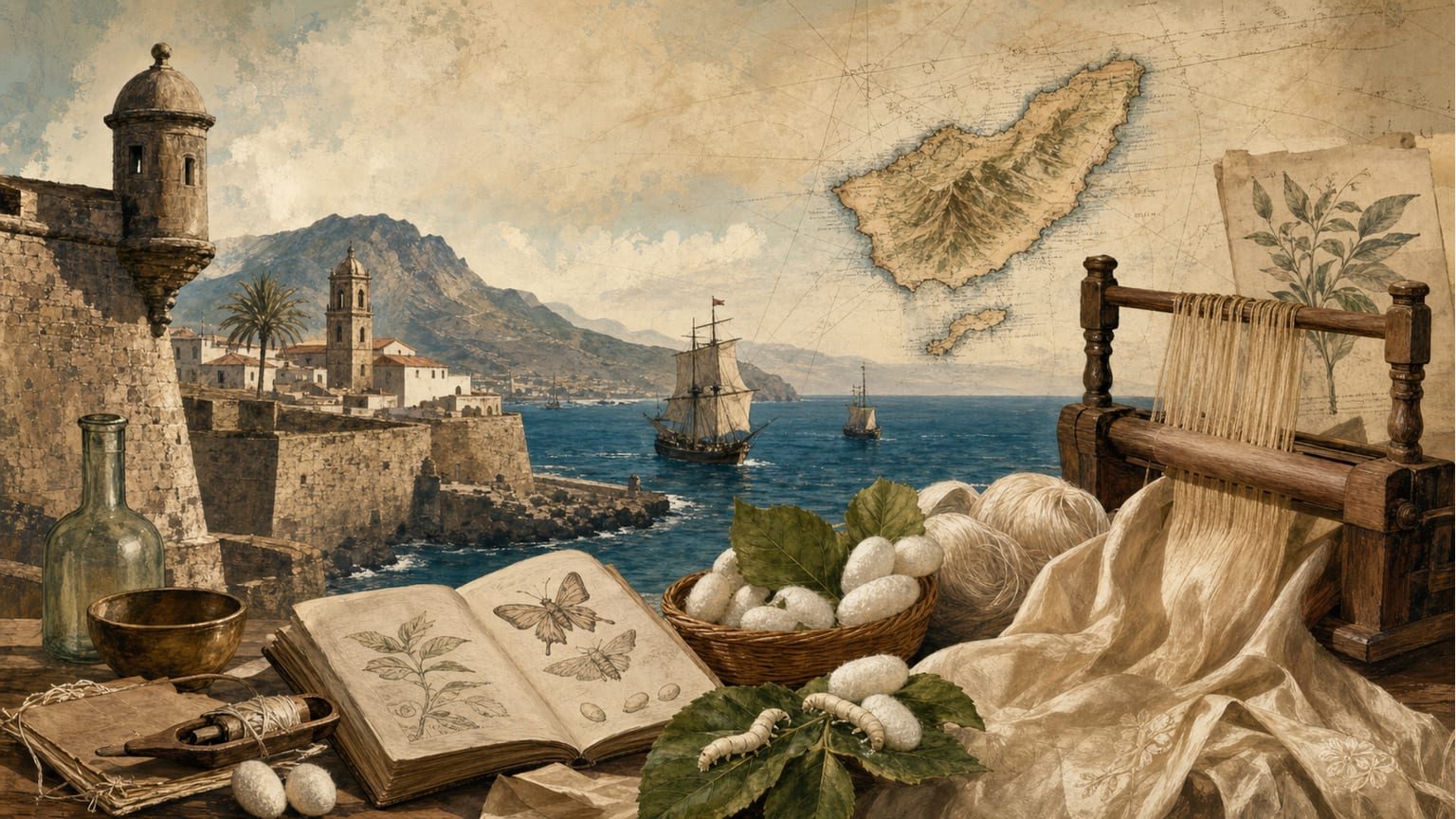
María de Betancourt was notable in 18th-century Tenerife for her experimentation and teaching in the silk industry, contributing to technical improvements and the training of other women.[^maria-del-carmen-betancourt]
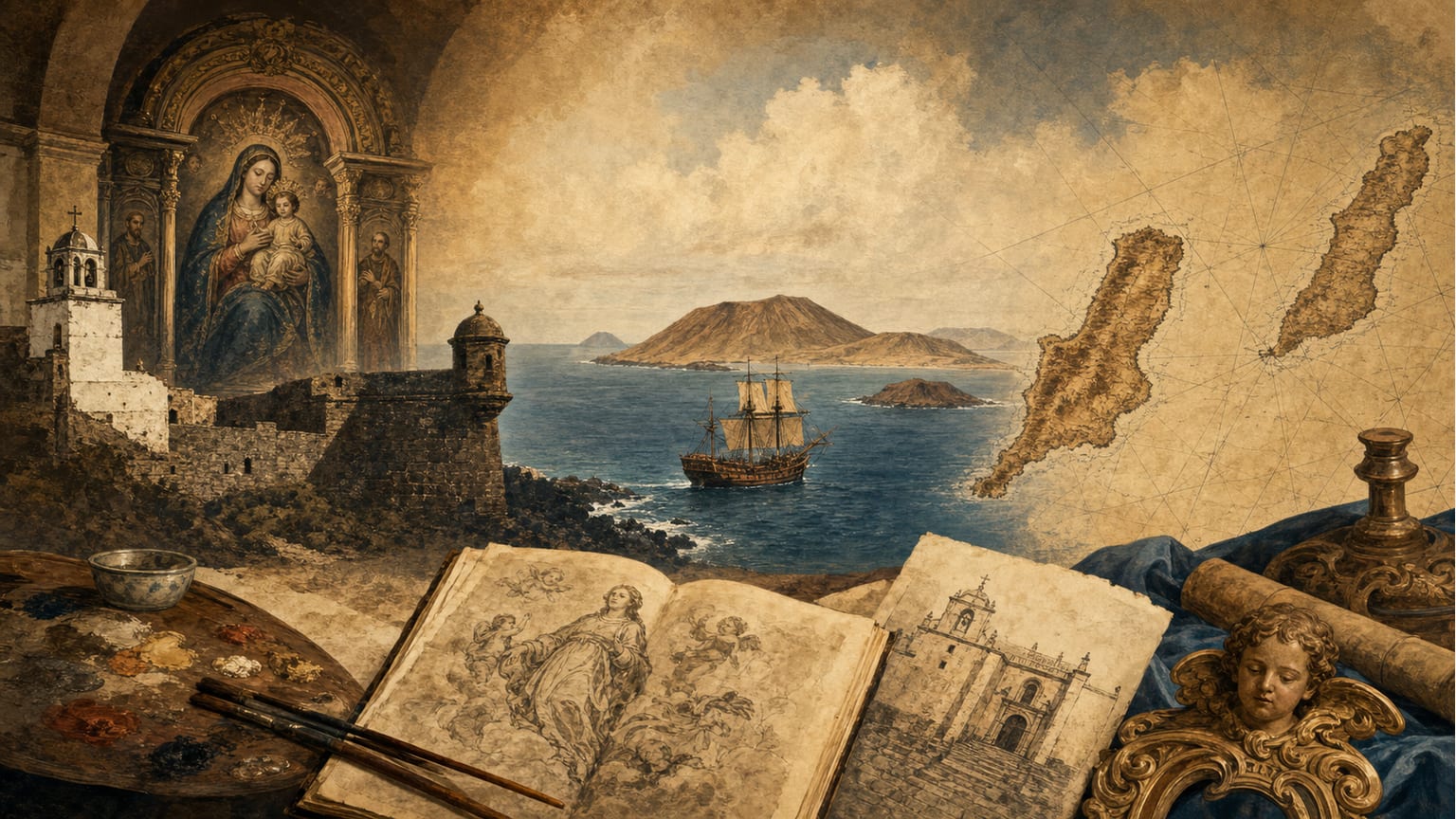
An in-depth look at religious painting in Fuerteventura and Lanzarote in the 17th and 18th centuries, highlighting the influence of Tenerife, iconographic themes, and the preservation of works in local churches.
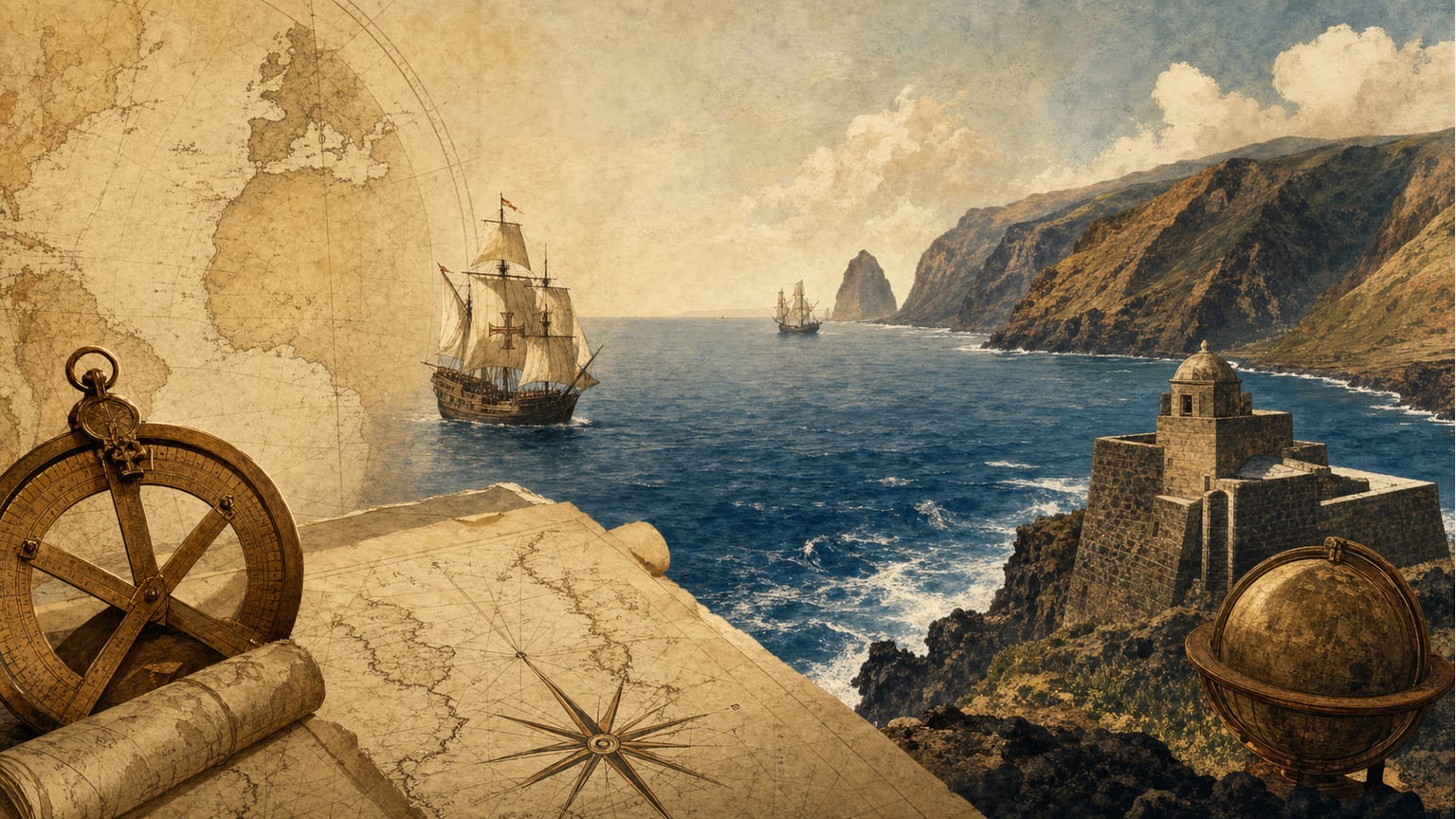
At Punta Orchilla, El Hierro preserves the memory of the old zero meridian: an Atlantic edge where Europe imagined the beginning of the map for centuries.
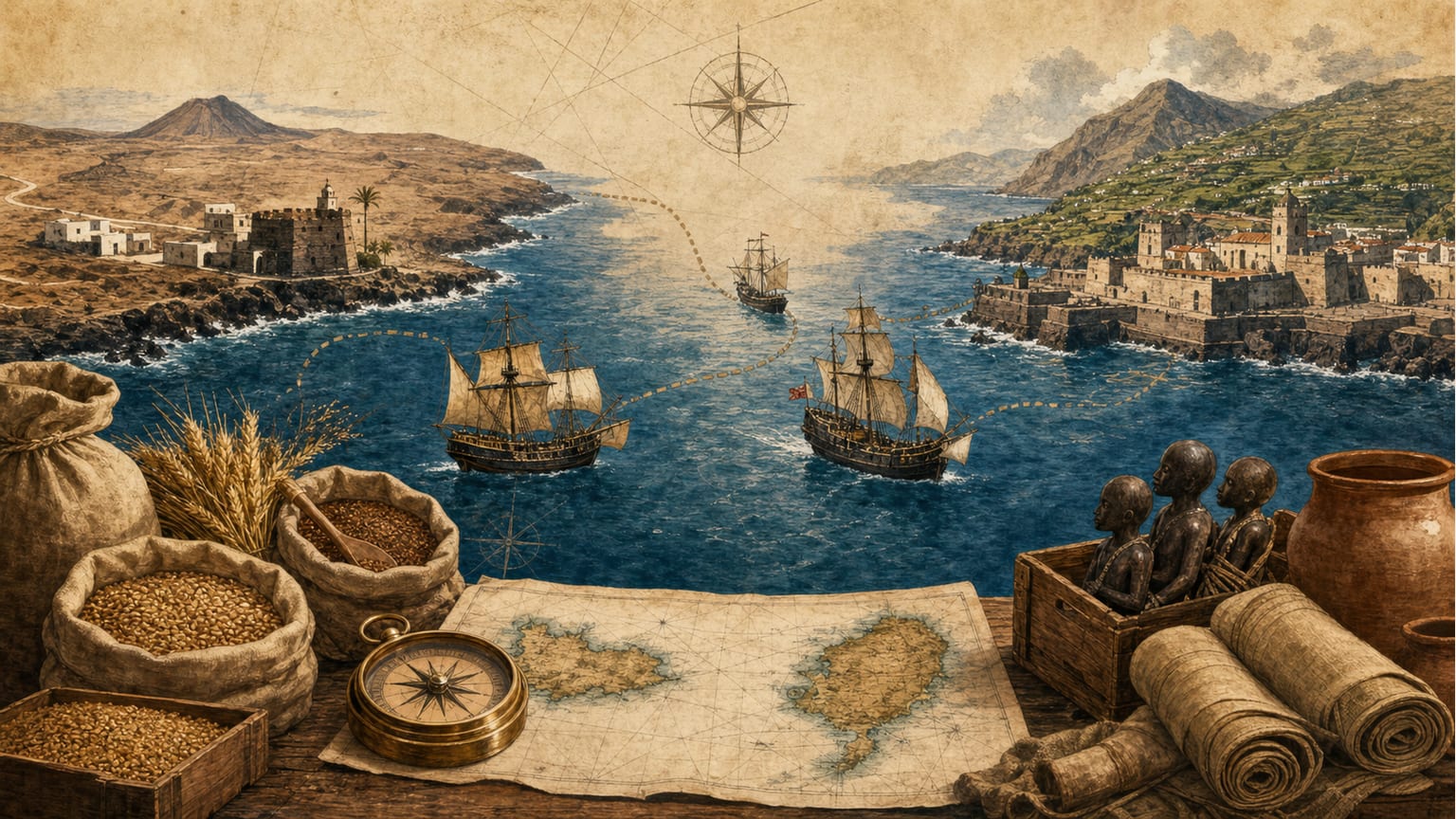
In the 16th and 17th centuries, Lanzarote and Madeira maintained a dynamic trade relationship based on the exchange of cereals, slaves, and other goods, reflecting a complementary economic system between the two archipelagos.
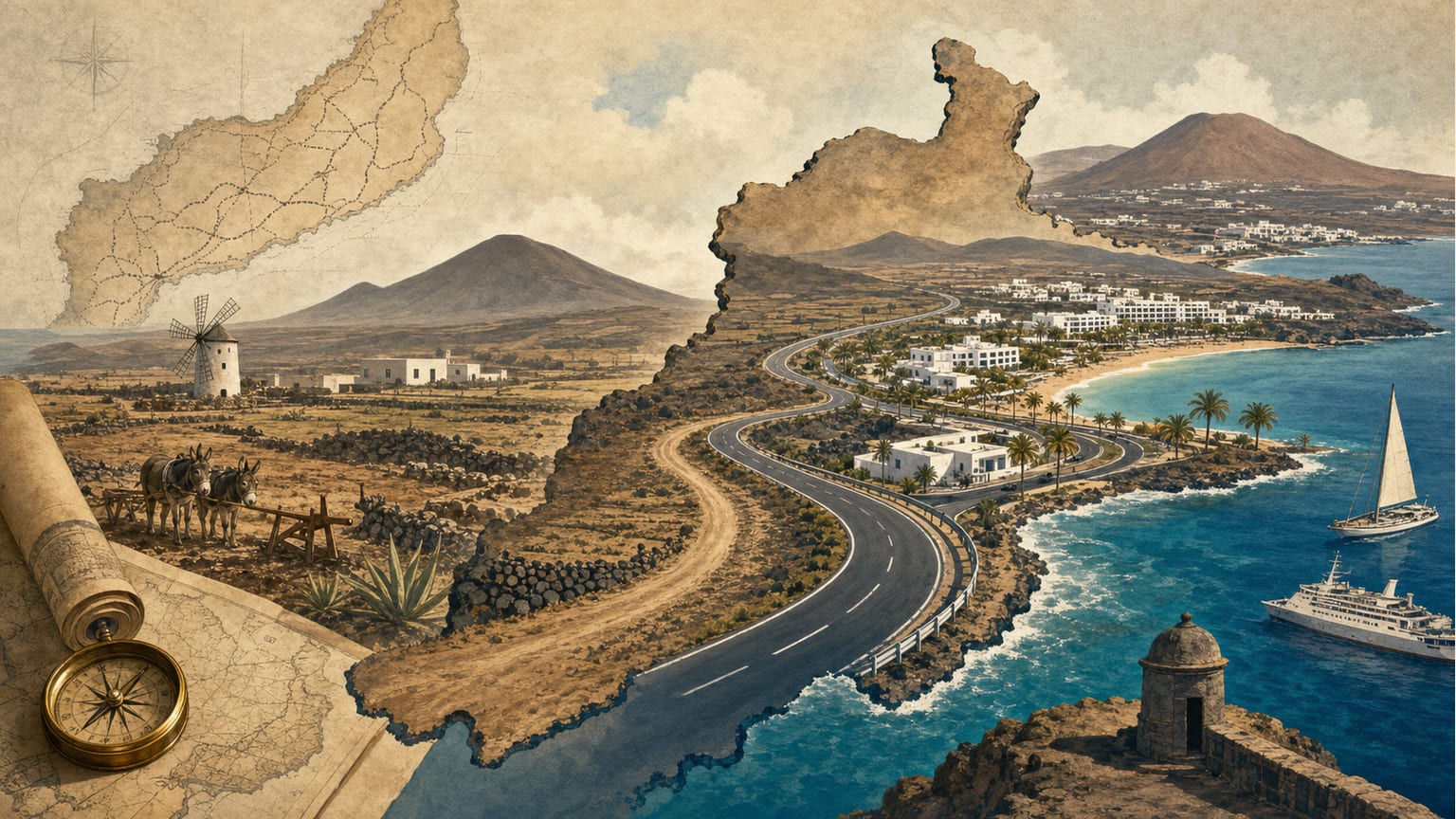
Lanzarote’s road network shifted from serving agriculture to prioritizing tourism, especially since the 1970s, profoundly altering the island’s territorial organization.
In 1789, Lanzarote witnessed the so-called 'pobrera' uprising, a unique event reflecting the island's social and political tensions in the late 18th century.
A detailed analysis of the creation and distribution of public libraries in Fuerteventura and Lanzarote during the 20th century, the applied criteria, and the challenges encountered.
The Jable of Lanzarote is a vast area of mobile marine sands whose extent and use have changed over the centuries, shaping settlement and the island's economy.
Between 1875 and 1884, Fuerteventura and Lanzarote faced a severe economic and demographic crisis due to the collapse of the cochineal market and prolonged drought.
In 1341, an expedition funded by the King of Portugal and described by Florentine merchants visited several Canary Islands, documenting their inhabitants, resources, and customs.
The conquest of the Canary Islands was shaped by the intervention of the Church and the evolution of international law, key factors in the archipelago’s integration into European Atlantic expansion.
The story of Catalina Jiménez sheds light on the harsh reality of female slavery in Teror and places her life within 17th-century Canarian society.
Canarias Historia
Cookies and analytics
We use consent choice to decide whether usage analytics should be enabled. You can accept or reject analytics cookies; strictly necessary technical elements will still operate.