

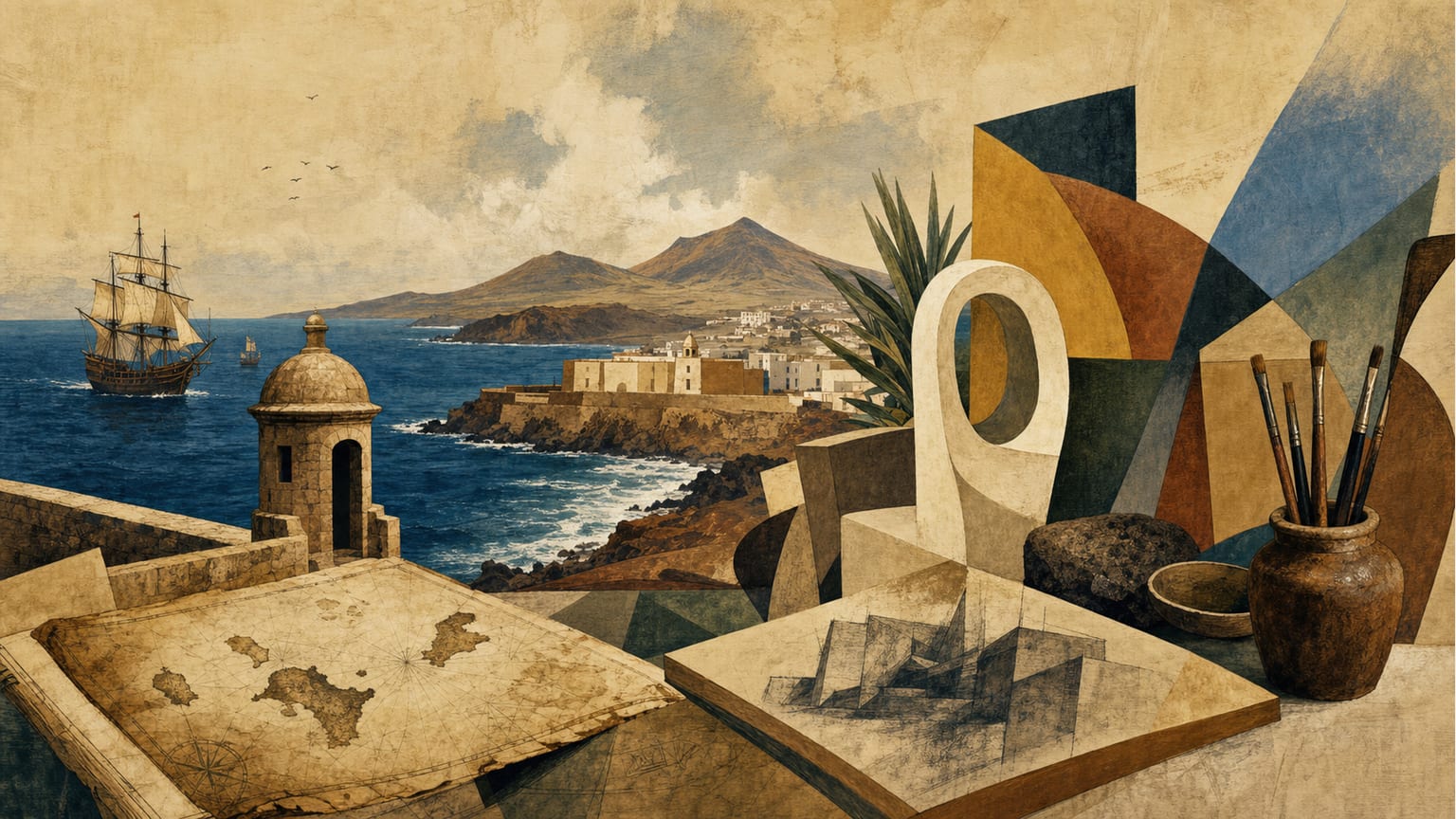
The 1970s Generation: Renewal and Diversity in Contemporary Canarian Art
The 1970s Generation marked a turning point in Canarian art, introducing a plurality of voices and a deep reflection on insular identity and modernity.
Knowledge pills about the history, culture and nature of the Canary Islands
The 1970s Generation marked a turning point in Canarian art, introducing a plurality of voices and a deep reflection on insular identity and modernity.
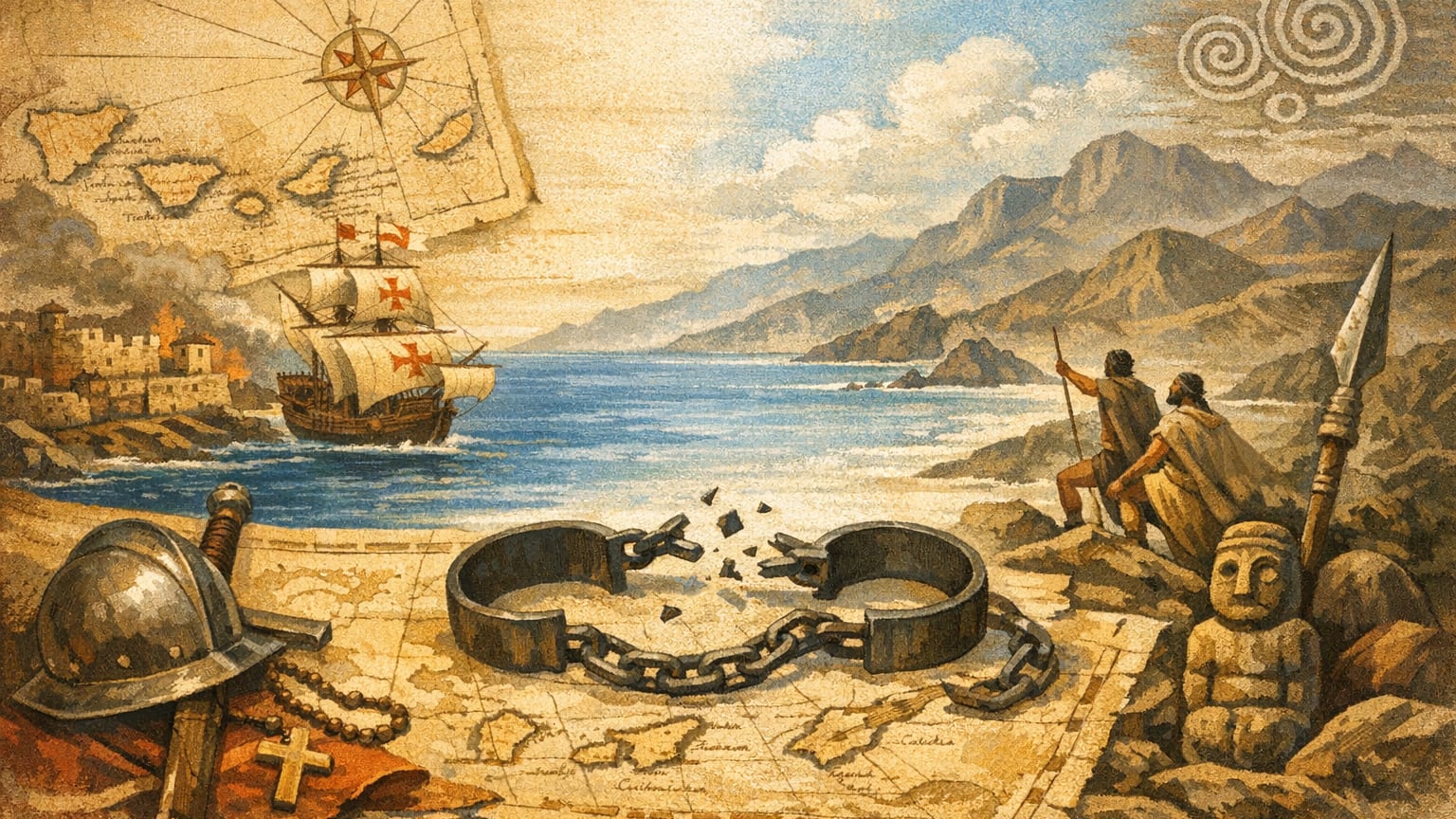
European colonization radically transformed Indigenous Canarian societies, dismantling their cultures and economies, but also sparked resistance and cultural blending.
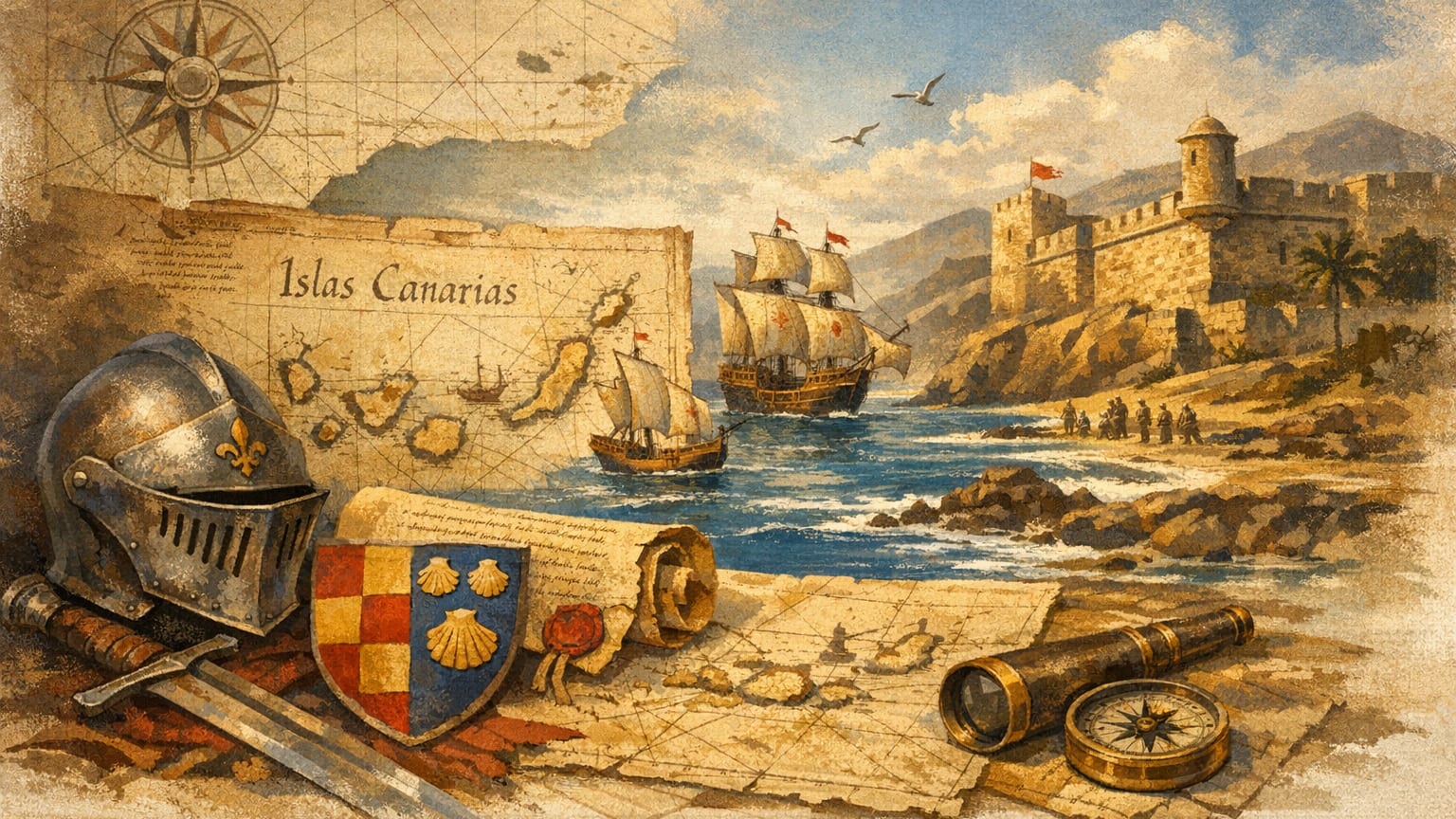
Explore the medieval roots of the Béthencourt family and their pivotal role in the conquest of the Canary Islands.
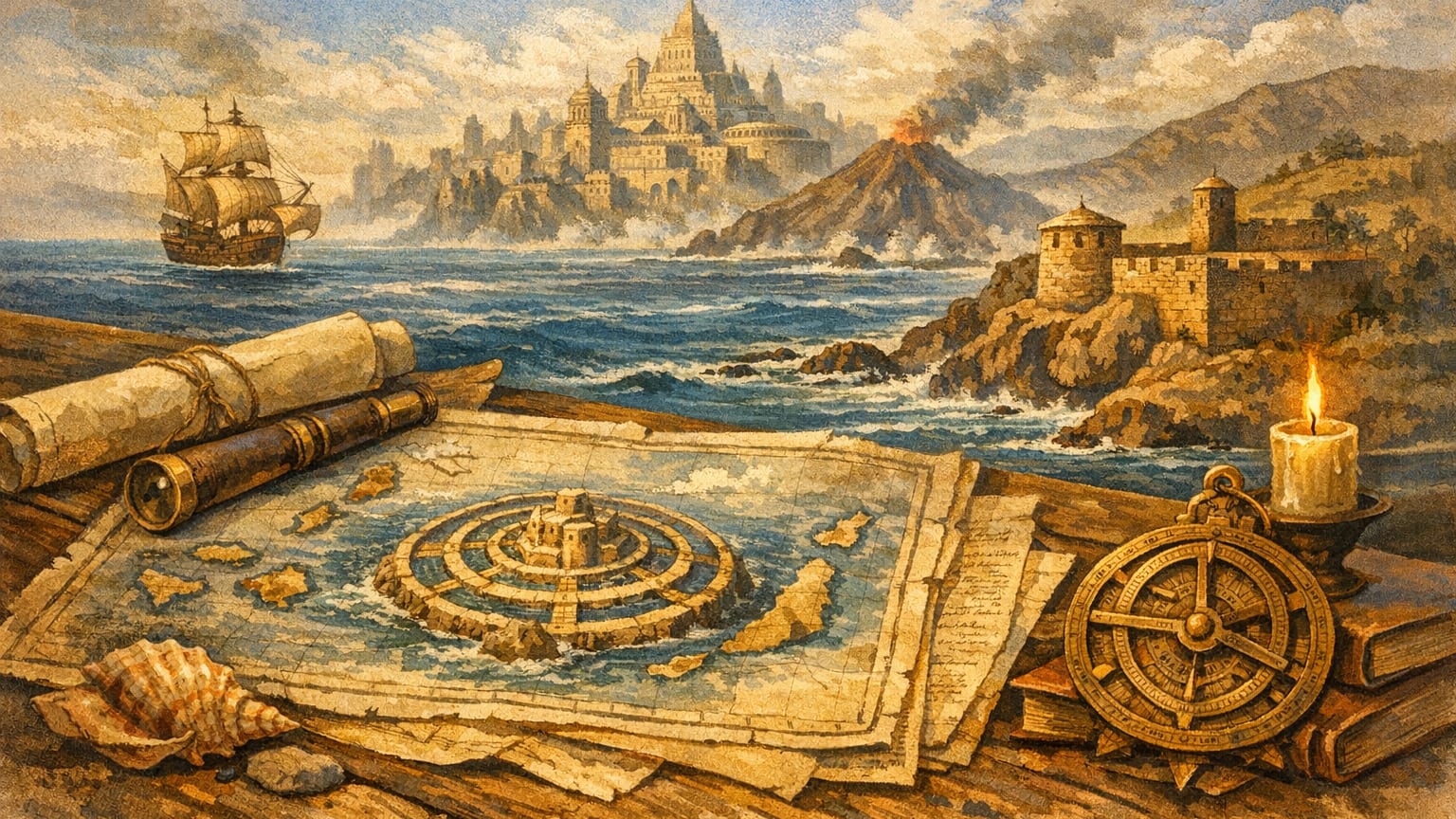
The legend of Atlantis has long been linked to the Canary Islands. Discover how this myth shaped both historical and scientific views of the archipelago.
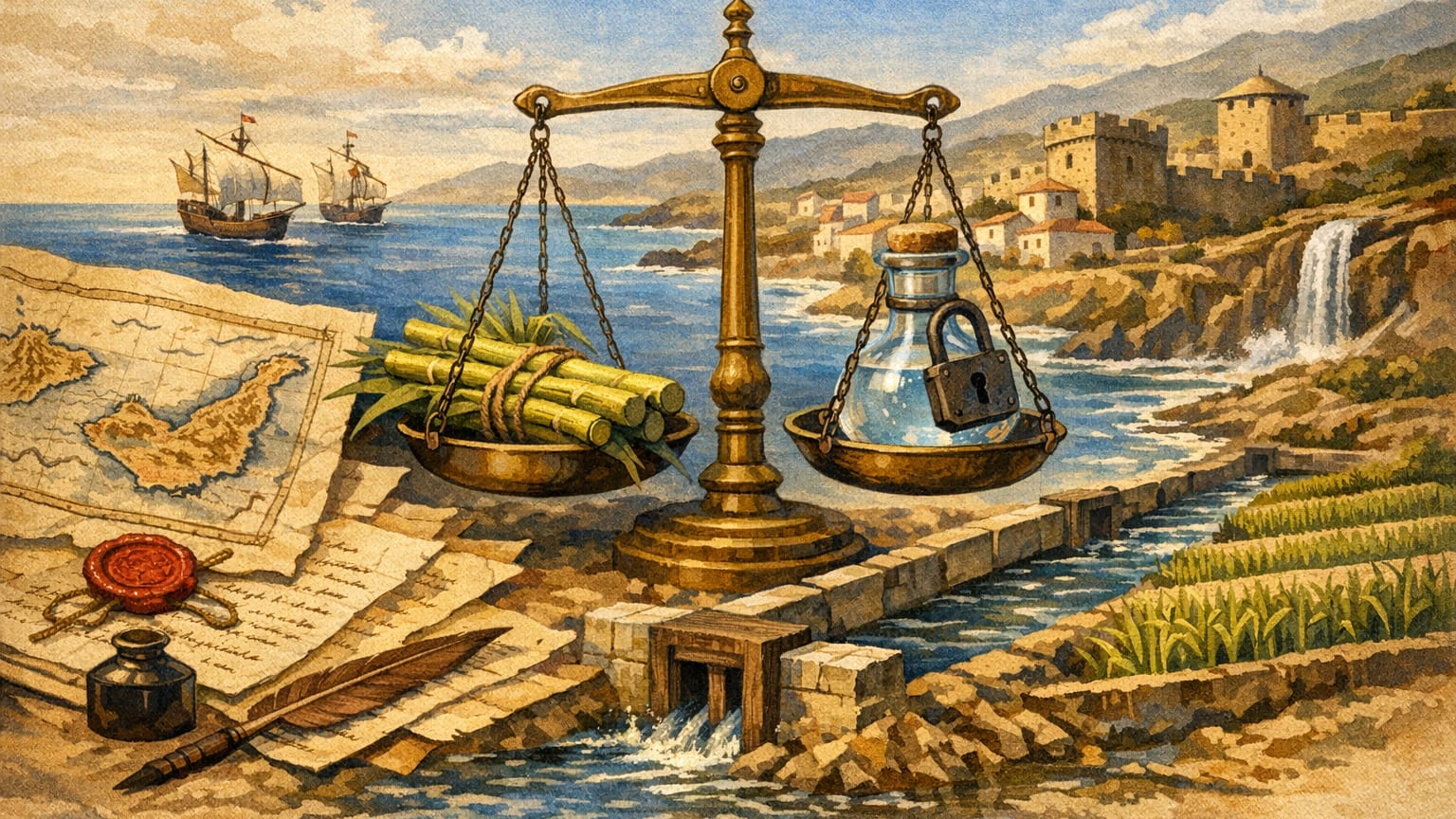
In the 16th century, the rise of the sugar elite in the Canary Islands led to the privatization of water, reshaping the islands' hydraulic system and legal culture.
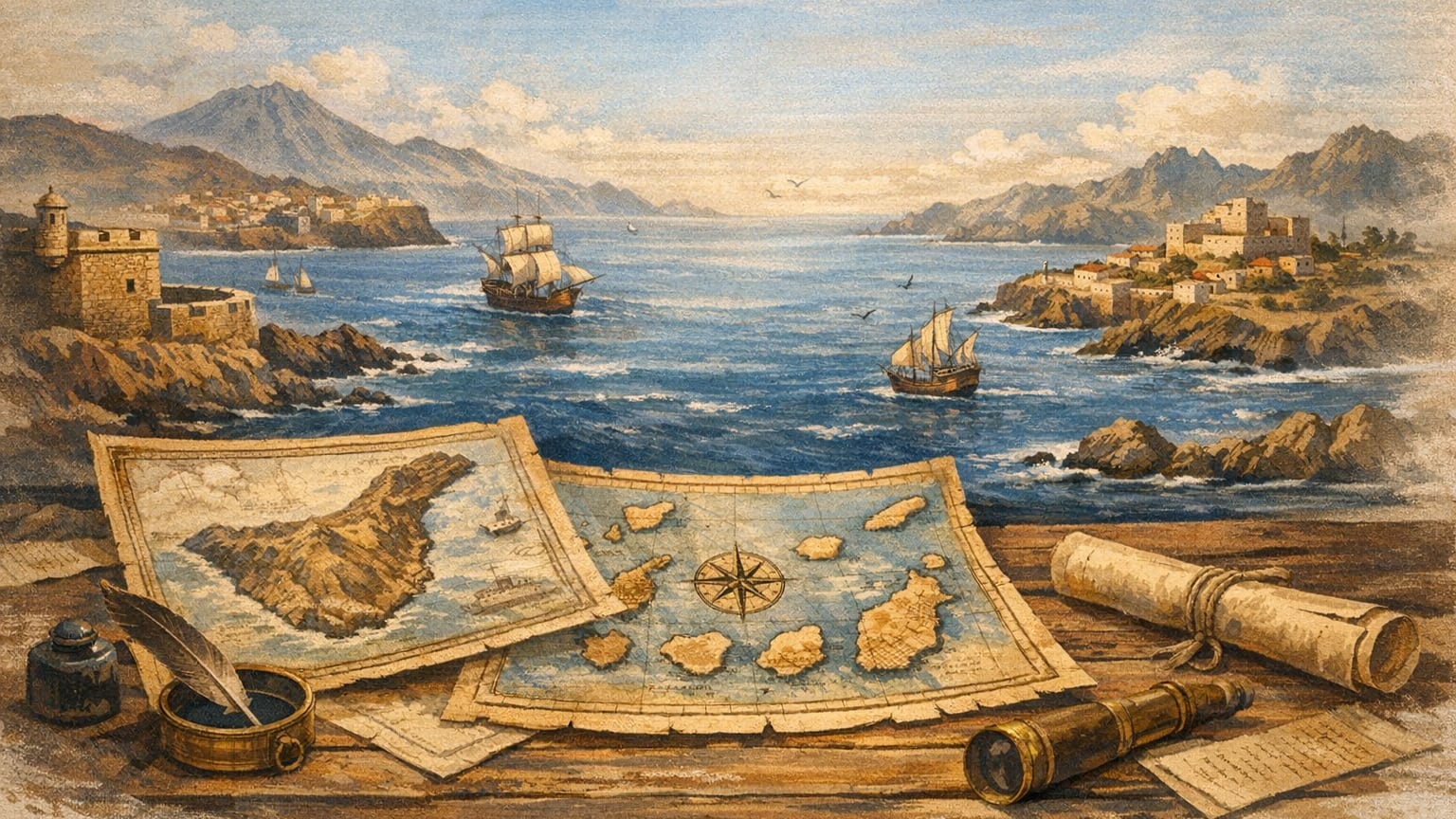
The fractured geography of the Canary Islands deeply influenced the development and isolation of its cities during the Early Modern period.
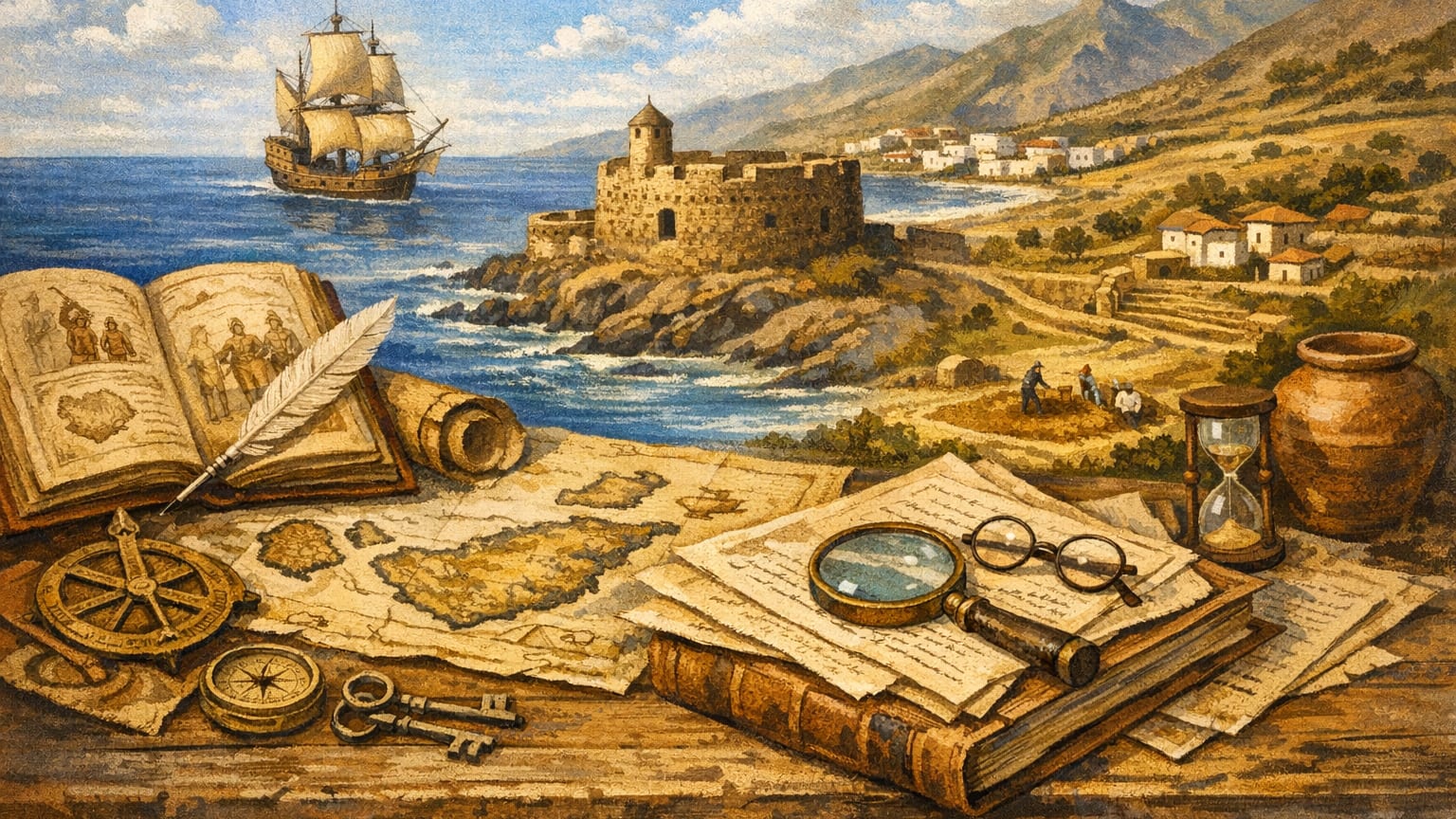
Canarian historiography has evolved from early conquest chronicles to modern microhistorical approaches, mirroring the islands’ complex identity.
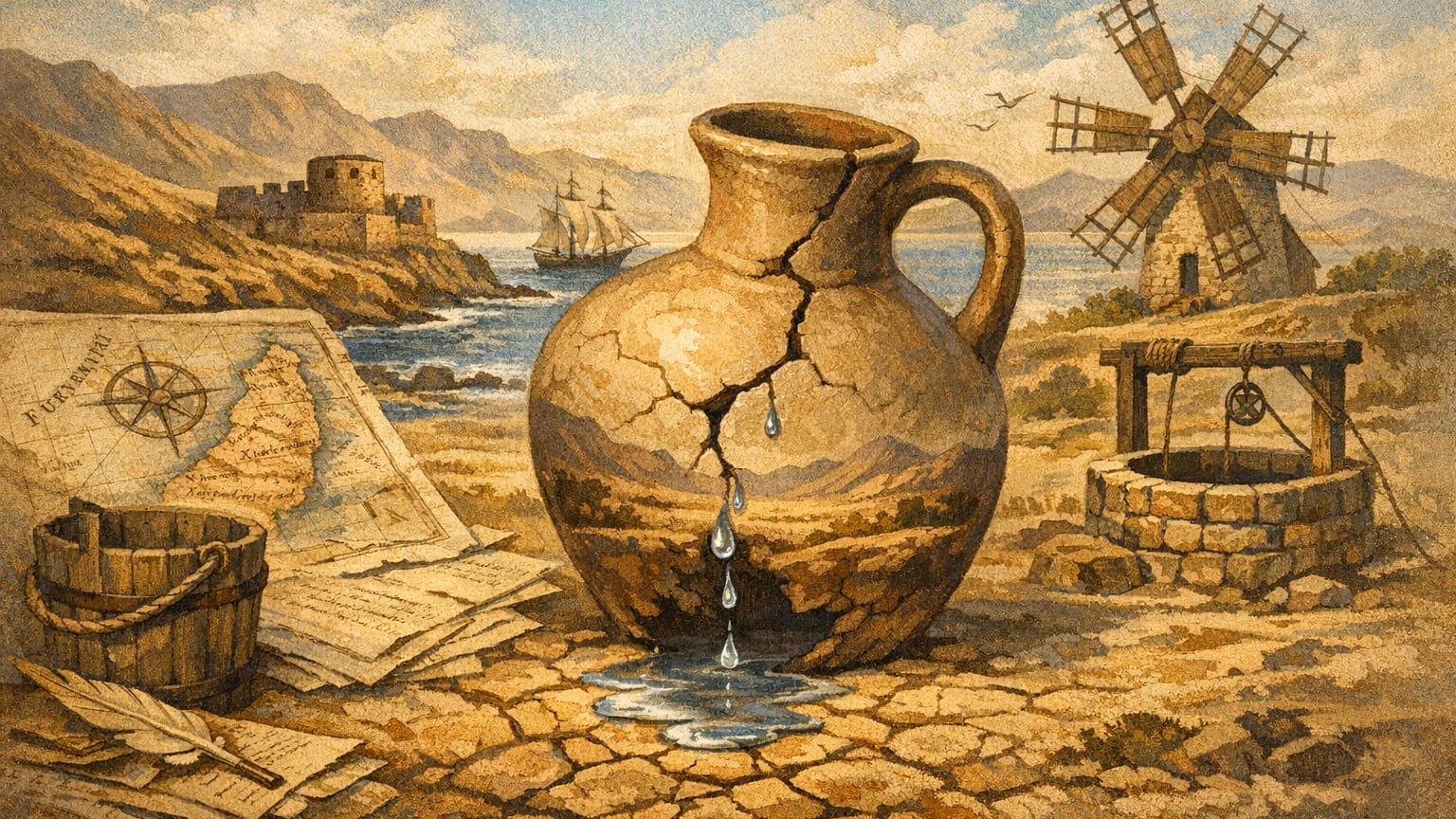
Fuerteventura's history is shaped by its chronic water scarcity, a challenge that has defined its people and landscape. Learn how the islanders and their council fought to secure every precious drop.
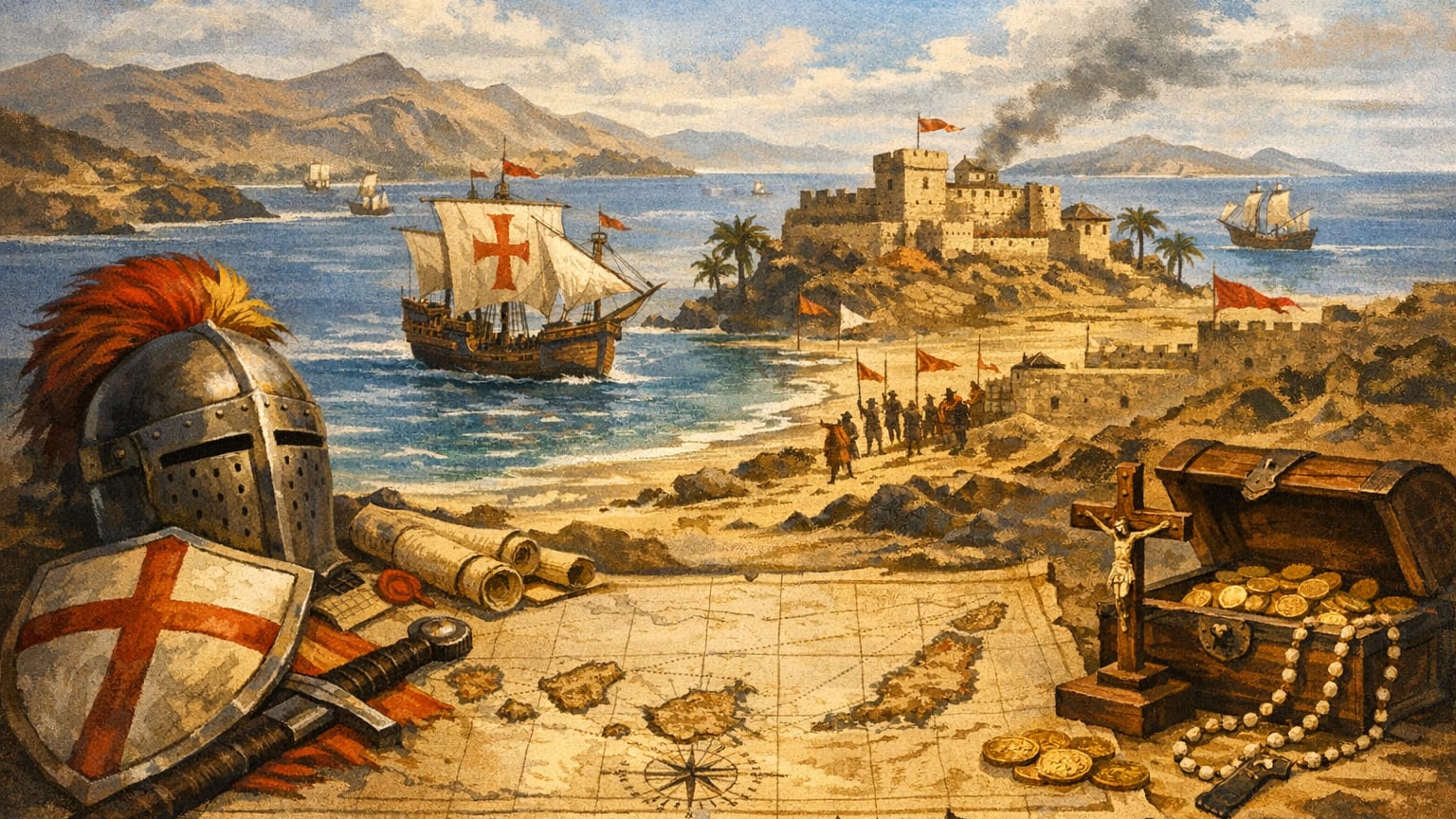
Explore how the lordly conquest led by Normans like Jean de Béthencourt and Gadifer de La Salle reshaped the Canary Islands and laid the foundations for a new society.
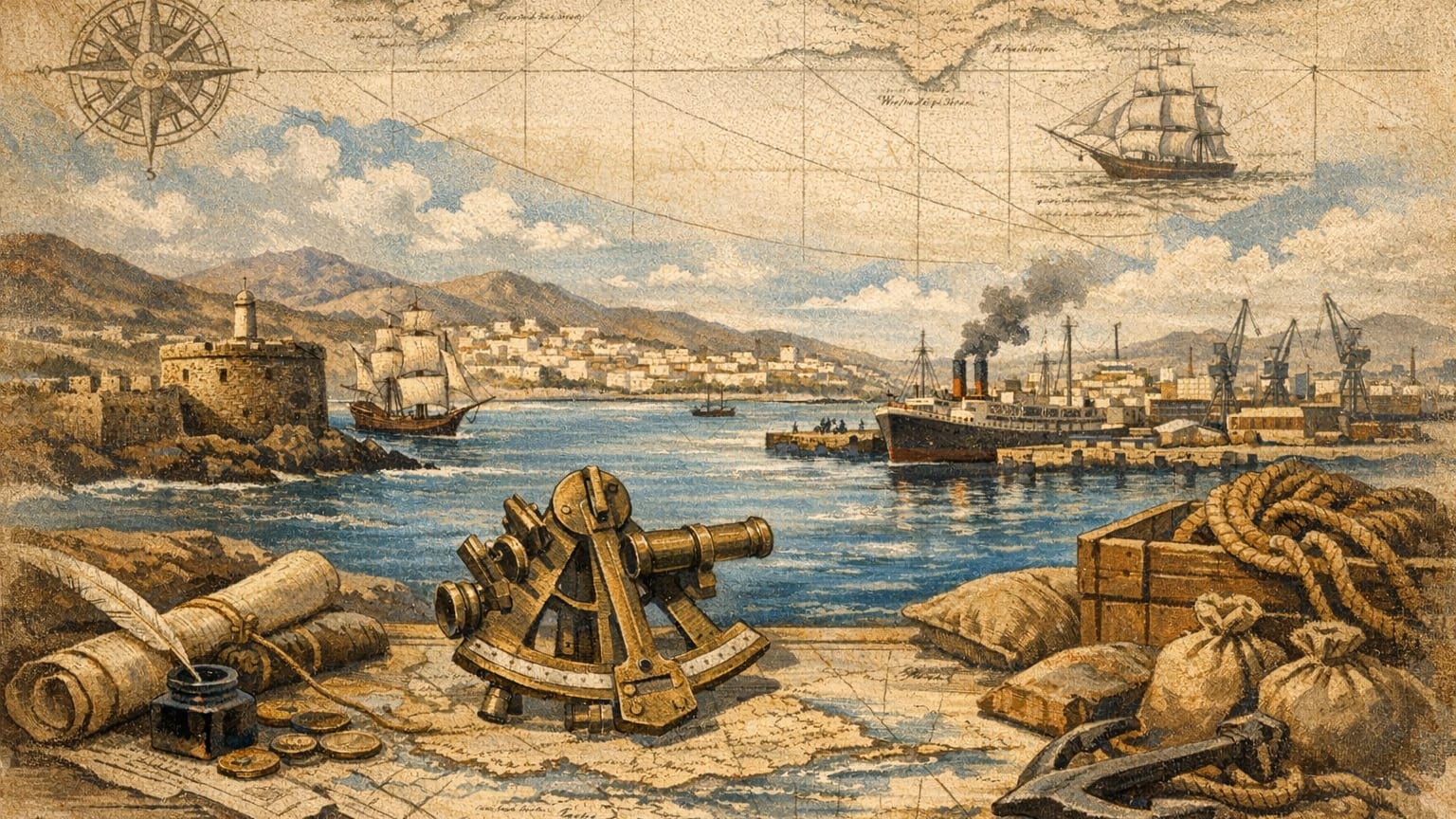
The Port of La Luz has played a pivotal role in the modernization and economic, social, and cultural development of Las Palmas de Gran Canaria since the 19th century.
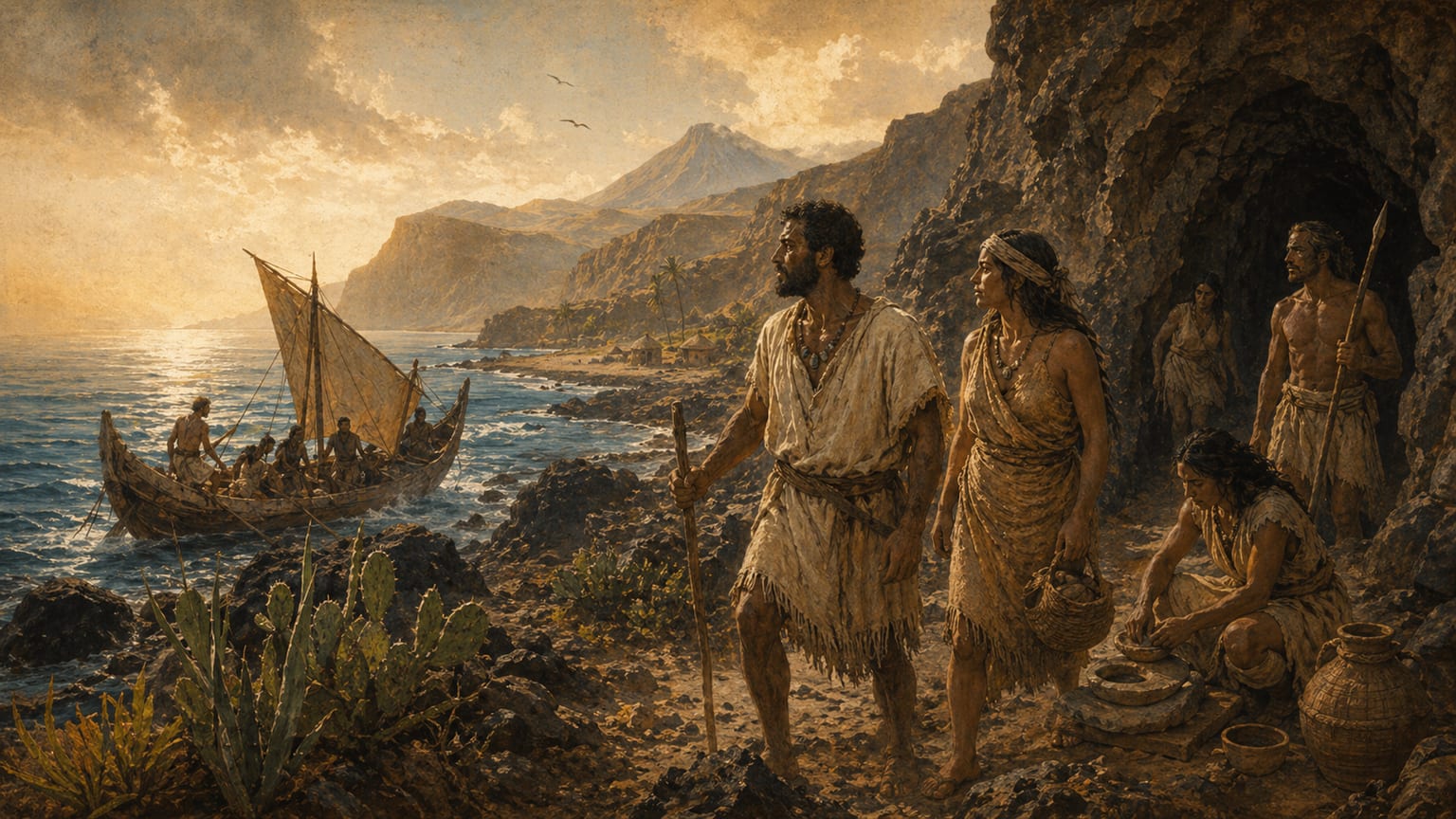
We explore the origin and culture of the Guanches, the first inhabitants of Tenerife, and their legacy in the history of the Canary Islands.
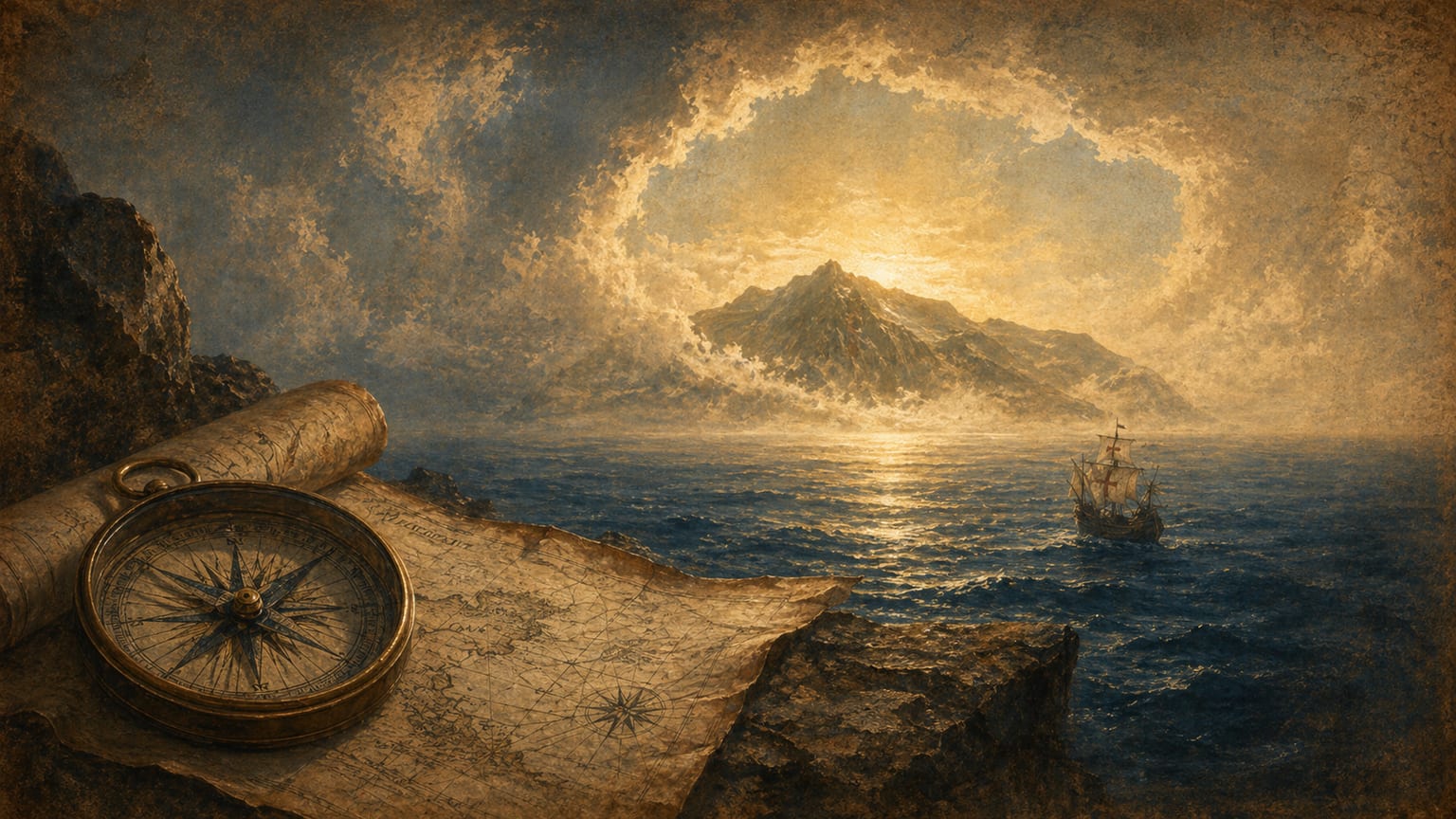
We delve into the captivating legend of San Borondón, a geographical enigma that has captured the imagination of generations in the Canary Islands.
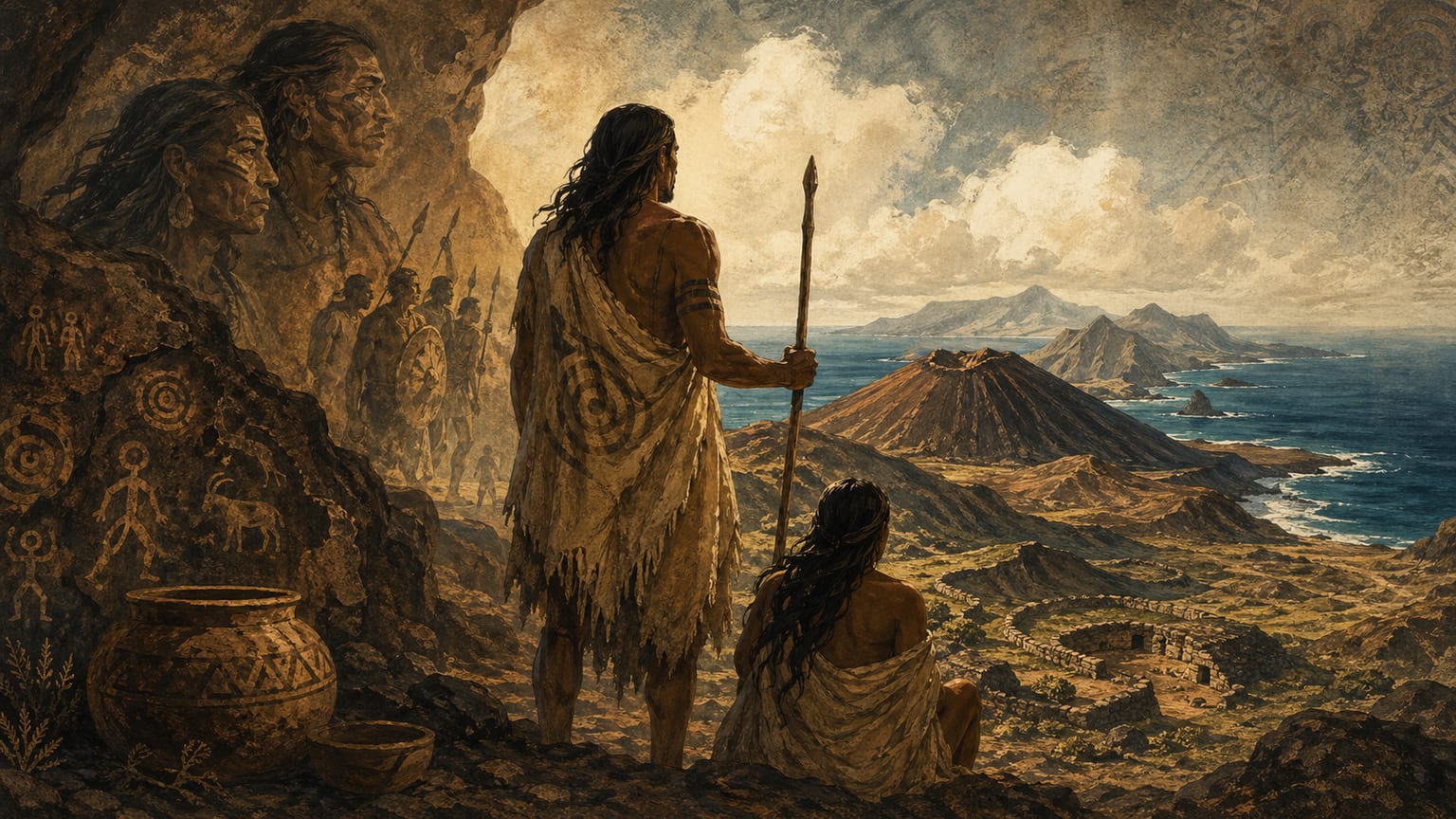
Discover how Indigenous Canarians left a legacy of resistance and adaptation in the face of European conquest.
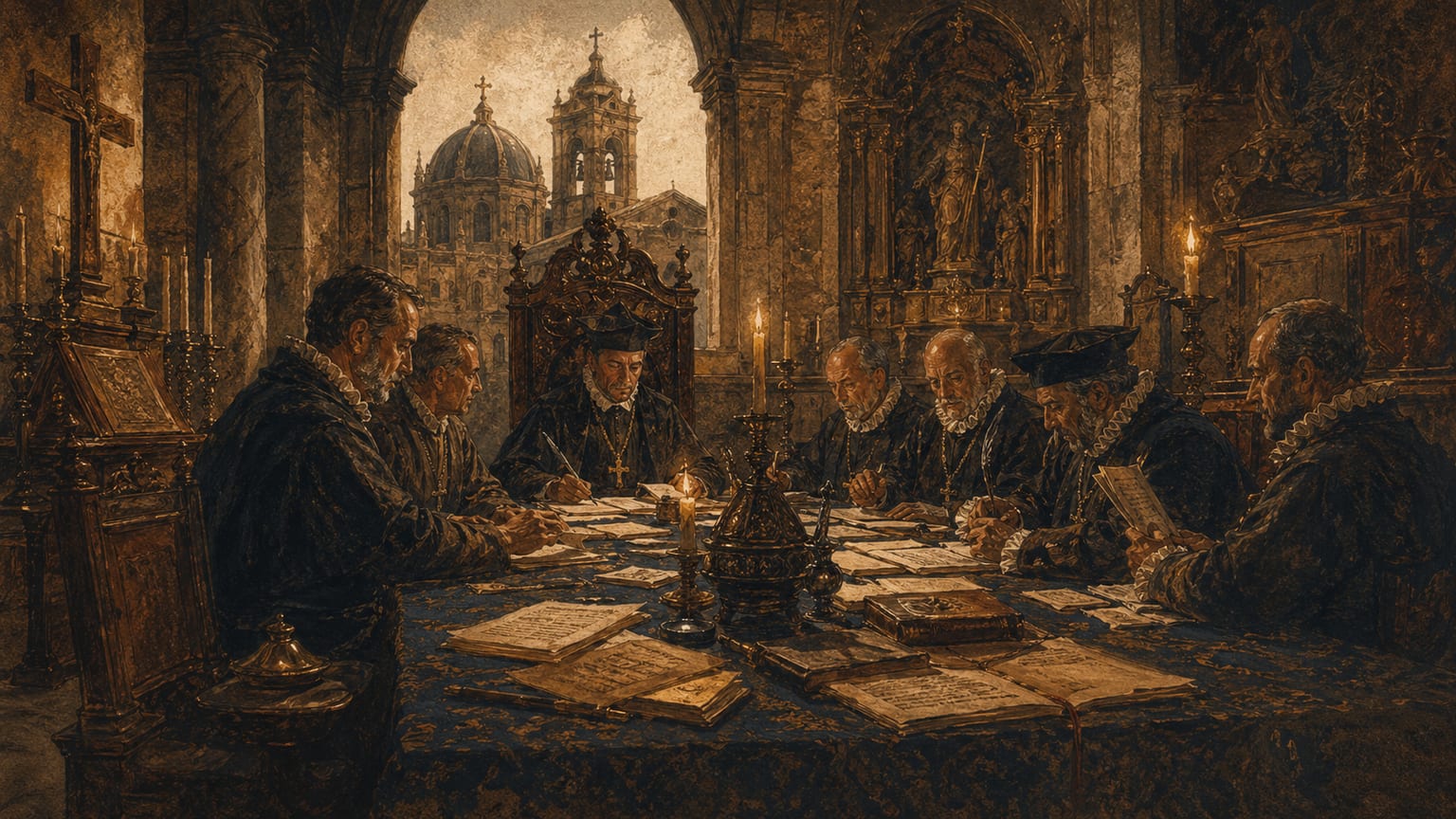
We explore the role of the Chapter of the Canary Islands Cathedral in the 17th century, highlighting its influence on society and its conflicts with other institutions.
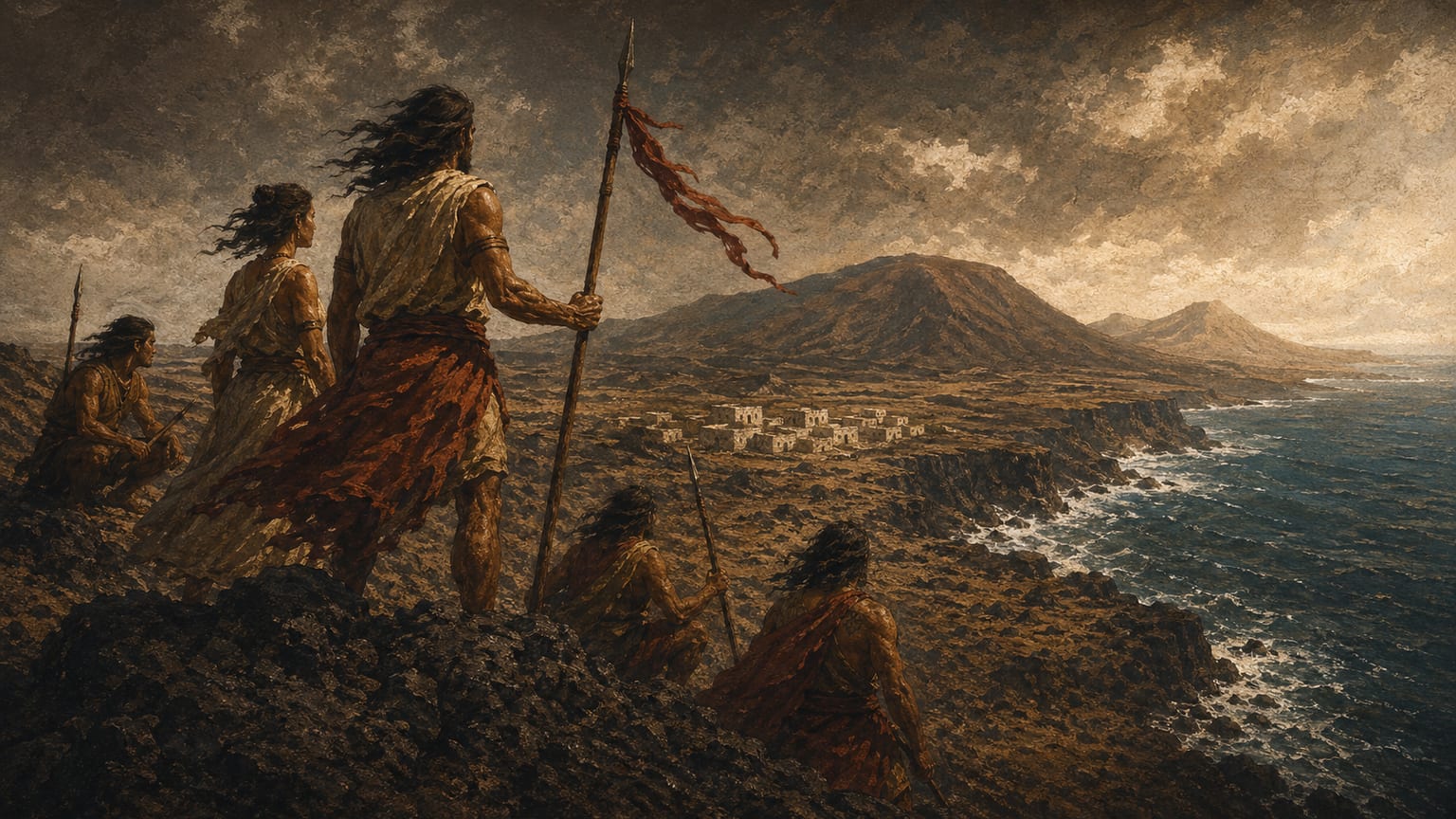
Discover how the inhabitants of Lanzarote rebelled against their lords in the 15th century, seeking justice and autonomy.
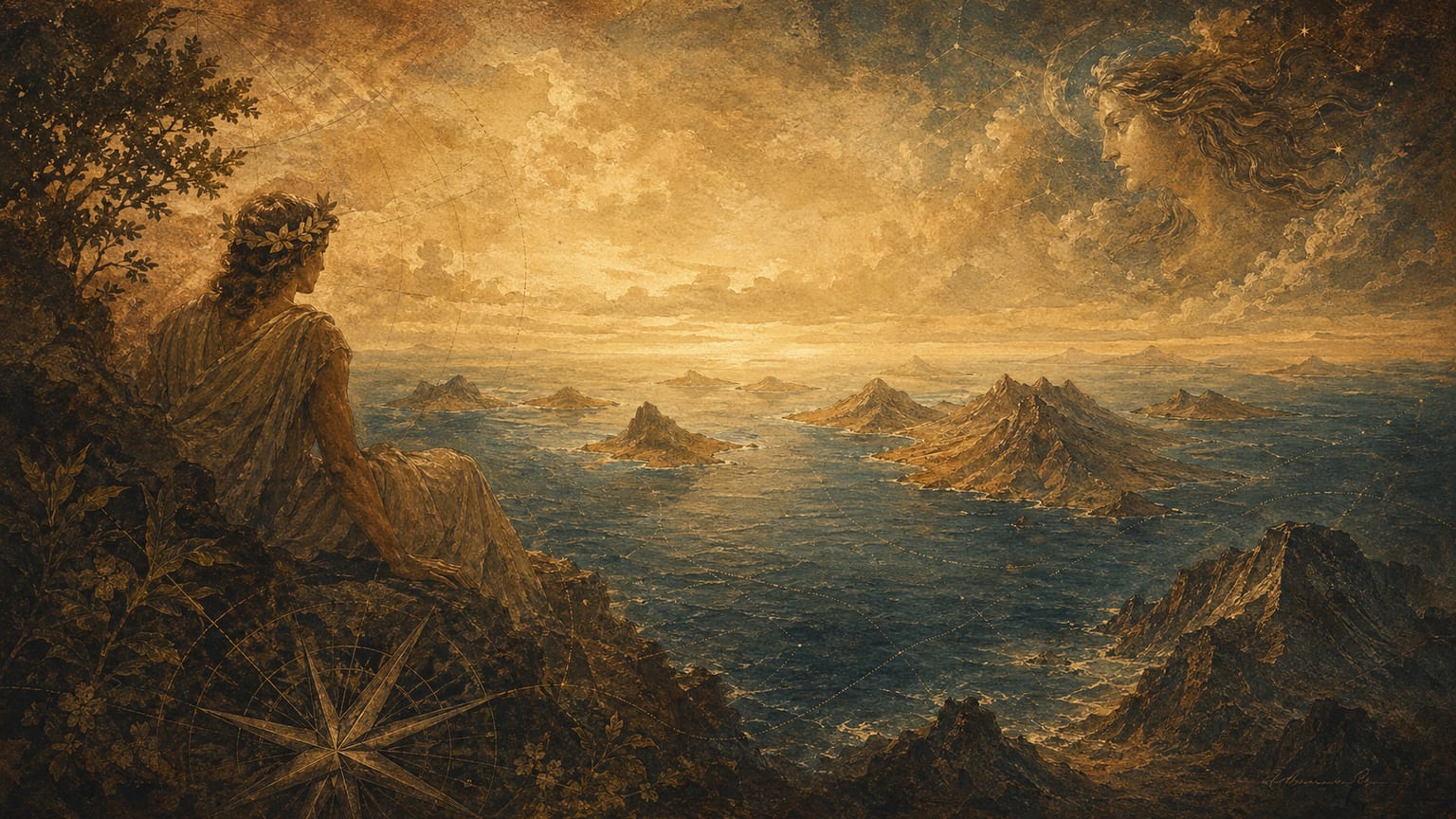
Discover how the Canary Islands became the legendary Fortunate Isles of classical mythology.
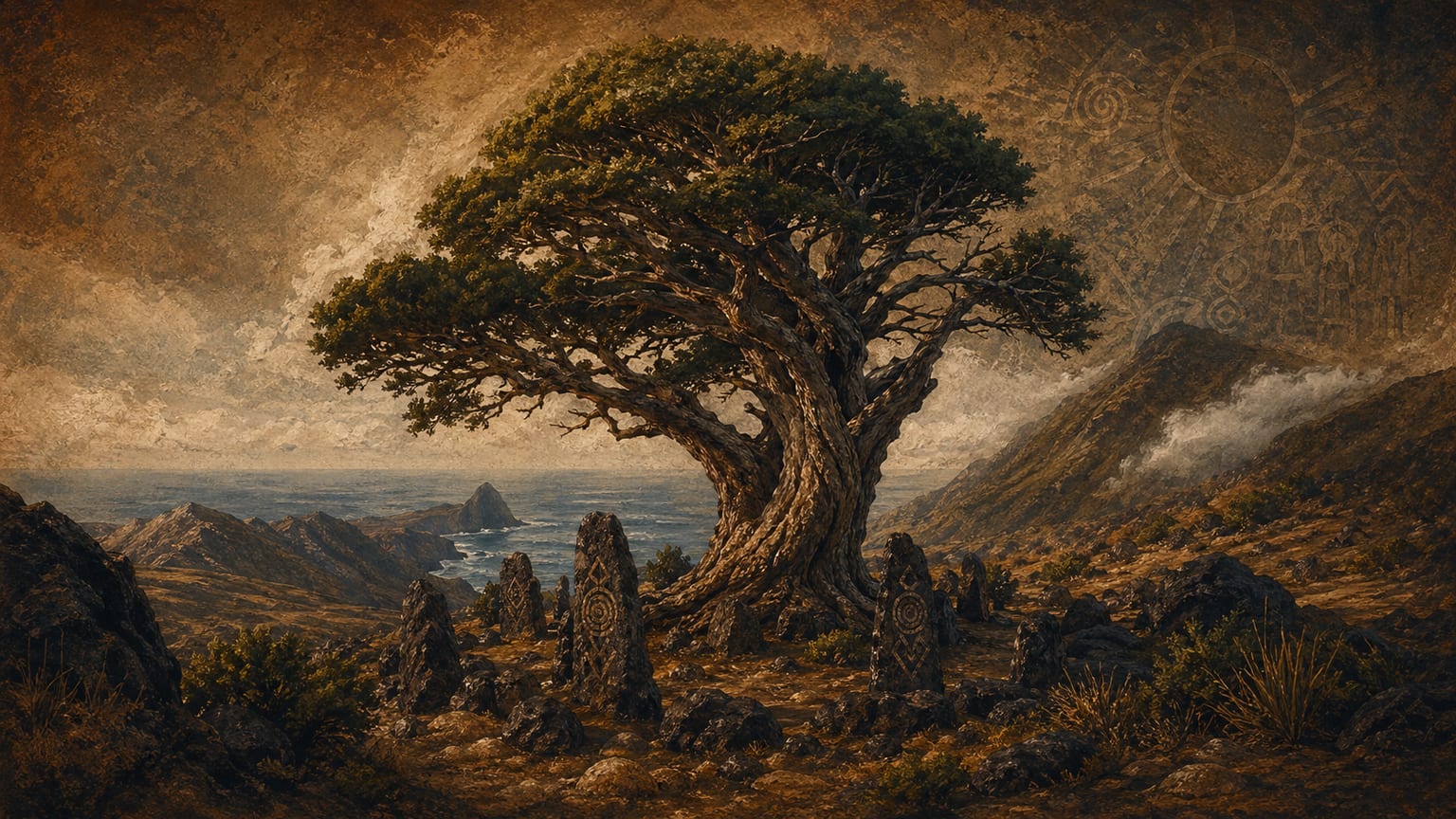
Discover the history and myth of the Holy Tree of El Hierro, a central figure in Canary Islands' aboriginal culture.
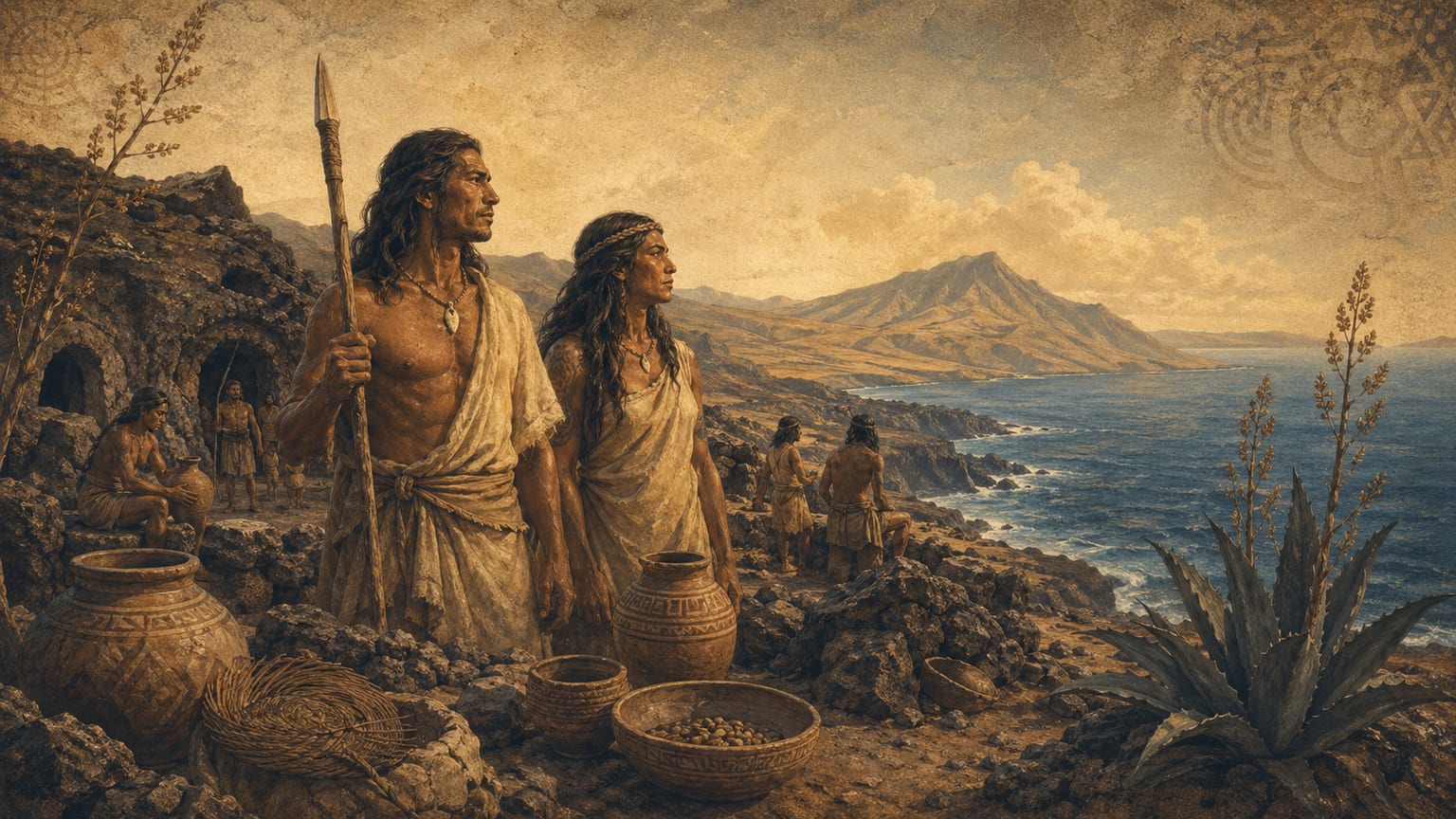
An overview of the origins, social organization and culture of the Indigenous Canarians, the first settlers of the Canary Islands, who arrived from North Africa.
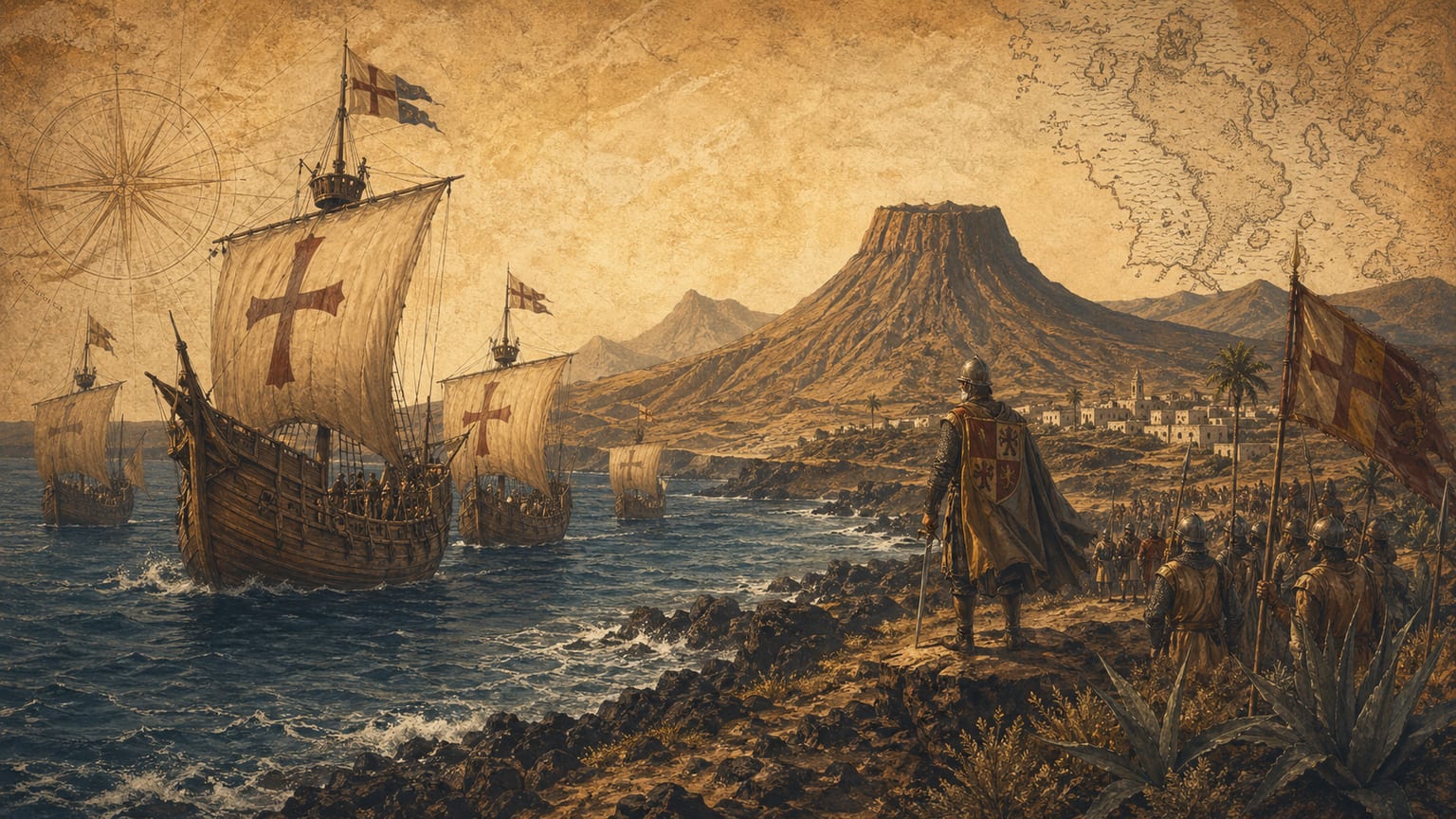
The expedition of the Norman Jean de Bethencourt in 1402 marks the beginning of the European conquest of the Canary Islands, starting with Lanzarote and Fuerteventura.
We inaugurate the articles section of Canarias Historia with a brief introduction to our project.