

The 1970s Generation: Renewal and Diversity in Contemporary Canarian Art
The 1970s marked a pivotal era in the history of Canarian art. A group of creators, later known as the “Generation of the 70s,” emerged with a spirit of renewal, bringing forth a diversity of artistic languages and a profound reflection on insular identity in dialogue with international contemporary art[1].
Far from forming a homogeneous group or following a single aesthetic trend, these artists championed individual experience and creative freedom. As critic Carlos Díaz-Bertrana notes, their work is defined by the primacy of personal experience and expressive liberty, with each artist developing a unique language shaped by their personal and cultural history, as well as the challenges of contemporary art[1].
The exhibition “Desde los 70. Artistas canarios,” co-produced by the Centro Atlántico de Arte Moderno (CAAM) and the Vice-Ministry of Culture and Sports of the Canary Islands Government, was a milestone that brought this phenomenon to light. More than just an exhibition, it opened the door to understanding a generation that shared a symbolic universe and unique historical circumstances: political transition, cultural openness, and the search for a distinct identity in a tricontinental context[1].
Notable figures include Fernando Álamo, Juan Luis Alzóla, Juan Bordes, Cándido Camacho, Alfonso Crujera, Ramón Díaz Padilla, Leopoldo Emperador, José Antonio García Álvarez, Juan José Gil, Gonzalo González, Juan Hernández, Juan López Salvador, Rafael Monagas, Francisco Sánchez, and Ernesto Valcárcel, among others. Each, from their own perspective, tackled themes such as memory, nature, solitude, sensuality, social critique, or formal experimentation[1].
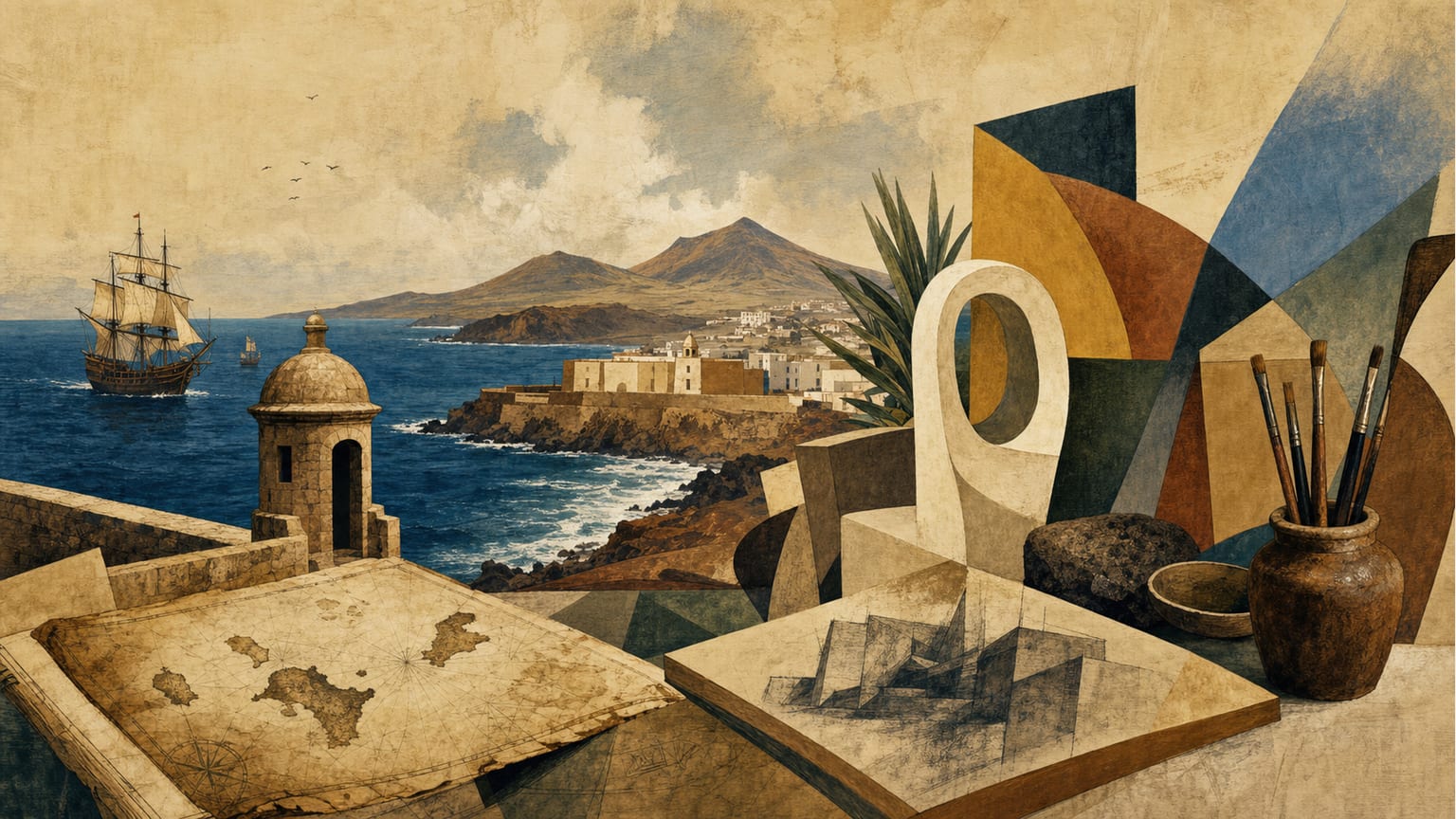
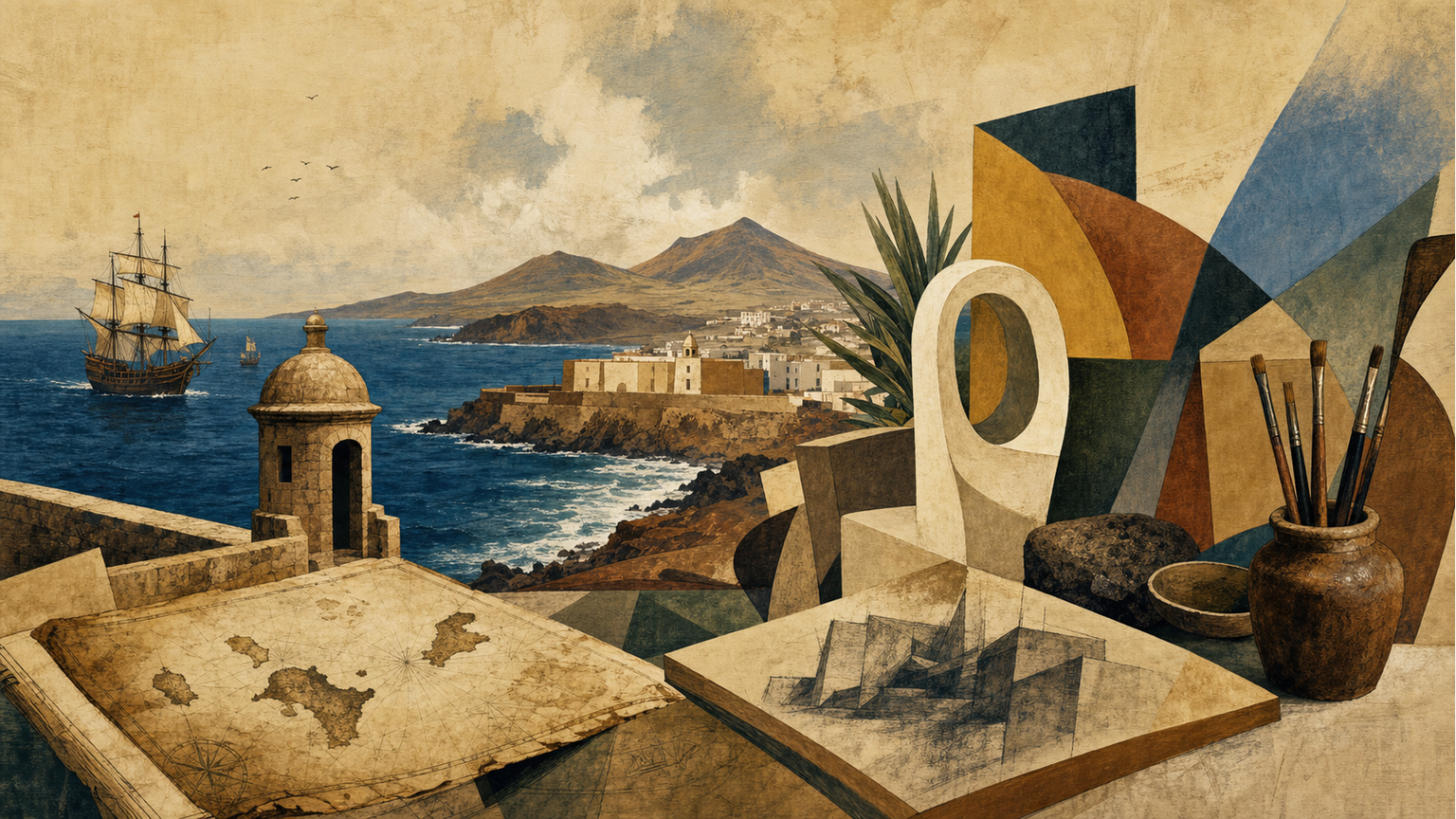
Insularity, rather than being a barrier, became a space for experimentation and openness. The artists of the 70s engaged with international movements—from conceptualism to neo-expressionism, minimalism to object art—while remaining rooted in their local context and internal and external geography. In this way, local experience was transformed into something universal and collective[1].
The legacy of this generation is a shared heritage for Canarian culture and memory. Their plurality of languages and openness continue to inspire debates about identity and the role of art in contemporary society. As the CAAM concludes, the richness of this debate, necessarily controversial, is essential for the present and future of the Canary Islands[1].