

Catalina Jiménez: Female Slavery in 17th-Century Teror
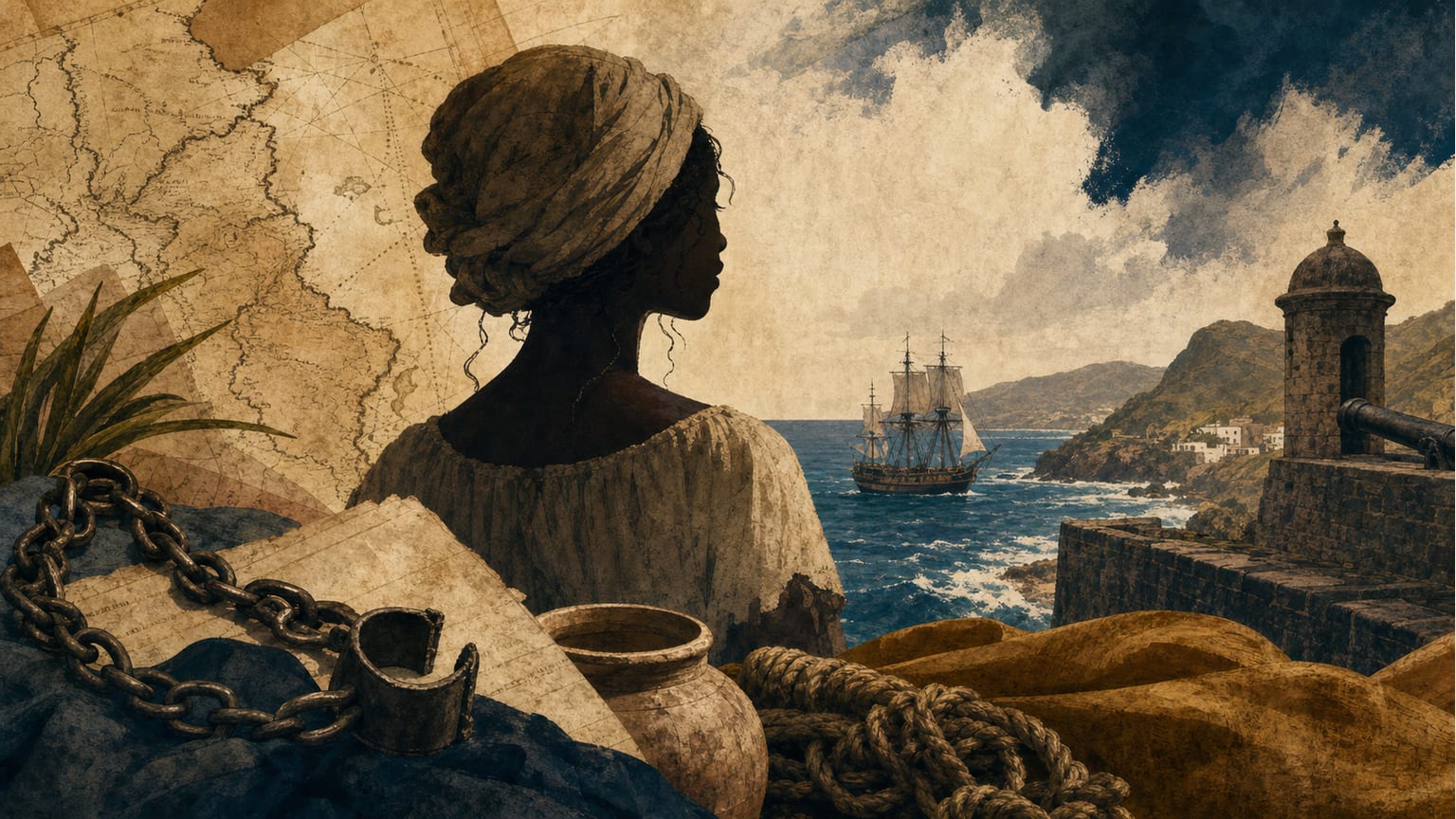
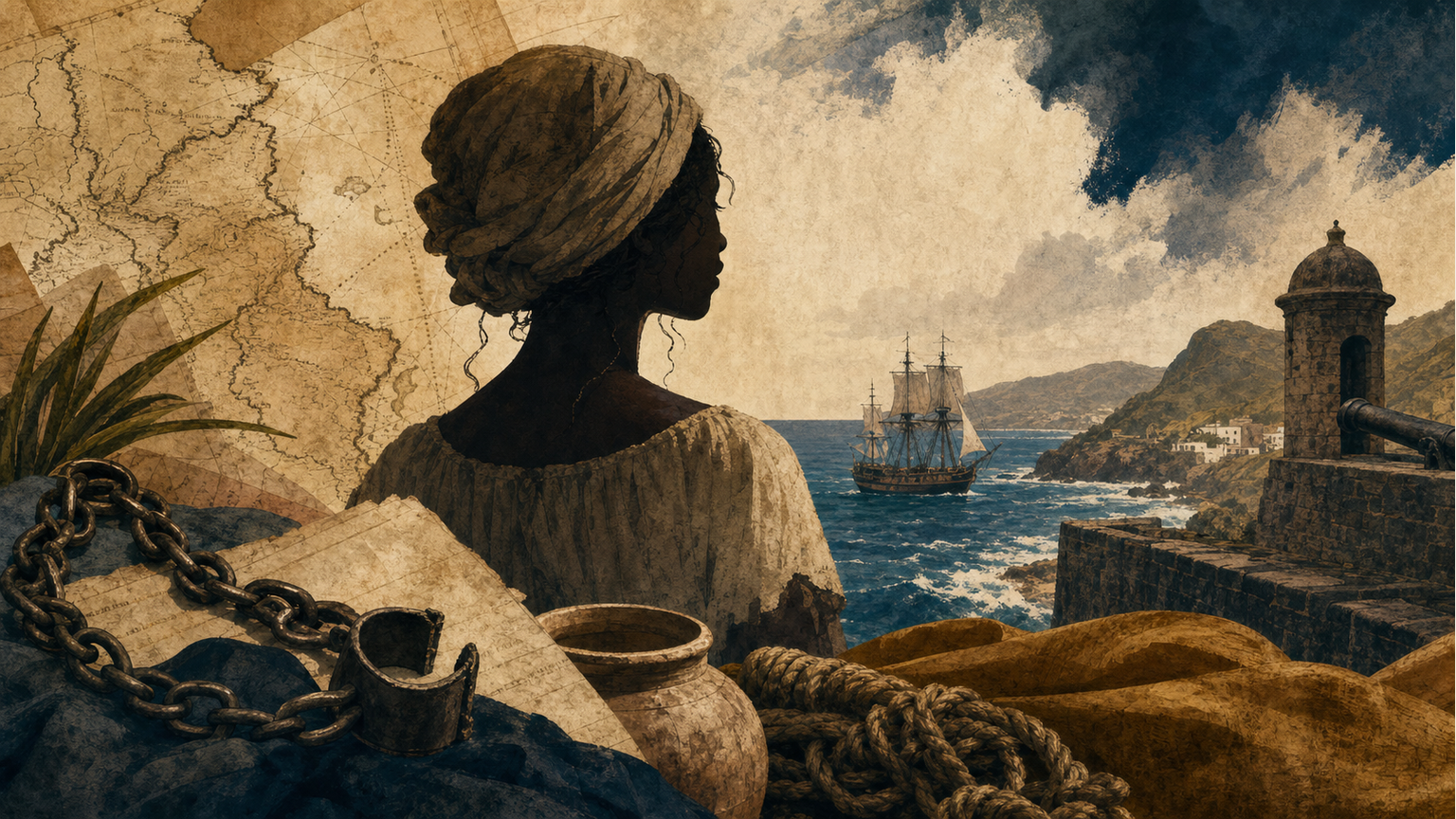
The history of Teror is deeply intertwined with the legacy of slavery, a system that shaped the lives of many women like Catalina Jiménez. Her case, reconstructed from local historical records, documents the harsh reality of female slavery in 17th-century Canarian society[1].
Slavery in Teror
From the late 15th to the early 19th century, Teror had a significant enslaved population, mostly brought by force from Africa. Female slaves faced particularly harsh conditions, not only working in fields and homes but also being subjected to sexual abuse by their owners and neighbors. Shockingly, 60% of children born to enslaved women in Teror had “unknown” fathers, a stark indicator of the widespread exploitation they endured[1].
The Life of Catalina Jiménez
Catalina Jiménez, likely born in Las Palmas between 1673 and 1678, was a “mulatto” enslaved woman, the daughter of a white man and a Black woman. Initially owned by powerful families, she was sold in 1696 to Martín Padilla de Figueredo, the chief sacristan of Teror’s parish church. That same year, she gave birth to her first child, Pedro, followed by Magdalena and Josefa. Only Josefa survived infancy. The surviving documentation does not identify the father with certainty, although several indications have led researchers to consider Padilla’s involvement probable[1].
The relationship between Catalina and her owner was public knowledge, leading Bishop Bernardo de Vicuña in 1697 to order her expulsion from Padilla’s home under threat of excommunication and a fine. The order was ignored, and Martín Padilla remained Catalina’s legal owner until her death in 1703 at the age of 30. She was buried in Teror’s parish church, as was customary at the time[1].
Memory and Documentation
Catalina Jiménez’s story is one of many barely visible histories of enslaved women in the Canary Islands. Her case shows the importance of parish records and ecclesiastical orders for reconstructing lives documented only in fragments. The bishop’s intervention also reveals the role of the Church in the moral control of such relationships, although it did not change Catalina’s legal status as an enslaved woman[1].
Remembering Catalina helps make visible a documented social reality: enslaved women subjected to legal ownership, forced labor, and particular sexual vulnerability in local society.