

The priest who wrote while the earth opened up – Timanfaya, Lanzarote
Andrés Lorenzo Curbelo, parish priest of Yaiza, and his account of the Timanfaya eruptions: a chronicle of fire and the landscape of Lanzarote.
Contributor

Andrés Lorenzo Curbelo, parish priest of Yaiza, and his account of the Timanfaya eruptions: a chronicle of fire and the landscape of Lanzarote.
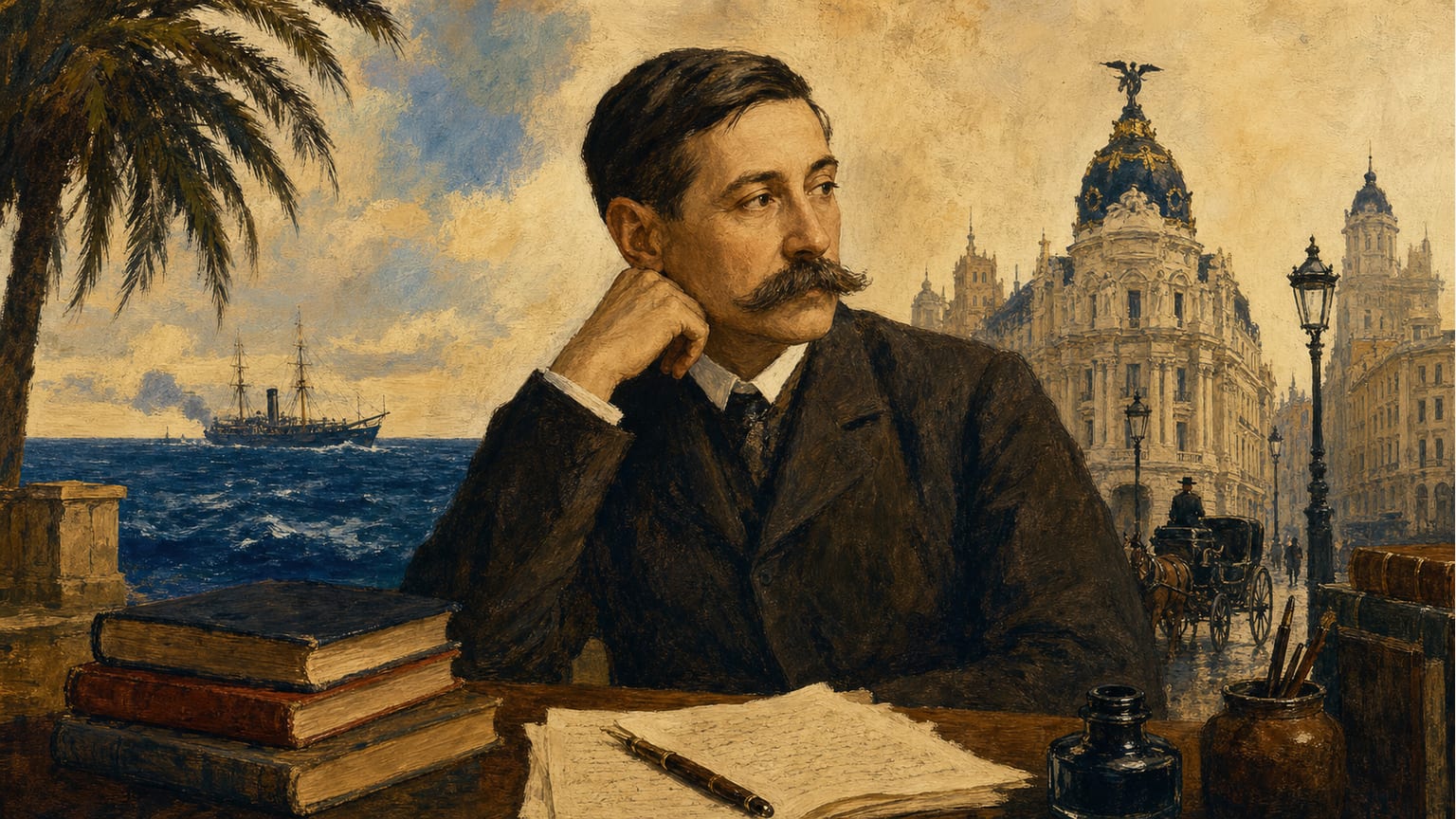
Benito Pérez Galdós, regarded as the greatest Spanish novelist after Cervantes, was born in Las Palmas de Gran Canaria in 1843 and became the chronicler of 19th-century Madrid without ever stopping to look across the Atlantic: the office of the publishing house he founded in 1897 was known as 'la canariera'.
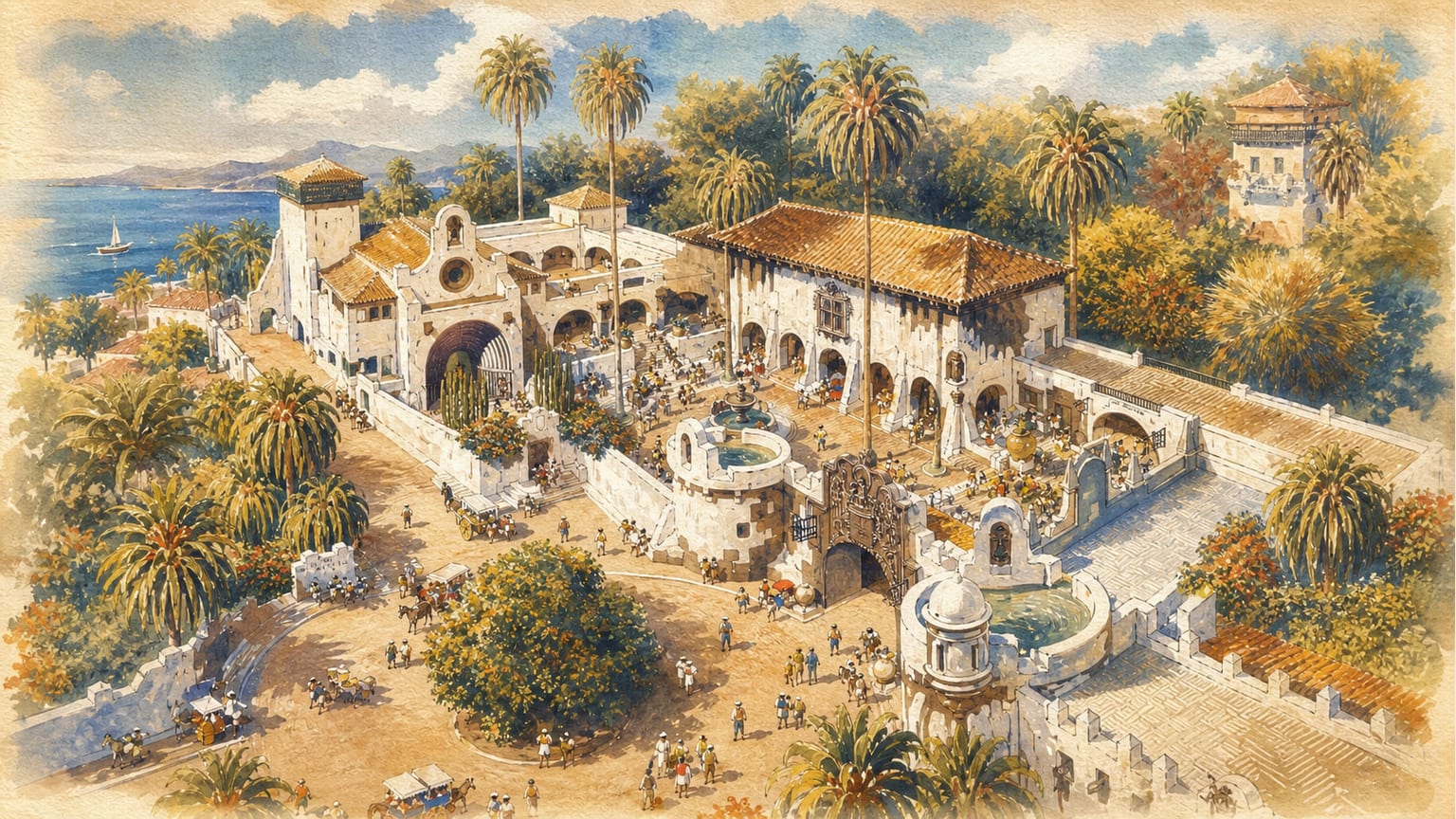
Néstor Martín-Fernández de la Torre was the modernist painter who, through his 'tipismo' campaign and the design of the Pueblo Canario, forged a distinctive and recognizable image of Canarian architecture and identity.
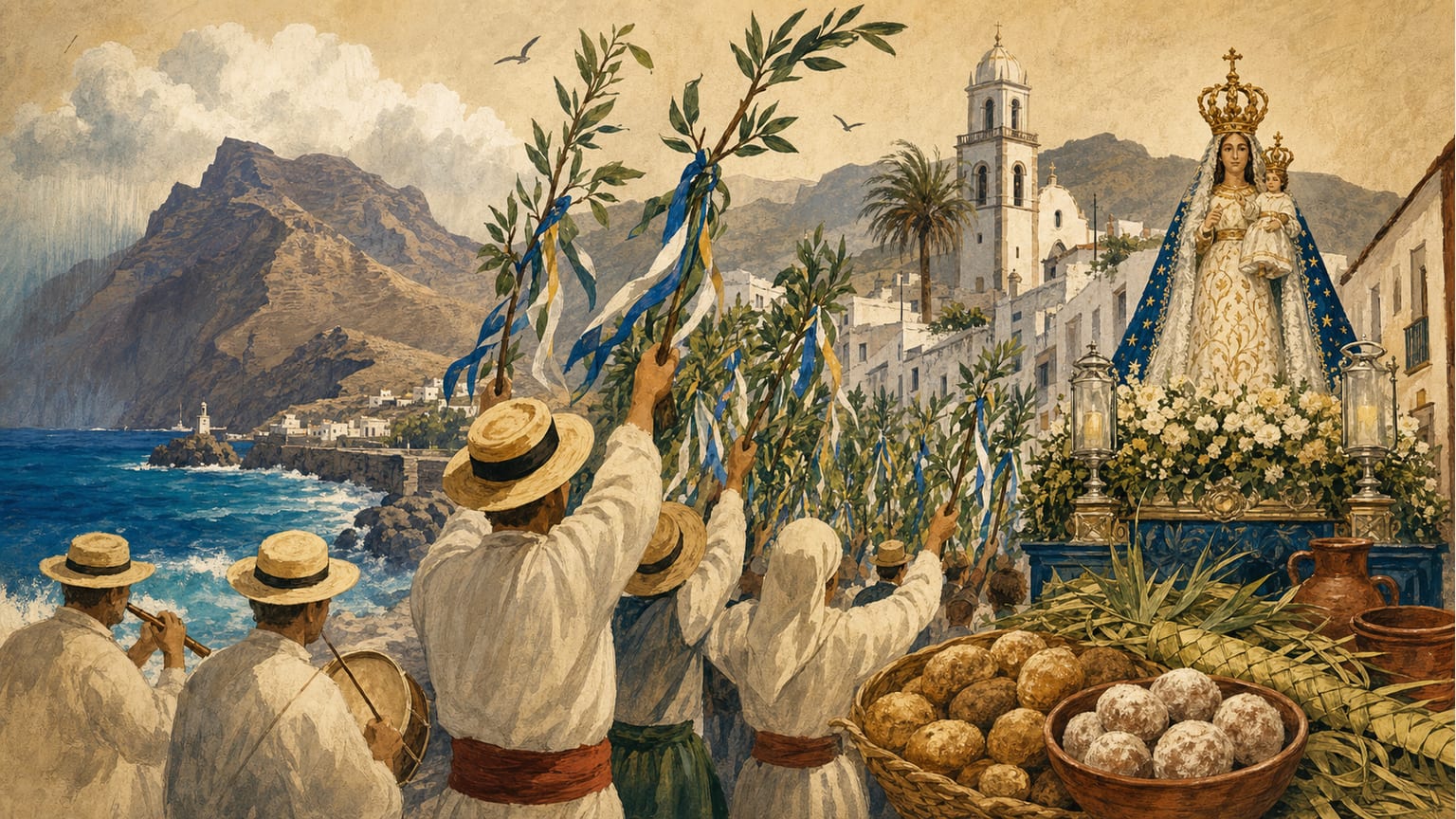
Every 4 August, thousands of people dance through Agaete carrying branches in a festival that brings together Indigenous imagery and devotion to Our Lady of the Snows.
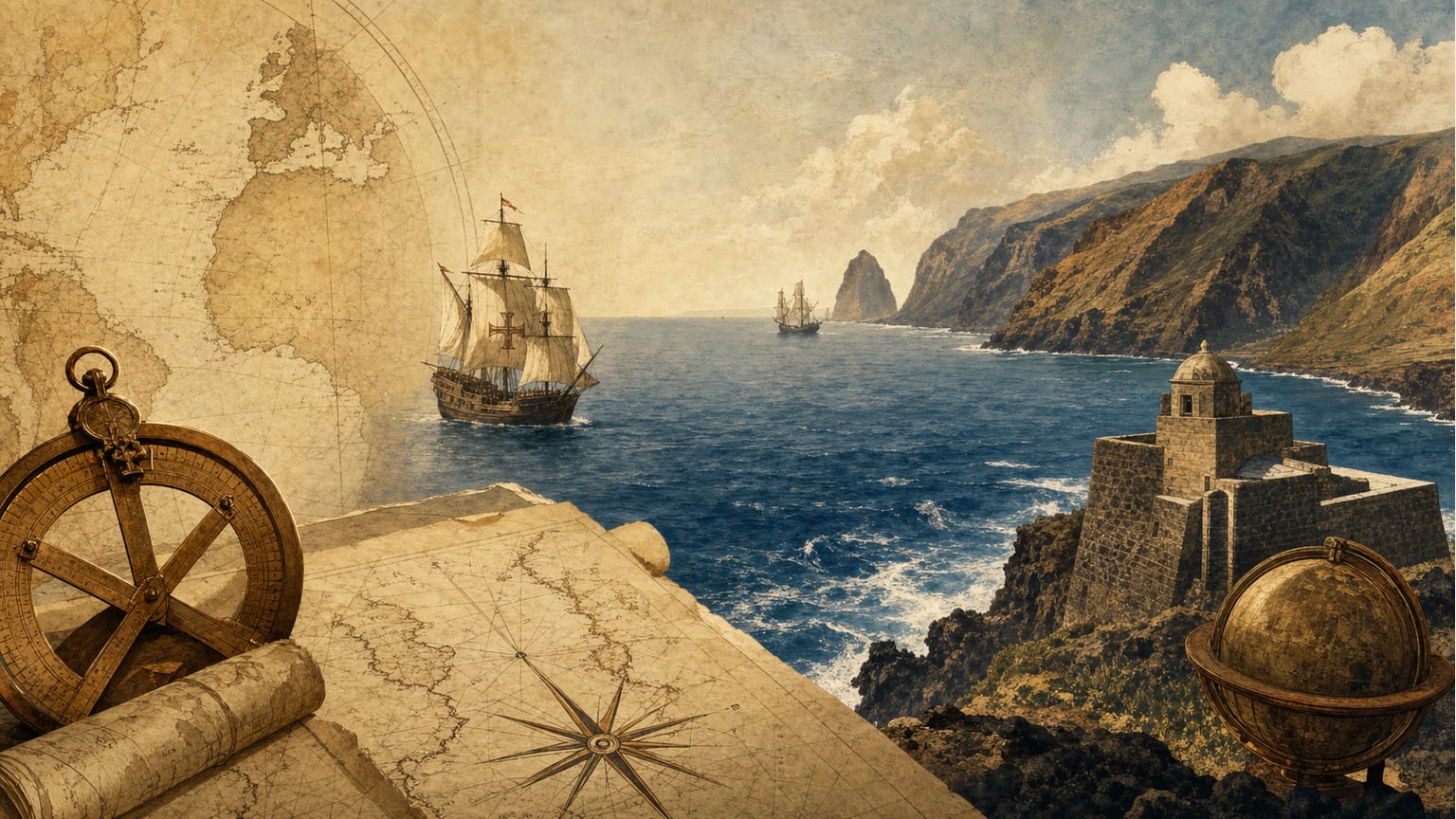
At Punta Orchilla, El Hierro preserves the memory of the old zero meridian: an Atlantic edge where Europe imagined the beginning of the map for centuries.
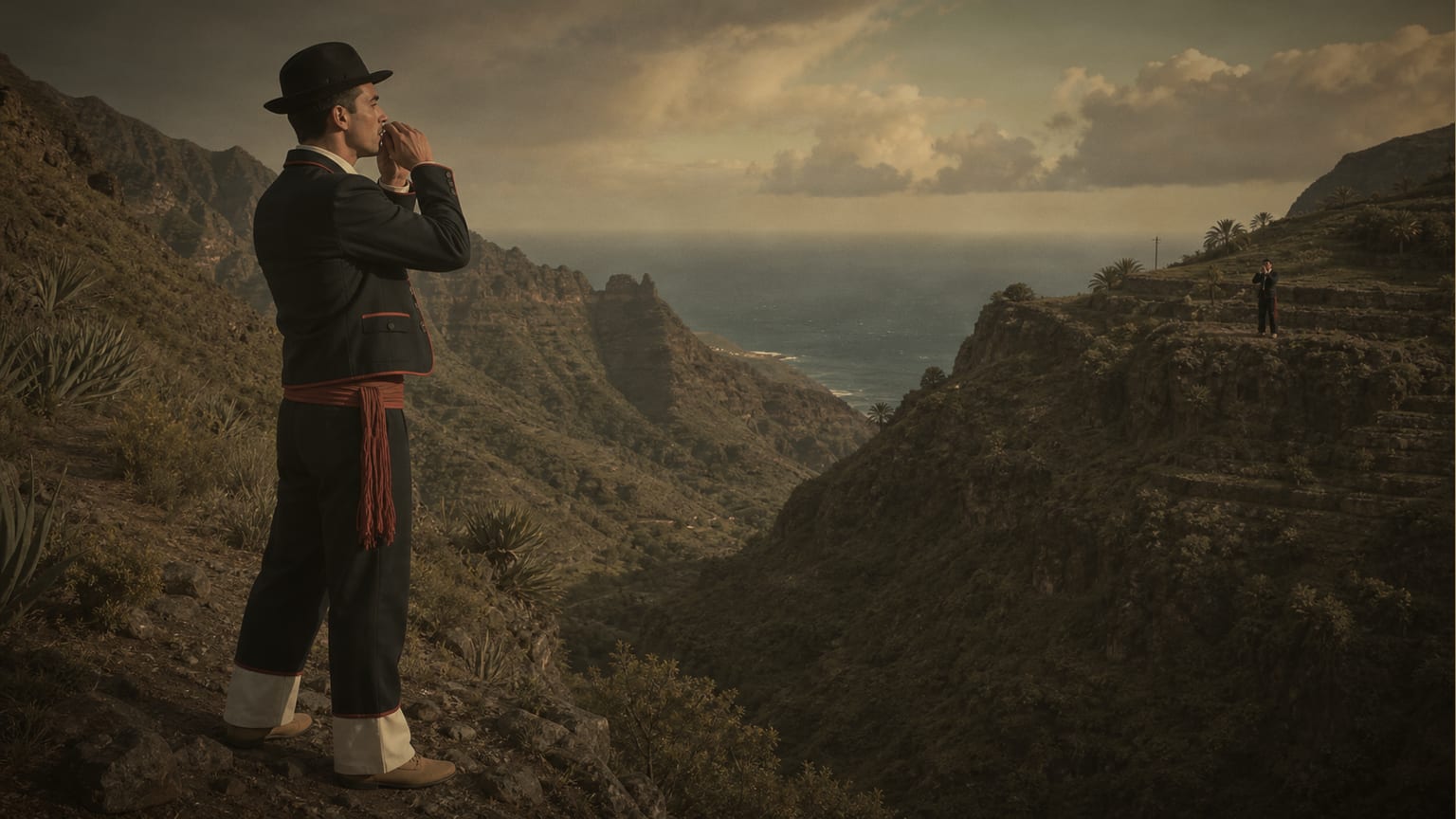
Silbo Gomero is one of the world's most singular linguistic phenomena: a whistled communication system that carries messages across the deep ravines and mountains of La Gomera.
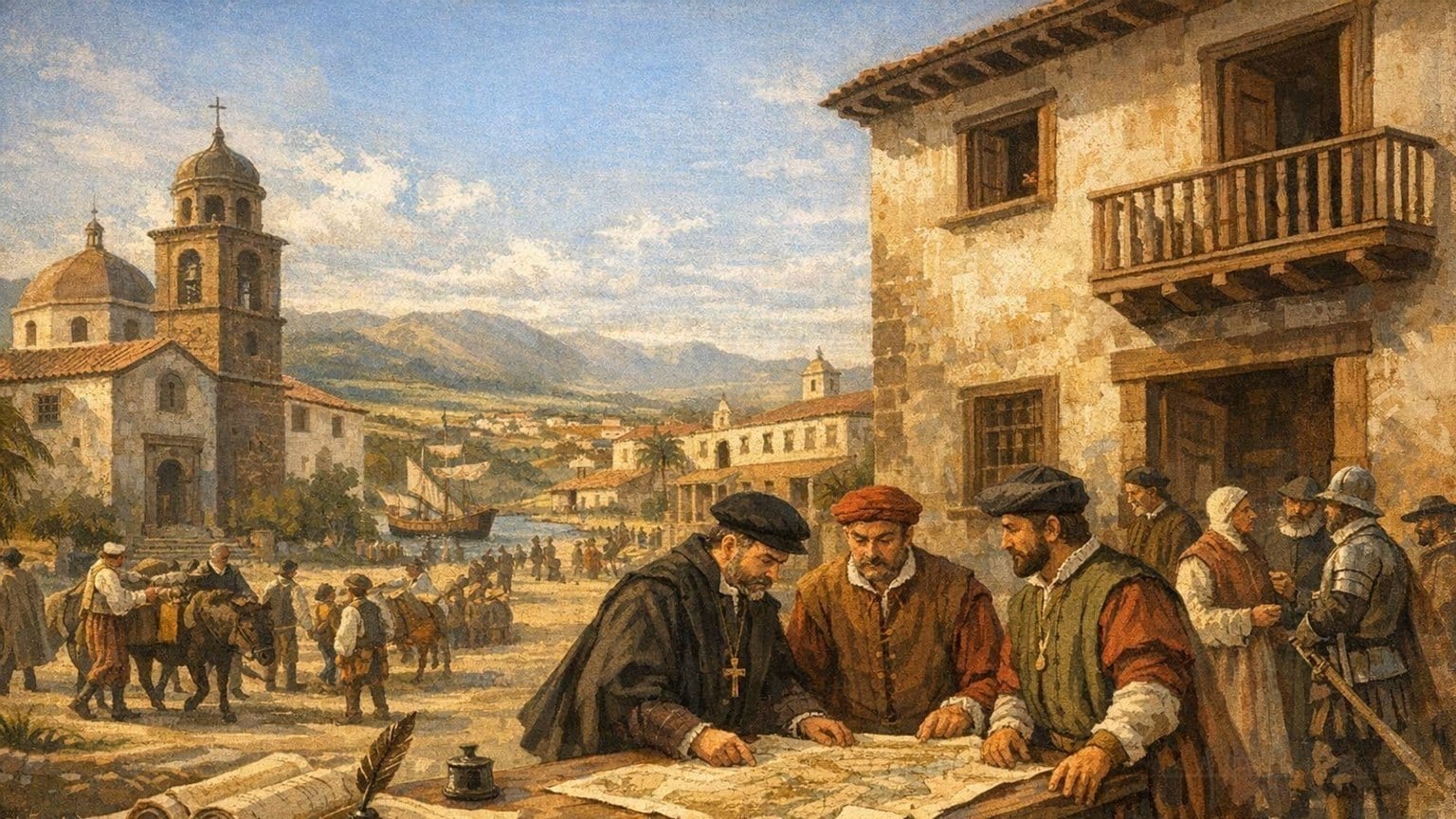
San Cristóbal de La Laguna was an open, planned Atlantic city that anticipated decisive features of Spanish-American colonial urbanism.