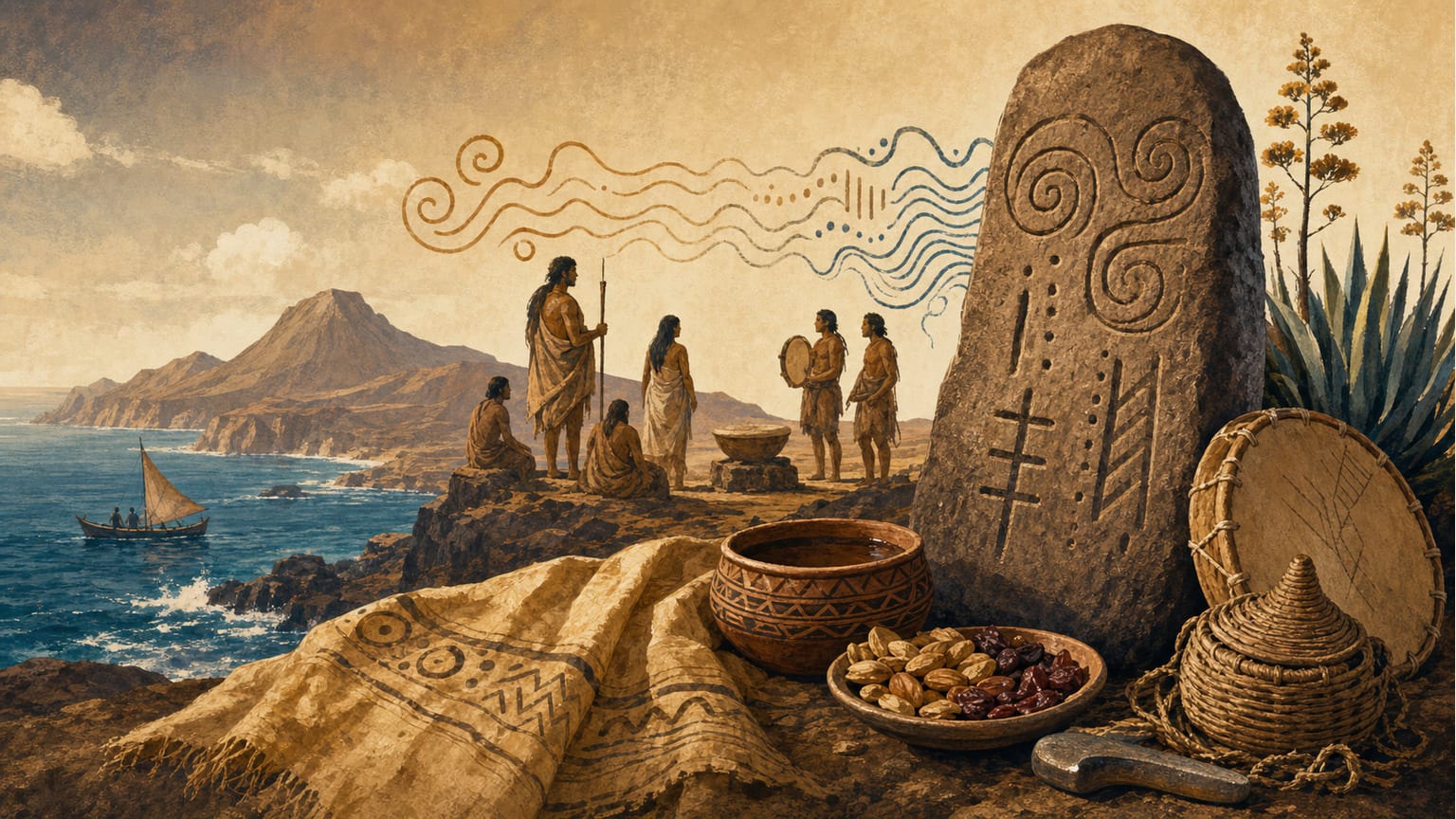
The extinct Guanche language reveals its North African roots and agglutinative structure through surviving words and names. Explore how Guanche speech connects us to the ancient history of the Canary Islands.
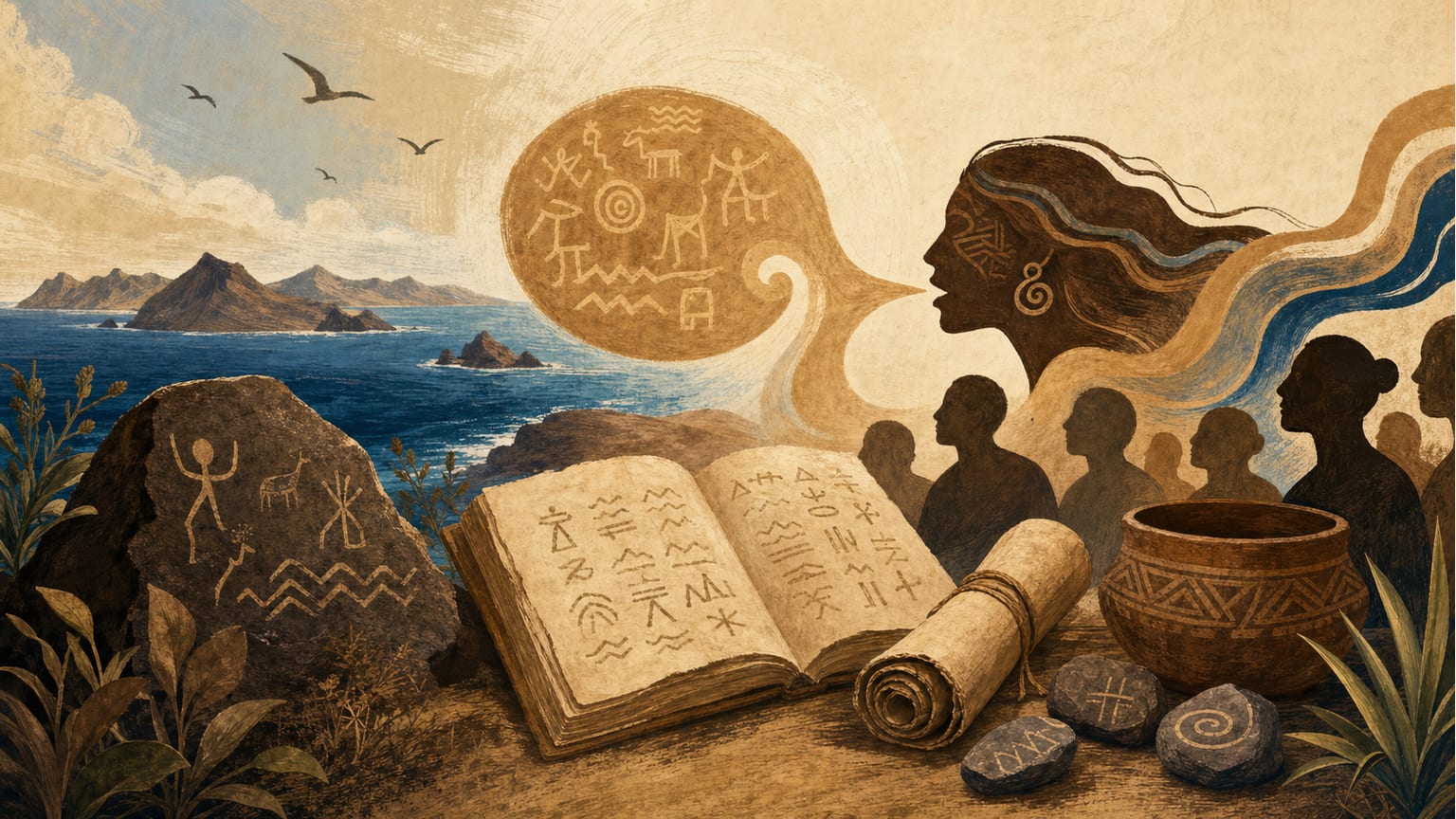
Aboriginal Canarian names have seen a remarkable revival in recent decades, reflecting both a search for identity and the impact of social and political changes in the Canary Islands.
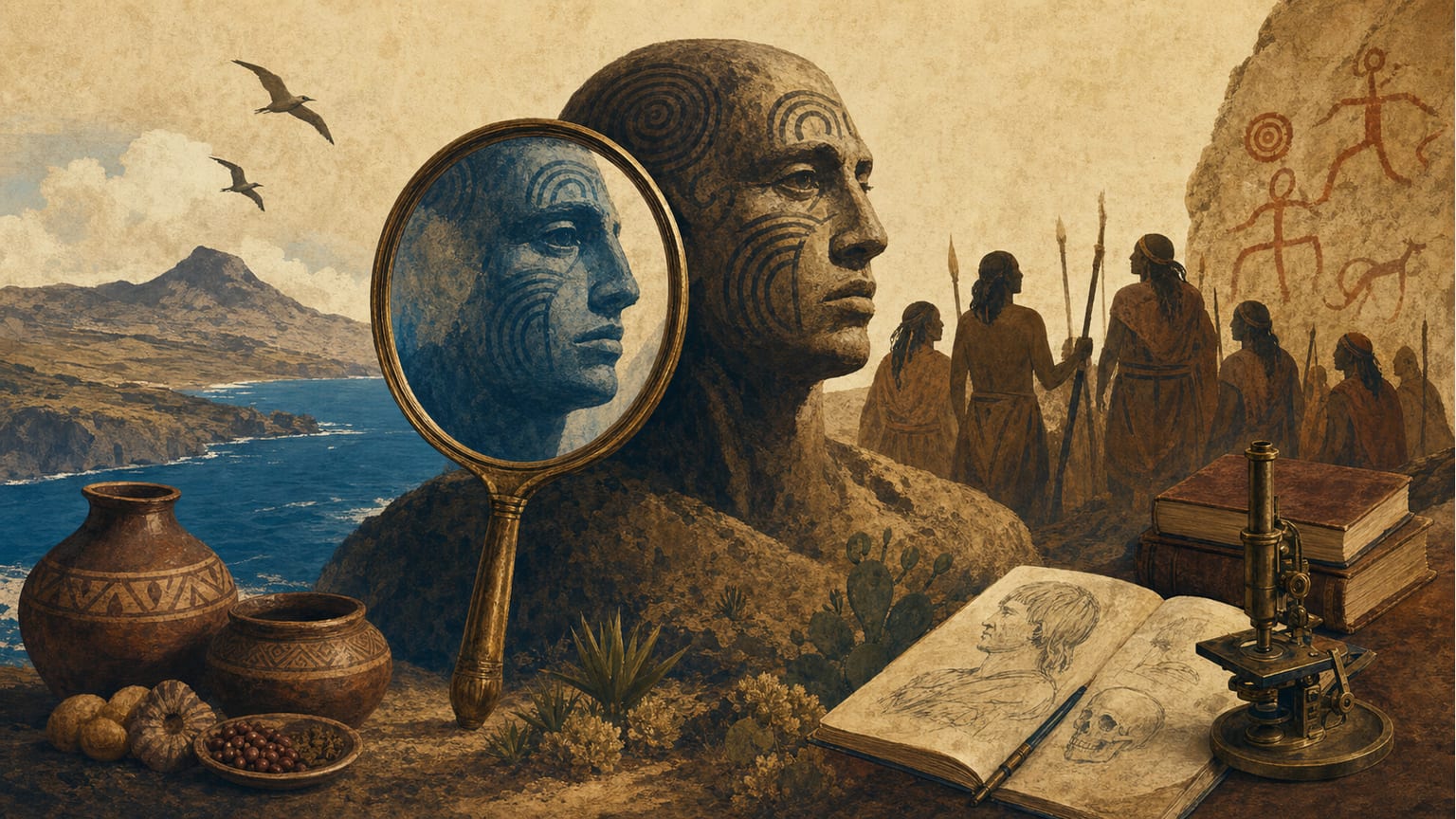
The image of the Guanche was historically constructed as a mirror for Canarian identity, shaped by raciology and European ideologies. This article explores how science and politics created this foundational myth.
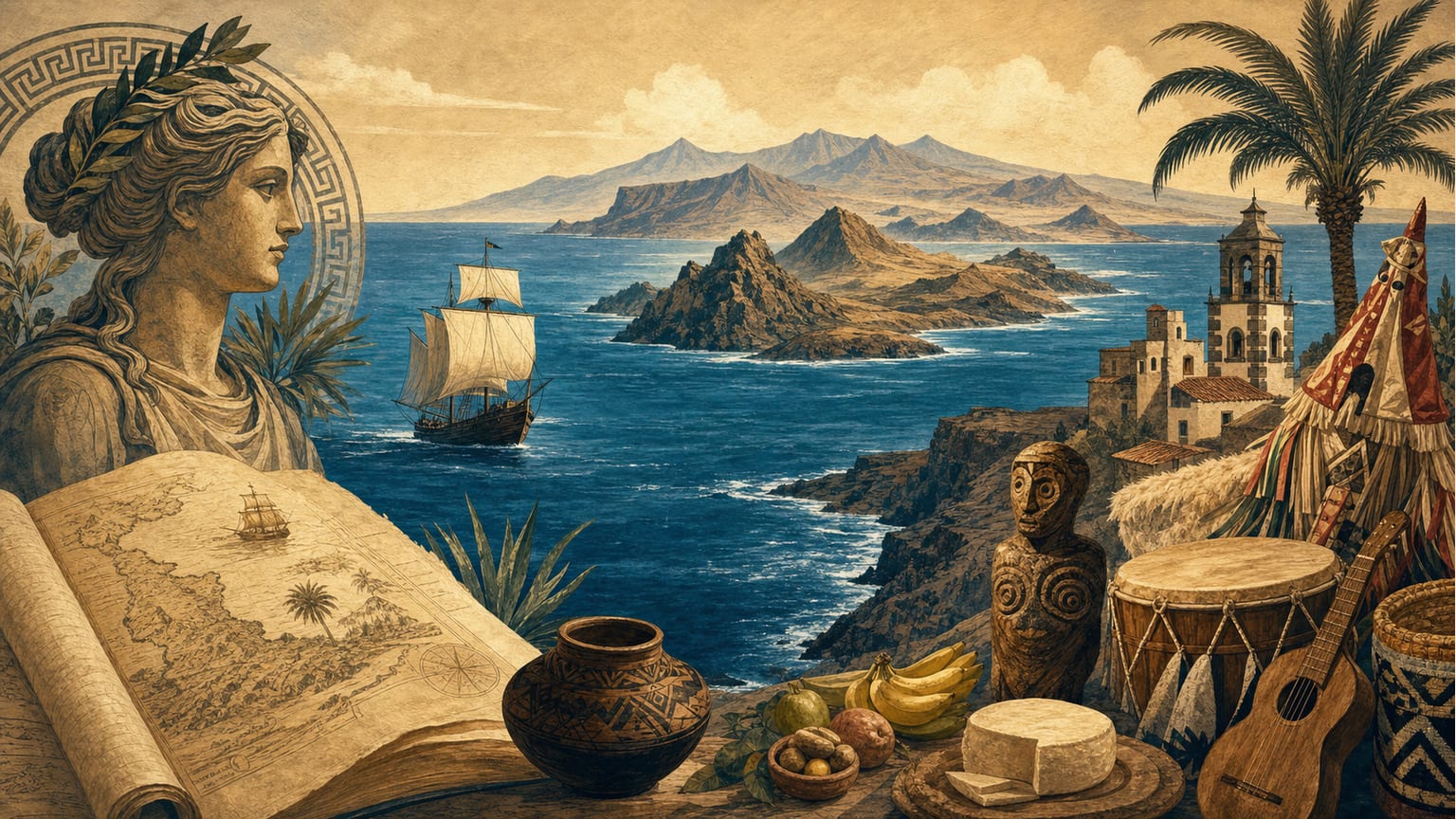
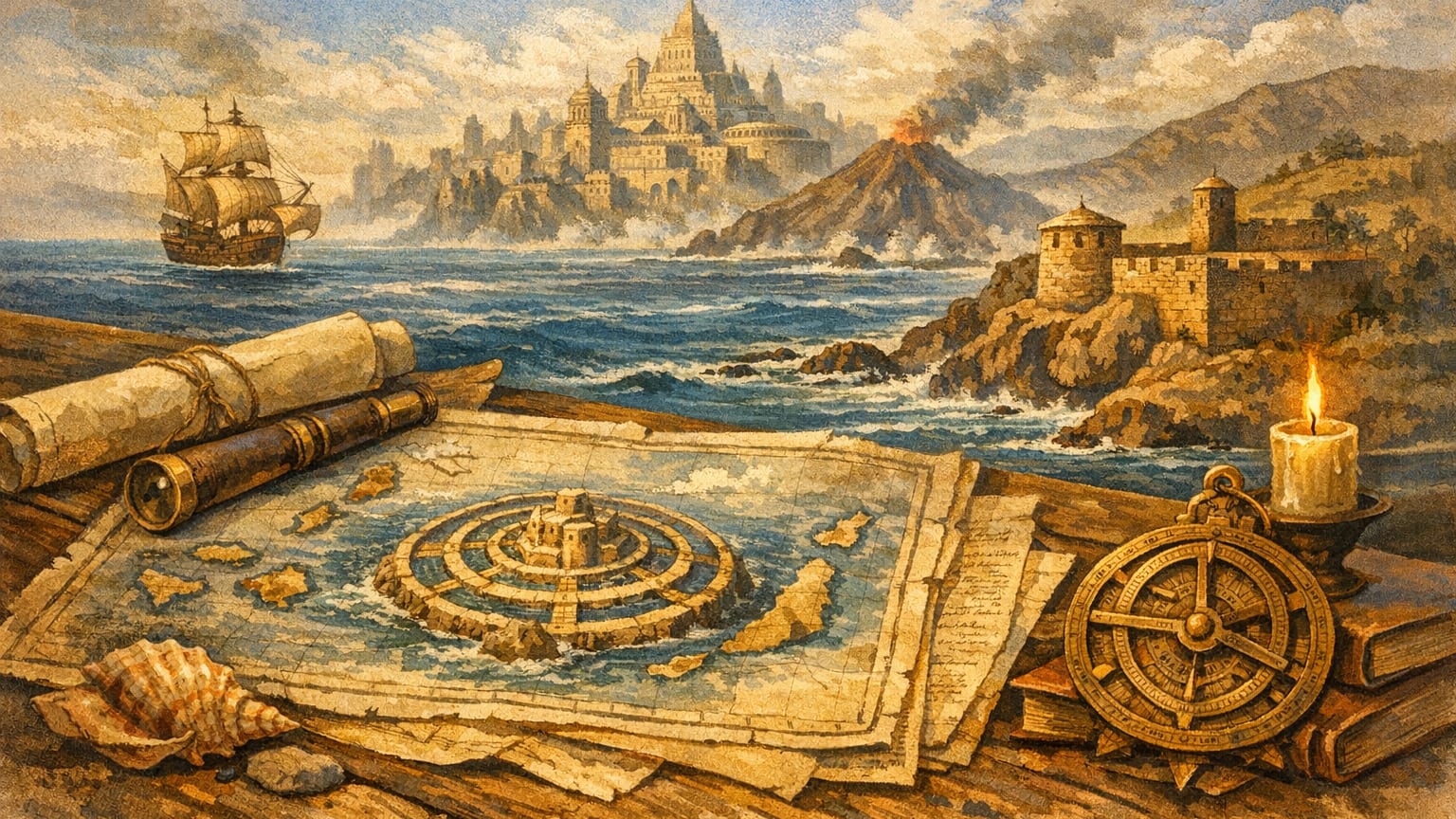
Discover how the myth of the Isles of the Blest shaped the identity and perception of the Canary Islands from ancient Greek literature to modern times.
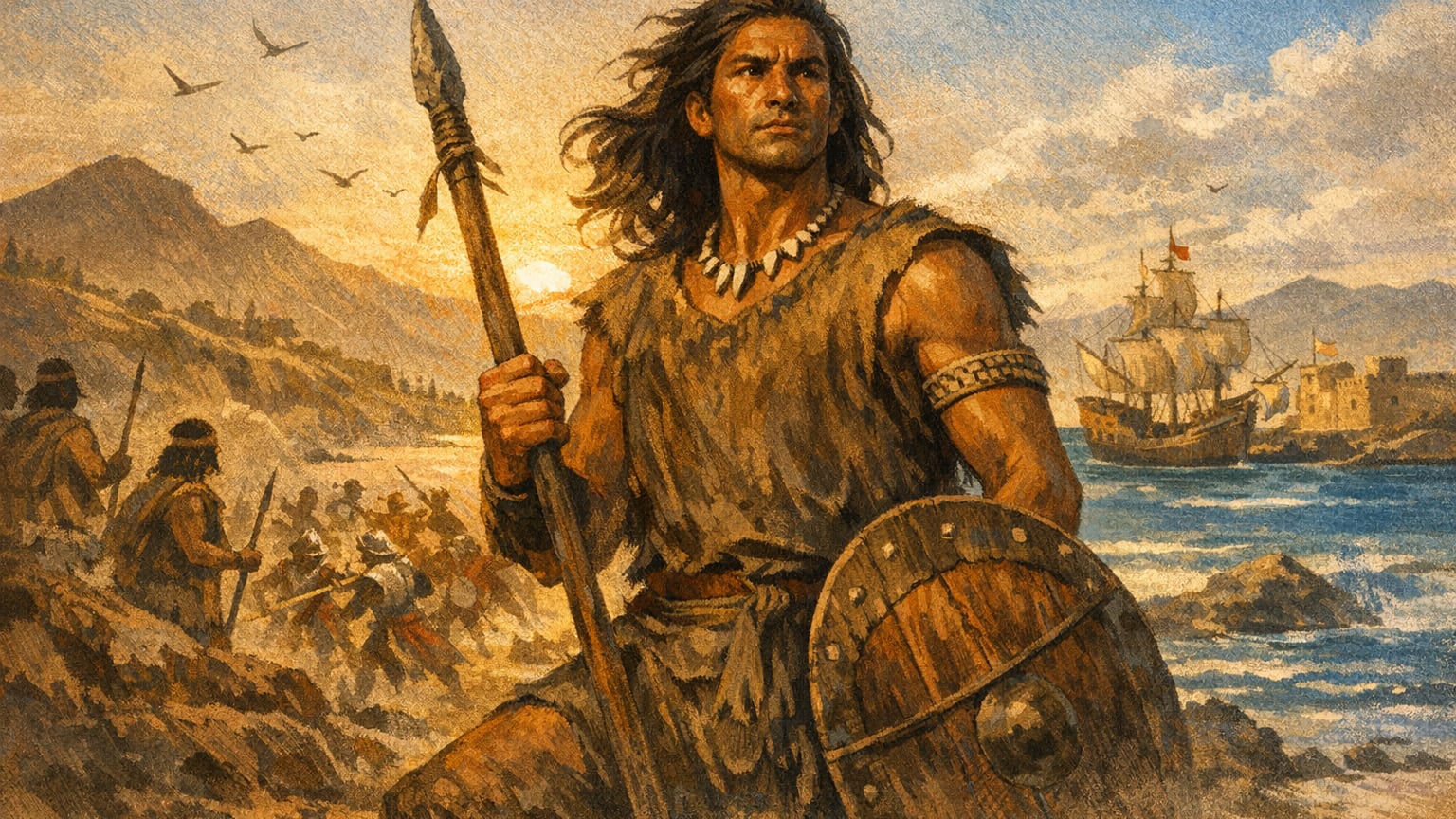
Doramas, born into humble origins, rose to become a symbol of resistance and leadership against the Castilian conquest of Gran Canaria in the 15th century.
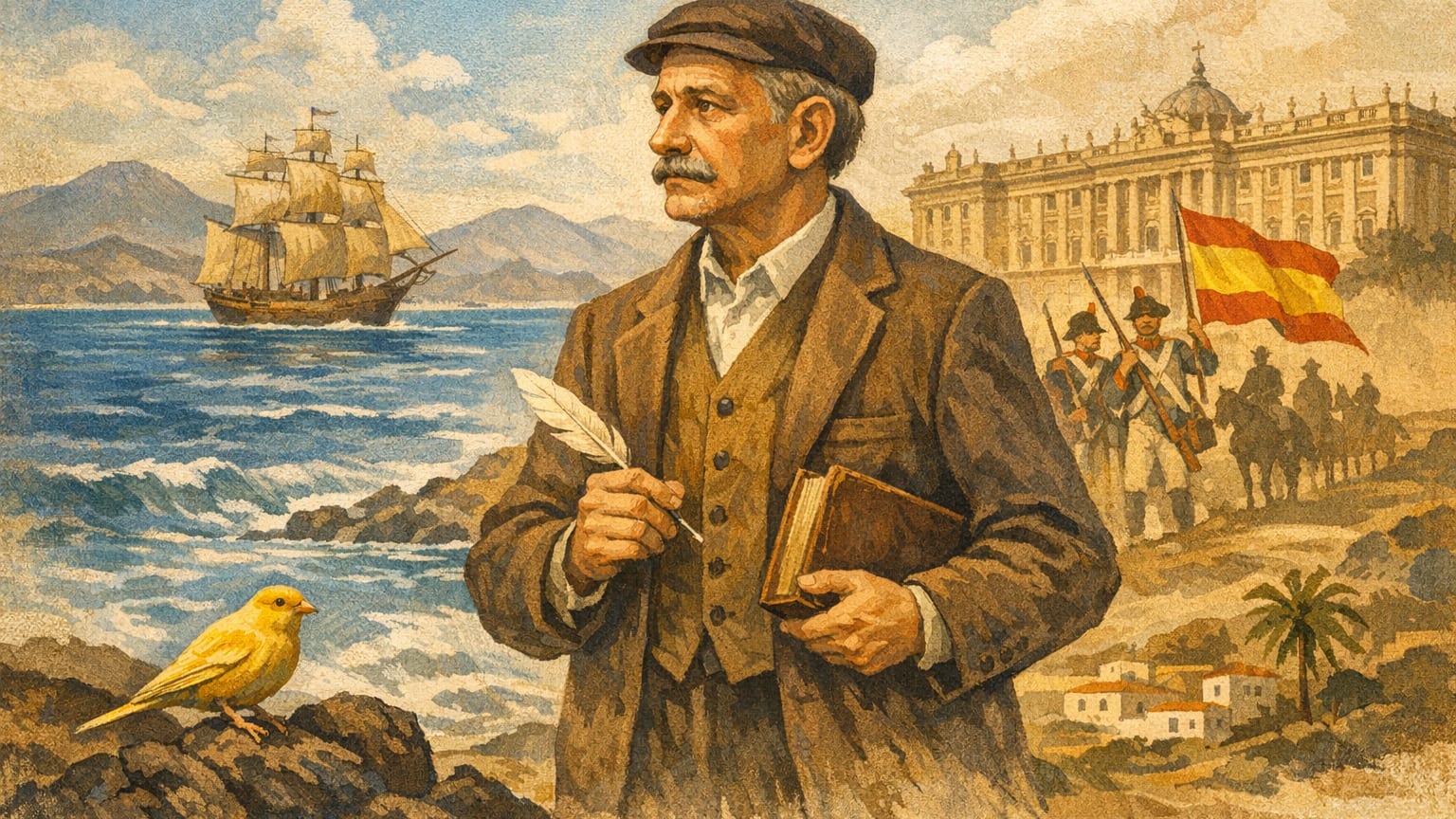
Benito Pérez Galdós rarely highlights his fellow Canarians in the Episodios Nacionales, a literary choice that reflects both his personal ties to the islands and his vision of Spanish history.
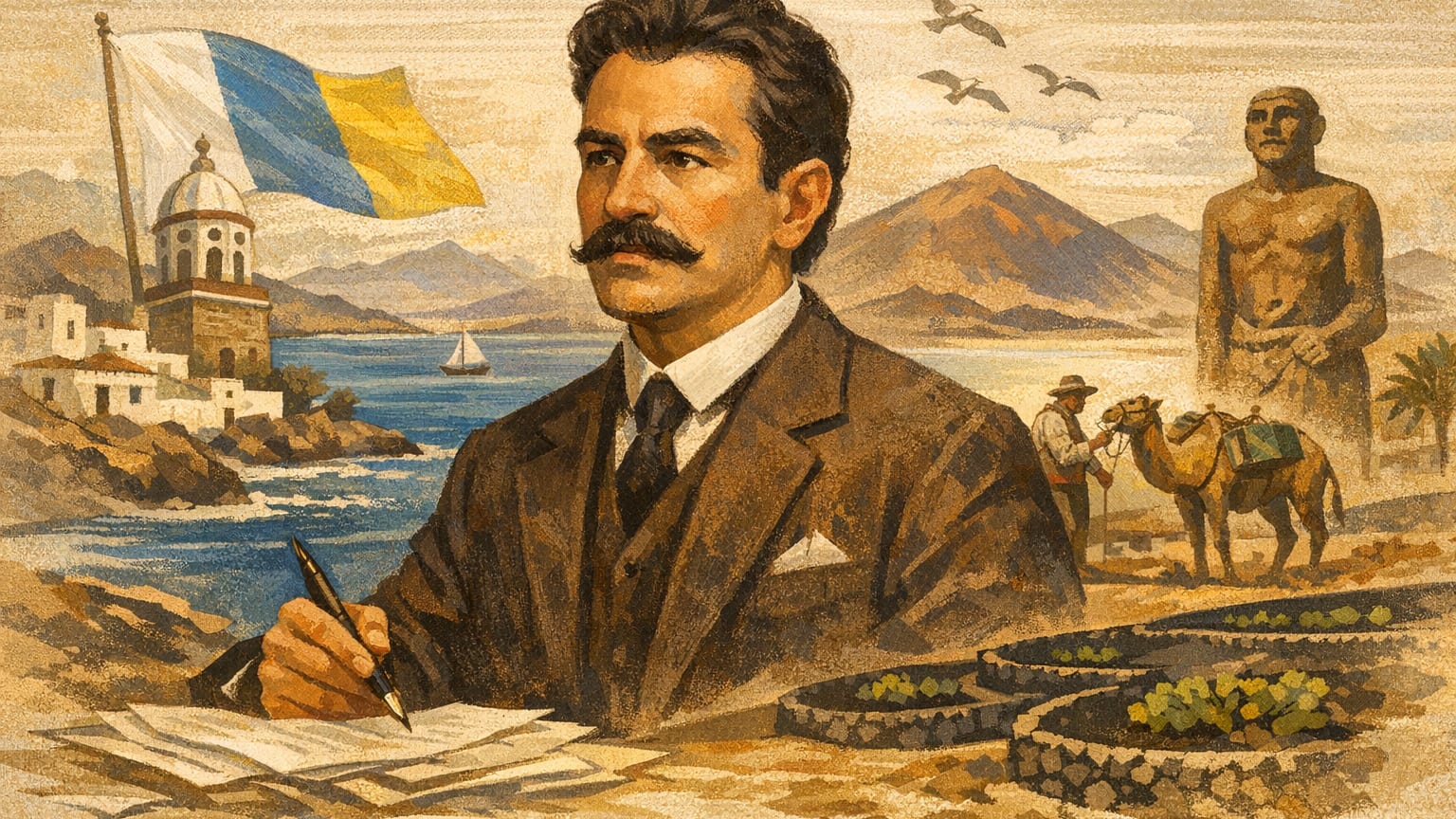
José Betancort Cabrera, known as Ángel Guerra, entered the debate about the Canary Islands through the Madrid press. His 1902 articles reveal his career, his defence of Spanish identity and his contradictions over autonomism.
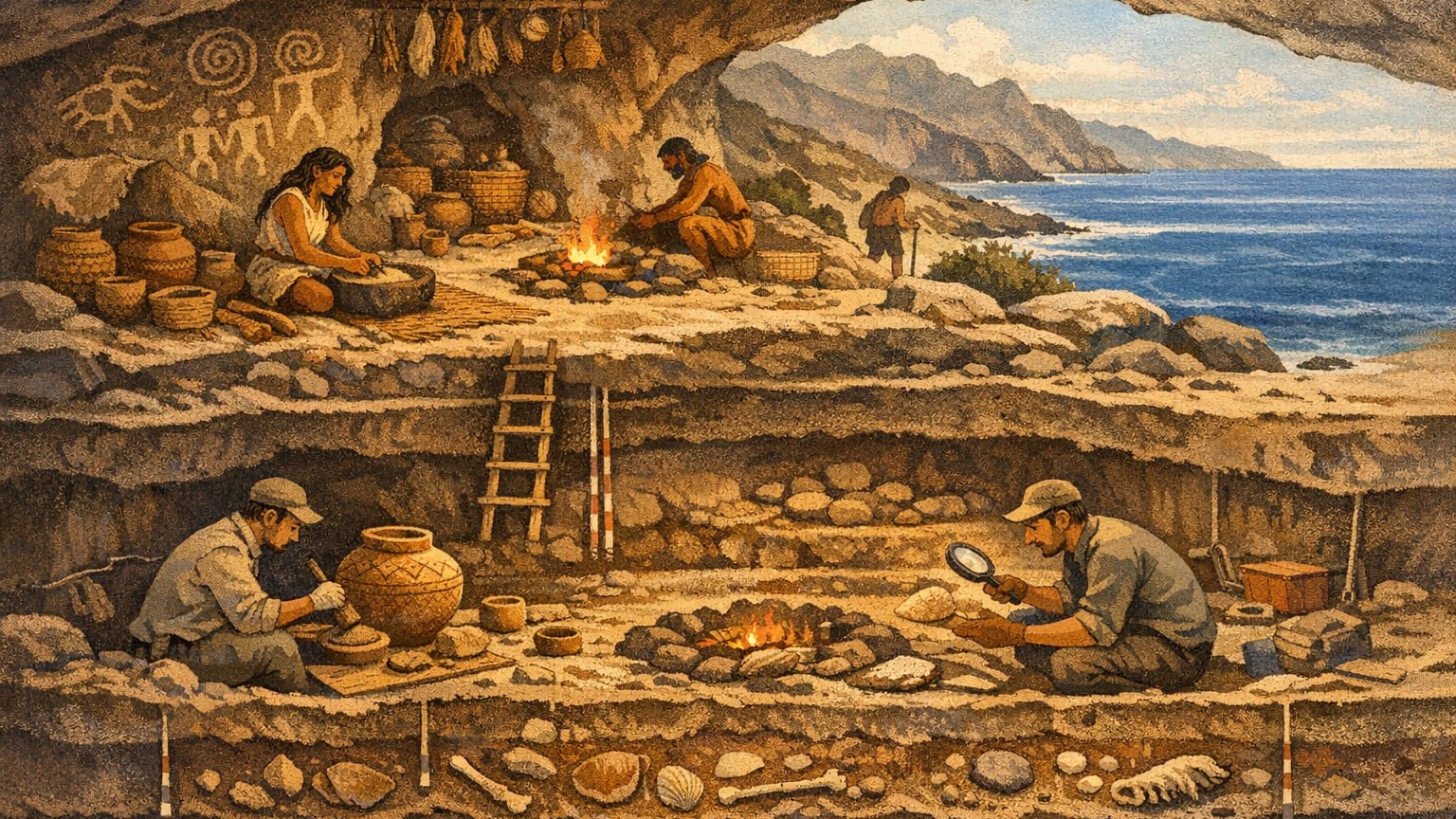
Caves were the primary dwellings of the Guanches in Tenerife, chosen for their habitability and proximity to resources. Archaeology uncovers how these spaces reflect daily life and the evolution of aboriginal society.
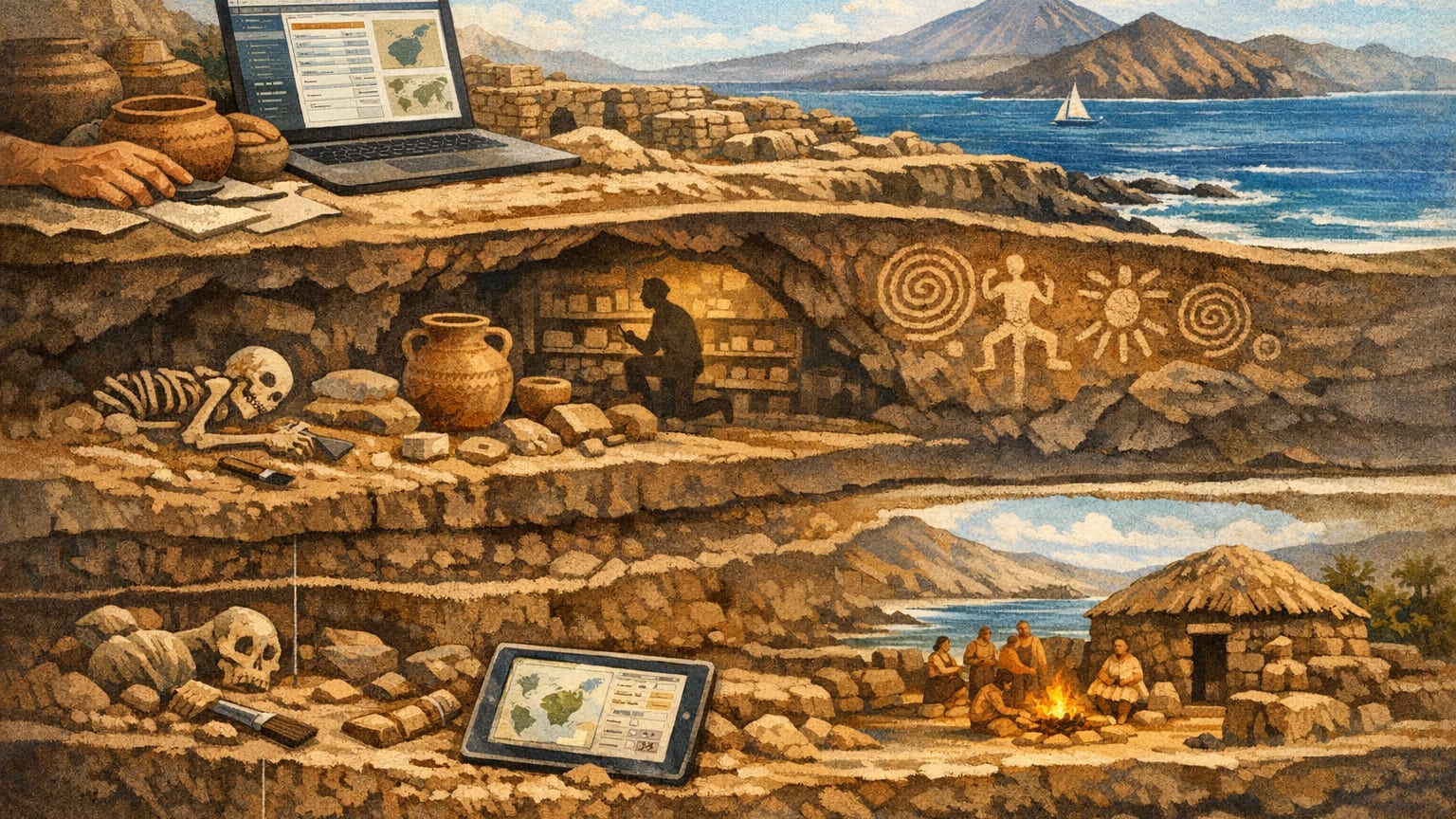
The digitization of scientific bibliography has transformed research in Canary Islands prehistory and anthropology, offering a broader and more up-to-date perspective on the islands' heritage.
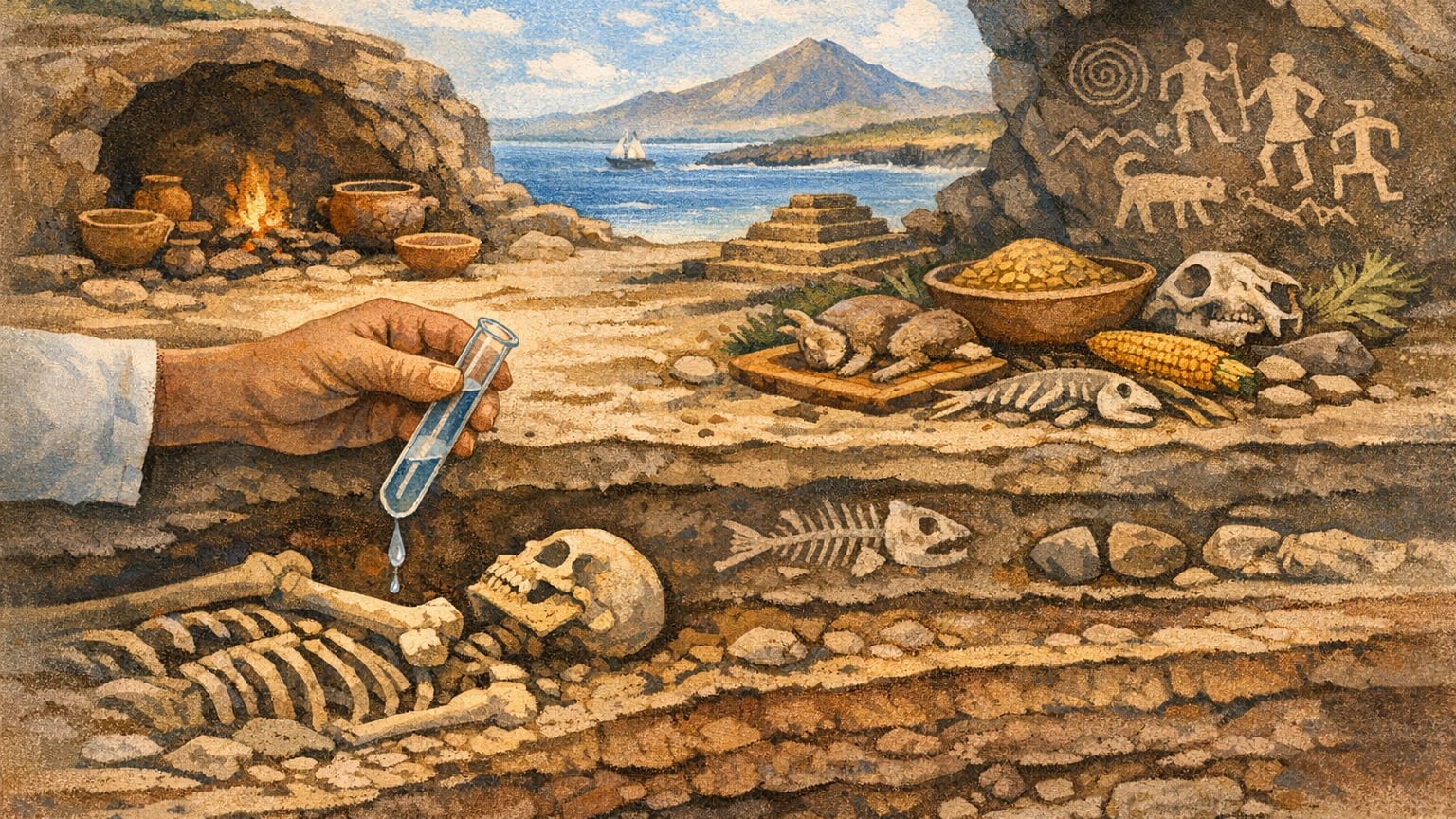
Discover how chemical analysis of bones allows archaeologists to reconstruct ancient diets, offering insights into the lives and adaptations of past populations in the Canary Islands and beyond.
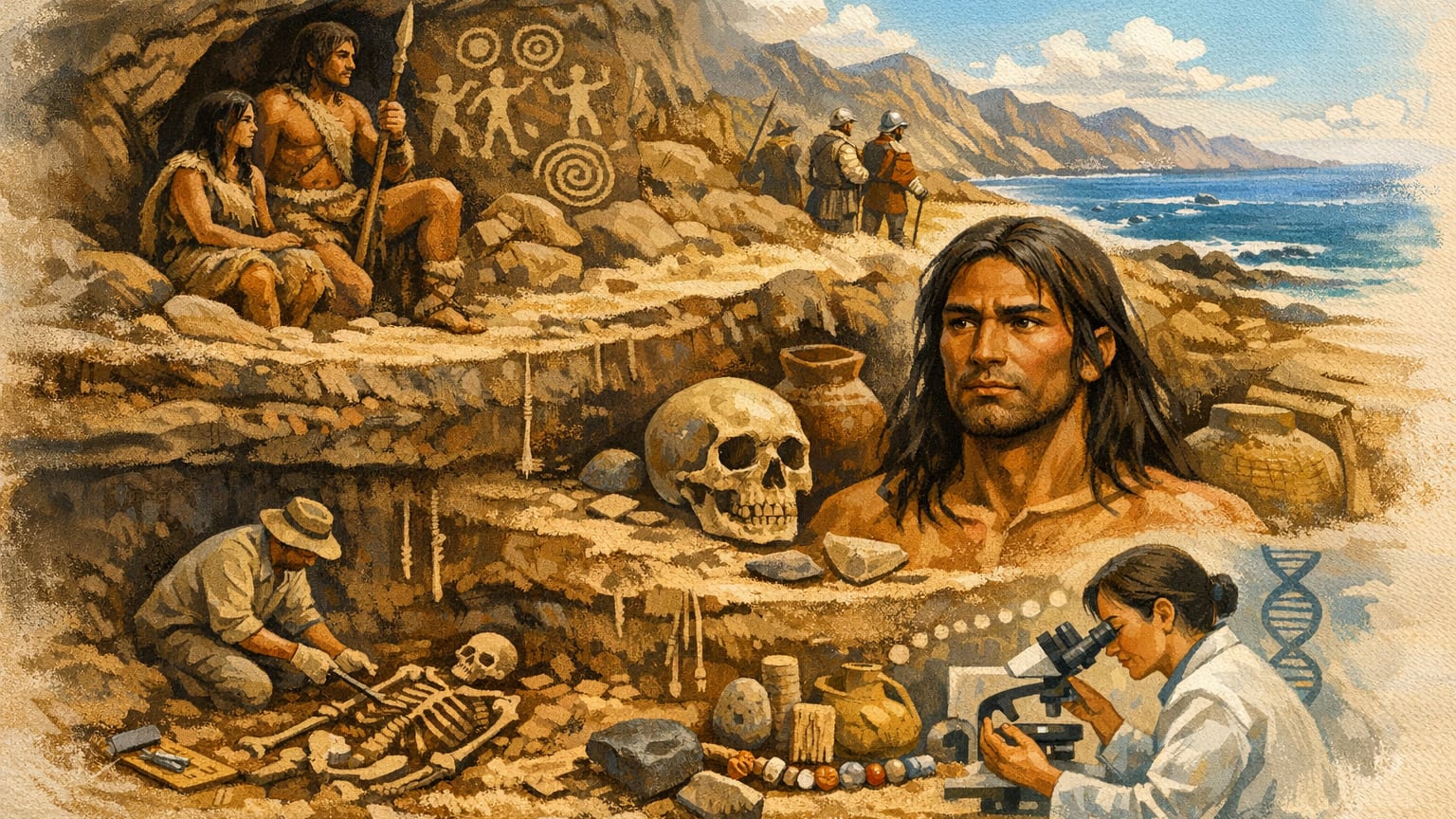
The physical appearance of the Guanches has been a subject of debate and myth for centuries. This article explores how their image evolved from early conquest chronicles to modern scientific studies.
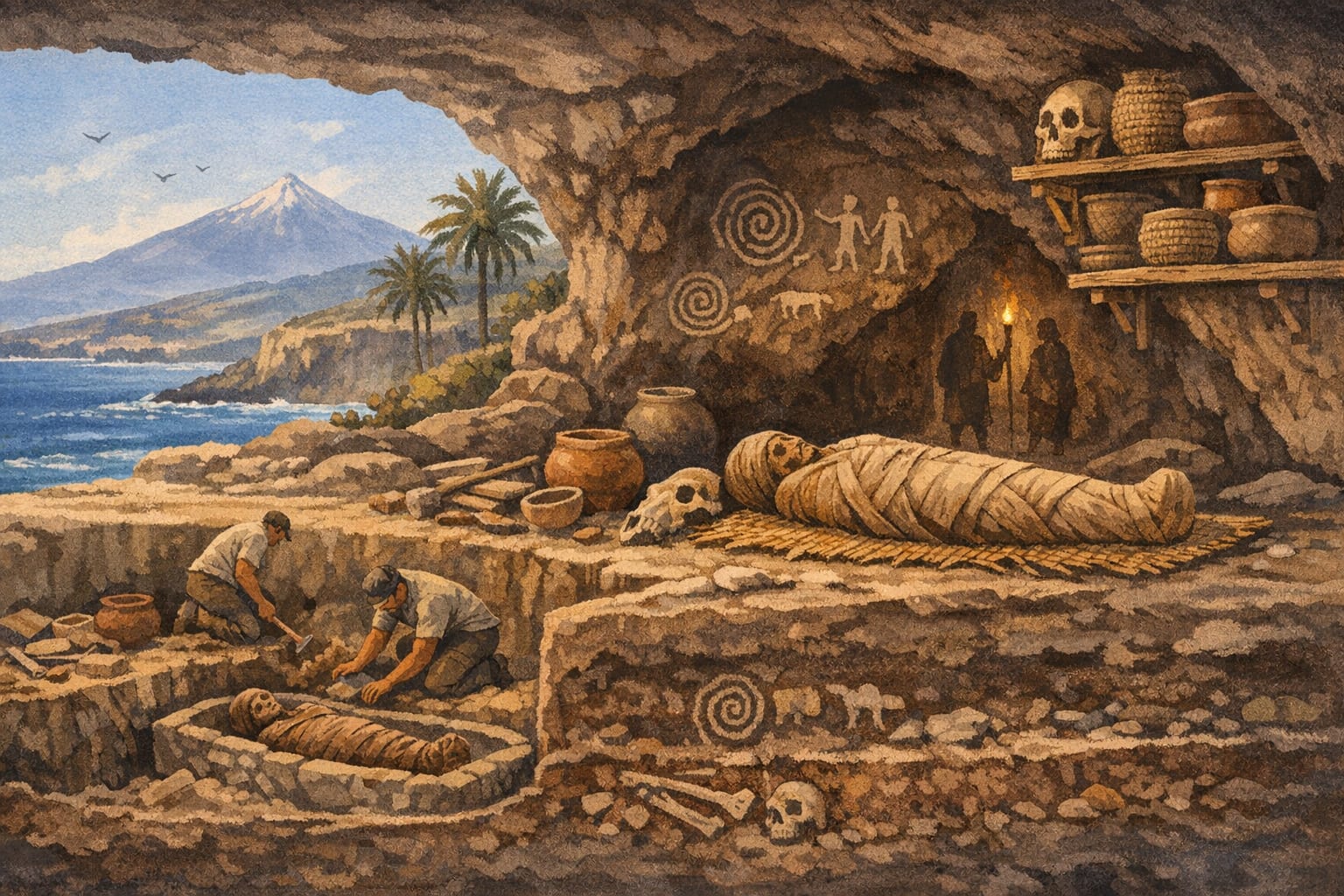
The Guanche practice of mummification in Tenerife reveals a complex funerary tradition and a unique cultural legacy. This article explores the techniques, social meaning, and archaeological significance of Guanche mummification.
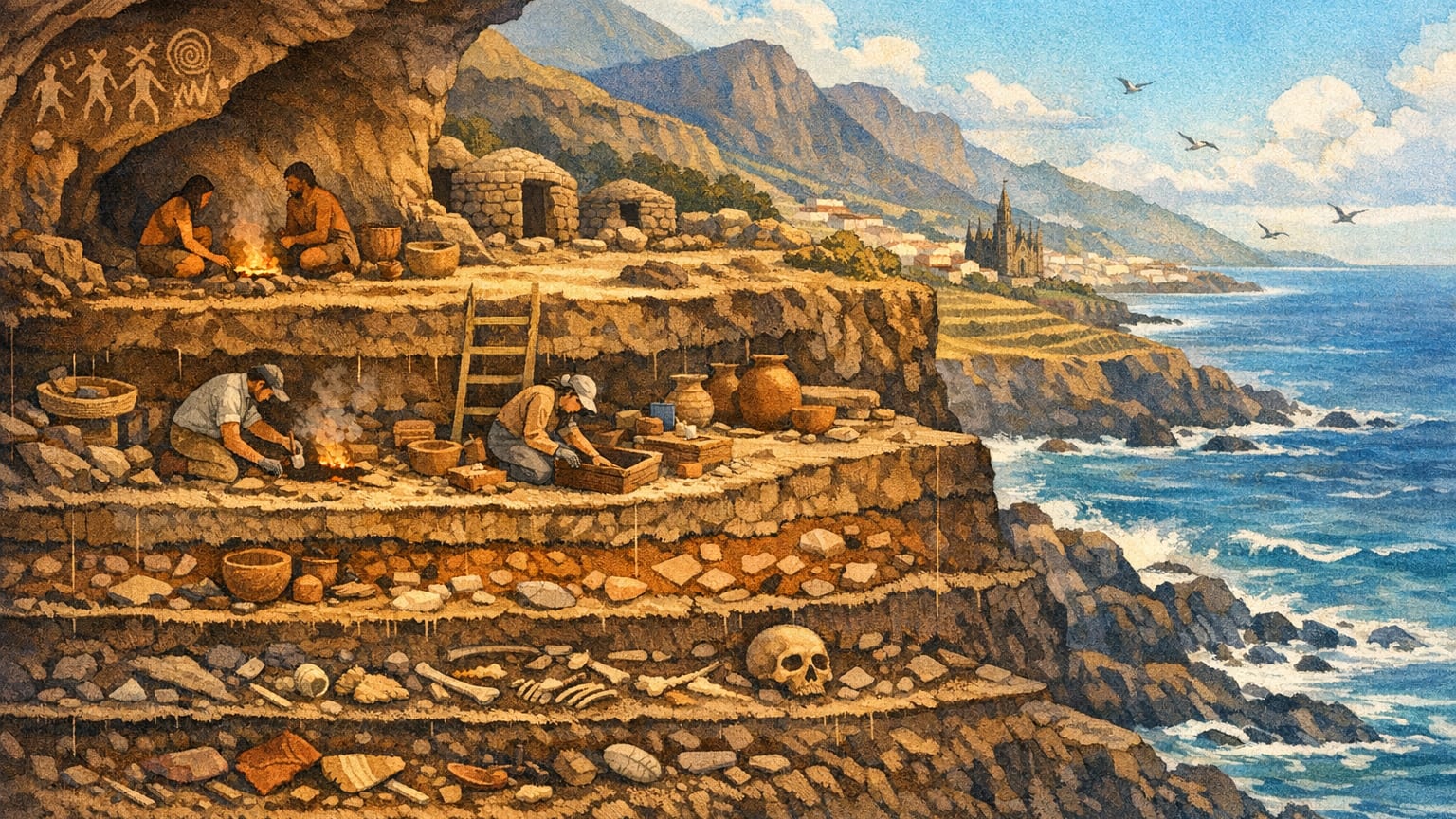
The La Cerera site in Arucas offers a unique stratigraphic sequence that documents pre-Hispanic occupation and the natural and human processes that shaped this archaeological enclave.
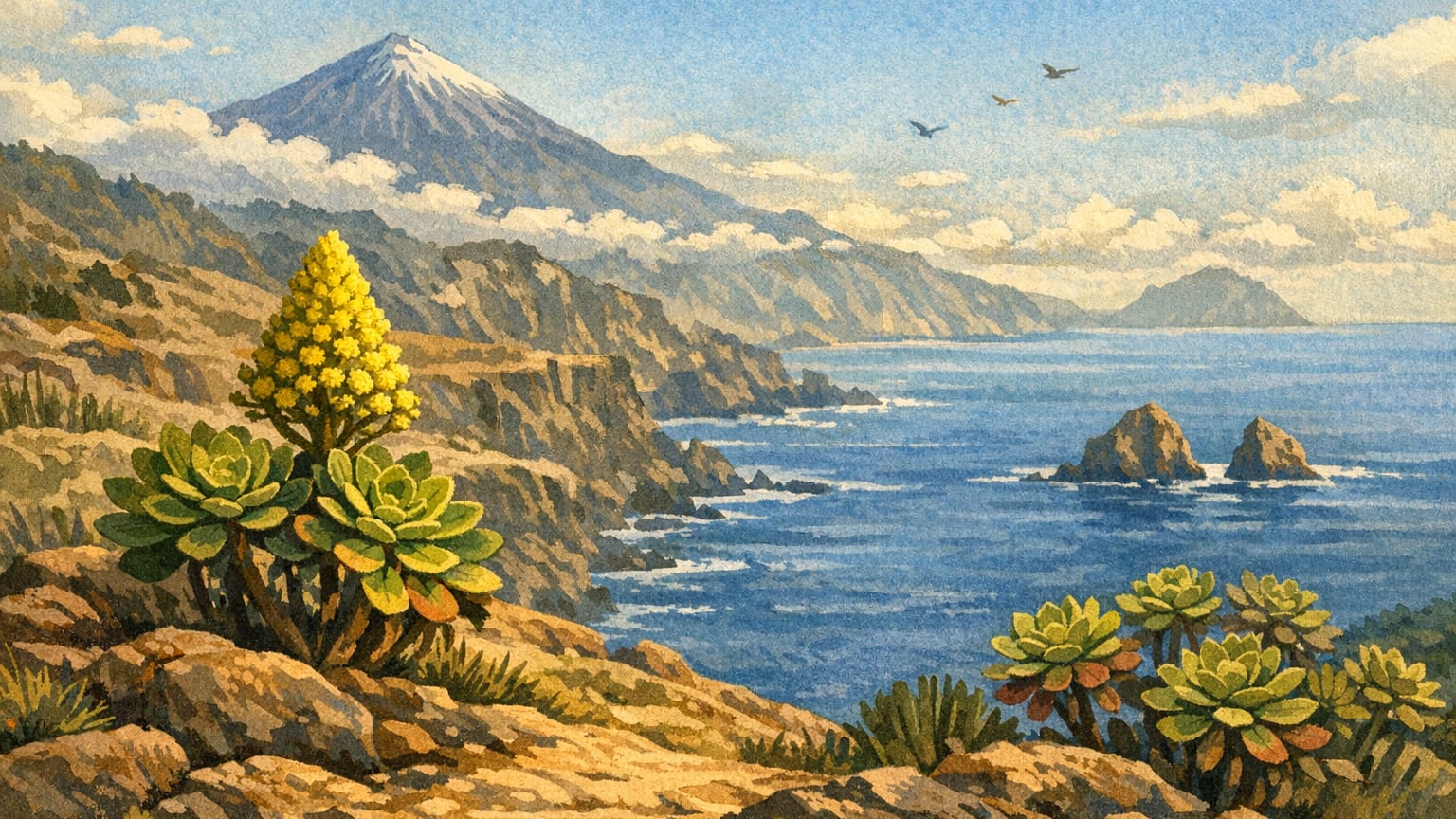
The Aeonium genus, locally known as veroles, showcases how the unique environment of the Canary Islands has driven extraordinary plant diversification through adaptive radiation.
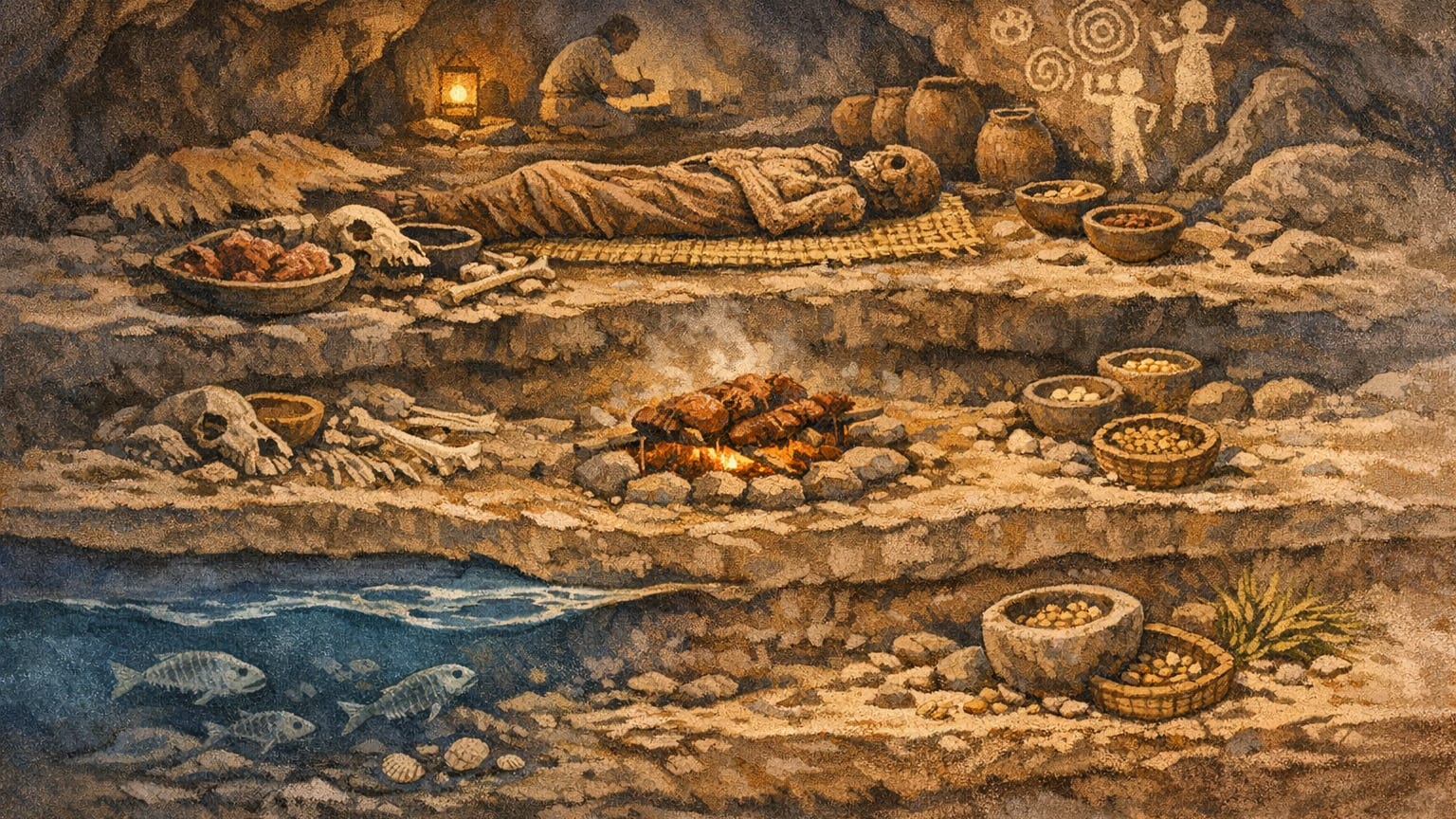
Bioanthropological studies of Guanche mummies reveal a diet rich in meat, with limited plant and marine foods, shedding light on their lifestyle and social structure.
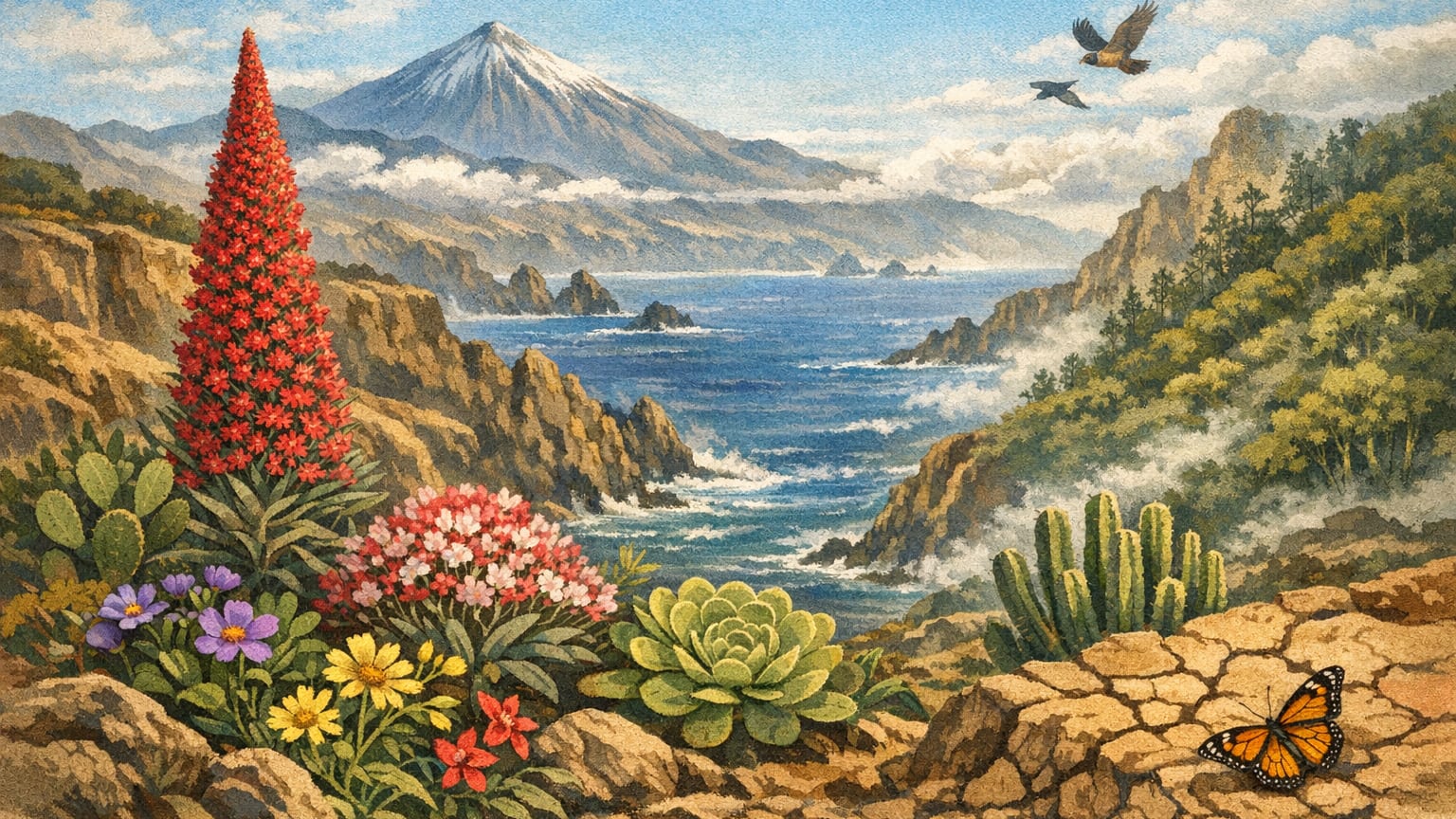
The Canary Islands are home to over 500 endemic plant species, many of which are endangered. Discover what makes this natural heritage so special and the challenges it faces.
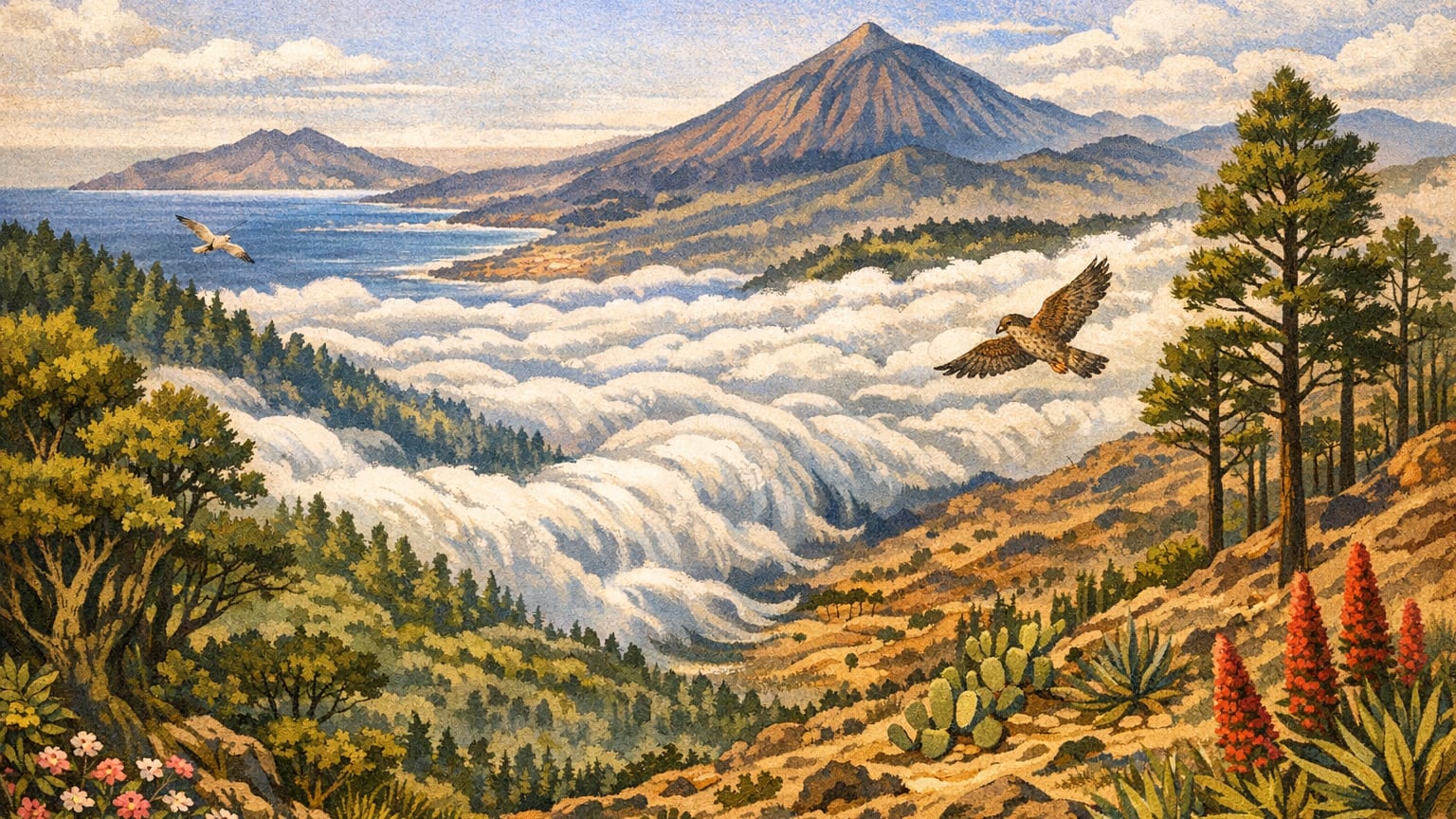
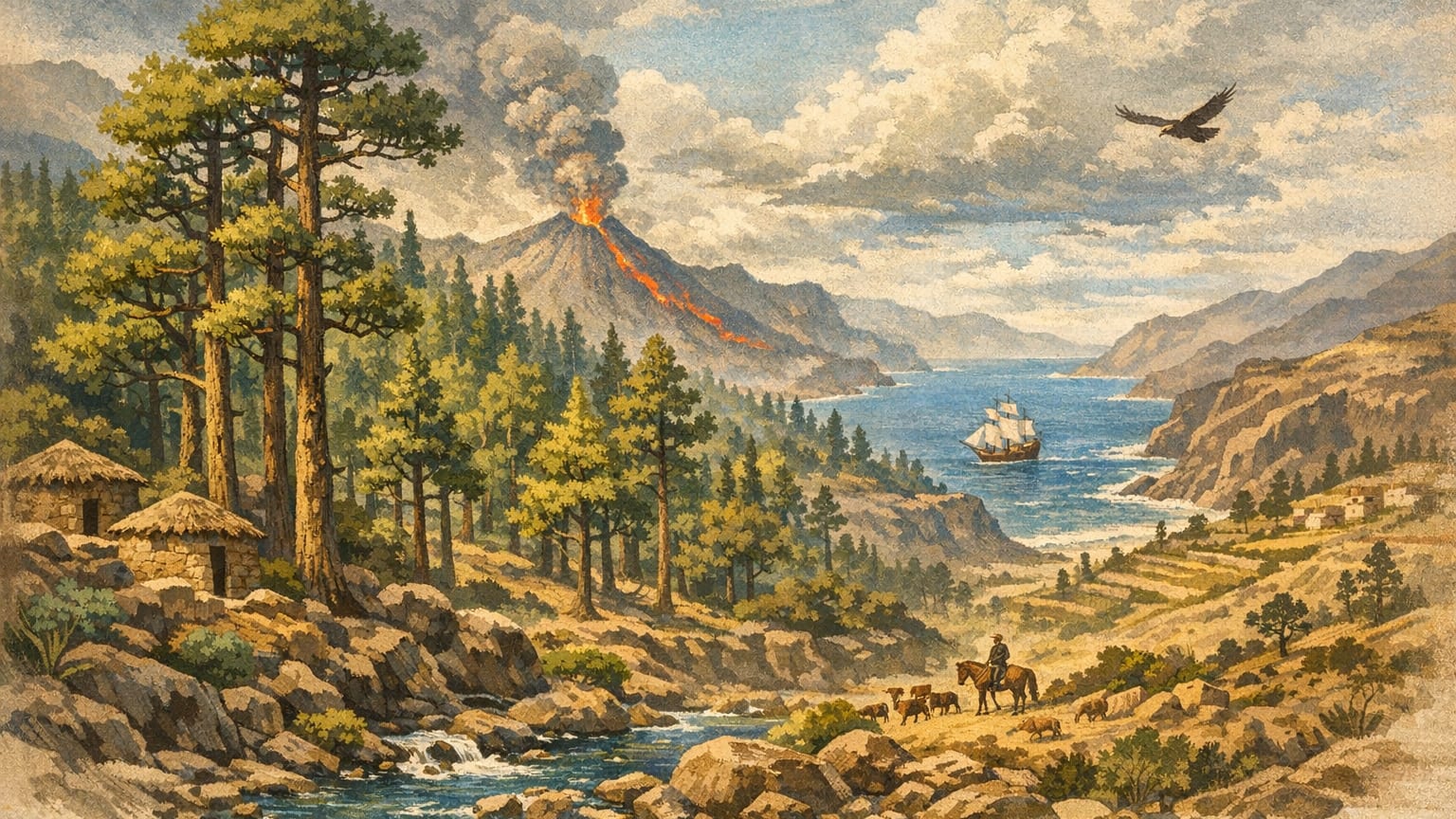
The relic pine forest of Arguineguín in Gran Canaria is a unique example of the resilience and ancient diversity of Canarian forests, reflecting the impact of climate, volcanism, and human activity.
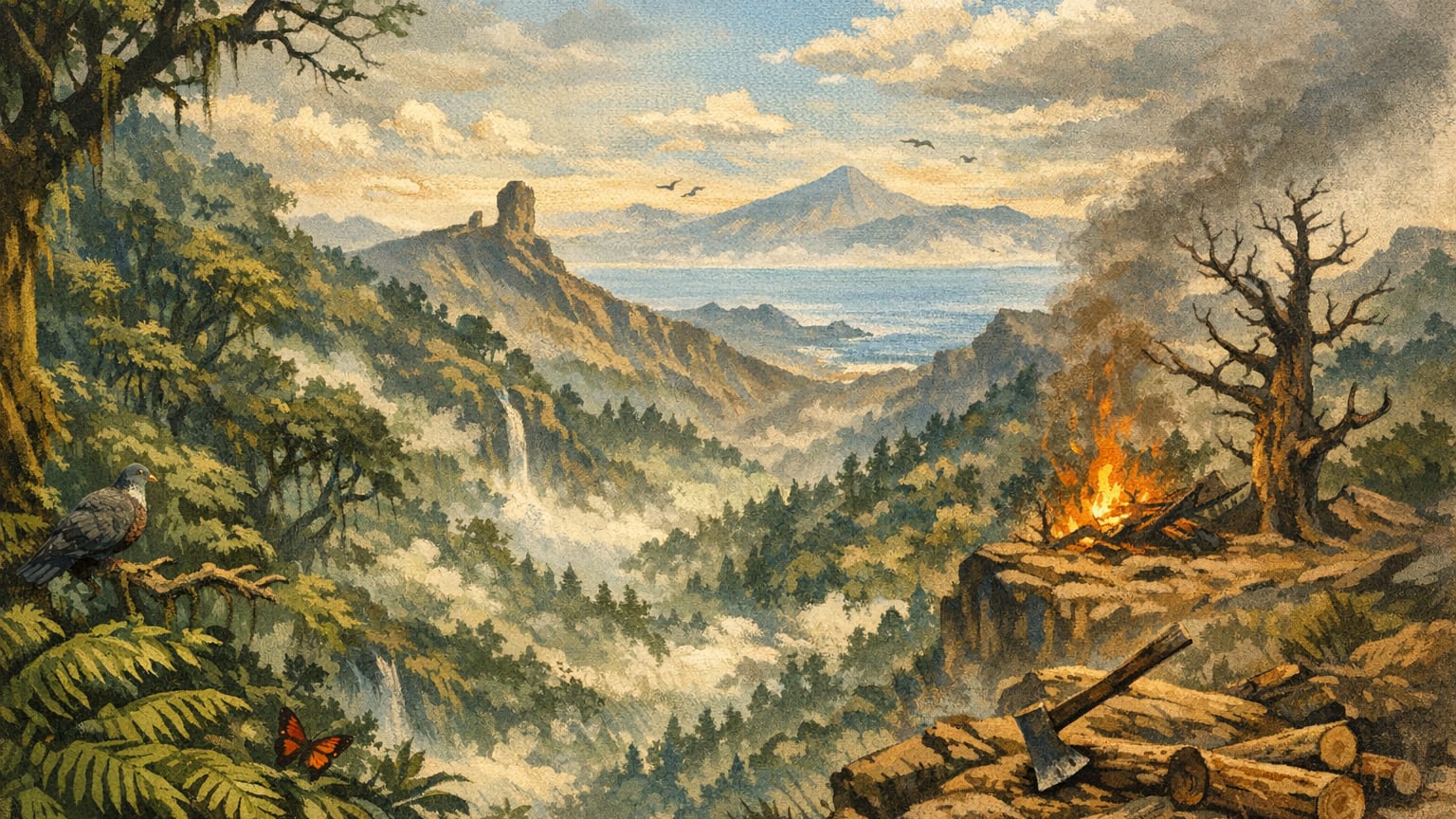
Gran Canaria's laurisilva forests, relics of a prehistoric era, survive in small remnants like Los Tilos de Moya, facing ongoing threats and conservation challenges.
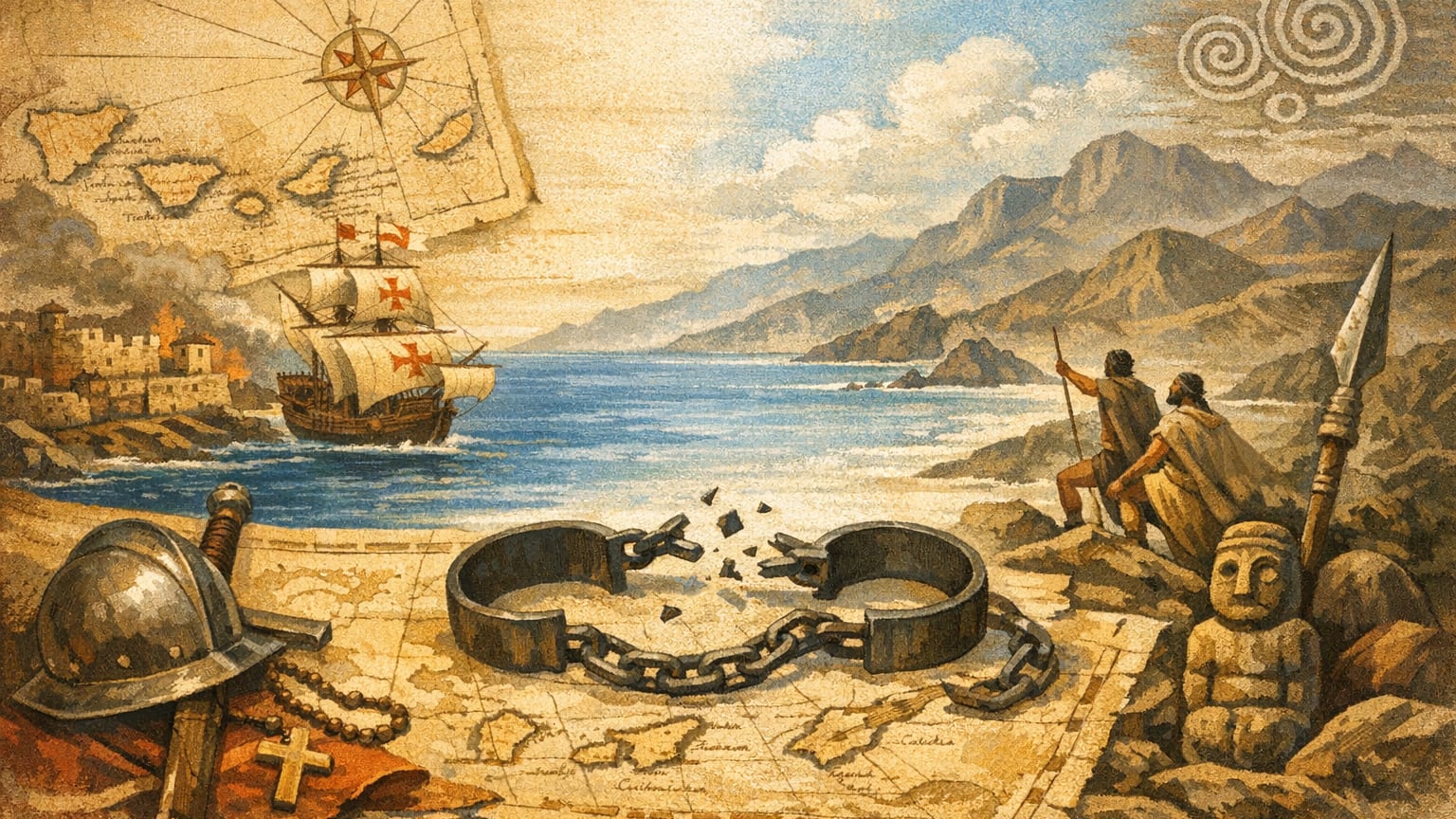
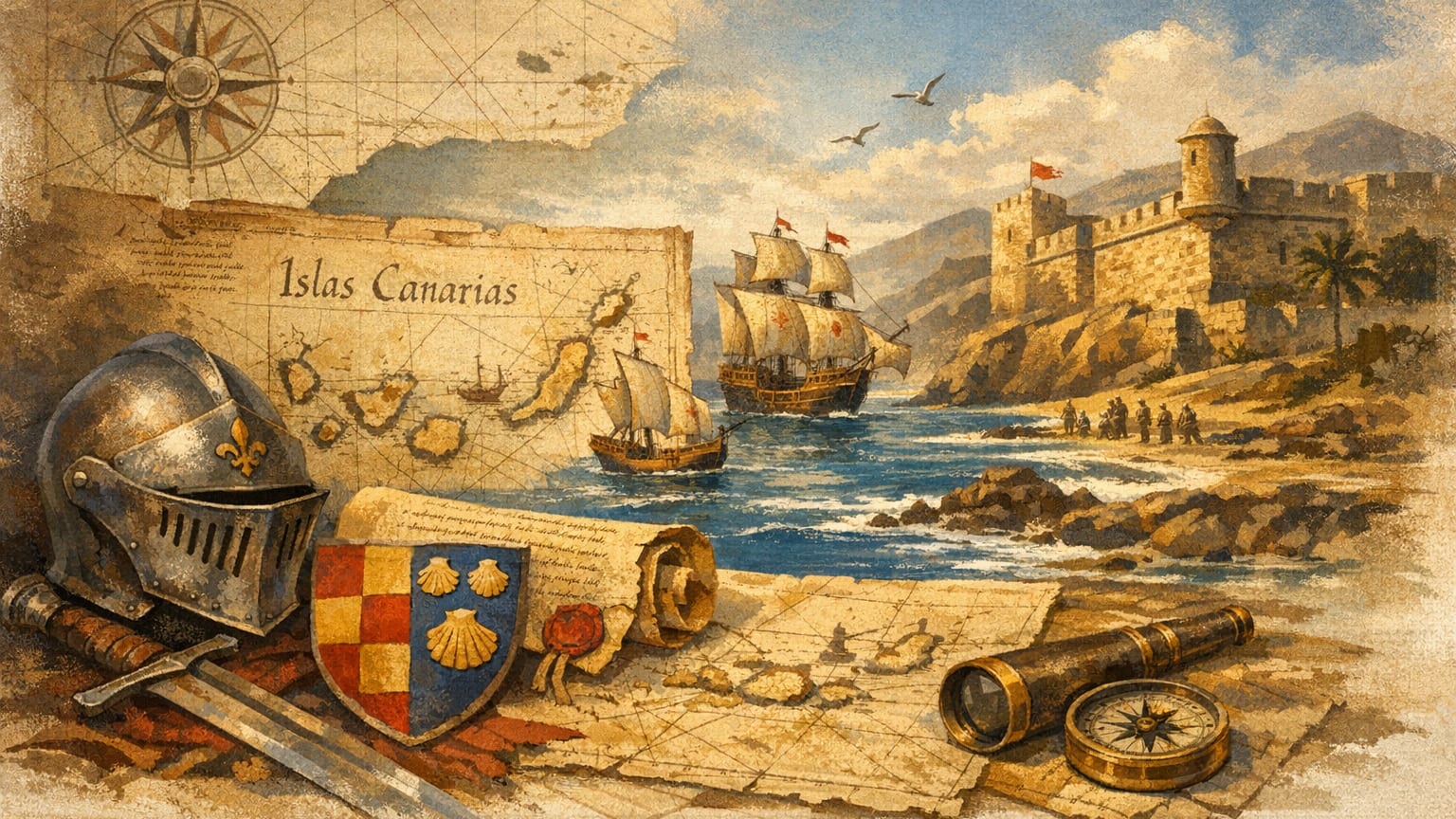
European colonization radically transformed Indigenous Canarian societies, dismantling their cultures and economies, but also sparked resistance and cultural blending.
The legend of Atlantis has long been linked to the Canary Islands. Discover how this myth shaped both historical and scientific views of the archipelago.
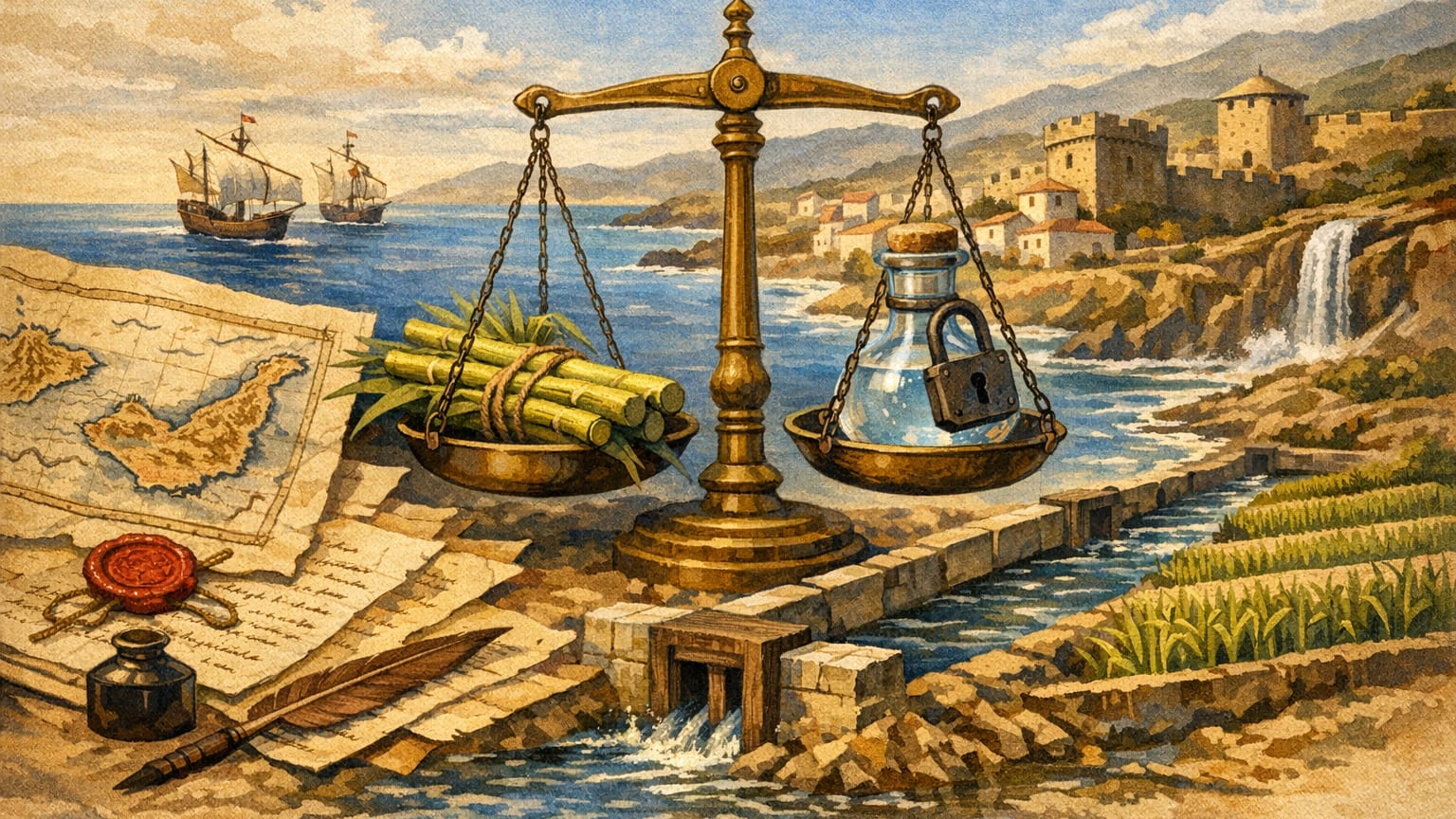
In the 16th century, the rise of the sugar elite in the Canary Islands led to the privatization of water, reshaping the islands' hydraulic system and legal culture.
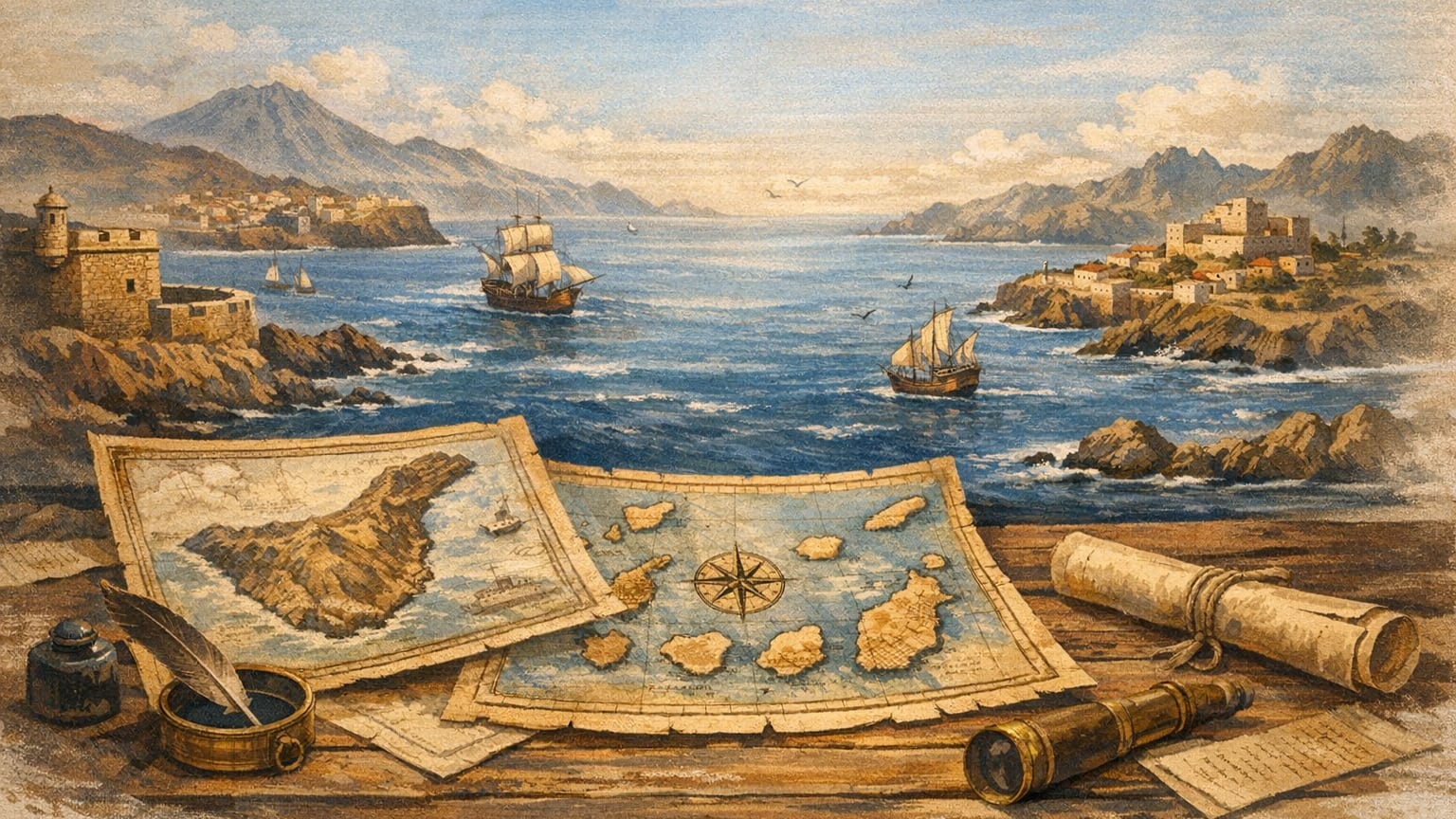
The fractured geography of the Canary Islands deeply influenced the development and isolation of its cities during the Early Modern period.
Canarias Historia
Cookies and analytics
We use consent choice to decide whether usage analytics should be enabled. You can accept or reject analytics cookies; strictly necessary technical elements will still operate.