

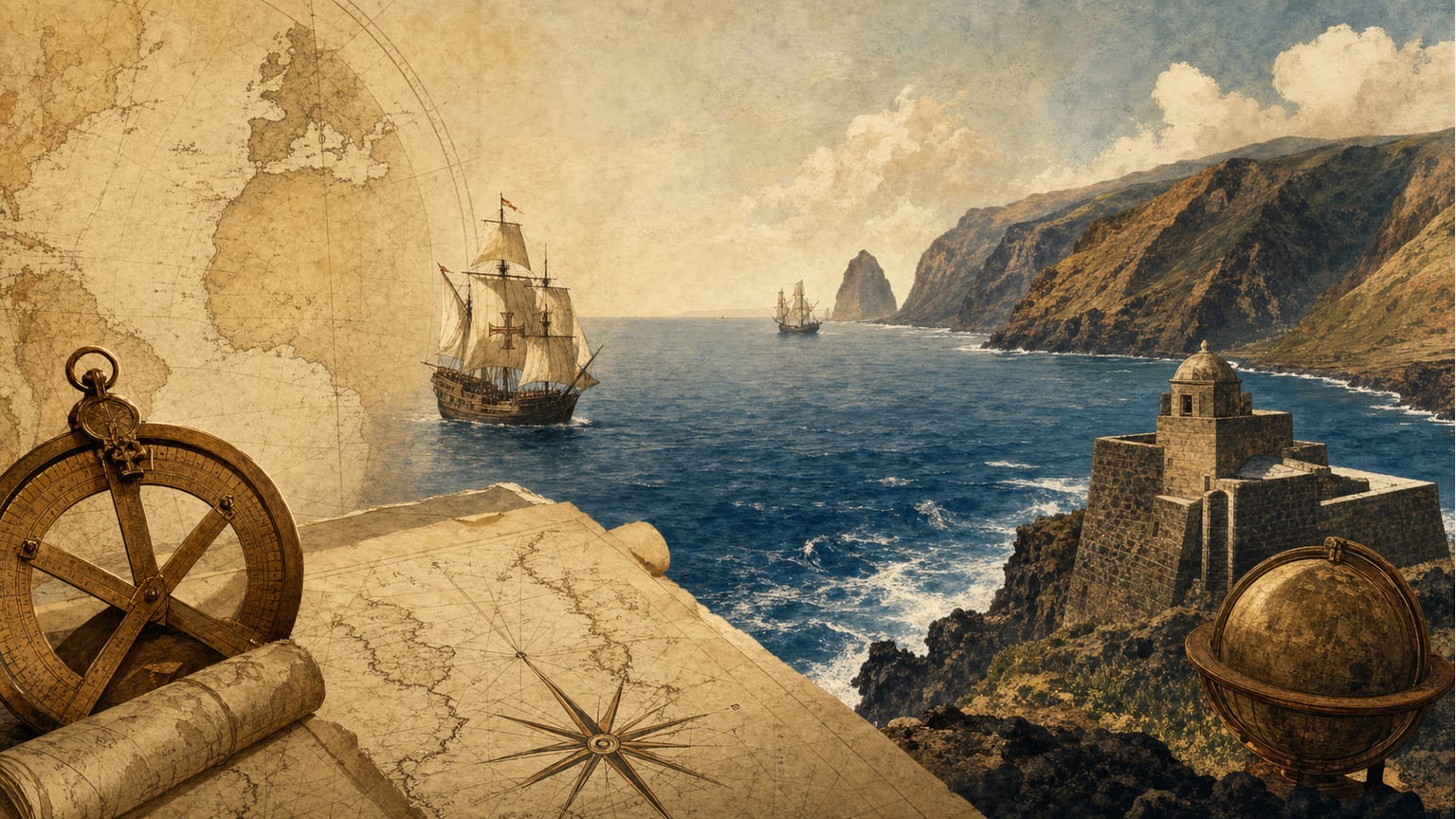
Orchilla, Where the World Began – El Hierro
At Punta Orchilla, El Hierro preserves the memory of the old zero meridian: an Atlantic edge where Europe imagined the beginning of the map for centuries.
Knowledge pills about the history, culture and nature of the Canary Islands
At Punta Orchilla, El Hierro preserves the memory of the old zero meridian: an Atlantic edge where Europe imagined the beginning of the map for centuries.
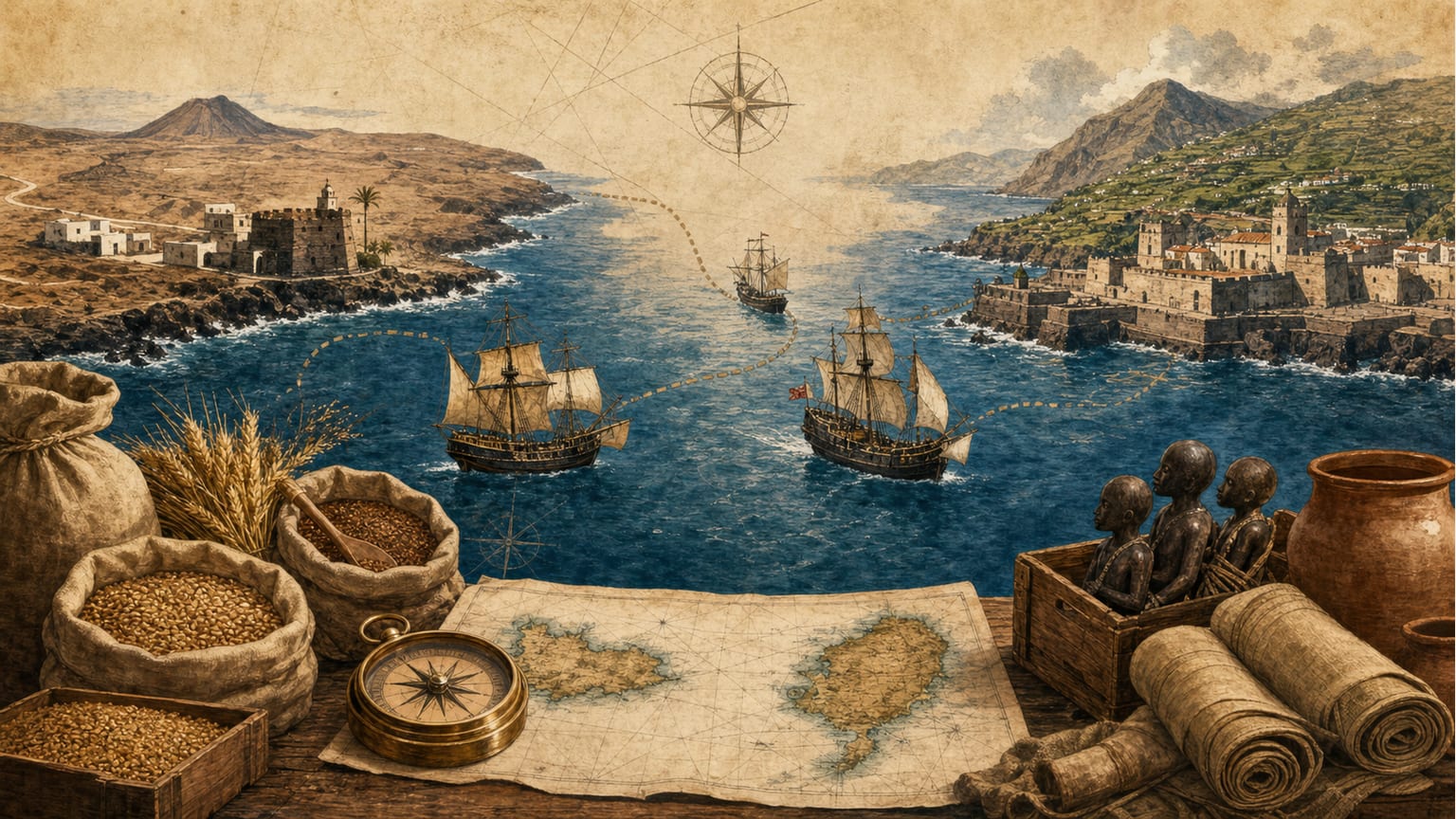
In the 16th and 17th centuries, Lanzarote and Madeira maintained a dynamic trade relationship based on the exchange of cereals, slaves, and other goods, reflecting a complementary economic system between the two archipelagos.
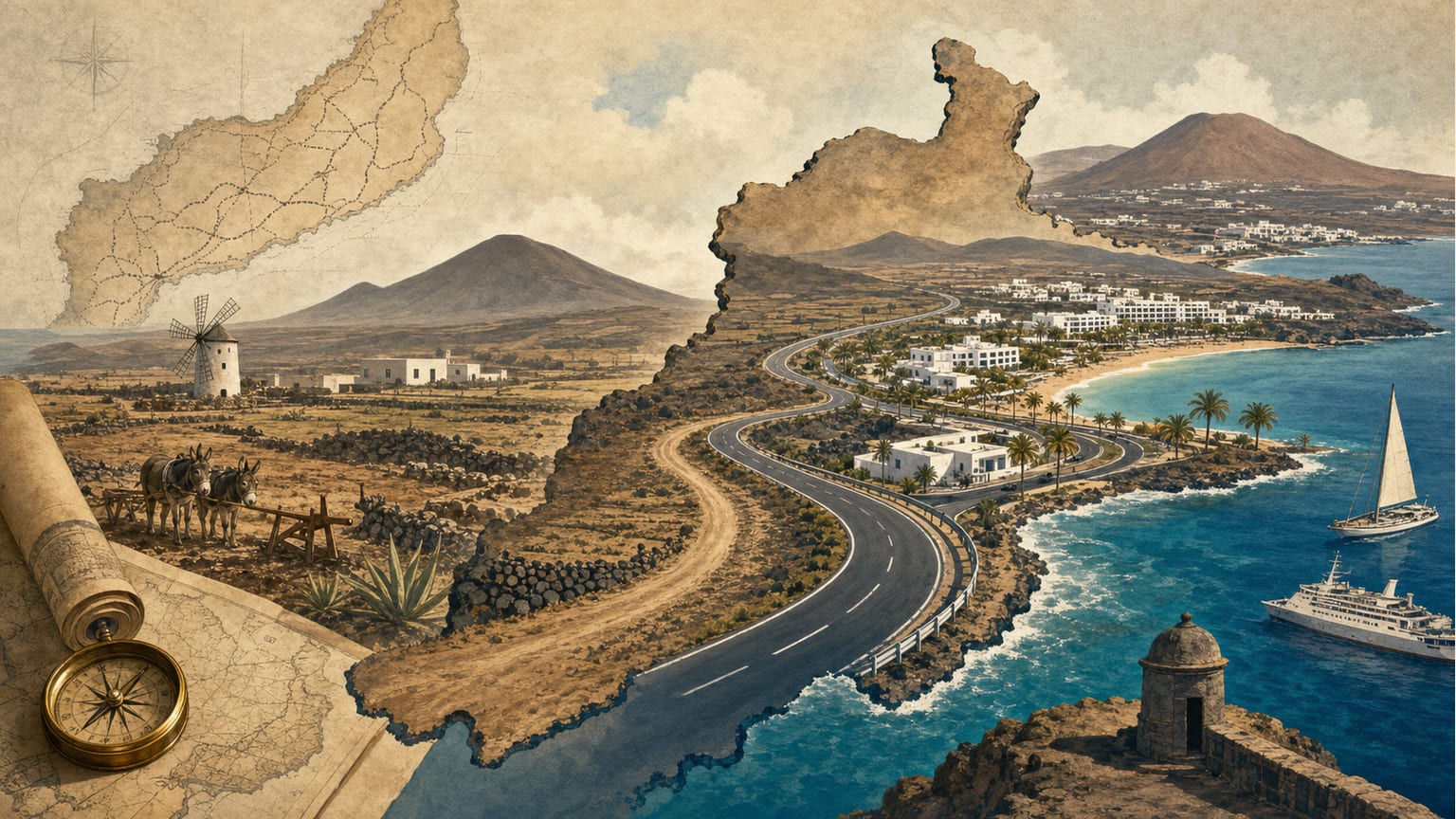
Lanzarote’s road network shifted from serving agriculture to prioritizing tourism, especially since the 1970s, profoundly altering the island’s territorial organization.
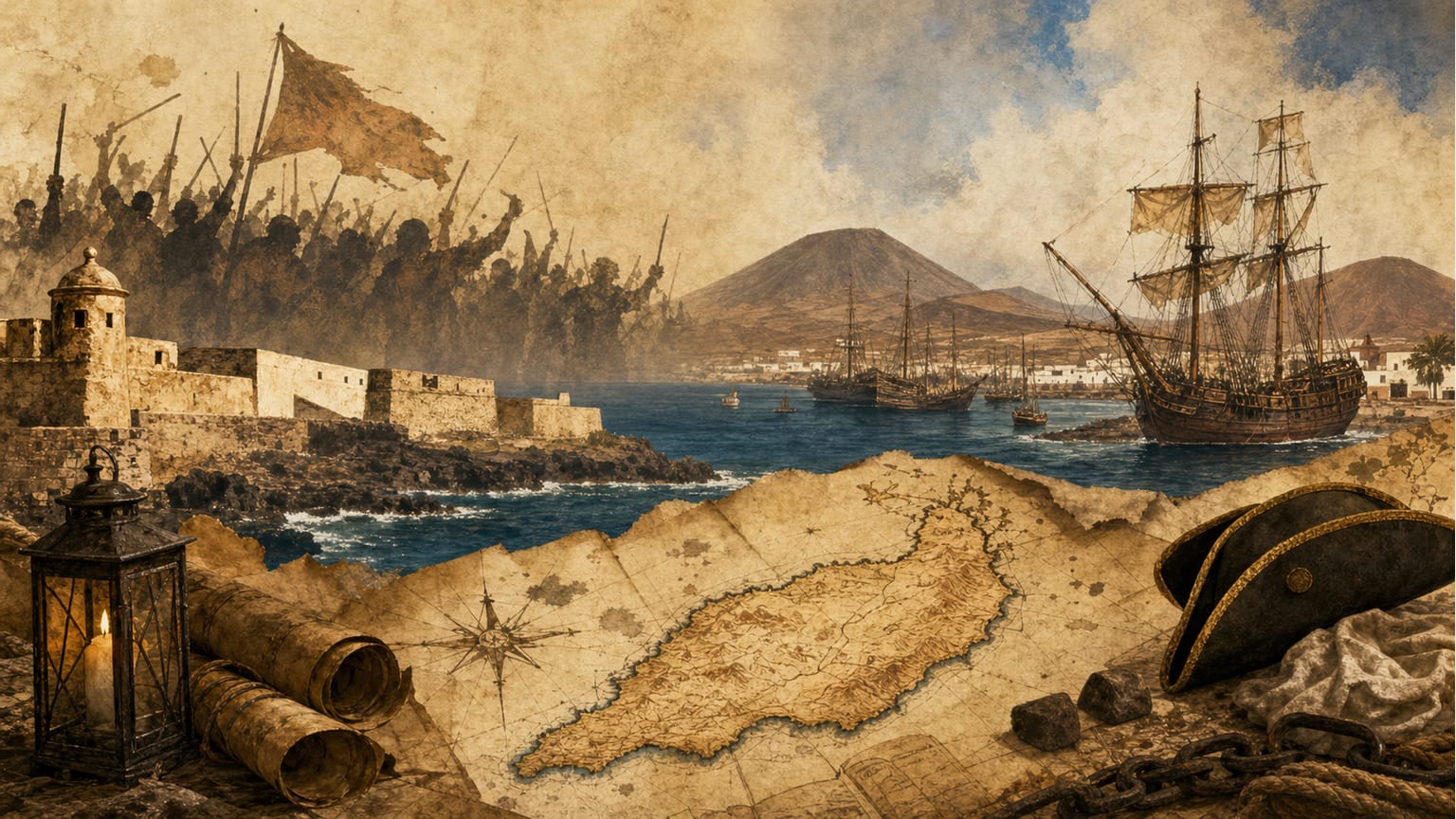
In 1789, Lanzarote witnessed the so-called 'pobrera' uprising, a unique event reflecting the island's social and political tensions in the late 18th century.
A detailed analysis of the creation and distribution of public libraries in Fuerteventura and Lanzarote during the 20th century, the applied criteria, and the challenges encountered.
The Jable of Lanzarote is a vast area of mobile marine sands whose extent and use have changed over the centuries, shaping settlement and the island's economy.
Cochineal transformed Lanzarote’s economy and landscape in the 19th century, thanks to its unique geography and ingenious agricultural techniques.
An in-depth look at the development of schooling in Lanzarote during the 19th century, including statistics, obstacles, and administrative evolution.
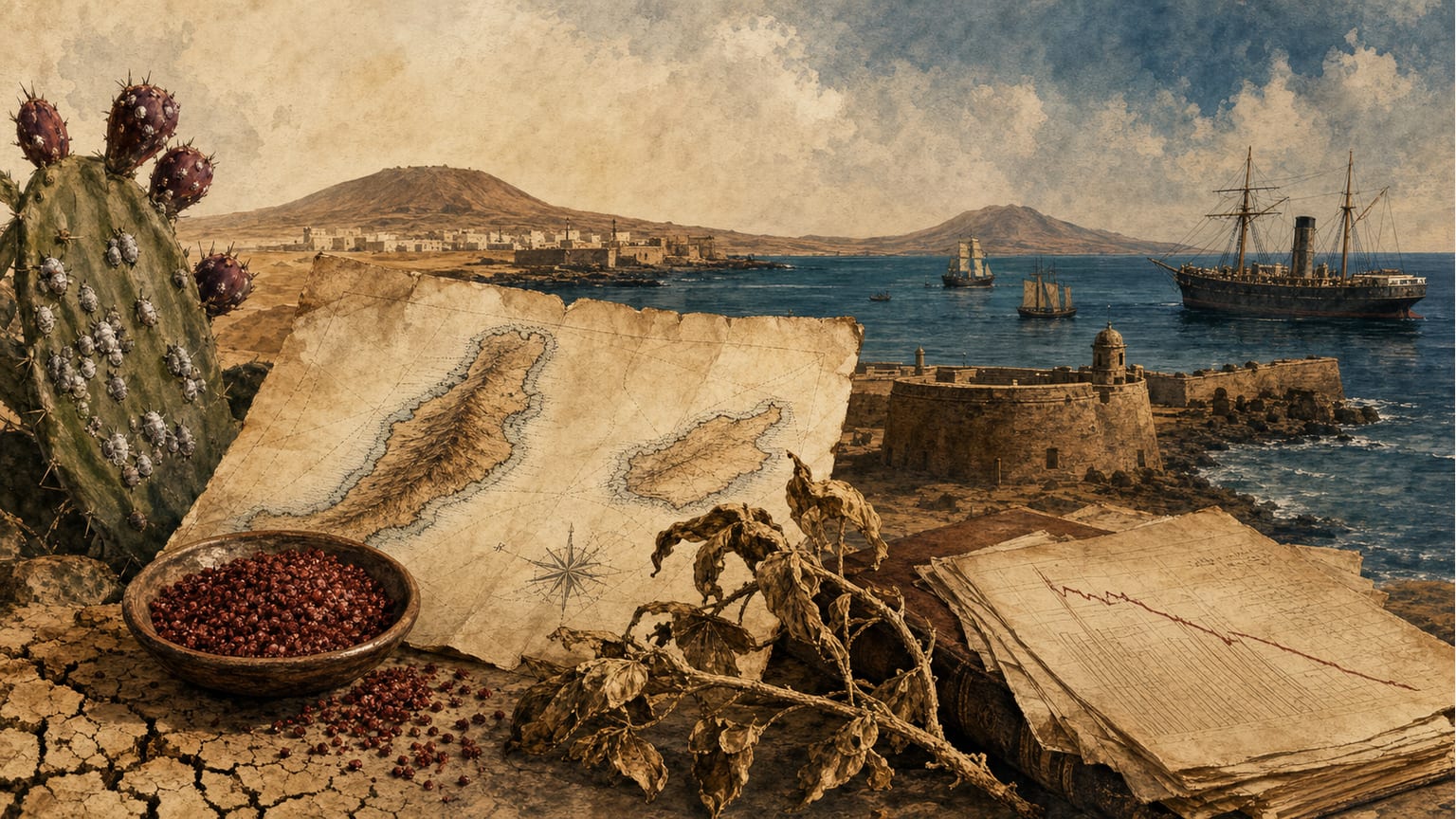
Between 1875 and 1884, Fuerteventura and Lanzarote faced a severe economic and demographic crisis due to the collapse of the cochineal market and prolonged drought.
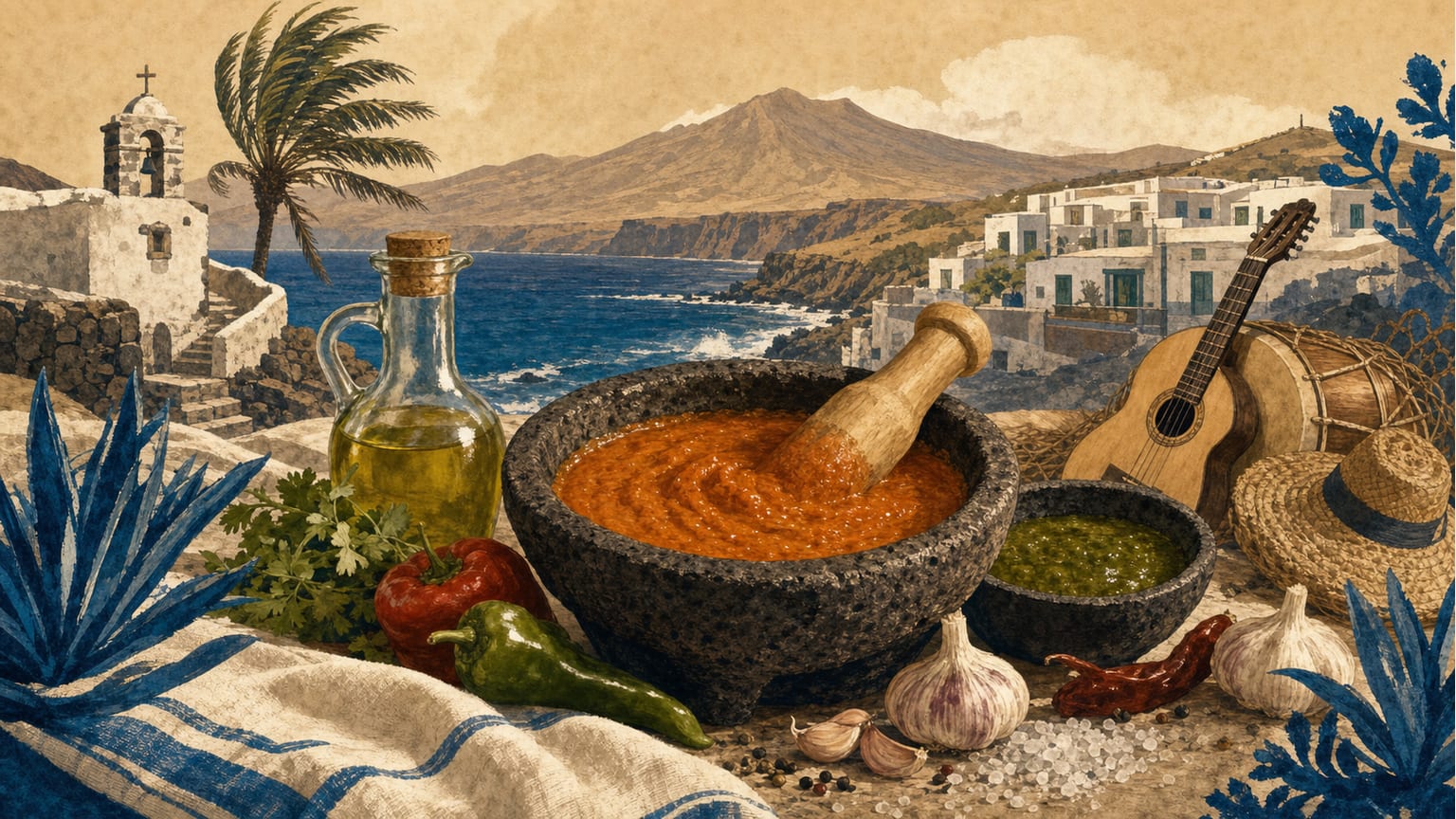
Canarian mojo is one of the most iconic sauces of the Canary Islands' cuisine. This article examines its traditional recipes and variations as presented in the 1974 cookbook.
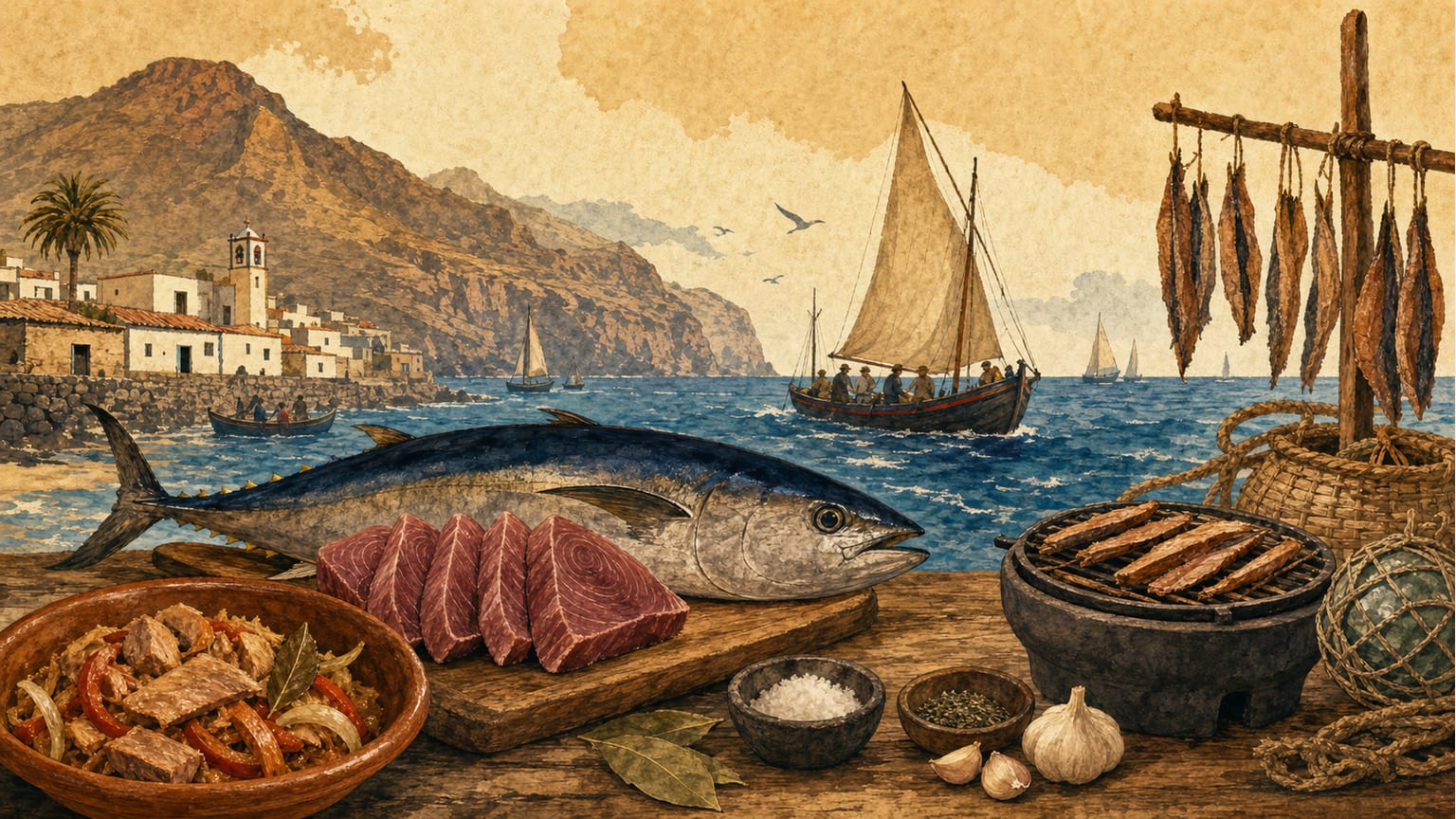
Tuna is central to La Gomera's traditional cuisine, with recipes and techniques that reflect the island's maritime history and identity.
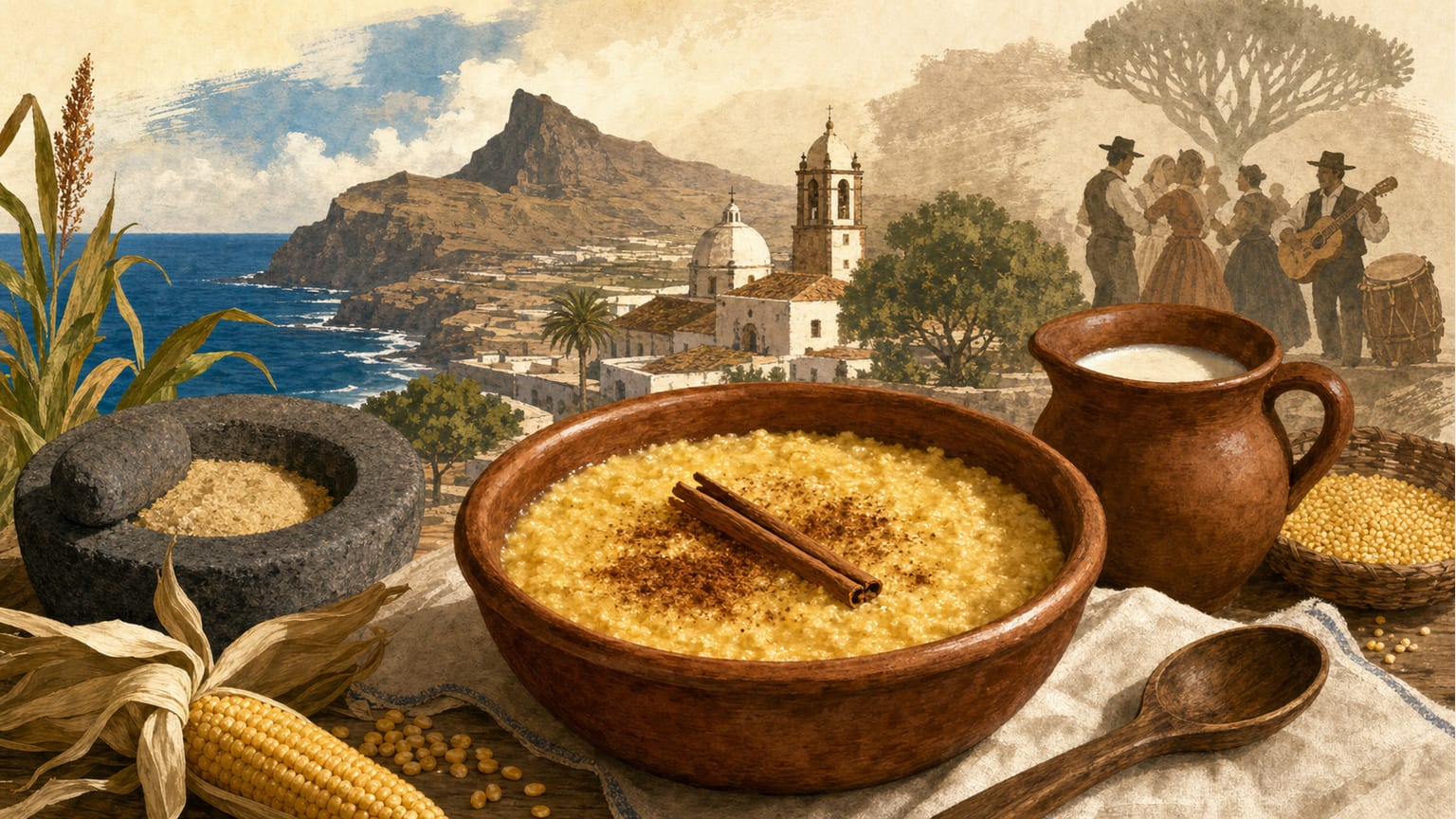
Frangollo is a traditional dessert from Gran Canaria made with ground corn, milk, and sugar. Though less common today, it remains part of Canarian celebrations like Canary Islands Day.
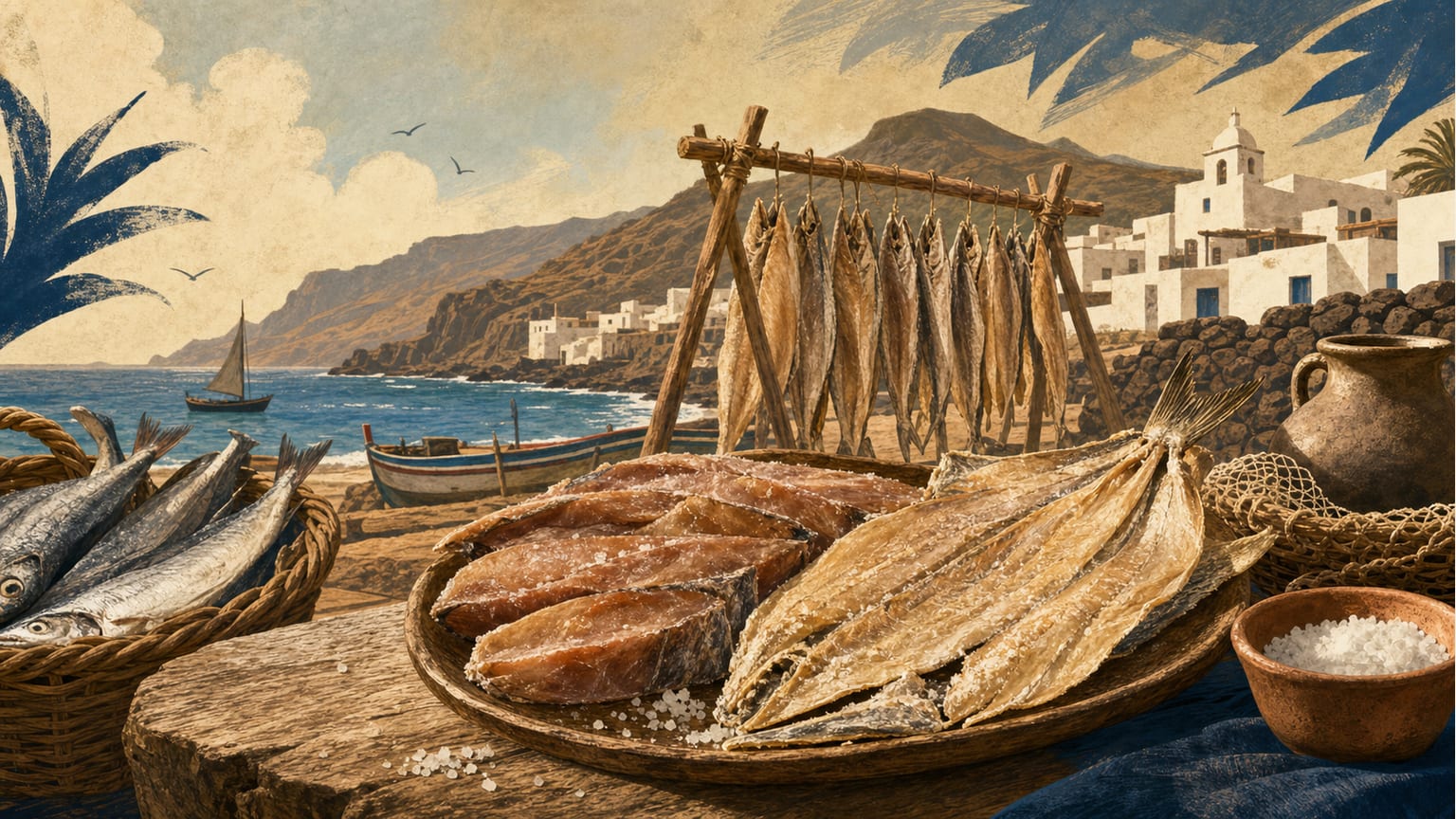
Traditional salted fish, such as tollos and jareas, have played a key role in food preservation and consumption in the Canary Islands. This article examines their preparation, history, and place in Canarian cuisine.
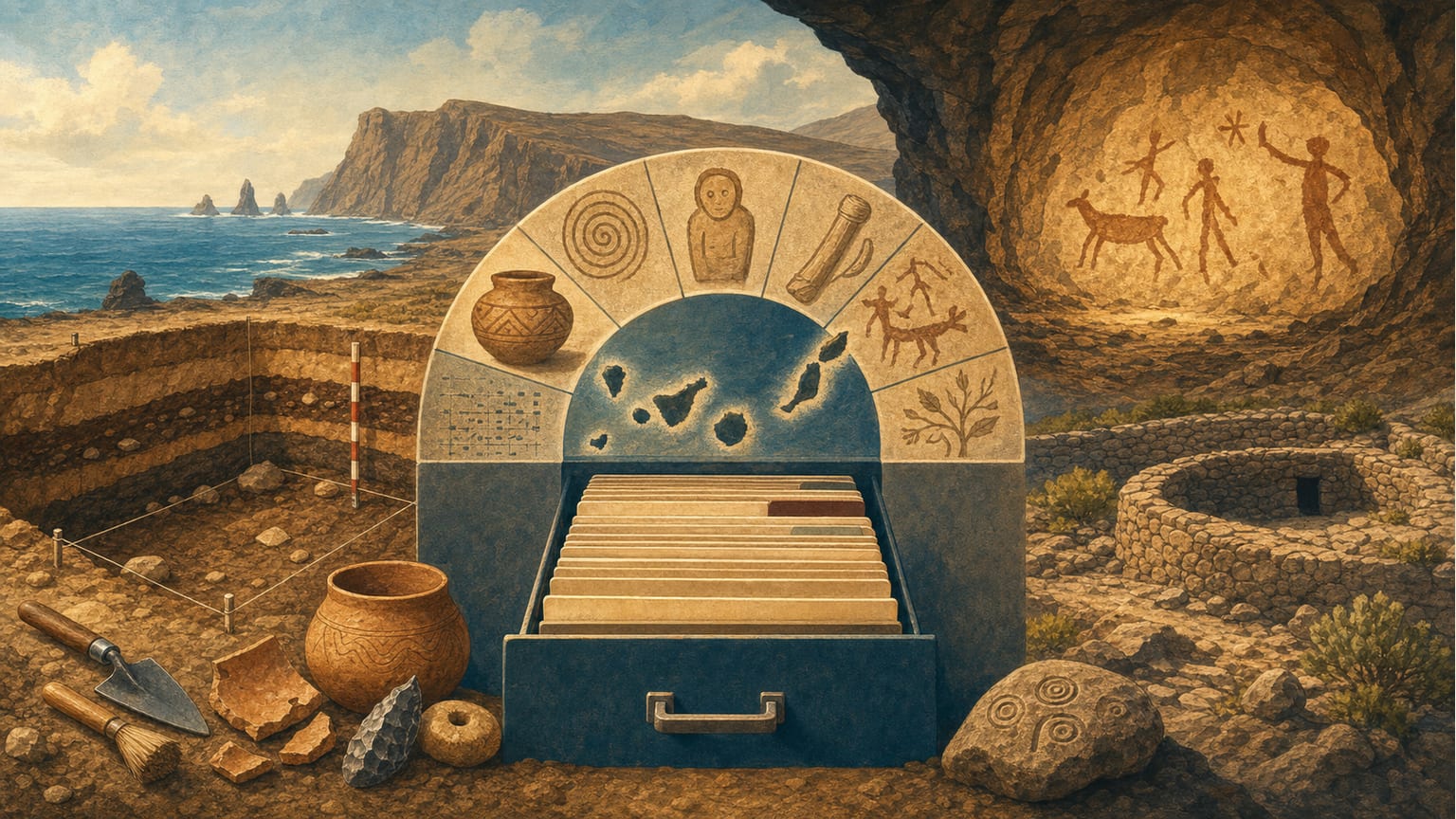
BPAC is the most comprehensive database on Canarian prehistory and anthropology, integrating over 8,500 references and numerous thematic and technical fields, making it a key resource for researchers and the general public.
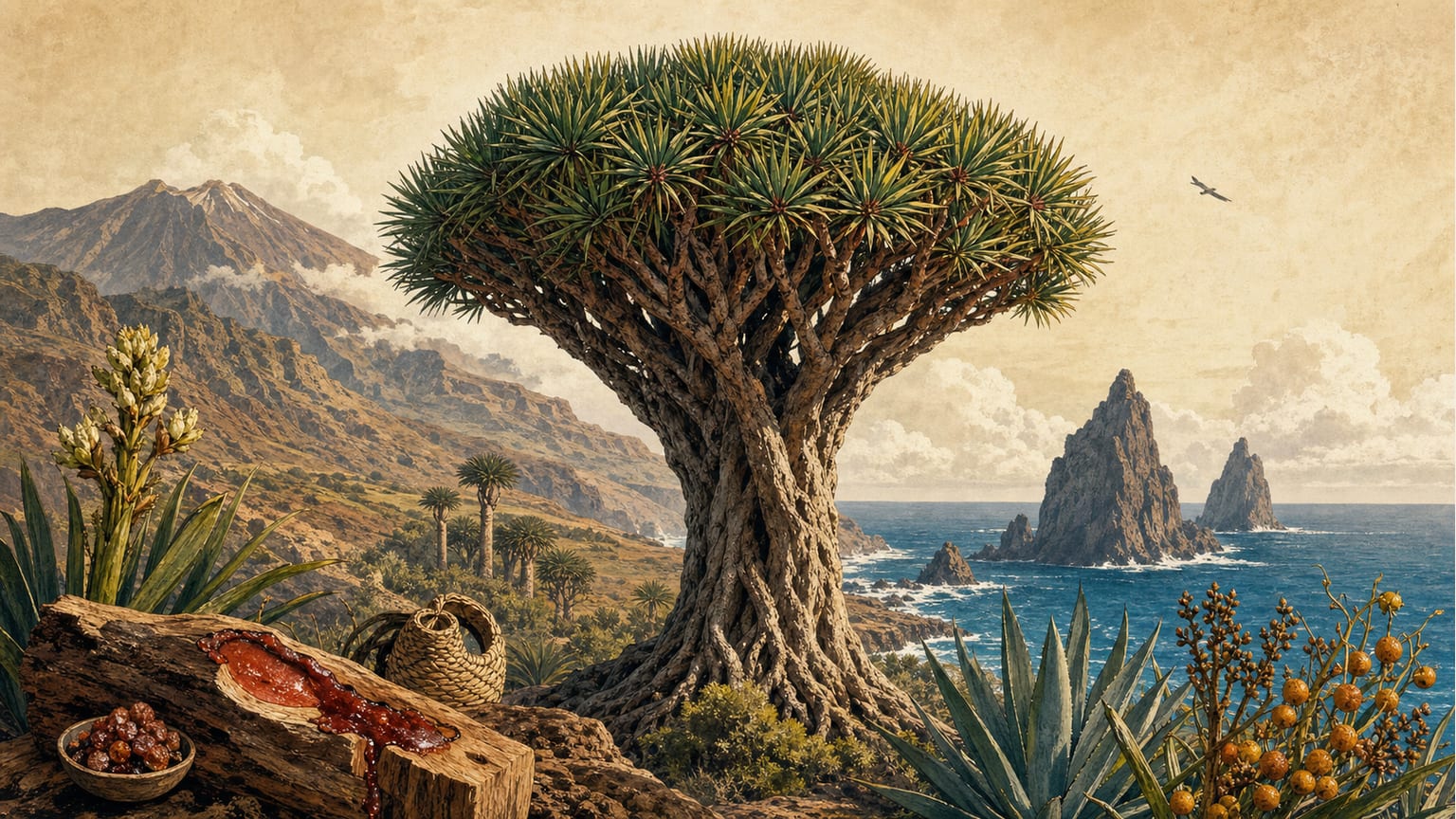
The Dragon Tree is a botanical symbol of Tenerife and one of the Canary Islands' most iconic plants, with historical and medicinal uses. This article explores its biology, role in aboriginal culture, and presence across the archipelago.
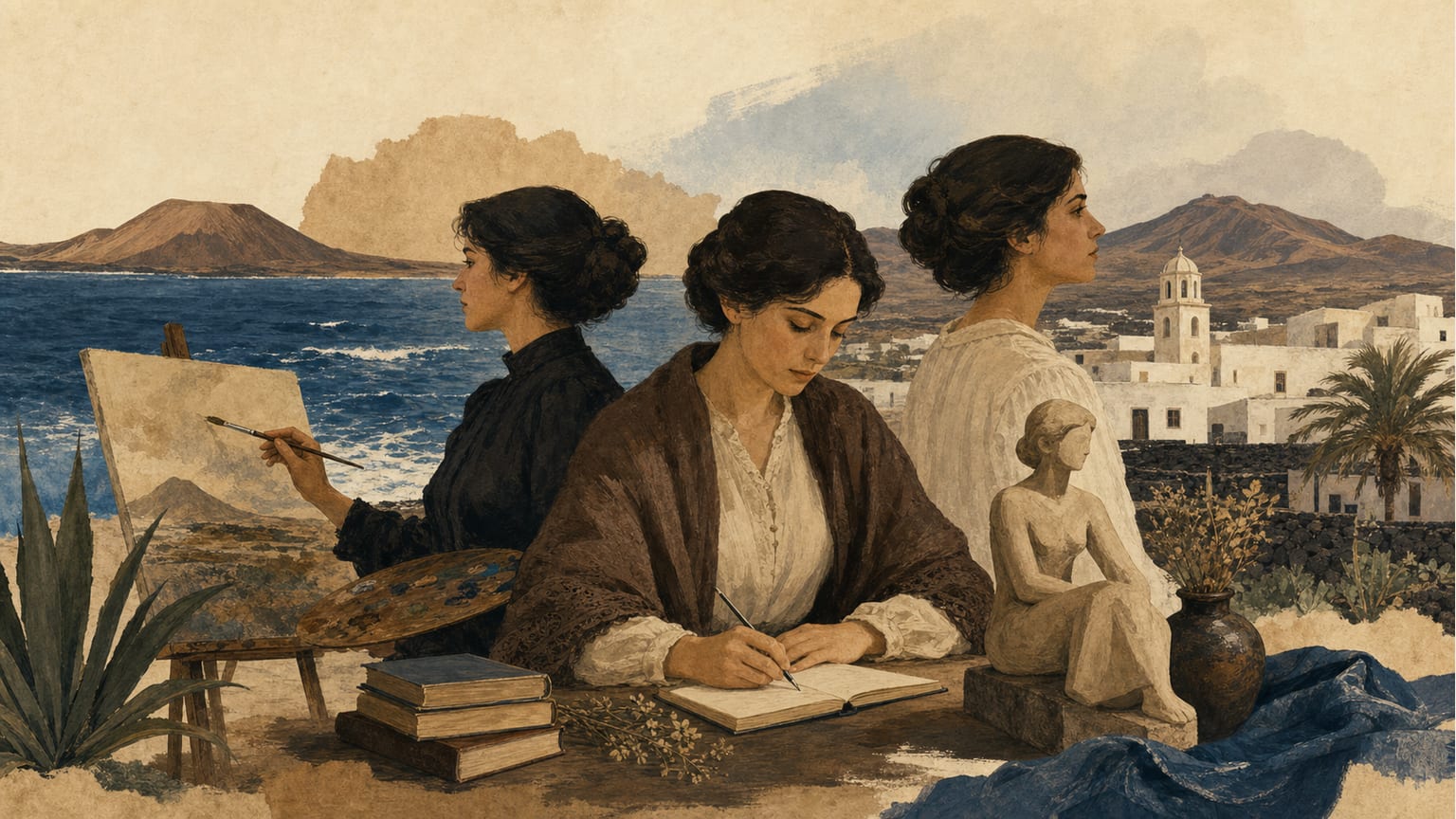
A look at the women of Lanzarote who excelled in painting, sculpture, and literature between the 19th and 20th centuries, as highlighted by historical research.
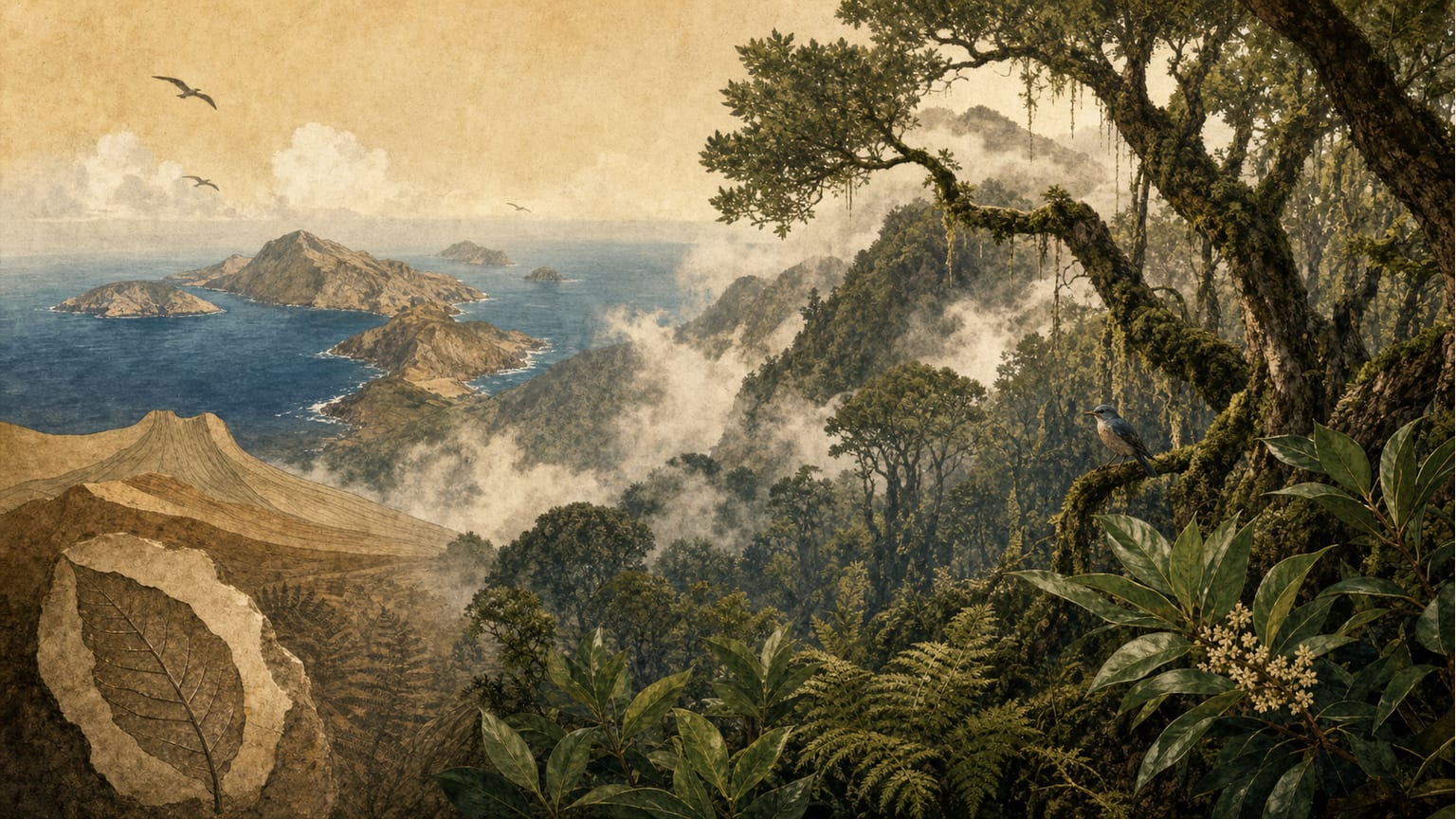
The laurisilva of the Canary Islands is a relict forest from the Tertiary period, preserved thanks to the islands' unique conditions and now mainly found in northern misty areas. This ecosystem hosts great biodiversity and has suffered a drastic reduction in its original area.
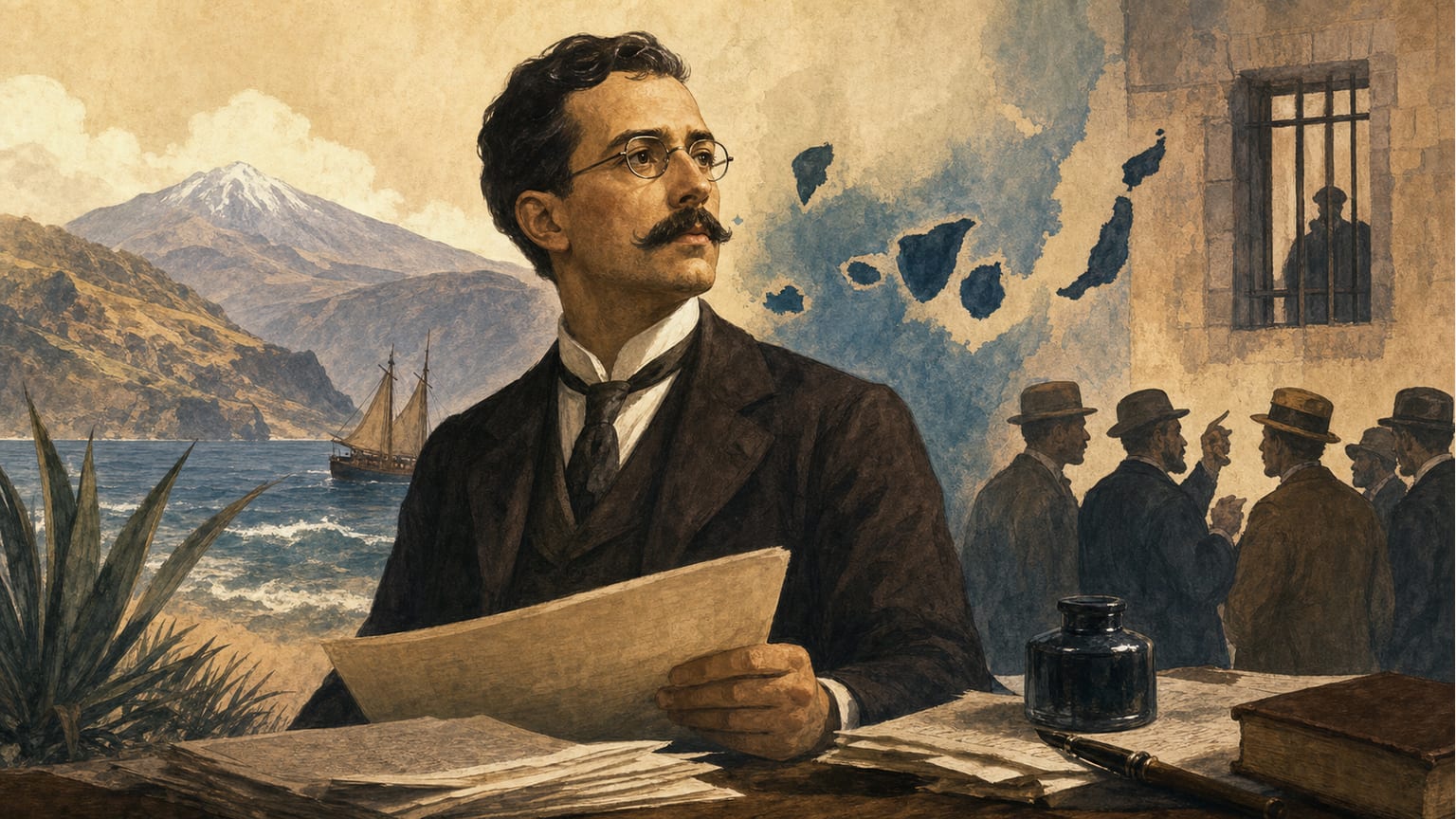
The case of Secundino Delgado and the newspaper ¡Vacaguaré! highlights the debate on Canarian autonomy and the response of the press and authorities in the early 20th century.
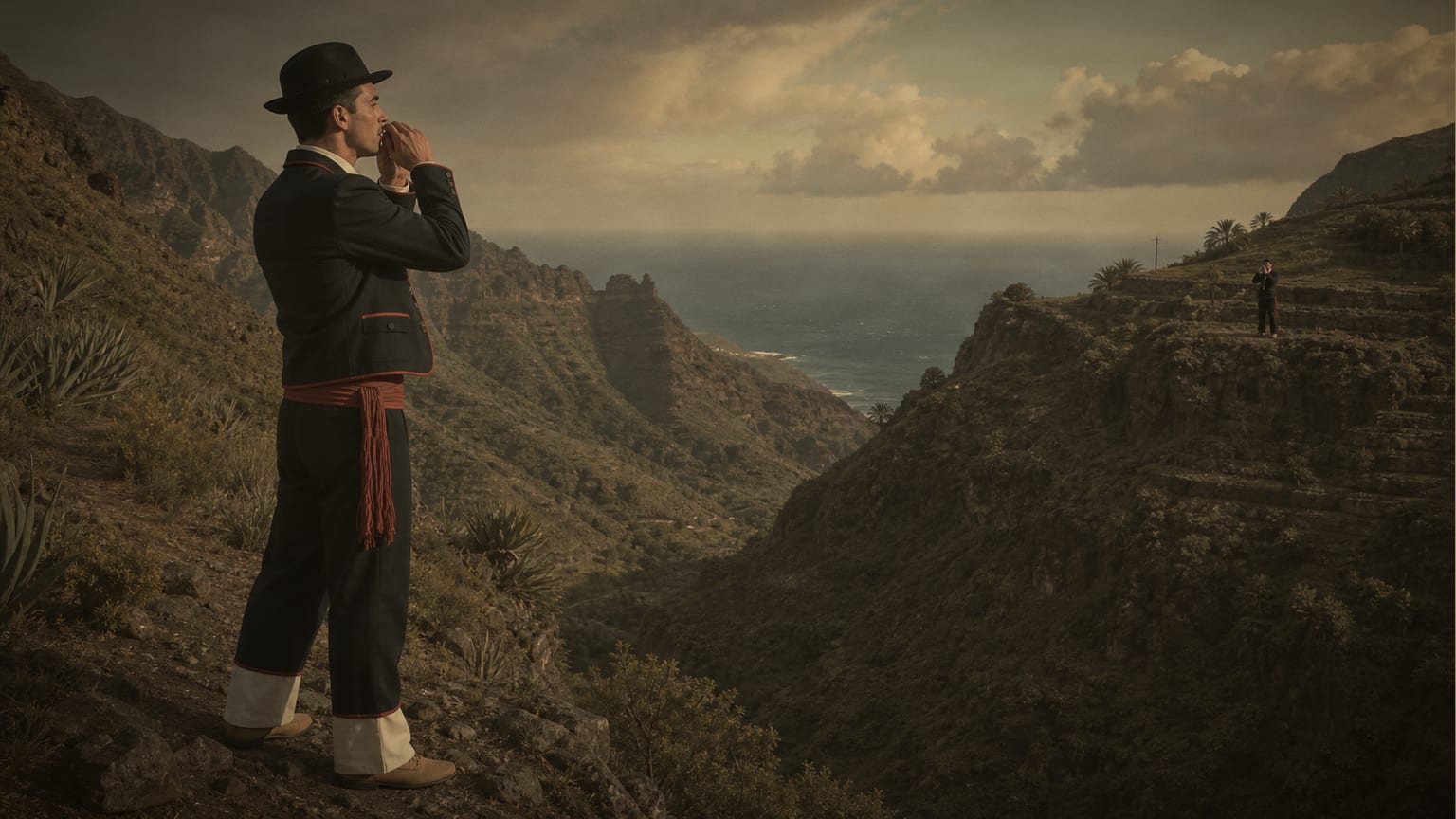
Silbo Gomero is one of the world's most singular linguistic phenomena: a whistled communication system that carries messages across the deep ravines and mountains of La Gomera.
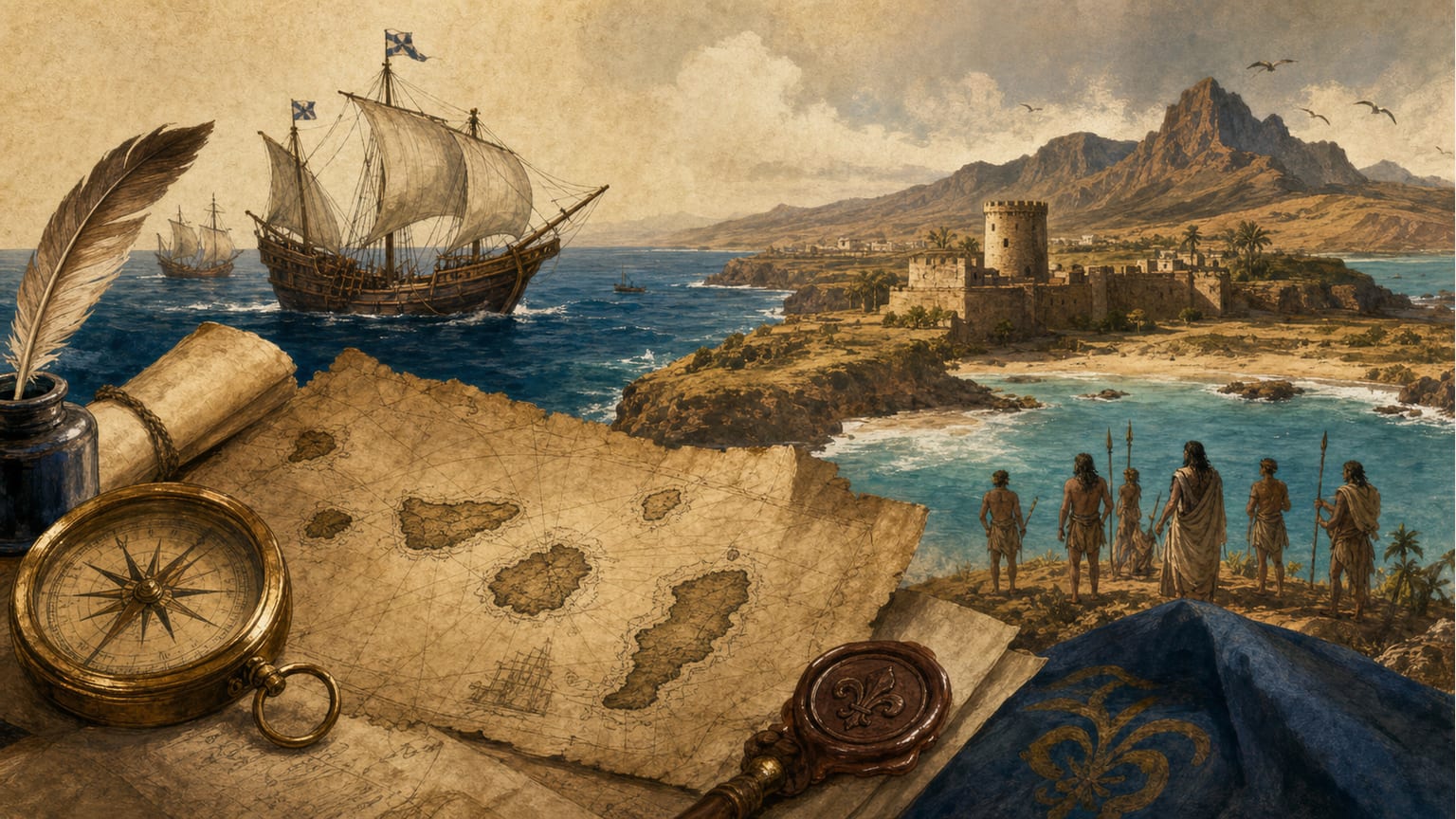
In 1341, an expedition funded by the King of Portugal and described by Florentine merchants visited several Canary Islands, documenting their inhabitants, resources, and customs.
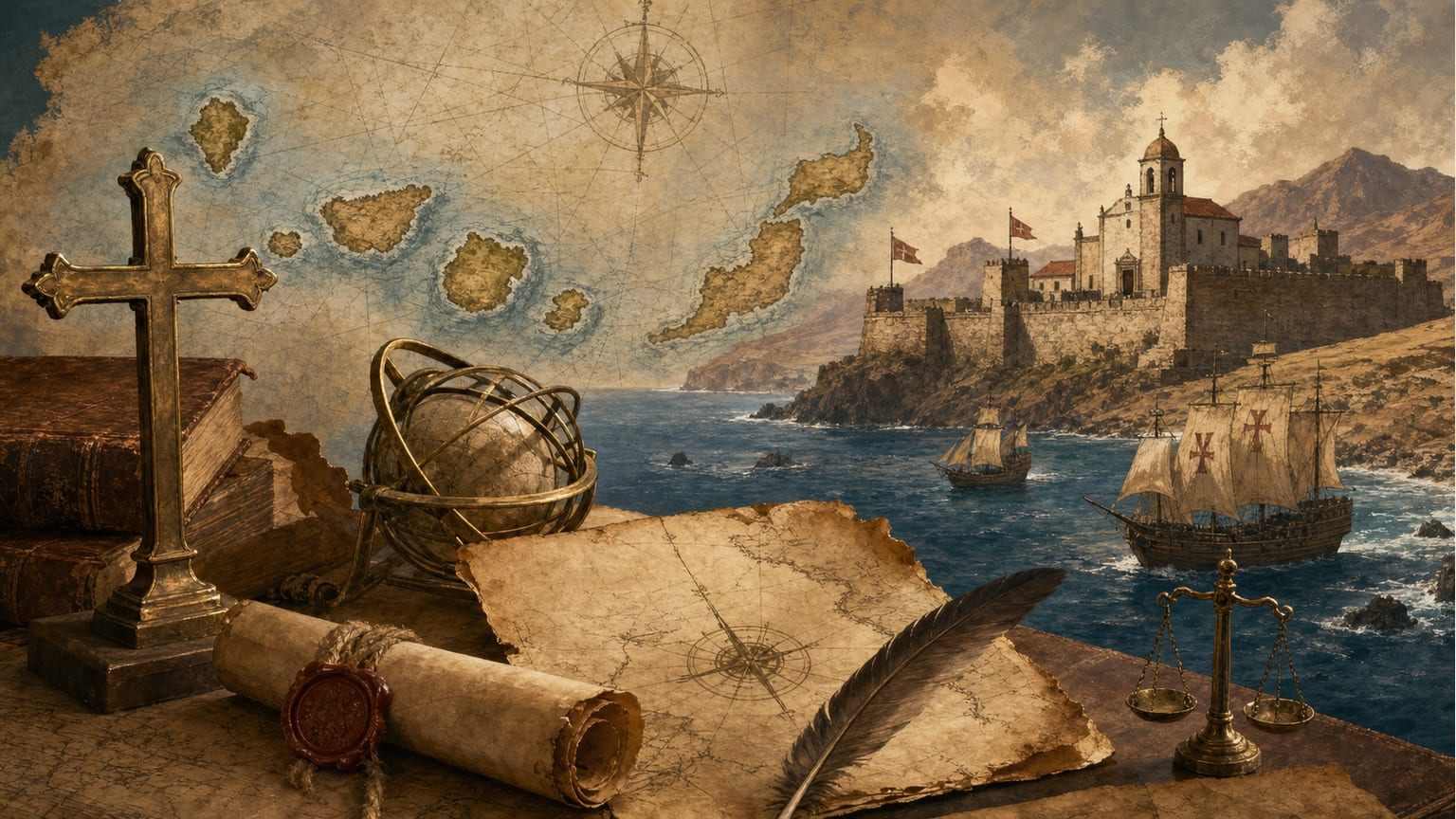
The conquest of the Canary Islands was shaped by the intervention of the Church and the evolution of international law, key factors in the archipelago’s integration into European Atlantic expansion.
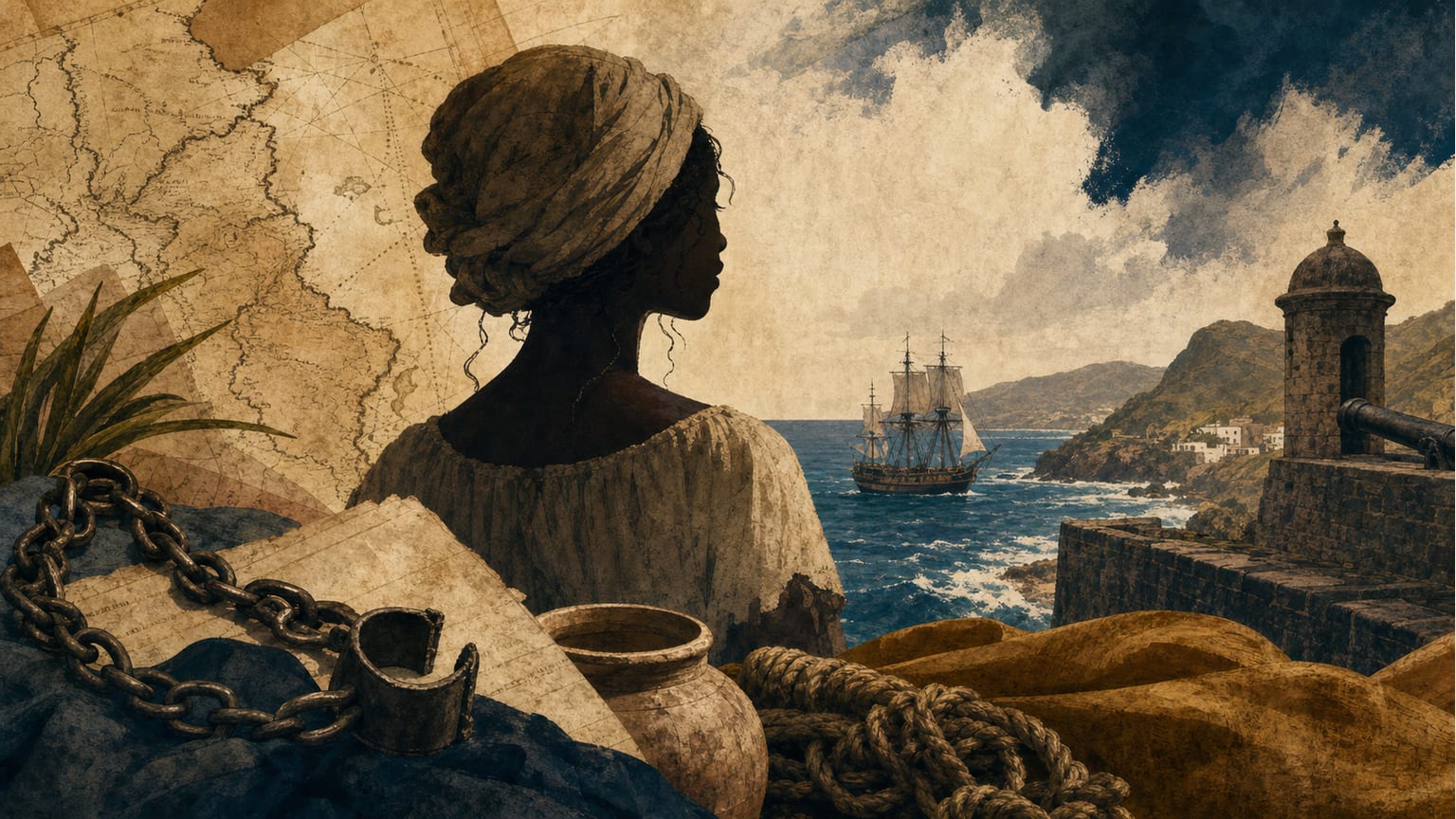
The story of Catalina Jiménez sheds light on the harsh reality of female slavery in Teror and places her life within 17th-century Canarian society.
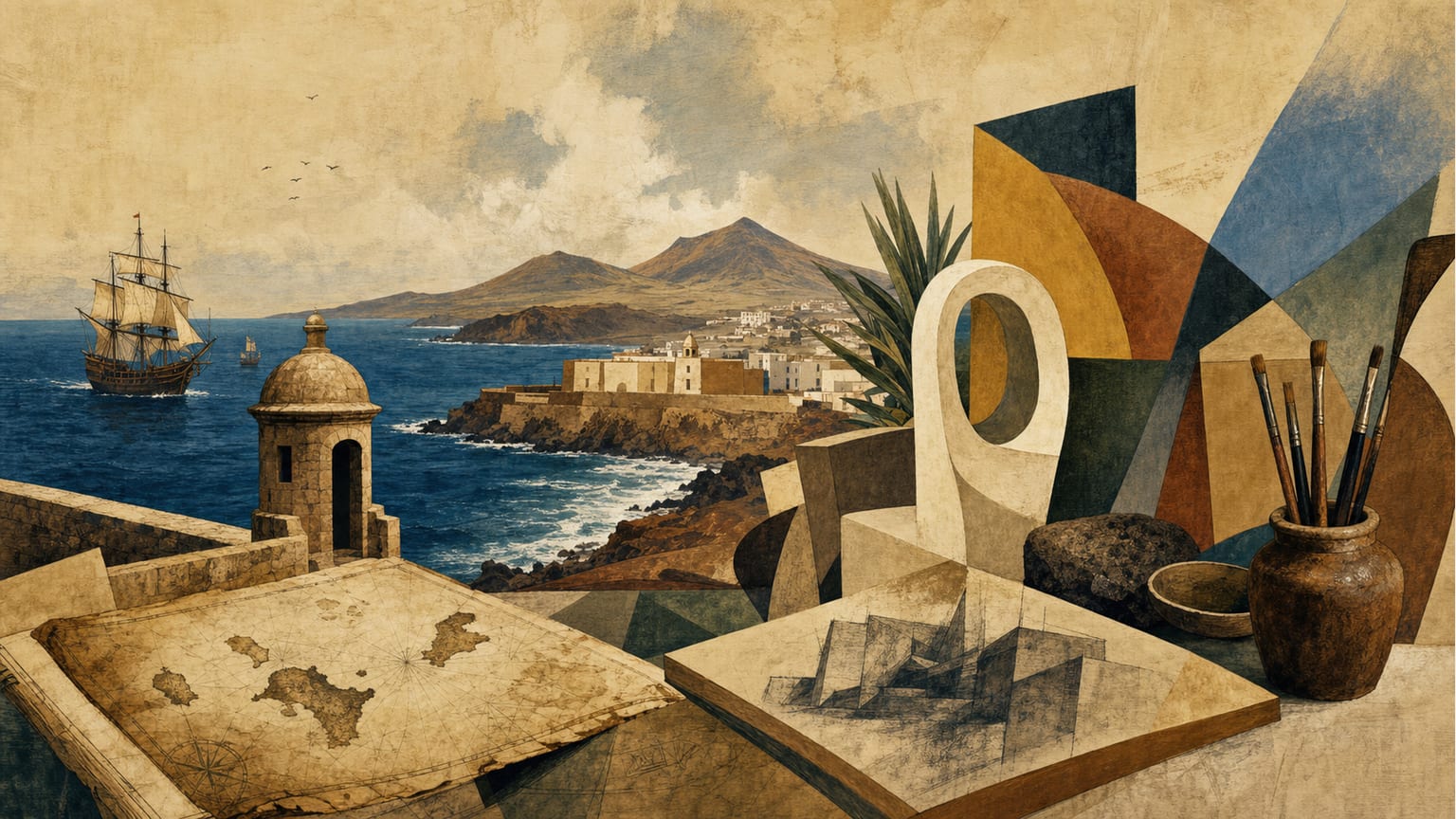
The 1970s Generation marked a turning point in Canarian art, introducing a plurality of voices and a deep reflection on insular identity and modernity.
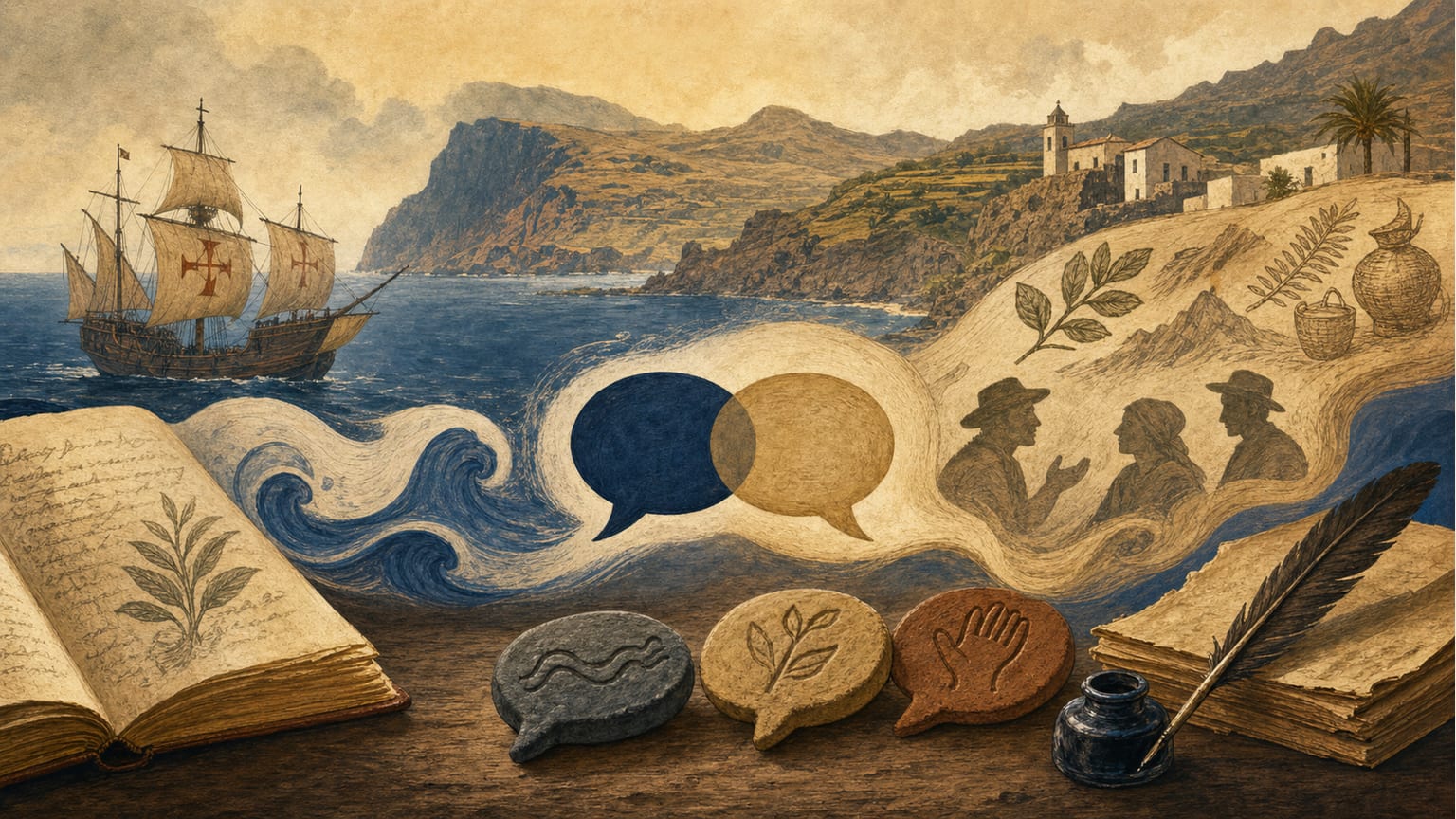
Discover how Portuguese has shaped the traditional vocabulary of La Gomera, with examples like 'igiada', 'hama', and 'hojame'.