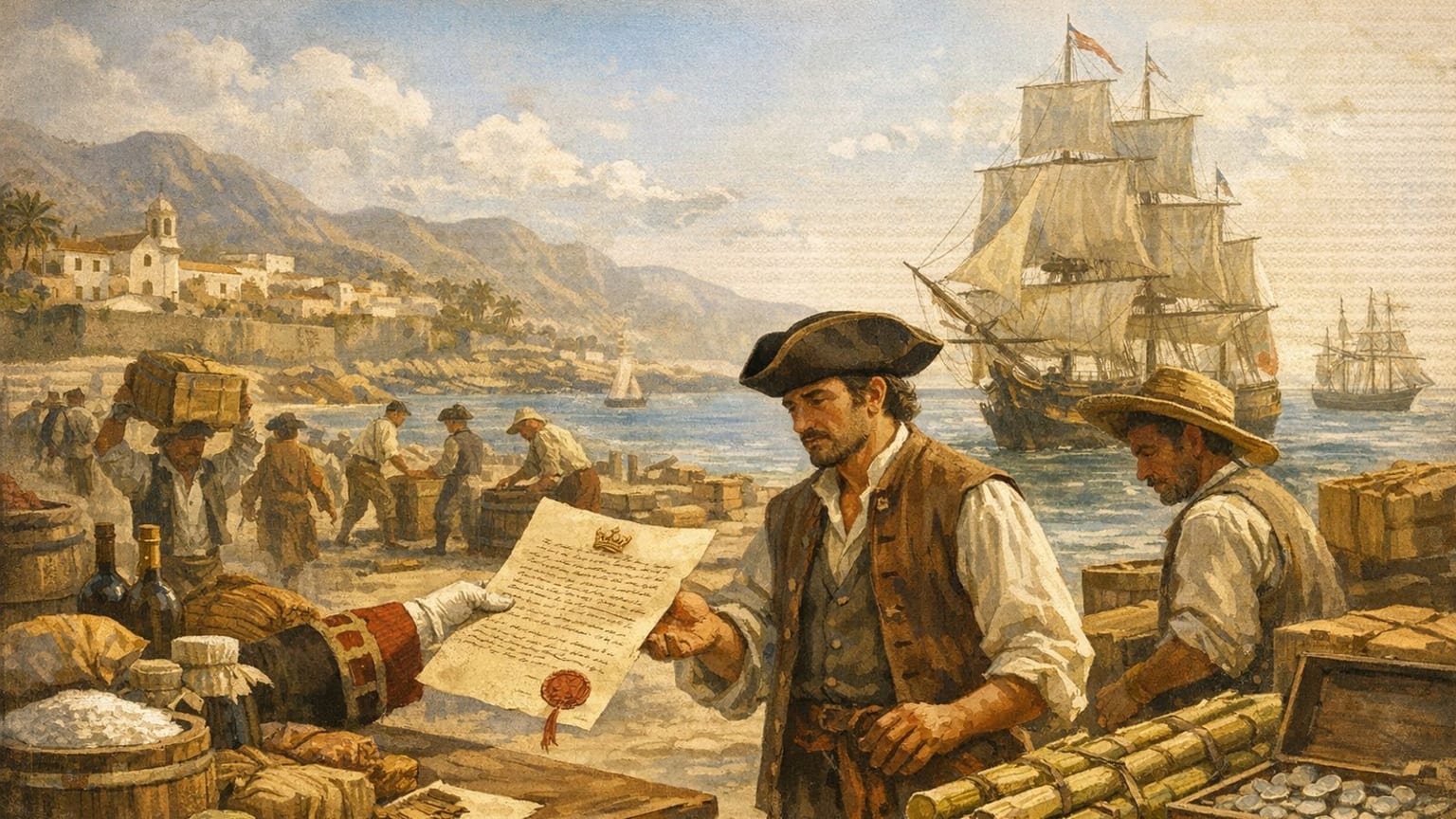
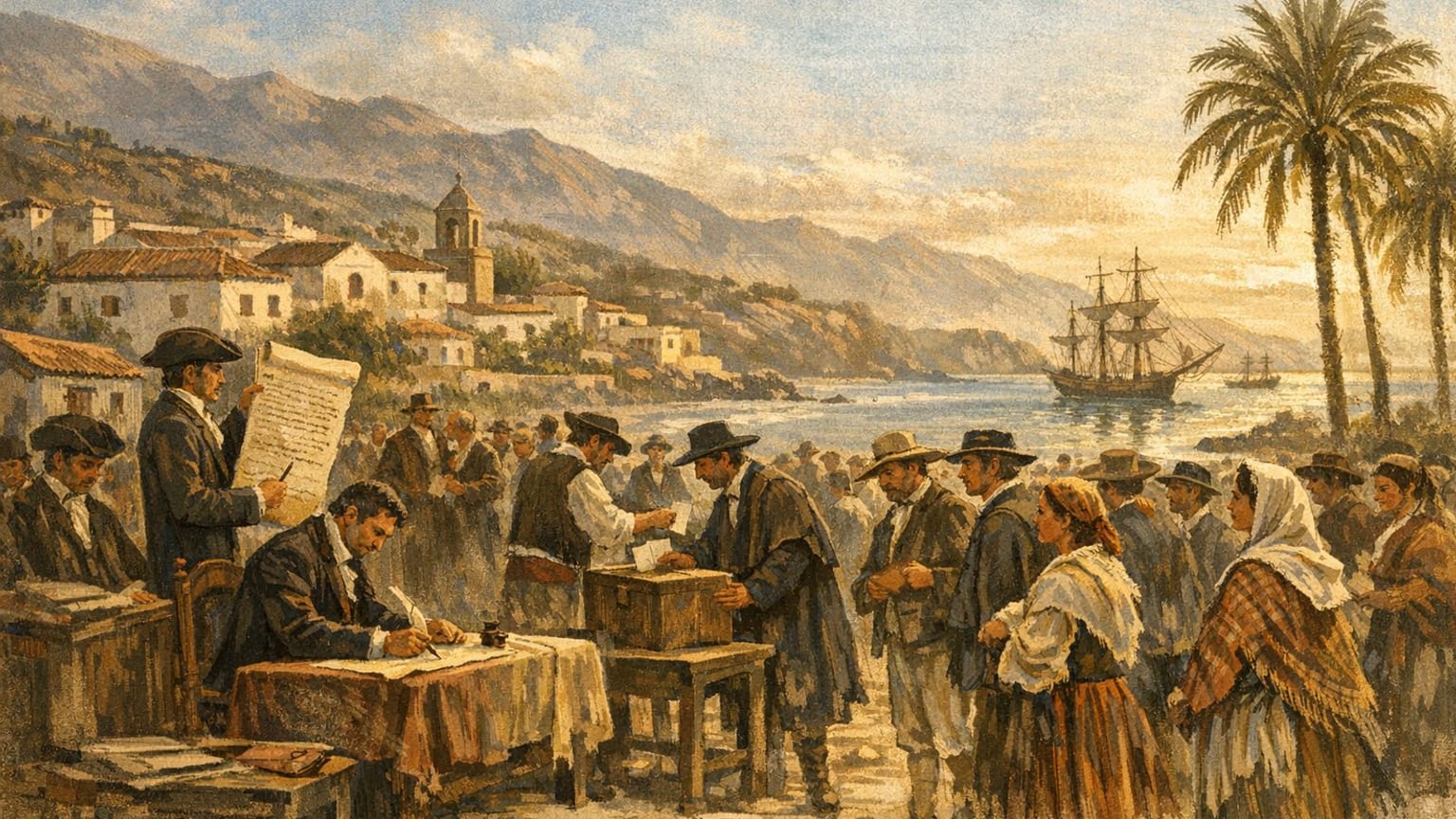
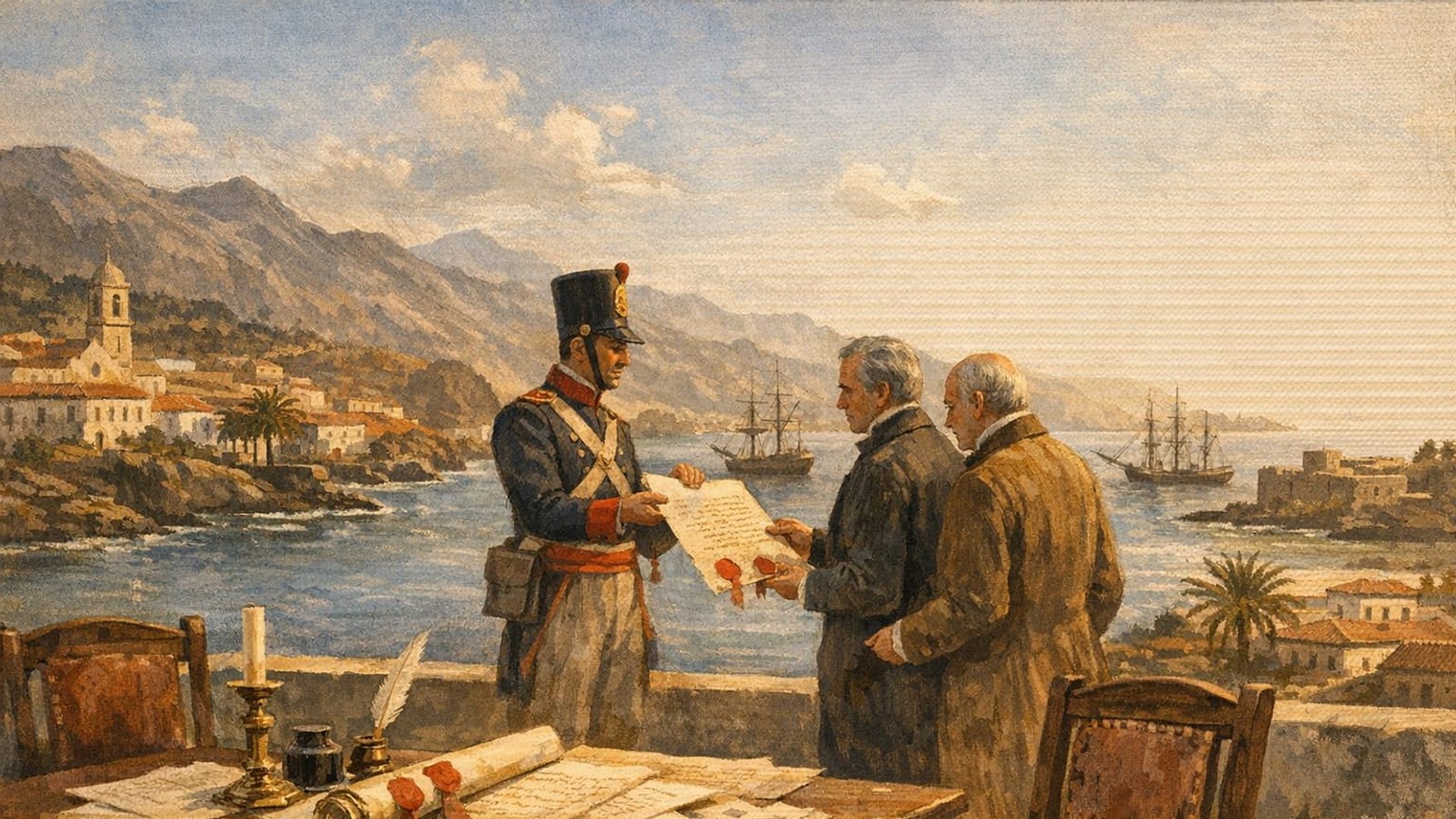
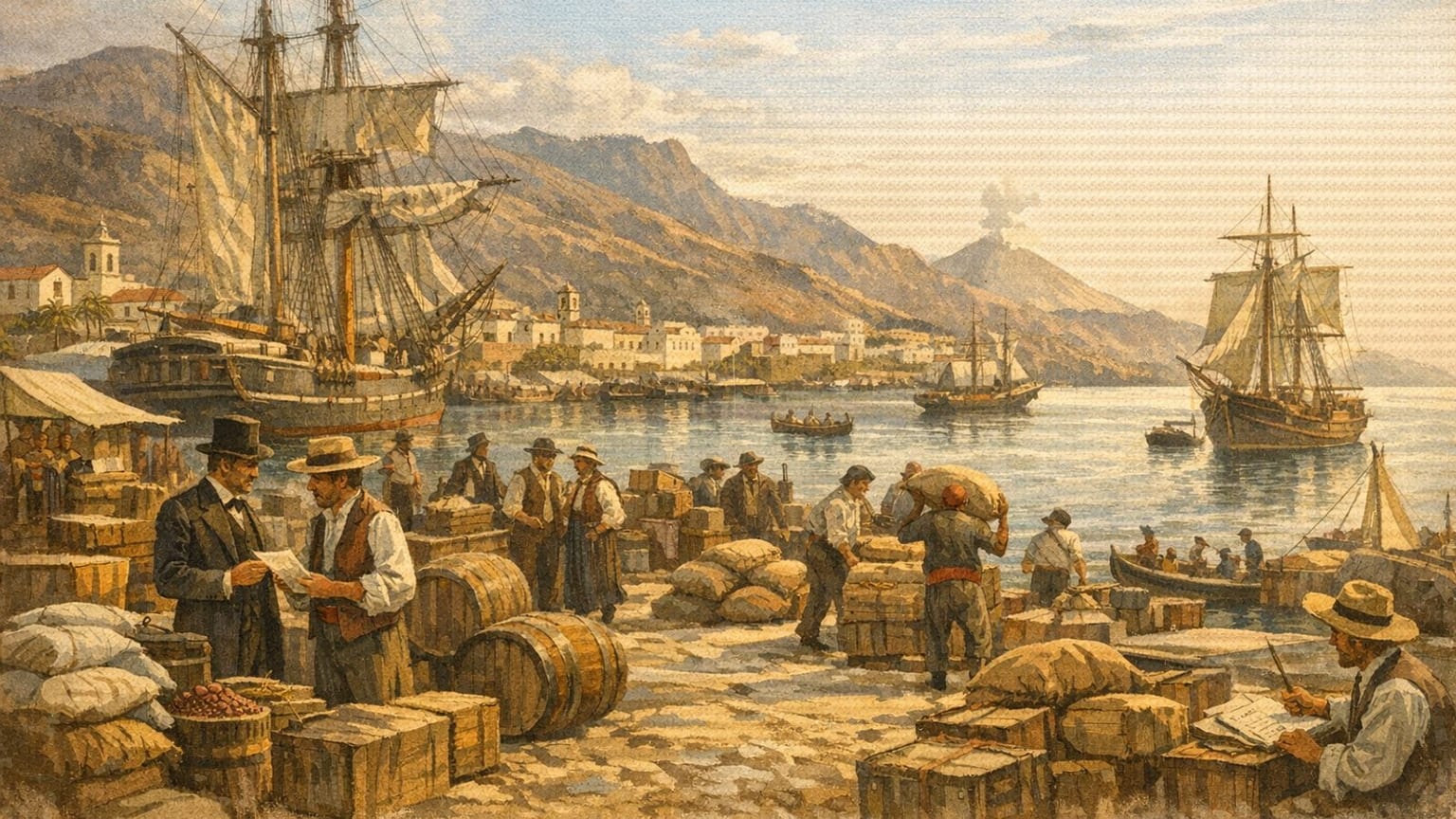
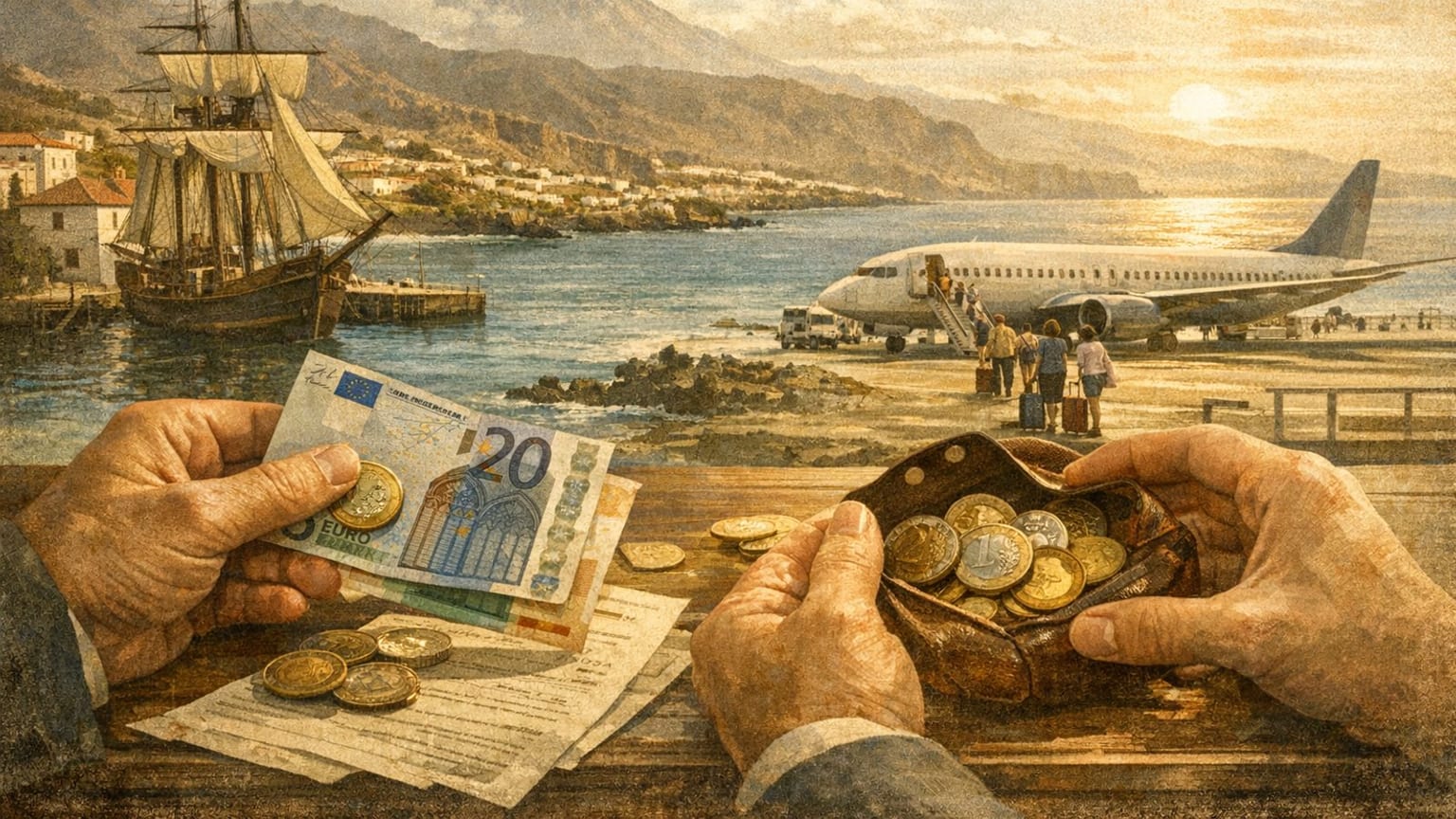
La cronologia enlaza descubrimientos europeos, conquista, erupciones, agricultura, turismo y proteccion paisajistica.

Key points

Primera conquista europea (1402)

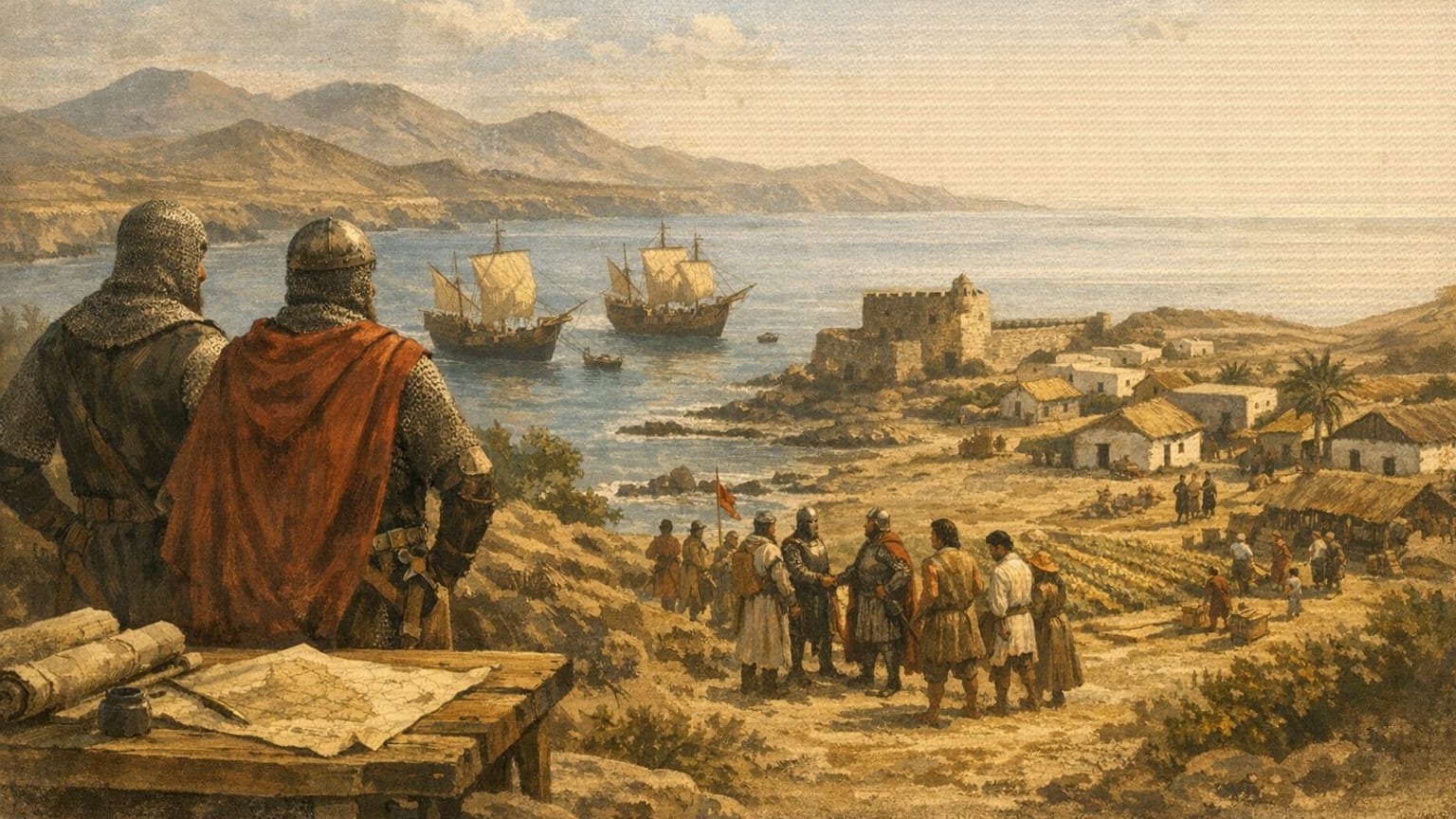
La llegada de Bethencourt a Lanzarote en 1402 inauguro la colonizacion europea del archipielago, con Lanzarote como primera isla sometida al regimen señorial.

Ataques berberiscos y esclavizacion (siglos XVI-XVII)

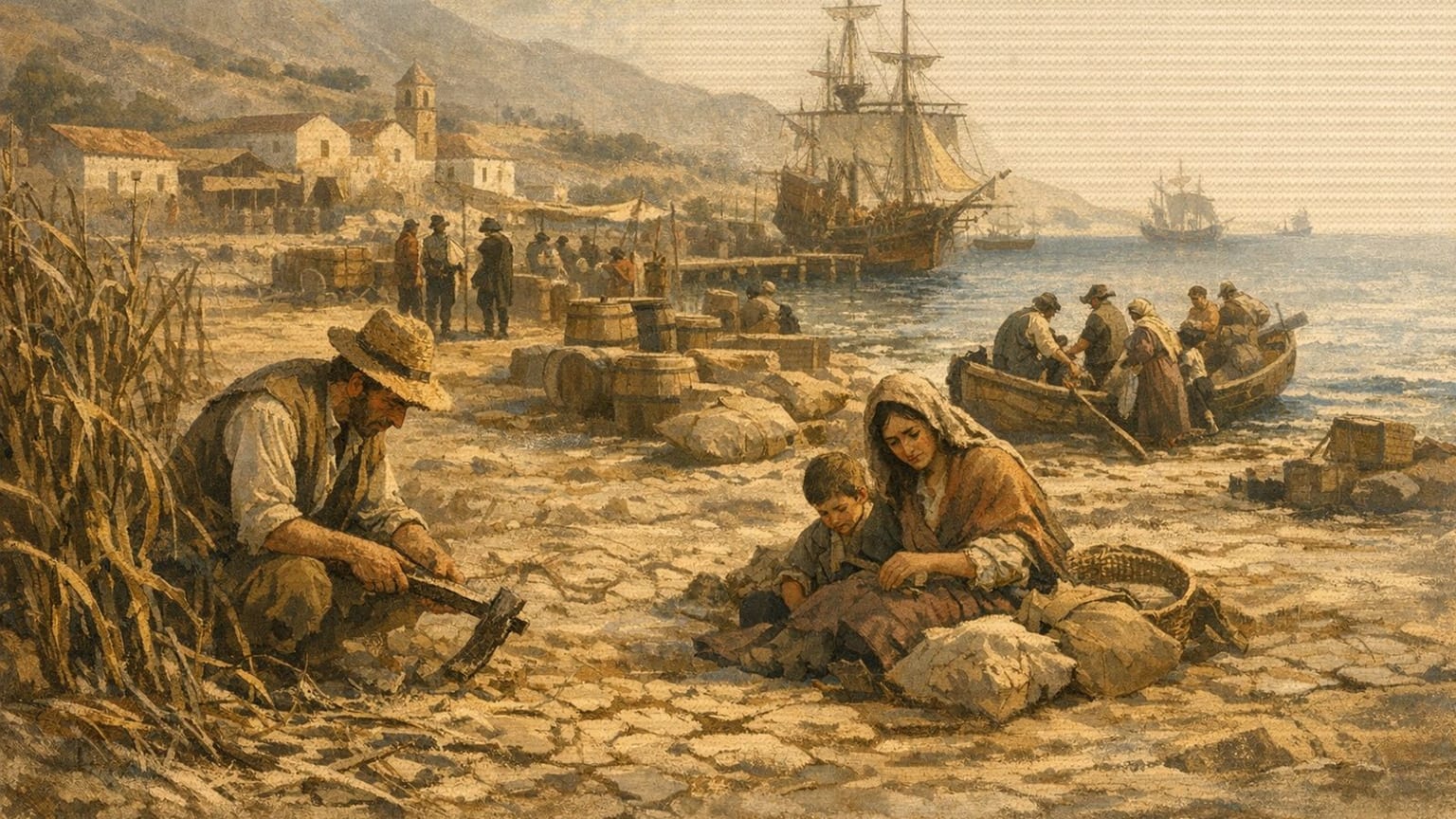
Los ataques de piratas y corsarios del norte de Africa causaron la esclavizacion de centenares de lanzarotenos y el despoblamiento temporal de partes de la isla.

Erupciones de Timanfaya (1730-1736)

La erupciones mas prolongadas de la historia canaria enterraron pueblos, destruyeron tierras agricolas y obligaron a reorganizar el poblamiento insular.

Traslado de la capital a Arrecife (1852)

El desplazamiento del centro de poder desde Teguise al litoral de Arrecife reflejó la creciente importancia del comercio maritimo sobre la economia interior.

Cesar Manrique y la identidad visual (1966-1992)

El retorno de Manrique a Lanzarote desde Nueva York en 1966 inicio un periodo de intervencion artistica y activismo ambiental que definio la estetica insular contemporanea.

Reserva de la Biosfera (1993)

La declaracion de la isla como Reserva de la Biosfera fue el reconocimiento internacional a la singularidad del paisaje y a un modelo de desarrollo mas contenido que otras islas.

Milestones of Lanzarote
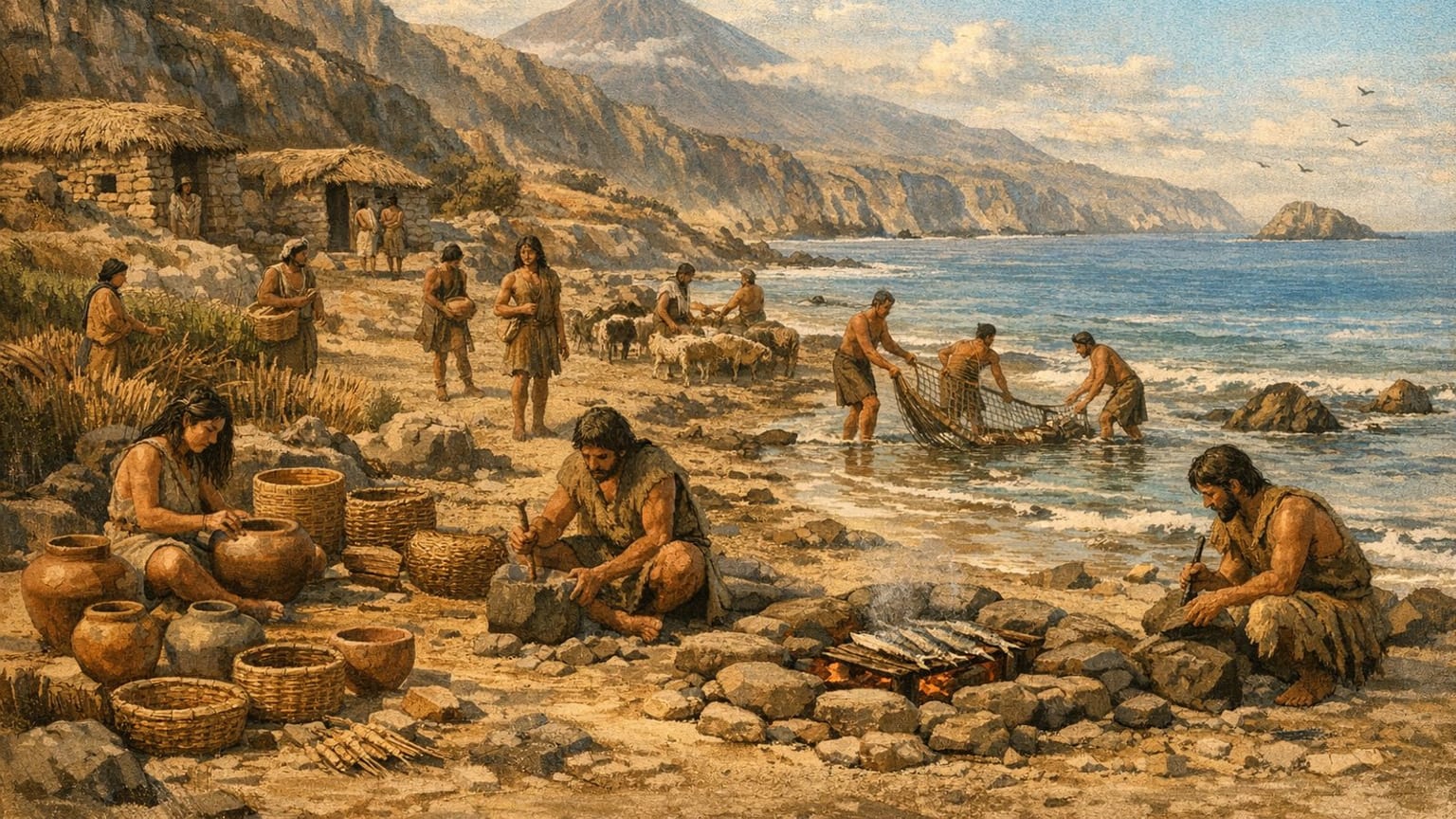
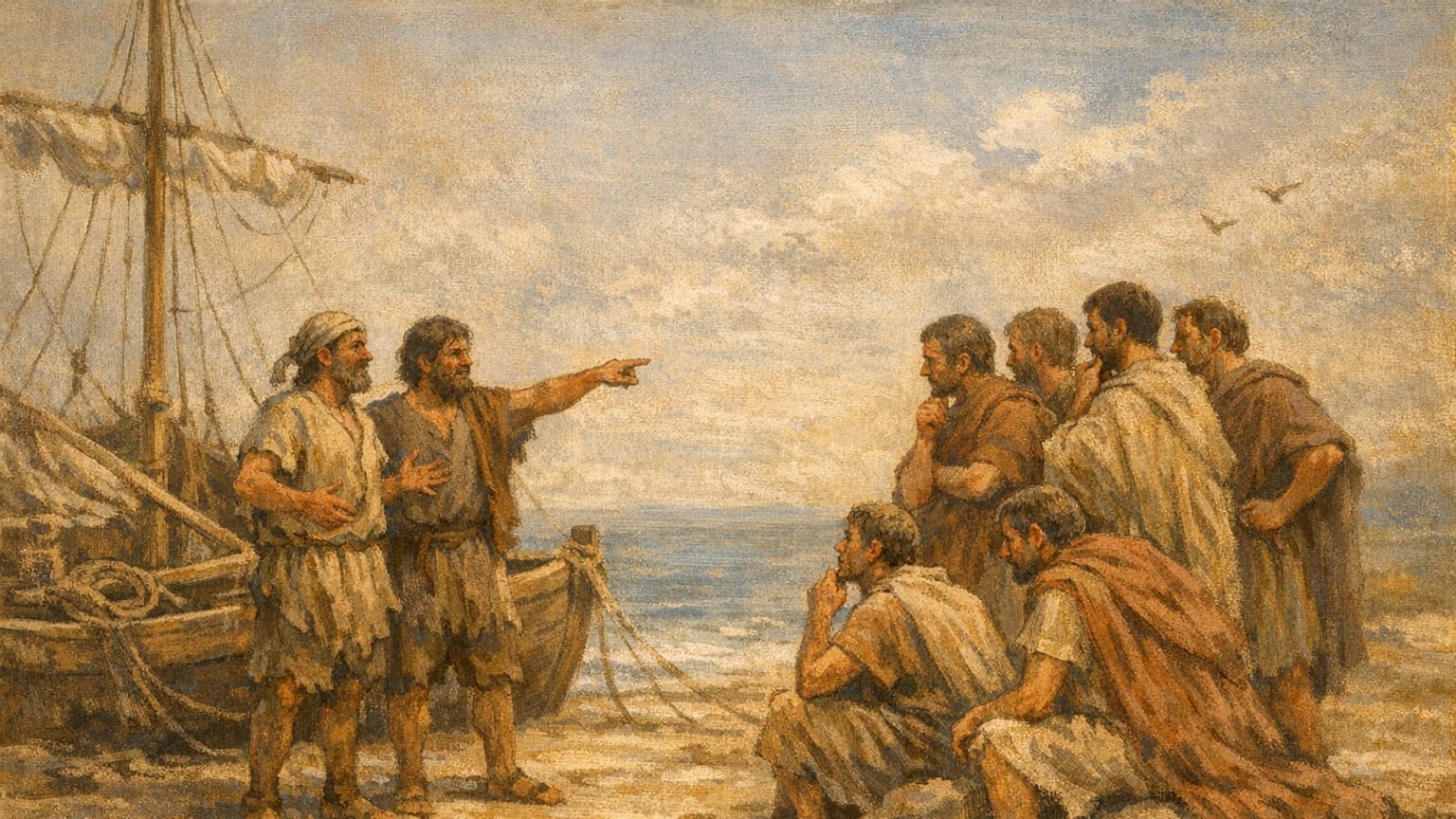
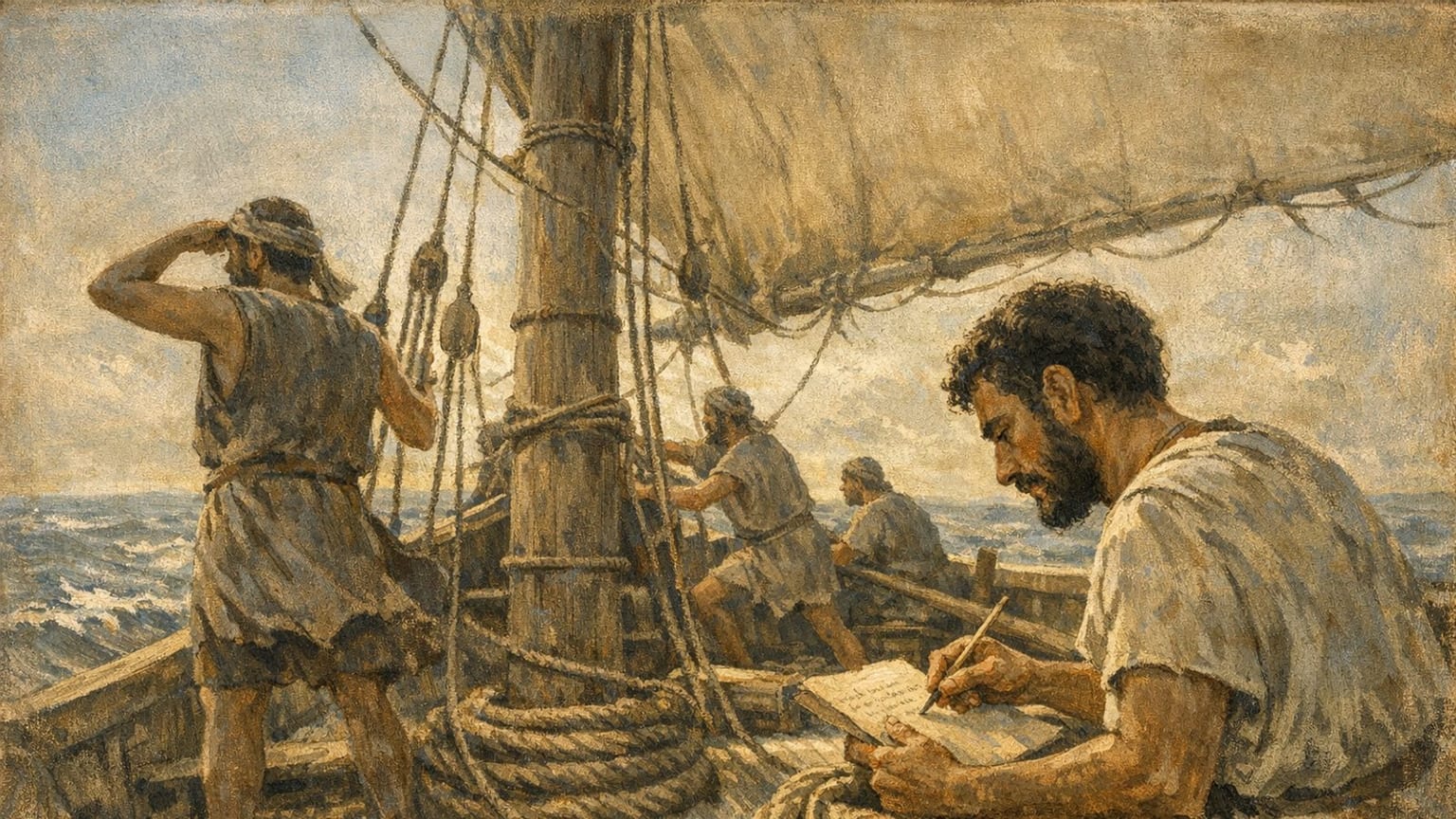
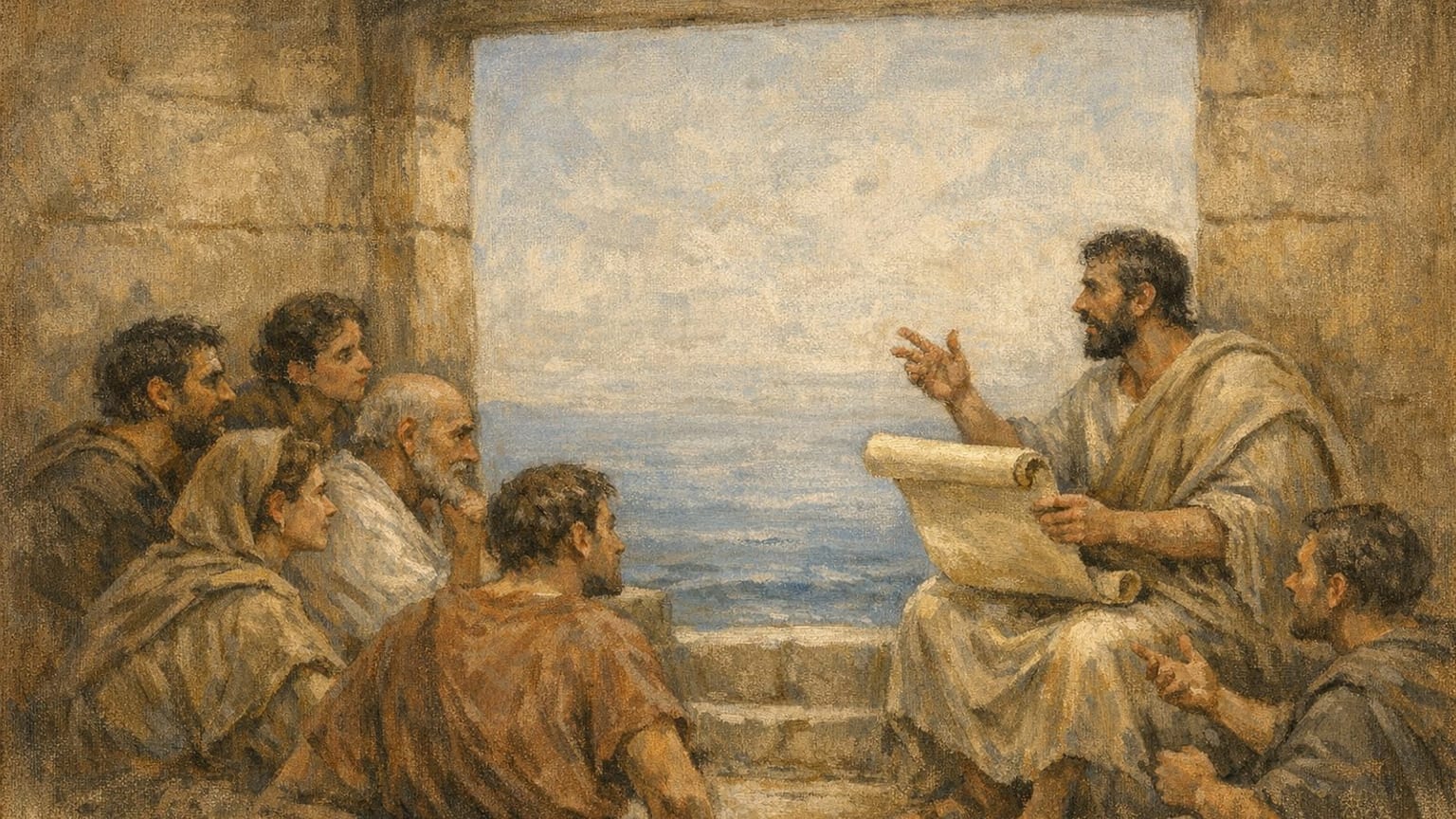
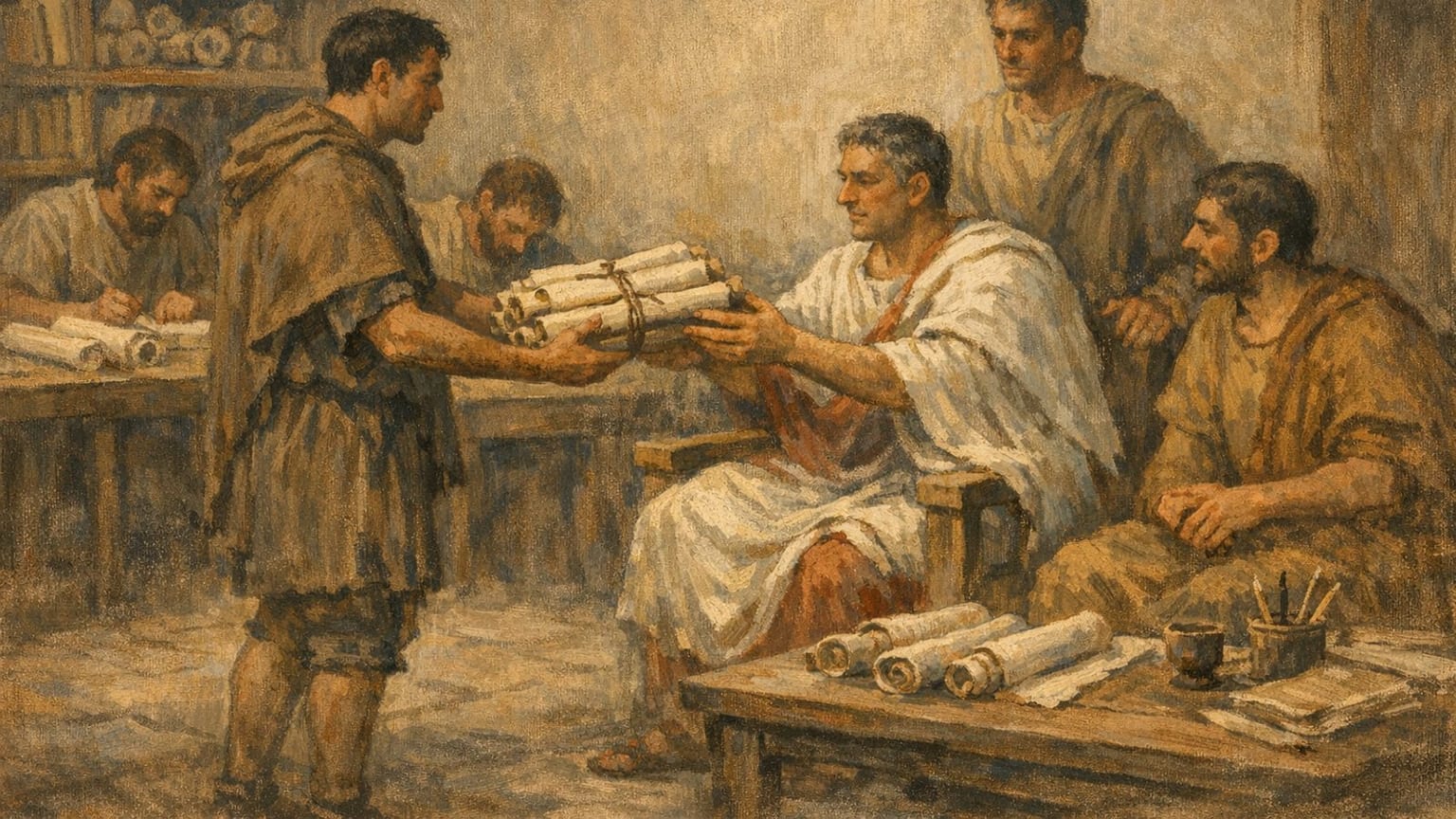
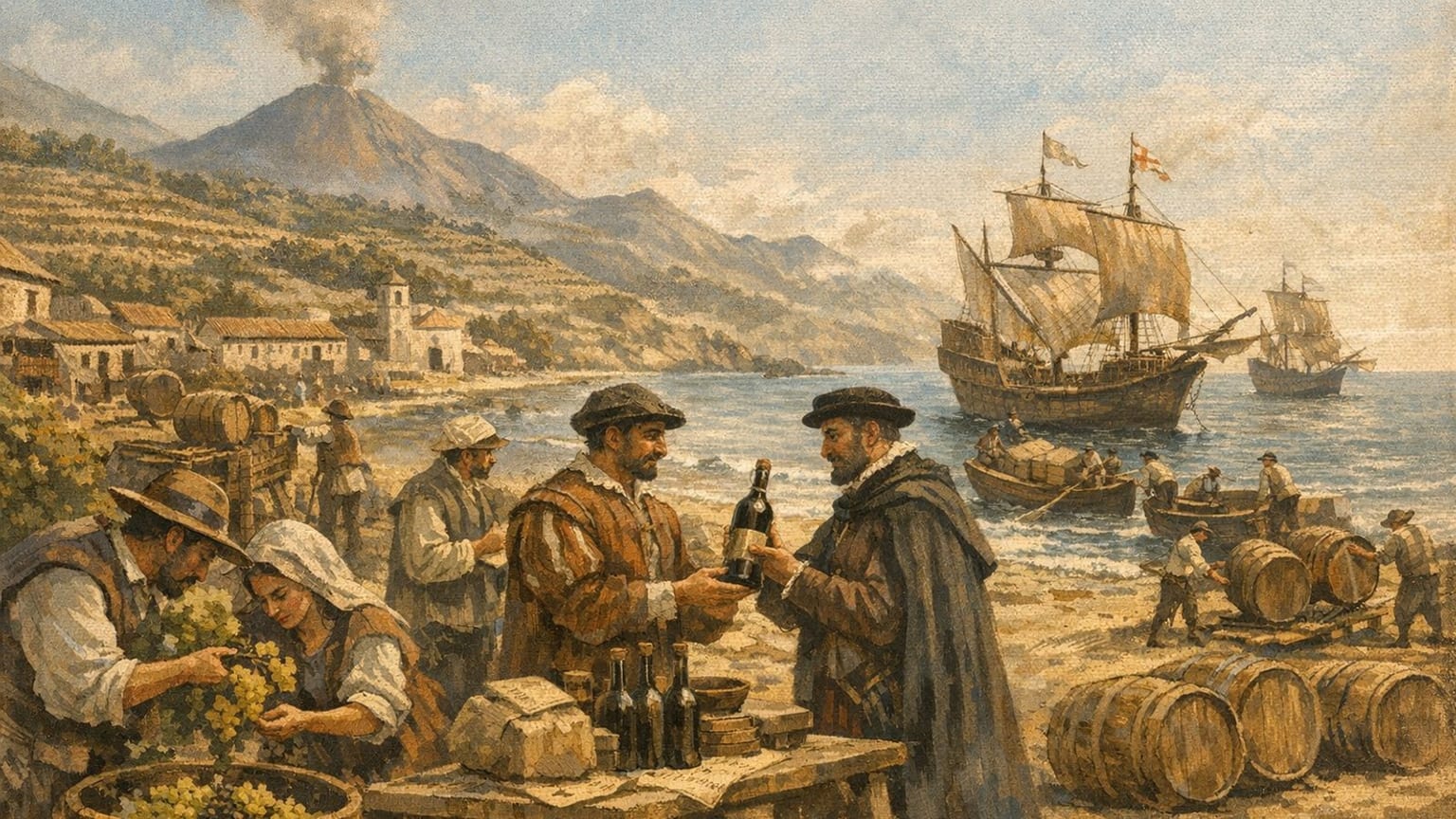
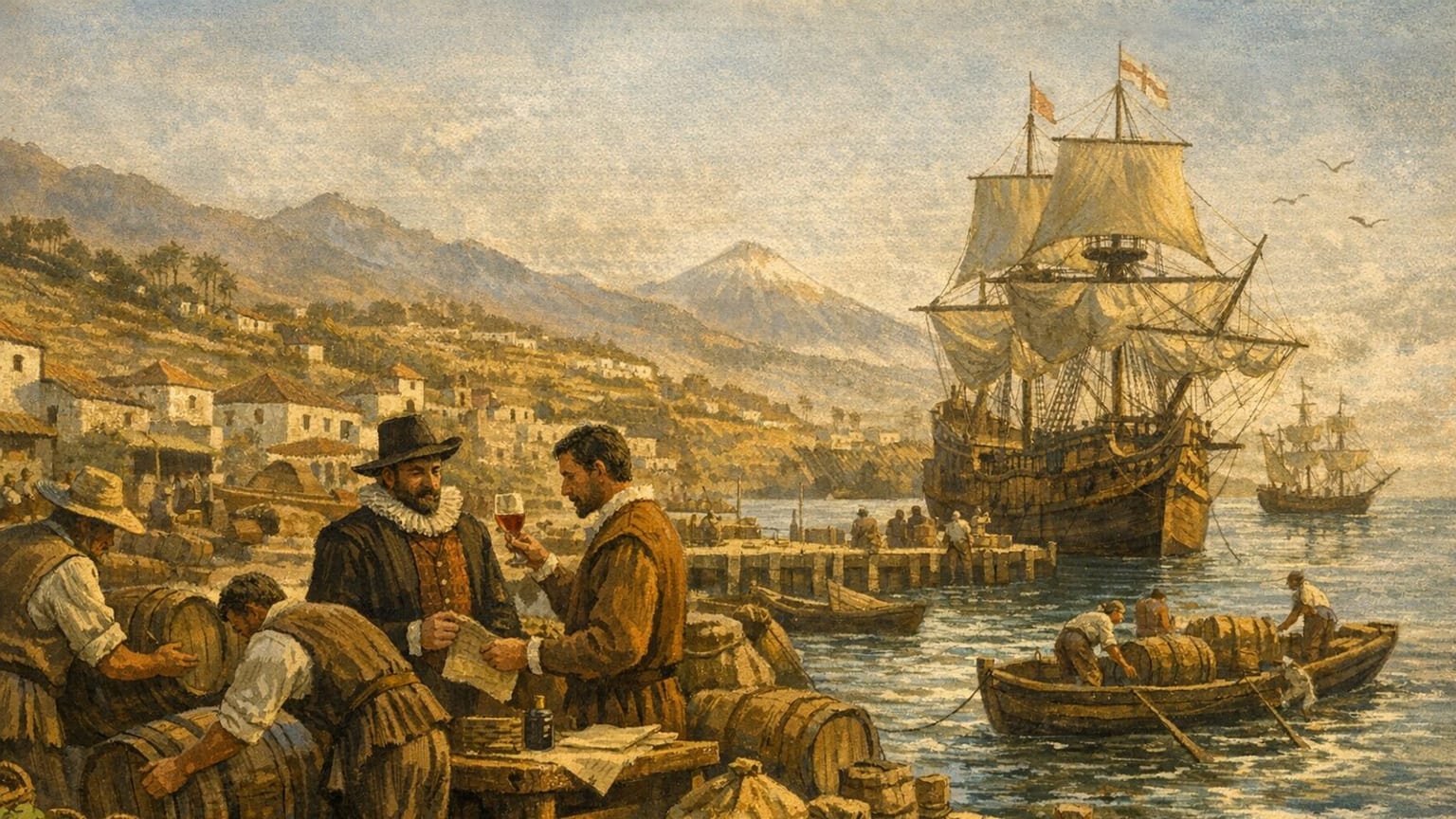
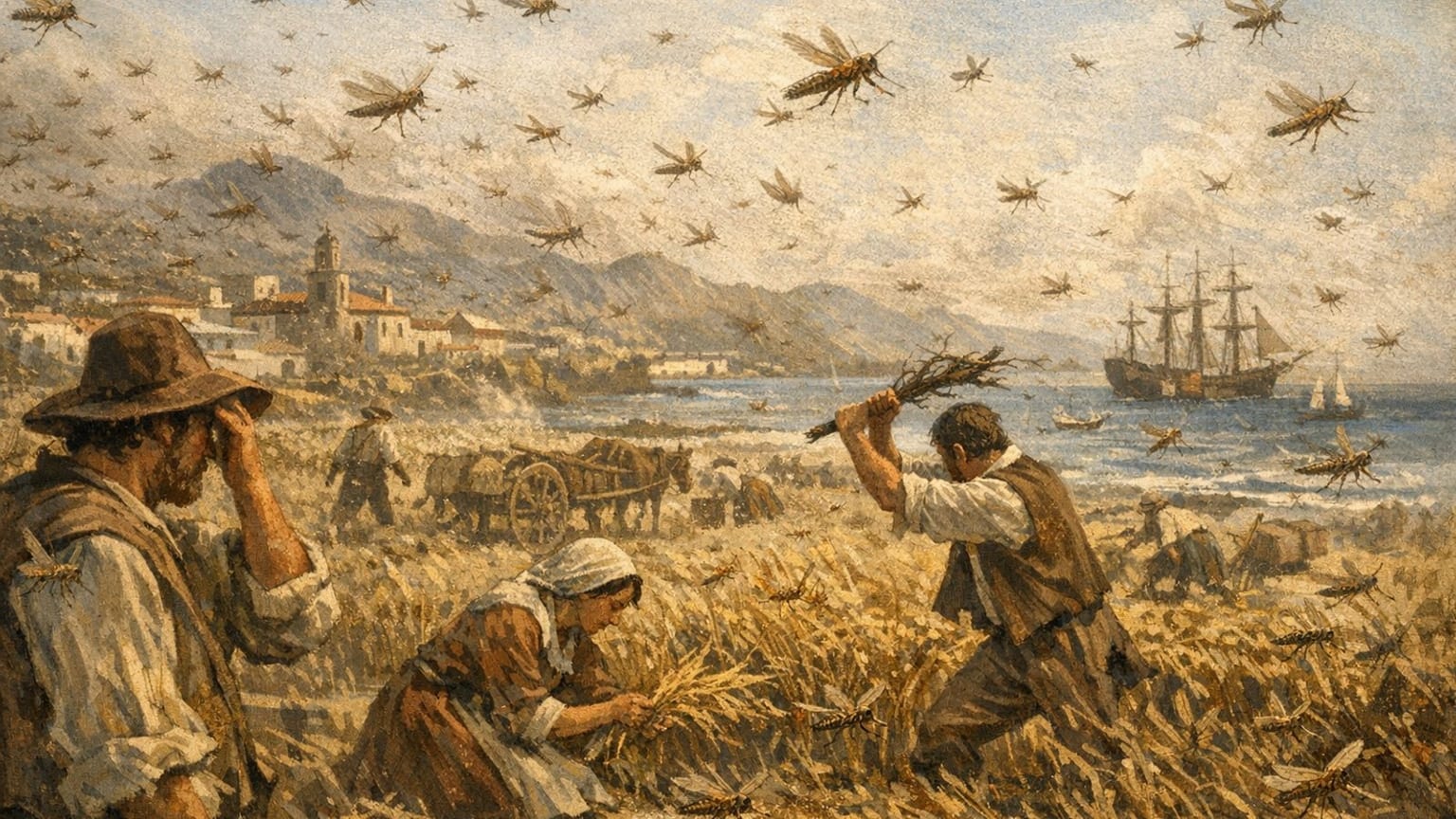
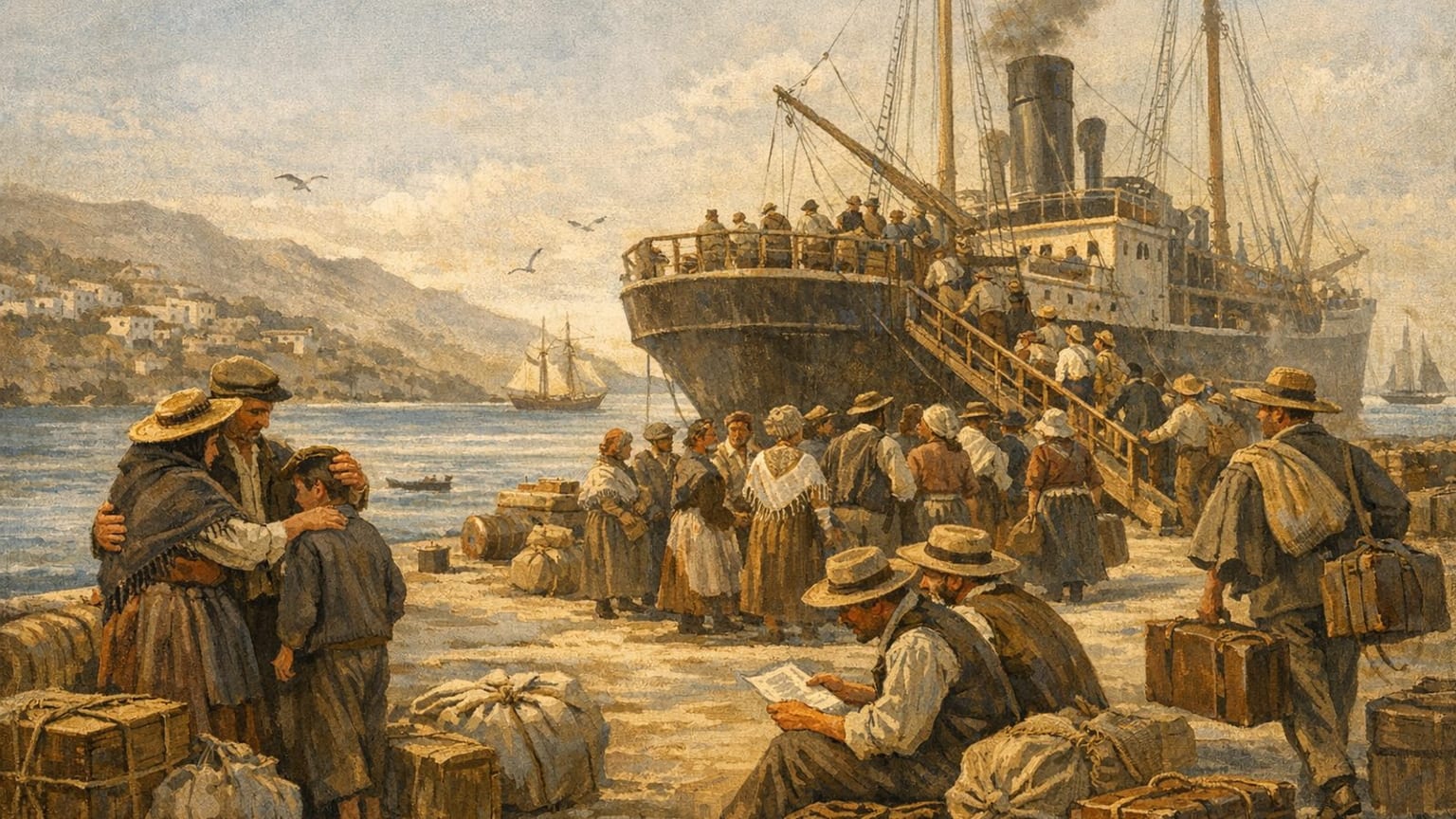
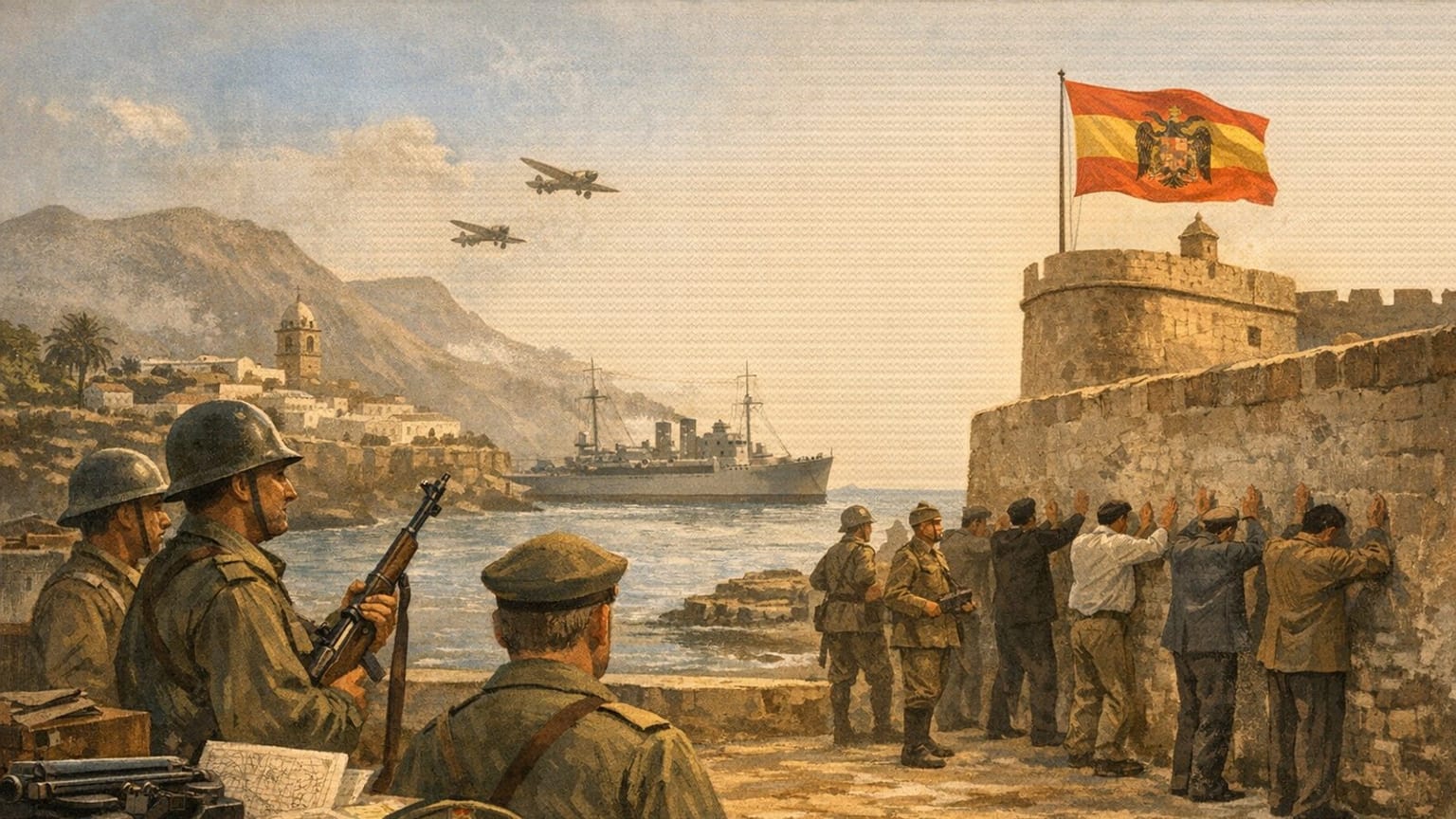
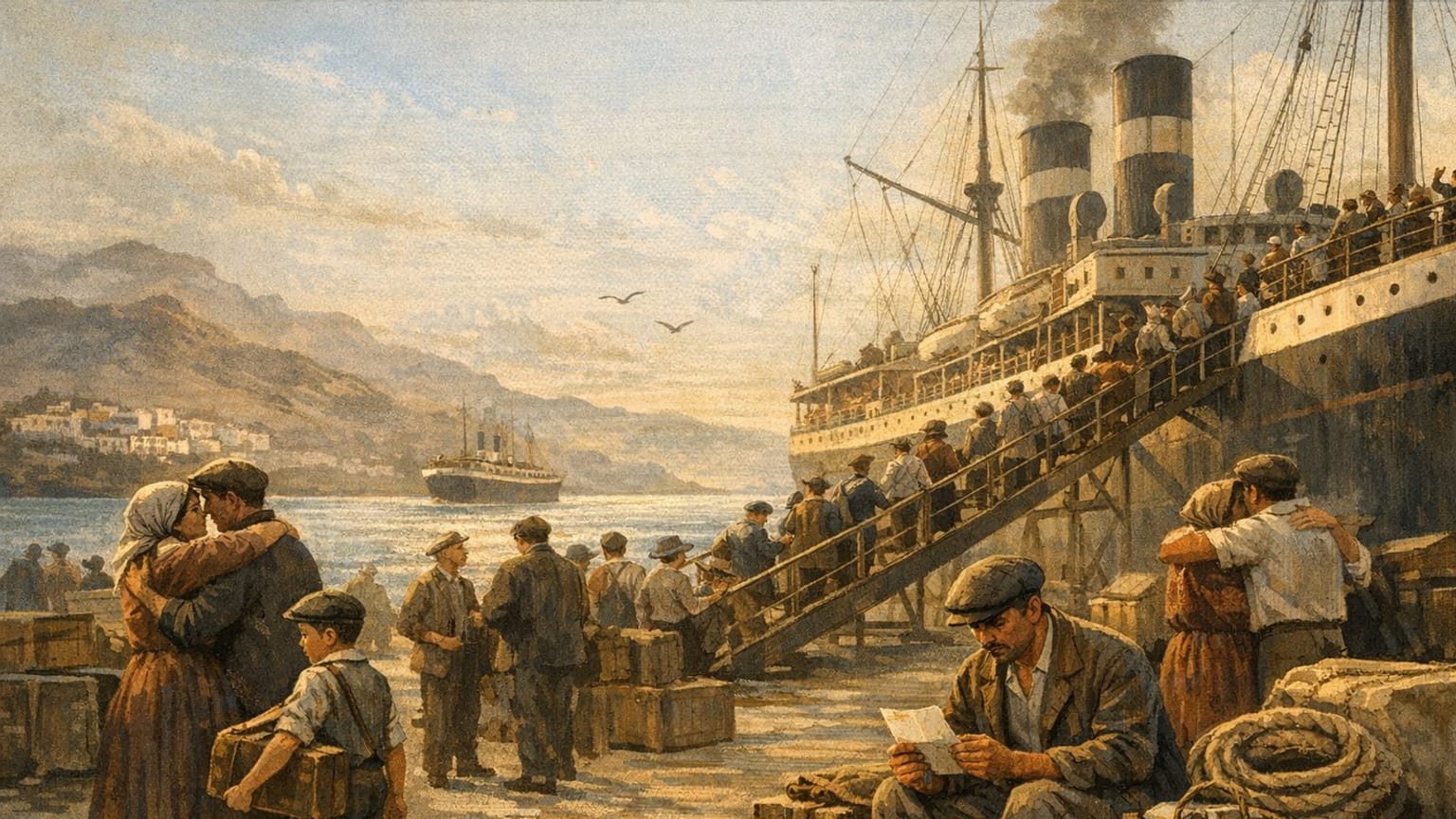
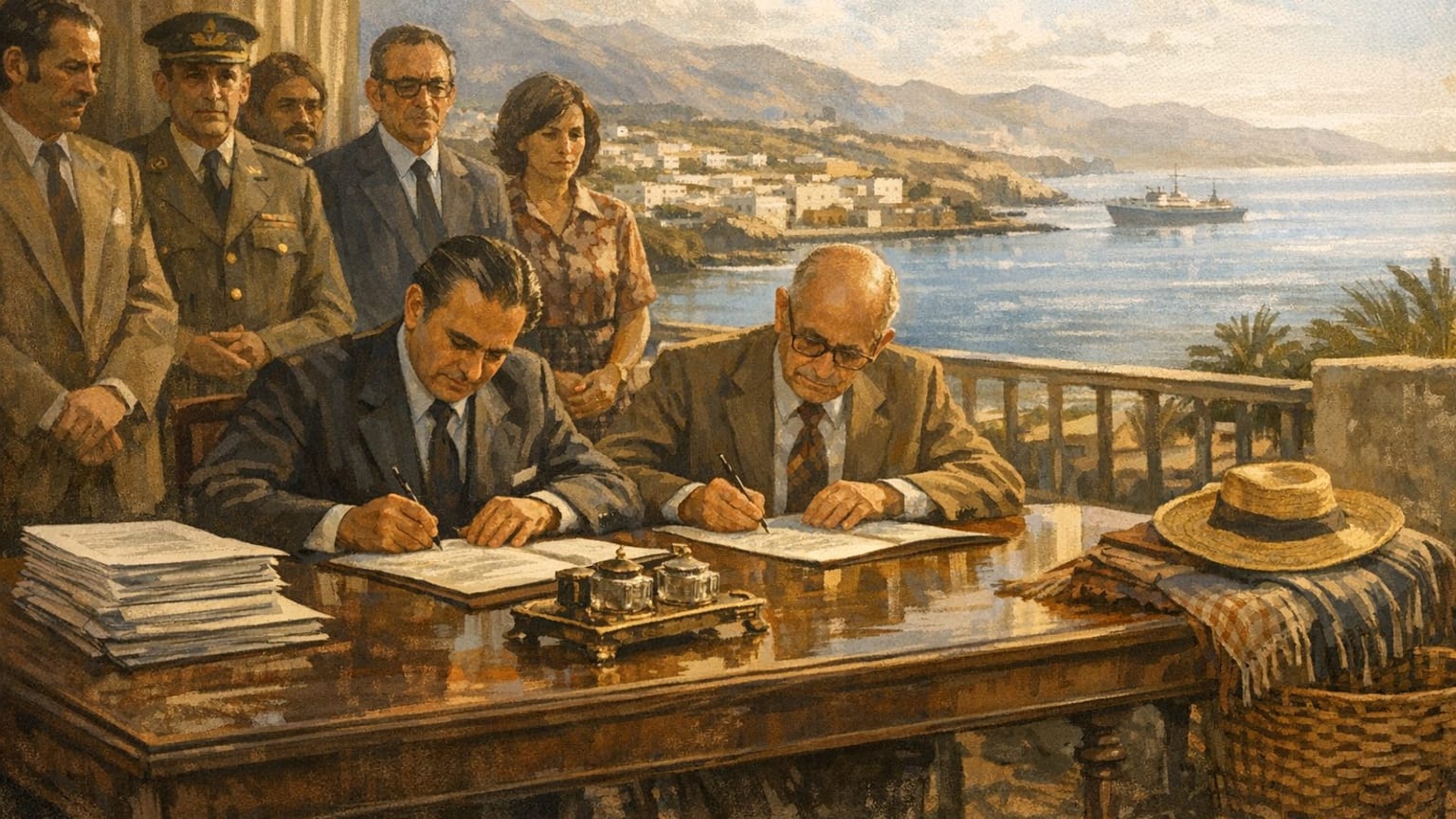
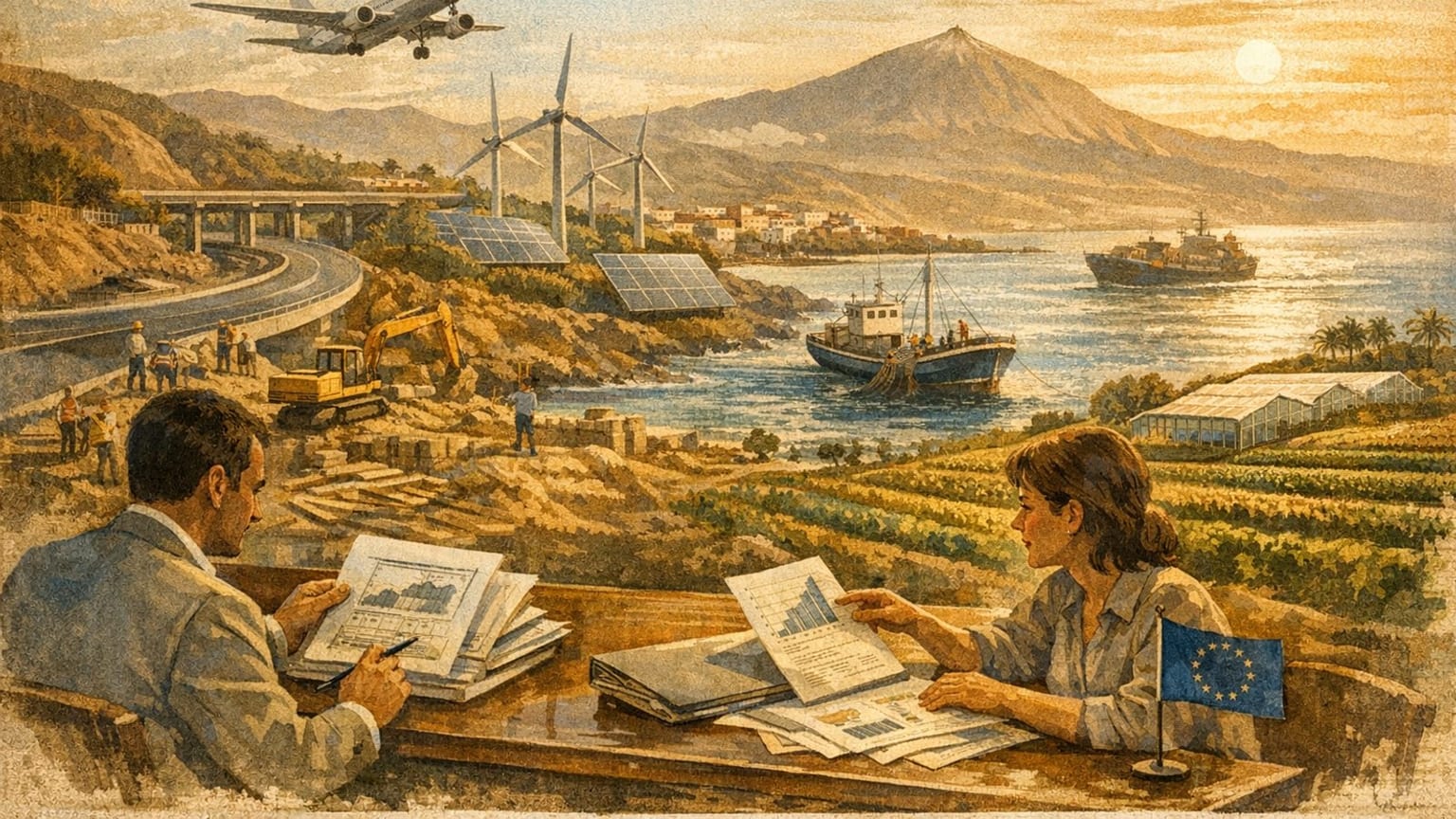
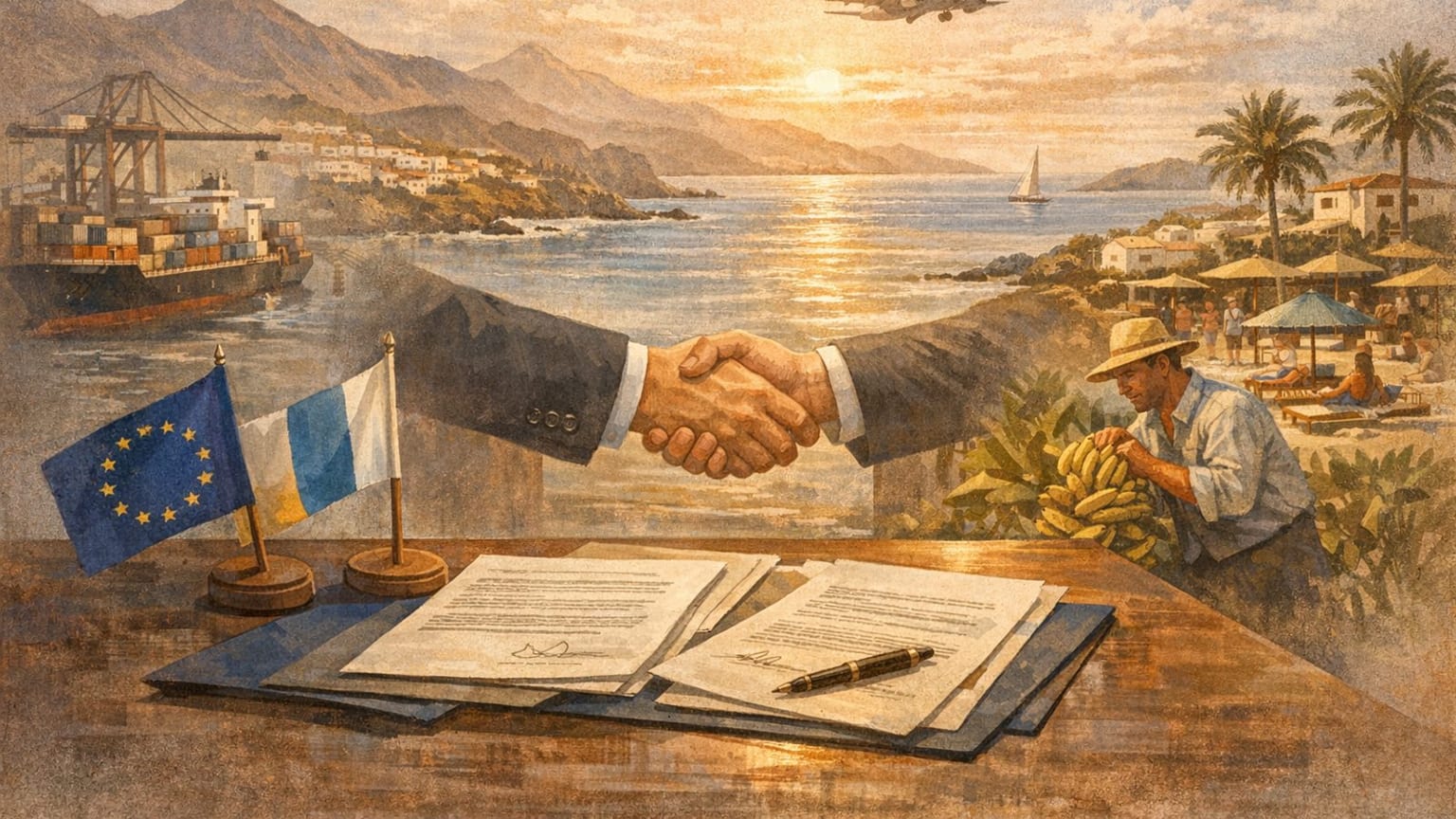
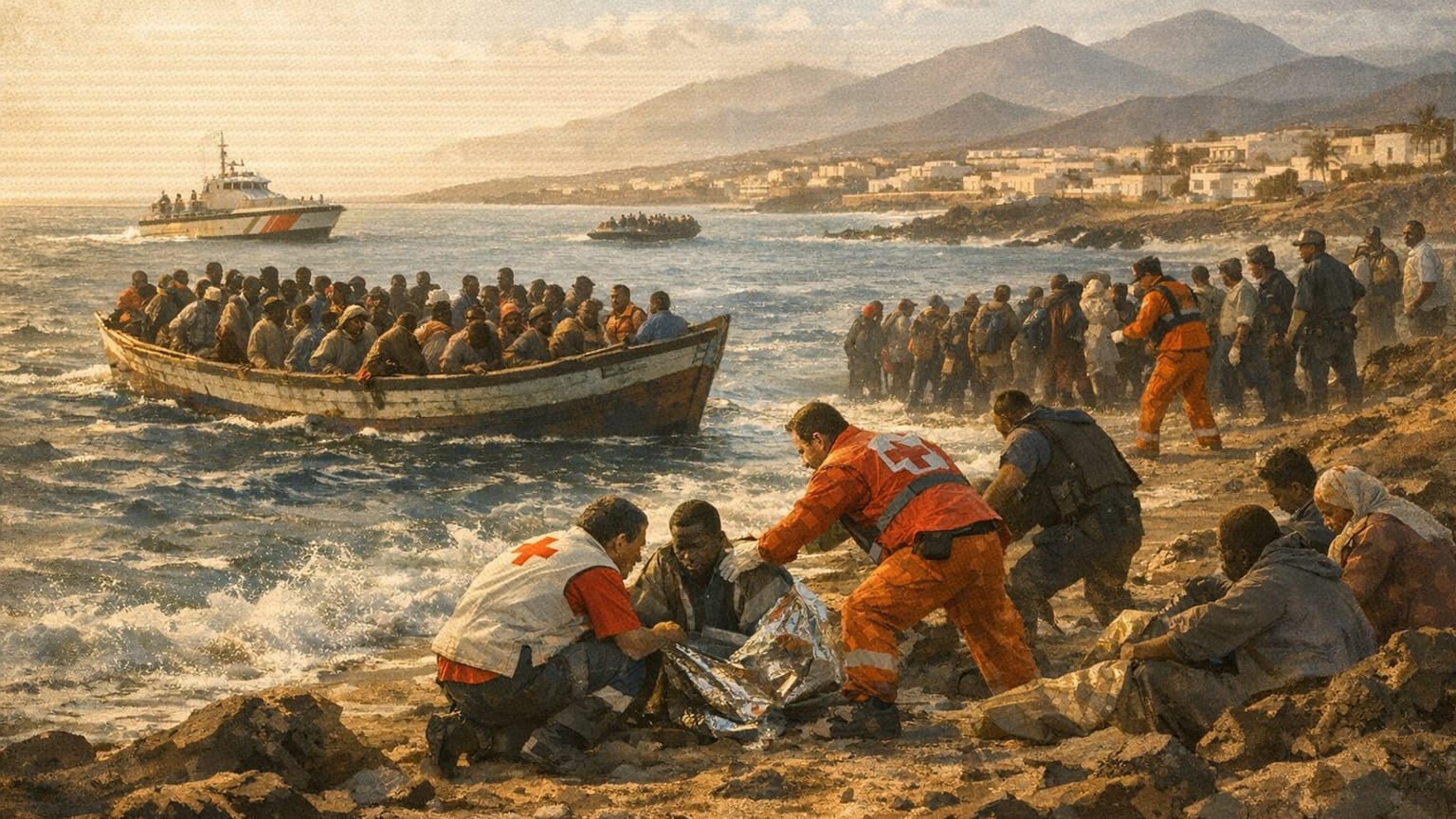
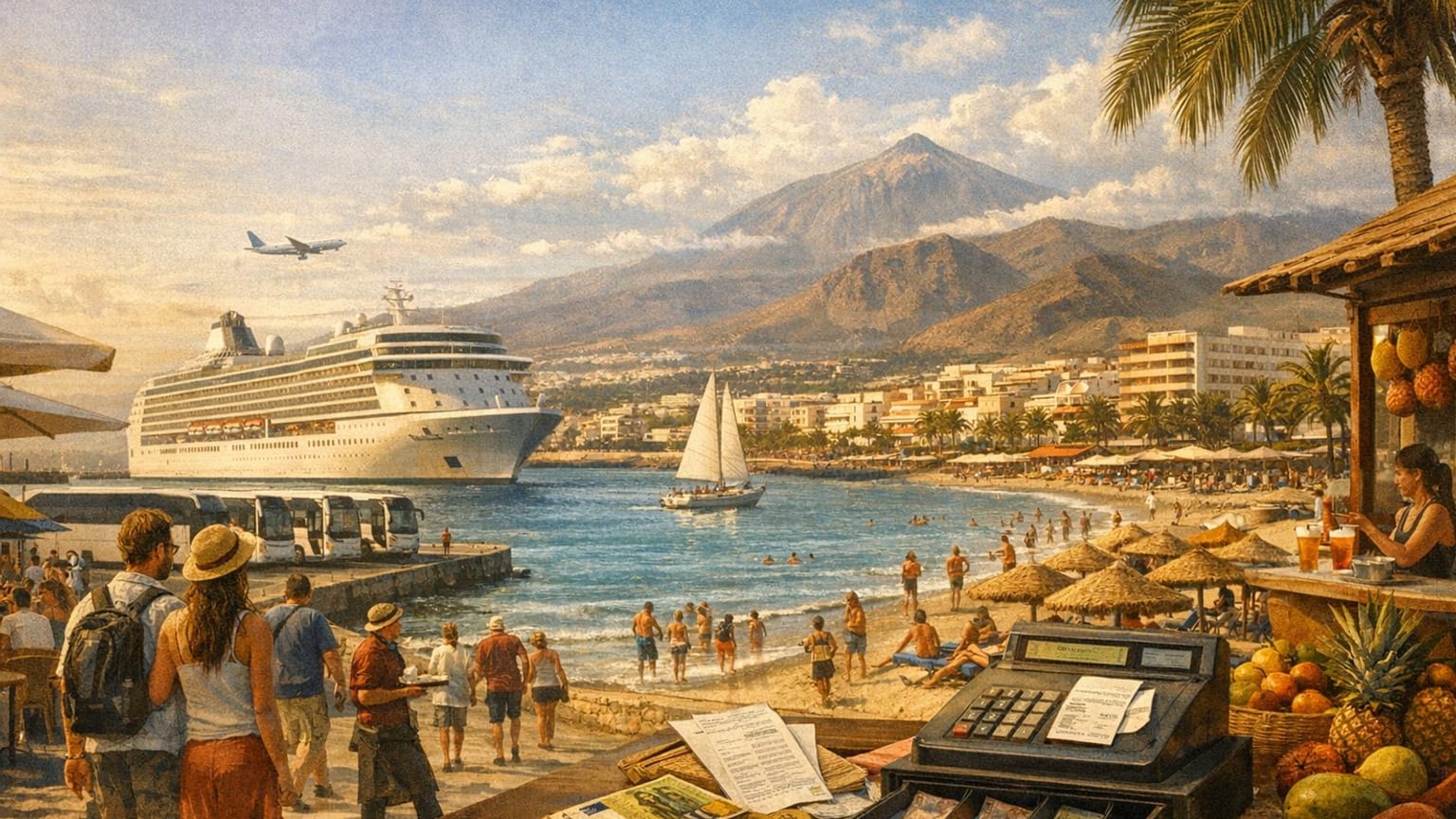
Arrival of the first Berber settlers from North Africa and development of pre-Hispanic culture across the islands.c. 1000–500 BCArrival of the first Berber settlers from North Africa and development of pre-Hispanic culture across the islands.Sertorius hears sailors describe two Atlantic Islands of the Blest.1st century BCSertorius hears sailors describe two Atlantic Islands of the Blest.During the reign of Juba II, an expedition surveys six Fortunate Isles and leaves its report.25 BC–AD 23During the reign of Juba II, an expedition surveys six Fortunate Isles and leaves its report.Pomponius Mela describes the Fortunatae off the African coast.mid-1st century ADPomponius Mela describes the Fortunatae off the African coast.Pliny the Elder dedicates the Natural History to Titus, transmitting accounts of the Fortunate Isles.AD 77Pliny the Elder dedicates the Natural History to Titus, transmitting accounts of the Fortunate Isles.Claudius Ptolemy takes the Fortunate Isles as the origin of longitude.2nd century ADClaudius Ptolemy takes the Fortunate Isles as the origin of longitude.Niccoloso da Recco's expedition explores the Canary Islands.July 1341Niccoloso da Recco's expedition explores the Canary Islands.Beginning of the European conquest with Jean de Béthencourt's expedition to Lanzarote.July 1402Beginning of the European conquest with Jean de Béthencourt's expedition to Lanzarote.John II authorises Alfonso de las Casas to conquer four Canary Islands.29 August 1420John II authorises Alfonso de las Casas to conquer four Canary Islands.The Treaty of Alcáçovas recognises Castilian rights over the Canary Islands.4 September 1479The Treaty of Alcáçovas recognises Castilian rights over the Canary Islands.Wine exports from Tenerife and La Palma begin to appear in the documentary record.c. 1520Wine exports from Tenerife and La Palma begin to appear in the documentary record.Droughts, famines, plagues and depopulation strike Lanzarote and Fuerteventura.1628–1671Droughts, famines, plagues and depopulation strike Lanzarote and Fuerteventura.The wine trade shapes commercial relations between the Canary Islands and England.1650–1800The wine trade shapes commercial relations between the Canary Islands and England.The Virgin of Candelaria is moved to La Laguna during a locust plague.16 November – 29 December 1659The Virgin of Candelaria is moved to La Laguna during a locust plague.1 September 1730The great Timanfaya eruption begins in Lanzarote, lasting more than five years.The Free Trade Regulations include Santa Cruz de Tenerife in the Spanish-American trading system.12 October 1778The Free Trade Regulations include Santa Cruz de Tenerife in the Spanish-American trading system.The Constitution of Cádiz is promulgated with Canarian representation in the Cortes.1812-03-19The Constitution of Cádiz is promulgated with Canarian representation in the Cortes.The Canary Islands become a single province with its capital in Santa Cruz de Tenerife.1822-01-27The Canary Islands become a single province with its capital in Santa Cruz de Tenerife.A royal decree declares seven free ports in the Canary Islands.11 July 1852A royal decree declares seven free ports in the Canary Islands.The Canary Islands experience one of their periods of highest modern emigration.1882–1890The Canary Islands experience one of their periods of highest modern emigration.The Island Councils Act establishes self-government for each island.1912-07-11The Island Councils Act establishes self-government for each island.The Canary archipelago is divided into two provinces.21 September 1927The Canary archipelago is divided into two provinces.The 1936 military uprising spreads from the Canary Islands.18 July 1936The 1936 military uprising spreads from the Canary Islands.Venezuela becomes the principal destination of a new wave of mass emigration from the Canary Islands.1948–1958Venezuela becomes the principal destination of a new wave of mass emigration from the Canary Islands.Creation of Timanfaya National Park in Lanzarote.1974-08-09Creation of Timanfaya National Park in Lanzarote.The Canary Islands Statute of Autonomy enters into force.16 August 1982The Canary Islands Statute of Autonomy enters into force.The Canary Islands enter the EEC structural-funds system.1 January 1986The Canary Islands enter the EEC structural-funds system.25 September 1992César Manrique dies in a traffic accident in Lanzarote, leaving a unique artistic and environmental legacy.UNESCO designates Lanzarote as a Biosphere Reserve.7 October 1993UNESCO designates Lanzarote as a Biosphere Reserve.The Treaty of Amsterdam enshrines the European framework for the outermost regions.1997-10-02The Treaty of Amsterdam enshrines the European framework for the outermost regions.The euro becomes the currency of Spain and therefore of the Canary Islands.1 January 1999The euro becomes the currency of Spain and therefore of the Canary Islands.The cayuco crisis raises irregular arrivals in the Canary Islands to 31,678 people.2006The cayuco crisis raises irregular arrivals in the Canary Islands to 31,678 people.The Canary Islands receive 15.1 million tourists.2019The Canary Islands receive 15.1 million tourists.The COVID-19 pandemic causes an economic and social crisis in the Canary Islands.14 March 2020The COVID-19 pandemic causes an economic and social crisis in the Canary Islands.
Related content