

Historical Figures
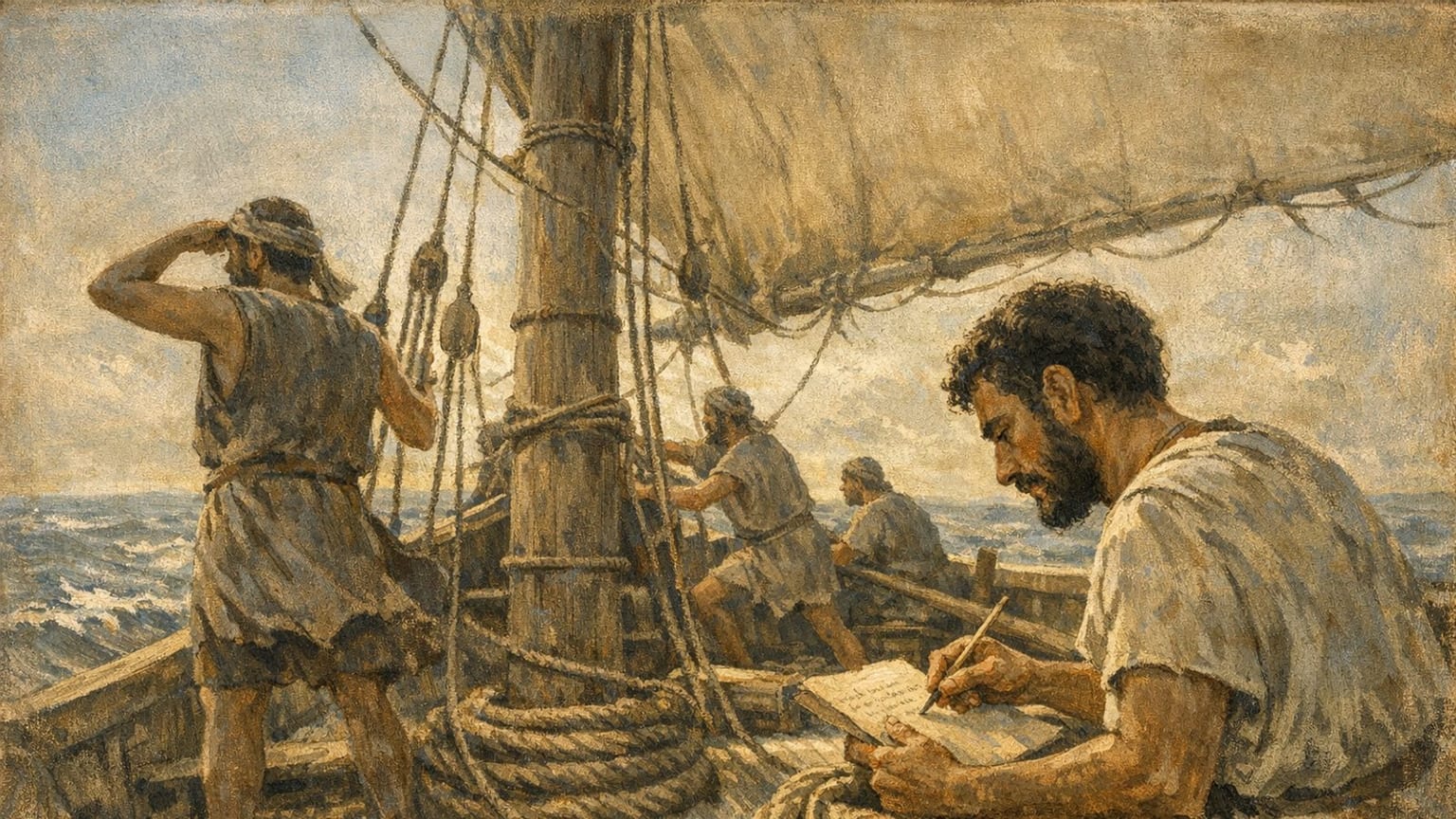
During Juba II’s reign in Mauretania, dated by Blázquez to 25 BC–AD 23, an expedition to the Fortunate Isles produced a report preserved through Pliny the Elder. The Natural History (VI, 202–205) distinguishes these islands from the Purpurariae, where Juba had established purple-dye workshops. The report attributed to the king lists six islands: Ombrios, two Junoniae, Capraria, Ninguaria and Canaria. It mentions a small stone temple on Junonia, snow on Ninguaria and traces of buildings on Canaria. It also states that two large dogs were brought from Canaria to the king. García García interprets this last detail as an indication that Juba did not travel there himself. These accounts convey an ancient text; each name should not automatically be equated with a modern island. The date displayed marks the reign, not a precise date for the expedition.