
Why this island matters
Lanzarote muestra como una sociedad insular puede organizarse alrededor de un paisaje volcanico extremo. La isla fue tempranamente conocida por navegantes europeos, participo en la conquista senorial y, siglos despues, quedo profundamente marcada por las erupciones de Timanfaya.
Su relevancia cultural procede de la adaptacion: agricultura sobre cenizas, pueblos blancos, arquitectura contenida, espacios volcanicos y la intervencion contemporanea de Cesar Manrique. Lanzarote obliga a pensar la relacion entre territorio, fragilidad ambiental y decision colectiva.
Cultural landscape
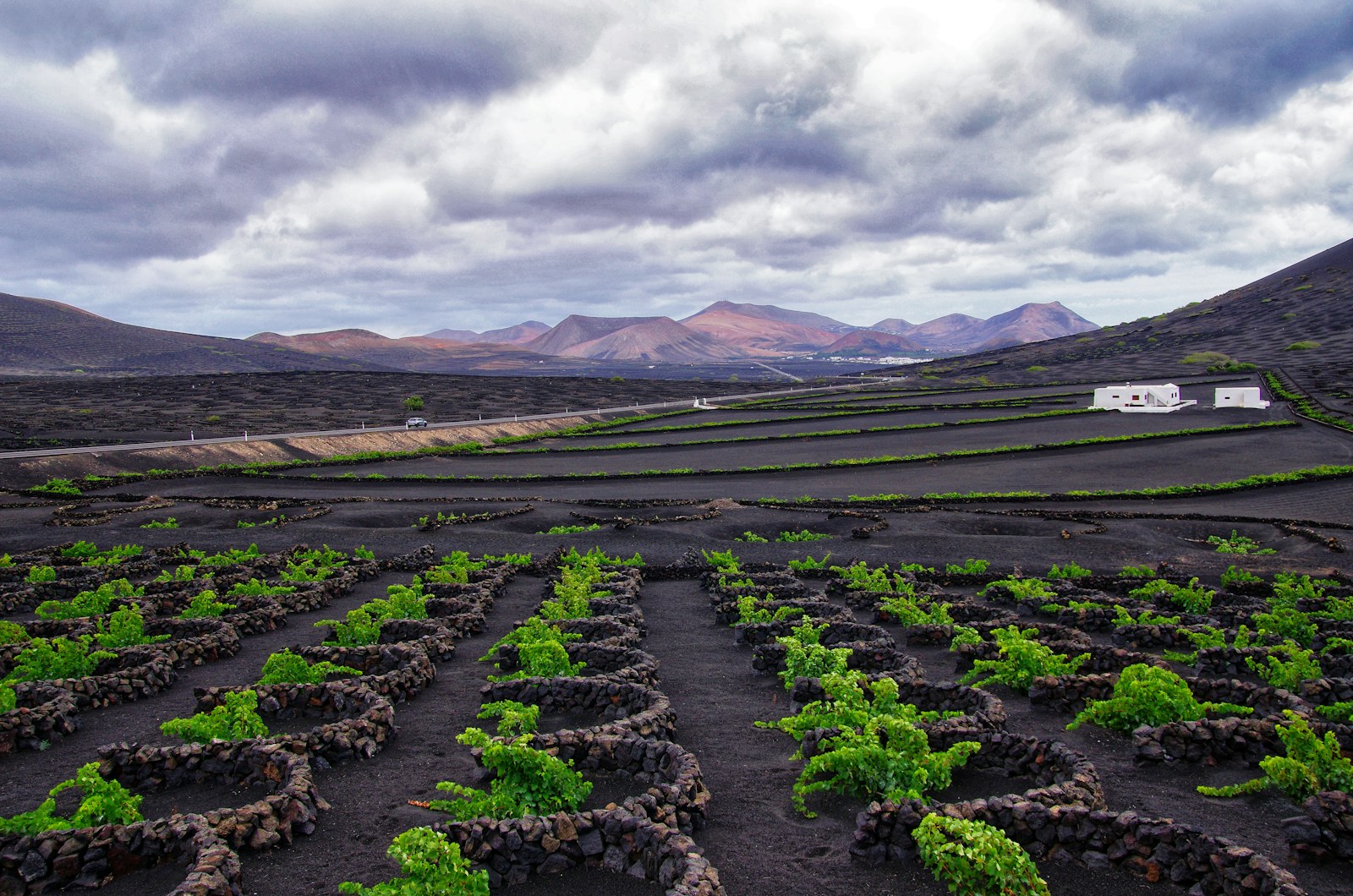
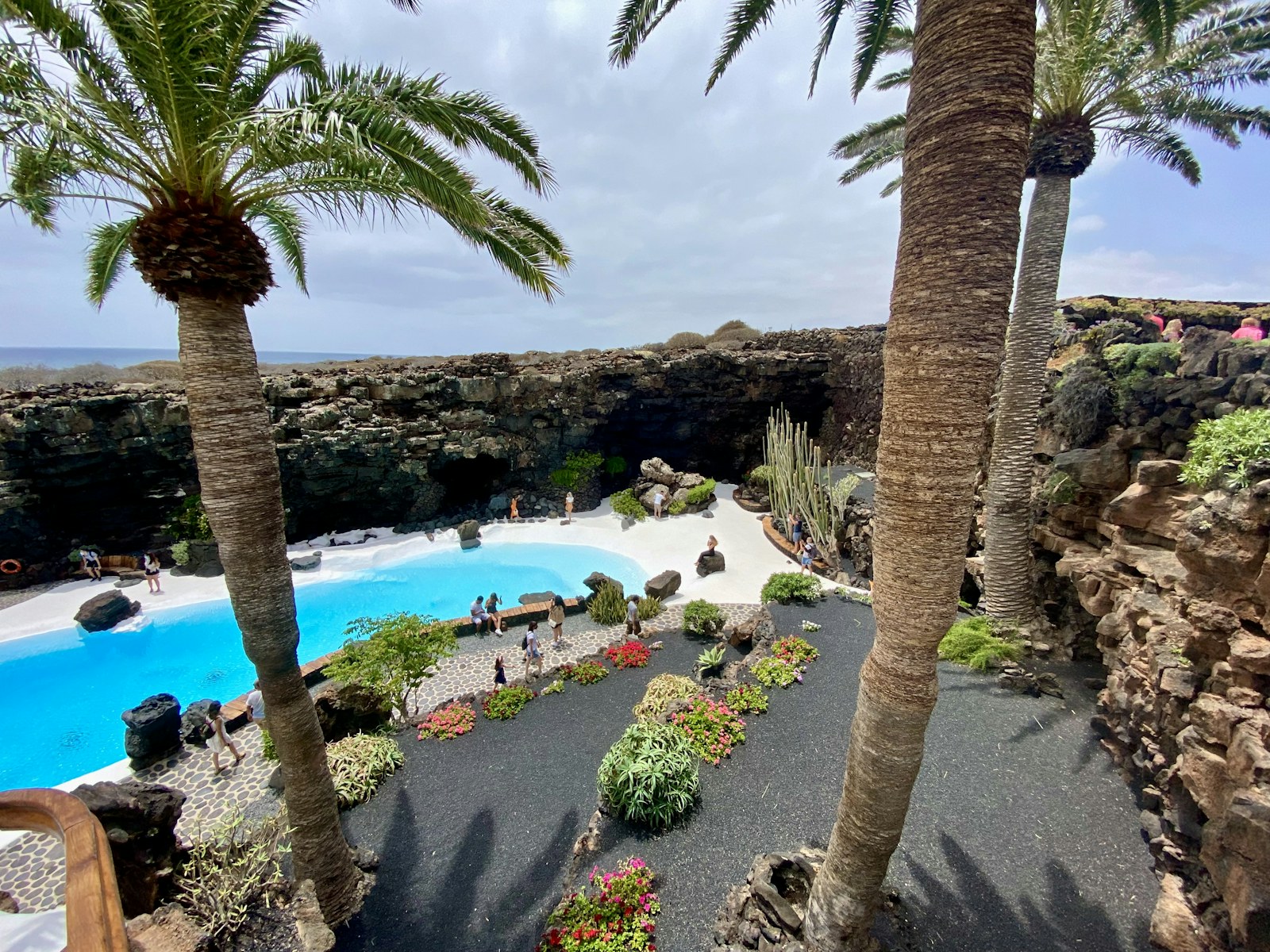
Lanzarote's contemporary imprint cannot be understood without the work of César Manrique and the peasant tradition that learned to cultivate on ash and lapilli. Jameos, wineries and whitewashed villages coexist with volcanic cones and recent lava flows in one of the most singular cultural compositions of the Canary Islands.
Municipalities and territories
See all 7 municipalities of Lanzarote →- ArrecifeArrecife is a municipality of Lanzarote, presented through settlement, landscape, local memory and its links with the rest of the island.
- HaríaHaría is a municipality of Lanzarote, presented through settlement, landscape, local memory and its links with the rest of the island.
- San BartoloméSan Bartolomé is a municipality of Lanzarote, presented through settlement, landscape, local memory and its links with the rest of the island.
- TeguiseTeguise is a municipality of Lanzarote, presented through settlement, landscape, local memory and its links with the rest of the island.
- TíasTías is a municipality of Lanzarote, presented through settlement, landscape, local memory and its links with the rest of the island.
- TinajoTinajo is a municipality of Lanzarote, presented through settlement, landscape, local memory and its links with the rest of the island.
- YaizaYaiza is a municipality of Lanzarote, presented through settlement, landscape, local memory and its links with the rest of the island.
La Graciosa is an inhabited island north of Lanzarote, administratively part of Teguise and linked to the Chinijo Archipelago.
Explore the island
Themes to understand Lanzarote
Each block summarises a line of interpretation and links to its own page. The main island page works as an entry point; the sections expand geography, history, nature, heritage and social life without turning this hub into a single long article.
Geography
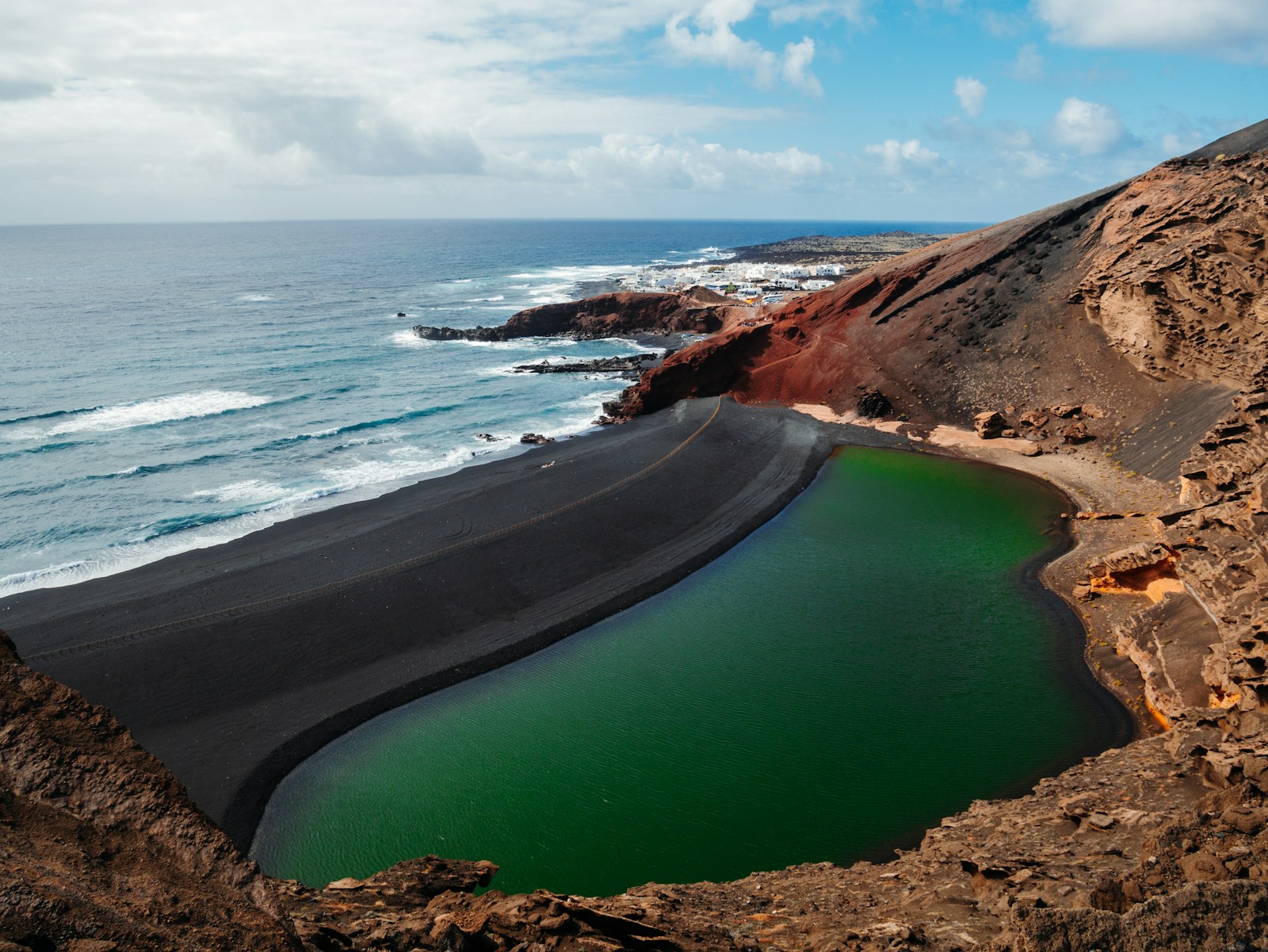
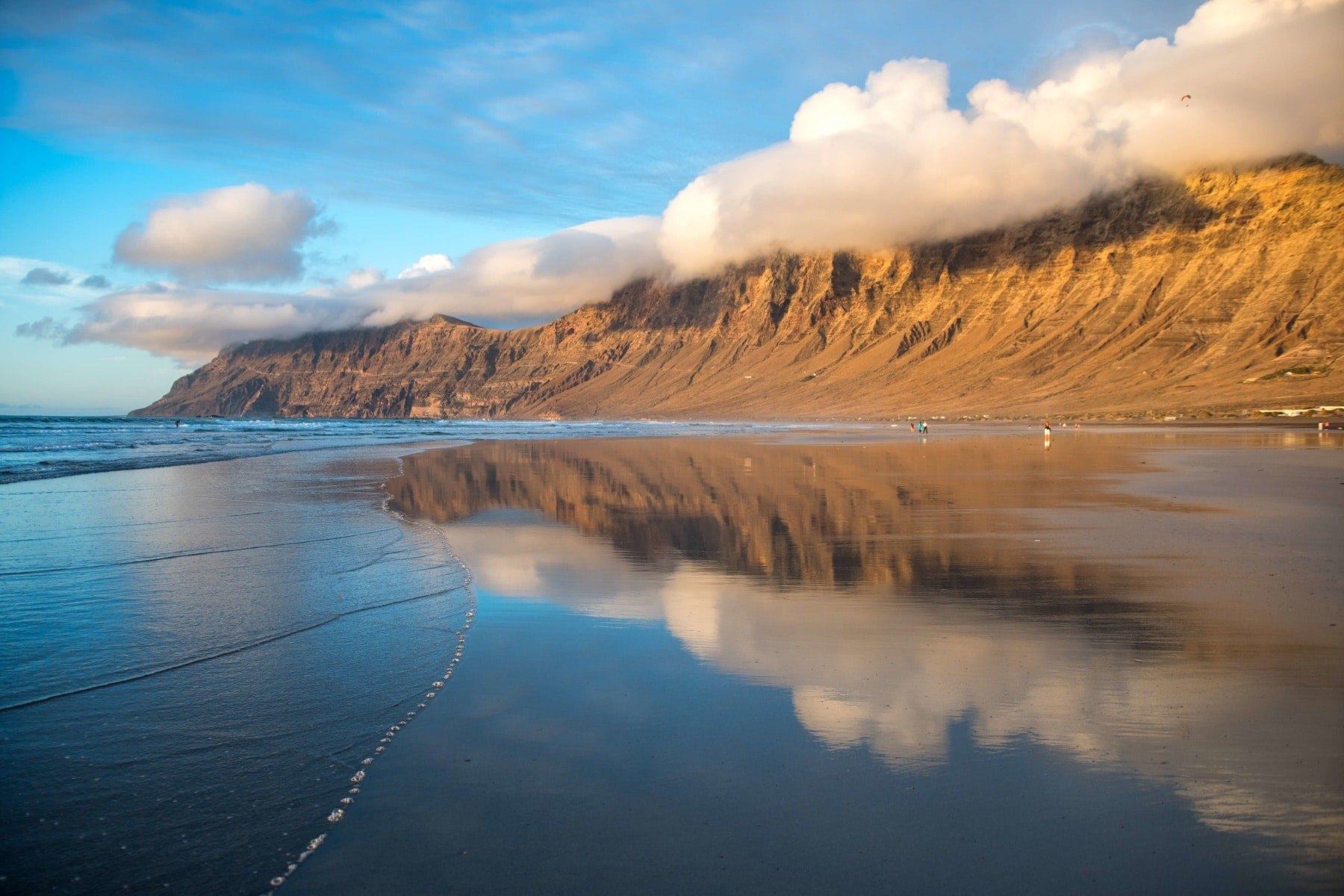
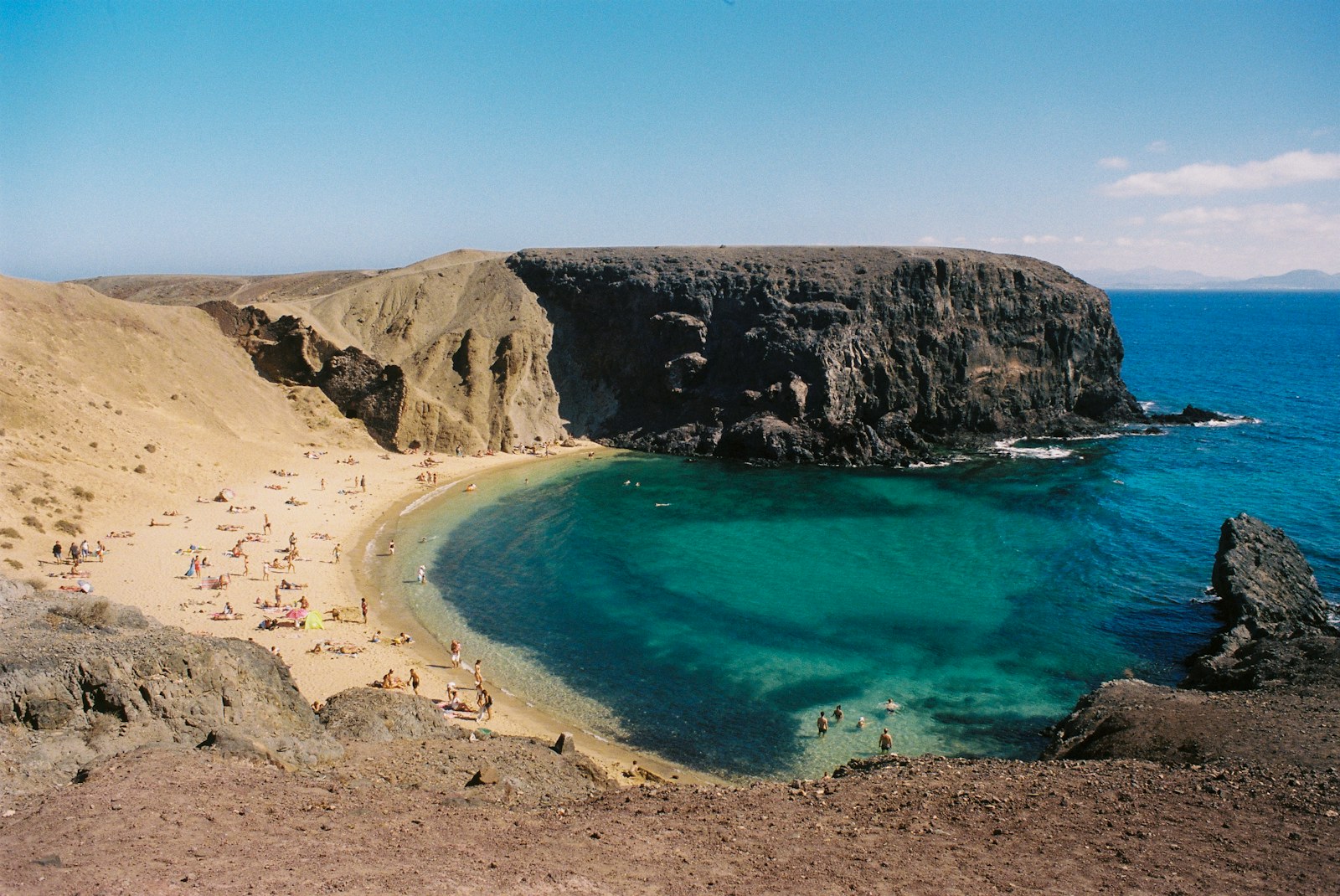
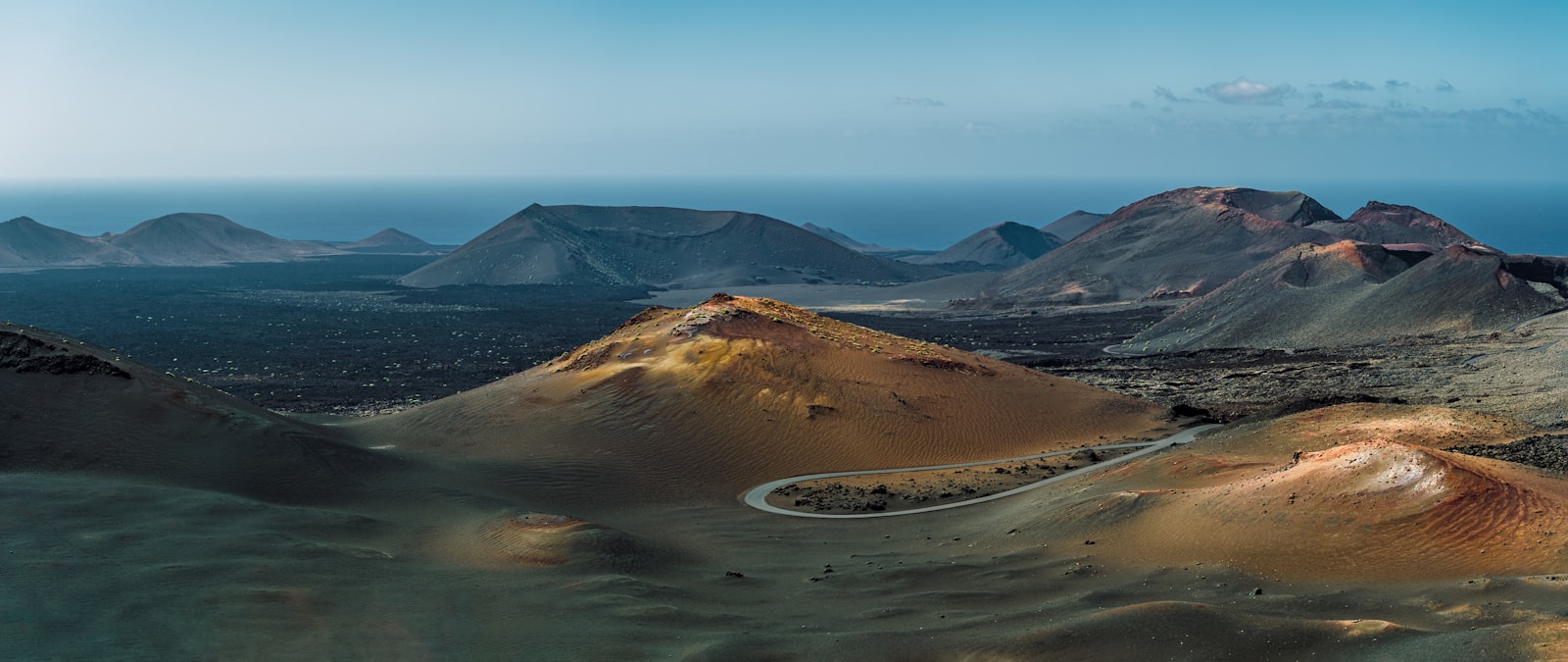
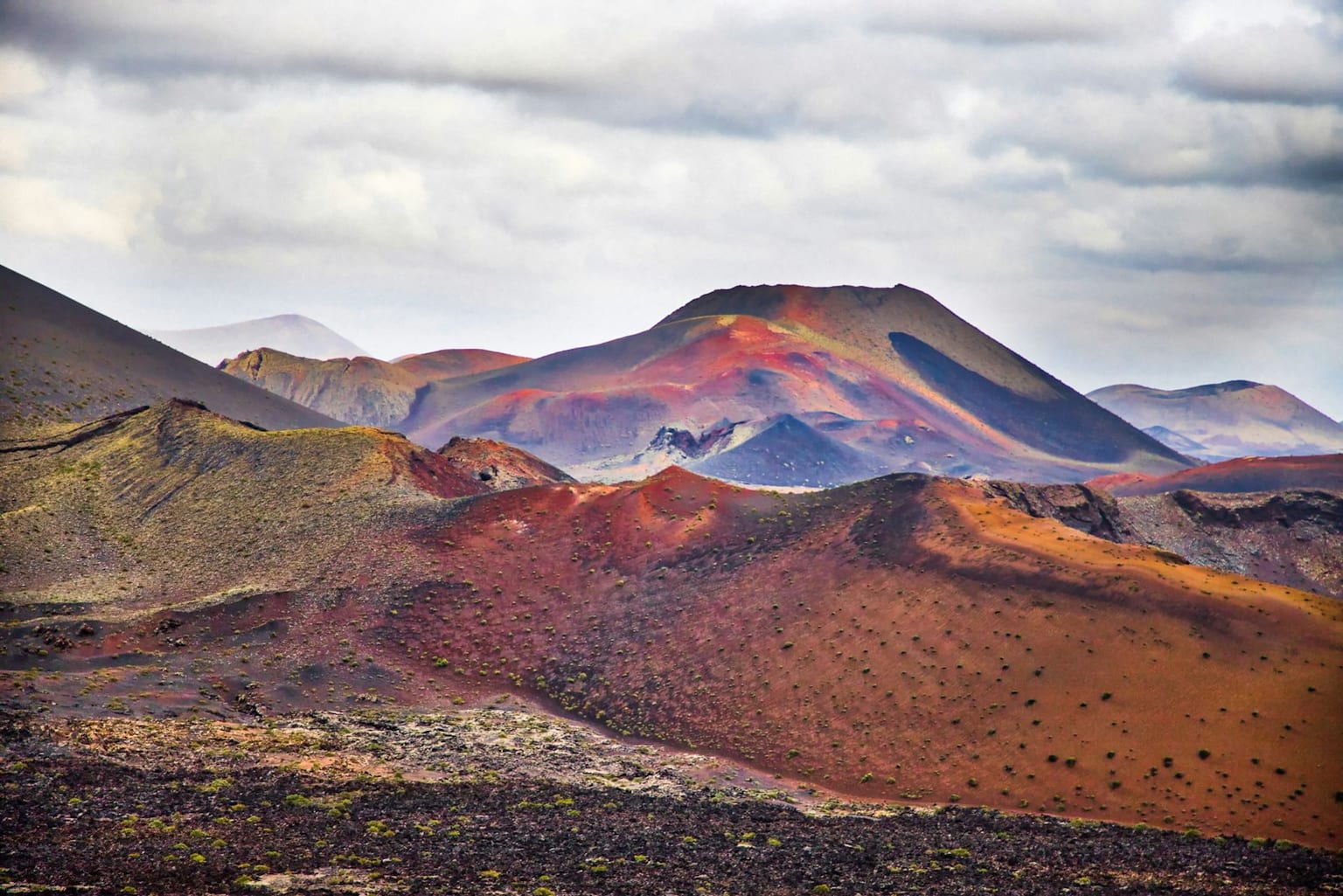
Lanzarote, the easternmost island and one of the lowest and most arid in the archipelago, is defined by the badlands of Timanfaya (1730-1736), the ancient massifs of Famara and Los Ajaches, the sand corridor of El Jable, the ash-covered agriculture of La Geria, the coastline of El Golfo, Los Hervideros and Papagayo, and the Chinijo Archipelago, all recognised as a Biosphere Reserve by UNESCO in 1993.
Explore sectionHistory
The history of Lanzarote runs from the pre-Hispanic Majos and the Norman conquest of 1402 through Barbary raids, the Timanfaya eruptions and the cultural transformation driven by Cesar Manrique.
Explore sectionNature
Lanzarote brings together arid ecosystems, volcanic tubes, coastlines, islets and protected landscapes of remarkable singularity.
Explore sectionFlora
Its flora is adapted to drought, wind, salinity and volcanic soils, with tabaibal scrub communities, lichens and crops grown on picón (volcanic lapilli).
Explore sectionFauna
Steppe birds, marine wildlife, reptiles and invertebrates reveal a modest but highly specialised biodiversity.
Explore sectionHeritage
Rubicón, castles, salt pans, jameos, vernacular architecture and farming landscapes make up a heritage closely bound to the volcano.
Explore sectionCulture and Traditions
Local culture combines seafaring memory, subsistence farming, festivals, crafts and an aesthetic awareness of the landscape.
Explore sectionEconomy and Society
Lanzarote's economy moved from agropastoral subsistence and the export cycles of orchil, barilla and cochineal — punctuated by famines and emigration — to salt, fishing and, from the 1960s, a tourism that César Manrique sought to bind to landscape conservation, a model recognised with the Biosphere Reserve in 1993 and strained today by tourist saturation.
Explore sectionMunicipalities and Territories
Arrecife, La Geria, Timanfaya, the north, the tourist south and La Graciosa link areas with distinct historical roles.
Explore sectionKey Places
Timanfaya, La Geria, Famara, Jameos del Agua, Teguise and Rubicón give structure to any reading of the island.
Explore sectionLinked Figures
César Manrique and historical figures from the conquest or from island culture help explain Lanzarote's contemporary image.
Explore sectionIsland Chronology
La cronologia enlaza descubrimientos europeos, conquista, erupciones, agricultura, turismo y proteccion paisajistica.
Explore section