

Lanzarote's contemporary imprint cannot be understood without the work of César Manrique and the peasant tradition that learned to cultivate on ash and lapilli. Jameos, wineries and whitewashed villages coexist with volcanic cones and recent lava flows in one of the most singular cultural compositions of the Canary Islands.
Lanzarote's contemporary imprint cannot be understood without the work of César Manrique and the peasant tradition that learned to cultivate on ash and lapilli. Jameos, wineries and whitewashed villages coexist with volcanic cones and recent lava flows in one of the most singular cultural compositions of the Canary Islands.
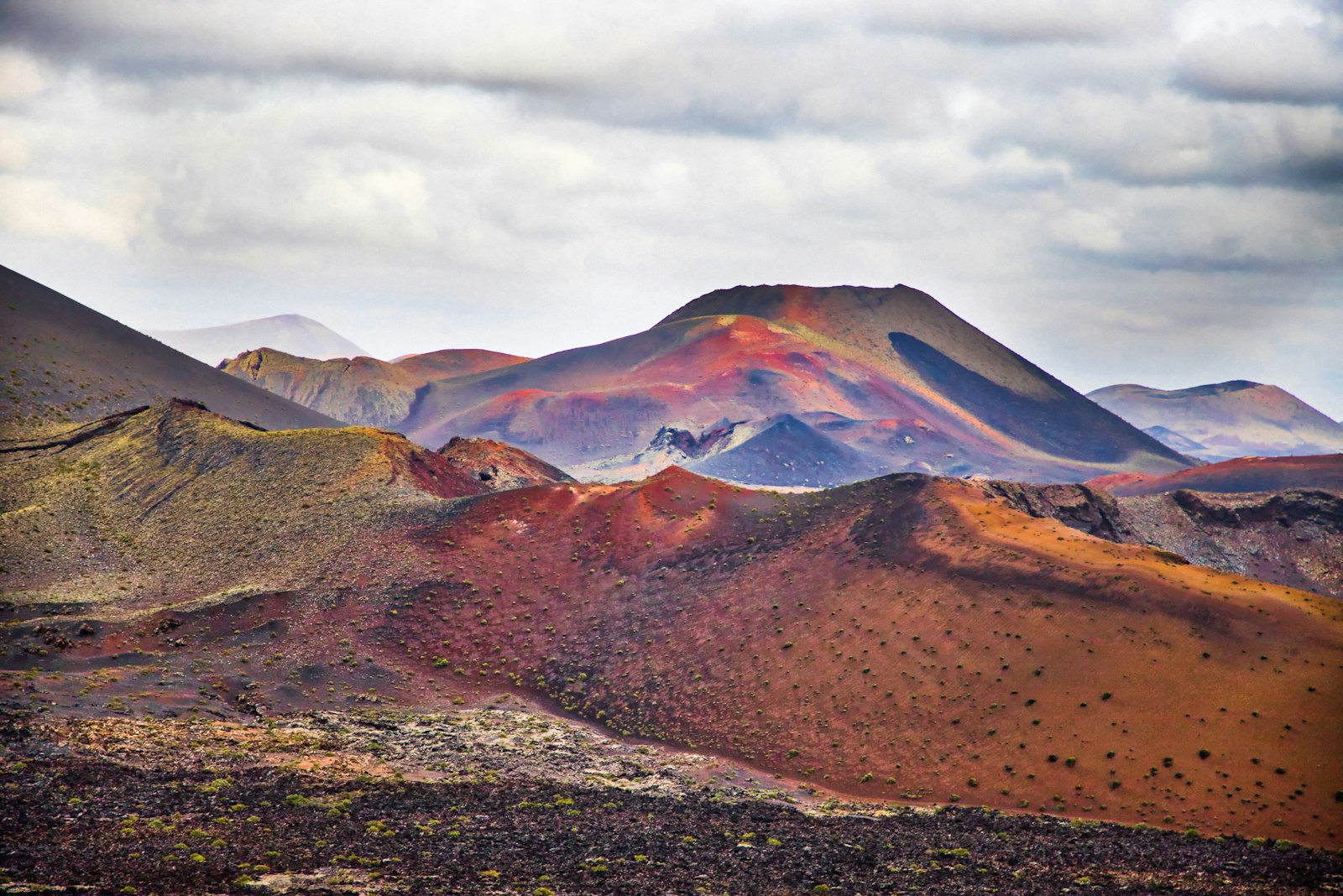
Among its main reference points are Timanfaya and eruptions, Art and landscape, Adaptive agriculture, which connect landscape, memory and everyday life. Heritage combines material remains, cultural landscapes and living practices, so it must be read together with history, territory and social life.
Key points
Castillo de Santa Barbara en Teguise
El castillo de Santa Barbara, en el volcán de Guanapay sobre Teguise, fue la principal defensa de la antigua capital y hoy alberga el Museo del Emigrante Canario.
Fundacion Cesar Manrique
La fundacion instalada en la casa-estudio de Manrique en Taro de Tahiche es un ejemplo de arquitectura integrada en el volcan, con habitaciones dentro de burbujas de lava.
Salinas del janubio
Las Salinas del Janubio son las mayores salinas de Canarias, con una arquitectura de extraccion artesanal de la sal todavia en funcionamiento y de gran valor visual.
Rubicon y los primeros asentamientos europeos
La zona de Rubicon, en el sur de la isla, fue el primer enclave permanente europeo en Canarias, aunque los restos arqueologicos son escasos y de dificil acceso publico.
Municipalities of Lanzarote
See all →- Arrecife Capital insular y principal puerto de Lanzarote, Arrecife concentra la vida urbana, comercial y administrativa de la isla en torno al Charco de San Ginés y el Puerto Naos.
- Haría Haría es el municipio del norte de Lanzarote, conocido por el Valle de las Mil Palmeras y por ser lugar de nacimiento y residencia de César Manrique.
- San Bartolomé San Bartolomé es el municipio del interior de Lanzarote, con casco blanco tradicional, viñedos de malvasía y el acceso a la zona de La Geria.
- Teguise Teguise fue la capital histórica de Lanzarote durante más de cuatro siglos, con el Castillo de Santa Bárbara y el famoso mercadillo dominical como referencias actuales.
- Tías Tías es el municipio del sureste que concentra la mayor parte de la oferta turística de Lanzarote, con Puerto del Carmen como principal núcleo costero.
- Tinajo Tinajo es el municipio que incluye el Parque Nacional de Timanfaya, los campos de lava de las erupciones del siglo XVIII y los paisajes agrícolas de La Geria.