

Lanzarote's society has been shaped by production, mobility, ports, migration and the changing value of its landscapes.
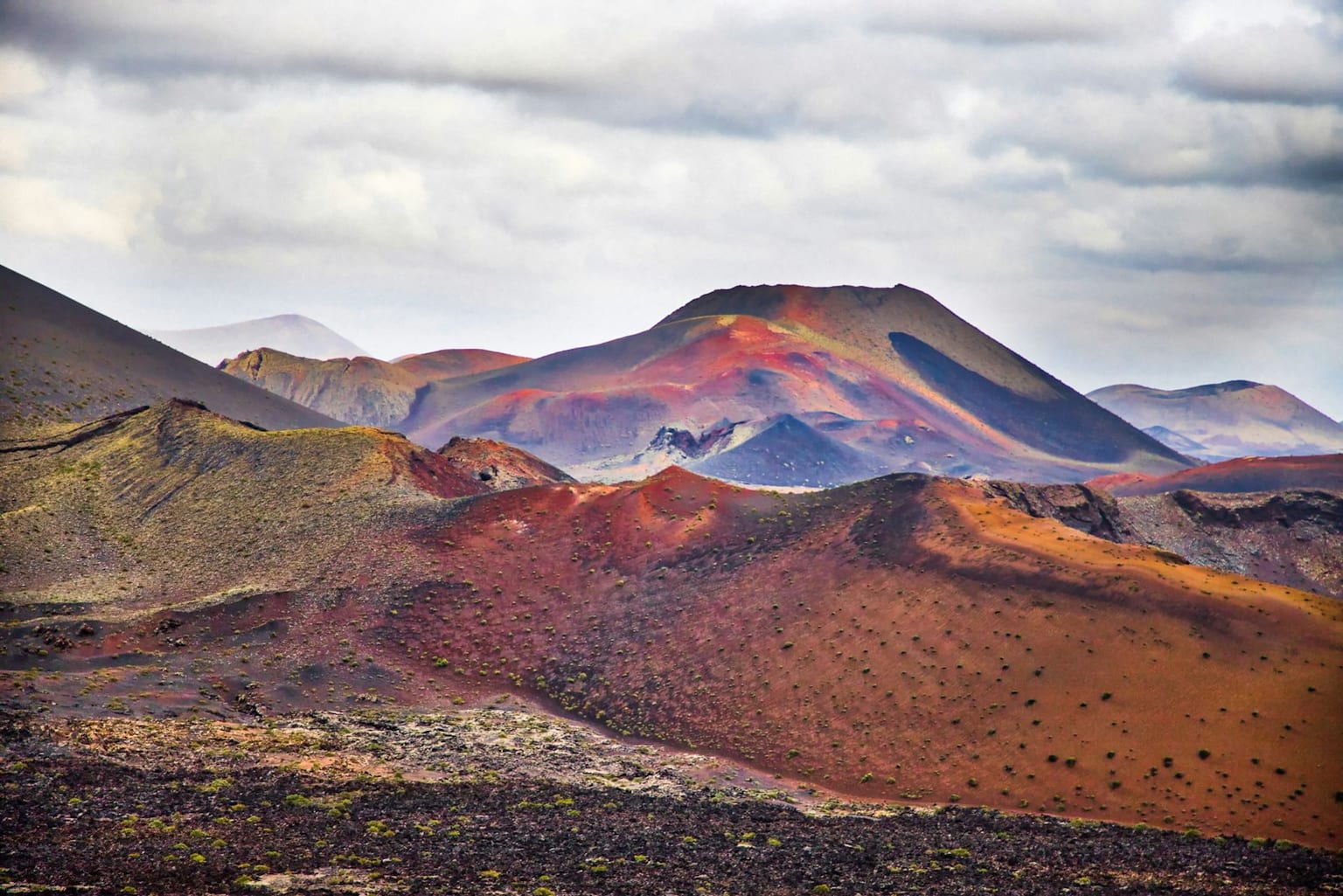
It was one of the first islands known to European navigators and played an early role in seigneurial conquest. Later, the great Timanfaya eruptions of the eighteenth century transformed settlements, farmlands and collective memory, leaving the scenario that still defines the island's global image today. The island economy has changed according to available resources, external connections, population mobility and pressure on the territory.
Among its main reference points are Timanfaya and eruptions, Art and landscape, Adaptive agriculture, which connect landscape, memory and everyday life. This section links production, society and landscape to explain the contemporary island without separating it from its history.
Key points
Vino de La Geria y denominacion de origen
Los vinos de Lanzarote, especialmente la malvasia, tienen Denominacion de Origen desde 1993 y son una produccion identitaria sostenida por familias agricultoras.
Turismo controlado y Reserva de la Biosfera
Lanzarote apostó por un turismo mas selectivo que otras islas, con alturas maximas de edificacion, cero vallas publicitarias y proteccion del paisaje como capital cultural.
Pesca artesanal de los puertos
La pesca ha sido economica y culturalmente fundamental en Arrecife, Caleta de Famara y Orzola, con tradicion de barcos de vela latina y capturas de peces costeros.
Emigracion a Cuba y America
Como otras islas orientales, Lanzarote tuvo una importante emigracion hacia Cuba y Venezuela durante el siglo XIX y XX, con retornos que transformaron familias y economia.
Municipalities of Lanzarote
See all →- ArrecifeCapital insular y principal puerto de Lanzarote, Arrecife concentra la vida urbana, comercial y administrativa de la isla en torno al Charco de San Ginés y el Puerto Naos.
- HaríaHaría es el municipio del norte de Lanzarote, conocido por el Valle de las Mil Palmeras y por ser lugar de nacimiento y residencia de César Manrique.
- San BartoloméSan Bartolomé es el municipio del interior de Lanzarote, con casco blanco tradicional, viñedos de malvasía y el acceso a la zona de La Geria.
- TeguiseTeguise fue la capital histórica de Lanzarote durante más de cuatro siglos, con el Castillo de Santa Bárbara y el famoso mercadillo dominical como referencias actuales.
- TíasTías es el municipio del sureste que concentra la mayor parte de la oferta turística de Lanzarote, con Puerto del Carmen como principal núcleo costero.
- TinajoTinajo es el municipio que incluye el Parque Nacional de Timanfaya, los campos de lava de las erupciones del siglo XVIII y los paisajes agrícolas de La Geria.