ContemporaryCulture20th CenturyPhotography and collection preservation

Photographer and heritage curator

Photographer, preparator and curator at El Museo Canario. His archive of around 25,000 negatives records museum collections, archaeological work and island landscapes.
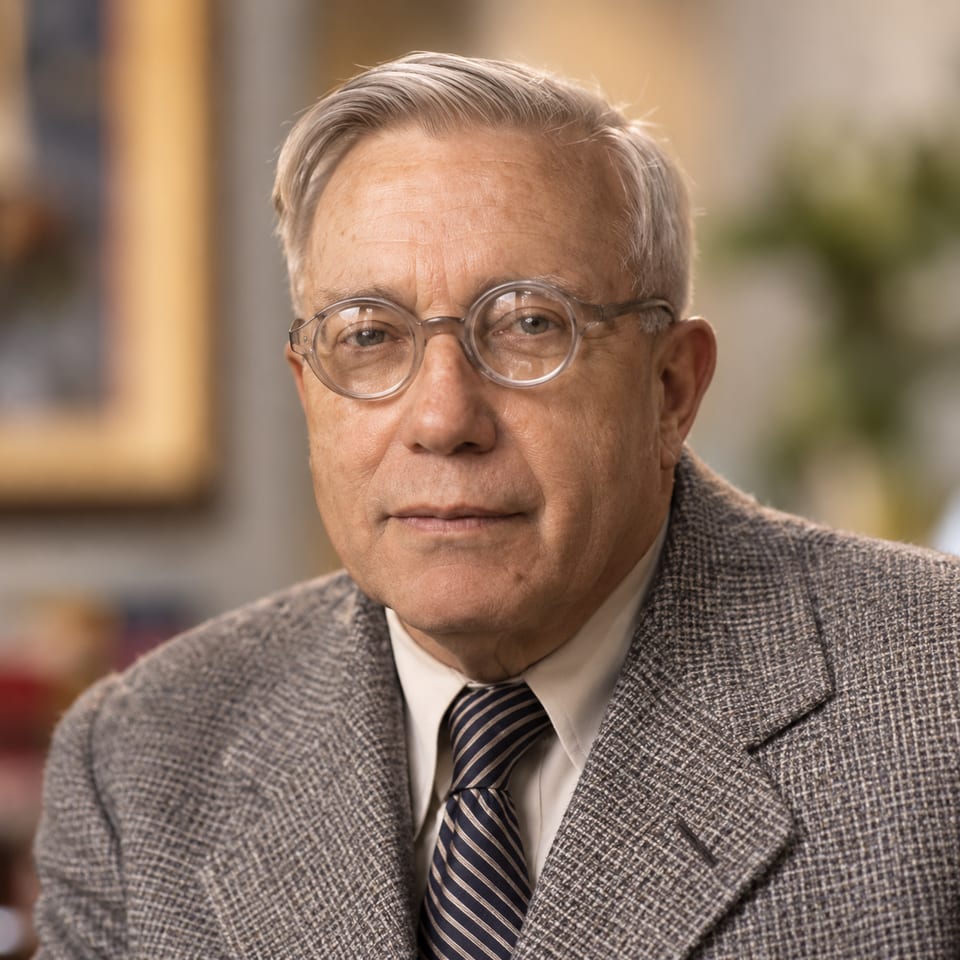
Early life

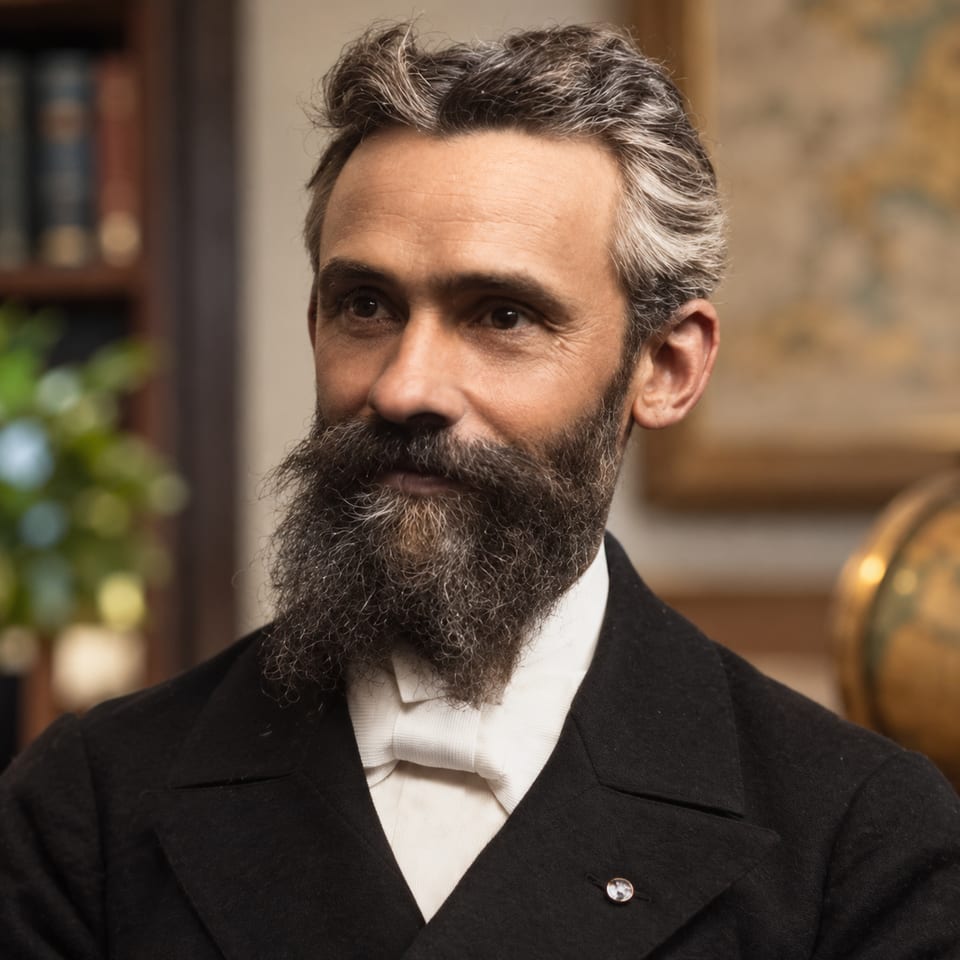
José Naranjo Suárez was born in 1908. He died in Las Palmas de Gran Canaria on 9 July 1981. A photographer, preparator and curator at El Museo Canario, he devoted his working life to documenting and caring for the islands’ heritage. His legacy includes work on museum collections and an archive of approximately 25,000 negatives. Together, these records reveal the activities of the institution and different aspects of the Canary Islands through much of the twentieth century.

Historical role

His connection with the museum began when he was young, alongside his father, Manuel Naranjo Sánchez. His father introduced him to the institution’s work and encouraged his interest in the islands’ pre-Hispanic past. The archival description places his employment as an assistant in the first half of the 1930s. He subsequently became a preparator and is recorded as curator between 1973 and 1981. This succession of responsibilities connected his career to the practical care of objects and to the preparation of spaces where collections were studied and displayed.

Photography was only one part of his work. José Miguel Alzola’s obituary lists taxidermy, the installation of galleries and exhibitions, and the restoration and reassembly of Indigenous pottery. Naranjo also undertook fieldwork and helped preserve archaeological sites, including El Agujero in Gáldar and the Cenobio de Valerón in Guía. He came into contact with researchers working at the museum, among them René Verneau, Dominik Wölfel and Frederick Zeuner. His contribution therefore extended across the practical tasks supporting archaeological and natural history research.

His photographs are preserved in the Fondo Fotográfico José Naranjo Suárez, with the reference ES 35001 AMC-FFJN. The archival description prepared in 2009 dates the collection from 1934 to 1981 and estimates that it contains some 25,000 thirty-five-millimetre negatives. Its subjects include archaeological and prehistoric objects, natural history collections, public events, exhibitions, portraits, the movement of museum materials, excavations and work at archaeological sites. These photographs record objects, people and activities rather than a single subject, providing several different views of the museum’s operations.

Most photographs concern Gran Canaria, but the archive contains images from every island. Landscapes, civil and religious architecture, and reproductions of printed and handwritten historical documents also form part of the collection. Lanzarote and Fuerteventura are particularly well represented. The archaeological report for 1979 further records that Naranjo’s directions helped researchers relocate an Indigenous structure known as the Casa de los Betilos, which he had discovered decades earlier.

Legacy

In 1979, the museum’s centenary coincided with his retirement. A public tribute recognised his service: he became an honorary member and received the Pintadera de Oro. His portrait was placed alongside those of the founders. He remained concerned with the institution after retirement and was also a member of the Instituto de Estudios Canarios. The preservation of his photographic archive retains the documentary legacy of a career spent photographing, preparing and safeguarding the islands’ heritage.

Sources and verification