
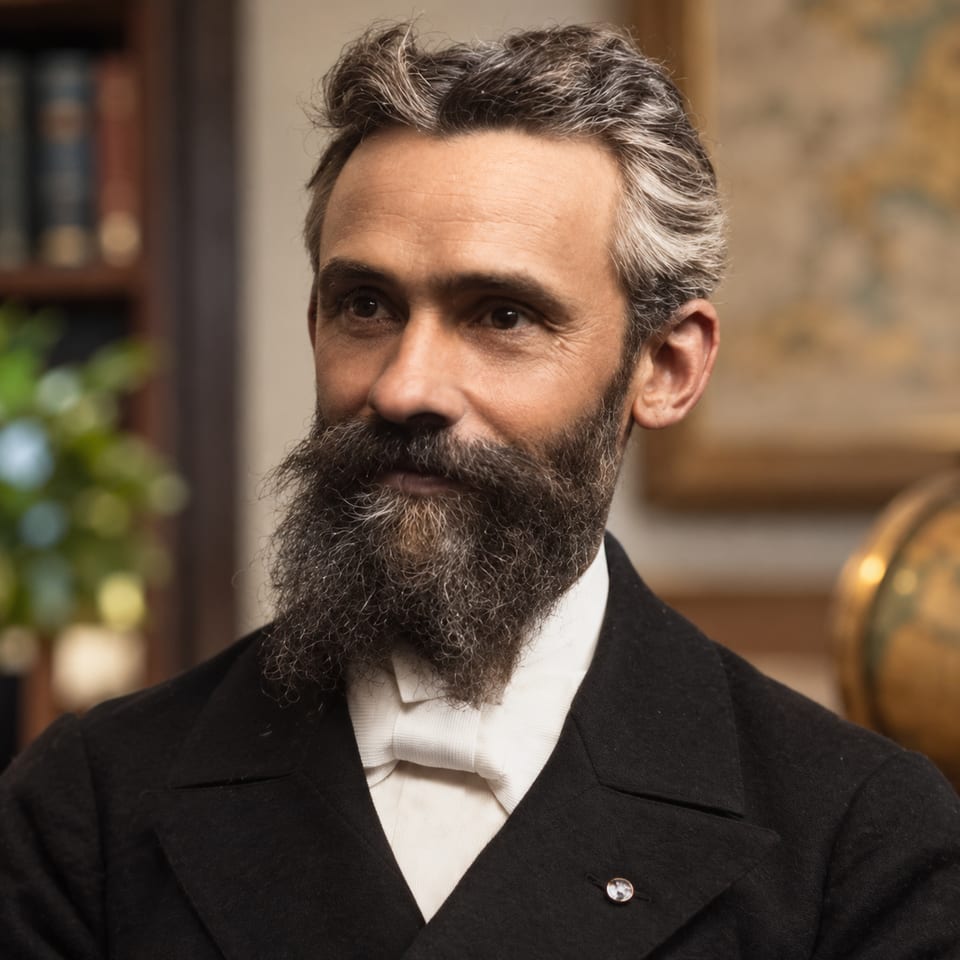
Physician, anthropologist and prehistorian
A French anthropologist associated with El Museo Canario who studied and catalogued human remains and archaeological material from the islands within the scientific frameworks of his time.
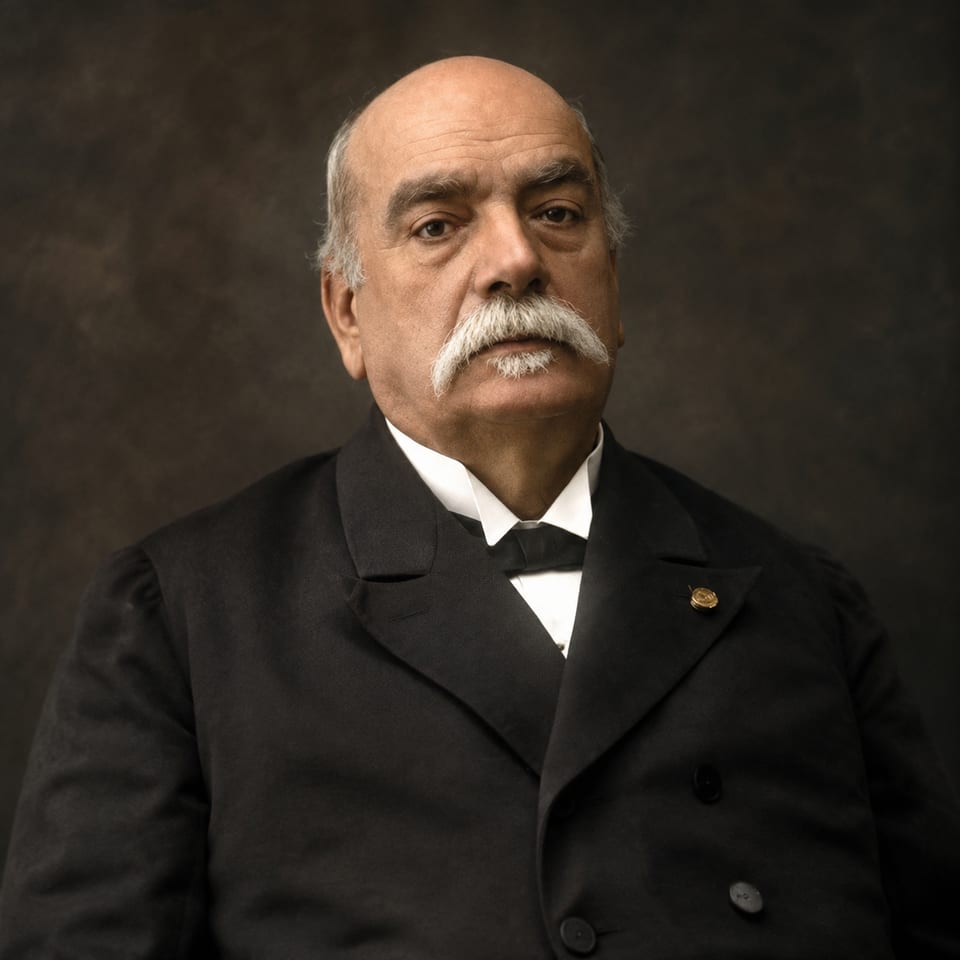
Physician, anthropologist and prehistorian · 1852–1938

Physician, anthropologist and prehistorian
A French anthropologist associated with El Museo Canario who studied and catalogued human remains and archaeological material from the islands within the scientific frameworks of his time.
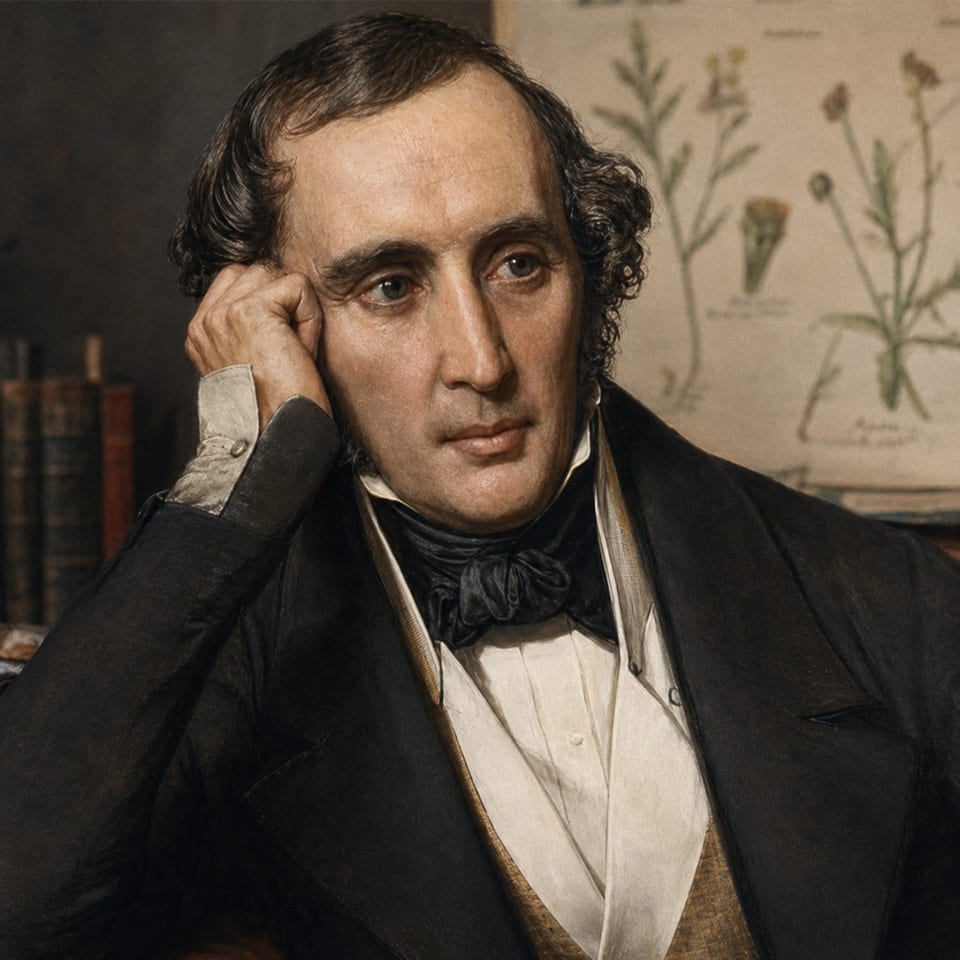
René Pierre Verneau was born in La Chapelle-sur-Loire in 1852. He died in Paris in 1938. A physician, anthropologist and prehistorian, he built a career within French scientific institutions and maintained a long association with the Canary Islands. His work brought together the examination of human remains, exploration of archaeological sites, the cataloguing of collections and publications about the Indigenous population. These activities produced valuable documentation for the history of archaeology in the islands, although his interpretations were shaped by the racial classifications of physical anthropology in his period.
He studied medicine at the University of Paris. The teaching of Paul Broca, Ernest-Théodore Hamy and Armand de Quatrefages directed his interests towards anthropology. In 1873 he became an anthropology preparator at the National Museum of Natural History in Paris, where he became a professor in 1909. He also served as curator and director of the ethnographic museum and held responsibilities in scientific societies and journals. Alongside these positions he continued to practise medicine, including municipal charitable care and medical service during the First World War.
A mission commissioned by the French Ministry of Public Instruction took him to the archipelago to investigate a supposed relationship between the ancient islanders and the Cro-Magnon type. He made six visits to the islands between 1876 and 1935. In 1884 he encountered El Museo Canario, founded five years earlier and directed by Gregorio Chil y Naranjo, which held important archaeological collections. His studies extended to burials, dwellings, rock engravings, clay figurines and stamps. In 1883 he published a monograph on the stamps, using the term pintaderas employed in Santa Lucía de Tirajana.
He explored and described sites on several islands. Some of these records became especially important when the places were altered or disappeared, as happened to the necropolis of La Isleta. He also studied material assembled by scientific societies. At El Museo Canario he organised and classified human remains, assembled evidence of bone disease and catalogued pottery and other Indigenous objects. His donations of publications, correspondence, lectures and research helped connect the museum with scientific institutions elsewhere in Europe.
The institution appointed him honorary director in 1926. In the same year, the Las Palmas de Gran Canaria city council agreed to name a street after him and recognise him as an adopted son of Gran Canaria. In 1932 the museum gave his name to its physical anthropology rooms. His book Five Years in the Canary Islands also contained observations on the islands’ society, economy and culture. Assessing his legacy requires distinguishing those descriptions and catalogues from the racial hypotheses through which he attempted to explain the past. The proposed close relationship with Palaeolithic Europeans belongs to an interpretation that the museum itself identifies as mistaken, rather than an established explanation of the origins of the Indigenous population.