

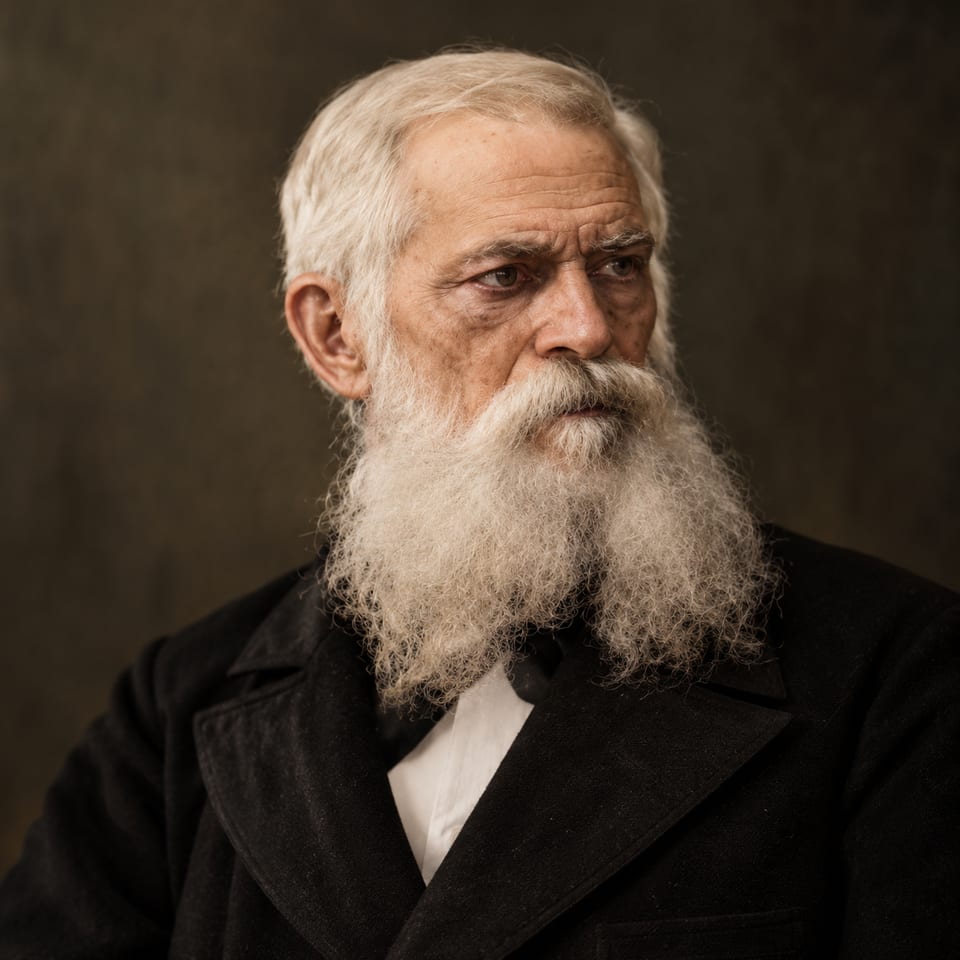
ContemporaryScience19th CenturyFirst president of El Museo Canario
Physician and writer
Physician and memoirist from Las Palmas de Gran Canaria, a co-founder and the first president of El Museo Canario.
Physician and writer · 1803–1896
Physician and writer
Physician and memoirist from Las Palmas de Gran Canaria, a co-founder and the first president of El Museo Canario.
Domingo José Navarro y Pastrana was born in Las Palmas de Gran Canaria on 20 September 1803. He died in the same city on 25 December 1896. A physician by profession and an author of memoirs, he combined medical practice with involvement in educational and cultural institutions. His association with El Museo Canario began at its foundation: he was one of its promoters and became the society’s first president, remaining in office until his death.
He trained in medicine at the University of Barcelona and practised in Las Palmas. During the cholera epidemic of 1851, he cared for the population of Gran Canaria. The introductory commentary to the edition of his memoirs published by El Museo Canario recalls his medical work during that public health crisis. This aspect of his career is an essential part of his biography alongside his cultural offices and writing: his contribution to the city also took the practical form of treating its inhabitants.
Navarro helped establish the Gabinete Literario of Las Palmas and the Colegio de San Agustín, an educational institution promoted by that association. His involvement in these projects accompanied his work as a doctor and demonstrates his participation in the city’s educational life. In 1850 he was elected an honorary member of the Real Academia Canaria de Bellas Artes de San Miguel Arcángel. The academy’s biographical account records his training, institutional activities and work as a memoirist.
In 1879 he took part in founding El Museo Canario and served as its president for the next seventeen years. His presidency thus belongs to the society’s earliest period and ended in 1896. His involvement in the Gabinete, the school and the museum provides three distinct settings in which to understand his public activity: a cultural association, an educational project and an institution devoted to studying Canarian heritage. These were individual initiatives with different purposes, rather than a single interchangeable set of honorary offices.
In 1895 he published Recuerdos de un noventón. Memorias de lo que fue la ciudad de Las Palmas al principio del siglo y de los usos y costumbres de sus habitantes. The book recalls the early nineteenth-century city through the memories of a writer who had lived through its changes. It focuses on urban life and the customs of the inhabitants, using personal recollection as its form. Reading it as a memoir helps distinguish the narrator’s perspective from an impersonal record of events. Navarro’s legacy therefore brings together medical practice, the establishment of institutions and a written testimony about the society of Las Palmas.
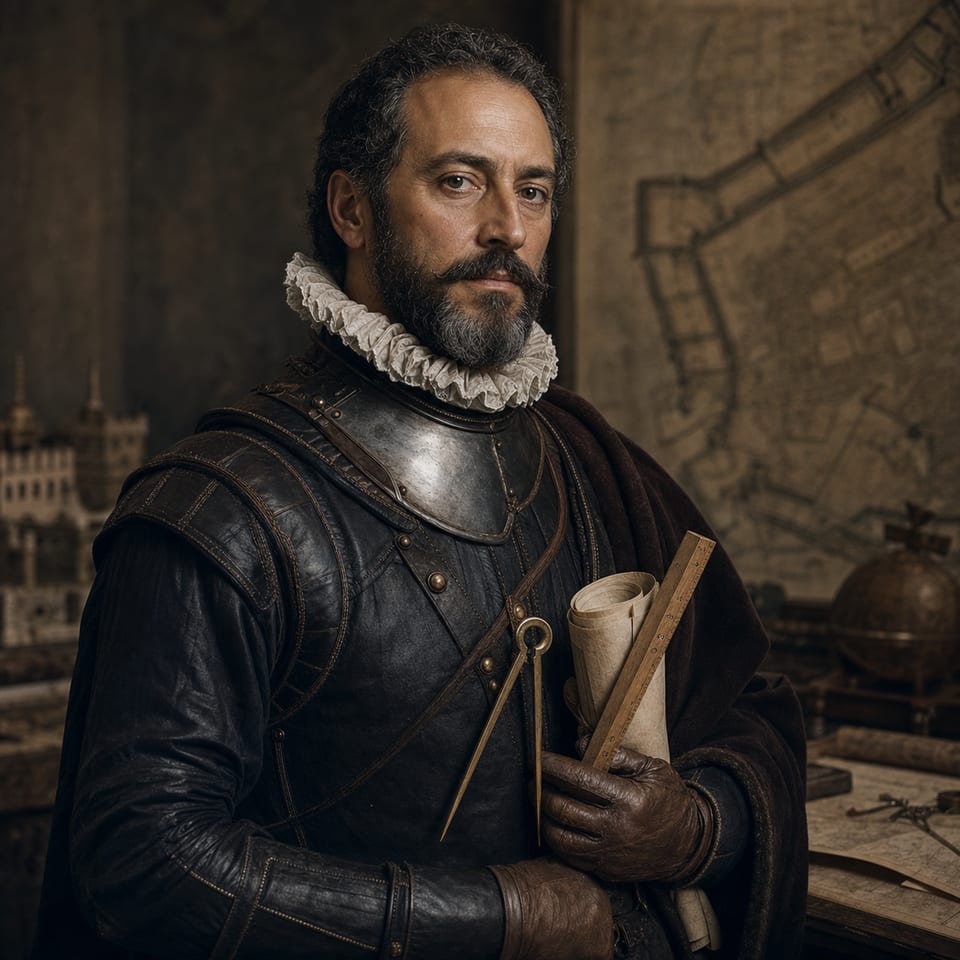
Military engineer
1565 - 1647
Meet figures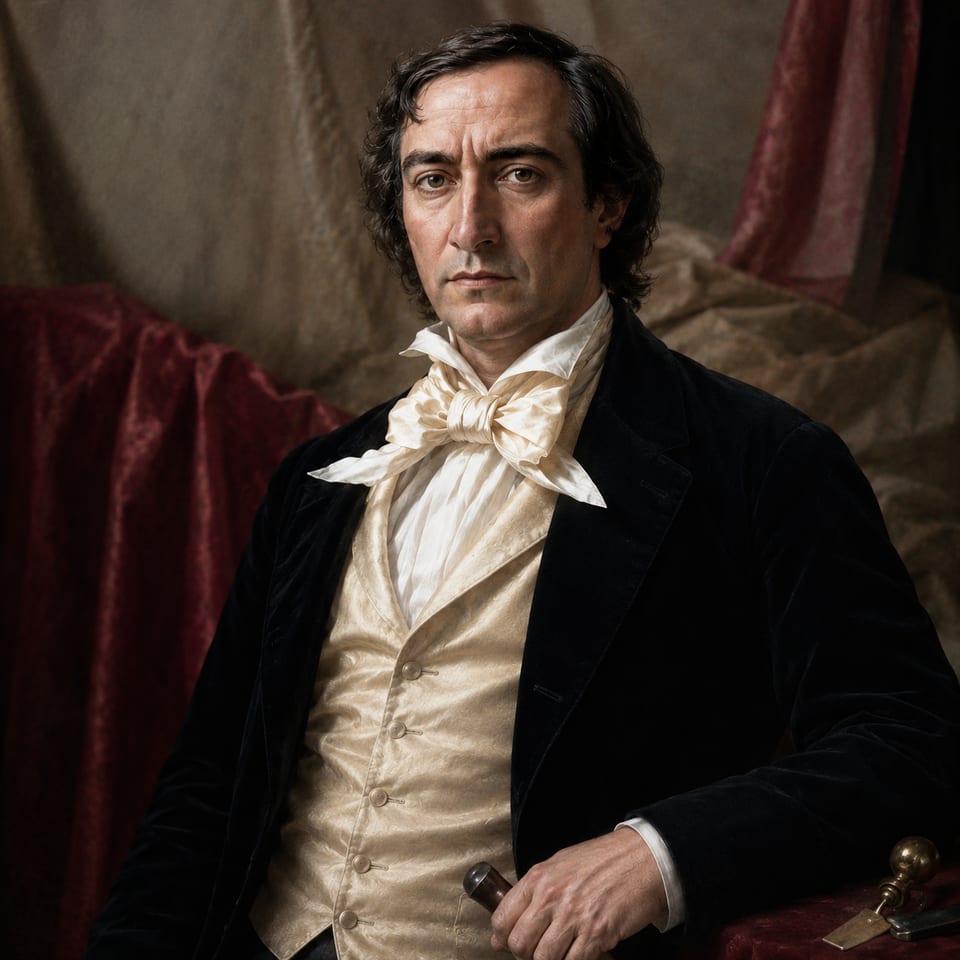
Sculptor and architect
1756 - 1815
Meet figures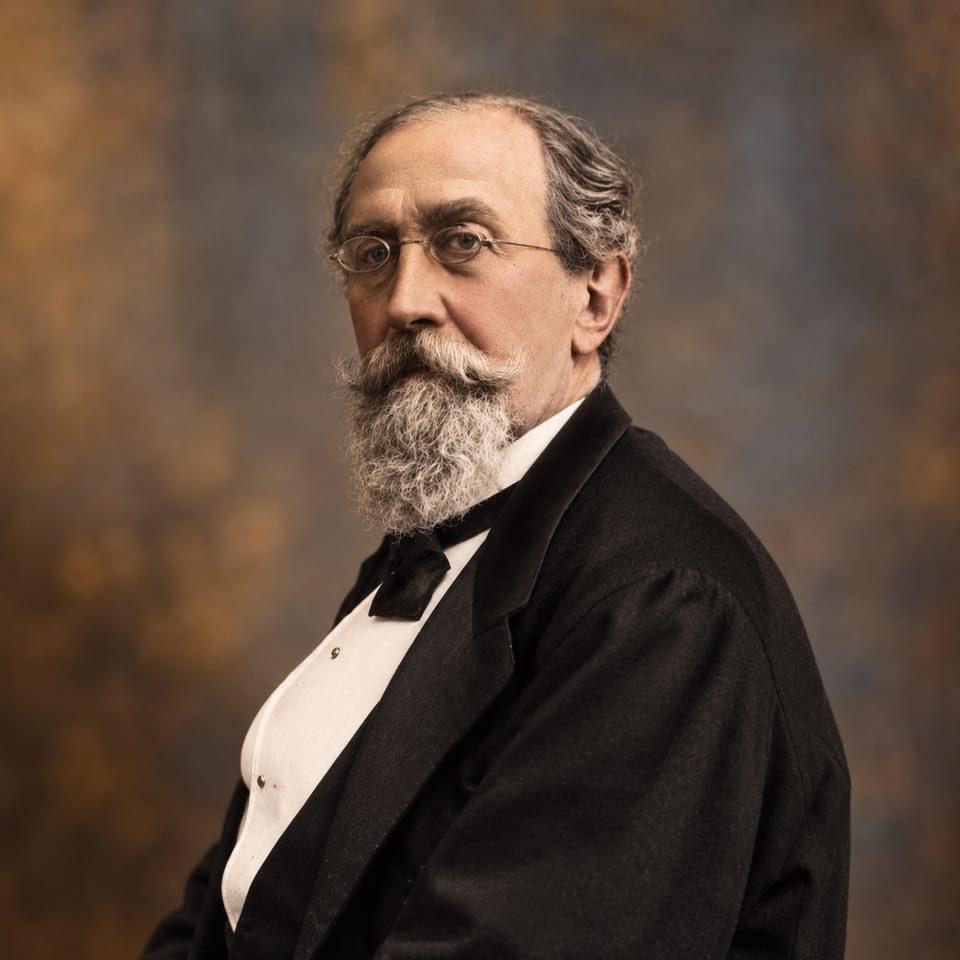
Painter and architectural designer
1812 - 1880
Meet figuresLawyer, teacher and essayist
1821
Meet figures