ContemporaryCulture19th CenturyThought and education

Lawyer, teacher and essayist

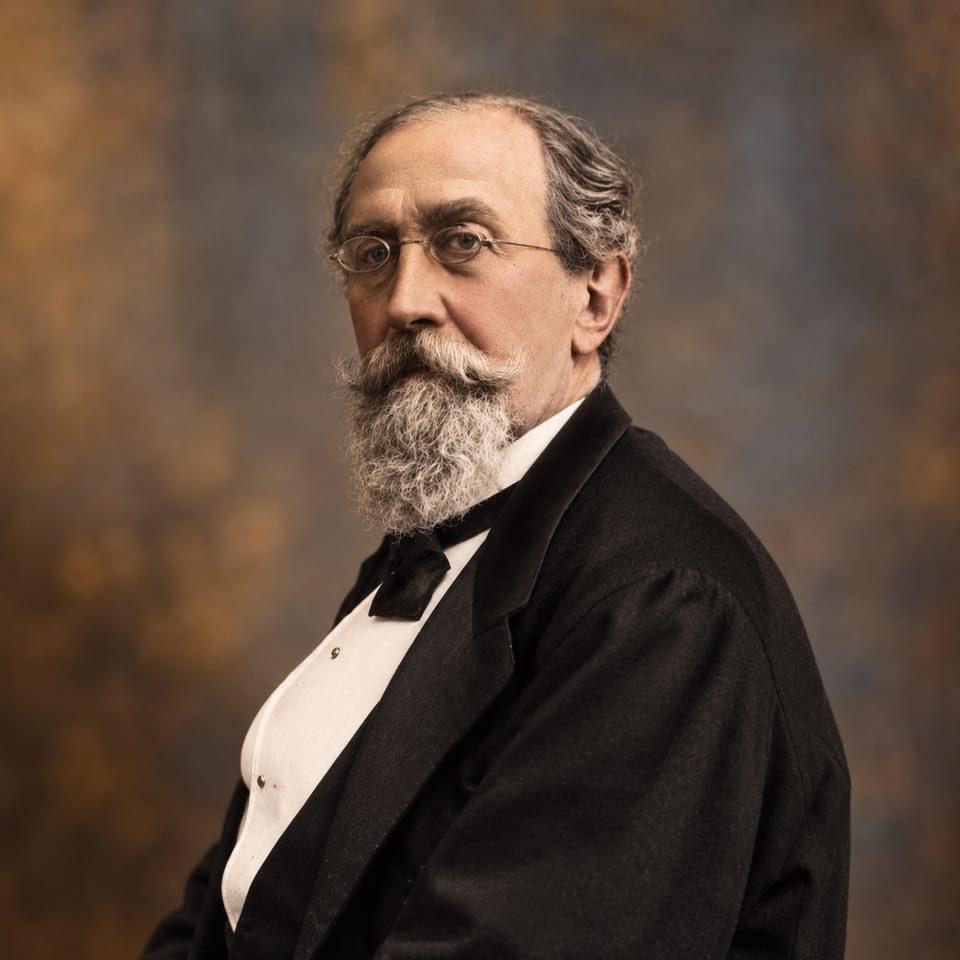
Teacher of Psychology, Logic and Ethics and author of essays on the origins of living beings. His role in the Darwinian controversy combined opposition to transformism with criticism of clericalism.
Early life

Rafael Lorenzo y García was born in Las Palmas on 19 August 1821. He was a lawyer, teacher and author of philosophical essays. His career belongs to the intellectual life of nineteenth-century Gran Canaria and its debates about education, science and religion. He also participated in the foundation of El Museo Canario. His birth date is recorded by Juan Francisco Martín del Castillo, drawing on Isaac de Viera’s Vidas ajenas. The sources consulted do not establish a date for his death.

Historical role

His teaching is documented in the reports of the Instituto de Segunda Enseñanza de Las Palmas. For the academic year 1869–1870 he appears as the teacher responsible for Psychology, Logic and Ethics, using texts by Monlau Rey and Heredia. In that same year he published a Programa de las lecciones de Filosofía, followed by an expanded second edition in 1871. Martín del Castillo’s study again identifies his name in the report for 1873–1874. These records provide specific points in his teaching career, rather than a complete chronology of his employment.

In 1876 he published Estudios filosóficos sobre la especificación de los seres. The following year saw the publication of Estudios filosóficos sobre el origen y formación de los seres vivientes. Both works belong to the Canarian controversy over Darwinism. Lorenzo opposed transformism and defended his own explanation for the origins of living beings. Historical scholarship examines his use of faith, reason, experience and science, together with the importance he attached to defining terms before developing his arguments. His work was that of an essayist and teacher; these publications do not establish a career in experimental natural science.

His rejection of Darwinism coexisted with an anticlerical position. In his Estudios he challenged criticisms expressed through El Gólgota and defended the value of rational and scientific knowledge against religious authority. Historical scholarship connects him with Krausism and notes that he maintained a reasoned faith. Opposition to transformism therefore did not automatically place him in the same intellectual camp as his clerical adversaries. This combination of positions is one of the features that accounts for the historical interest of his writings.

Legacy

The history of the College of Lawyers documents another aspect of his activity. He contributed to El Foro Canario on patriotism, emigration and the death penalty, and was among the fourteen lawyers who refused to handle ordinary business before the judge José Muñoz Gaviria while continuing to intervene in urgent cases. His biography consequently brings together legal practice, teaching and participation in public debates. Membership of the group that founded the museum accompanies these contributions, but does not replace the evidence of his own professional and intellectual work.

Sources and verification