Painter and architectural designer
A painter, teacher and architectural designer who helped transform Las Palmas de Gran Canaria and participated in the founding of El Museo Canario.
Painter and architectural designer · 1812–1880

Painter and architectural designer
A painter, teacher and architectural designer who helped transform Las Palmas de Gran Canaria and participated in the founding of El Museo Canario.
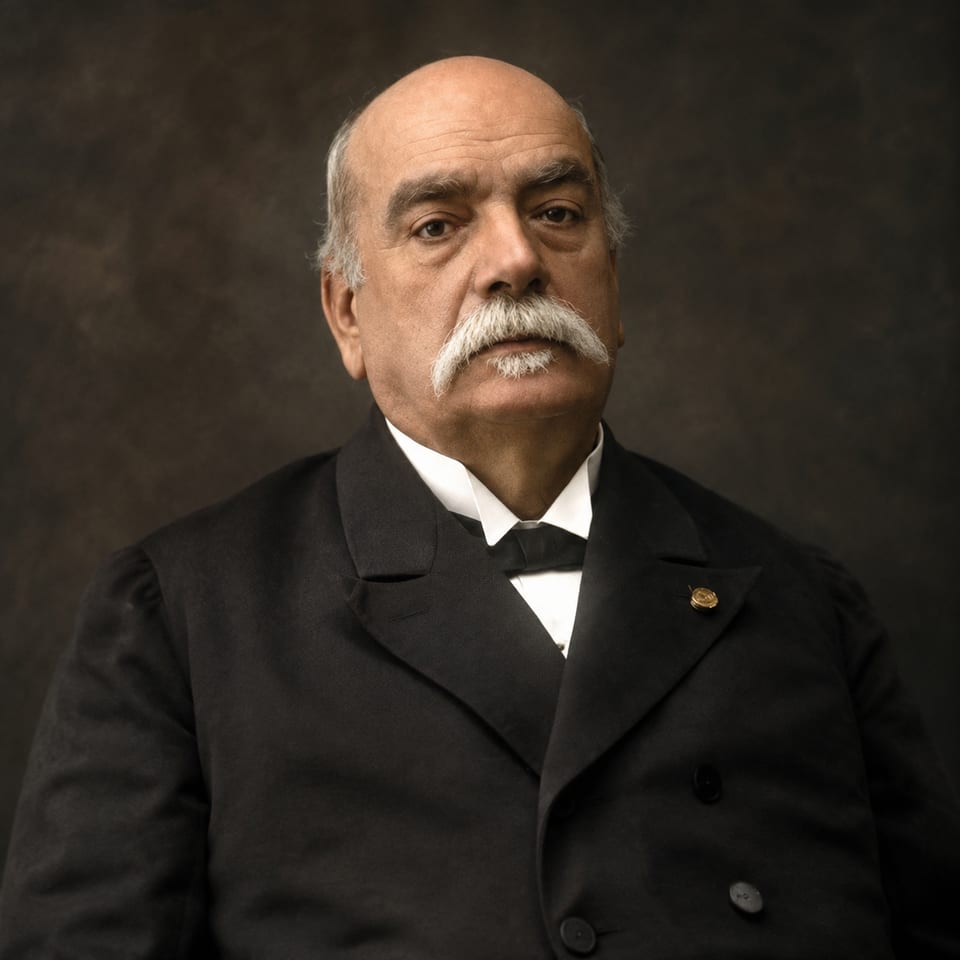
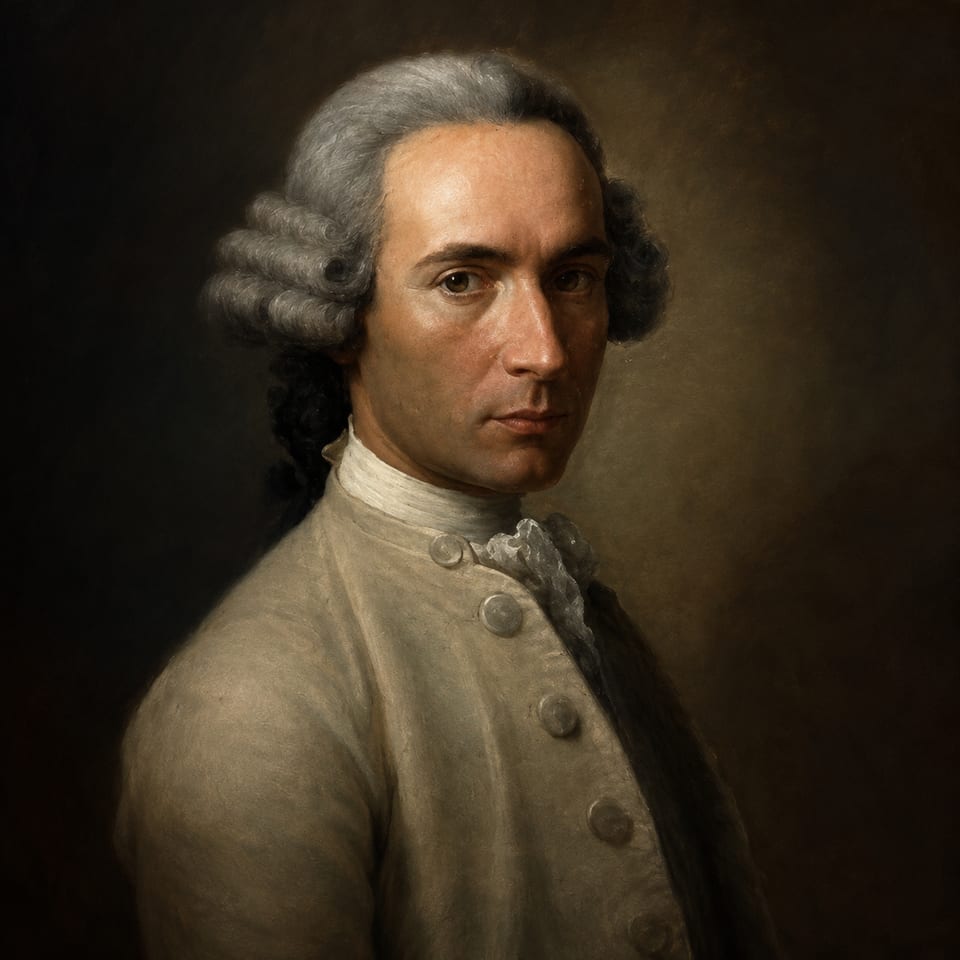
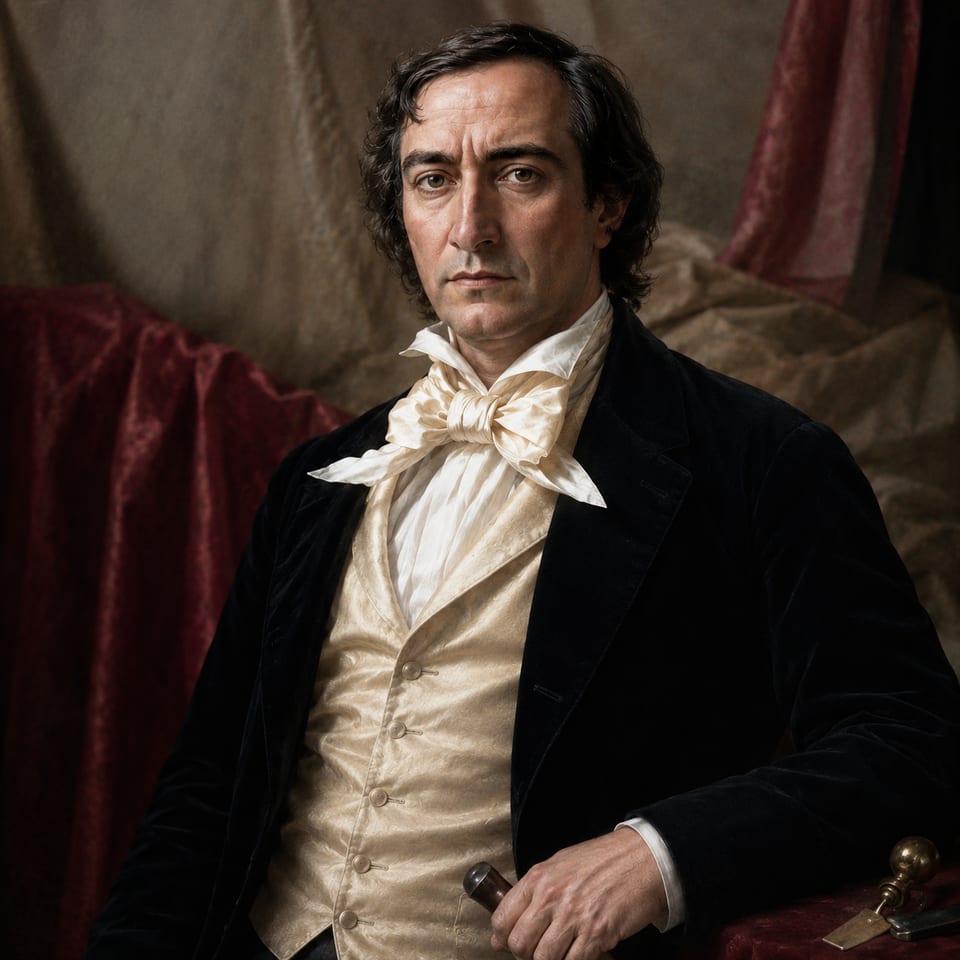
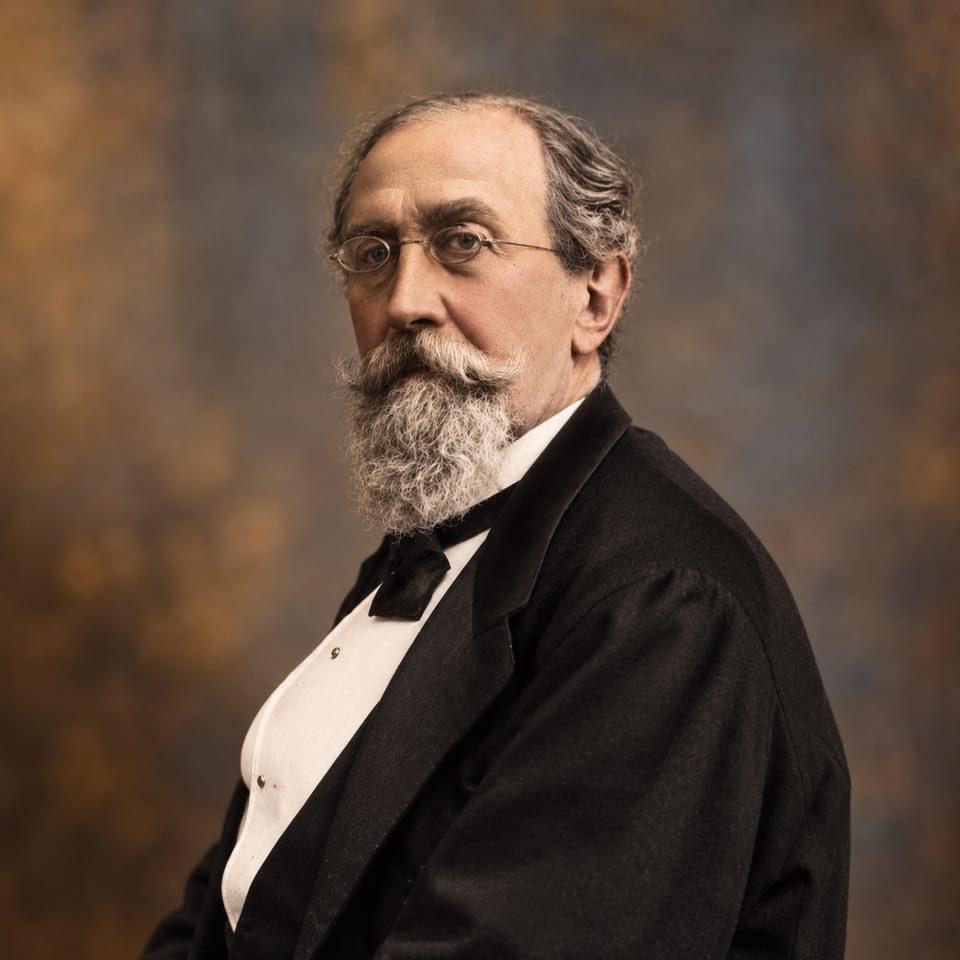
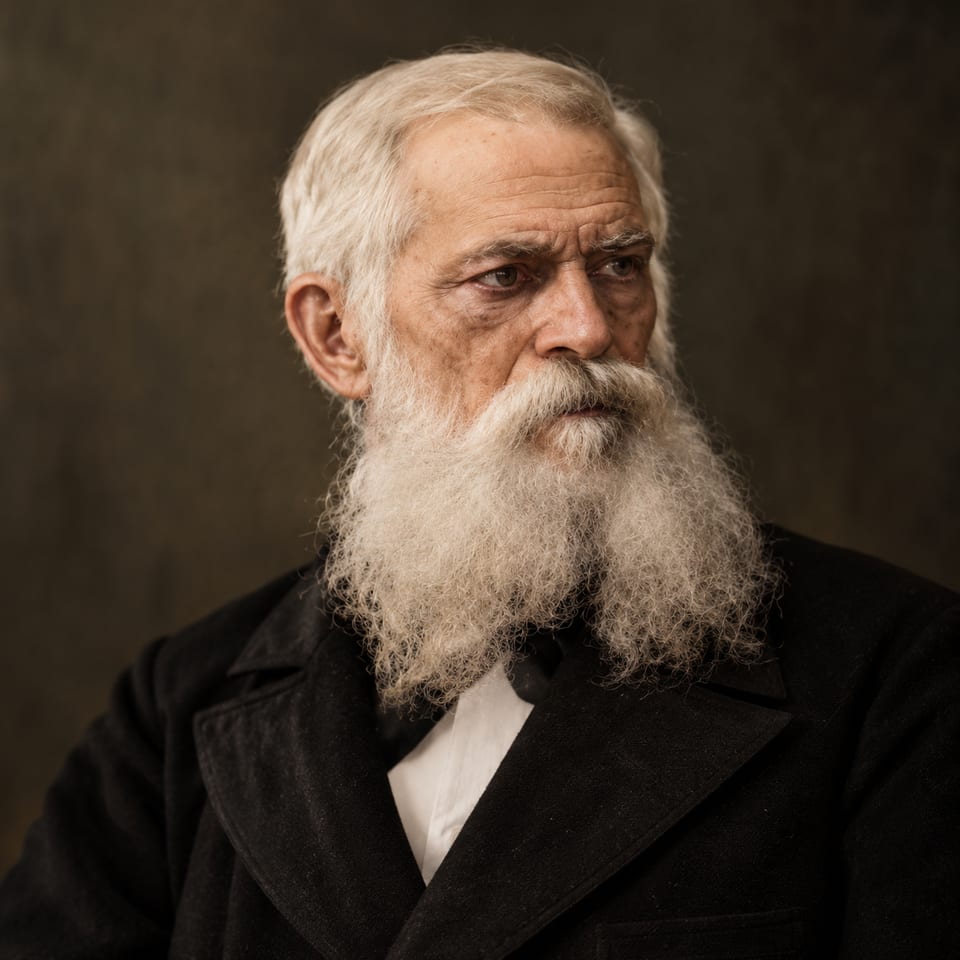
Manuel Ponce de León y Falcón was born in Las Palmas de Gran Canaria on 7 December 1812. He died in his native city in 1880. A painter, drawing teacher and architectural designer, he pursued work that connected artistic production with urban transformation and Gran Canaria’s cultural life. His portraits preserved the appearance of figures in nineteenth-century island society, while his designs helped shape buildings, monuments and public spaces in Vegueta and Triana.
His training began in Las Palmas with drawing and painting lessons from Silvestre Bello. He subsequently studied at the San Fernando Academy in Madrid, where José and Federico de Madrazo influenced his development. He copied works at the Prado Museum and practised portrait painting. After returning to Gran Canaria, he received the appointment of honorary court painter to Isabella II in 1848. He was elected to the Royal Canarian Academy of Fine Arts in 1850, but did not take possession of his seat and became a supernumerary member in 1851. In 1866 he became a corresponding member of San Fernando.
He taught drawing and painting at the San Agustín school and in academies associated with the Gabinete Literario, El Liceo and the Economic Society of Friends of the Country. He wrote a method for learning drawing and participated in organising art exhibitions. His painting included portraits, religious subjects and still lifes, alongside copies of other works. The people he portrayed provide a visual record of landowners, professionals and clergy who played a part in Gran Canaria’s social and cultural life.
His architectural design work encompassed public and private commissions, although he did not obtain an official qualification as an architect. He collaborated with the city council’s committee responsible for urban order and ornamentation and with religious institutions. His projects included the Espíritu Santo fountain, designed in 1867, the municipal fish market of 1870, and work at the city hall and around Plaza de Santa Ana. He designed houses, funerary monuments and elements of religious buildings, combining classical, Romantic and eclectic references. He also contributed to the temporary decorations of celebrations such as Corpus Christi.
He participated in the founding of El Museo Canario in 1879, supported by his friendship with Gregorio Chil and his interest in art, heritage and natural sciences. His membership of its first governing board was brief because he died the following year. The museum preserves plans and elevations of the fish market and a portrait of Domingo José Navarro painted between 1858 and 1860. In 1880 it acquired part of his private natural history and firearms collections. This connection helps explain a legacy extending beyond painting: his work linked art education, collecting and the construction of the urban appearance of Las Palmas.