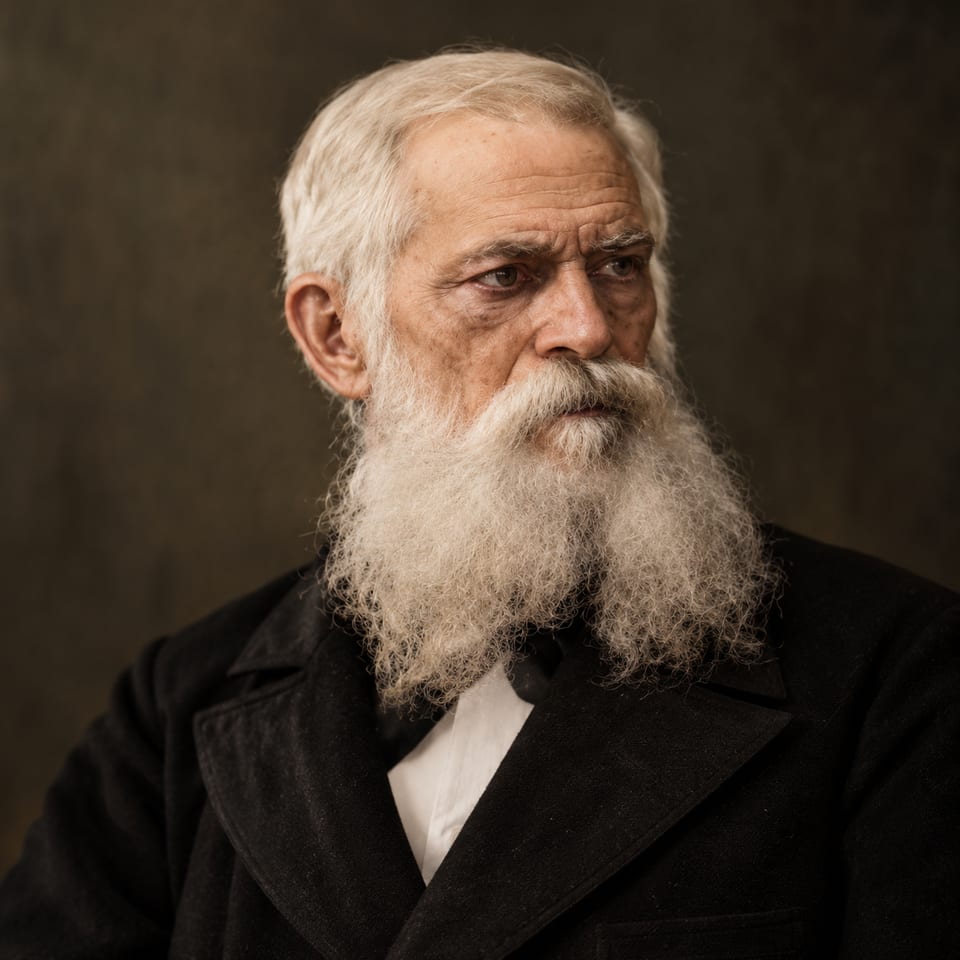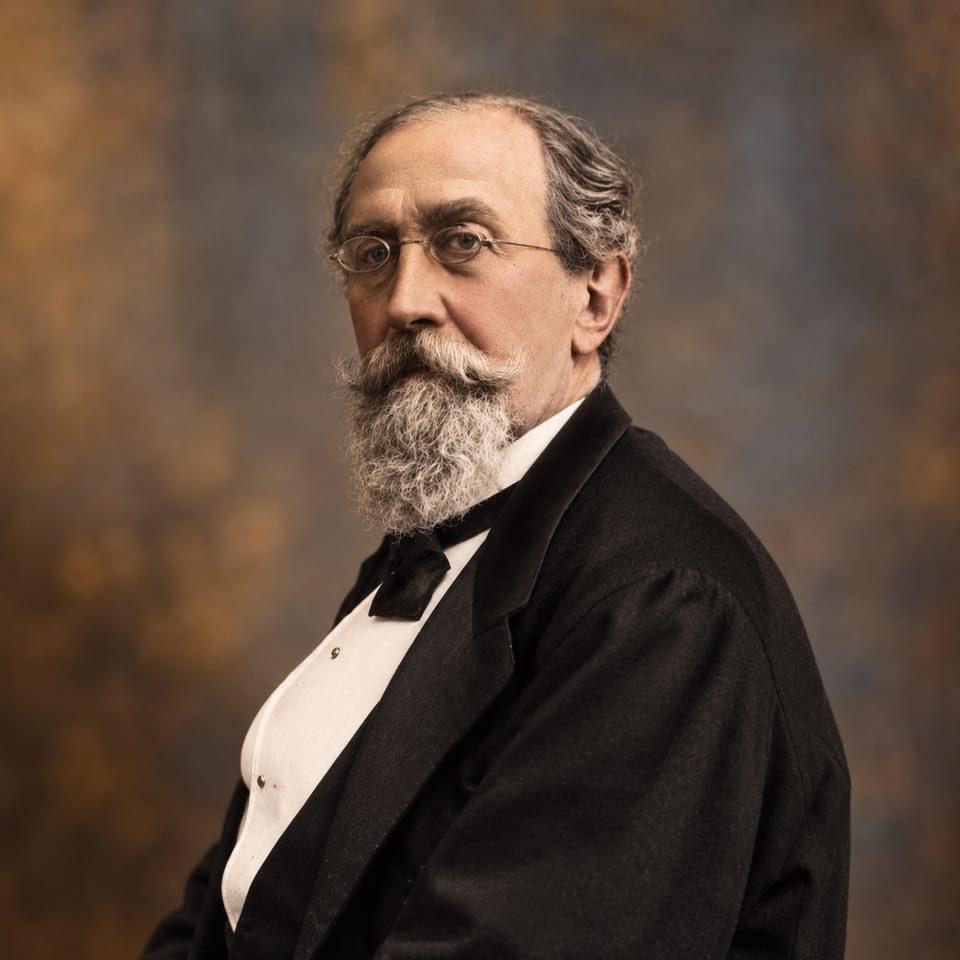
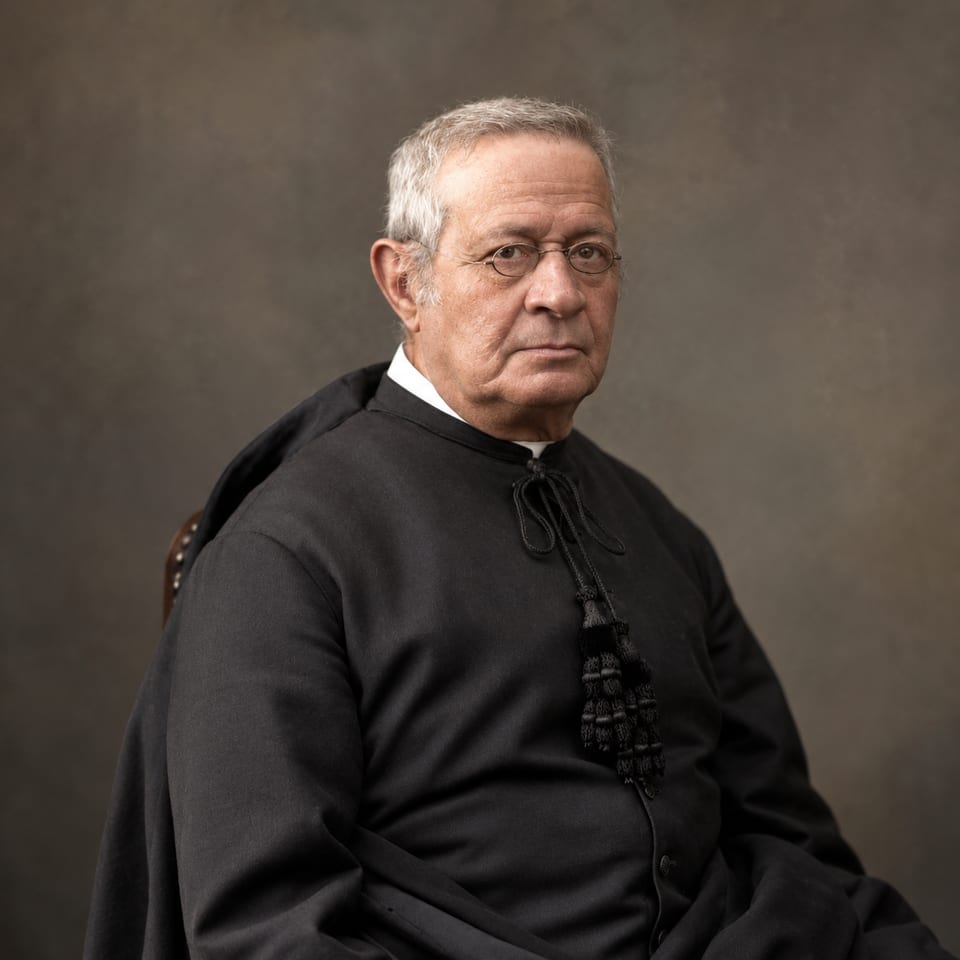
Teófilo Martínez de Escobar y Luján
ContemporaryCulture19th CenturyPhilosophy and Atlantic education

Priest, philosopher and teacher

A professor in Havana and president of El Museo Canario, he participated in Cuban philosophical debates and preserved early writings by his pupil Benito Pérez Galdós.
Early life

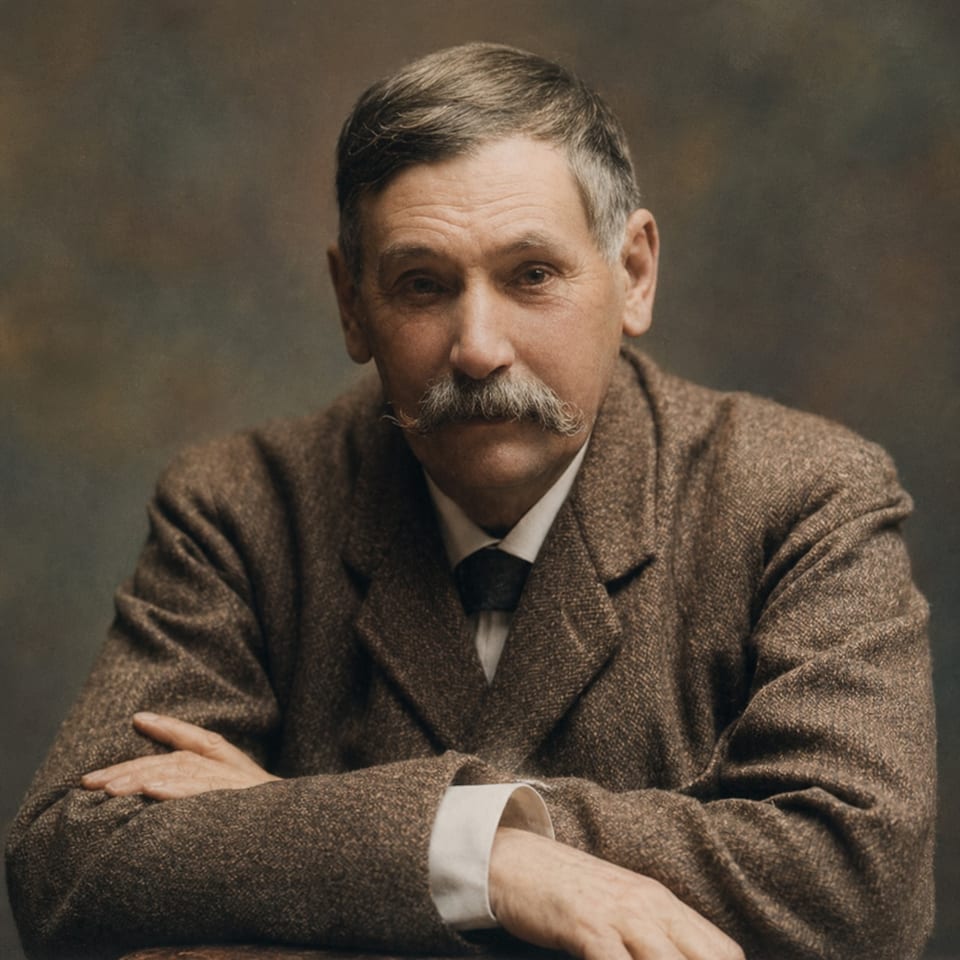
Teófilo Martínez de Escobar y Luján was born in Las Palmas de Gran Canaria on 26 October 1833. He died in the same city on 21 February 1912. A priest, philosopher and teacher, he pursued a career connecting the Canary Islands, Seville and Cuba. His cultural importance lies in university teaching, philosophical and educational debates in Havana, and his contribution to El Museo Canario. His parents were the lawyer and poet Bartolomé Martínez de Escobar and Francisca Luján, daughter of the sculptor José Luján Pérez.

Historical role

He studied philosophy, theology, canon law and Greek at the diocesan seminary in Las Palmas. Ordained on 19 April 1857, he served as an assistant parish priest in Teror. Between 1859 and 1862 he taught Latin and Greek at the Colegio de San Agustín. Benito Pérez Galdós was one of his pupils. Teacher and pupil planned a joint work, Un viaje de impresiones, whose manuscript entered the museum through Teófilo's donation in 1904.

He continued his studies at the University of Seville and obtained his doctorate in Philosophy in 1873. He also taught at the Colegio de San Fernando and participated in university teaching of Metaphysics. By 1874 he was in Cuba, authorised to undertake private teaching. In April 1875 he became interim professor of Metaphysics at the University of Havana, securing the permanent chair in December 1880. He later taught Aesthetics and the Critical History of Spanish Literature and temporarily served as dean of the faculty.

His thought was close to Krausism and opposed positivism. His inaugural lecture for the academic year beginning in 1879, known as Positivismo y lo Absoluto, prompted a controversy with Enrique José Varona. Their disagreement concerned the place of metaphysics, the foundation of morality, and the relationship between knowledge of phenomena and the idea of an absolute. The dispute places him within Cuban intellectual history, where university teaching also provided a setting for philosophical confrontation.

In 1879 he founded La Gran Antilla, a primary and secondary school in Havana. Its liberal Krausist orientation existed alongside a closeness to Spanish interests in colonial Cuba. Holding a university chair while directing the school led to an administrative dispute. He relinquished the directorship, remaining involved as proprietor and teacher. Ill health required several periods of leave and eventually led to retirement, granted in July 1891.

Legacy

From Cuba he supported the foundation of El Museo Canario as a corresponding member. He served as its president from 1896 to 1907, succeeding Domingo José Navarro. He donated his library and documents by Galdós, linking his educational career to the preservation of written heritage. His legacy combines the Atlantic circulation of ideas and educational projects with practical documentary conservation. He died at the family home in Calle López Botas, close to the institution he had presided over.

Sources and verification