ContemporaryLiterature19th CenturyWriting and Gran Canarian cultural life

Lawyer, poet and journalist

A poet, journalist and founder of El Museo Canario, he served as its first secretary. His articles, minutes and library contributed to Gran Canaria’s cultural record.
Early life

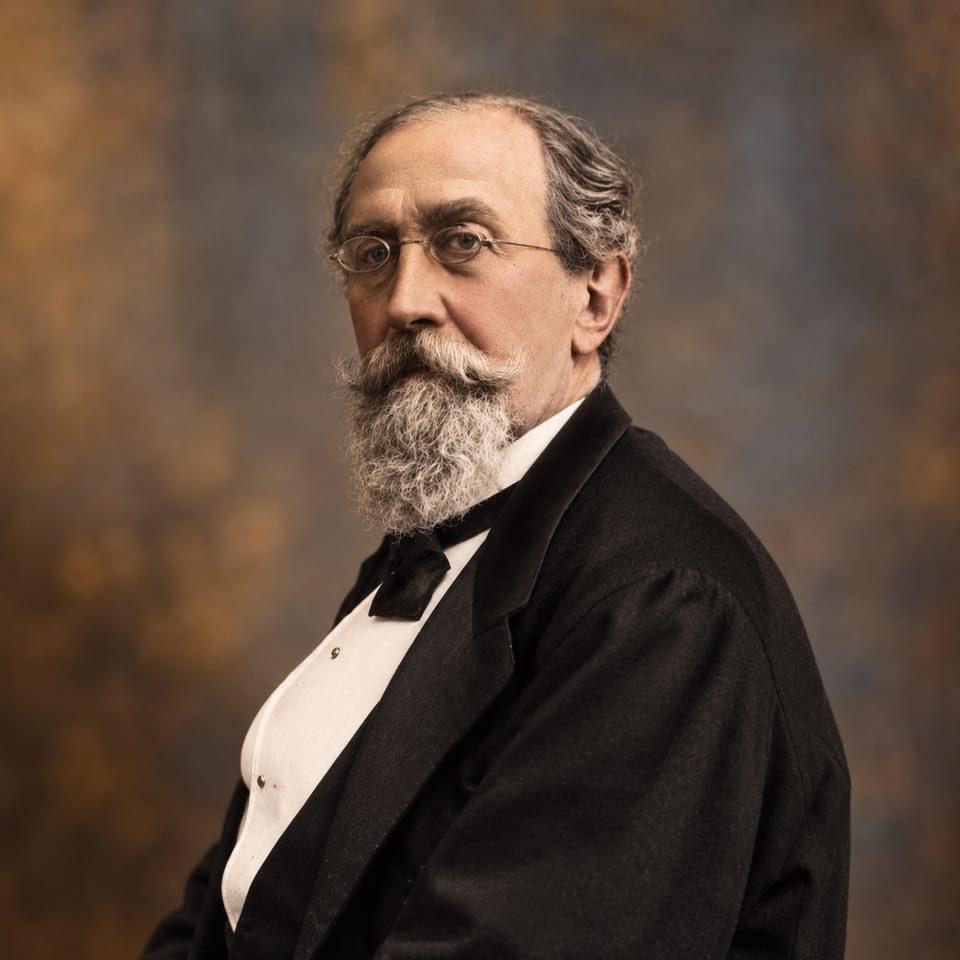
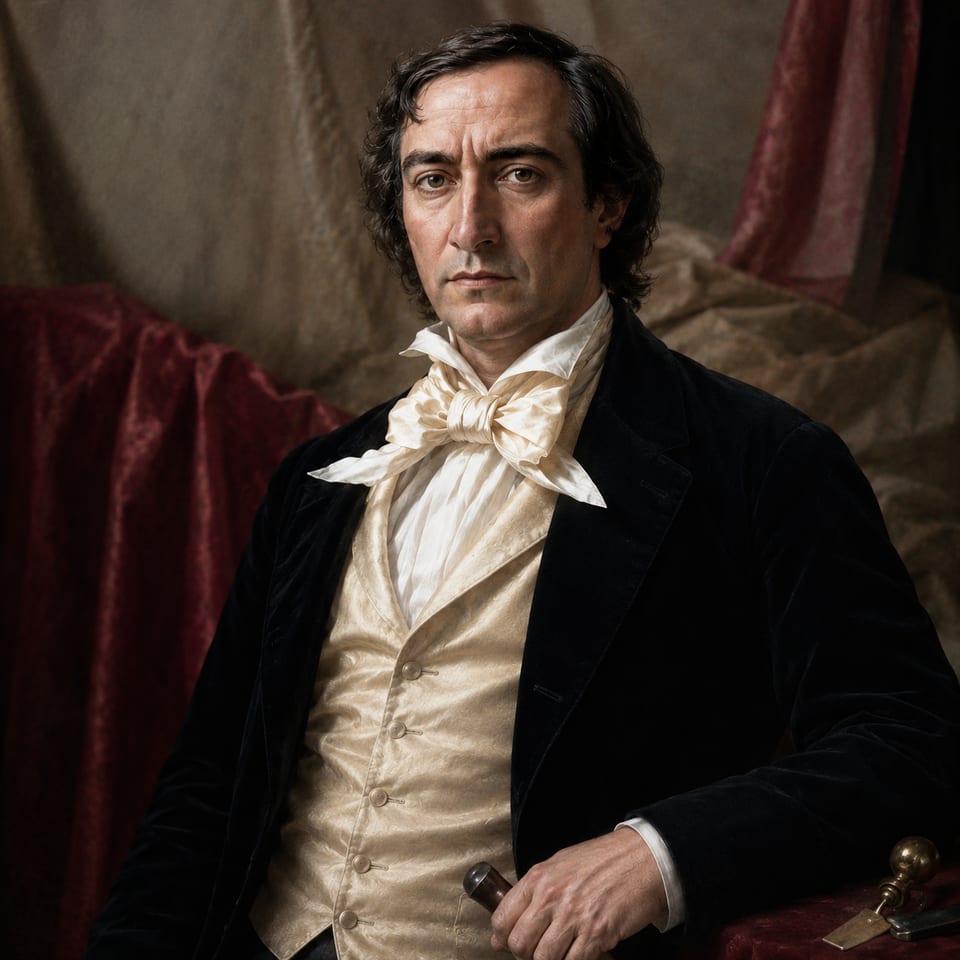
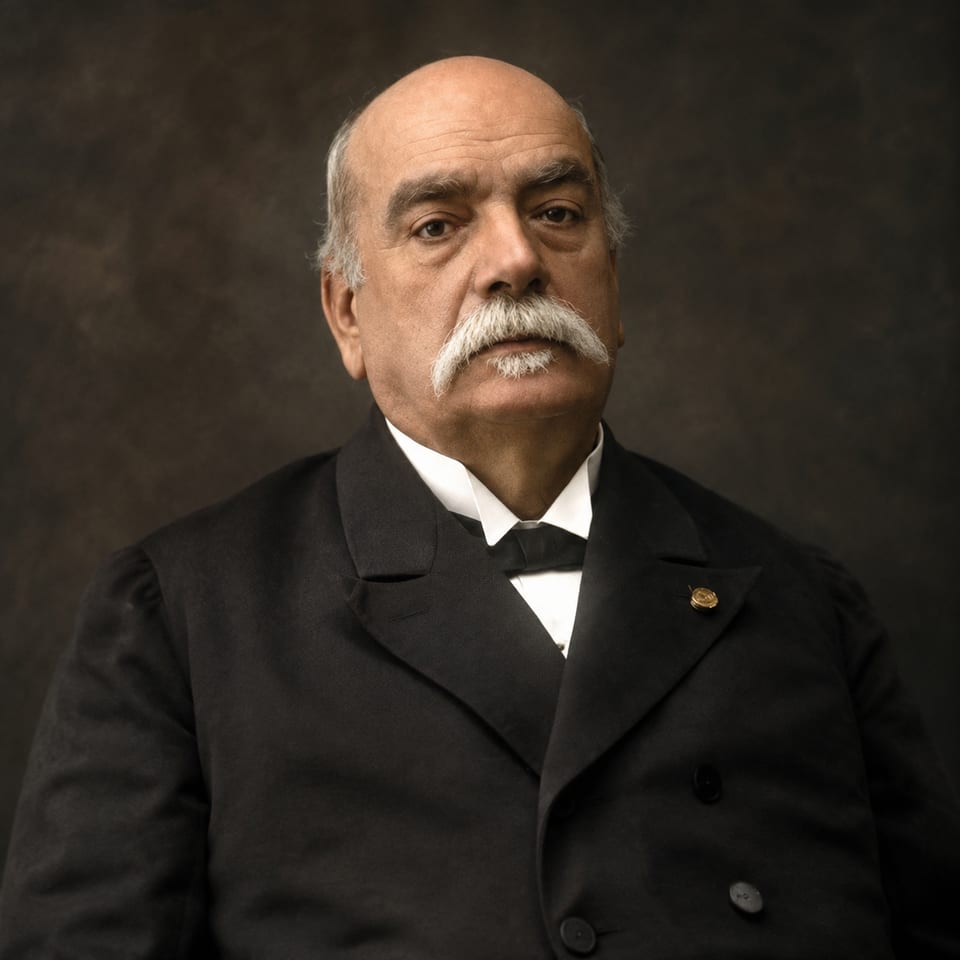
Amaranto Martínez de Escobar y Luján was born in Las Palmas de Gran Canaria on 23 April 1835. He died on 22 June 1912. A lawyer, poet and journalist, he participated in Gran Canaria's political and cultural life during the second half of the nineteenth century. His writing and his work as the first secretary of El Museo Canario helped preserve the record of that scientific society. His parents were the lawyer and poet Bartolomé Martínez de Escobar and Francisca Luján, daughter of the sculptor José Luján Pérez.

Historical role

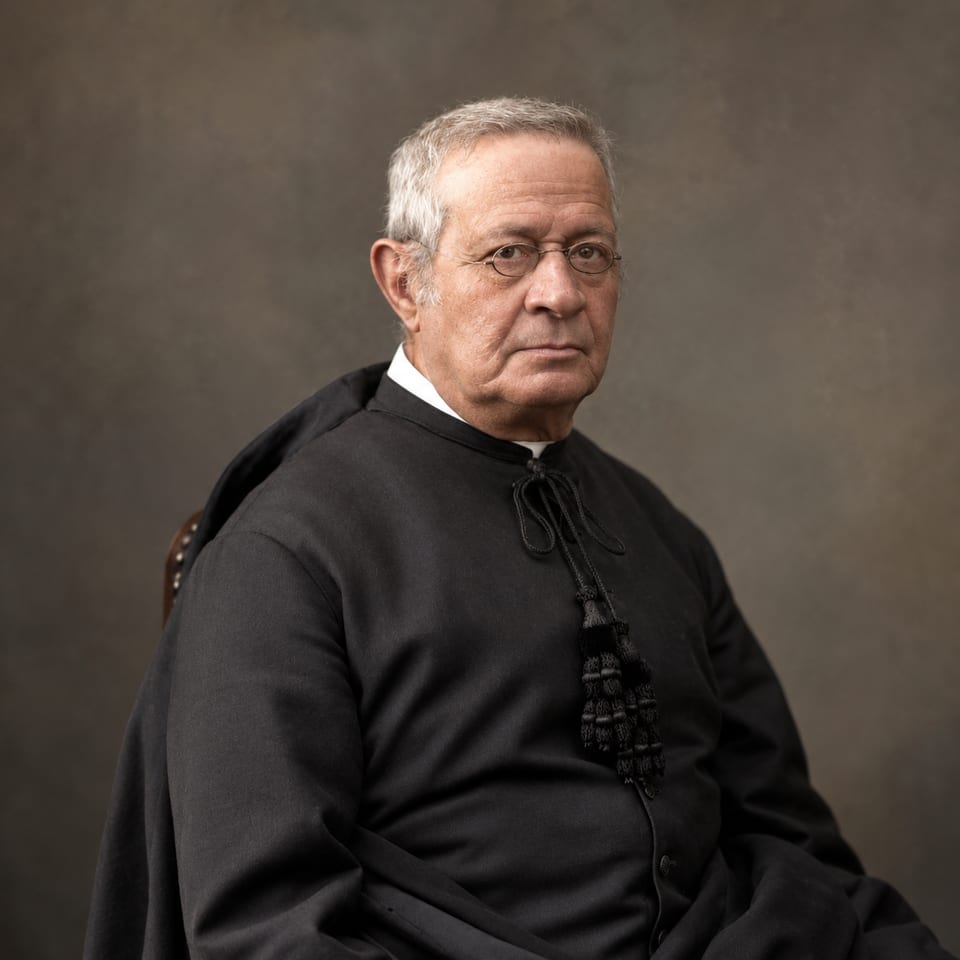
He studied at the University of Salamanca and obtained his degree in Civil and Canon Law at the University of La Laguna. He practised law in Las Palmas and married Eugenia Morello y Colonna, from Santa Cruz de Tenerife; they had no children. Literature, journalism and cultural associations developed alongside his legal profession. His brother Teófilo, a priest and university professor, shared the family's literary interests and its involvement in El Museo Canario.

He founded and directed the newspaper El País and contributed to publications in Las Palmas and Cuba. Newspapers carried much of his poetry, as well as articles that he often wrote under a pseudonym. His involvement in associations included the Sociedad Filarmónica, the Gabinete Literario and the Real Sociedad Económica de Amigos del País, which he directed. These activities brought writing together with civic initiatives and an interest in the cultural institutions of his native city.

His public involvement included the island presidency of the Republican Party and positions as a municipal councillor and secretary of the sub-governorship. He advocated dividing the Canary Islands into provinces as a response to inter-island rivalry. In 1892 he helped organise the Fiesta de las Flores, an exhibition bringing together agriculture, crafts, industry, trade and products from Gran Canarian municipalities. This undertaking connected public celebrations with the presentation of the island's resources and the work of its communities.

On 2 September 1879 he hosted the founding meeting of El Museo Canario at his home in Vegueta. Appointed permanent secretary, he retained that position until his death. He wrote the governing board's minutes, statutory reports and obituaries, and published numerous articles and poems in the institution's journal. He also assisted Gregorio Chil y Naranjo with his Estudios históricos. His contribution therefore encompassed administration, writing and the preservation of texts rather than an honorary association with the museum alone.

Legacy

He also practised painting and donated an oil portrait of Chil to the museum's library. For the institutional portrait gallery he offered a framed photograph of himself with a handwritten dedication. He also bequeathed his library. Las Canteras beach provided another setting for his literary interests: he celebrated it in verse and built a small villa with a garden where he spent extended periods. His legacy connects poetry and journalism with the documentary work that sustained the museum's everyday activity.

Sources and verification