Miguel Martín-Fernández de la Torre
ContemporaryArt19th CenturyCreator of the Canarian architectural style

Canarian architect

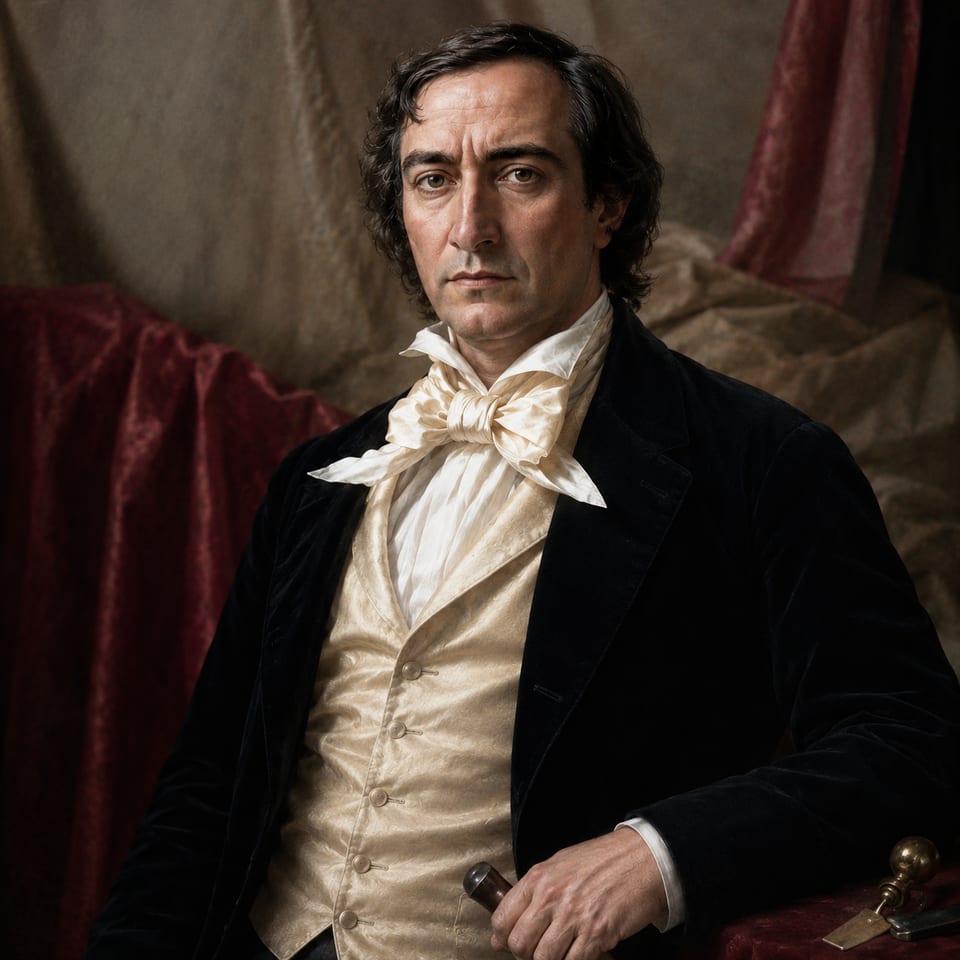
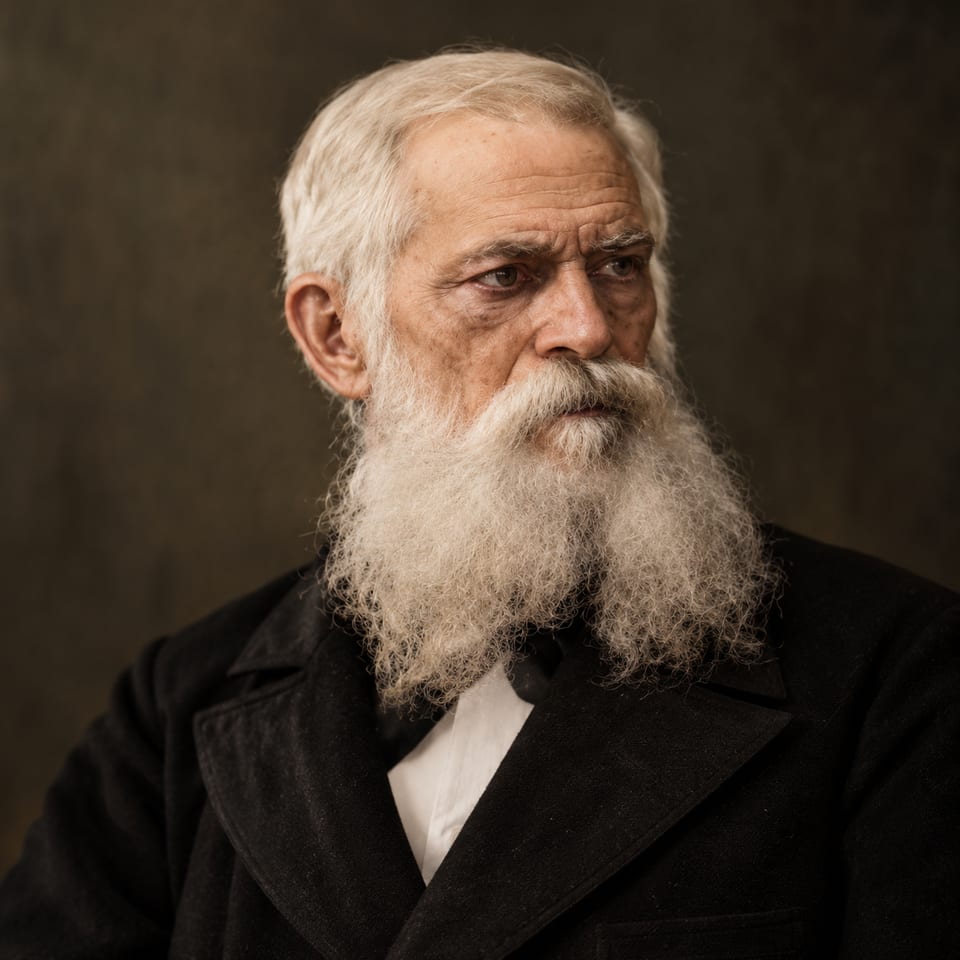
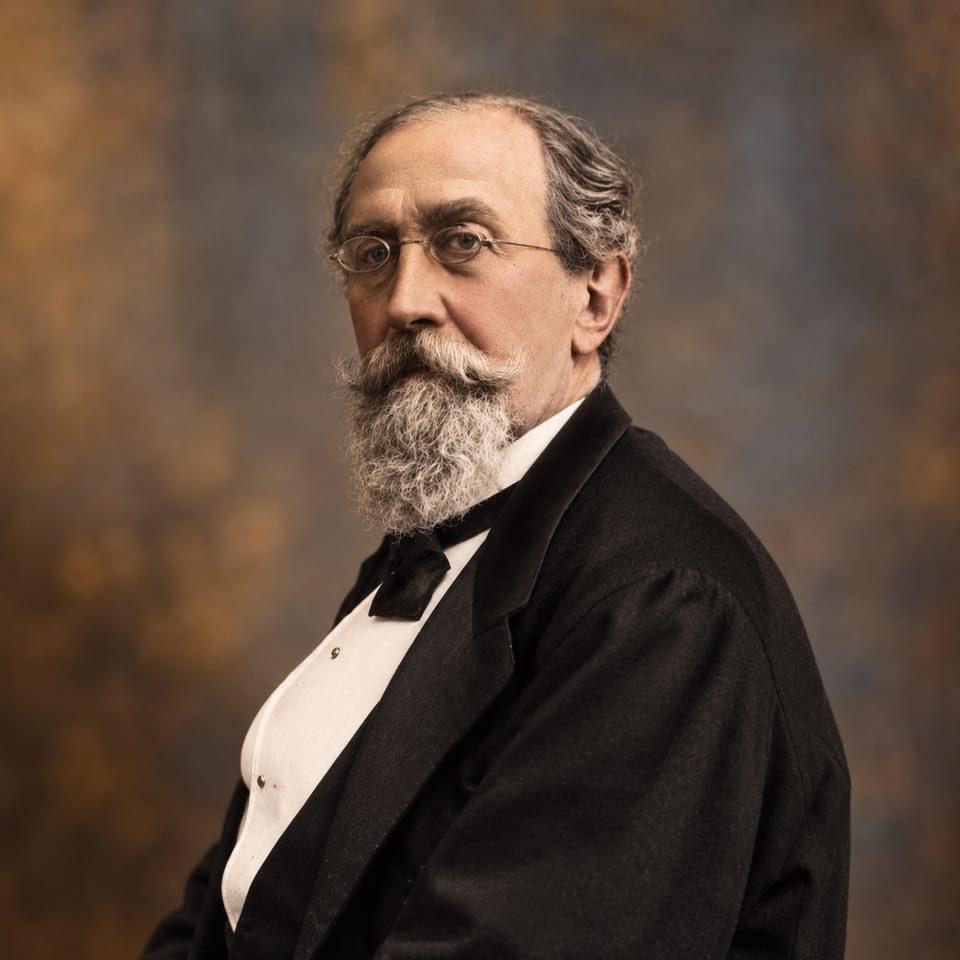
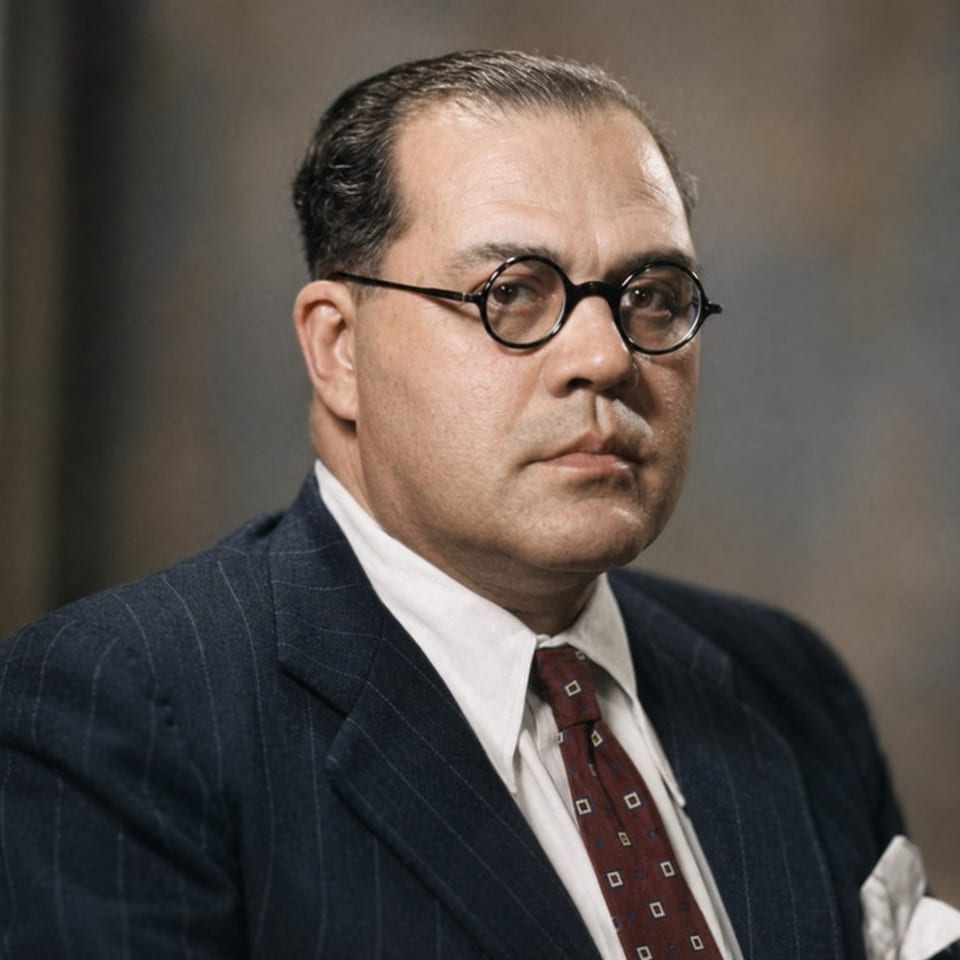
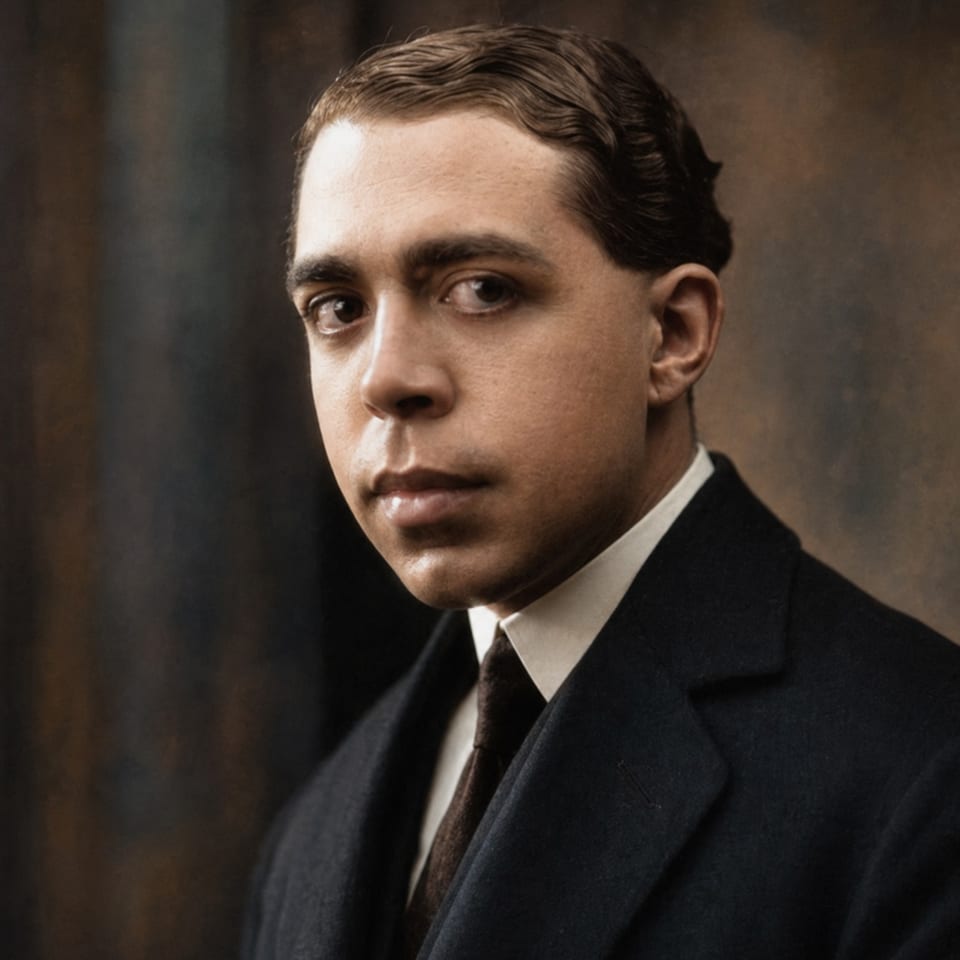
Miguel Martín-Fernández de la Torre (Las Palmas de Gran Canaria, 28 February 1894 – 15 January 1980) was the most influential Canarian architect of the twentieth century. Trained in Madrid, where he graduated in 1921, he brought together European rationalism and the Islands’ building tradition. Works such as the Hotel Santa Catalina, Mercado de Vegueta, Pabellón Fataga and Colonia I.COT defined the so-called Canarian style, a synthesis of modernity and vernacular forms. He also directed construction of the Pueblo Canario (1939–1950), respecting the sketches of his elder brother, the painter Néstor, and the Museo Néstor opened there in 1956.
Early life

Miguel Martín-Fernández de la Torre was born in Las Palmas de Gran Canaria on 28 February 1894. He died in the same city on 15 January 1980. He was the most influential Canarian architect of the twentieth century and the creator of an architecture that succeeded in blending European modernity with the vernacular building wisdom of the Islands. Younger brother of the painter Néstor Martín-Fernández de la Torre, he shared with him not only a family background but also the purpose of forging a modern visual identity for the Canary Islands.

Historical role

He studied architecture in Madrid and graduated in 1921. Back in Gran Canaria, his first significant commission was Casa Viscasillas (1923) on the Paseo de Madrid, originally conceived as a hotel and built with clear references to traditional Canarian architecture. Over the following decades he shaped an unavoidable urban and architectural legacy: Casa Guedes (1942), representative of post-war neo-Canarian architecture; Casa Armas (1943), echoing Mexican haciendas and California missions; Pabellón Fataga (1945) and Casa del Turismo (1945), both in Parque Santa Catalina; the rebuilding of the Hotel Santa Catalina (1952), which turned an old nineteenth-century wooden hotel into an opulent neo-Canarian complex crowned by octagonal towers; the Mercado de Vegueta; the Civil Government headquarters; the old Gando airport; the Mirador de Bandama, designed as a tourist viewpoint and converted during the Second World War into a disguised anti-aircraft observatory executed by Fermín Suárez Valido; and Colonia I.COT, considered a capital work of his modern trajectory. He also drew up an urban planning scheme for Las Palmas that guided the city’s growth for decades.

His most celebrated work, however, grew out of collaboration with his brother Néstor. After the 1918 fire destroyed Las Palmas’s Teatro Pérez Galdós, Miguel took charge of rebuilding the theatre while Néstor designed the interior decoration. They also worked together on the Parador de Cruz de Tejeda. When Néstor died in 1938, Miguel assumed direction of the Pueblo Canario (1939–1950), a monumental complex that realized the painter’s sketches and created a space dedicated to Canarian memory and art. In 1956 the museum honouring the painter opened at the heart of that complex, preserving his work and symbolizing the shared identity project of the two brothers.

Miguel defined what became known as the Canarian style, a balanced synthesis of European rationalism and island building tradition. His buildings combine functionality, clean lines and local materials, recognizable in stone walls, interior courtyards, tiled roofs and timber frameworks. Rather than merely historicist reproduction, his approach interpreted the past in order to solve contemporary problems of habitability, tourism and urban image.

Legacy

His legacy extends beyond the catalogue of built works. Many of his buildings have been listed and restored, and the Escuela Técnica Superior de Arquitectura in Las Palmas recognizes him as the founder of an island architectural tradition. Miguel Martín-Fernández de la Torre not only transformed the urban landscape of the Canary Islands but also gave the archipelago an architectural language of its own: modern, yet rooted in the land.

Timeline

  1. 1894Miguel Martín-Fernández de la Torre is born in Las Palmas de Gran Canaria.
  2. 1921Graduated in Architecture in Madrid and returned to Gran Canaria.
  3. 1939Took over direction of the Pueblo Canario construction after his brother Néstor's death.
  4. 1956Inaugurated the Museo Néstor within the Pueblo Canario, designed together with his brother.
  5. 1980Miguel Martín-Fernández de la Torre dies in Las Palmas de Gran Canaria.

Sources and verification