

ContemporaryLiterature19th CenturyCanarian fiction, theatre and speech
Writer, playwright and notary
Gran Canarian notary and writer who worked with his brother Luis on fiction, theatre and recording Canarian speech.
Writer, playwright and notary · 1863–1935
Writer, playwright and notary
Gran Canarian notary and writer who worked with his brother Luis on fiction, theatre and recording Canarian speech.
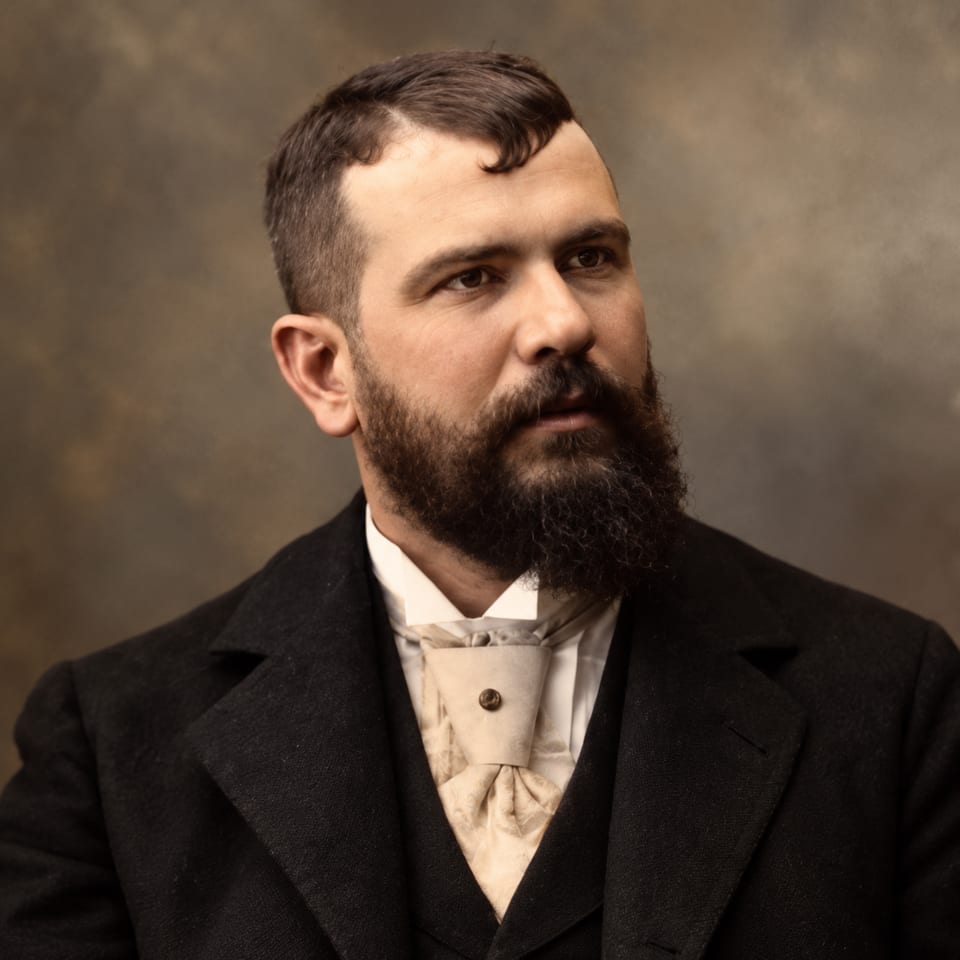
Agustín Millares Cubas was born in Las Palmas de Gran Canaria on 30 March 1863. He died in the same city on 8 October 1935. A writer, playwright and notary, he carried out much of his literary work in collaboration with his brother Luis. His father was the historian and musician Agustín Millares Torres. Although his biography belongs to a family closely associated with literature, it also includes an individual professional career in education and the legal sphere.
He attended the Colegio de San Agustín in Las Palmas before continuing his education in Barcelona, where he studied law and philosophy and letters. Returning to Gran Canaria in 1884, he taught rhetoric and philosophy at his former school. His legal appointments included municipal prosecutor, acting property registrar in Guía and acting court reporting officer at the Audiencia of Las Palmas. He also served as a naval legal adviser and a provincial deputy for Lanzarote. These responsibilities preceded or accompanied his work as a notary and distinguish his profession from medicine, which was practised by Luis.
In 1895 he took over the notarial post left by his father and held it until his death. Legal practice and literary writing were therefore simultaneous parts of his adult life. His children included the palaeographer Agustín Millares Carlo and the writer Juan Millares Carlo. These family connections help distinguish him from other authors sharing his given name, particularly his father and his son, whose field was palaeography rather than the same professional combination of law and literary creation.
With Luis, he published De la tierra canaria in 1894, beginning their joint literary career. Their collaboration encompassed short stories, novels and plays portraying island society and landscapes. In 1908 they established the Teatrillo de los Hermanos Millares, a meeting place for writers and artists. Works associated with their literary production include La herencia de Araus and Compañerito. Theatre was part of their participation in the cultural life of Las Palmas alongside writing and literary gatherings.
The brothers published the Léxico de Gran Canaria in 1924. After Luis’s death, Agustín expanded and reworked the collection as Cómo hablan los canarios, which appeared in 1932. His interest in everyday speech connected observation of local usage with the literary portrayal of Canarian society. The collection brought together words and expressions, with definitions and examples, and forms part of the early history of lexicographical studies of this variety of Spanish. His contribution thus combines legal practice, fiction and drama, and the recording of a linguistic heritage encountered in daily life.
Canon and poet
1538 - 1610
Meet figures
Sculptor and architect
1756 - 1815
Meet figures
Physician and writer
1803 - 1896
Meet figures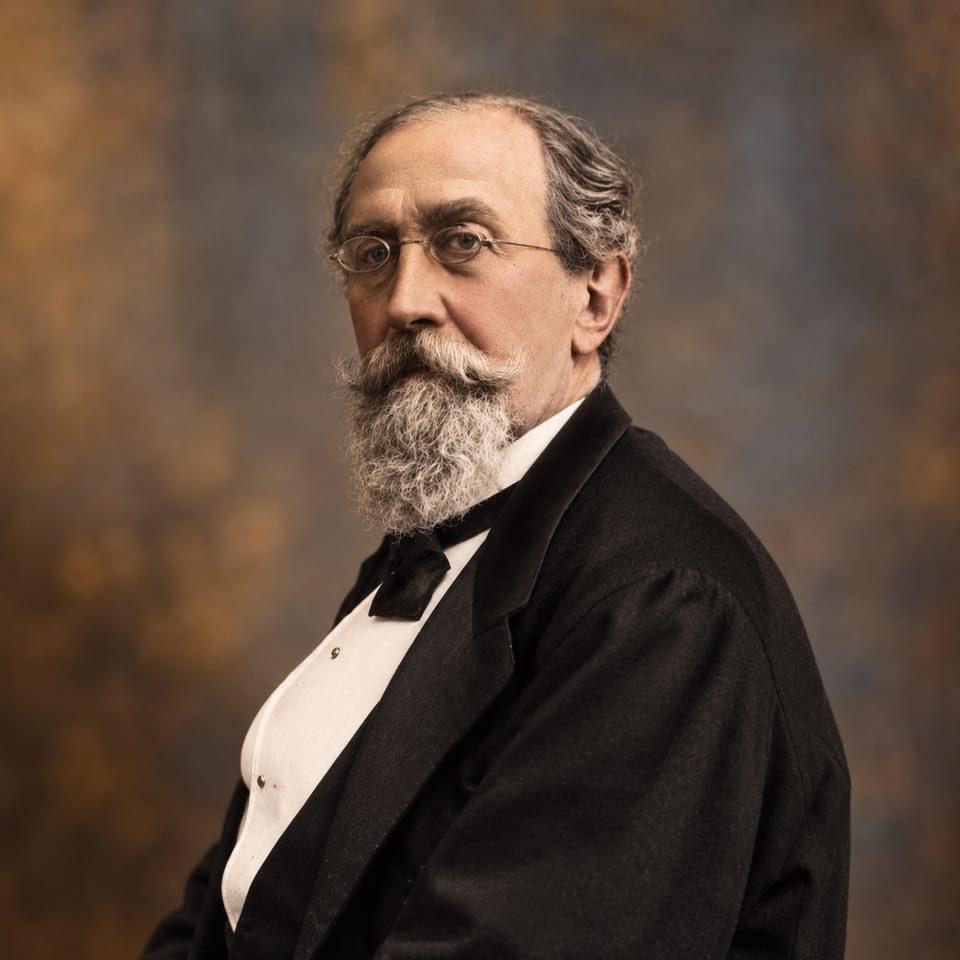
Painter and architectural designer
1812 - 1880
Meet figures