

Majo kings, conquering lords and cultural figures link the island to the wider processes of the archipelago.
Biographies linked with Fuerteventura show how wider Canarian processes take shape through concrete people: leaders, artists, religious figures, politicians, scientists or bearers of tradition.
Among its main reference points are Historic Betancuria, Pastoral tradition, Open coasts, which connect landscape, memory and everyday life. This section connects local memory with the project's general figures section.
Key points
Jean de Bethencourt
The Norman conqueror who subdued Fuerteventura in 1405 and became the founding lord of the permanent European presence on the island, with his seat at Betancuria.
Guize and Ayoze, majo kings
The last two indigenous kings of Fuerteventura were baptised voluntarily in Seville in 1404, an episode that symbolises the transition from the majo world to the colonial one.
Miguel de Unamuno
Exiled in 1924, the Basque philosopher wrote from Fuerteventura about the island's desolate landscape as a metaphor for exile and for the aridity of official Spanish thought.
Gadifer de La Salle
Bethencourt's companion in the conquest of the eastern islands; his travel accounts, gathered in Le Canarien, are a primary historical source on the majo world and the early conquest.
Figures linked with Fuerteventura
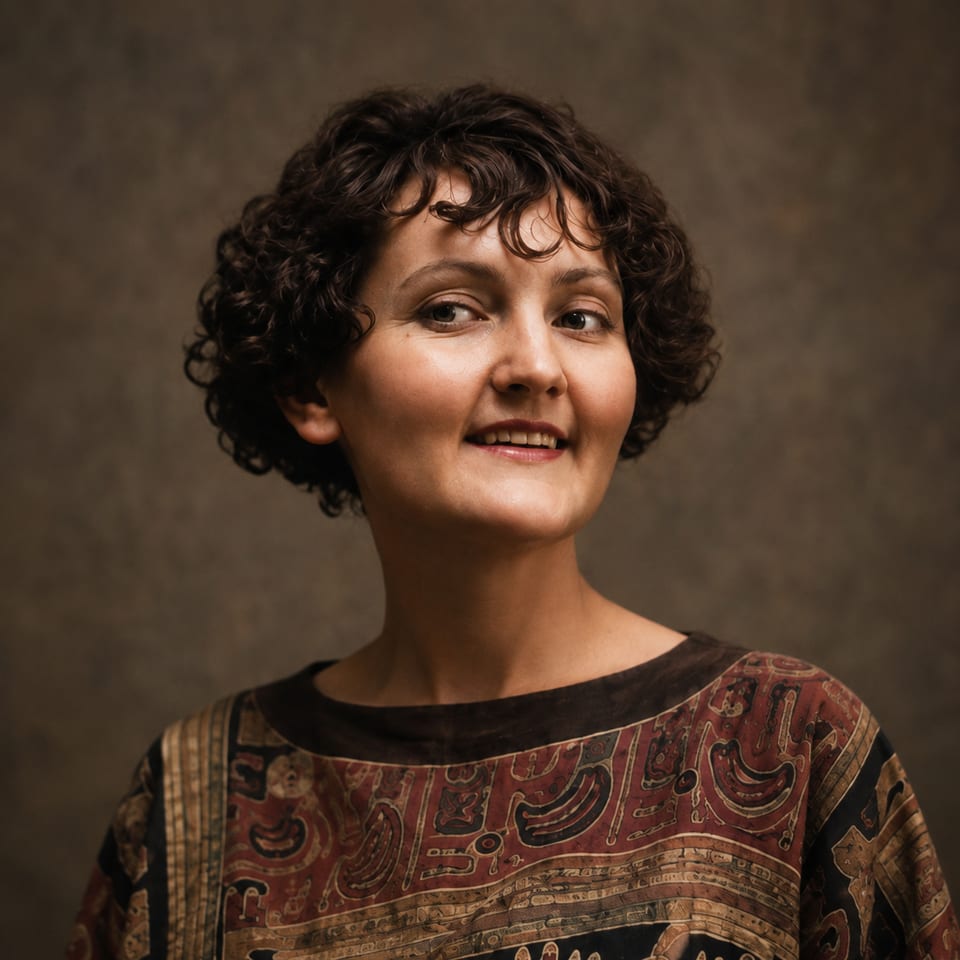
Josefina Plá
Writer, artist and cultural critic
1903 - 1999
Meet figures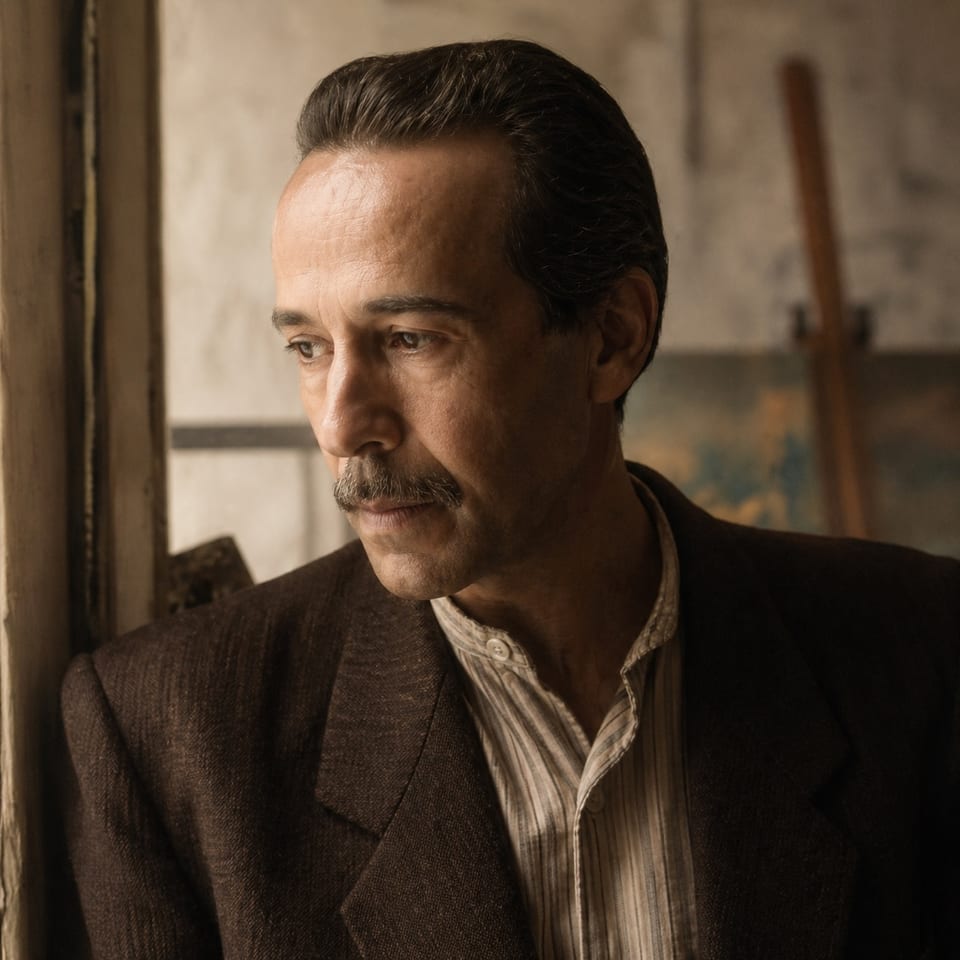
Juan Ismael
Painter, poet and avant-garde artist
1907 - 1981
Meet figures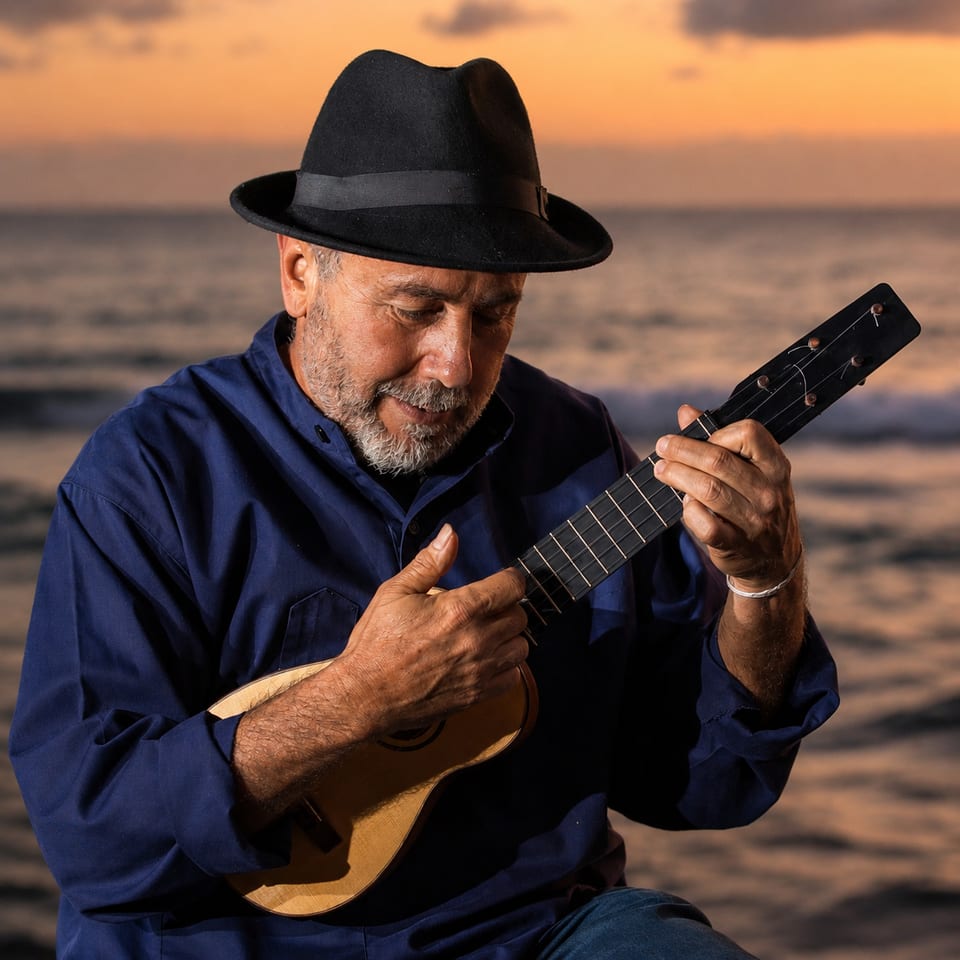
Domingo Rodríguez «El Colorao»
Timple player, guitarist and teacher
1964
Meet figures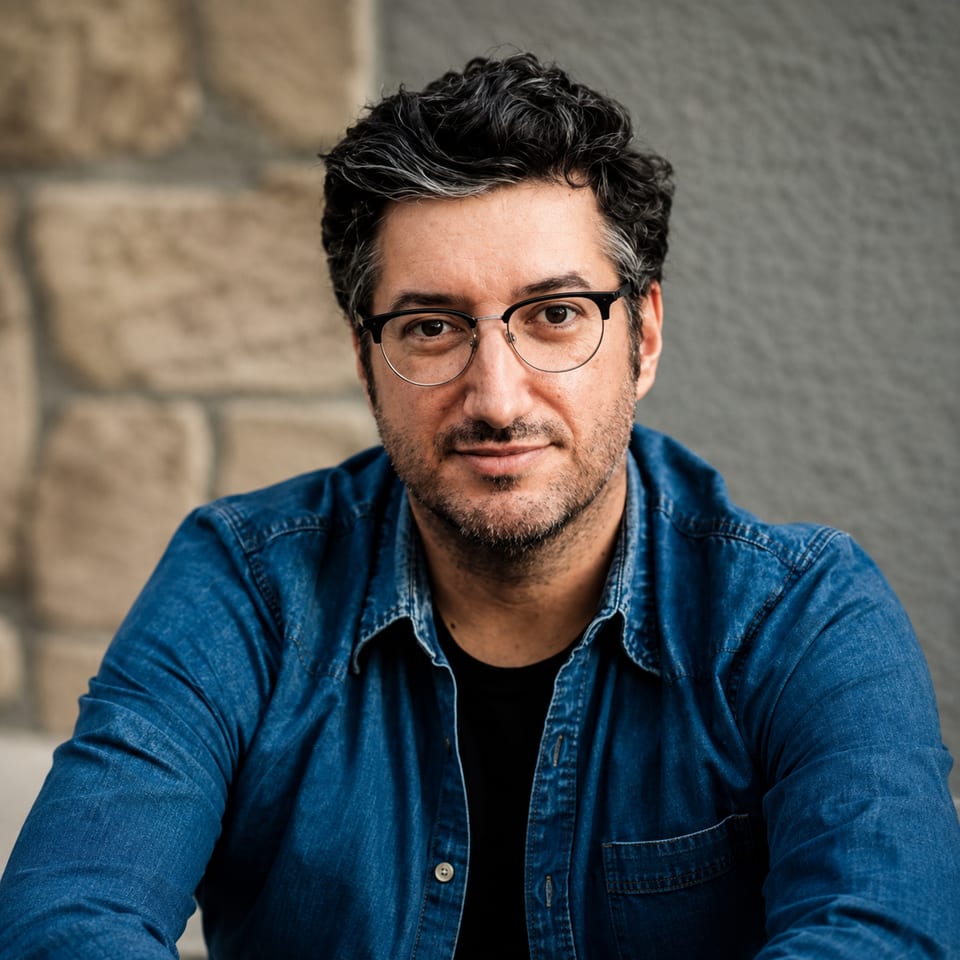
José Antonio Fajardo
Singer-songwriter, musician and composer
1978 - Present
Meet figures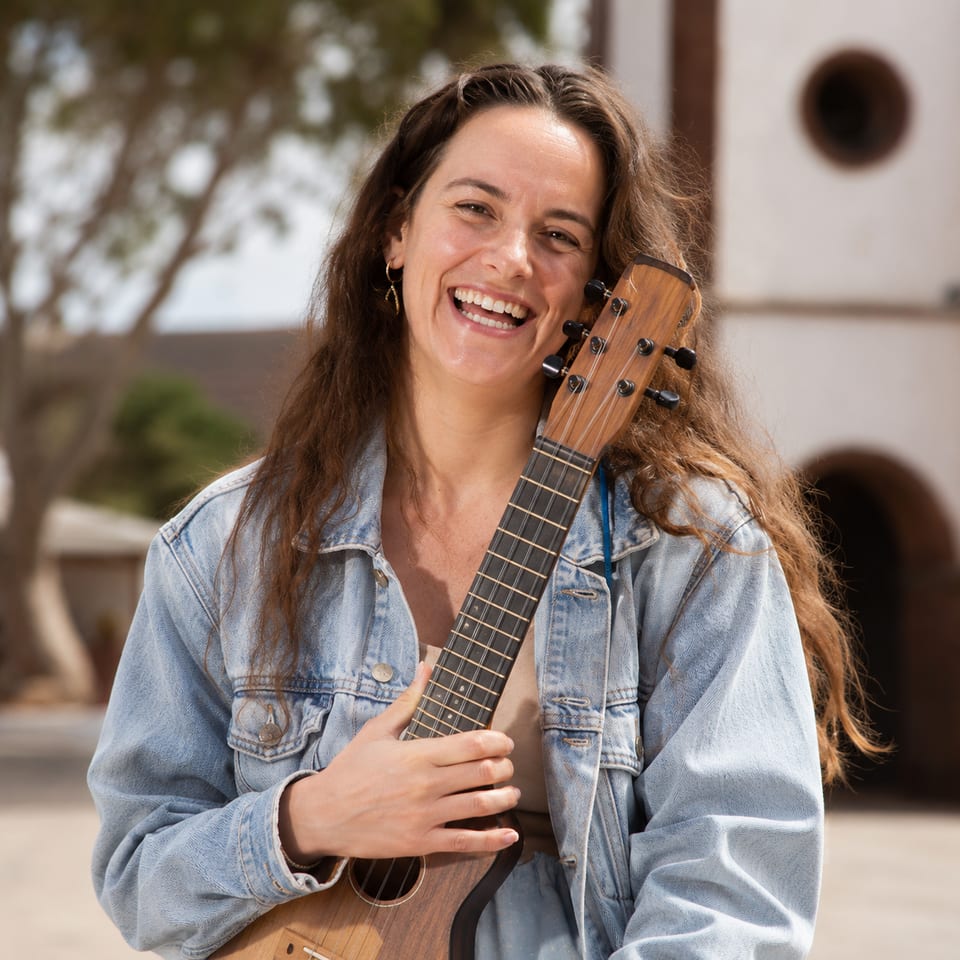
Julia Rodríguez
Singer-songwriter, timple player and multi-instrumentalist
2000
Meet figures