Researcher, writer and lighthouse keeper
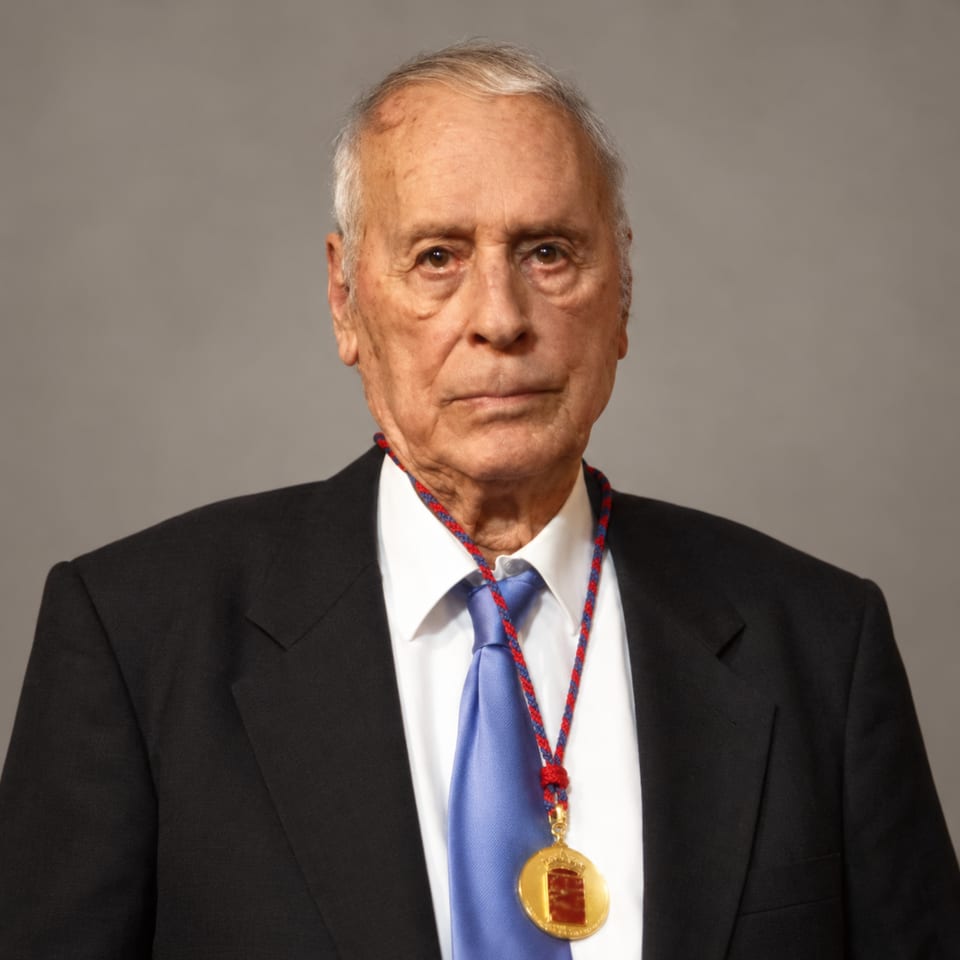
Self-taught researcher born in La Oliva and closely associated with Lanzarote and Alegranza. He studied island place names, history and heritage, and was named an adopted son of Lanzarote in 2016.

Researcher, writer and lighthouse keeper · 1928–2022

Researcher, writer and lighthouse keeper
Self-taught researcher born in La Oliva and closely associated with Lanzarote and Alegranza. He studied island place names, history and heritage, and was named an adopted son of Lanzarote in 2016.
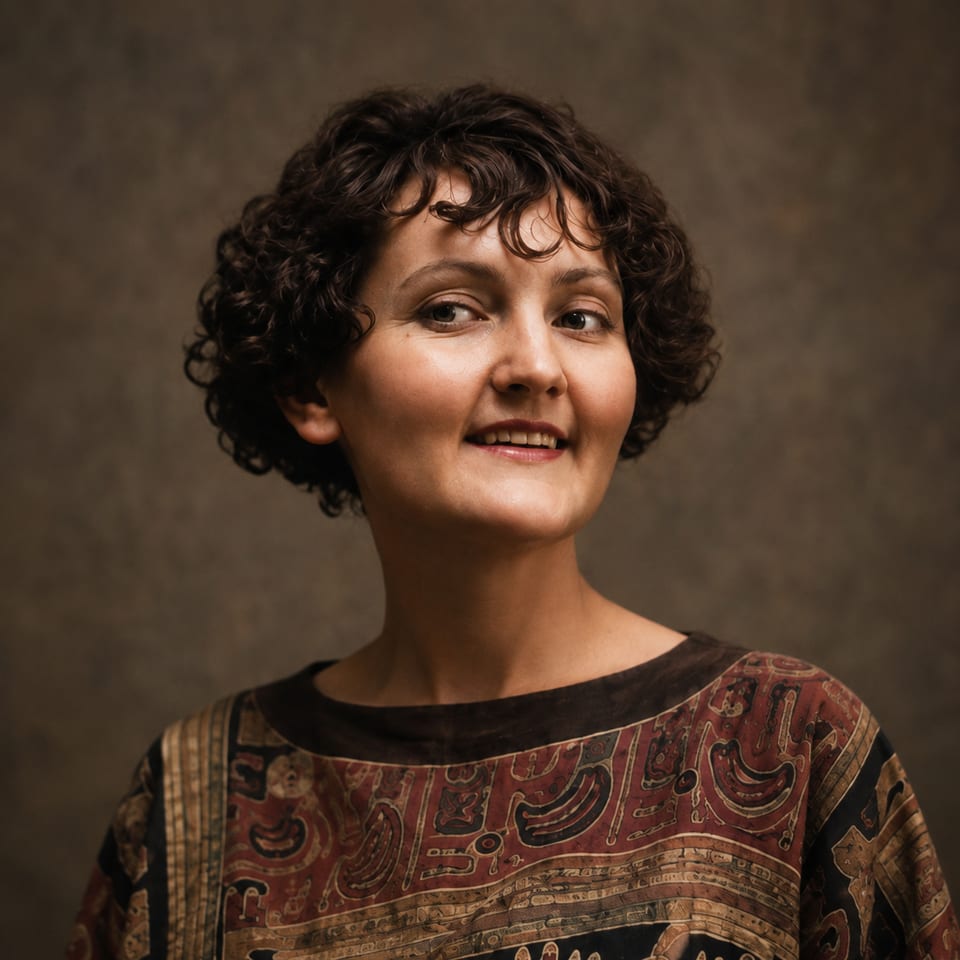
Agustín Pallarés Padilla was born on 8 October 1928 in La Oliva, Fuerteventura, although his career was closely connected with Lanzarote and its neighbouring islets. He came from a family of lighthouse keepers: both his father and grandfather had followed that occupation, and he worked in it for almost four decades in the Canary Islands. Alegranza held a special place in his life. He lived there as a child with his parents and siblings, then returned as an adult with his own family to work at the lighthouse.
From the 1960s he pursued independent research and public writing on Lanzarote’s history, place names, geography, language and natural heritage. His work appeared in specialist journals and meetings, including Almogaren, the journal of El Museo Canario and the Jornadas de Estudios de Lanzarote y Fuerteventura, as well as numerous newspaper articles. Sustained contact with the land and its inhabitants underpinned his research, bringing local observation together with the consultation of historical documents.
La isla de Alegranza, first published in 2013, draws on his personal relationship with the islet to tell its history and describe the lives of lighthouse keepers. The book explores both the natural setting and the family and working experiences of those who tended the lighthouse. The edition identifies Javier Reyes as a collaborator. Its particular interest lies in this combination of lived memory and writing about a place, two strands that run through Pallarés’s work.
In 2014 he published Diccionario de topónimos de Lanzarote, the outcome of roughly half a century of research. The publisher emphasises his long and direct contact with the island and its inhabitants. The study of place names connects geography with history, language and island heritage. Spain’s National Library records both this dictionary and La isla de Alegranza, alongside other publications by the author, including Escritos y charlas and Prehistoria de Lanzarote.
Prehistoria de Lanzarote appeared in 2017 and examined the island’s Indigenous societies, settlement, customs and language. Pallarés drew on fieldwork, place names and readings of historical documents and scholarship. The publisher’s presentation includes an assessment by Antonio Tejera Gaspar. It also expressly identifies the proposals about settlement as the author’s hypotheses: they should be read as Pallarés’s interpretations and distinguished from documented evidence, rather than treated on their own as conclusions shared by the entire research community.
On 26 February 2016, the island council approved his designation as an adopted son of Lanzarote by a majority vote. The island council’s publications service remembers him as a self-taught historian and chronicler concerned with preserving island memory. He died on 3 February 2022. His career brings together experience in a maritime occupation, local research and public writing, through books documenting the names, landscapes and ways of life of Lanzarote and Alegranza.