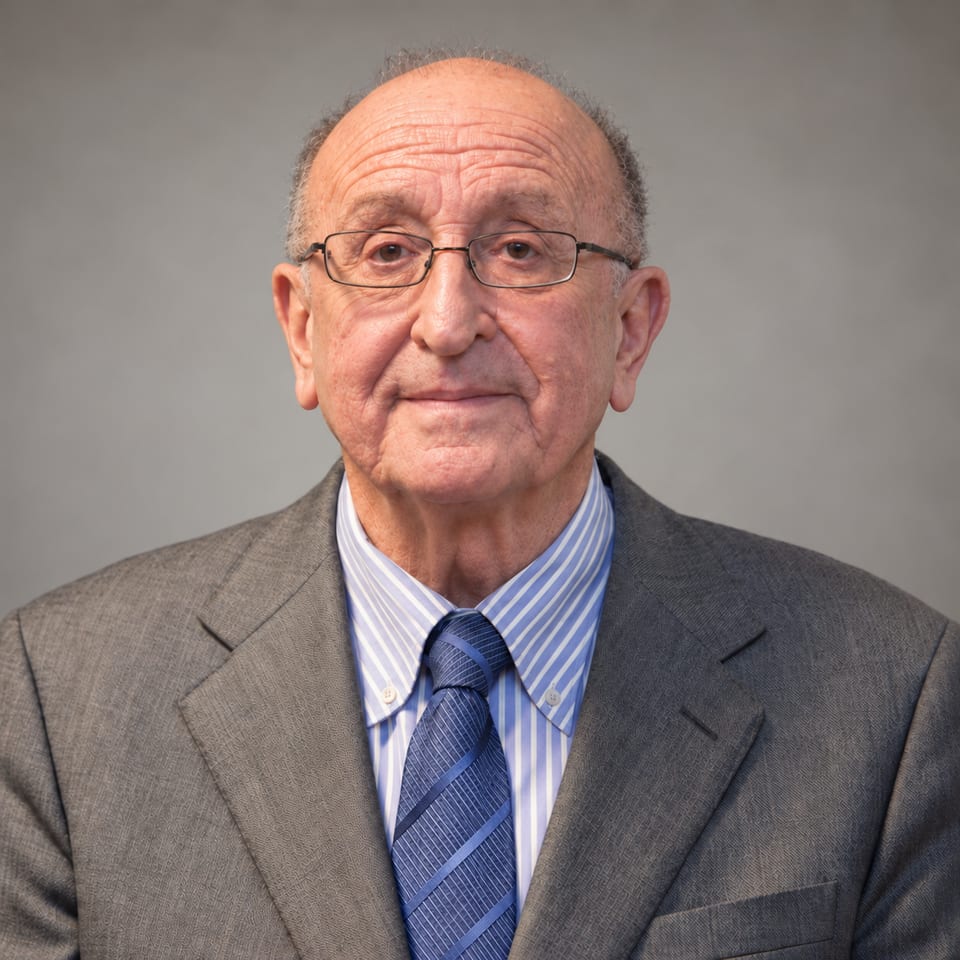
Archaeologist and university professor
Archaeologist from El Río, Arico, whose research examines Indigenous Canarian societies, their beliefs and their contacts with Europeans. Recipient of the 2011 Canary Islands Award for Historical Heritage.
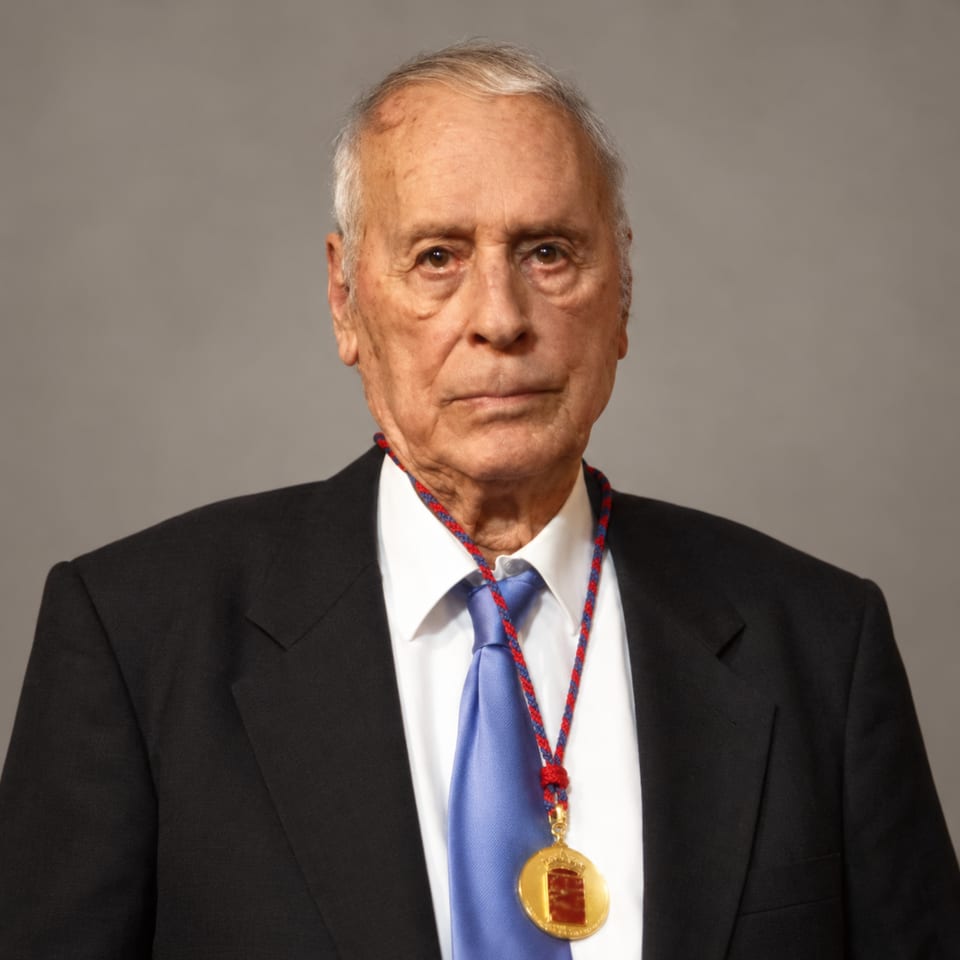
Archaeologist and university professor · 1946–Present

Archaeologist and university professor
Archaeologist from El Río, Arico, whose research examines Indigenous Canarian societies, their beliefs and their contacts with Europeans. Recipient of the 2011 Canary Islands Award for Historical Heritage.

Antonio Tejera Gaspar was born on 29 April 1946 in Arico, Tenerife, and comes from the village of El Río. His career brings together university teaching, research into Indigenous Canarian societies and institutional work on historical heritage. Between 1974 and 1979 he taught at the University of Seville and at the University College of La Rábida in Huelva. In 1979 he secured a permanent teaching post in Prehistory at the University of La Laguna, the institution with which his academic career is closely associated.
His early research concerned the Phoenicians of the Mediterranean and the Tartessian cultures of western Andalusia. He published Las necrópolis fenicias y púnicas del Mediterráneo Occidental in 1979. Later, working with Jesús Fernández Rodríguez, he wrote Los dioses de los Tartesios, published in 2012, and Tarteso. La génesis de una civilización, published in 2019. This Mediterranean strand belongs to a body of work that also explores North Africa and the Atlantic world.
From 1979 he directed his research towards Canarian cultures before European contact. With Rafael González Antón he published Los aborígenes canarios and Las culturas aborígenes canarias. He directed the La Prehistoria de Canarias series, promoted by the Centro de la Cultura Popular Canaria, and wrote Tenerife y los guanches. His work on Lanzarote includes Majos. La primitiva población de Lanzarote, published in 1999 with José C. Cabrera Pérez and María Antonia Cabrera Betancort. In 2020 he published Guanches, an accessible synthesis of Tenerife’s Indigenous culture.
Religious practices and beliefs are another strand of his research. He wrote La religión de los guanches. Ritos, mitos y leyendas and La religión de los gomeros. Ritos, mitos y leyendas. With Marian Montesdeoca he published Religión y mito de los antiguos canarios in 2004, and with Jorge Pais Pais, La religión de los benahoaritas in 2010. His bibliography therefore covers several islands, rather than presenting their Indigenous societies as a single cultural experience.
He also investigated encounters between Indigenous communities and Europeans. With Eduardo Aznar Vallejo he studied the Franco-Norman settlement of San Marcial del Rubicón in Yaiza. His publications extend to the African journeys of Alvise Cadamosto and Christopher Columbus’s connections with the Canary Islands. In heritage administration, he served as provincial inspector of Archaeology for Santa Cruz de Tenerife from September 1980 and undertook the duties of general inspector of Historical Heritage for the Canary Islands Government from 1984.
He was elected to the Academia Canaria de la Lengua in 2001 and delivered his inaugural address in 2002. He received the Canary Islands Award for Historical Heritage in 2011, an honorary doctorate from the University of Las Palmas de Gran Canaria in 2017 and the University of La Laguna’s Gold Medal in 2018. His university profile also records his honorary membership of CICOP from 2020.