
Why this island matters
Tenerife ocupa un lugar central en la historia del archipielago por la intensidad de su mundo prehispanico, por la complejidad de su conquista y por el peso politico, religioso y comercial que alcanzo despues. La isla permite observar con claridad el paso de los menceyatos guanches a una sociedad atlantica conectada con America, Europa y Africa.
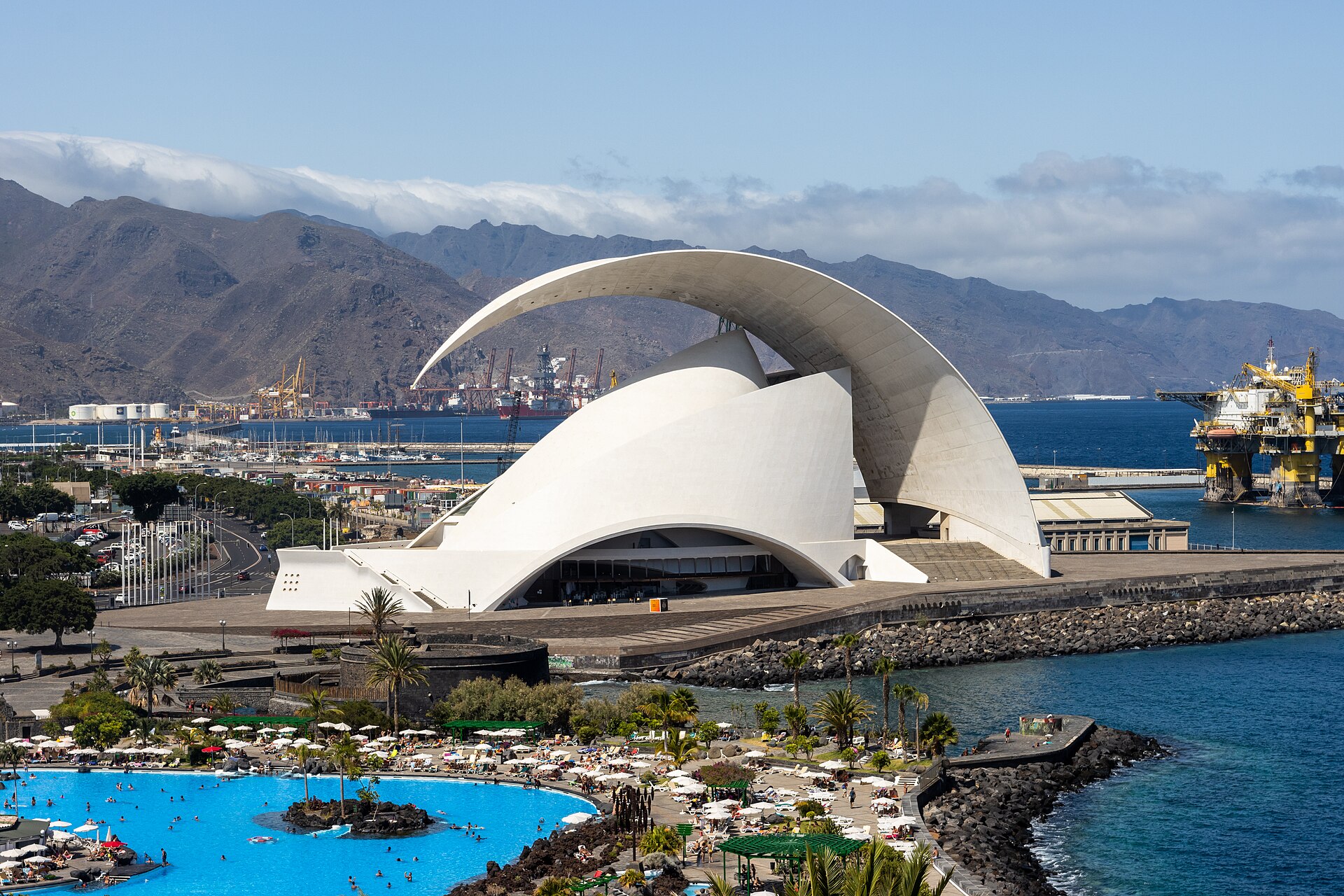
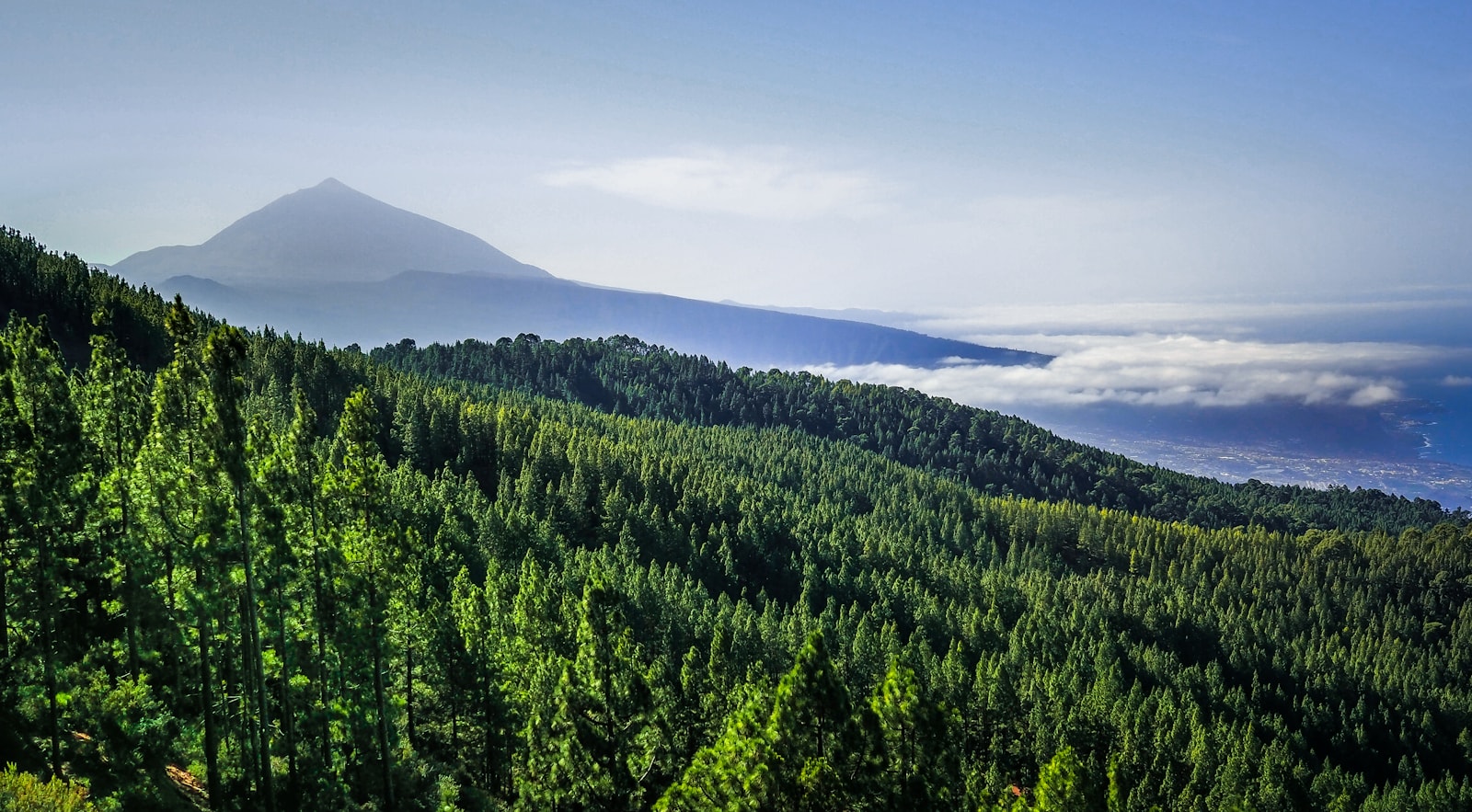
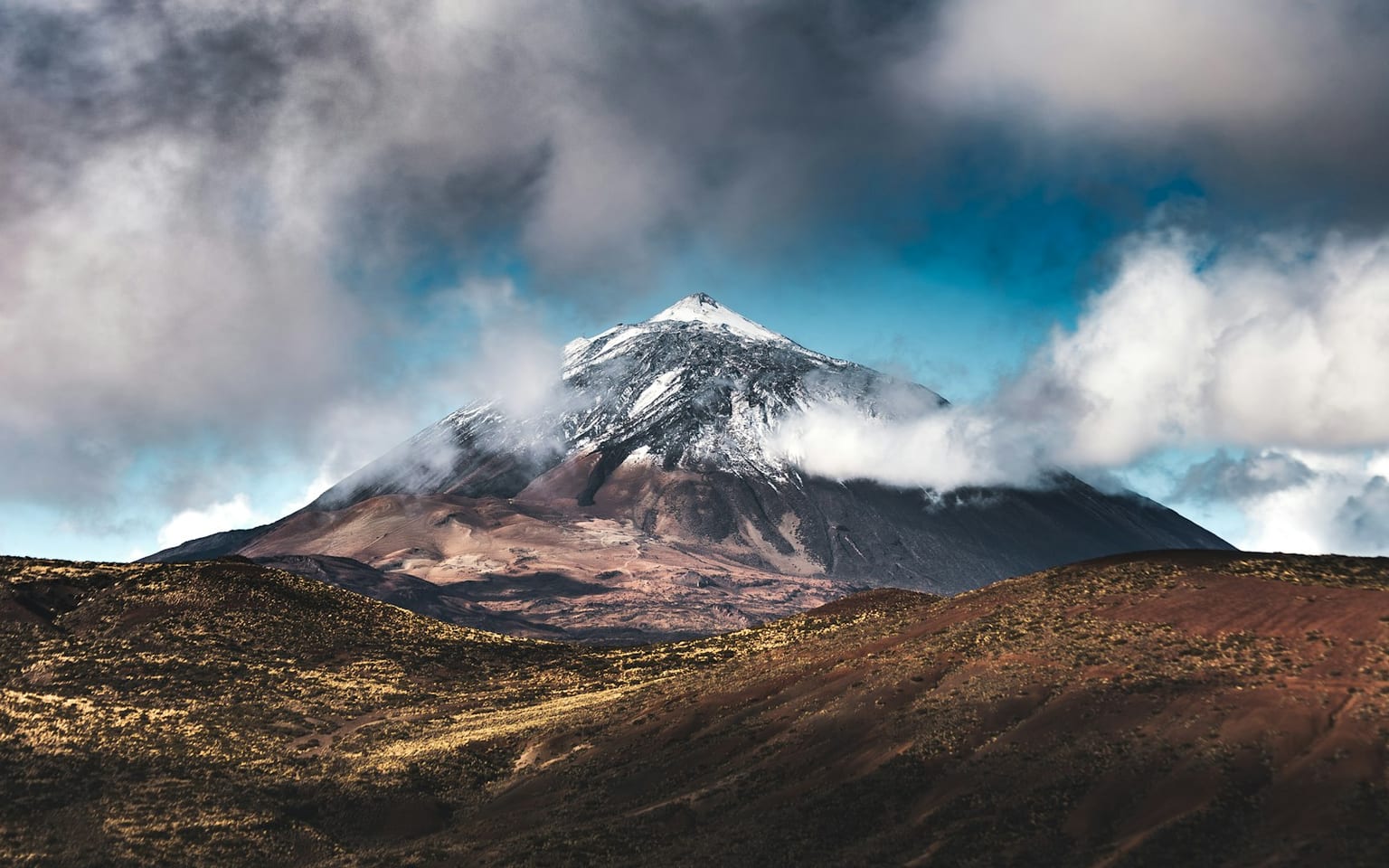
Su importancia no se reduce a la presencia del Teide. La Laguna, Santa Cruz, los valles del norte, los barrancos del sur y las medianias muestran una isla organizada por contrastes, donde paisaje, poder urbano, movilidad y cultura popular han producido una identidad especialmente influyente dentro de Canarias.
Cultural landscape
Today the island combines urban heritage, popular culture and landscapes of strong symbolic power. La Laguna preserves a historic urban layout central to Atlantic urbanism; Teide summarises the role of nature in island life; and traditions such as pilgrimages, carnival and midlands cuisine keep alive a legacy that blends Guanche roots, rural culture and tourism-era modernity.
Municipalities and territories
See all 31 municipalities of Tenerife →- AdejeAdeje is a municipality of Tenerife, presented through settlement, landscape, local memory and its links with the rest of the island.
- ArafoArafo is a municipality of Tenerife, presented through settlement, landscape, local memory and its links with the rest of the island.
- AricoArico is a municipality of Tenerife, presented through settlement, landscape, local memory and its links with the rest of the island.
- AronaArona is a municipality of Tenerife, presented through settlement, landscape, local memory and its links with the rest of the island.
- Buenavista del NorteBuenavista del Norte is a municipality of Tenerife, presented through settlement, landscape, local memory and its links with the rest of the island.
- CandelariaCandelaria is a municipality of Tenerife, presented through settlement, landscape, local memory and its links with the rest of the island.
- El RosarioEl Rosario is a municipality of Tenerife, presented through settlement, landscape, local memory and its links with the rest of the island.
- El SauzalEl Sauzal is a municipality of Tenerife, presented through settlement, landscape, local memory and its links with the rest of the island.
Explore the island
Themes to understand Tenerife
Each block summarises a line of interpretation and links to its own page. The main island page works as an entry point; the sections expand geography, history, nature, heritage and social life without turning this hub into a single long article.
Geography
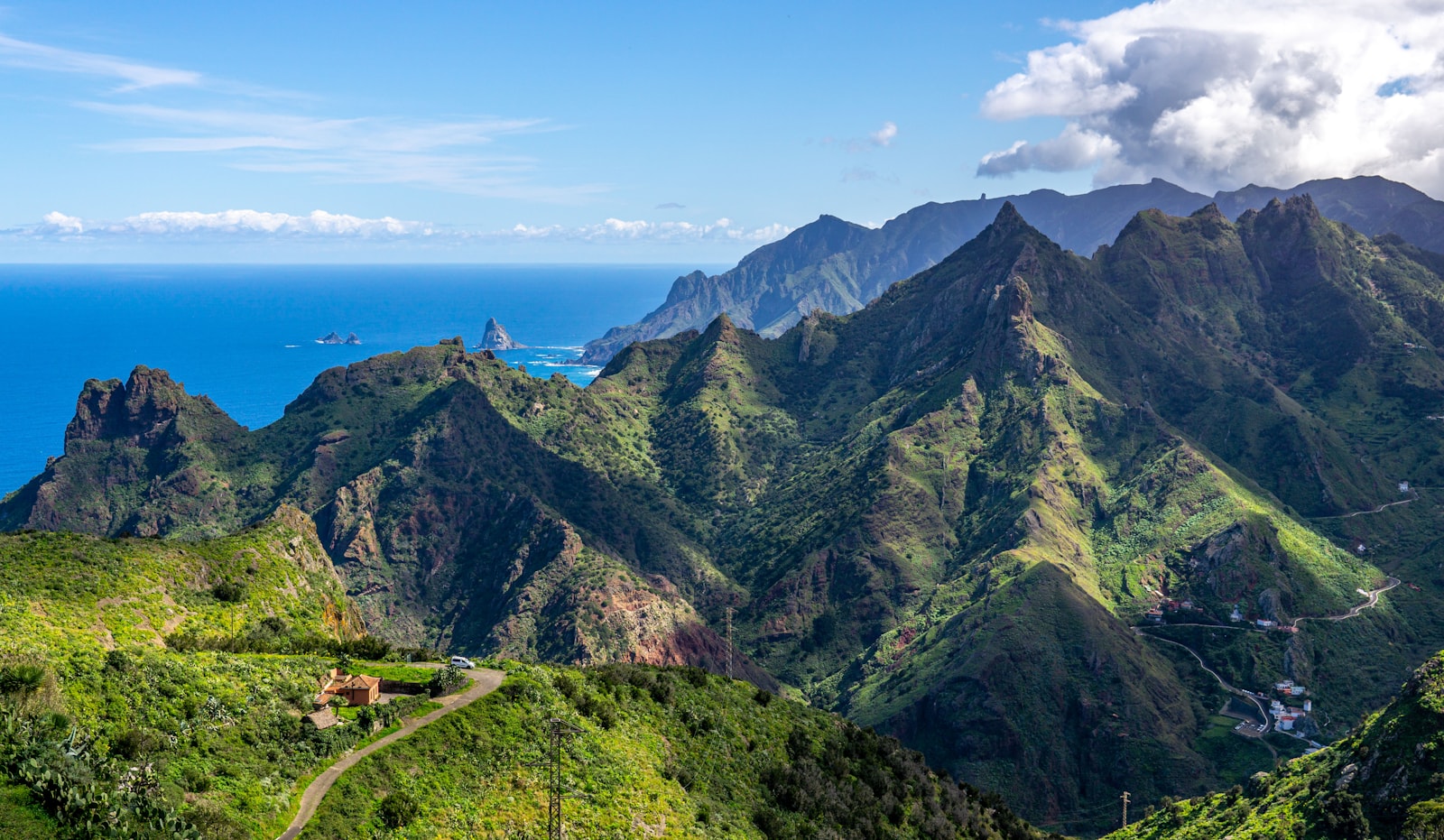
Tenerife is a vertical island of 2,034 km² organised around Mount Teide (3,715 m, the highest peak in Spain) and the Las Cañadas caldera: the ancient massifs of Anaga, Teno and Adeje, volcanic ridges, landslide valleys such as La Orotava and Güímar, and a north-south contrast dictated by the trade winds that arranges the vegetation in belts from the cardón-tabaiba scrub up to the high mountain.
Explore sectionHistory
Tenerife's history runs from the nine Guanche menceyatos to the Castilian conquest of 1496, the foundation of La Laguna and the rise of Santa Cruz as the island capital.
Explore sectionNature
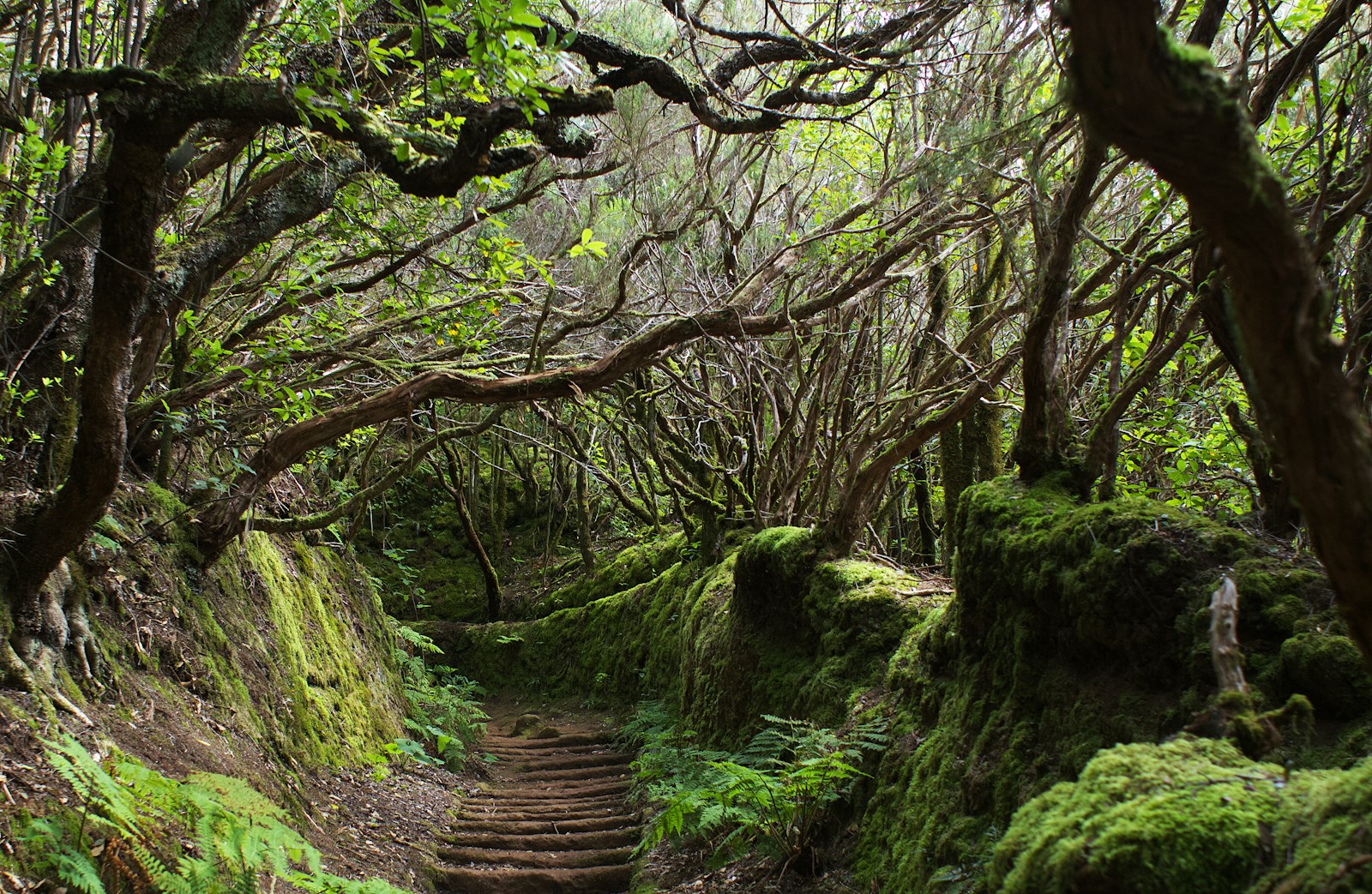
The island packs in remarkably diverse ecological belts, from dry coastal environments to pine forests, laurel forest and volcanic high mountain.
Explore sectionFlora
Tenerife's vegetation makes it possible to follow the transition from cardonal-tabaibal scrub to monteverde, pine forest and species adapted to the high mountain.
Explore sectionFauna
Forest birds, endemic reptiles, invertebrates and marine life reveal the interplay between isolation, altitude and conservation.
Explore sectionHeritage
The island's heritage combines Guanche archaeological sites, historic towns, religious architecture, coastal defences and the cultural landscapes of the medianías.
Explore sectionCulture and Traditions
Romerías, carnival, local speech, the cooking of the medianías and popular devotions reflect a closely knit urban and rural culture.
Explore sectionEconomy and Society
Tenerife's economy has been built in successive Atlantic cycles — sugar, malvasía wines sold to England, cochineal, bananas and tomatoes — articulated by the port of Santa Cruz, capital since 1822, and accompanied by emigration to Cuba and Venezuela; tourism, pioneered in Puerto de la Cruz from the late nineteenth century and massive in the south since the seventies, and services define today's society.
Explore sectionMunicipalities and Territories
North and south, the metropolitan area, the valleys, the summits and the ancient massifs account for highly visible social and landscape contrasts.
Explore sectionKey Places
Teide, La Laguna, Anaga, La Orotava, Santa Cruz and other sites let you travel the island as a natural and historical archive.
Explore sectionLinked Figures
From Guanche leaders to artists, scientists, politicians and religious figures, Tenerife offers biographies that are key to understanding the Canaries.
Explore sectionIsland Chronology
Su cronologia enlaza resistencia indigena, conquista, puertos, instituciones, turismo y transformaciones contemporaneas.
Explore section