ContemporaryCulture20th CenturyNewspapers and literary life

Newspaper manager and cultural promoter

Member of the Ecos editorial team, manager of La Crónica and second vice-president of El Museo Canario. Attended Luis Millares Cubas’s literary gatherings and introduced works and tributes to Canarian writers.
Early life

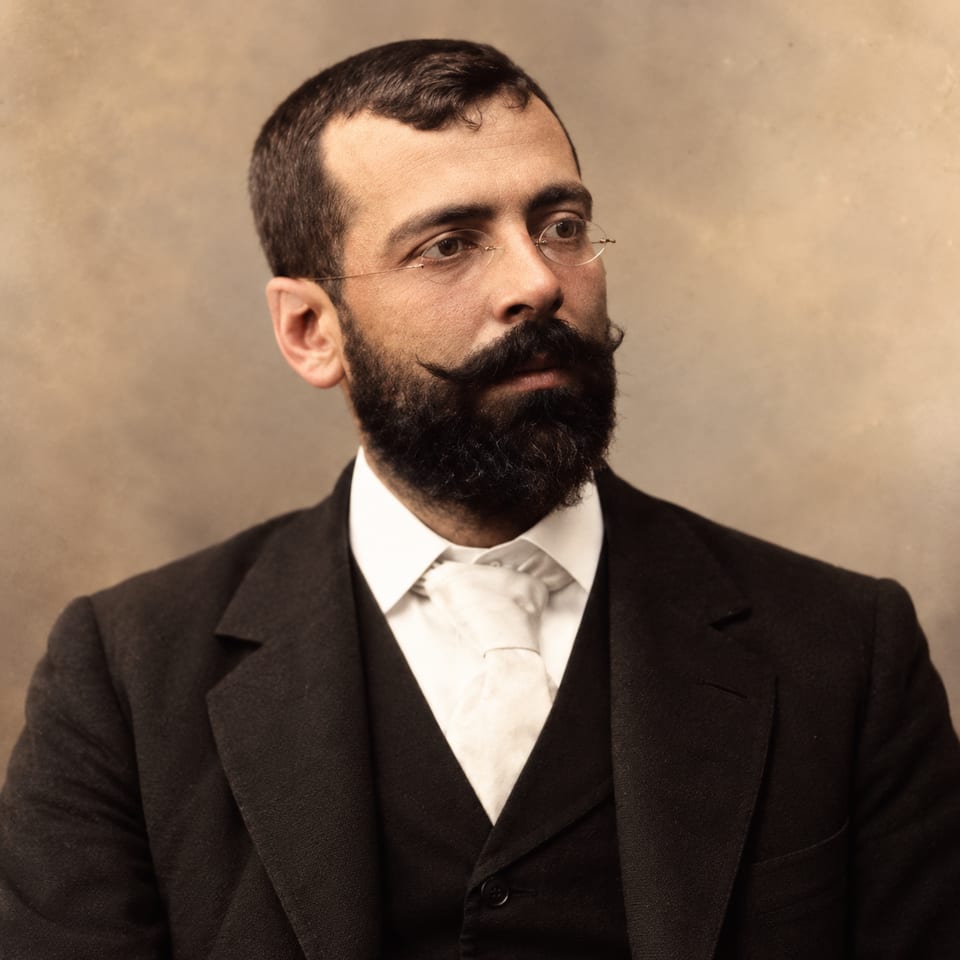
Rafael Hernández Suárez was a newspaper manager and cultural promoter associated with literary life in Las Palmas during the early decades of the twentieth century. His documented activities include membership of the editorial team of Ecos, management of La Crónica and the second vice-presidency of El Museo Canario. Through these settings he shared initiatives with writers who helped renew the city’s poetry and cultural life.

Historical role

He regularly attended gatherings at the home of Luis Millares Cubas, where participants read poetry, staged plays, listened to music and discussed recently received books and periodicals. The Biblioteca de Canarias lists him among the regular attendees, alongside Tomás Morales, Néstor, Agustín Millares Carlo and Claudio de la Torre. This setting connected private conversation with the public circulation of ideas and with mutual support among authors and artists.

Juan Rodríguez Doreste places him among the members of the editorial team of Ecos in March 1917. The group included Tomás Morales, Saulo Torón, Claudio de la Torre and Rafael Romero, better known by his literary name Alonso Quesada. The newspaper was one of the meeting places for a generation whose interests brought together writing, the visual arts and new cultural initiatives in Gran Canaria.

His newspaper responsibilities are specified in the staff list announced by La Crónica in February 1919 as it prepared to publish a morning edition. Hernández Suárez was listed as manager, with Rafael Romero as editor and Néstor de la Torre Millares as deputy editor. The list of staff and contributors reveals the newspaper’s connections with poets, researchers and professionals in the city, as well as writers living beyond the island.

In 1918 he was second vice-president of El Museo Canario. His friendship with Saulo Torón formed part of the background to the readings and lectures launched in the society’s library. In August, poems from the unpublished Las monedas de cobre were presented with an introduction by Claudio de la Torre. The book itself appeared in November 1919. Such meetings brought recent writing before an audience gathered in an institution that also preserved the islands’ written heritage.

On 27 September 1918 Hernández Suárez delivered the introduction to Las canciones del alba by Fernando González. He knew the poet through Alonso Quesada, who had introduced González at a literary gathering they attended. Rafael Cabrera then read a selection of poems. Newspaper accounts offered differing assessments of the atmosphere at that event, and the copy inscribed by the author entered the Museum library’s collections.

Legacy

In February 1919 he also spoke at the tribute to Luis Millares Cubas held at the Hotel Santa Catalina. He formally offered the homage in a speech during an event that included the first reading of Epístola a un médico by its author, Tomás Morales. These documented interventions reveal his work as a cultural intermediary: he participated in newspaper teams, maintained links between writers and introduced works and tributes to audiences in Las Palmas.

Sources and verification