

ContemporaryLiterature19th CenturyGran Canarian literature and theatre
Writer, playwright and physician
Physician and writer from Las Palmas de Gran Canaria, co-author with Agustín Millares Cubas of fiction, plays and a vocabulary collection.
Writer, playwright and physician · 1861–1925
Writer, playwright and physician
Physician and writer from Las Palmas de Gran Canaria, co-author with Agustín Millares Cubas of fiction, plays and a vocabulary collection.
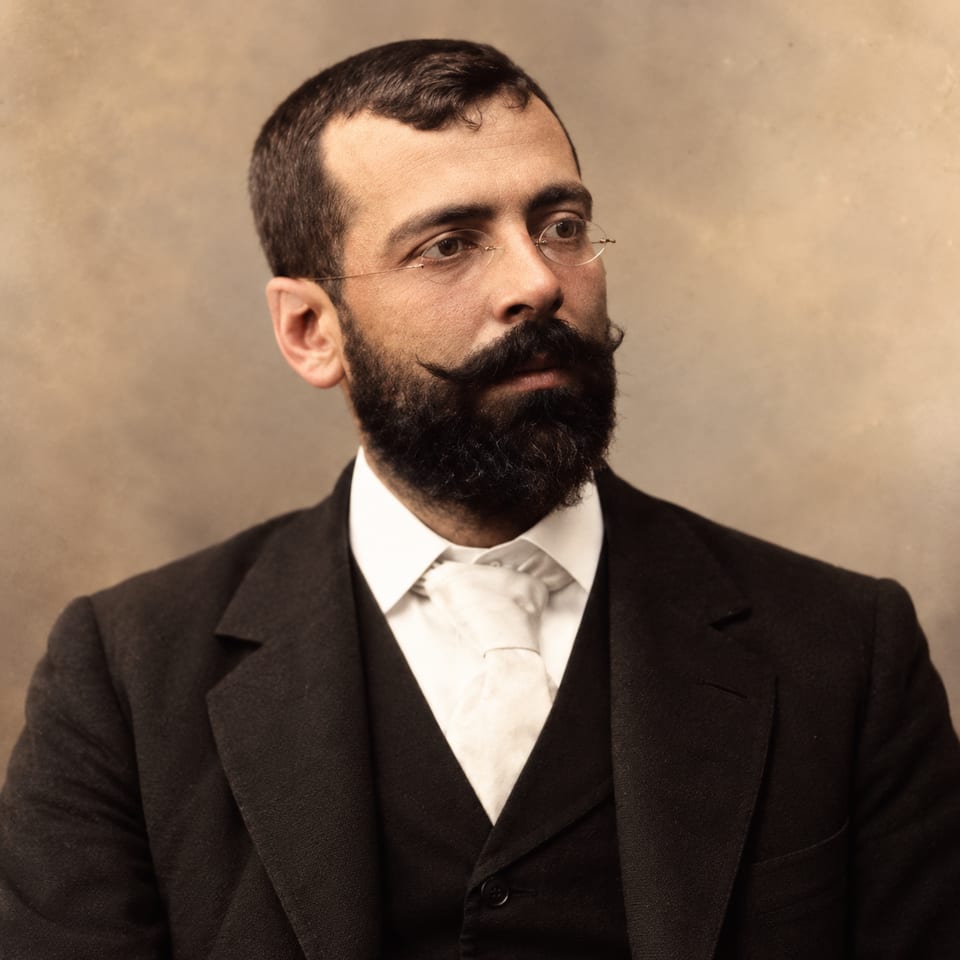
Luis Millares Cubas was born in Las Palmas de Gran Canaria in 1861 and died in the same city in 1925. A physician, writer and playwright, he combined medical practice with literary work developed mainly alongside his brother Agustín. Both were sons of the historian and musician Agustín Millares Torres. Medicine, writing and theatre were distinct activities within his career, sharing the setting of Gran Canaria’s professional and cultural life rather than forming a single occupation.
He attended the Colegio de San Agustín in Las Palmas and studied medicine in Barcelona between 1878 and 1883. After completing his degree he returned to his home island. In 1884 he worked as an assistant doctor at the Hospital de San Martín, becoming its senior doctor in 1890. He later served as the hospital’s dean of physicians and remained associated with it until resigning in 1922. He also taught physics and chemistry at the Colegio de San Agustín and founded the Clínica Millares. His medical career can thus be placed within specific institutions alongside his work in education.
Writing accompanied his medical practice. He published early poems and scientific and artistic articles. In 1894 he and Agustín began their joint literary production with De la tierra canaria. Their collaboration extended to novels, short stories and plays. The settings and characters portrayed island landscapes and social environments. Titles associated with their work include Pepe Santana, Nuestra Señora and Antonio Bordón, together with the plays La herencia de Araus and Compañerito.
In 1908 the brothers established the Teatrillo de los Hermanos Millares. Luis’s house hosted readings, performances, music and conversations about books and the press. Writers who frequented this setting included Alonso Quesada, Tomás Morales and Saulo Torón. These gatherings in a domestic setting formed part of cultural activity based on exchange between writers and artists. Luis was also associated with the journal El Museo Canario, of which he served as editor.
The brothers’ interest in everyday language led to the Léxico de Gran Canaria, published in 1924. Their collection of local words and expressions accompanied the literary observation of island society. After Luis’s death, Agustín expanded and reworked the vocabulary in Cómo hablan los canarios, published in 1932. This continuation helps distinguish the work they produced together from the later revision undertaken by his brother. Luis’s contribution consequently brings together medical care, teaching, fiction, drama and the recording of Canarian speech. Each activity can be understood through its particular institutions and works, without reducing his entire career to only one of these aspects.
Canon and poet
1538 - 1610
Meet figures
Sculptor and architect
1756 - 1815
Meet figures
Physician and writer
1803 - 1896
Meet figures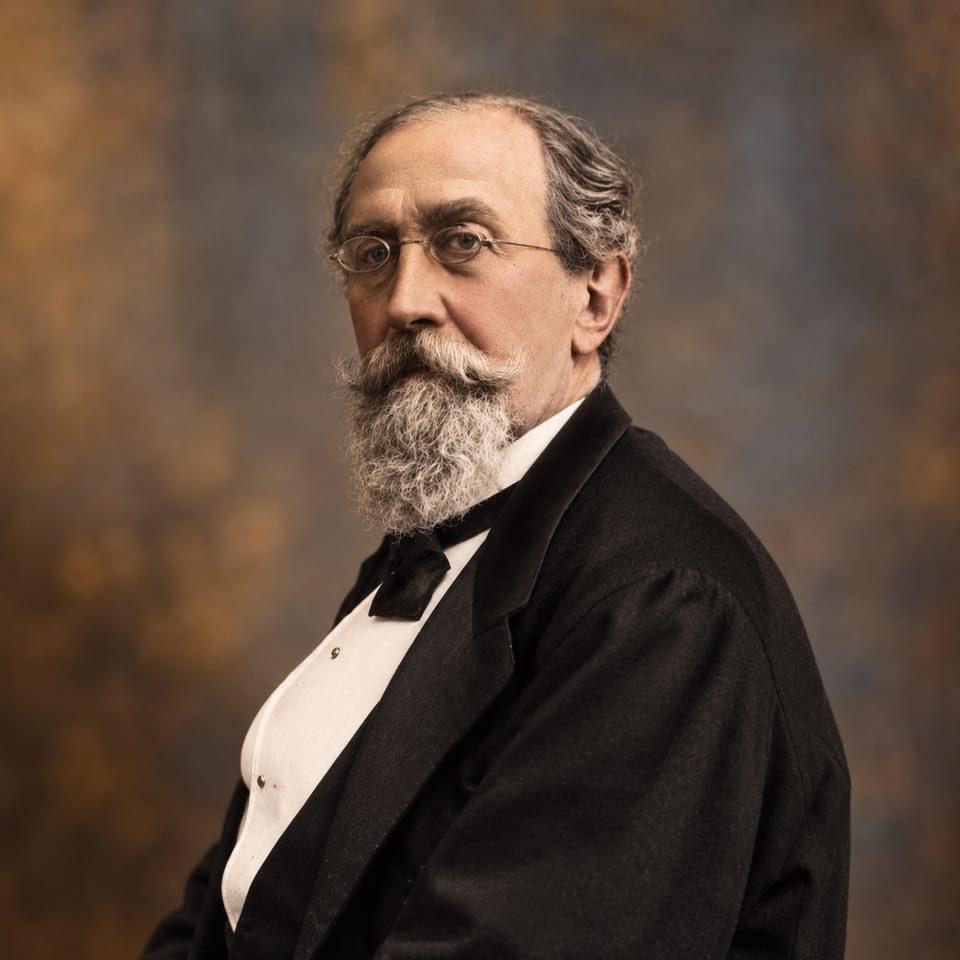
Painter and architectural designer
1812 - 1880
Meet figures