Saulo Torón
Contemporánea Literature 20th Century Culture

Poetry

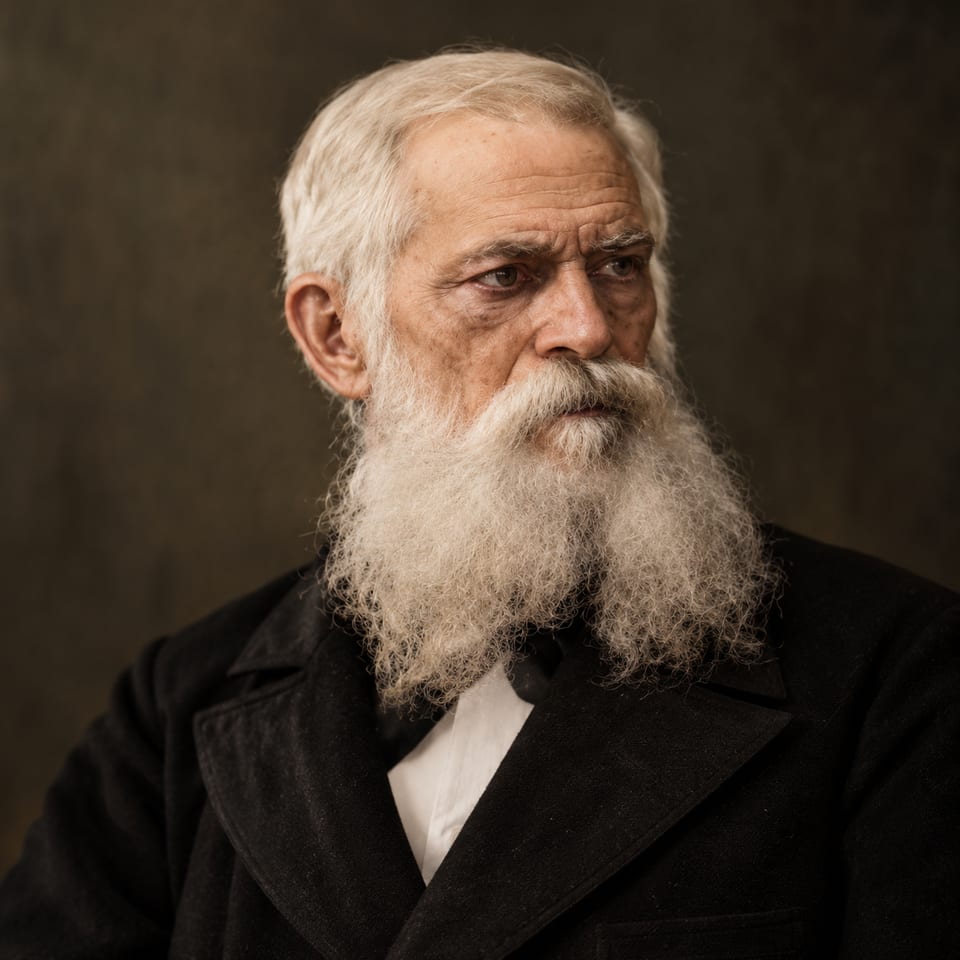
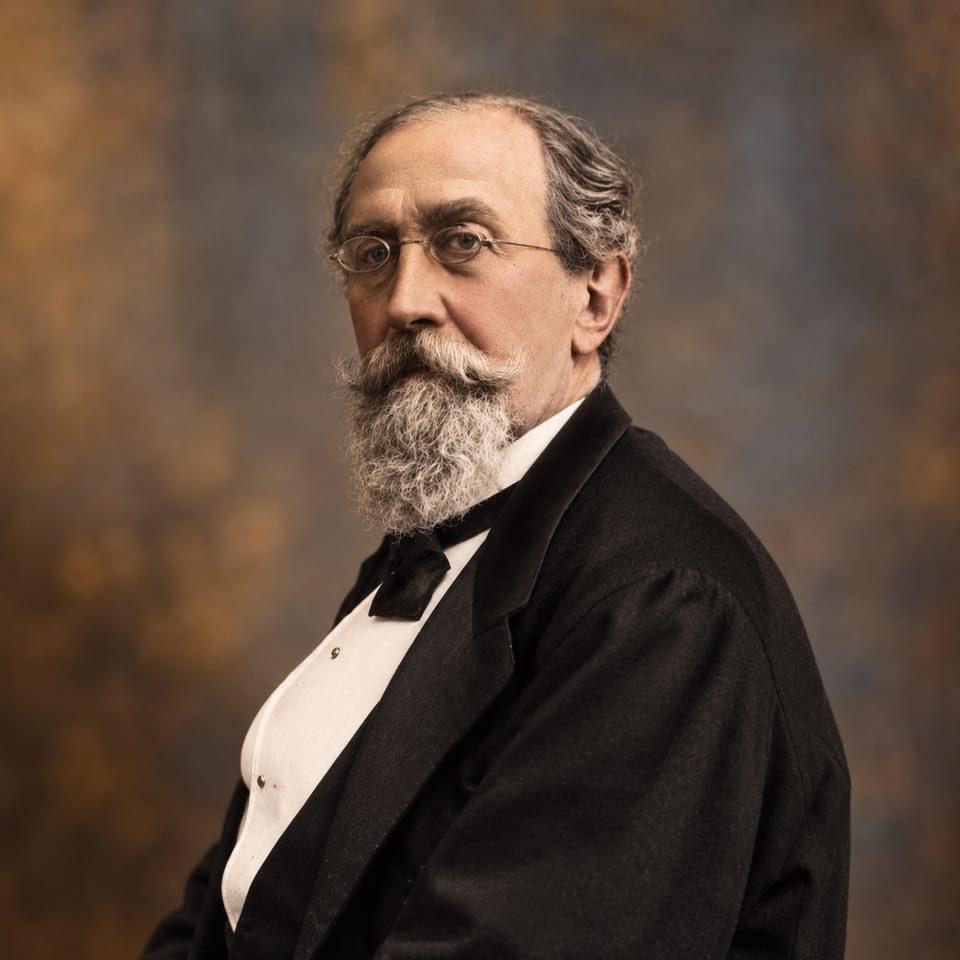
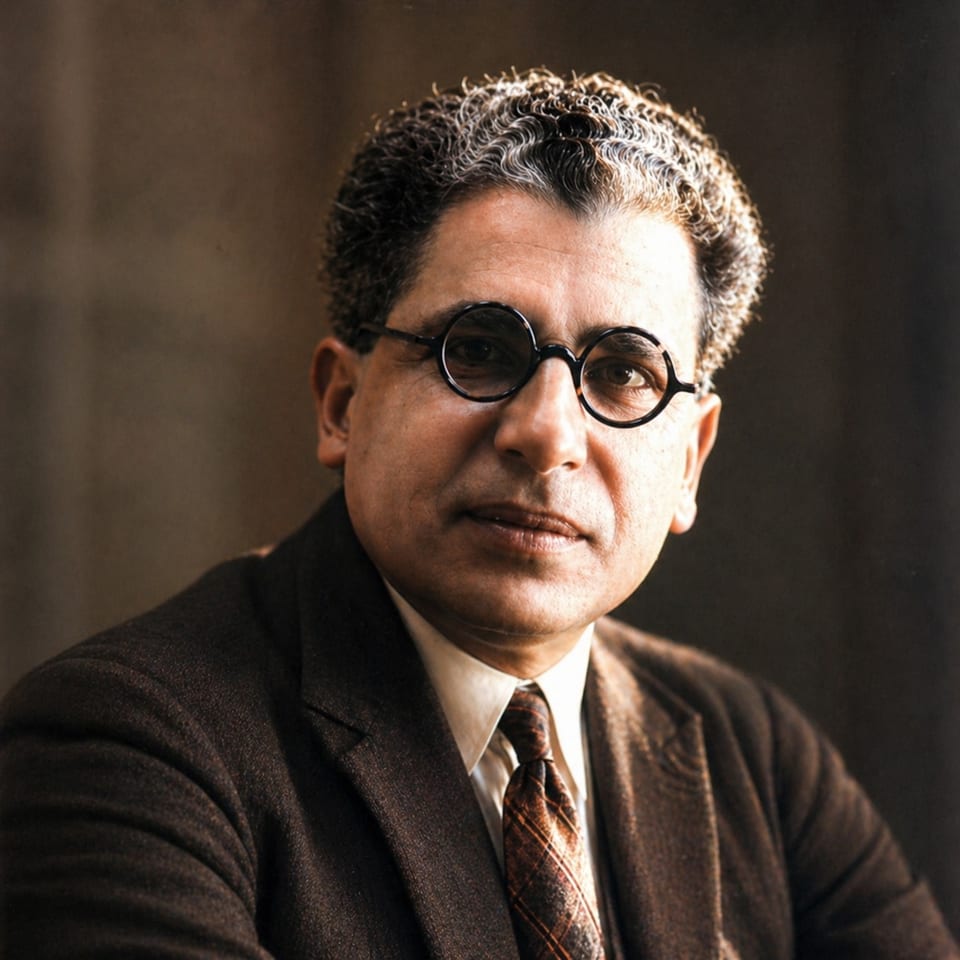
Saulo Torón Navarro (Telde, Gran Canaria, 1885 – Las Palmas de Gran Canaria, 1974) was a poet and customs officer who lived that double life throughout his adult years. His poetic voice, rooted in modernism and marked by an intimate, melancholic tone, made him one of the most genuine lyric poets in the Canary Islands. A close friend of Tomás Morales, he was deeply affected by Morales's early death in 1921.

Early life

Born in Telde in 1885, Saulo Torón spent decades working as a customs officer in Las Palmas de Gran Canaria, a prosaic occupation that stood in quiet contrast to the delicacy of his inner world. Through the city's literary circles he met Tomás Morales, and the friendship that followed was the most significant of his life. When Morales died in 1921 at just thirty-seven, the loss left a permanent mark on Torón's spirit and on his poetry.

Historical role

His output spanned more than four decades. Las Monedas de Cobre (1919) is his most celebrated collection, but his writing continued to mature with Cotidianidad (1944) and Lejanías (1949), works that reveal a voice growing ever more spare and contemplative. Rubén Darío's musicality is present, yet Torón's register is more inward and elegiac, attentive to the textures of everyday life and the quiet passage of time.

Legacy

His longevity — he died at eighty-eight in 1974 — allowed him to serve as witness and bridge between early twentieth-century modernism and postwar Canarian poetry. The house where he was born in Telde has been converted into a house-museum, a testament to his enduring place in island culture.

Timeline

  1. 1885 Saulo Torón is born in Telde.
  2. 1974 Saulo Torón dies in Las Palmas de Gran Canaria.

Sources and verification