ContemporaryCulture20th CenturyLaw and documentary heritage

Lawyer and cultural administrator

A son of the poet Tomás Morales, he combined legal practice and municipal responsibilities with extensive work at El Museo Canario. He helped recover the Canarian Inquisition archive known as the Bute Collection.
Early life

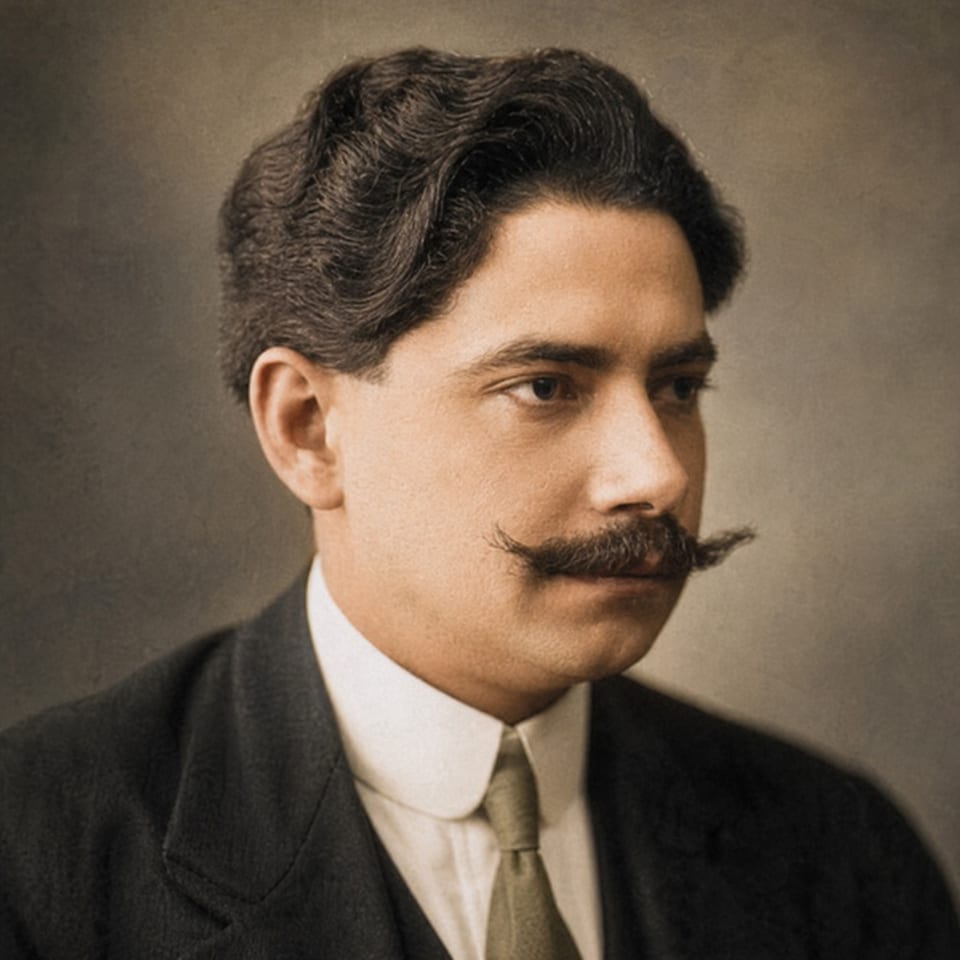
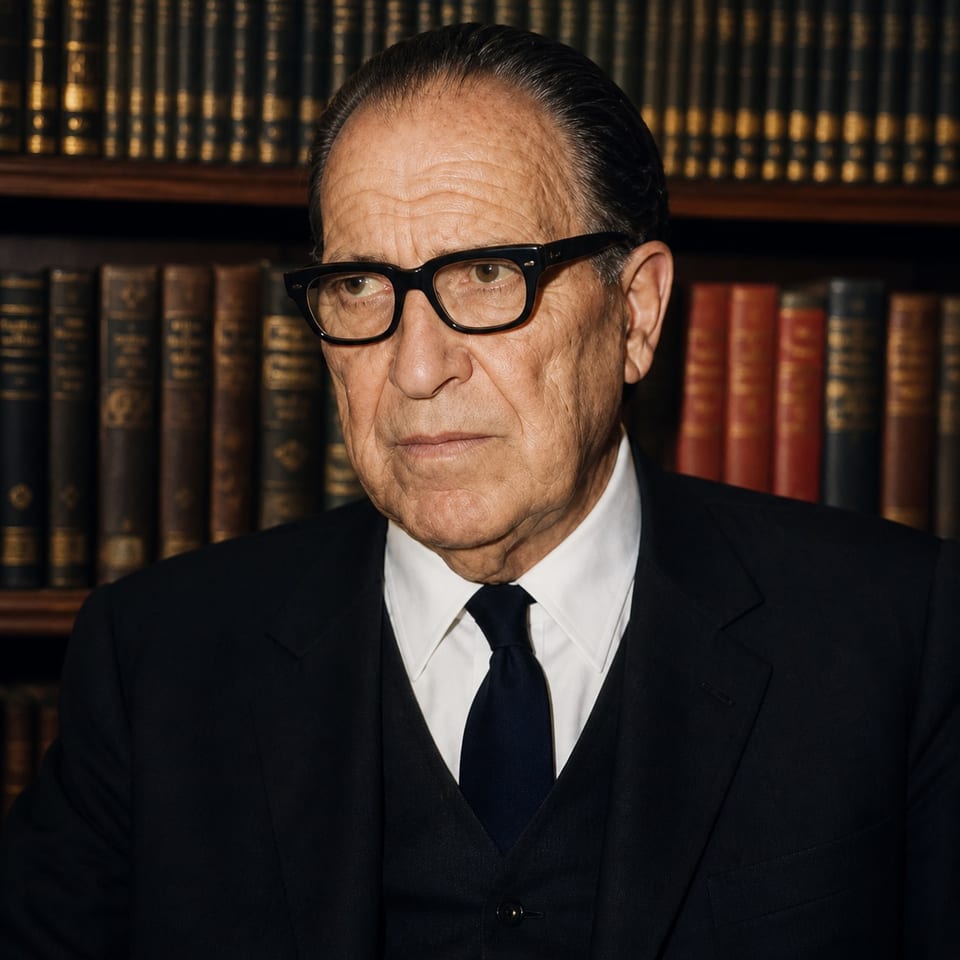
Manuel Morales Ramos was born in Agaete in 1918. He died on 14 July 1997. The youngest son of the poet and physician Tomás Morales, he moved to Las Palmas with his family during childhood. A lawyer and cultural administrator, he worked across legal practice, municipal government and El Museo Canario. Manuel González Sosa's obituary records a career in which institutional service, the preservation of documents and the discussion of cultural questions accompanied his professional activity for decades.

Historical role

He studied Law at the University of La Laguna, both before and after the Civil War. This education supported several decades of legal practice. He worked in civil and criminal law and also appeared in cases before military courts. González Sosa recalls two such proceedings for their favourable outcomes for the defendants. The tribute praises his knowledge of legislation and his ability to explain legal matters; these assessments belong to the author's recollection of him.

His public activity extended to the city council of Las Palmas and, for a short period, the Sociedad Filarmónica. In municipal government he served as a councillor, deputy mayor and acting mayor. The obituary emphasises his work in relations between the council and other organisations, particularly when conflict threatened to arise. These responsibilities form part of his biography, although their complete dates are not fixed here and his service as acting mayor is not presented as a separate elected mayoral term.

He joined El Museo Canario in 1939 and became deputy secretary in 1949. He held its vice-presidency and presidency at different times during the 1950s and 1960s. The sources identify his position differently around an order published in 1957, so that discrepancy remains visible in this profile. His institutional work included revitalising the journal, whose editorship returned to Agustín Millares Carlo, and reorganising the newspaper collection. The obituary also mentions the acquisition of a copy of the 1594 edition of the history written by Friar Alonso de Espinosa.

One of his most specific contributions concerned the recovery of the inquisitorial documents of the Bute Collection. The museum recorded his cooperation in the archive's return in 1957. González Sosa relates that a final administrative difficulty required Morales Ramos to intervene personally in Madrid to secure the institution's ownership of the 76 recovered volumes. His contribution therefore extended beyond holding office to resolving an issue affecting the preservation of historical sources from the Canary Islands.

Legacy

During his periods of administration, the institution encouraged visits by researchers and writers and provided space for the Teatro Insular de Cámara, both at its beginnings and for subsequent performances. The obituary also describes Morales Ramos as an attentive reader and a participant in discussions about politics, culture and university education, with an interest in Manuel Azaña and José Ortega y Gasset. His documented legacy brings together legal practice, municipal administration and cultural work. A particularly identifiable contribution lies in his practical involvement in safeguarding the written heritage preserved at El Museo Canario.

Sources and verification