
ContemporaryLiterature19th CenturyCulture
Poetry
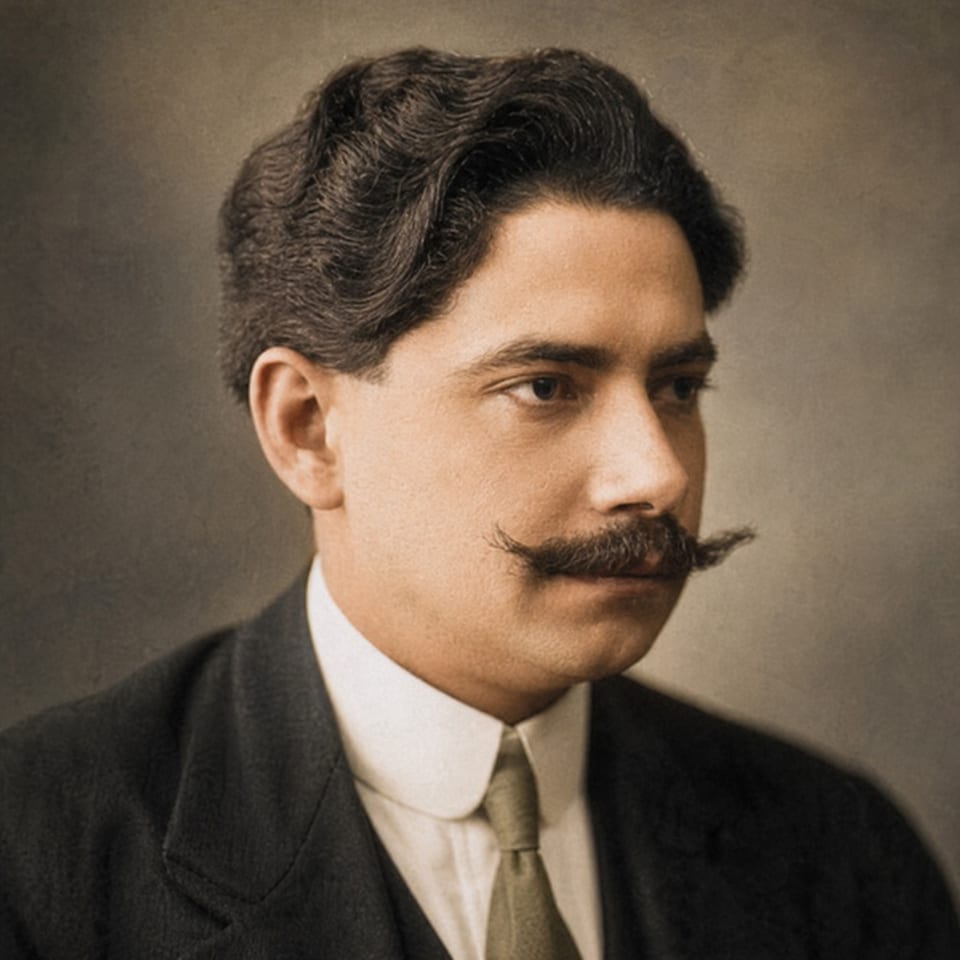
Tomás Morales Castellano was a physician and poet born in Moya, Gran Canaria, in 1884. He is a central figure of Canarian modernism.
Poetry · 1884–1921
Poetry
Tomás Morales Castellano was a physician and poet born in Moya, Gran Canaria, in 1884. He is a central figure of Canarian modernism.
Tomás Morales Castellano was born in Moya on 10 October 1884. He studied medicine in Cádiz and Madrid, worked as a doctor in Agaete and Las Palmas de Gran Canaria, and died in Las Palmas de Gran Canaria on 15 August 1921.
His literary career is linked to Canarian modernism and to early twentieth-century poetic circles in Gran Canaria, with generational and personal ties to authors such as Saulo Torón. He published Poemas de la gloria, del amor y del mar in 1908 and prepared Las Rosas de Hércules, a work in which the sea, classical mythology and modernist sensibility became central expressive axes.
Book II of Las Rosas de Hércules was printed at the end of 1919 and circulated in 1920, while Book I appeared posthumously in 1922. His memory is preserved in Moya, where a poetry prize bears his name in tribute to his legacy.
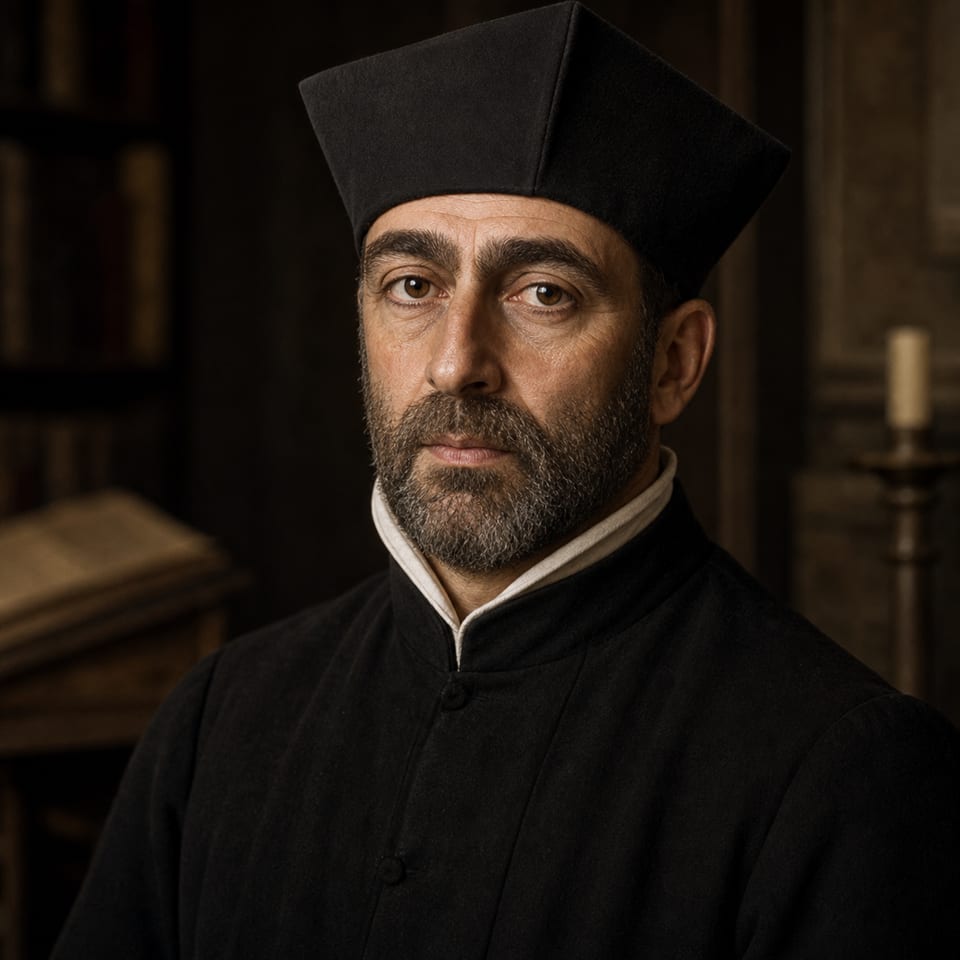
Canon and poet
1538 - 1610
Meet figures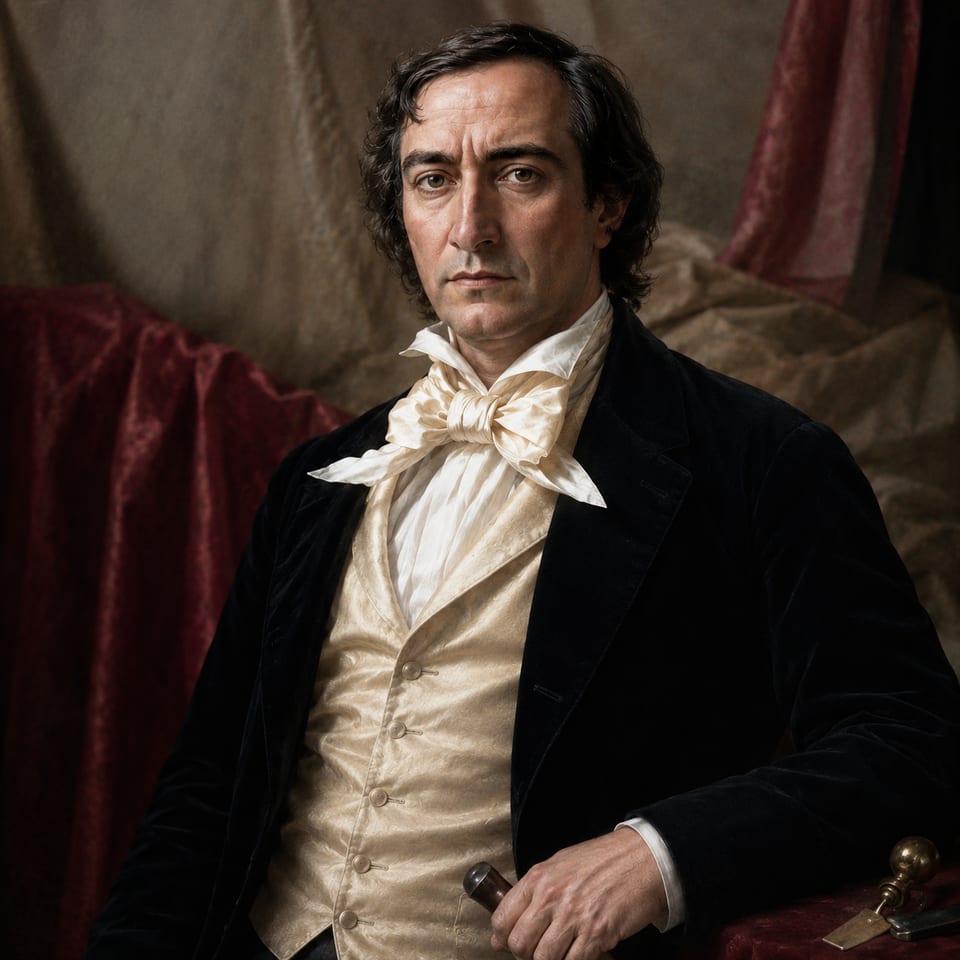
Sculptor and architect
1756 - 1815
Meet figures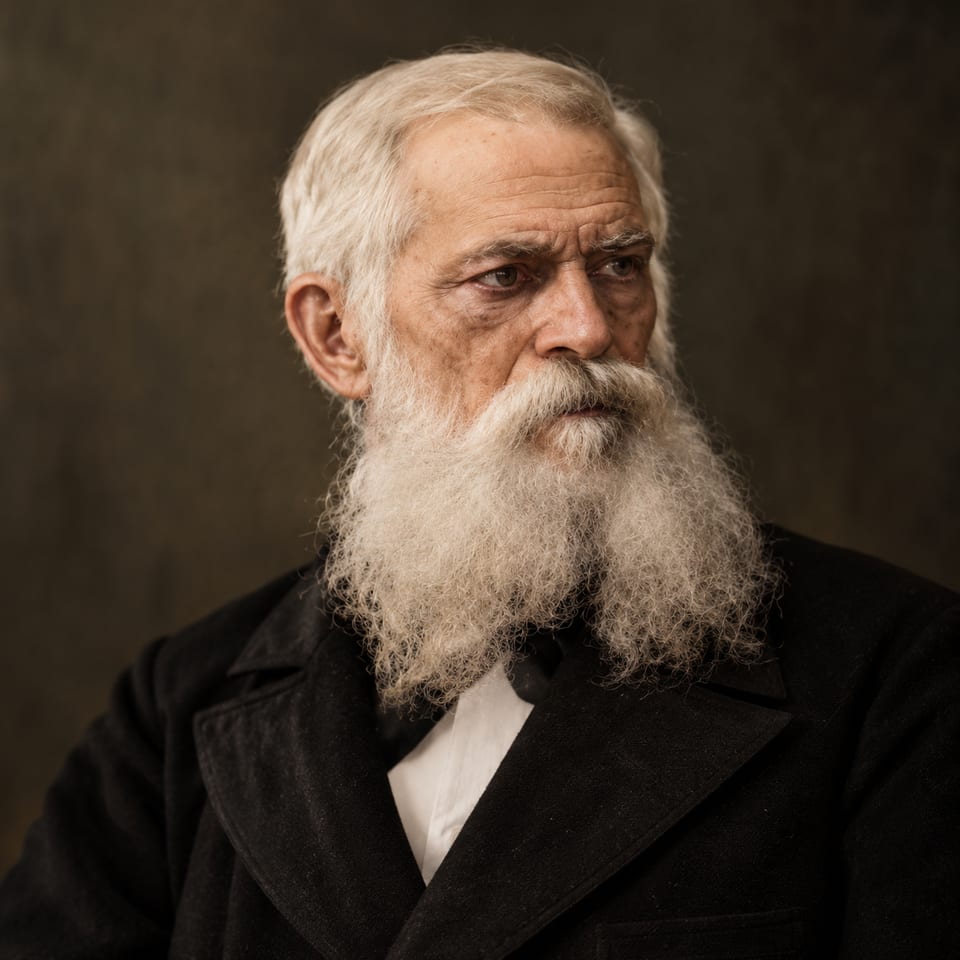
Physician and writer
1803 - 1896
Meet figures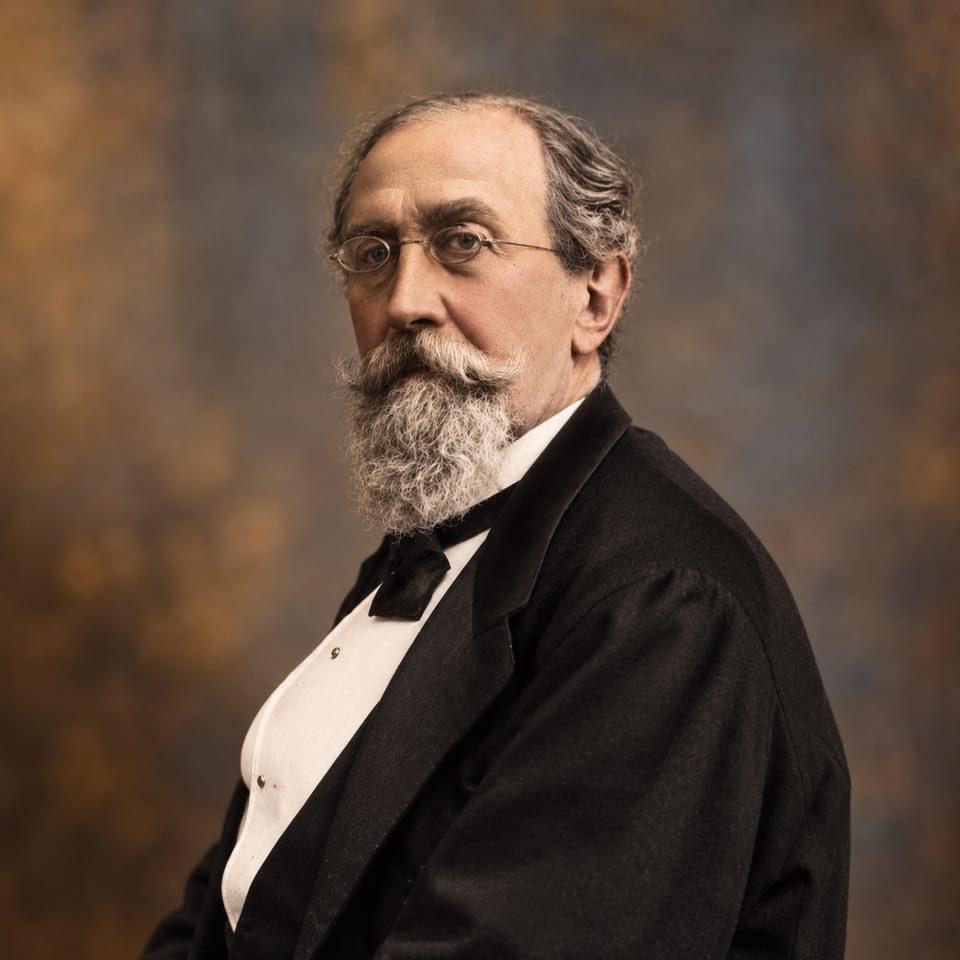
Painter and architectural designer
1812 - 1880
Meet figures