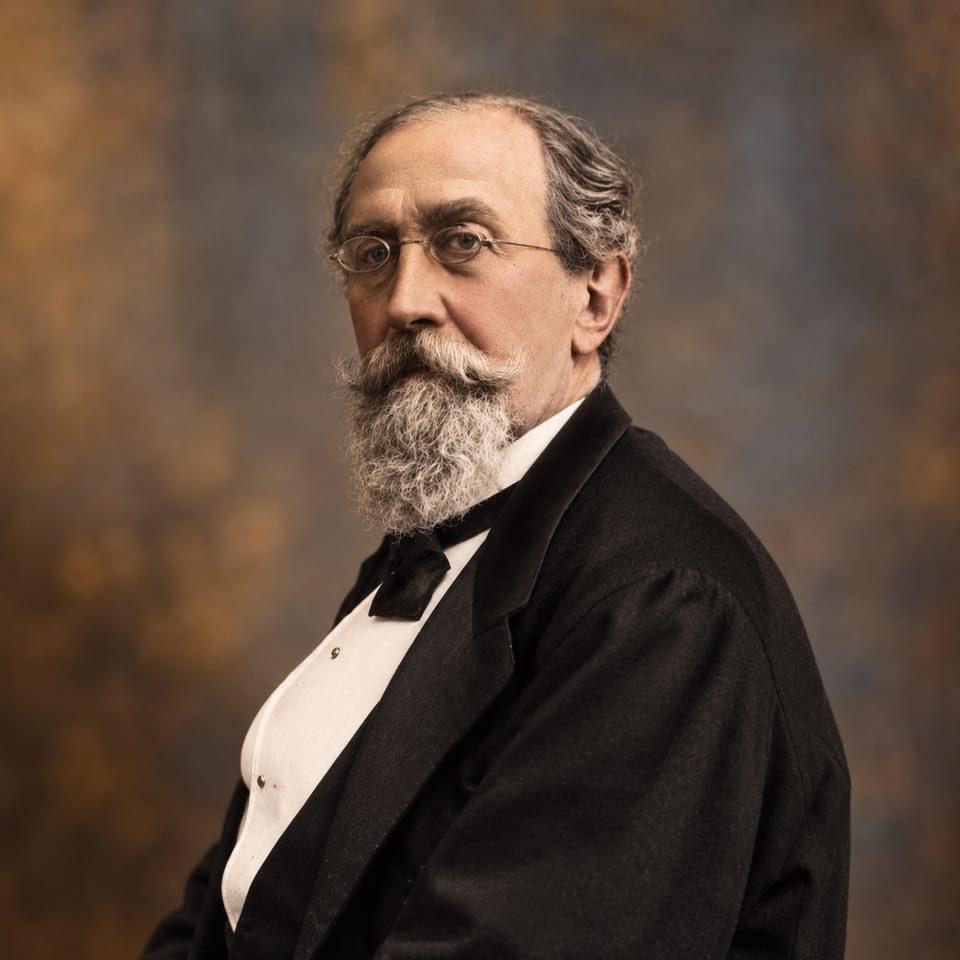
Politician, journalist and essayist
A mayor of Las Palmas de Gran Canaria and a Socialist senator, he pursued a substantial journalistic and cultural career. He served El Museo Canario and helped recover historical archives.
Politician, journalist and essayist · 1904–1988
Politician, journalist and essayist
A mayor of Las Palmas de Gran Canaria and a Socialist senator, he pursued a substantial journalistic and cultural career. He served El Museo Canario and helped recover historical archives.
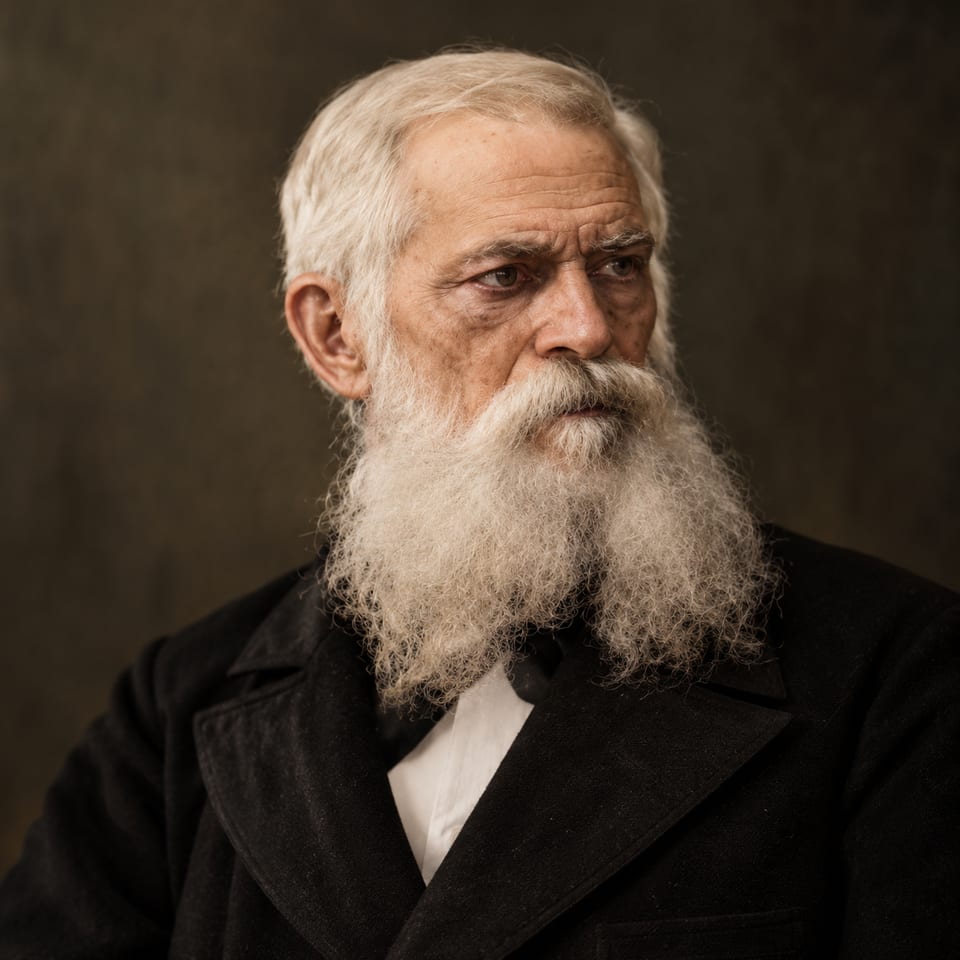
Juan Manuel Rodríguez Doreste was born in Las Palmas de Gran Canaria on 29 November 1904. He died in the same city in 1988. A Socialist politician, journalist, essayist and art critic, he combined a long cultural career with municipal and parliamentary responsibilities during democracy. His association with El Museo Canario added institutional administration and the recovery of historical documents to this work. His biography spans Civil War repression, cultural life under the dictatorship and the political changes of Spain's transition to democracy.
He received his early schooling from his cousin Librada Alvarado Doreste, a teacher who ran a school in the city. He then attended the School of Commerce, obtaining the qualification of profesor mercantil in 1921. His working life included employment with the port board, the roads administration, the company Hijos de Juan Rodríguez and the shipping agency of Camilo Martinón Navarro. These commercial occupations and his education existed alongside a journalistic vocation expressed through several newspapers and cultural magazines.
He contributed to Diario de Las Palmas, El liberal, Hoy and El socialista, served as chief editor of El país and directed Avance. After the Civil War he wrote under a pseudonym in Falange and helped establish Canarias deportiva and Canarias económica. In 1953 he co-founded Editorial Prensa Canaria. His cultural activities included art criticism, public lectures and contributions to Cartones and La rosa de los vientos. He published around fifteen books, comprising essays, collected articles and autobiographical writing, including Cuadros del penal and Memorias de un hijo del siglo.
He joined the Spanish Socialist Workers' Party in 1929. Following the outbreak of the Civil War, he remained in hiding for around two months before surrendering to the new authorities in September 1936. He was detained first in La Isleta and then at the Lazareto de Gando, where he remained until late 1940. His relationship with El Museo Canario was also interrupted: he was expelled alongside other members during the institution's political purges. After regaining his freedom, he resumed his employment and cultural activities.
The municipal elections of 1979 gave him a seat on the city council. The PSOE initially agreed a governing arrangement with Unión del Pueblo Canario, whose Manuel Bermejo became mayor. In 1980, a new agreement between the Socialists and Unión de Centro Democrático brought Rodríguez Doreste to the mayoralty, despite his group's small number of councillors. He lost the office in 1982 and was elected mayor again in 1983, this time with an absolute majority. He served as senator for Gran Canaria from 1982 to 1988 and chaired the Senate's Economy and Finance Committee during the third legislature.
He joined El Museo Canario in 1928 and entered its governing board two years later. At different times he served as librarian, secretary and treasurer and participated in the editorial board of its journal. He was secretary from 1969 to 1981. He helped recover documents of the Canarian Inquisition known as the Bute Collection at an auction in London and participated in bringing the archive of the Casa Fuerte de Adeje to Gran Canaria. His legacy connects writing and political representation with practical work to preserve sources for the history of the islands.