

ContemporaryCulture19th CenturyLibraries and access to reading
Teacher and librarian
Teacher and librarian at El Museo Canario from 1893 to 1912; he organised its collections and advocated public access to books.
Teacher and librarian · 1850–1912
Teacher and librarian
Teacher and librarian at El Museo Canario from 1893 to 1912; he organised its collections and advocated public access to books.
Francisco Cabrera Rodríguez was born in Ingenio on 27 September 1850. He died in 1912. A primary school teacher and librarian, he combined teaching with the organisation of a library open to the inhabitants of Las Palmas de Gran Canaria. His contribution to El Museo Canario involved making inventories, expanding and arranging its book collections, and advocating access to reading for the population. He directed the scientific society’s library for nineteen years, during a period when its holdings grew substantially across the transition from the nineteenth to the twentieth century.
He trained at the teacher training school in Las Palmas. Rafael Sánchez Valerón, the official chronicler of Ingenio, records him as an eighteen-year-old student in the 1868–1869 academic year. His examinations for the elementary teaching qualification took place between 15 and 17 January 1870, and the results show that he passed. He subsequently taught in Gáldar and Las Palmas. His siblings Josefa and Juan Bautista were also teachers: she worked in several schools, including schools on Fuerteventura, while he taught in Tenteniguada. The chronicler also records Francisco’s appointment as a member of pedagogical congresses held in Paris and Madrid.
By 1880 he was a member of El Museo Canario, joining shortly after the institution had been established. He served on its governing board between 1887 and 1892 and officially took the position of librarian in 1893, remaining in that role until his death. His early association with the society led it to regard him as one of its founders. His involvement thus extended from joining the young institution to maintaining a sustained responsibility for its bibliographical heritage and the organisation of the books available to readers.
One of his first inventories, compiled in 1893, contained 2,245 records. Under his direction, the inventory reached 7,000 records in 1900. Between 1901 and 1902 he also prepared the inventory of the private library of Gregorio Chil y Naranjo, the deceased founder and first director of the museum. That catalogue listed 7,500 volumes which were added to the society’s holdings. The institutional archive describes the collection at the beginning of the twentieth century as approaching 15,000 books. Cabrera also worked on their accommodation and preservation, adapting the former library room in Chil’s house for the institution’s library use.
His understanding of the library’s purpose was set out in a report submitted to the board in May 1893. He defended access to books as a means of education and called for habits of reading and reflection to be encouraged among workers. He regarded attention to material progress alone as insufficient and assigned education an intellectual and social role. These ideas accompanied the practical tasks of arranging and preserving the collection. One of the library spaces at El Museo Canario bears his name, commemorating the teacher whose work helped sustain a privately owned collection with a public cultural vocation.
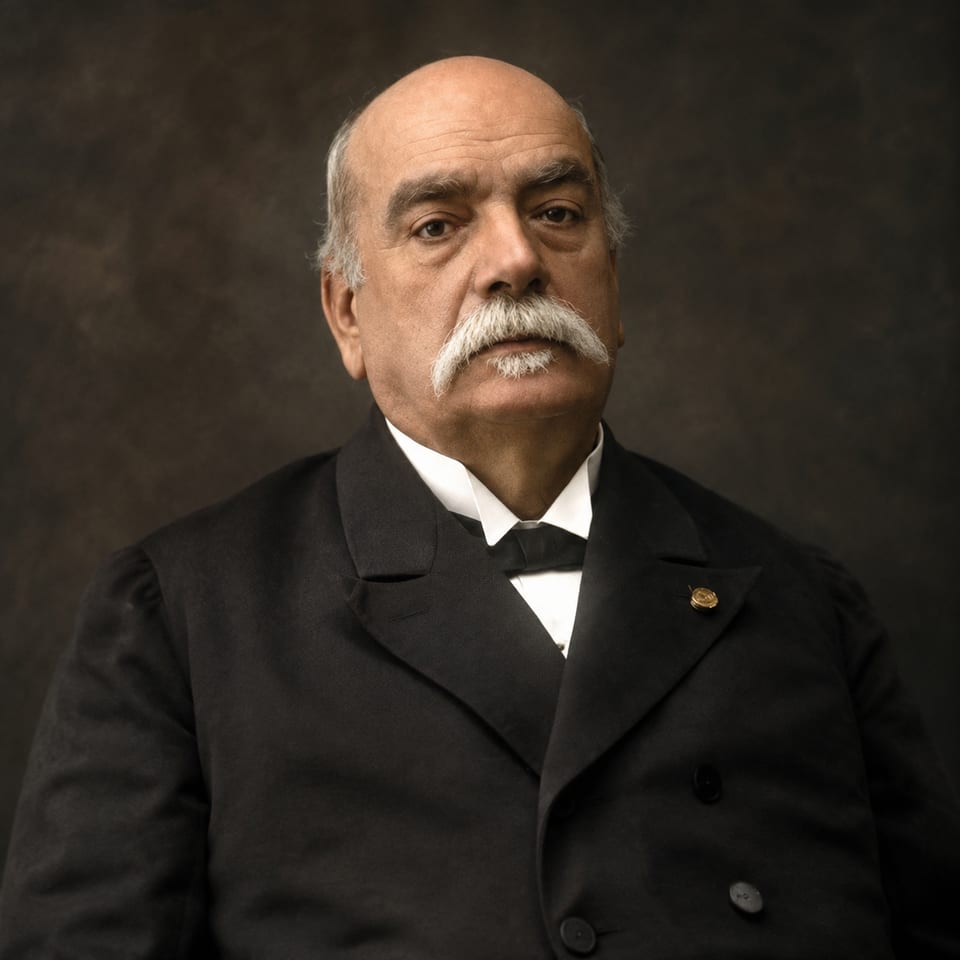
Physician, anthropologist and museologist
1831 - 1901
Meet figures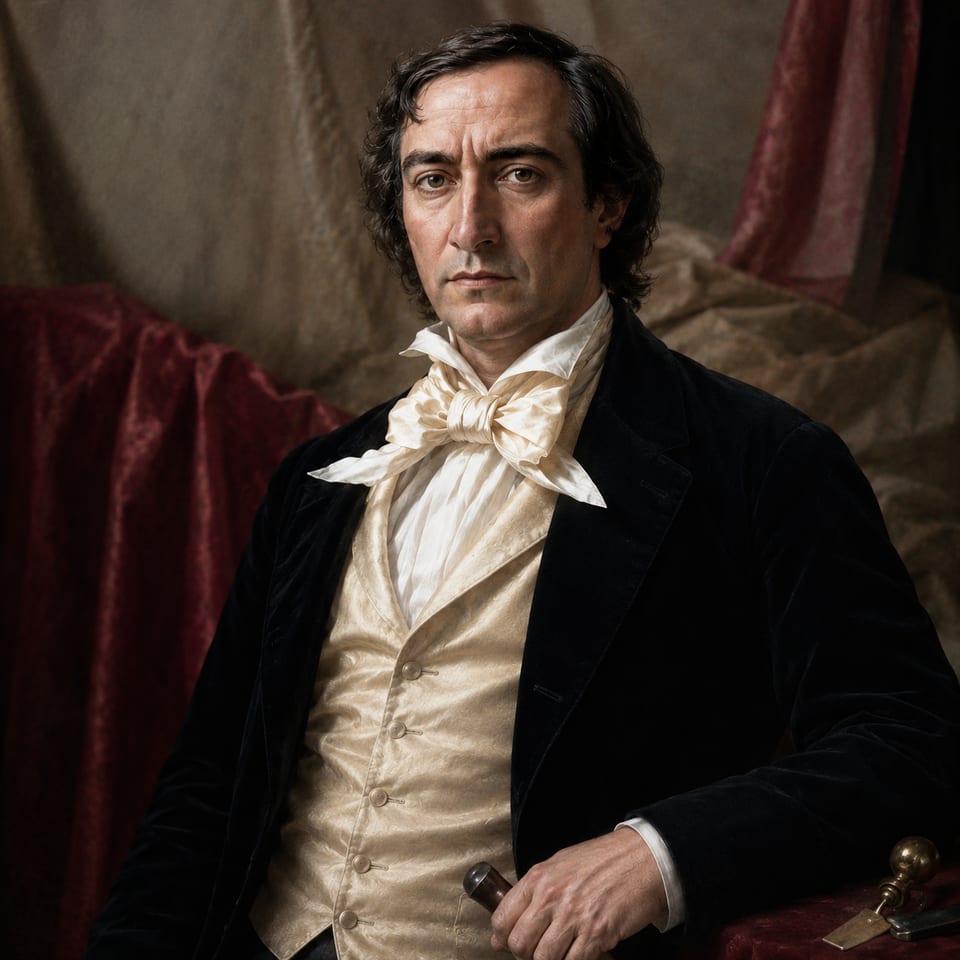
Sculptor and architect
1756 - 1815
Meet figures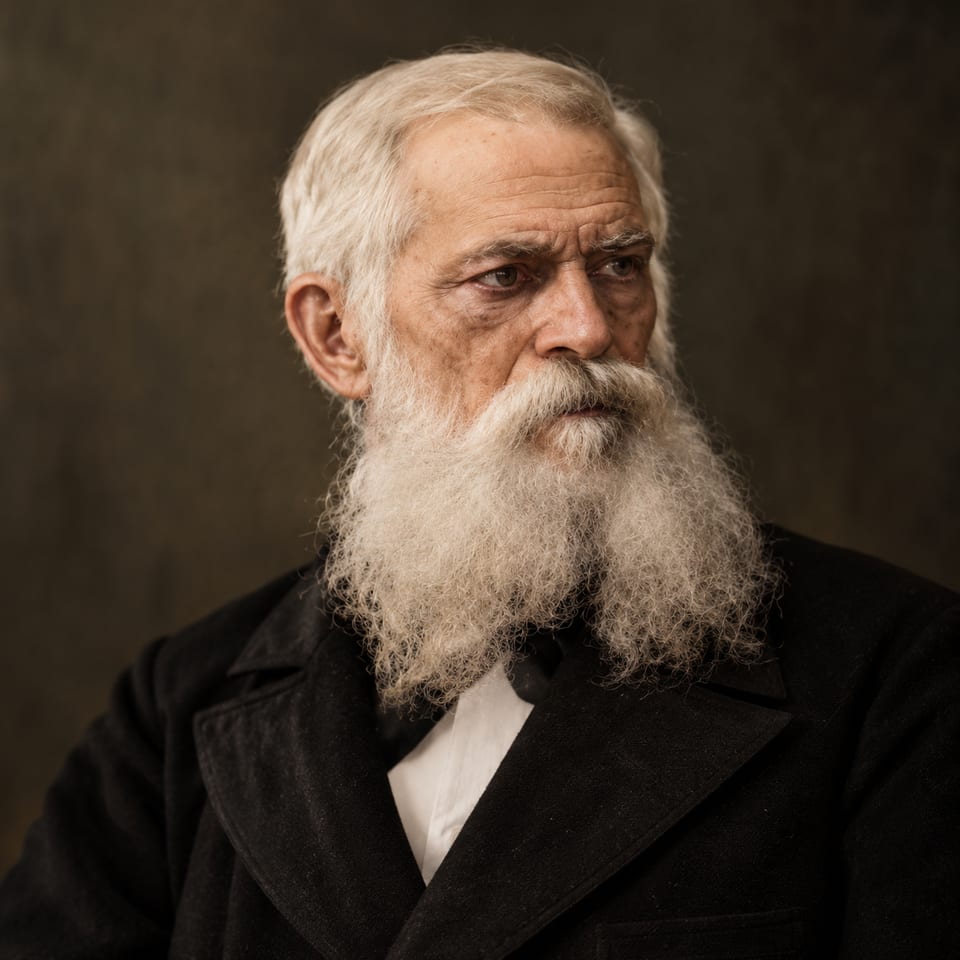
Physician and writer
1803 - 1896
Meet figures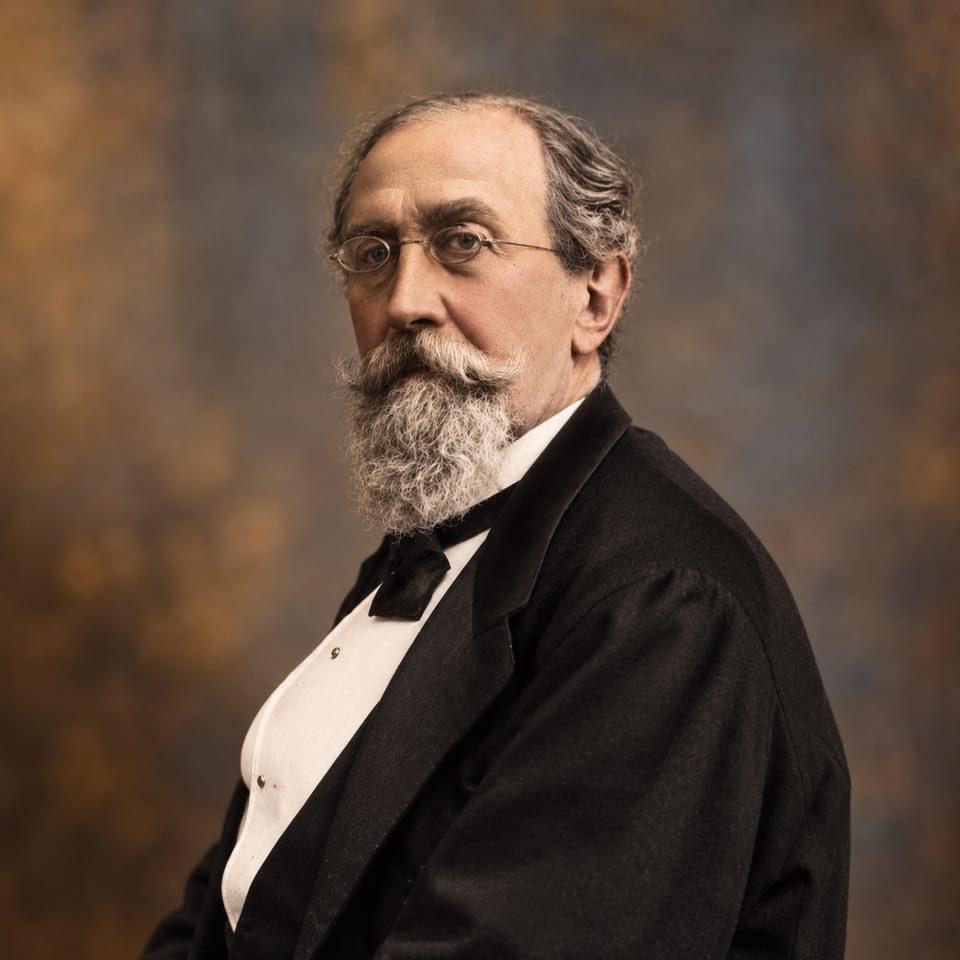
Painter and architectural designer
1812 - 1880
Meet figuresLawyer, teacher and essayist
1821
Meet figures