Alberto García Ibáñez
ContemporaryScience19th CenturyHealth services and cultural heritage

Public health physician and Museum president

Director of health services at the ports of La Luz and Las Palmas, leprosy researcher and provincial health administrator. Became president of El Museo Canario in December 1939.
Early life

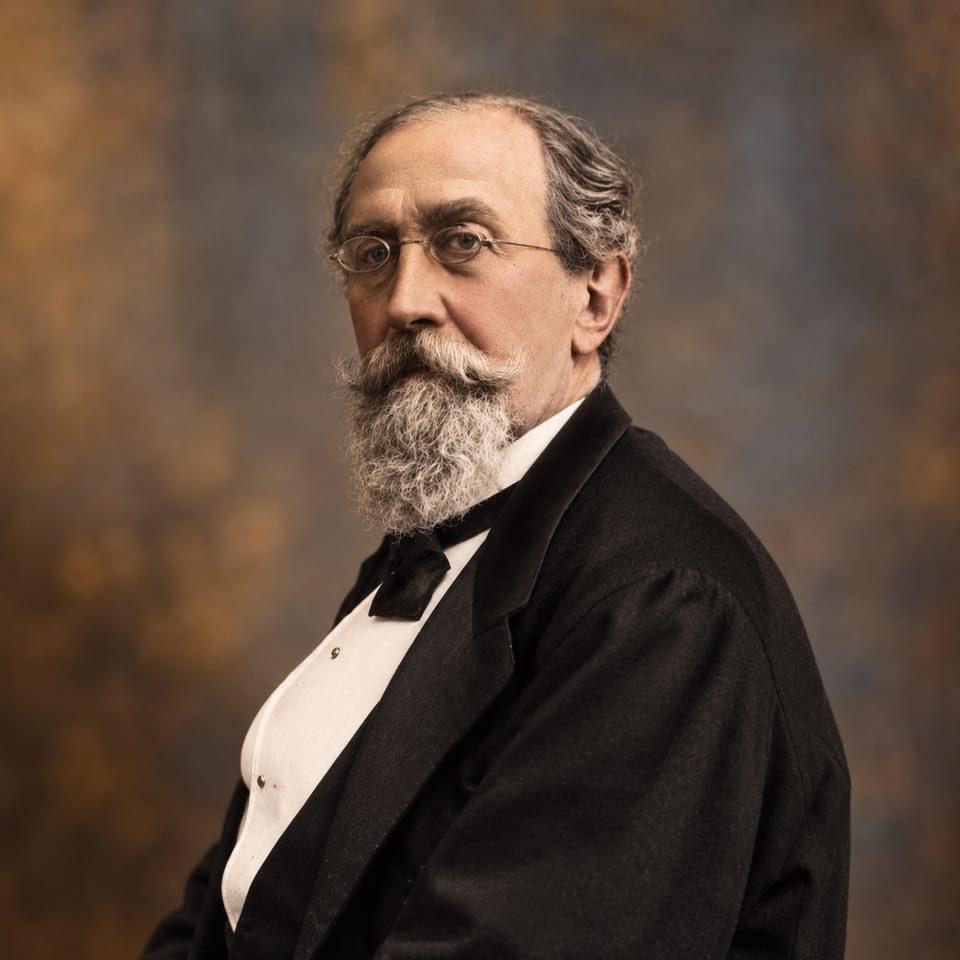
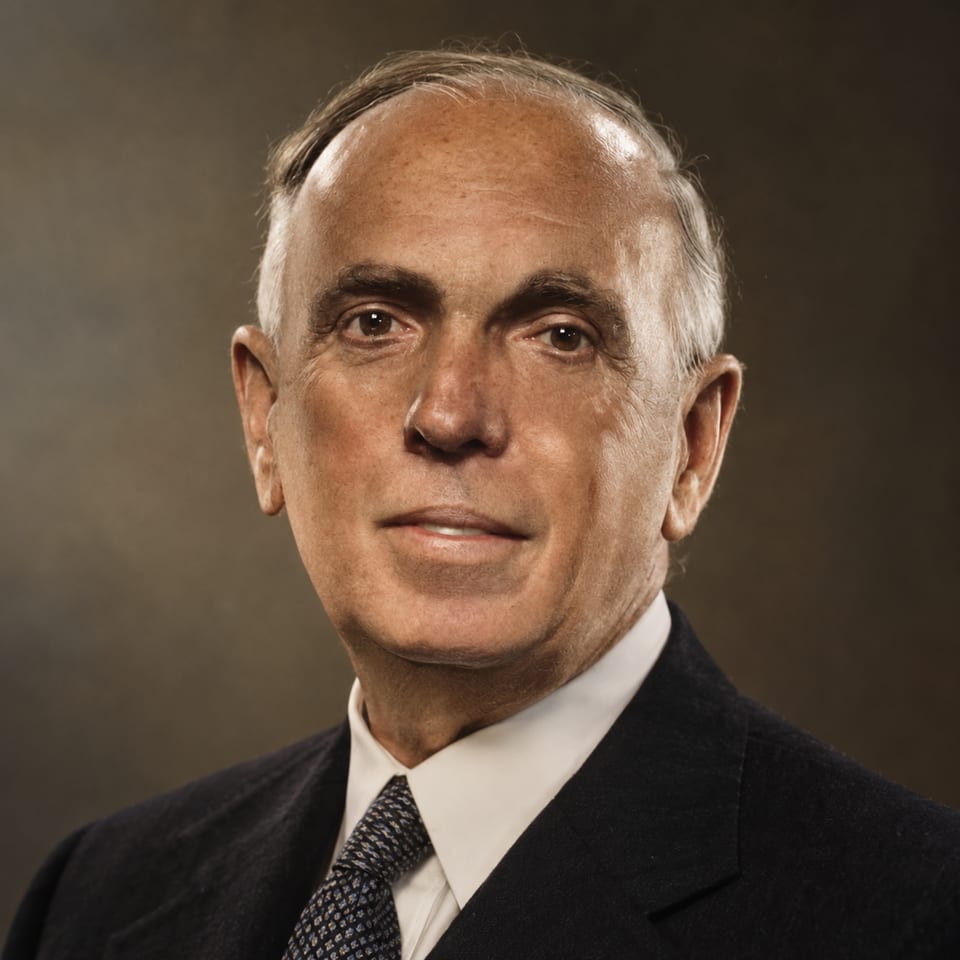
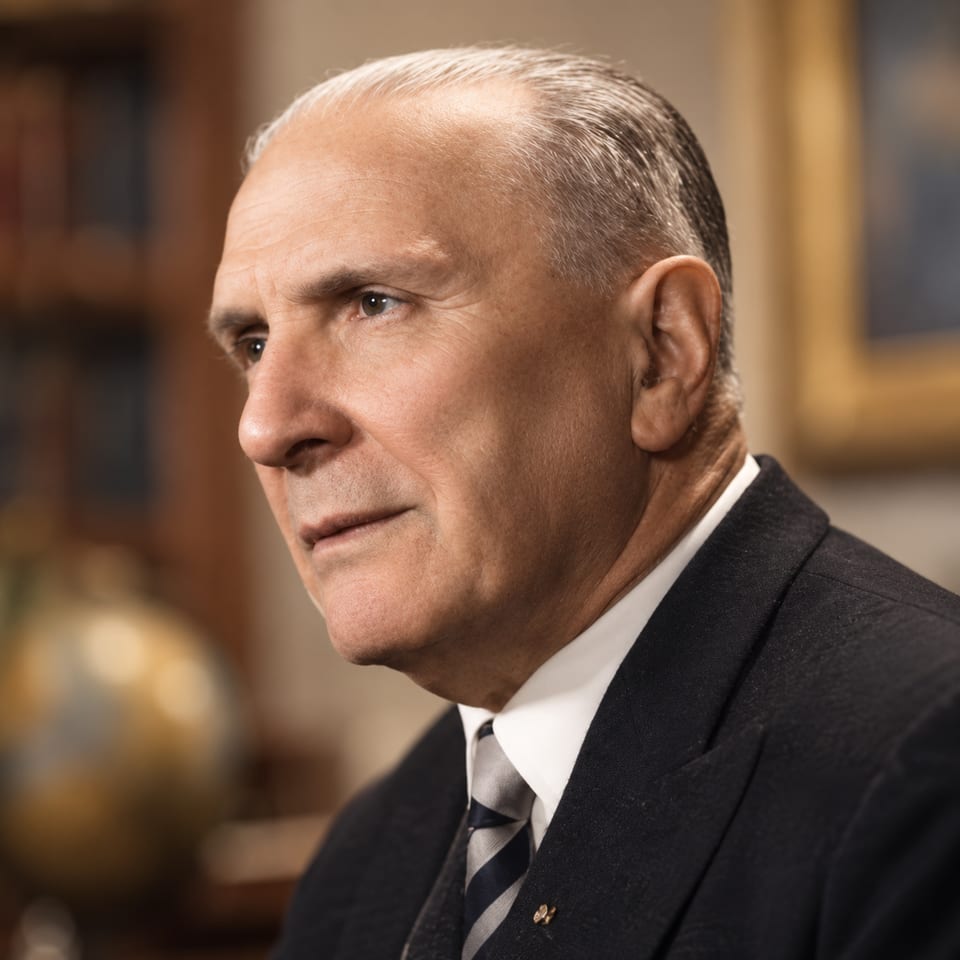
Alberto García Ibáñez was a public health physician and president of El Museo Canario. He was born on 23 February 1883, as recorded in the official seniority list of Spain’s national public health medical corps. His career in Las Palmas combined the management of health services, clinical and historical work on leprosy, and participation in a society devoted to preserving and studying the cultural heritage of the Canary Islands.

Historical role

In 1917 he was director of health services for the ports of La Luz and Las Palmas and the physician responsible for a state-funded programme for investigating leprosy. He submitted a report to the General Health Inspectorate summarising the programme’s first year of operation. Juan Bosch Millares later discussed this report in his history of San Lázaro hospital, published in the journal El Museo Canario.

The report examined the official information available and the difficulties encountered in obtaining reliable data from local authorities. García Ibáñez studied twenty-seven people admitted to San Lázaro from several islands, comparing their histories and the geographical distribution of cases. He also challenged explanations circulating at the time that attributed the disease to the consumption of particular foods. This work forms part of the history of medical observation and health administration in the islands; its hypotheses belong to the scientific understanding of its period.

His medical activity also included clinical initiatives. The institutional history of Hospitales Universitarios San Roque names him, alongside Silvestre Bello, among the physicians involved in founding a medical and surgical clinic announced in the island press in the late 1920s. This involvement adds a hospital-care dimension to a career that brought together public services and clinical projects in the capital of Gran Canaria.

In December 1939 García Ibáñez became president of El Museo Canario. Librarian and historian Luis Regueira Benítez highlights his contribution to preserving the society’s scientific functions during the early years of Franco’s dictatorship. Regueira places that intervention within an institution that had supported the Nationalist side during the war and needed public subsidies to confront economic difficulties. Its defence of scientific activity therefore belongs within this particular institutional and political setting.

García Ibáñez subsequently held other responsibilities at the Museum. Its social news section for 1945 records his election as librarian for 1946 and 1947, on a board chaired by José Díaz y Hernández, with Juan Bosch Millares as director. The presidency, directorship and library position were separate offices within the society’s organisation, and this later appointment documents his continued involvement.

Legacy

In 1953 he was listed as provincial head of health services in Las Palmas. A March decree ordered his retirement on age grounds, while another awarded him the Grand Cross of the Civil Order of Health. That year the medical association encouraged him to complete a study of provincial health during his periods in maritime health services and the provincial administration, offering to support publication if funding permitted. His documented contribution connects health administration, the preservation of medical history and the cultural life of Las Palmas.

Sources and verification