Juan Bosch Millares
ContemporaryScience19th CenturyMedicine and palaeopathology

Physician, teacher and historian of medicine

He combined medical practice at the Hospital de San Martín with teaching and historical research. He directed El Museo Canario and studied evidence of disease in the skeletal remains of the ancient Canarians.
Early life

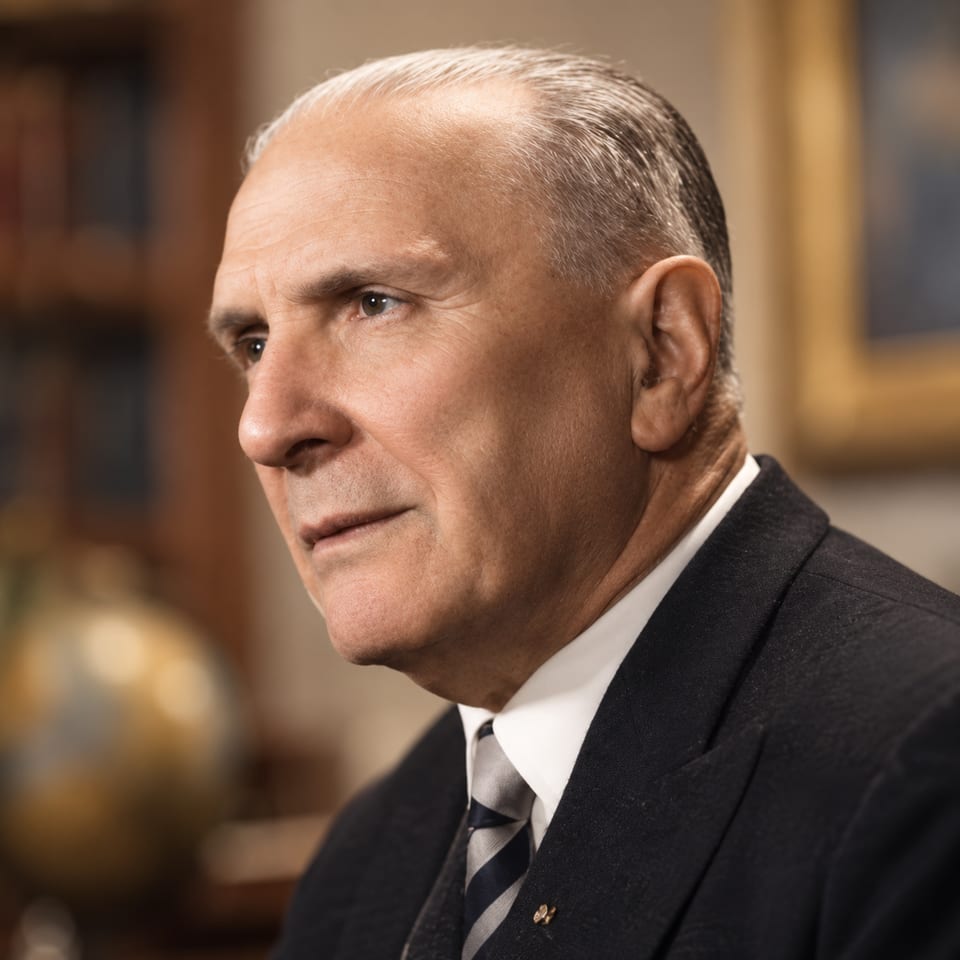
Juan Bosch Millares was born in Las Palmas de Gran Canaria in 1893. He died in 1983, the year adopted by El Museo Canario's institutional biography and consistent with the contemporary annual report of the Instituto de Estudios Canarios. A physician, teacher and researcher, he linked hospital care with the education of teachers and secondary school pupils and the historical study of medicine. His career provides a way of tracing the connections between healthcare, education and the preservation of scientific collections in twentieth-century Gran Canaria.

Historical role

He moved to Madrid to study medicine and obtained a doctorate in Medicine and Surgery in 1918. He also graduated in Natural Sciences. This training supported several forms of professional activity, ranging from municipal charitable healthcare to hospital practice. He worked in the Asistencia Pública Domiciliaria, providing medical care through the municipal welfare service, and headed Internal Medicine at the Hospital de San Martín. He directed that hospital for nine years. His medical work also included digestive diseases and participation in other healthcare services.

Teaching remained an important part of his professional life. He obtained an adjunct teaching position at the primary teacher training school through a competitive examination and became a permanent teacher at the Instituto Nacional de Enseñanza Media. He also taught at the Hospital de San Martín. His articles and speeches show an interest in pedagogy and in the vocation of those responsible for educating others. He wrote about the origins and development of the teacher training school in Las Palmas and advocated public recognition of the teacher Salomé Araña.

His interest in history was closely connected to his medical knowledge. He directed El Museo Canario for four decades and examined its pre-Hispanic skeletal collections to investigate diseases affecting the ancient Canarians. This work belongs to the history of palaeopathology in the islands. He wrote Historia de la medicina en Gran Canaria and reconstructed the histories of the hospitals of San Martín and San Lázaro in Las Palmas and San Pedro Mártir in Telde. He also produced biographies of physicians, particularly those who had engaged with literature and the humanities.

He held responsibilities in healthcare bodies and professional associations. He served as secretary of the provincial health council, president of the medical association of Las Palmas and president of the city's Academy of Medical Sciences. He also participated in the direction of Revista médica de Canarias. In 1947 he received the Encomienda of the Civil Order of Health; in 1961 he received the corresponding distinction of the Order of Alfonso X the Wise. These honours recognised his medical and educational activities.

Legacy

His newspaper contributions reveal a further aspect of his career. Writing in the Plumas de las islas section of Falange, he discussed medicine, the city and memories of his education. Teresa Delgado Darias reads these texts as evidence of sensitivity to suffering and concern about the weakening of dialogue between doctor and patient. At a tribute in December 1962, he described the Hospital de San Martín, El Museo Canario and secondary schools as the principal settings of his dedication. His legacy brings together clinical practice, institutional memory and reflection on the human relationships at the heart of medicine.

Sources and verification